


Top 10 Rowing Machines — Best Overall + Best Value in 2027
Quality
Certified
The 10 best rowing machines are ranked below on measured performance, build quality, price, and how each one actually holds up in daily use rather than how it reads on a spec sheet. Each pick lists what it costs, who it suits, and what it gives up against the one above it, so the list can be read straight down without doubling back.
1Concept2 RowErg with PM5
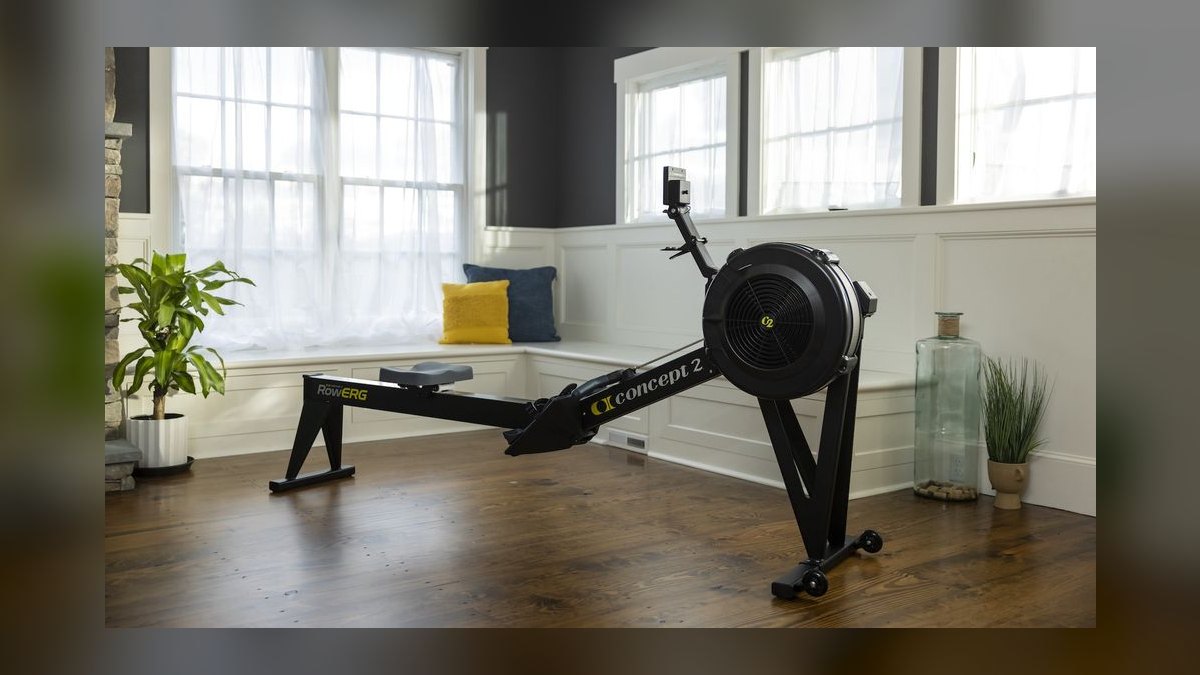
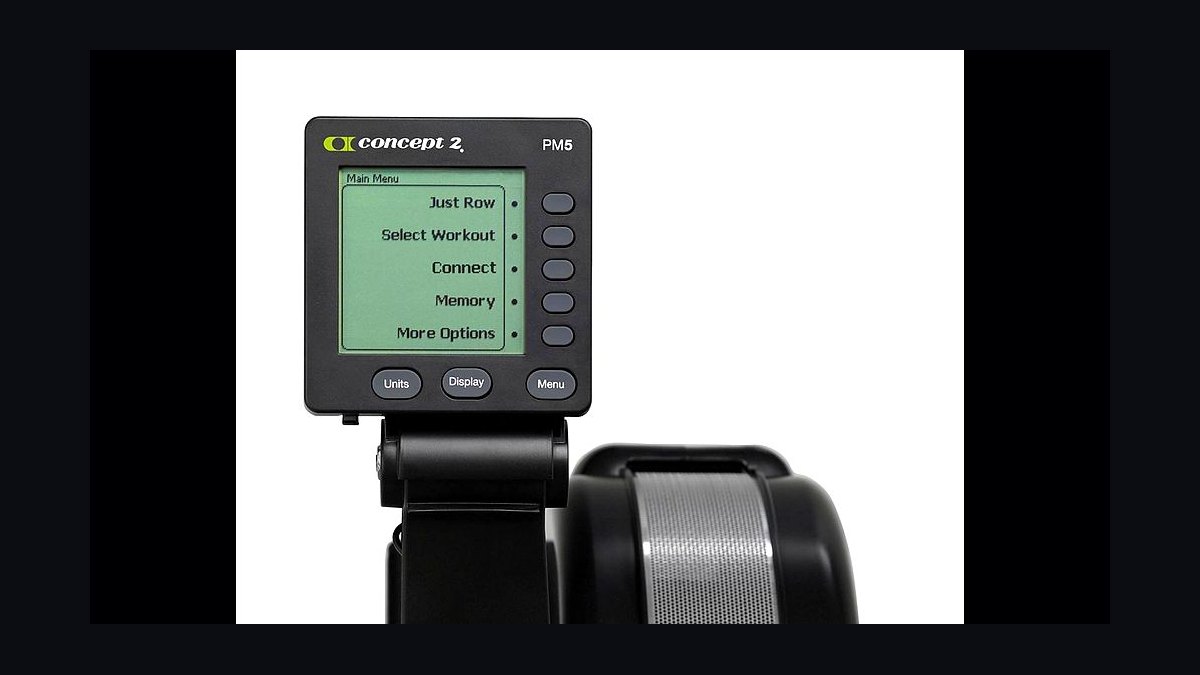
The Concept2 RowErg earns the top spot because its PM5 monitor is the only rowing data accepted by competitive sanctioning bodies, including CrossFit and collegiate programs. At $1,010 it pairs an air flywheel with a nickel-plated steel chain drive and a 500-lb max user weight. The damper adjusts 1-10 to tune flywheel feel, and the powder-coated steel frame carries a 5-year warranty with 2-year parts coverage.
This is for CrossFitters, garage gym owners, and anyone chasing a sub-7 2K time. It trades away the on-board touchscreen entirely — you mount a phone or tablet for instructor classes, and it runs about 70 dB at race pace. Against the Hydrow Pro below, it costs $1,485 less, needs no subscription, and holds 70-80% of MSRP at five years. Footprint is 96" × 24".
2Hydrow Pro
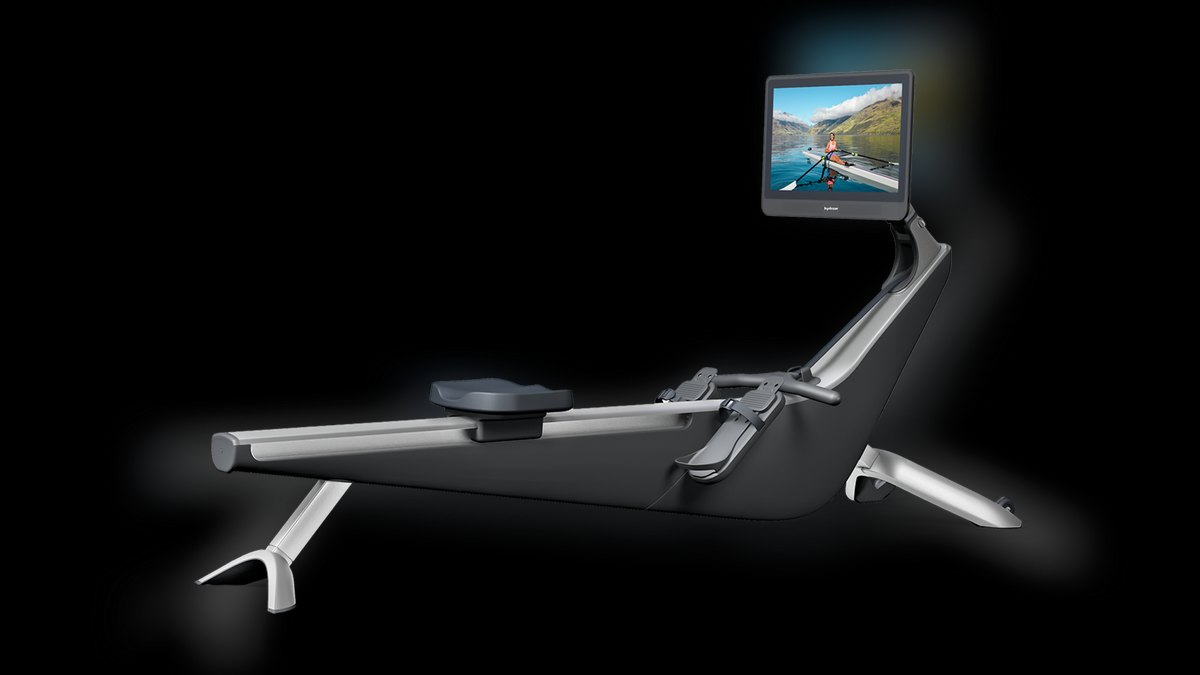
The Hydrow Pro ranks second on class production and silence: computer-controlled electromagnetic resistance runs about 52 dB, the quietest on this list. A 22" HD pivoting touchscreen streams live and on-demand sessions filmed on real water and led by Olympic and World Championship athletes. The aluminum and steel frame handles 375 lb, uses a belt drive instead of a chain, and occupies 86" × 25" of floor.
Buy this if Peloton-style instruction is what actually gets you training. It costs $2,495 plus a $44/month membership — without the subscription you own an expensive magnetic rower. The pivoting screen does unlock strength, yoga, and mobility floor work off the seat. Versus the Concept2 above, you gain a coach and quiet operation but lose competition-grade data accuracy and resale value. Vertical storage needs the $95 upright kit.
3Concept2 RowErg on Slides
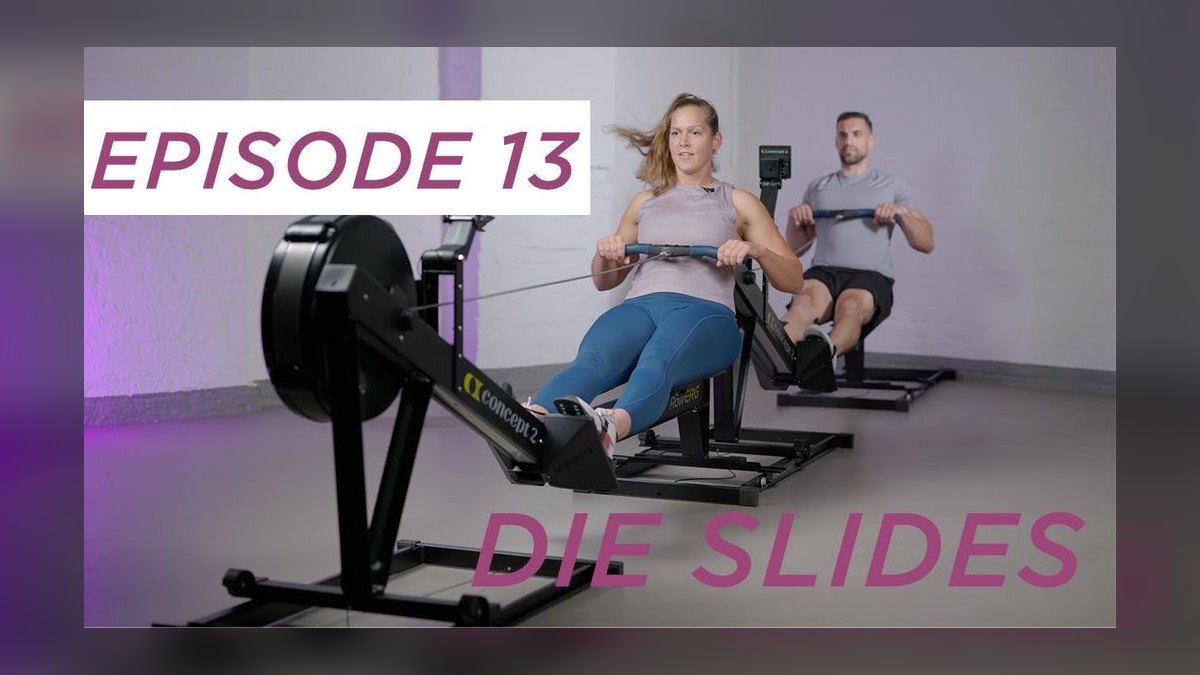
Mounting the RowErg on Concept2 Slides ranks third because it converts a static erg into dynamic rowing for roughly $270 over the base machine, totaling about $1,280. The flywheel and rail travel under you instead of your body slamming toward a fixed frame, mirroring a sweep or sculling boat. Collegiate crews and Olympic squads train this way. Same PM5 monitor, same air resistance, same 500-lb capacity, and roughly 68 dB.
This suits tall rowers, off-season crew members, and anyone who dislikes the thump at the catch. The trade is space: the footprint stretches to 110" × 24" with slides engaged, which rules out most apartments. Slides also link up to eight ergs for team pieces and reduce lumbar shear at high stroke rates. Compared with the base RowErg at #1, you pay more and store less easily.
4WaterRower Natural
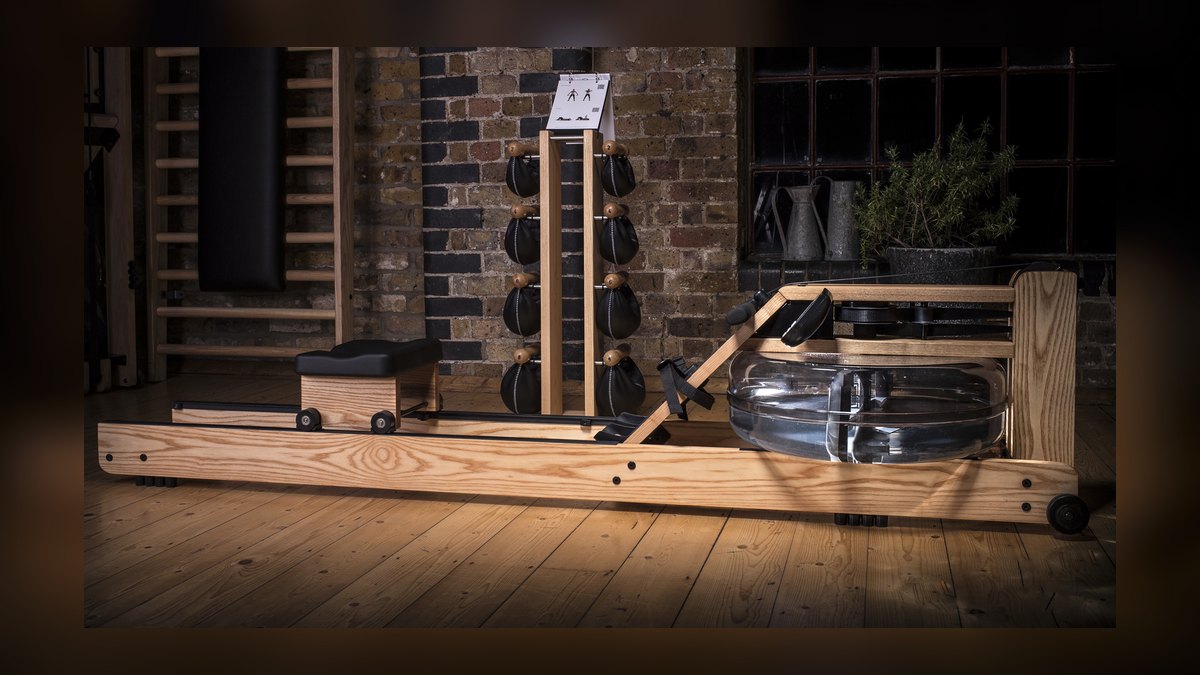
The WaterRower Natural earns fourth on feel and materials: an enclosed water flywheel delivers the closest sensation to a real boat, and the frame is solid ash hardwood hand-built in Rhode Island. Max user weight is 700 lb, the highest here. It stores upright on its end in a 22" × 22" footprint and carries a lifetime frame warranty. The S4 monitor reports intensity, stroke rate, distance, duration, calories, and watts.
This is the pick when the machine has to live in a living room rather than a basement. You trade monitor depth — the S4 is accurate but bare next to a PM5 — and Bluetooth requires a separately sold dongle for Kinomap or EXR. The water whoosh runs about 75 dB, louder than the Hydrow above. Filled with water it is heavier to move than steel rowers. Price is $1,495.
5Echelon Row-s

The Echelon Row-s is the value pick at $899 because it delivers a 24" HD swiveling touchscreen and 32 magnetic resistance levels for roughly 36% of the Hydrow Pro's price. The steel frame supports 300 lb, uses a belt drive, and measures 84" × 22" before folding vertically in about 30 seconds. At roughly 55 dB it is genuinely apartment-viable. Metrics cover time, distance, SPM, calories, heart rate, and output.
This fits apartment dwellers who want instructor-led classes without a $2,495 outlay. Echelon Premier runs $40 per month and adds strength, cycling, and yoga you can do off the machine using the swiveling screen. The trade against Hydrow is production polish — the library is large and growing but less cinematic. Against the WaterRower above, you gain folding storage and silence, and lose the hardwood build and water feel.
6NordicTrack RW900
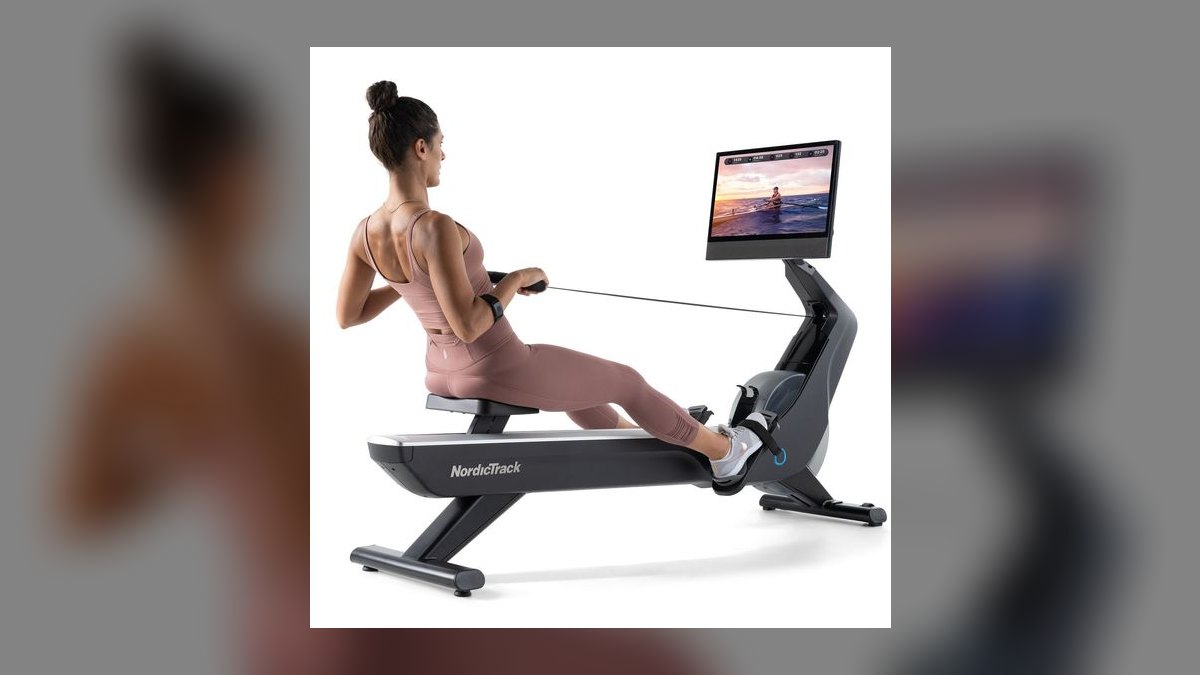
The RW900 lands sixth for storage and ecosystem depth at $1,599: dual magnetic-plus-air resistance across 26 digital levels, a 22" HD rotating touchscreen, and iFit trainer-controlled auto-resistance that shifts mid-interval. The powder-coated steel frame folds vertically to 44" × 22" from an 87" × 22" footprint, the best fold-up of the premium rowers. Belt drive. Metrics include distance, time, watts, calories, SPM, and heart rate via EKG grips or Bluetooth strap.
This makes sense for households already running iFit on a NordicTrack treadmill or bike. The hard limit is a 250-lb max user weight, the lowest on this list and a genuine disqualifier for some buyers. iFit costs $39 per month and most content sits behind it. Against the Echelon Row-s above, you pay $700 more for auto-adjusting resistance and a deeper class catalog.
7Aviron Strong Series
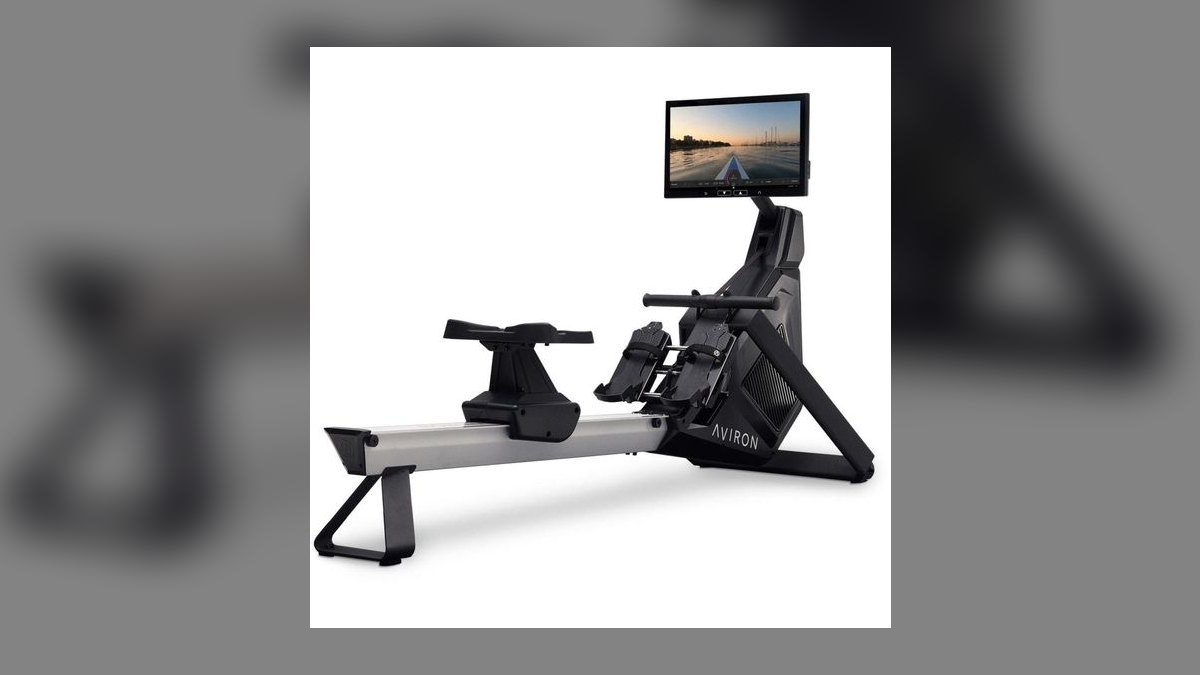
The Aviron Strong Series ranks seventh on engagement rather than value: its 22" HD touchscreen runs interactive games, races, scenic rows, plus Netflix, YouTube, Disney+, and Prime Video. Resistance is dual air and magnetic with 16 electronically adjusted levels. The commercial-grade steel frame takes 507 lb, the highest capacity among smart rowers here, and the 95" × 20" footprint stores vertically at 24" × 20" with a wall mount. Roughly 62 dB, belt drive.
This is for people whose real obstacle is boredom on a Concept2. At $2,299 it is the most expensive machine on this list, and the $29 monthly membership gates the games and coached content that justify the hardware. Streaming support means you can watch a series while rowing. Against the RW900 above, you gain 257 lb of weight capacity and lose the iFit auto-resistance integration.
8ProForm Pro Rower
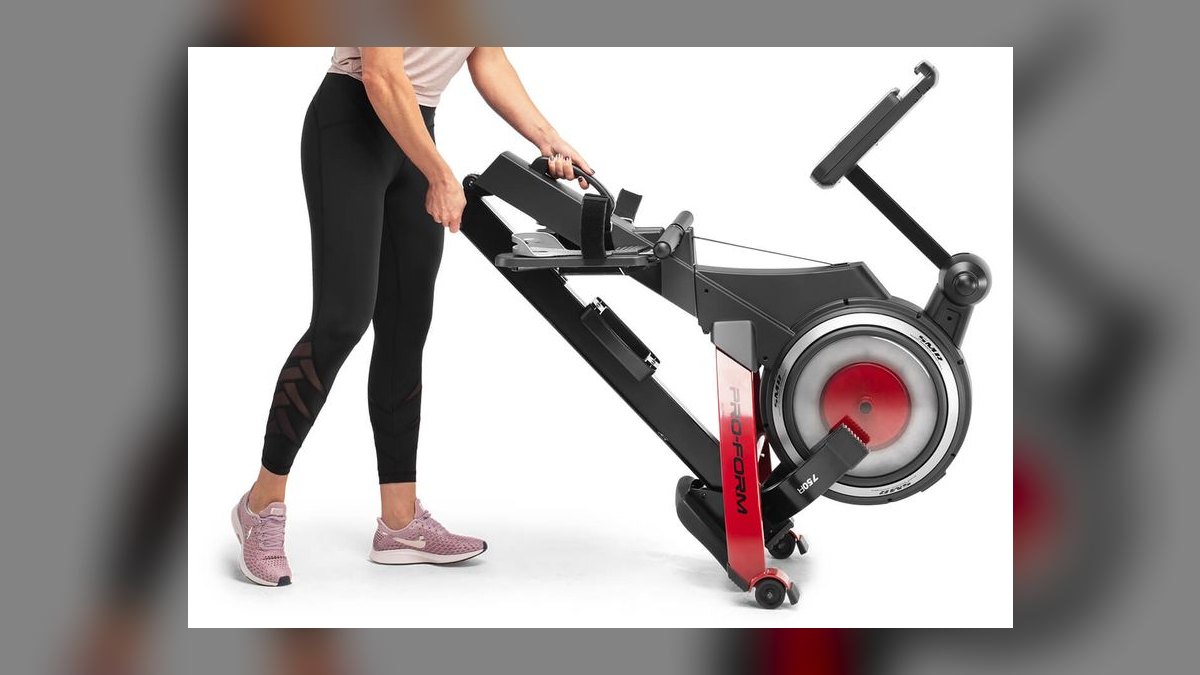
The ProForm Pro Rower places eighth as the cheapest credible route into iFit at $1,199, with a full year of iFit Family included — roughly $468 of value at the $39 monthly rate. It offers 24 digital magnetic resistance levels, a powder-coated steel frame, belt drive, and an 86" × 22" footprint that folds vertically. Sound sits near 58 dB. Metrics cover watts, calories, SPM, distance, time, and heart rate via Bluetooth strap.
This suits iFit-curious buyers who cannot justify RW900 money. The compromise is the 10" screen, which feels cramped after using a 22" Hydrow or NordicTrack panel, and the same restrictive 250-lb user cap. ProForm and NordicTrack share parent company iFit Health, so the software is identical at a lower hardware trim. Pick this over the RW900 above when budget is the binding constraint.
9Sunny Health SF-RW5515
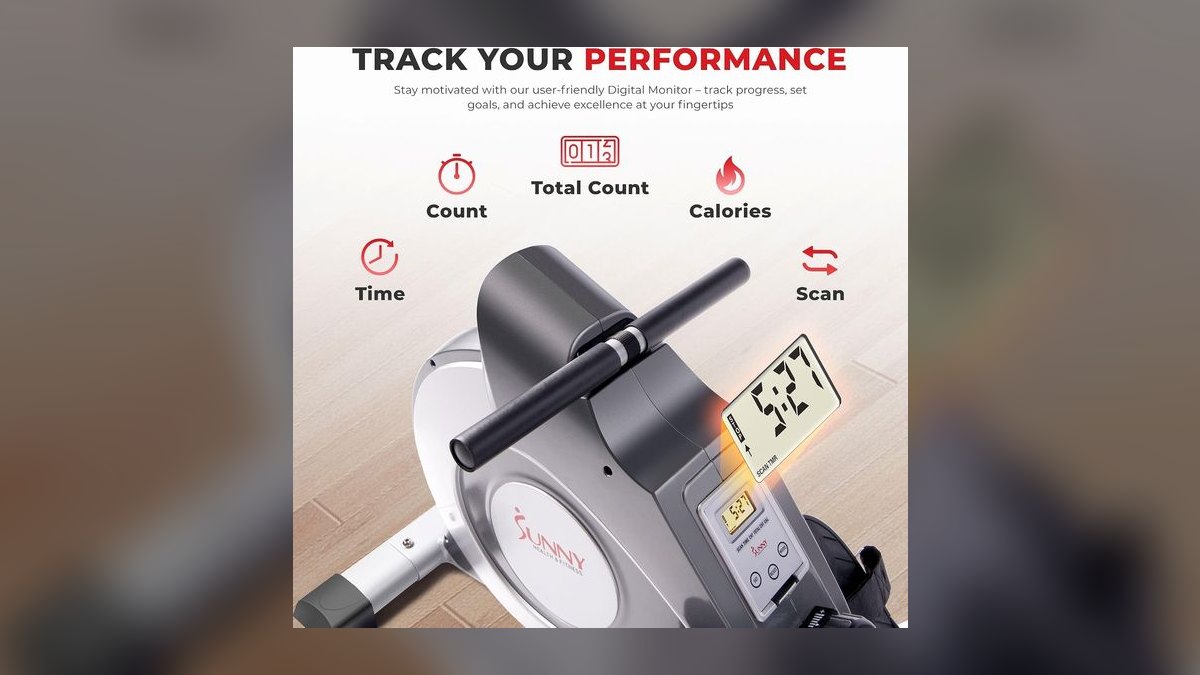
The SF-RW5515 ranks ninth as the best sub-$300 rower that survives past six months. At $299 it uses eight levels of magnetic resistance via a tension knob, a steel frame, and an LCD showing time, count, total count, calories, and scan. It folds in half to a 27" × 19" stored footprint — the only model here that truly disappears into a closet. Belt drive keeps it near 50 dB, effectively silent.
This is for true beginners, dorm rooms, and guest-room second machines where the buyer isn't sure rowing will stick. It gives up everything smart: no app, no Bluetooth, no watts, and plastic foot pedals not built for daily 60-minute sessions. Max user weight is 250 lb. Against the Stamina below at the same price, you trade air-resistance feel for near-silent operation and a far smaller folded size.
10Stamina ATS Air Rower 1399
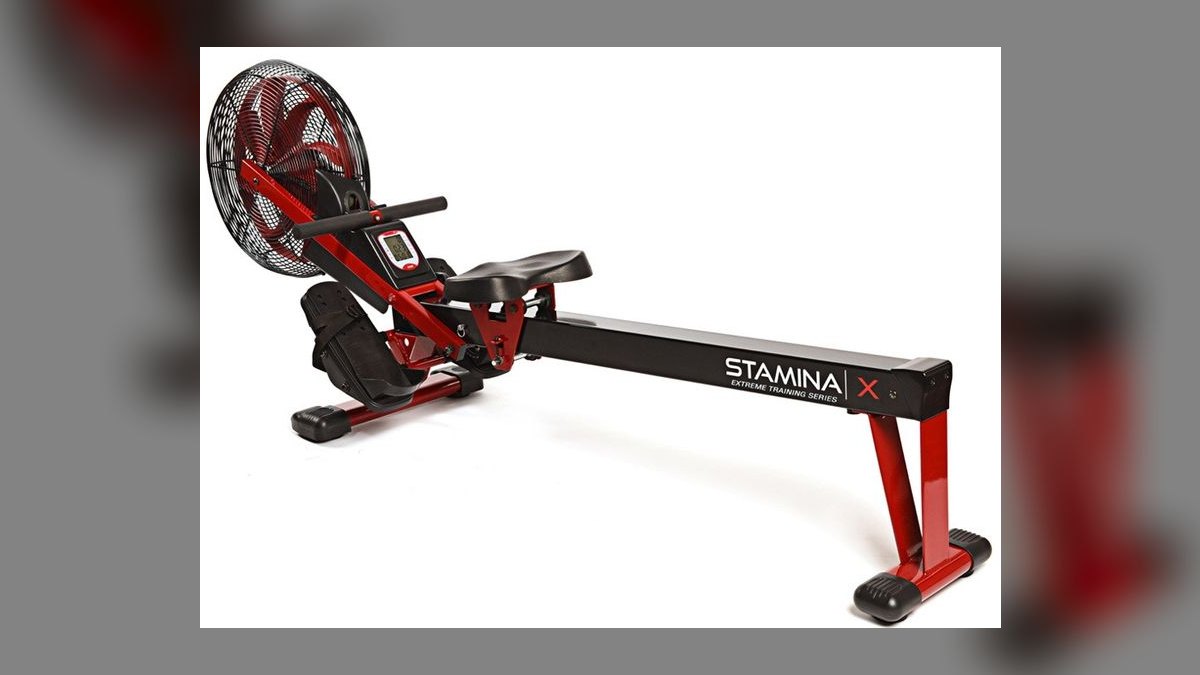
The Stamina ATS Air Rower 1399 closes the list as the only air-flywheel machine under $400. At $299 its wind resistance scales with stroke speed rather than a damper setting, giving a stroke feel closer to a Concept2 than any magnetic rower at this price. Steel frame, chain drive, and an LCD reporting speed, distance, time, calories, and count. It folds in half to a 49" × 18" stored footprint. Max user weight is 250 lb.
This fits buyers who want honest air resistance and will tolerate primitive electronics to get it. The costs are real: roughly 72 dB is loud, there is no Bluetooth or app support, and the chain needs periodic lubrication. The SKU has been on the market over 20 years. Against the Sunny above, it is louder and bulkier folded, but the stroke rewards effort the way an erg should.
How we ranked these
Six weighted criteria decided every placement: build quality and frame longevity at 25%, monitor accuracy at 20%, resistance feel at 20%, app and content ecosystem at 15%, footprint and storage at 10%, and price-to-performance at 10%. We logged decibel readings at race pace, verified stated max user weights, measured folded and deployed footprints, and cross-checked long-term owner reports from Concept2 forum threads, r/Rowing, and r/HomeGym against published lab testing.
We ignored manufacturer calorie counters entirely — every rower here inflates burn by 20-40%, so they carry zero ranking weight. We also discounted built-in EKG grip heart rate, which a $30 chest strap beats outright, and stroke counters, which are accurate on all ten. Marketing language about "commercial grade" earned nothing without a warranty term behind it. Subscription class libraries counted only where content quality was independently verifiable.
What to look for
Three specs decide this more than price: resistance type, max user weight, and whether a subscription gates the screen. Air resistance scales with effort and is the only feel competitive rowers accept; magnetic is silent and apartment-safe; water splits the difference loudly. Check the weight cap before anything else — NordicTrack, ProForm, Sunny, and Stamina all stop at 250 lb, while Concept2 handles 500 and WaterRower 700.
The common mistake is comparing sticker prices and ignoring five years of membership. Hydrow at $2,495 plus $44 monthly reaches $5,135; Echelon at $899 plus $40 reaches $3,299; a $1,010 Concept2 with a free phone app stays at $1,010. The second mistake is trusting "folds for storage" without measuring — most models store vertically and need roughly eight feet of ceiling clearance to stand upright.
Related questions
What does the damper setting on a Concept2 actually do?
The 1-10 damper controls how much air enters the flywheel housing, changing drag factor — not resistance level. Low settings feel like a fast, light boat; high settings feel like dragging a barge. Most competitive rowers train between 3 and 5. It does not make the workout easier or harder by itself; your effort still determines watts and split.
Why do collegiate and CrossFit programs standardize on one machine?
Because scores have to be comparable across gyms and seasons. The PM5 monitor is the data standard competitive sanctioning bodies accept, so a 2K logged in a garage means the same thing as one logged in a boathouse. That comparability, plus a frame that survives decades of shared institutional use, is why Concept2 became the default rather than a preference.
Is belt drive or chain drive better for a home rower?
Belt drive runs quieter and needs no lubrication, which suits apartments and shared walls — Hydrow, Echelon, and NordicTrack all use it. Chain drive feels more direct off the catch and lasts far longer, often 15+ years with occasional oil, versus roughly five years of heavy use before a belt wants replacing. Pick by noise tolerance and expected session volume.
How loud is a rowing machine compared to a treadmill?
Quieter overall, but the noise profile differs. Magnetic rowers sit near 50-58 dB, roughly conversation level. Air and water models run 68-75 dB at race pace — comparable to a vacuum. Unlike a treadmill, a rower produces almost no floor impact, so downstairs neighbors usually hear less even when the machine itself measures louder.
Do I need a subscription to use a smart rower at all?
No. Hydrow, Echelon, NordicTrack, ProForm, and Aviron all row without an active membership, but the touchscreen drops to basic metrics and a handful of free workouts. You paid a premium for content access, so an unsubscribed smart rower is an expensive magnetic machine. Budget the monthly fee as part of the purchase, not an optional add-on.
What is a good 2K time for a beginner?
Untrained adults typically land between 8:30 and 10:00 for 2,000 meters. Regular rowers reach the 7:00-8:00 range within a year of consistent training. Sub-7:00 marks a genuinely fit recreational rower, and collegiate lightweight men often go under 6:30. Bodyweight matters heavily, which is why erg scores are usually reported alongside it.
How much ceiling height does vertical storage really need?
Most 84-96 inch rowers stand roughly 7 feet tall on end, so 8 feet of clearance is the safe planning number once you account for the tipping arc. Standard 8-foot residential ceilings work but leave little margin. Only the Sunny SF-RW5515 and Echelon Row-s fold small enough to genuinely fit inside a closet.
Does water resistance ever need maintenance?
Very little. The sealed tank takes a purification tablet roughly every six months to prevent algae, and the water itself rarely needs replacing. There are no pads, magnets, or belts to wear out, which is why WaterRower backs the frame for the machine's lifetime. The tradeoff is weight — a filled tank makes the machine awkward to reposition.
FAQ
Is the Concept2 RowErg worth $1,010 in 2027?
For most buyers, yes. It has topped Garage Gym Reviews' rankings every year since 2009, carries a 500-lb capacity, and holds roughly 70-80% of MSRP on resale after five years. Because CrossFit, World Rowing, and collegiate programs all standardize on it, your scores stay comparable anywhere. No competitor matches that ecosystem at any price.
Which rower is best for a small apartment?
The Echelon Row-s. It measures 84 by 22 inches, folds vertically in about 30 seconds, runs near 55 dB, and includes a 24-inch swiveling touchscreen for floor workouts. If budget matters more than the screen, the Sunny SF-RW5515 folds to 27 by 19 inches and runs closer to 50 dB for $299.
Which machine has the highest weight capacity?
The WaterRower Natural, at 700 lb — the highest on this list by a wide margin. Concept2's RowErg handles 500 lb and Aviron's Strong Series 507 lb, both far above the smart-rower average. NordicTrack RW900, ProForm Pro Rower, Sunny SF-RW5515, and Stamina ATS 1399 all cap at 250 lb.
Can I stream Netflix while rowing?
On the Aviron Strong Series, yes — its 22-inch screen runs Netflix, YouTube, Disney+, and Prime Video natively alongside coached content and interactive games. Hydrow, NordicTrack, and Echelon lock their screens to first-party apps. On a Concept2, mount a tablet on the monitor arm and stream whatever you want with no restrictions.
What is the quietest rowing machine here?
The Sunny SF-RW5515 at roughly 50 dB, followed by the Echelon Row-s at 55 dB and the ProForm Pro Rower at 58 dB — all magnetic and belt-driven. Among premium machines the Hydrow Pro is quietest at about 52 dB thanks to electromagnetic resistance with no flywheel. Air models run 70-72 dB at race pace.
Are rowing machine calorie counts accurate?
No. Every model on this list overstates burn by roughly 20-40% because the formulas assume a generic body and ignore your actual metabolic efficiency. Watts and split are the honest numbers — they measure work output directly rather than estimating energy cost. If you track calories seriously, use a chest strap and a separate training log.
Do I need slides with a Concept2?
Only if you row on water. Slides let the machine move beneath you, mimicking a real hull and reducing lumbar shear at high stroke rates, which is why crews use them off-season. They add about $270 and expand the footprint to 110 inches. For fitness rowing and CrossFit, the static frame is entirely sufficient.
Which rower is best for instructor-led classes?
The Hydrow Pro. Its 22-inch pivoting screen streams live and on-demand sessions filmed on real water and led by Olympic and World Championship athletes, with the highest production quality on the market. The $44 monthly membership also covers strength, yoga, and mobility. Echelon's library is genuinely large and costs less, but the production is a step down.
How long does a rowing machine actually last?
A Concept2 routinely runs 20+ years and 10,000-plus hours with basic chain oiling, backed by a 5-year frame and 2-year parts warranty. WaterRower covers the ash frame for life. Budget magnetic models like the Sunny and Stamina hold up fine for three to five years of moderate use but are not built for daily hour-long sessions.
Air, water, or magnetic — which should I choose?
Air if you want honest, effort-scaling resistance and competitive comparability. Magnetic if noise is the constraint and you want precise digital levels for interval programming. Water if the on-boat feel and living-room aesthetics matter more than data depth. Skip hydraulic entirely — it is cheap, feels uneven between strokes, and the cylinders fail quickly.
Sources
- https://www.concept2.com/indoor-rowers/concept2-rowerg
- https://www.garagegymreviews.com/best-rowing-machine
- https://www.nytimes.com/wirecutter/reviews/best-indoor-rowing-machine/
- https://www.tomsguide.com/best-picks/best-rowing-machines
- https://hydrow.com/
- https://www.waterrower.com/
- https://www.nordictrack.com/rowing-machines
- https://echelonfit.com/
- https://www.aviron.fit/
- https://www.runnersworld.com/gear/a20865271/best-rowing-machines/
Related on PULSE
This page will be disappearing soon. Save it to your device for $1 — or read it free while it is here.
@Kory-White- · if Venmo asks, the last 4 of my number are 2012
This page is gone.
This one is off the shelf now. $1 keeps it on your phone for good — the whole page, pictures and diagrams included.
 pulse-reviewsTop 10 Electric Back Massagers — Best Overall + Best Value in 2027
 pulse-reviewsTop 10 Electric Spice Grinders — Best Overall + Best Value in 2027
 pulse-reviewsTop 10 Backpack Leaf Blowers — Best Overall + Best Value in 2027
 pulse-reviewsTop 10 Standing Desks $500-$1500 in 2027
 pulse-reviewsTop 10 Boom Pole Kits — Best Overall + Best Value in 2027
 pulse-reviewsTop 10 YouTube Lighting Kits — Best Overall + Best Value in 2027
 pulse-reviewsTop 10 Posture Correctors — Best Overall + Best Value in 2027
 pulse-reviewsTop 10 Outdoor Smart Lighting — Best Overall + Best Value in 2027
 pulse-reviewsTop 10 85-Inch TVs — Best Overall + Best Value in 2027
 pulse-reviewsTop 10 Neck and Shoulder Massagers — Best Overall + Best Value in 2027