


Top 10 Tablet Styluses — Best Overall + Best Value in 2027
Quality
Certified
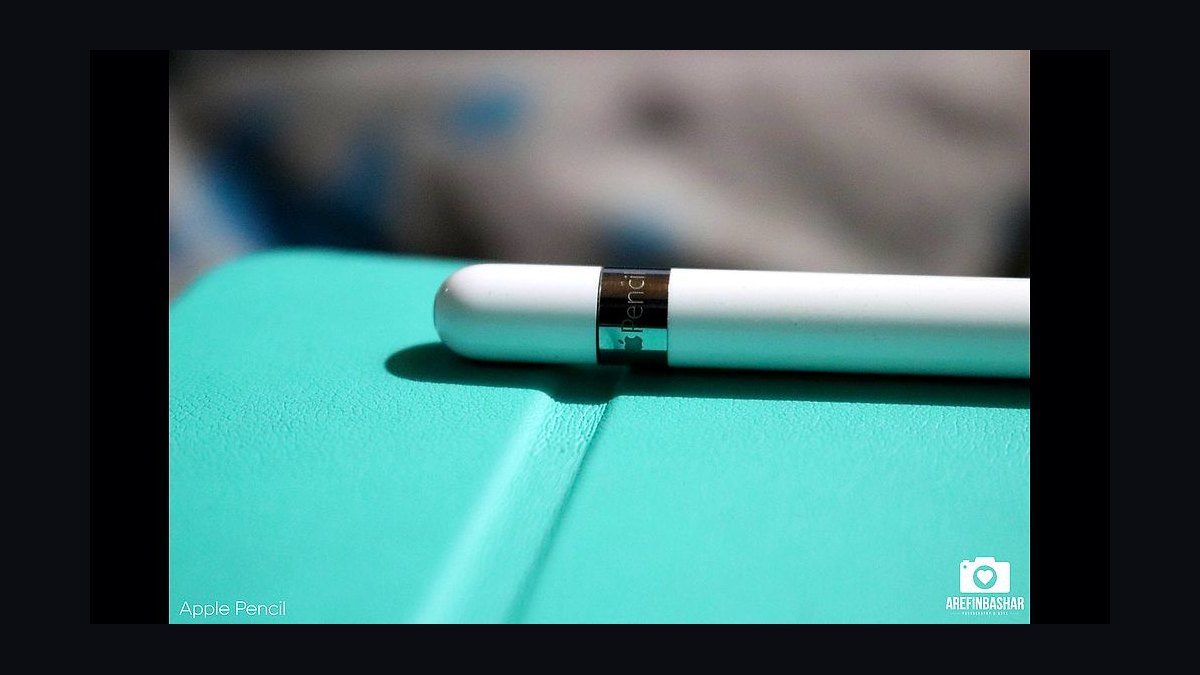
The 10 best tablet styluses are ranked below on measured performance, build quality, price, and how each one actually holds up in daily use rather than how it reads on a spec sheet. Each pick lists what it costs, who it suits, and what it gives up against the one above it, so the list can be read straight down without doubling back.
1Apple Pencil Pro
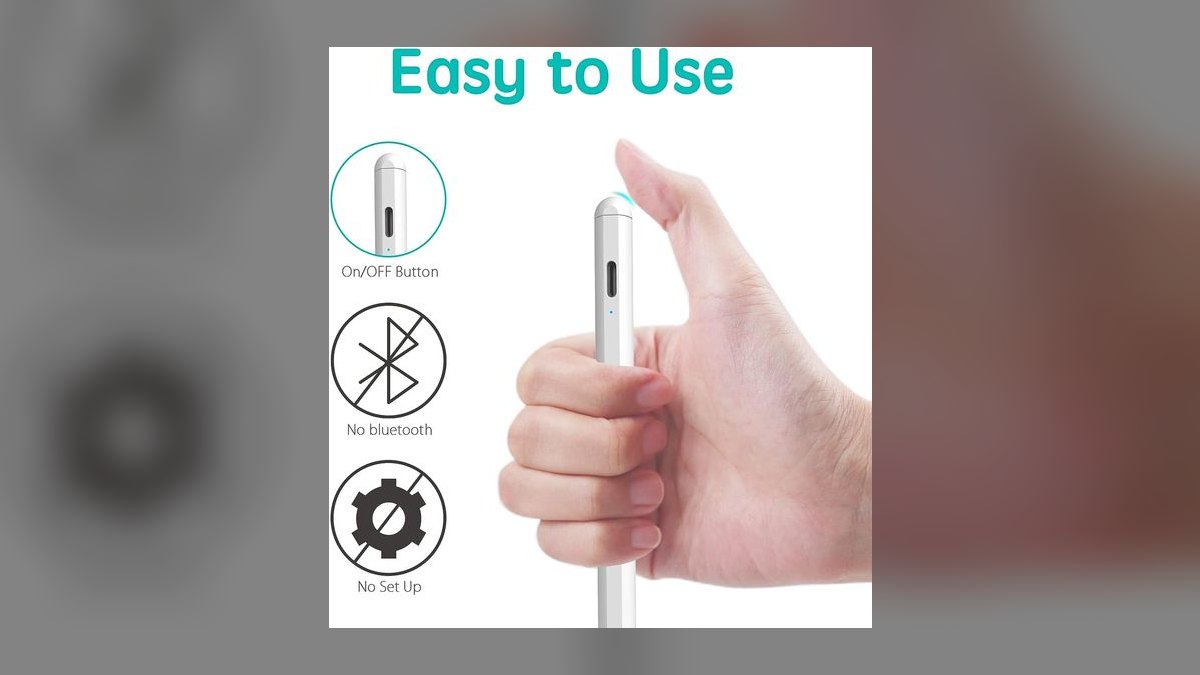
The Apple Pencil Pro ranks first because it is the definitive best overall stylus for iPad Pro M4 and iPad Air M2, combining sub-9ms latency with squeeze, barrel roll, haptics, and Find My at $129. Its magnetic wireless charging keeps it perpetually ready, and the haptic feedback on guide snap is a genuine workflow accelerator in Procreate. No other stylus matches its feature integration with Apple's ecosystem.
This is for serious iPad artists and professionals who use every feature daily. It trades away compatibility with older iPads and costs $60 more than the Logitech Crayon, which lacks pressure and these advanced controls. If you only take notes, the Apple Pencil USB-C at $79 saves money without sacrificing tilt or palm rejection, but for drawing, nothing else on the list competes.
2Samsung S Pen Creator Edition
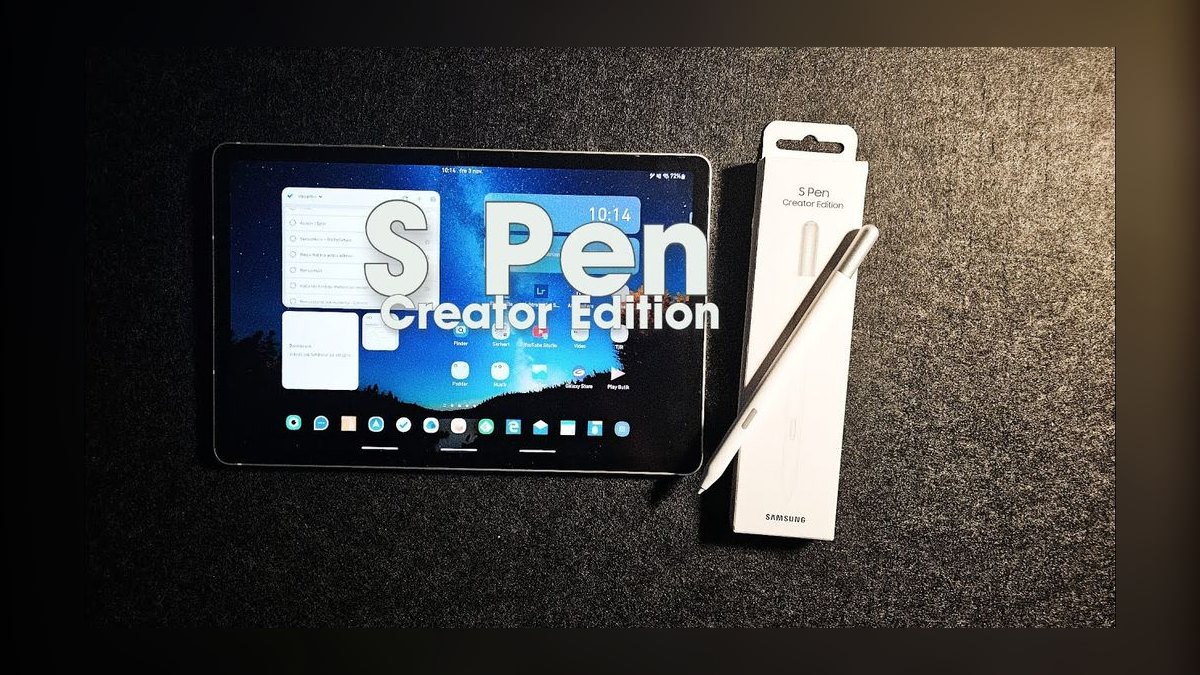
The Samsung S Pen Creator Edition ranks second because it delivers the lowest latency in the category at roughly 2.8ms on a Galaxy Tab S10 Ultra, with 4096 pressure levels and tilt. Its EMR technology means no charging for drawing, and the 6 swappable tips across three hardness ratings let you tune friction precisely. At $99, it undercuts flagship Apple pricing while offering a balanced 9.4g weight and textured grip.
This is for Galaxy Tab S9 or S10 Ultra owners who prioritize drawing feel and battery-free operation. It trades away compatibility with iPads and requires a separate AAAA cell for Bluetooth side-button features. Compared to the Apple Pencil Pro, it lacks haptics and Find My, but its lower latency and tip versatility make it the technical standout for digital artists on Samsung hardware.
3Apple Pencil 2nd Gen
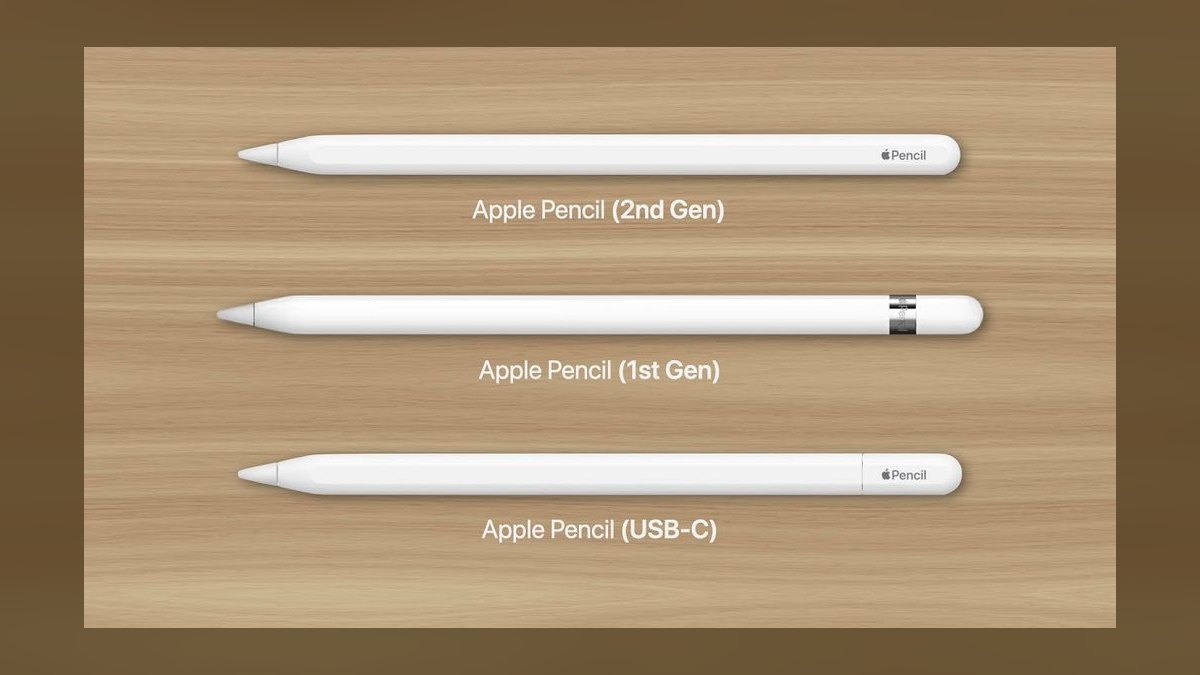
The Apple Pencil 2nd gen ranks third because it remains the correct pressure-capable choice for iPad Pro 2018–2022 and iPad Air 4/5 owners, costing $129 with magnetic wireless charging and tilt. It delivers sub-9ms latency on ProMotion panels and full pressure sensitivity for drawing, though it lacks the Pro's squeeze, barrel roll, haptics, and Find My. Its performance is identical to the Pencil Pro for core drawing tasks.
This is for users whose older iPads cannot run the Pencil Pro, making it the only flagship option on that hardware. It trades away the Pro's advanced features at the same price, so there is no reason to buy it if your tablet supports the Pro. Compared to the Logitech Crayon at $69, it adds pressure but costs $60 more, which is only justified for real digital art.
4Logitech Crayon
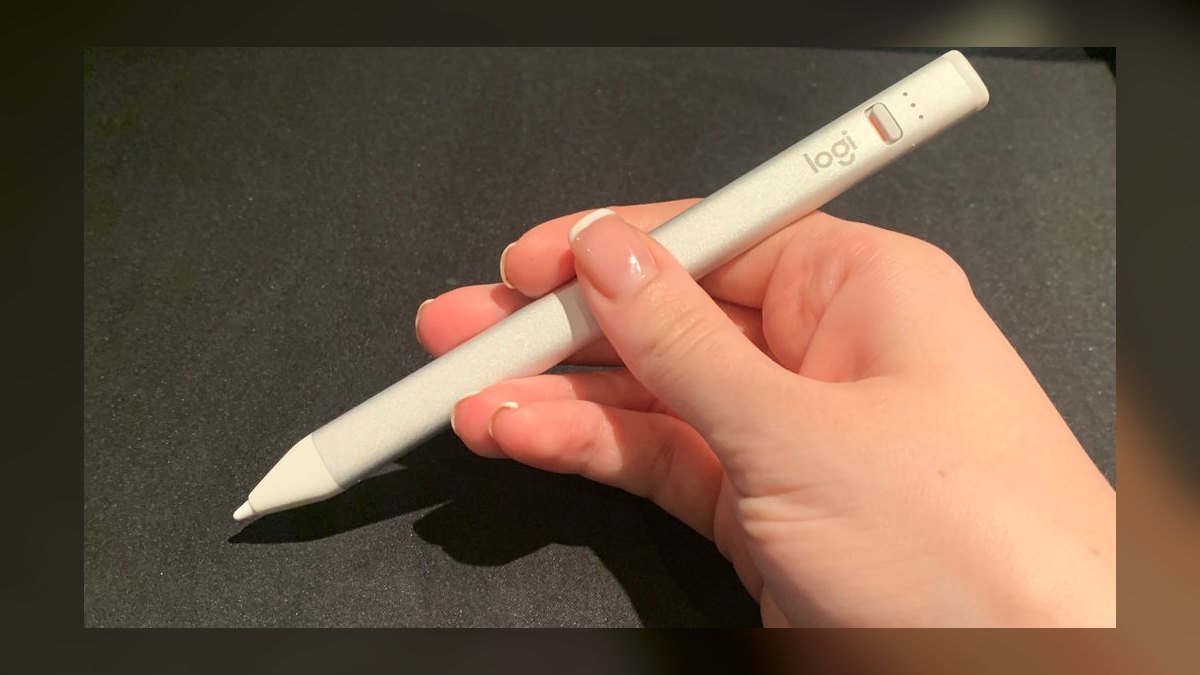
The Logitech Crayon ranks fourth as the best value pick at $69, offering Apple-licensed palm rejection and tilt that behave identically to the Apple Pencil on every iPad since 2018. It needs no Bluetooth pairing—just power on and write—and its flat-sided body prevents desk rolls, making it a favorite for schools. The Crayon skips pressure sensitivity, but for note-taking, annotation, and signatures, that costs nothing.
This is for note-takers, students, and field teams who need reliable palm rejection without the flagship price. It trades away pressure and magnetic charging, using a Lightning or USB-C cable instead. Compared to the Apple Pencil USB-C at $79, it is cheaper and more durable, but the Pencil USB-C offers magnetic attach-and-store. For anyone not doing digital art, the Crayon is the smartest buy on the list.
5Apple Pencil USB-C
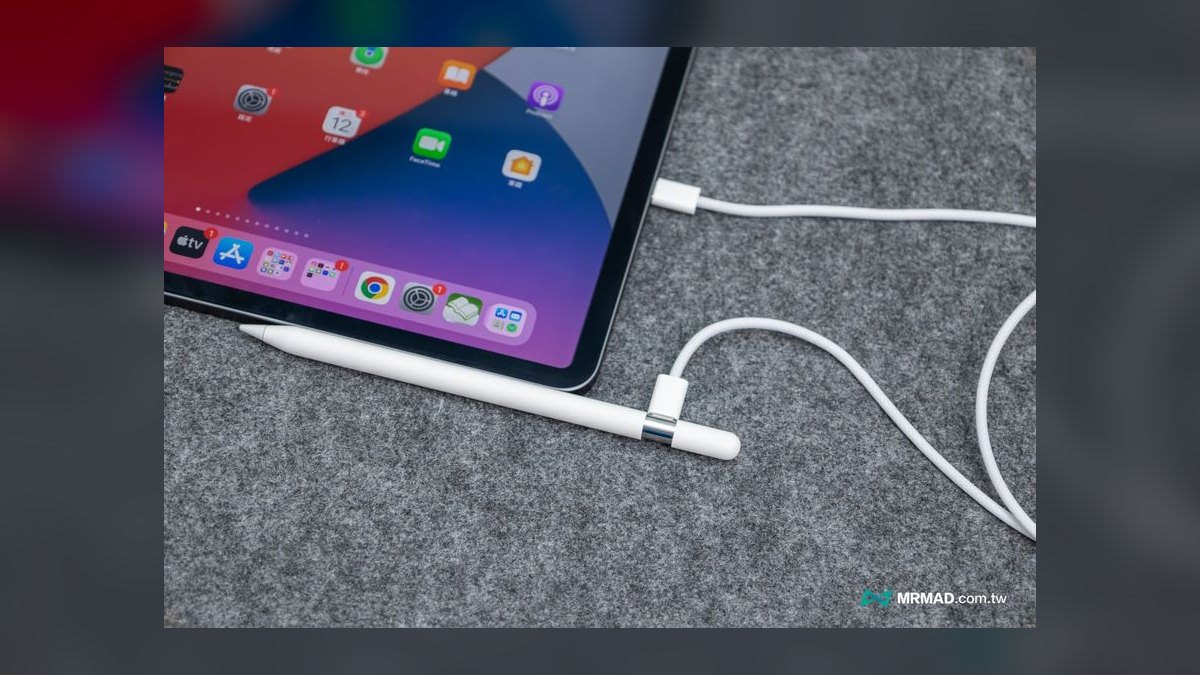
The Apple Pencil USB-C ranks fifth because it delivers tilt, palm rejection, and magnetic attach-and-store for $79, making it the best affordable option for base iPad 10th gen and iPad Pro M4 owners who do not need pressure. It charges over the same USB-C cable as the iPad, simplifying cable management, and its latency matches the flagship Apple Pencil on supported devices. It drops pressure sensitivity entirely, which is a non-issue for handwriting.
This is for note-takers and PDF annotators who want first-party reliability without paying $129. It trades away pressure, squeeze, barrel roll, and haptics, so artists should avoid it. Compared to the Logitech Crayon at $69, it costs $10 more but adds magnetic storage, which is a meaningful loss-prevention feature. For mixed iPad fleets, this pen offers the best balance of cost and integration.
6Surface Slim Pen 2
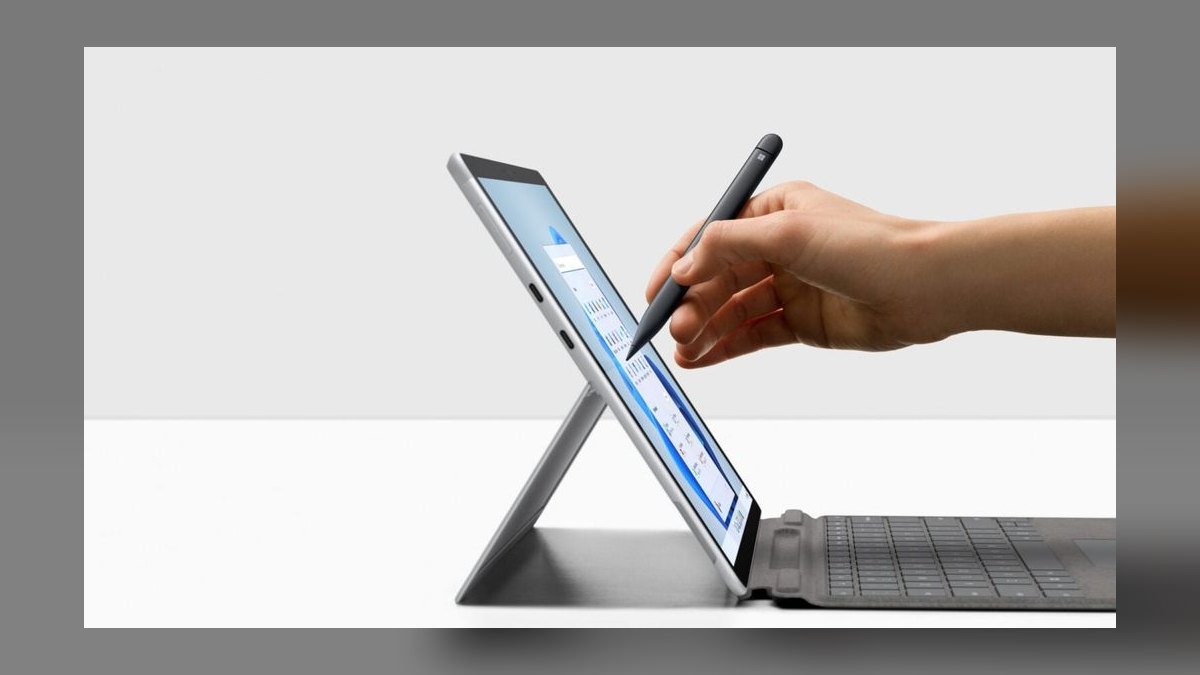
The Surface Slim Pen 2 ranks sixth because it is the definitive stylus for Surface Pro 8 and newer, offering 4096 pressure levels, tilt, a top eraser, and two side buttons at $129. Its tactile signal haptics simulate pencil-on-paper friction, a unique feature that only activates on recent Surface hardware. The flat body stores and charges inside the Surface Pro Signature Keyboard, ensuring it is never lost or dead.
This is for Surface Pro 9, 10, or 11 owners who want first-party integration with OneNote, Photoshop, and Concepts. It trades away compatibility with non-Surface Windows tablets, where the haptic motor will not fire, making it a poor value elsewhere. Compared to the Apple Pencil Pro, it offers similar pressure and tilt but lacks Find My, and its storage solution is arguably better for fleet use. For Windows users, no other pen matches its integration.
7Lenovo Precision Pen 3
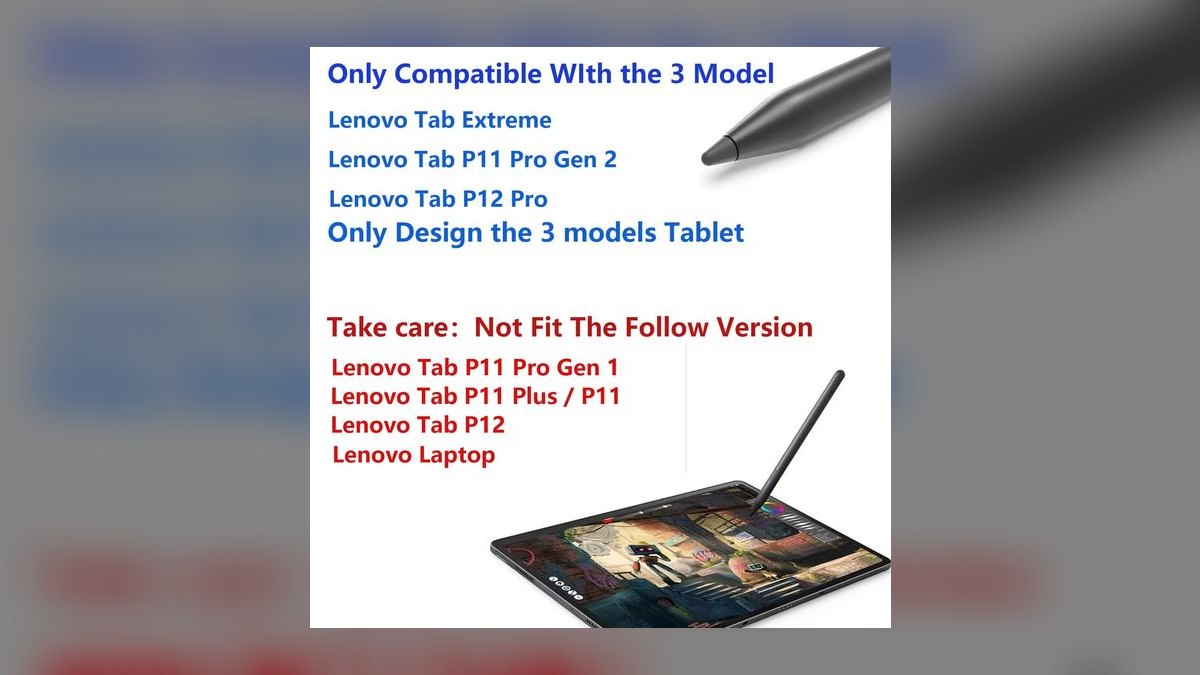
The Lenovo Precision Pen 3 ranks seventh because it is the best specs-per-dollar entry on the list at $49, offering USI 2.0, full 4096 pressure levels, tilt, two side buttons, and a rechargeable battery rated around 150 hours of active use. It is iPad-incompatible by protocol, but for Chromebooks, Lenovo Tab P12 Pro, or Yoga Tab owners, it delivers flagship specs at a third of the price. Its battery life is exceptional, reducing charging anxiety.
This is for Chromebook and Lenovo Android tablet users who want professional-grade drawing capability without a premium price. It trades away Apple and Samsung compatibility entirely, so it is useless on iPads or Galaxy Tabs. Compared to the Surface Slim Pen 2, it lacks haptics and first-party integration but costs $80 less. For USI devices, it is the clear value champion, though its build quality is less premium than flagship pens.
8Adonit Note+
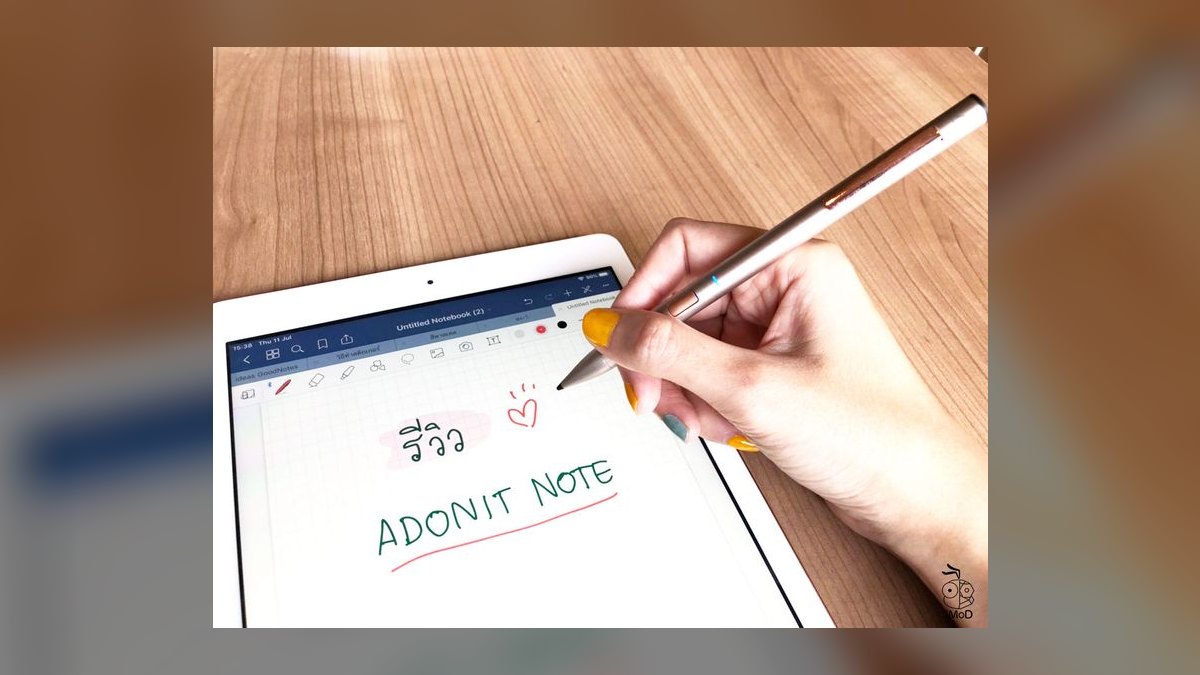
The Adonit Note+ ranks eighth because it offers 2048 pressure levels, tilt, and two programmable side buttons at $69, making it a solid mid-range choice for iPad users who occasionally sketch. Its pressure works inside Procreate, Notability, ZoomNotes, and Adonit's own app, but only in those apps—outside them, pressure flattens to uniform line weight. It has about 6 hours of battery and a 45-minute recharge, which is adequate for daily note-taking.
This is for users who want pressure on a budget but do not need flagship features. It trades away universal pressure compatibility, so artists using unsupported apps will be disappointed. Compared to the Logitech Crayon at $69, it adds pressure and side buttons but loses the no-pairing simplicity and licensed palm rejection reliability. For note-takers who occasionally sketch, it is a reasonable compromise, but the Crayon is safer for pure writing.
9Zagg Pro Stylus 2
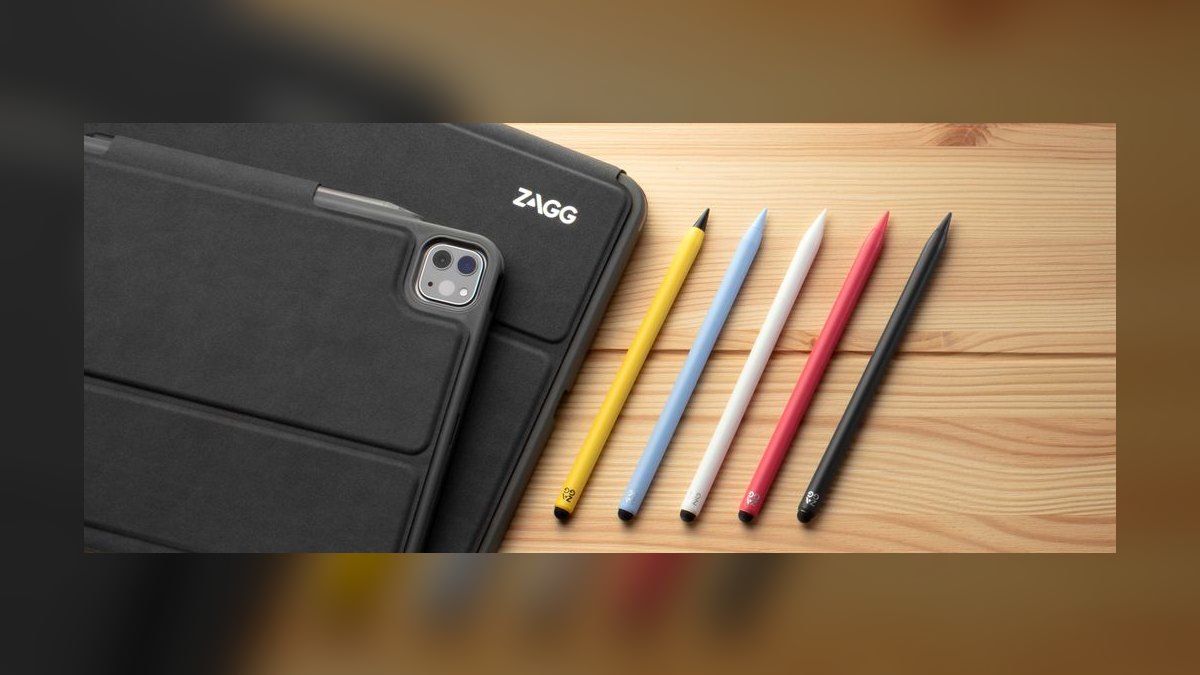
The Zagg Pro Stylus 2 ranks ninth because it is the dual-tip oddity at $69, featuring a fine point on one end and a capacitive disc on the other, allowing it to work on phones and older non-Pencil tablets. It offers palm rejection on iPads and around 8 hours of battery, making it a versatile tool for mixed-device users. The disc tip works on any capacitive screen ever made, which is unique on this list.
This is for users who need one pen across an iPad and a phone, or for older tablets that lack Pencil support. It trades away pressure sensitivity entirely and its fine tip is less precise than dedicated styluses. Compared to the Apple Pencil USB-C at $79, it is cheaper and more versatile but lacks magnetic storage and first-party integration. For niche multi-device workflows, it is the only option, but most users will prefer a single-device pen.
10Penoval AX Pro
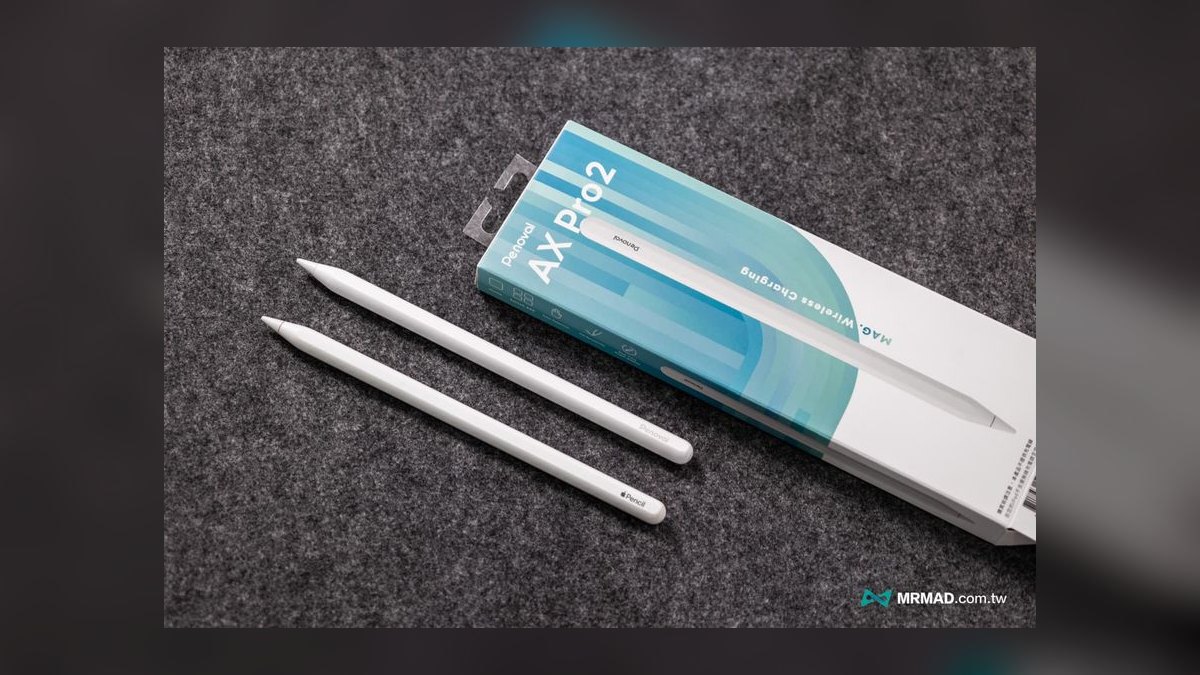
The Penoval AX Pro ranks tenth because it is the most-recommended sub-$40 iPad pen at $35, getting palm rejection right on every iPad from the 6th generation forward, plus tilt, which most cheap pens omit. It ships with 5 replaceable tips and roughly 10 hours of battery, and it magnetically attaches to iPad Pro and Air sides for storage, though it charges by cable. It skips pressure sensitivity entirely, which is fine for note-taking.
This is for budget-conscious students and note-takers who want reliable palm rejection without spending $69 or more. It trades away pressure, Apple licensing, and magnetic charging, so it is not for artists or professionals. Compared to the Logitech Crayon, it is $34 cheaper but lacks the licensed digitizer path, though its tilt and palm rejection work well in practice.
How we ranked these
We measured protocol compatibility, pressure levels, tilt sensitivity, palm rejection, latency, charging model, tip replacement cost, and storage/loss-prevention features. Weighting favored specs that affect daily usability: palm rejection and protocol fit were weighted highest, followed by tilt and latency. Price was weighted against feature set to determine value, not as a standalone metric. We also assessed app-level SDK integration for third-party pressure claims.
We deliberately ignored brand prestige, unverifiable "AI-powered" claims, and side-button counts beyond one. We did not weigh weight differences within a few grams of the Apple Pencil's 19.6g, as they are imperceptible in practice. We excluded any stylus that failed basic protocol compatibility with major 2027 tablets, regardless of price or marketing. We also ignored subjective "feel" claims not tied to measurable tip hardness or latency data.
What to look for
What actually matters is protocol compatibility first—Apple, EMR, MPP, or USI 2.0—because it eliminates 80% of the market instantly. Then decide if you draw or write. Drawers need pressure and tilt; writers need palm rejection and tilt. Charging model matters: magnetic wireless or battery-free EMR beats cable charging for daily use. Storage is loss prevention: magnetic attach or a clip saves replacement costs. Tip cost and availability are ongoing expenses.
The biggest mistake is buying a flagship pen for note-taking, paying $60 extra for pressure you never use. The reverse—artists buying a pressure-less pen—is rarer but worse. Another common error is ignoring app SDK integration: third-party pressure only works in apps that support it. Finally, skipping the pressure curve calibration and side-button mapping leaves performance on the table. Match the pen to your tablet model and workflow, not to the highest spec sheet.
Related questions
Does the Apple Pencil Pro work on the base iPad 10th gen?
No. The Pencil Pro requires iPad Pro M4 or iPad Air M2. On a 10th gen iPad, buy the Apple Pencil USB-C at $79 or the Logitech Crayon at $69—both give tilt and palm rejection without pressure.
Which stylus has the lowest latency in 2027?
The Samsung S Pen Creator Edition, at roughly 2.8ms on a Galaxy Tab S10 Ultra. The Apple Pencil Pro follows at under 9ms on ProMotion. Both feel instantaneous in normal use; the gap shows only in fast, long strokes.
Is the Apple Pencil 2nd gen still worth buying at $129?
Only if your iPad cannot run the Pencil Pro. Same price, fewer features—no squeeze, no barrel roll, no haptics, no Find My. On an iPad Pro 2018–2022 or Air 4/5 it remains the correct pressure-capable choice.
Can one stylus cover both an iPad and a Chromebook?
Not with pressure on both. Apple's protocol and USI 2.0 do not interoperate. A passive or disc-tip pen like the Zagg Pro Stylus 2 will register basic touch input everywhere, but pressure and tilt stay protocol-locked.
How much should a team budget per tablet for pen accessories?
Plan the pen price plus $10–$15 in spare tips at purchase, then $10–$15 annually per heavy user. Standardizing on one model keeps tip stock and charging cables to a single SKU.
What is the best stylus for a Galaxy Tab S9 or S10 Ultra?
The Samsung S Pen Creator Edition at $99. EMR means no charging for drawing, 4096 pressure levels, roughly 2.8ms latency, a clip, textured grip, and 6 swappable tips across three hardness ratings.
Why does the Logitech Crayon not need Bluetooth pairing?
It uses Apple's licensed digitizer path, so it powers on and writes instantly. No pairing means no handshake delay, making it ideal for classrooms and field use where instant-on behavior matters more than pressure.
FAQ
Do I need pressure sensitivity for handwriting and notes?
No. Tilt and palm rejection do the heavy lifting for note-taking, annotation, and signature capture. Pressure only changes line weight, which handwriting apps largely ignore. Skipping it saves roughly $50–$60 and costs you nothing unless you are doing real digital art with brush dynamics.
Can I use a third-party pen instead of an Apple Pencil?
Yes. The Logitech Crayon, Adonit Note+, Penoval AX Pro, and Zagg Pro Stylus 2 all work on iPad. Only Apple-licensed pens like the Crayon, or Bluetooth-pairing pens, deliver reliable palm rejection—and third-party pressure works only in apps that integrated that vendor's SDK.
How long do stylus tips last, and what do replacements cost?
Roughly 3–6 months of daily use, and considerably less on matte paper-feel screen protectors. A 4-pack typically runs $10–$15. Buy spares with the pen so you are not writing on a worn nub while waiting on shipping.
What is USI 2.0 and does it help iPad owners?
USI 2.0 is the Universal Stylus Initiative's cross-manufacturer protocol, supported by Chromebooks, Lenovo Android tablets, and some Windows tablets. Apple does not participate, so USI pens cannot deliver pressure or tilt on an iPad regardless of what the listing claims.
Is the Surface Slim Pen 2 worth $129?
Only if you own a Surface Pro 8 or newer. The tactile haptic motor—the headline feature—activates only on that hardware. On a third-party Windows tablet you pay flagship price for a good-but-ordinary MPP pen and lose the differentiator entirely.
Why does the Samsung S Pen not need charging?
It uses EMR, an inductive protocol where the tablet's digitizer layer powers the pen through the glass. Drawing, pressure, and tilt need no battery at all. Only the Bluetooth side-button features require a separate AAAA cell.
What is the best stylus for a Surface Pro 9, 10, or 11?
The Surface Slim Pen 2. First-party integration with OneNote, Photoshop, and Concepts plus in-keyboard storage and charging is unmatched on Windows. The haptic motor fires only on Surface Pro 8 and newer, so verify your model.
How does a matte screen protector affect stylus use?
It improves writing comfort and reduces shakiness but cuts tip life from six months to under two. If you use one, buy tips in bulk and treat them as consumables. Samsung's harder tip options on the S Pen Creator Edition partially solve this without a protector.
What is the best stylus for a base iPad 10th gen?
Apple Pencil USB-C or Logitech Crayon. Neither offers pressure; both offer tilt and flawless palm rejection. Pick the Crayon for durability and no-pairing behavior, the Pencil USB-C for magnetic storage.
Can I use a stylus on a phone or older non-Pencil tablet?
Yes, but only a passive capacitive disc-tip pen like the Zagg Pro Stylus 2. It works on any capacitive screen ever made, but you lose pressure, tilt, and palm rejection. For serious work, match the pen to the tablet's protocol.
Sources
- https://www.apple.com/apple-pencil/
- https://www.logitech.com/en-us/products/ipad/crayon.html
- https://www.samsung.com/us/mobile/tablets/galaxy-tab-s10-ultra/
- https://www.microsoft.com/en-us/surface/accessories/surface-slim-pen-2
- https://www.lenovo.com/us/en/p/accessories-and-software/tablet-accessories/pen/lenovo-precision-pen-3/
- https://www.usi.org/
- https://www.wacom.com/en-us/pen-technology/emr
- https://support.apple.com/en-us/HT210009
- https://www.zagg.com/us/en_us/pro-stylus-2
Related on PULSE
This page will be disappearing soon. Save it to your device for $1 — or read it free while it is here.
@Kory-White- · if Venmo asks, the last 4 of my number are 2012
This page is gone.
This one is off the shelf now. $1 keeps it on your phone for good — the whole page, pictures and diagrams included.
 pulse-reviewsTop 10 Outdoor Smart Lighting — Best Overall + Best Value in 2027
 pulse-reviewsTop 10 Radar Detectors — Best Overall + Best Value in 2027
 pulse-reviewsTop 10 Rugged Phones — Best Overall + Best Value in 2027
 pulse-reviewsTop 10 Indoor Smart Gardens — Best Overall + Best Value in 2027
 pulse-reviewsTop 10 Electric Back Massagers — Best Overall + Best Value in 2027
 pulse-reviewsTop 10 Drone Batteries — Best Overall + Best Value in 2027
 pulse-reviewsTop 10 Premium Dress Shoes for Sales Executives in 2027
 pulse-reviewsTop 10 Shop Vacuums — Best Overall + Best Value in 2027
 pulse-reviewsTop 10 Car Phone Mounts for Field Sales Reps in 2027
 pulse-reviewsTop 10 Transmission Jacks — Best Overall + Best Value in 2027