


Top 10 Portable Power Stations — Best Overall + Best Value in 2027
Quality
Certified
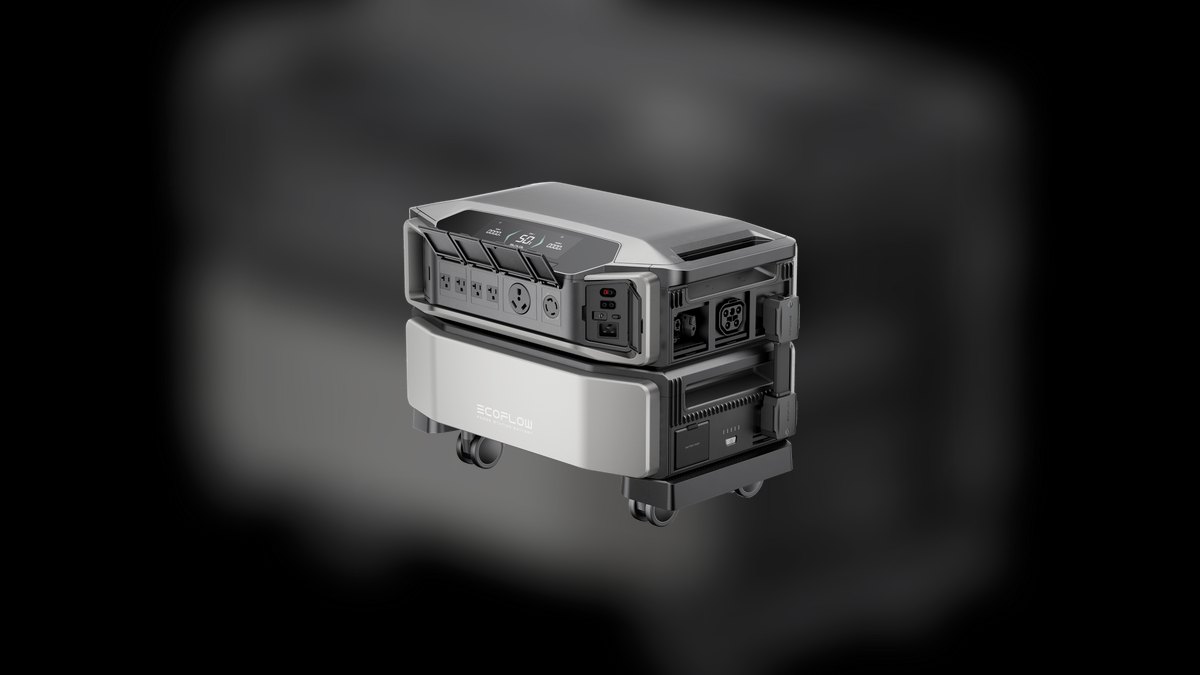
The 10 best portable power stations are ranked below on measured performance, build quality, price, and how each one actually holds up in daily use rather than how it reads on a spec sheet. Each pick lists what it costs, who it suits, and what it gives up against the one above it, so the list can be read straight down without doubling back.
1EcoFlow Delta Pro Ultra
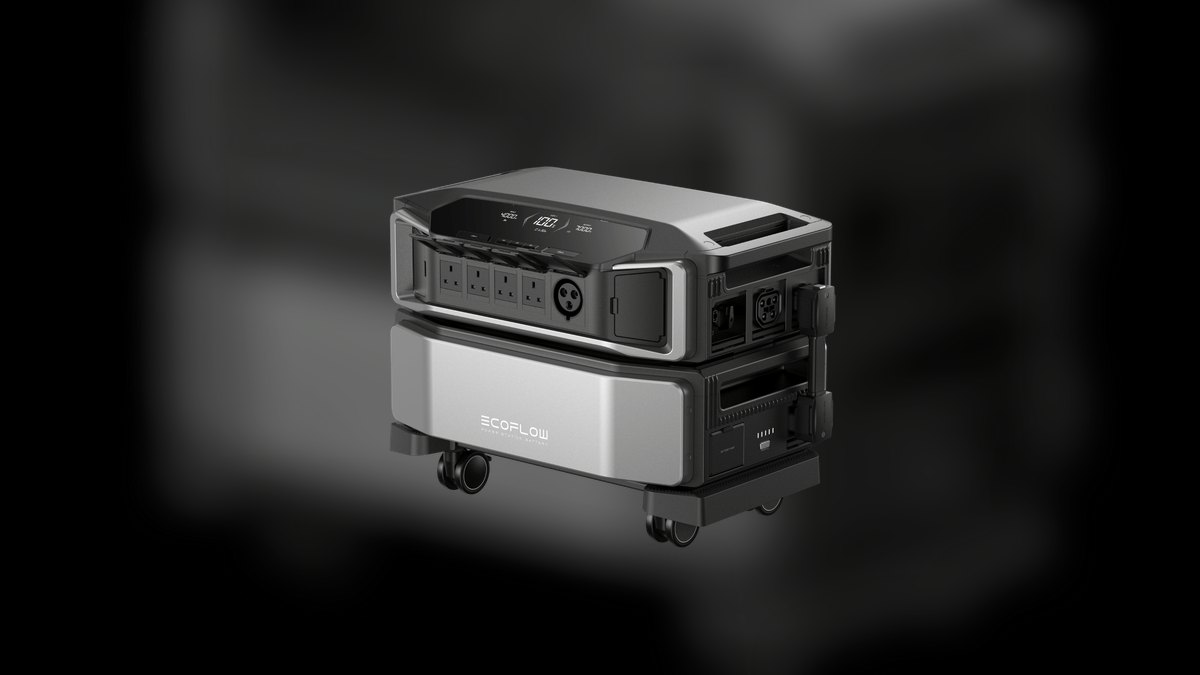
This tops the list because it is the only consumer unit that scales like a proper home battery. Each stack delivers 6,144Wh with 7,200W continuous AC and a 14,000W surge that starts deep-well pumps and 1.5-ton mini-splits. You can chain up to 5 inverters and 15 batteries for 90kWh of LiFePO4 storage rated 5,000 cycles to 80%. AC fast-charge hits 0–80% in 1.7 hours.
Built for off-grid cabin owners and whole-home backup running a fridge, well pump, and HVAC for 24+ hours. It trades portability away entirely: 254 lbs per stack, 27 × 22 × 28 inches, and $5,799 base before installation and a transfer switch. Solar input maxes at 5,600W per inverter, and the 5-year warranty covers it. The Delta 3 Plus below costs a sixth as much for a sixth the capacity.
2EcoFlow Delta 3 Plus
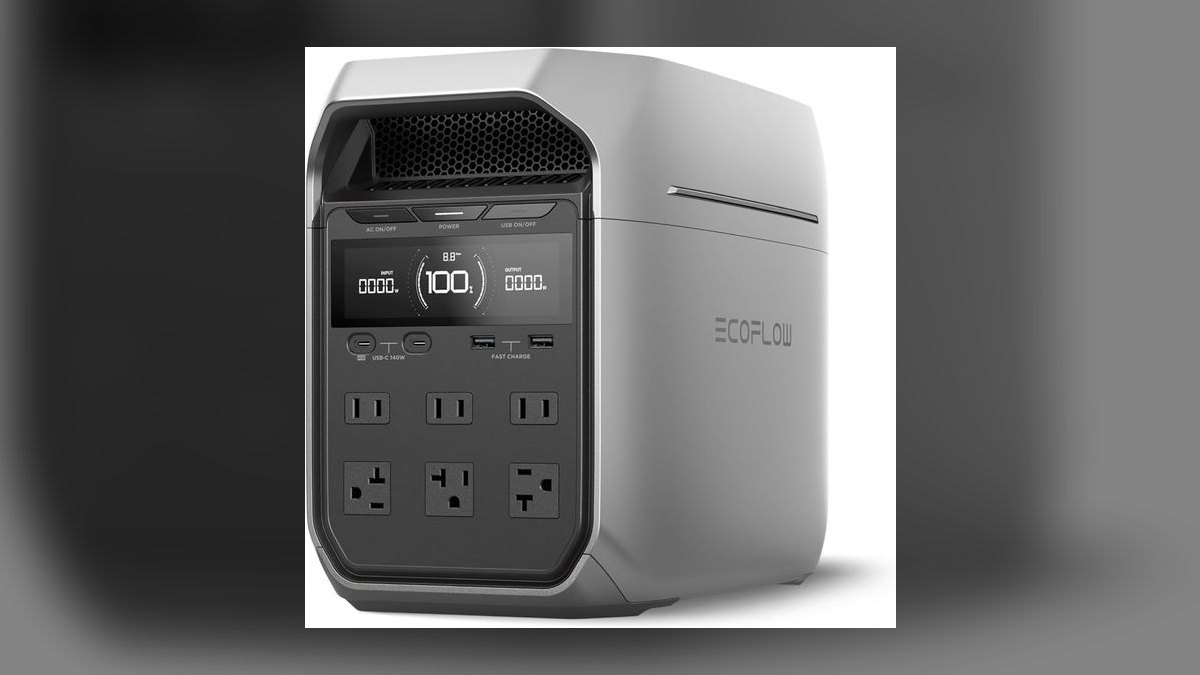
Second place goes to EcoFlow's mainstream sweet spot at $899. It packs 1,024Wh of LiFePO4 rated 4,000 cycles — the highest cycle count in its price class — with 1,800W continuous AC and 2,700W X-Boost for space heaters and air fryers. AC charging covers 0–80% in 50 minutes, the fastest in class. Solar input is 1,000W and it expands to 5kWh with a $799 extra battery.
Weekend campers and apartment dwellers needing blackout backup get the most from it. UPS mode switches in 10ms, holding desktops and CPAP machines without interruption, and the fan stays quiet. The 1,800W ceiling rules out circular saws and other high-draw tools. At 27.6 lbs with a 5-year warranty, it is far more portable than the Delta Pro Ultra above but cannot run a well pump.
3Bluetti AC180
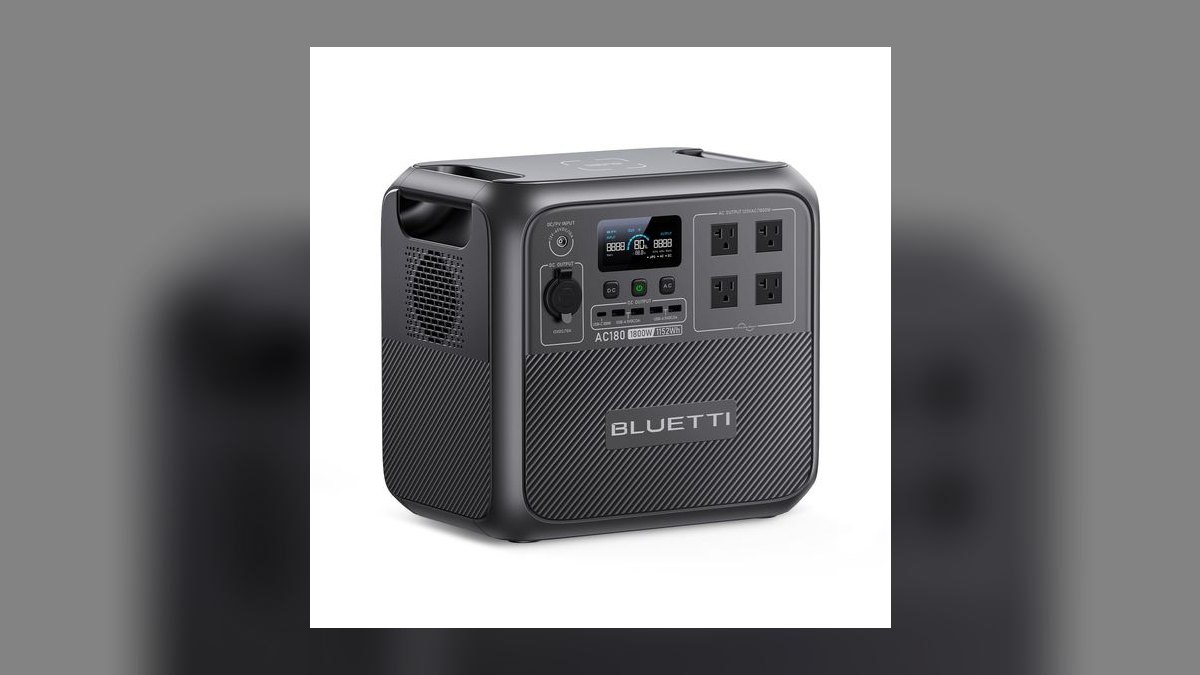
Third place reflects a durable 1,152Wh LiFePO4 pack rated 3,500 cycles paired with a 1,800W continuous inverter and 2,700W Power Lifting for resistive loads. AC turbo charging reaches 0–80% in 45 minutes. Solar input is 500W, and the port mix covers 4 AC outlets, one USB-C 100W PD, four USB-A, and a 12V/10A cigarette plug. MSRP is $999 but it frequently sells at $699.
RV boondockers and base-camp campers benefit most, since the aluminum chassis survives road vibration and idle draw stays low. The app can cap charge rate at 50% to extend cell life. The trade-off is finality: there is no expansion battery option, so what you buy is what you get. Weight is 35 lbs across 13.4 × 9.7 × 12.6 inches, heavier than the Delta 3 Plus for slightly more capacity.
4Jackery Explorer 2000 Plus
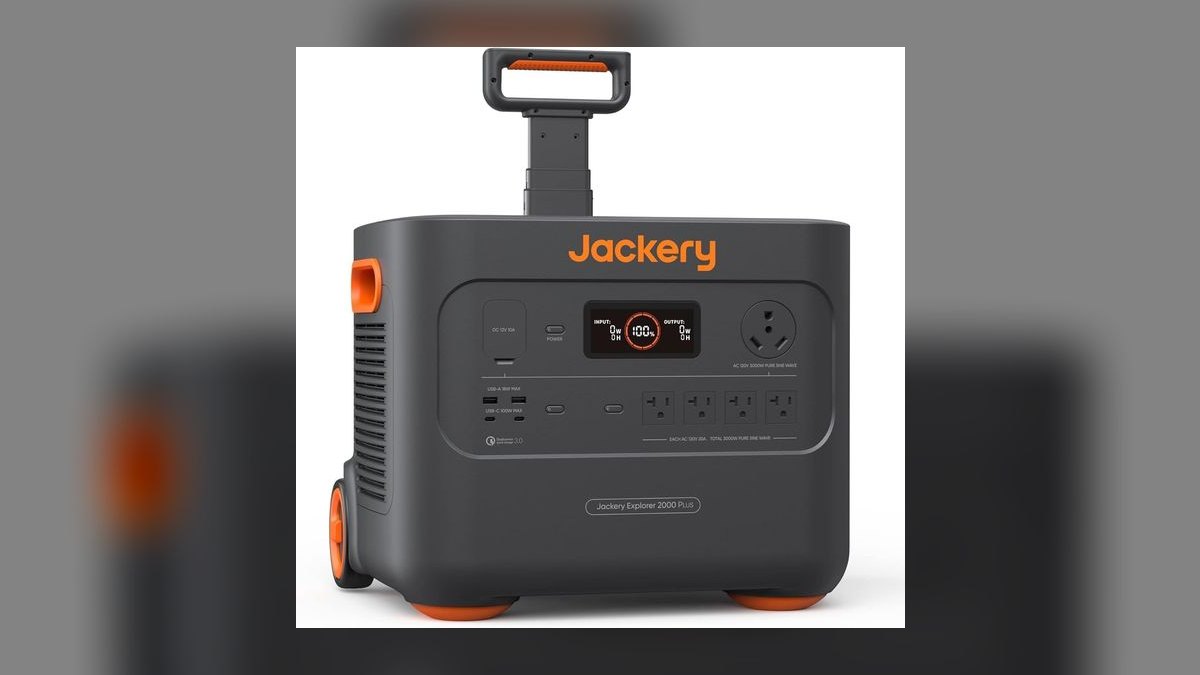
Fourth place is earned by legitimate 3,000W sustained AC output with a 6,000W surge, enough for compressor refrigerators and small power tools. Capacity is 2,042Wh of LiFePO4 rated 4,000 cycles, and it is Jackery's first expandable unit — chain up to 5 batteries for 12kWh total. AC charging completes 0–100% in 2 hours, and solar input peaks at 1,400W across six MPPT inputs.
Photographers and videographers running camera kits, monitors, and laptops across multi-day field shoots are the target. It weighs 61.5 lbs, so the luggage-style handle matters, and the $1,999 price is steep — the comparable Bluetti AC200L often undercuts it by $400 on sale. Against the AC180 above, you get nearly double the capacity and real expandability for twice the money and 26 extra pounds.
5Anker SOLIX C1000
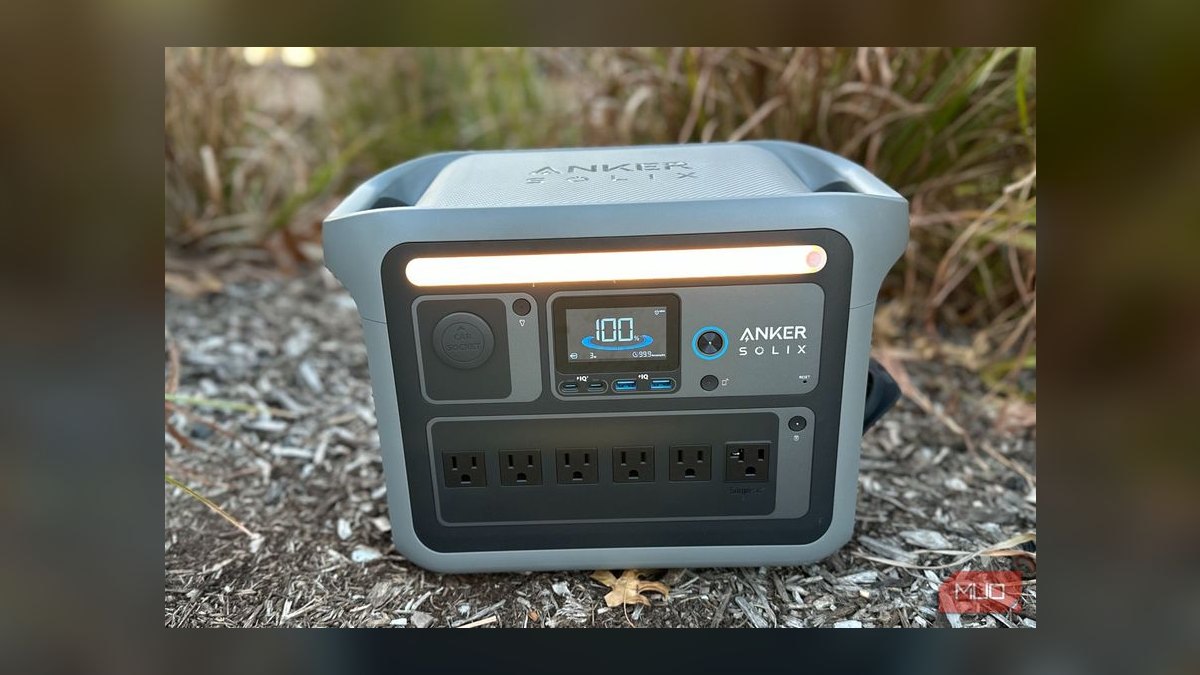
Fifth place comes from the fastest AC recharge under $1,000: 0–80% in 43 minutes. It holds 1,056Wh of LiFePO4 rated 3,000 cycles in a 28.4 lb body and delivers 1,800W continuous with 2,400W SurgePad. Ports run six AC outlets, dual USB-C 100W PD, one USB-C 30W, two USB-A, and 12V car. MSRP is $999 but sale pricing often lands at $599.
First-time buyers who want LiFePO4 reliability without extensive research get the clearest value here, especially at discount. The app handles firmware updates over Bluetooth and Wi-Fi, and Anker's support is notably responsive under the 5-year warranty. Solar input caps at 600W, lower than rivals. The 3,000-cycle rating trails the 4,000-cycle Delta 3 Plus ranked above, which is why it sits here despite similar output.
6Jackery Explorer 300 Plus
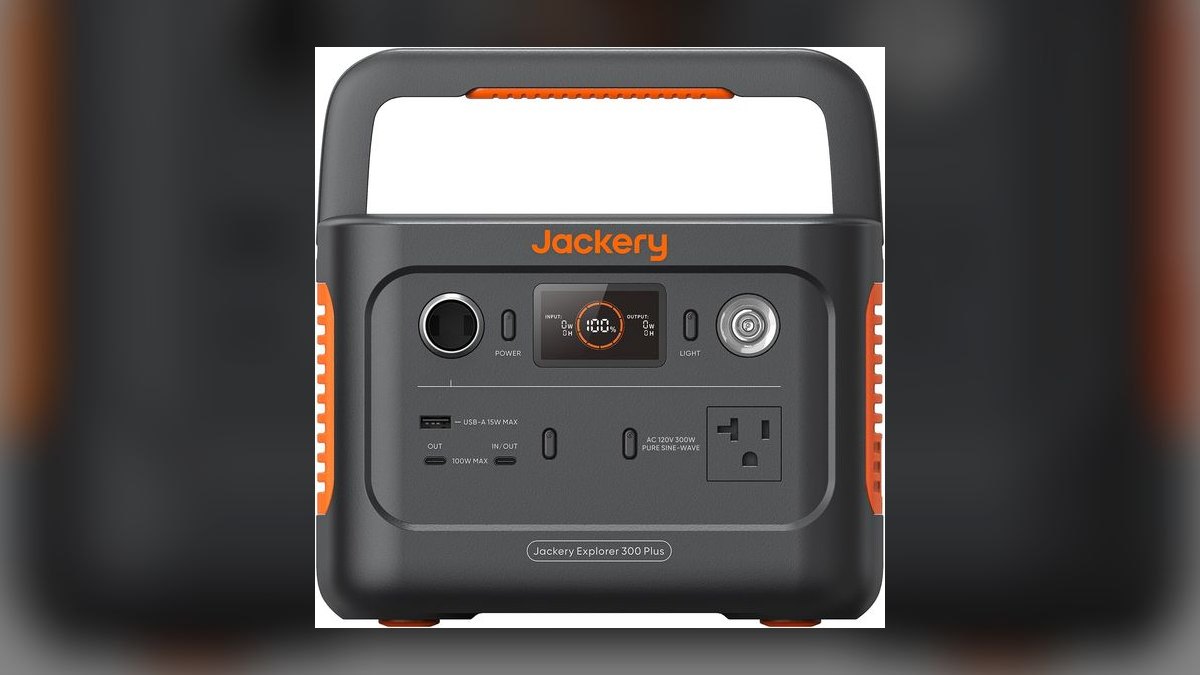
Sixth place is the value pick because no other unit hits $299 with LiFePO4 chemistry, 2,000-cycle life, and a real 300W inverter with 600W surge. Its 288Wh runs two CPAP nights, 10–15 phone charges, or 5–6 hours of mini-fridge time. The whole pack weighs 8.27 lbs, AC recharge hits 0–80% in one hour, and solar input is 100W. Warranty is 5 years.
Budget campers, day-hike photographers, and CPAP users needing one quiet night are the audience. Ports are generous for the size — one AC outlet, one USB-C 100W PD, one USB-C 15W, one USB-A, one 12V — and that 100W port charges a 16-inch MacBook Pro at full speed. The single AC outlet limits multi-device use. Capacity is roughly a quarter of the Anker C1000 above.
7Anker SOLIX C300 DC
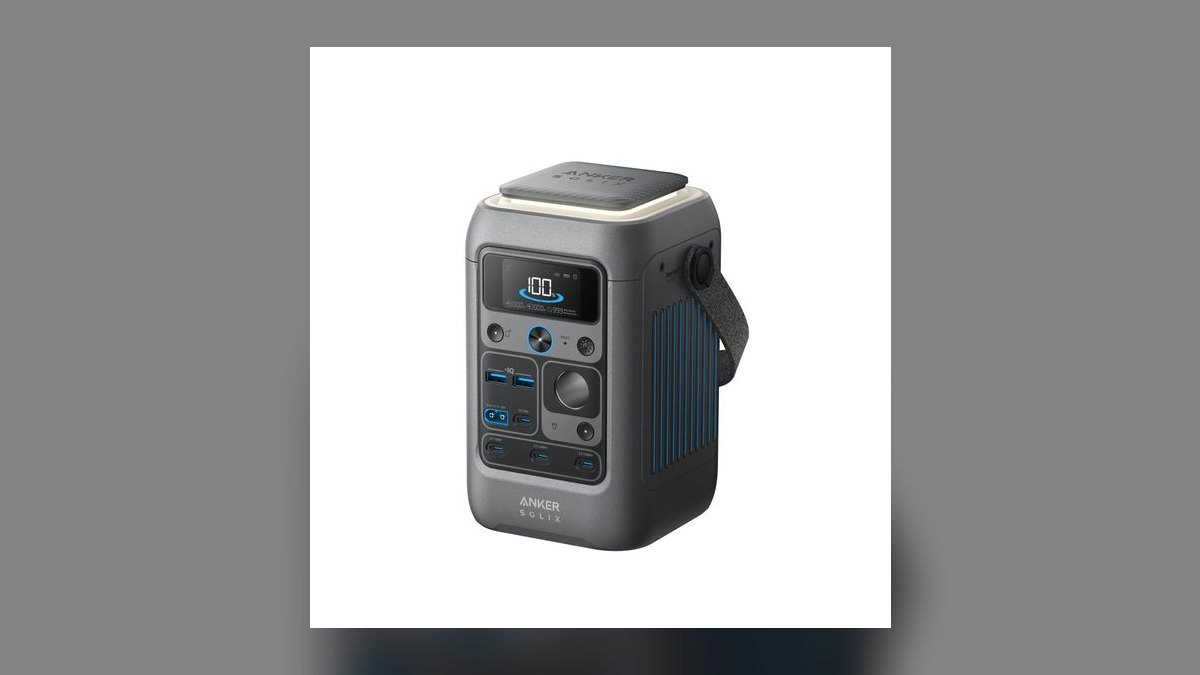
Seventh place goes to a DC-only design that drops the AC inverter entirely and routes everything through two USB-C 140W PD ports plus a 12V car output. That removes inverter idle loss, so more of its 288Wh LiFePO4 capacity reaches devices. Cycle life is 3,000, weight is 8 lbs, solar input is 100W, and a built-in 400-lumen LED lantern is included. Price is $199.
Backpackers, drone pilots, and van-life minimalists who never plug in AC gear are the fit. The 140W port fast-charges a 16-inch MacBook in 35 minutes. The trade is absolute: no AC means no fridge, no power tools, and no CPAP without a 12V adapter. Against the Jackery 300 Plus above, it saves $100 and matches capacity but gives up the wall outlet.
8EcoFlow River 3 Plus
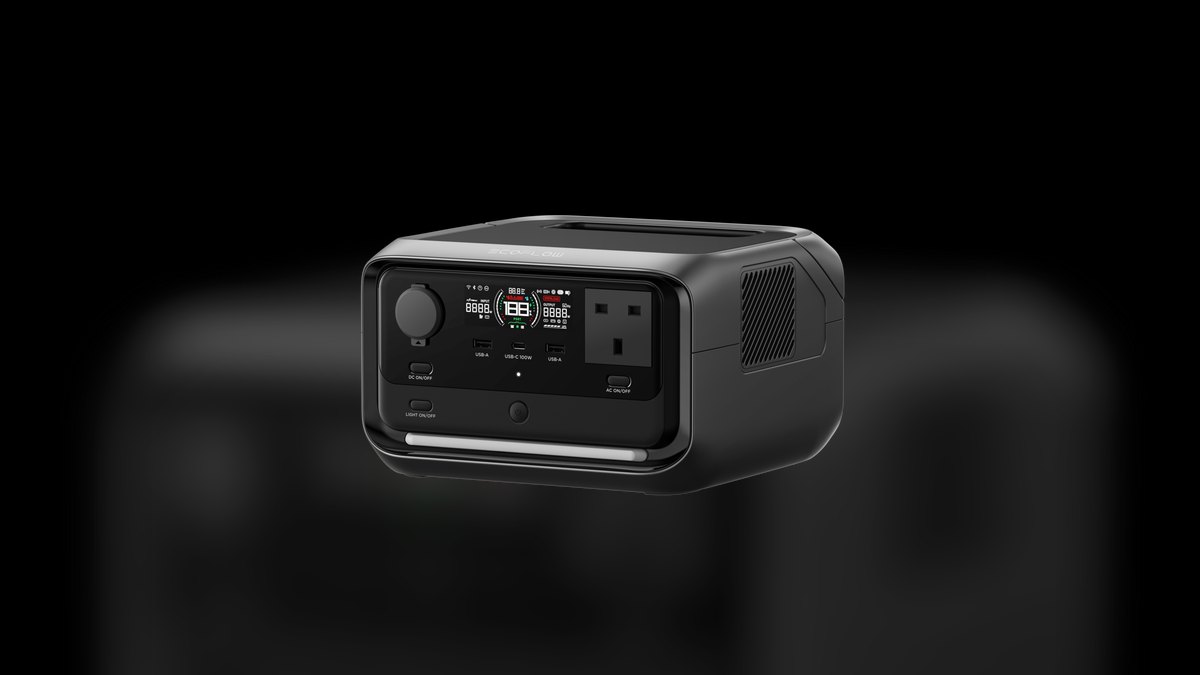
Eighth place is earned by bringing EcoFlow's 10ms UPS switchover down to the $299 bracket, a rare feature at this price. Capacity is 286Wh of LiFePO4 rated 3,000 cycles, with 600W continuous AC and X-Boost to 1,200W. AC charging completes in one hour, solar input reaches 220W, and a $199 expansion battery roughly doubles capacity. Weight is 9.7 lbs with a 5-year warranty.
Apartment renters building a blackout kit for a desktop and home router get the most from the UPS switching, which keeps gear from rebooting. It carries only 3 AC outlets and a single USB-C 100W port, so port count trails the Jackery 300 Plus ranked above. That Jackery is lighter and cheaper per outlet, but it cannot do UPS switching at all.
9Bluetti EB55
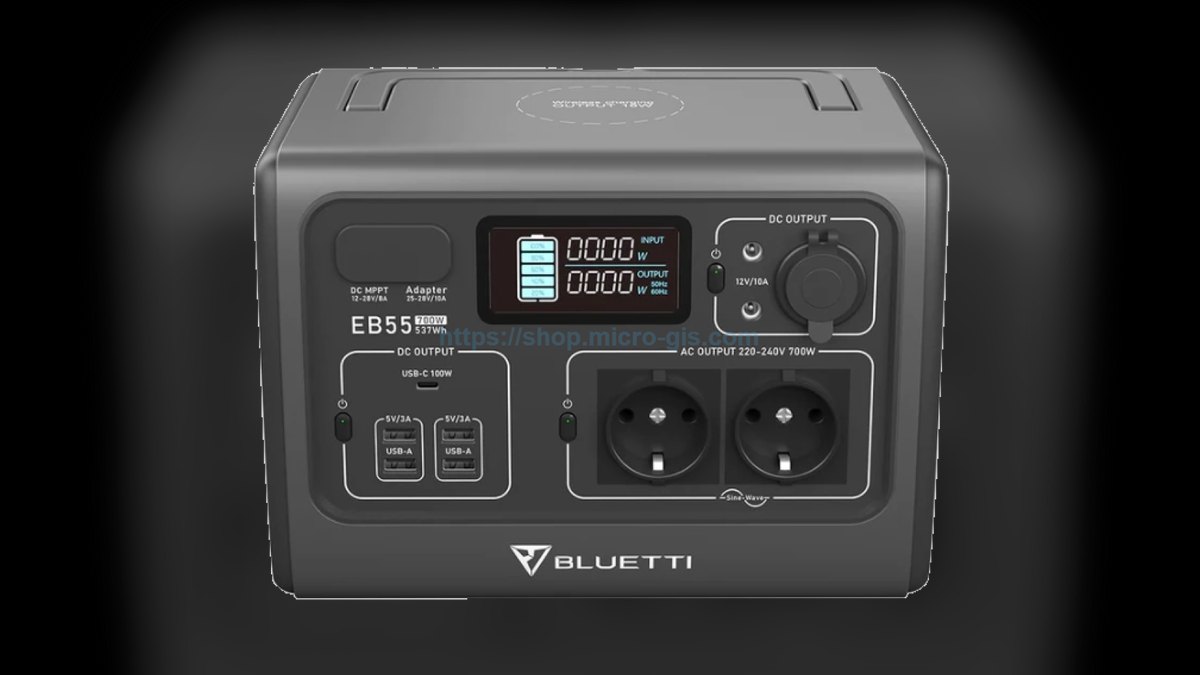
Ninth place reflects 537Wh of LiFePO4 capacity for $349 on sale against a $499 MSRP — mid-capacity without breaking $400. The inverter delivers 700W continuous and 1,400W surge, solar input is 200W, and ports include 4 AC outlets, one USB-C 100W PD, four USB-A, and 12V. A wireless charging pad sits on top. Weight is 16.5 lbs and cycle life is 2,500.
Tailgaters, two-night car campers, and short-stay van travelers are the fit. The 2,500-cycle rating is the lowest LiFePO4 figure here, and the app is dated compared to newer Bluetti units. Warranty is 2 years base plus a 2-year extension on registration, shorter than the 5-year coverage on most picks above. It offers more outlets than the River 3 Plus but no UPS mode.
10Goal Zero Yeti 500X
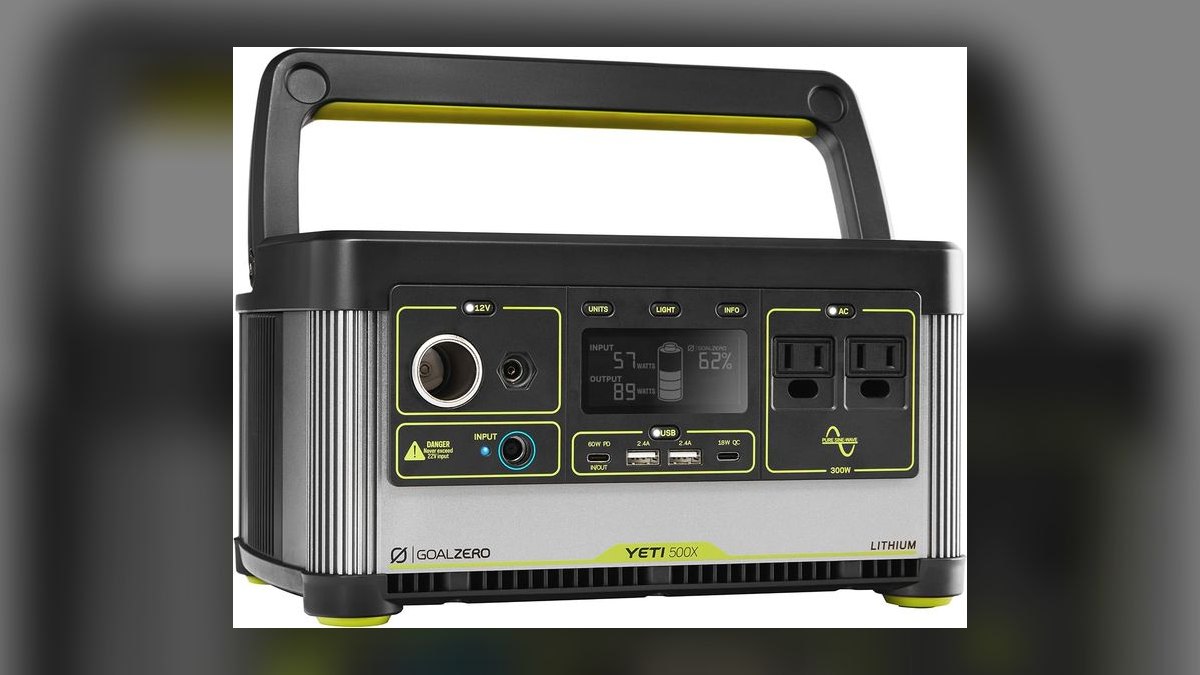
Tenth place is the lone NMC chemistry holdout, and that chemistry is why it ranks last. Its 505Wh pack is rated roughly 500 cycles to 80% — about one-eighth the cycle life of the LiFePO4 units above — while costing $699. Output is 300W continuous with 1,200W surge, ports run 2 AC, one USB-C 60W PD, one USB-C 18W, two USB-A, and 12V, with 120W solar input.
It earns inclusion for brand-loyal buyers who value US-based warranty service, modular Sherpa link expansion, and a mature app, and who already own Goal Zero Nomad solar panels. Weight is 12.9 lbs with a 2-year warranty. Most buyers should take the Jackery 300 Plus at $299 or the Anker C1000 instead — both cost less per usable watt-hour and last far longer.
How we ranked these
We weighted real-world deliverable wattage over spec-sheet Wh at 35%, since a pack behind a weak inverter cannot run real appliances no matter how much energy it stores. Chemistry and rated cycle life took 20%, AC and solar charging speed 15%, build quality and port mix 15%, app maturity and warranty 10%, and price-per-usable-Wh the final 5%. Bench data came from Wirecutter, Tom's Guide, RTINGS, Will Prowse teardowns, and Outdoor Gear Lab field runs.
We ignored peak surge figures quoted without a duration, since a 2,700W spike held for 300 milliseconds starts nothing meaningful in daily use. Bundled solar-panel kit pricing was ignored too, since it inflates apparent value with panels most buyers eventually swap out. MSRP was ignored wherever a unit sits permanently discounted — the Anker C1000 and Bluetti AC180 were judged at street price instead. Marketing-only labels like solar generator carried zero weight in the score.
What to look for
Match continuous AC output to your highest actual draw before looking at capacity — a 5,000-BTU window AC pulls roughly 450W running with a 1,200W startup spike, ruling out anything under an 1,800W inverter regardless of stored watt-hours. Chemistry matters almost as much: LiFePO4 rated 3,000 to 5,000 cycles stays useful past a decade, while the NMC pack in the Goal Zero Yeti 500X degrades to 80% capacity in under two years of daily use.
The most common mistake is buying small and planning to expand later — add-on batteries run 15 to 25% more per watt-hour than buying larger outright, so a Delta 3 Plus plus its $799 expansion costs more than a comparable 2kWh station bought whole. The second mistake is trusting rated solar input at face value — a 400W array delivers only 250 to 300W in clear sun, so size panels near 140% of target harvest.
Related questions
How many watt-hours do I actually need for weekend camping?
Two nights of phone charging, LED lights, and a small fan runs comfortably on 300Wh. Add a 12V compressor fridge and you need 800 to 1,200Wh, since a portable fridge pulls 30 to 60Wh per hour depending on ambient heat. The Jackery Explorer 300 Plus covers the light case at $299; the Bluetti AC180 at 1,152Wh covers fridge-based camping without cutting it close.
What does X-Boost or Power Lifting actually do?
Both lower output voltage so a resistive appliance draws less wattage than its rating, letting an 1,800W inverter run a 2,400W heater at reduced heat output. It works on heating elements, kettles, and hair dryers. It does not work on inductive motors — compressors, pumps, and saws need genuine surge headroom, so check the motor's locked-rotor draw rather than trusting the boost figure.
Is a DC-only power station like the Anker C300 worth considering?
Yes, if your load is laptops, cameras, drones, and phones. Dropping the inverter removes idle conversion loss, which quietly drains small units overnight. The C300 DC pushes 140W over USB-C, enough to charge a 16-inch MacBook Pro in about 35 minutes. The tradeoff is absolute: no AC outlet means no fridge, no power tools, and no CPAP without a 12V adapter.
How long does a power station last before capacity degrades?
Cycle rating divided by how often you charge it. A 5,000-cycle LiFePO4 unit cycled daily reaches 80% capacity around year 13; the same unit used twenty weekends a year lasts effectively forever. NMC at roughly 500 cycles hits 80% in about 18 months of daily use. Calendar aging also applies, so store units at 50 to 60% charge in a cool place between trips.
Can I recharge one of these from my car while driving?
Yes, but slowly. A standard 12V cigarette socket caps around 120W, so a 1,000Wh station needs roughly nine hours of driving to fill. The Delta 3 Plus accepts a 15A car input for faster top-ups. For serious van or RV use, a dedicated alternator charger or DC-DC converter moves 400 to 800W and is worth the added install cost.
Why do reviewers push LiFePO4 so hard over NMC?
Three reasons: cycle life roughly eight times higher, far better thermal stability under fault conditions, and gentler degradation curves at partial charge. NMC's only real advantage is energy density, which matters for backpacking weight but rarely for a unit that lives in a car or closet. By 2027, LiFePO4 pricing has fallen enough that the density tradeoff no longer justifies choosing NMC.
Does a portable power station work as a home backup during outages?
For fridges, routers, lights, and CPAP, yes. For a well pump, furnace blower, or central HVAC, you need transfer-switch integration and serious surge headroom — that's the EcoFlow Delta Pro Ultra's territory at 7,200W continuous with a 14,000W surge. Anything smaller runs on extension cords to individual appliances, which is fine for a one-day outage but not a whole house.
How much solar panel should I pair with a 1,000Wh unit?
Roughly 200 to 400W of foldable panel. Rated wattage overstates real harvest by 25 to 40%, so a 400W array typically yields 250 to 300W in clear midday sun and far less at low angles or under cloud. At 275W actual output, a 1,000Wh station refills in about four hours. Check your unit's solar input ceiling before buying a bigger array.
FAQ
What is the best overall portable power station in 2027?
The EcoFlow Delta Pro Ultra, at $5,799 for the base 6,144Wh configuration. It delivers 7,200W continuous AC with a 14,000W surge, uses LiFePO4 rated 5,000 cycles to 80%, fast-charges 0 to 80% in 1.7 hours, and accepts 5,600W of solar per inverter. Chaining up to five inverters and fifteen batteries reaches 90kWh of total storage.
What is the best value portable power station?
The Jackery Explorer 300 Plus at $299. Nothing else at that price combines LiFePO4 chemistry, a 2,000-cycle rating, and a genuine 300W inverter with 600W surge. At 8.27 lbs it carries easily, recharges 0 to 80% in one hour, and includes a 100W USB-C PD port plus a five-year warranty. The single AC outlet is its main limitation.
How long will a 1,000Wh power station run a refrigerator?
A modern 100W refrigerator consumes roughly 1.2 to 1.5 kWh per day once compressor duty cycles are counted, so 1,000Wh yields about 16 to 20 hours with nothing else connected. Pair it with a 200W solar panel and summer harvest roughly matches daily draw, letting the fridge run indefinitely in good conditions without draining the pack.
Can I run a window air conditioner on a portable power station?
A 5,000-BTU window unit draws roughly 450W running with a 1,200W startup surge. Stations rated 1,800W continuous — the EcoFlow Delta 3 Plus, Bluetti AC180, and Anker SOLIX C1000 — handle it cleanly. Expect two to three hours of runtime per 1,000Wh of capacity, so overnight cooling requires a 2kWh unit or larger.
Do these work as a true UPS for a desktop computer?
Some do. The EcoFlow Delta 3 Plus and River 3 Plus switch over in 10 milliseconds, fast enough that desktops, NAS units, and networking gear never notice the transition. Most Jackery and Goal Zero models are not true UPS devices — they introduce a brief gap on switchover that will drop an unprotected desktop mid-session.
Which power station is best for CPAP use?
The Jackery Explorer 300 Plus runs a typical ResMed AirSense 11 with the humidifier off for two full nights on 288Wh. If a blackout mid-therapy is the concern, the EcoFlow River 3 Plus adds 10ms UPS switching so the machine never interrupts. Running the heated humidifier roughly triples draw and cuts you to a single night.
Can I fly with a portable power station?
No. The FAA caps lithium batteries at 100Wh in carry-on baggage, with airline approval sometimes extending to 160Wh. Every unit on this list exceeds that ceiling — the smallest here is 286Wh. They ship by ground freight only, and checked baggage is prohibited outright for lithium cells of this size.
Is it worth buying an expansion battery instead of a bigger unit?
Usually not. Expansion batteries typically cost 15 to 25% more per watt-hour than buying the larger station outright. The Delta 3 Plus expansion runs $799 for roughly 1kWh. Expansion makes sense only when your needs genuinely grew after purchase, or when you need modular weight — two 30 lb pieces beat one 60 lb box on stairs.
How loud are portable power stations under load?
It varies widely. RTINGS measures idle and loaded fan noise; anything under 30dB at idle is bedroom-quiet. The Bluetti AC180 and EcoFlow Delta 3 Plus run quiet at light load and spool up under fast charging. Cheaper units run fans constantly regardless of draw, which matters if the unit shares a tent or bedroom with you.
Should I leave a power station plugged in all the time?
For UPS duty, yes — units with UPS mode are designed for it. For storage, no. Keeping cells at 100% accelerates calendar aging even in LiFePO4. Most modern apps let you cap charge at 80 or 90%, which meaningfully extends life. For long-term storage, leave the unit at 50 to 60% and top it up every few months.
Sources
- https://www.nytimes.com/wirecutter/reviews/best-portable-power-station/
- https://www.tomsguide.com/best-picks/best-portable-power-stations
- https://www.rtings.com/
- https://www.consumerreports.org/home-garden/portable-power-stations/
- https://www.faa.gov/hazmat/packsafe/lithium-batteries
- https://www.energy.gov/energysaver/solar-photovoltaic-system-design-basics
- https://www.storagereview.com/review/bluetti-ac180-portable-power-station-review
- https://www.outdoorgearlab.com/topics/camping-and-hiking/best-portable-power-station
Related on PULSE
This page will be disappearing soon. Save it to your device for $1 — or read it free while it is here.
@Kory-White- · if Venmo asks, the last 4 of my number are 2012
This page is gone.
This one is off the shelf now. $1 keeps it on your phone for good — the whole page, pictures and diagrams included.
 pulse-reviewsTop 10 TDS Water Testers — Best Overall + Best Value in 2027
 pulse-reviewsTop 10 YouTube Lighting Kits — Best Overall + Best Value in 2027
 pulse-reviewsTop 10 Clothes Steamers — Best Overall + Best Value in 2027
 pulse-reviewsTop 10 Smart Water Leak Detectors — Best Overall + Best Value in 2027
 pulse-reviewsTop 10 Laptop Stands for Remote AEs in 2027
 pulse-reviewsTop 10 Blue Light Glasses for Sales Reps in 2027
 pulse-reviewsTop 10 DDR5 RAM Kits — Best Overall + Best Value in 2027
 pulse-reviewsTop 10 Spot Welders — Best Overall + Best Value in 2027
 pulse-reviewsTop 10 Standing Desks $500-$1500 in 2027
 pulse-reviewsTop 10 Hair Dryers — Best Overall + Best Value in 2027