


Top 10 Impact Drivers — Best Overall + Best Value in 2027
Quality
Certified
The 10 best impact drivers are ranked below on measured performance, build quality, price, and how each one actually holds up in daily use rather than how it reads on a spec sheet. Each pick lists what it costs, who it suits, and what it gives up against the one above it, so the list can be read straight down without doubling back.
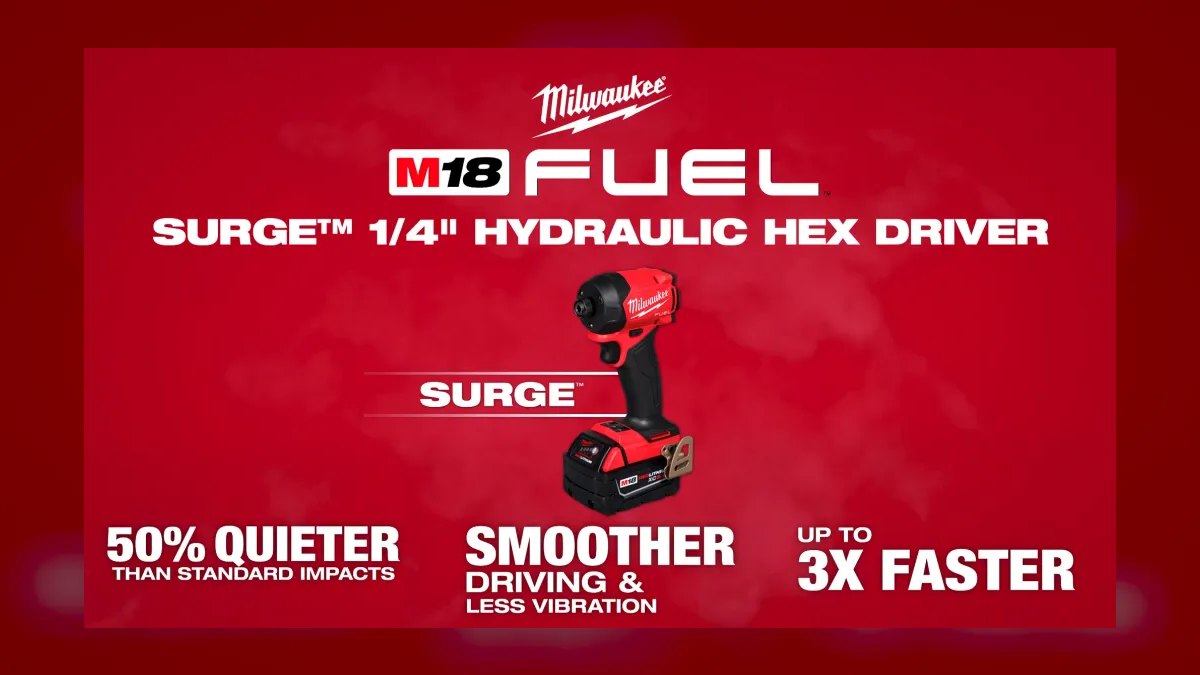
1Milwaukee M18 FUEL 2853-22 SURGE
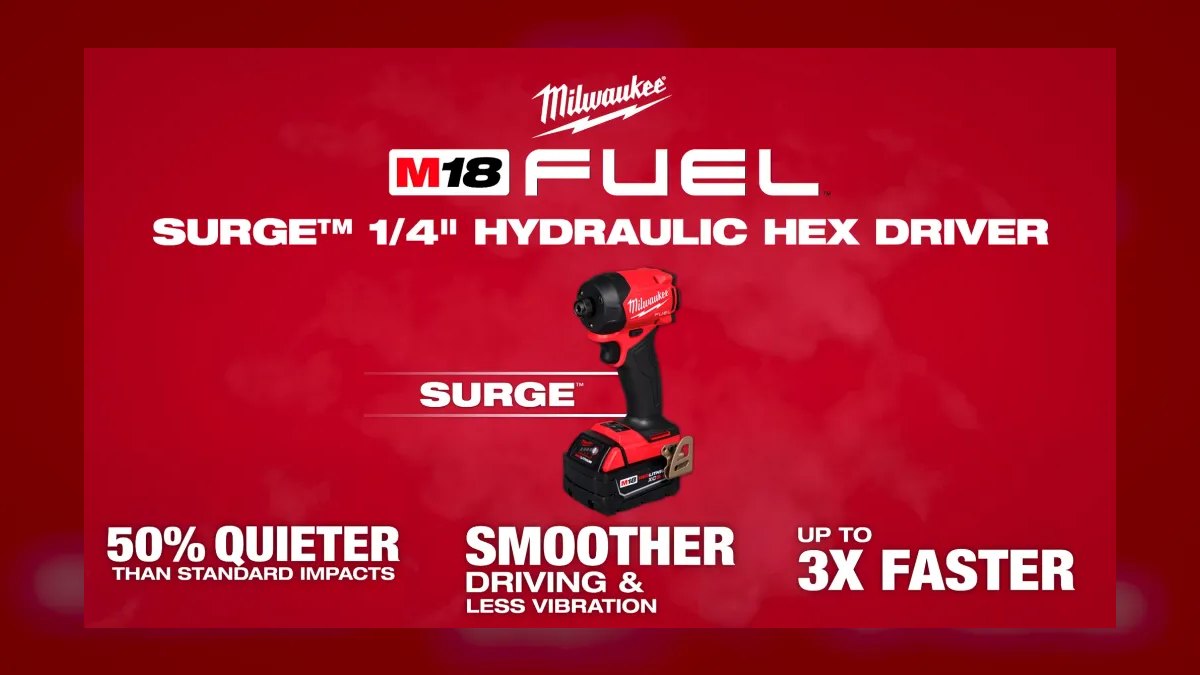
It ranks first because it is the only driver here that solves noise and vibration without sacrificing real fastening power. The sealed hydraulic oil-pulse drive measures about 76 dB at the operator's ear, roughly half the perceived volume of a 95+ dB steel-anvil impact. It still delivers 450 ft-lbs of fastening torque, 3,000 RPM, and 3,000 IPM. Four DRIVE CONTROL modes include a self-tapping setting that backs off once a screw seats.
This is the pick for finish carpenters, cabinet installers, and anyone holding a trigger six hours a day. The $349 kit ships two M18 XC 2.0Ah batteries, a charger, and a bag, backed by a five-year tool warranty. It trades a slice of peak break-away torque for refinement, so the Milwaukee 2953 further down wins on raw numbers. Choose the SURGE when hearing protection and wrist comfort matter more than maximum grunt.
2DEWALT DCF887D2 20V MAX XR
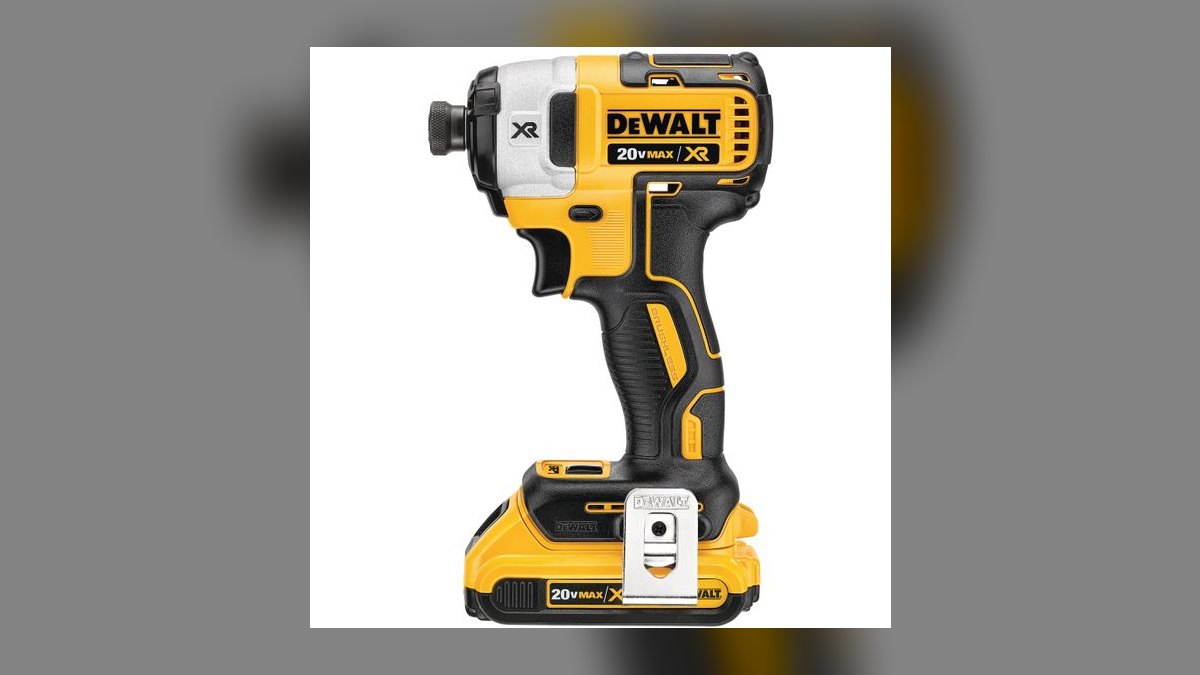
It takes second place on price-to-performance: 1,825 in-lbs, or 152 ft-lbs, in a $239 kit that includes two 20V MAX 2.0Ah batteries and a charger. Top speed reaches 3,250 RPM and 3,800 IPM, and Precision Drive holds the first second near 1,000 RPM to prevent cam-out. The head measures 5.3 inches at 2.8 lbs bare, built around an all-metal gearbox with a three-LED ring.
Framers and remodelers already on 20V MAX get the most tool per dollar in this ranking. The compromise is noise, around 96 dB, plus a housing that scuffs faster than Milwaukee's glass-filled nylon. Against the SURGE above it, it gives up oil-pulse quiet and roughly $110 of refinement while matching real-world screw-driving speed. Against the Makita below it, it trades a shorter head for higher peak torque.
3Makita XDT16T 18V LXT
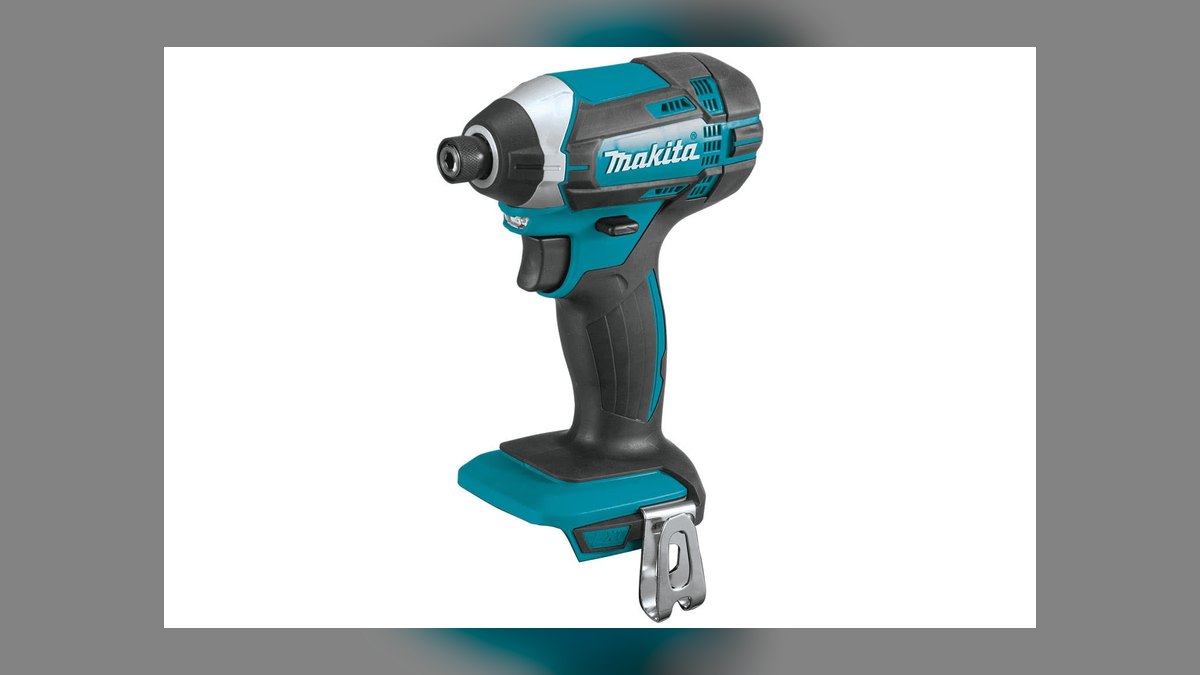
It ranks third because nothing else here pairs a 4.6-inch head with this level of drive-mode intelligence. Quick-Shift Assist offers four modes, and the T-modes auto-stop at thread engagement so self-tapping screws never strip out. Output is 1,600 in-lbs, or 133 ft-lbs, at 3,600 RPM and 3,800 IPM. XPT sealing handles dust and moisture, twin LEDs kill shadows, and the tool weighs 3.5 lbs with a 5.0Ah pack.
Cabinet installers, panel electricians, and overhead workers benefit most from that short nose. The $299 kit includes two 5.0Ah LXT batteries, a rapid charger, and a bag, backed by a three-year warranty. It gives up peak torque to the DEWALT above it, which matters when breaking loose seized fasteners. Choose it when clearance and fit-and-finish outrank the last twenty foot-pounds.
4Bosch 18V Freak GDX18V-1860C
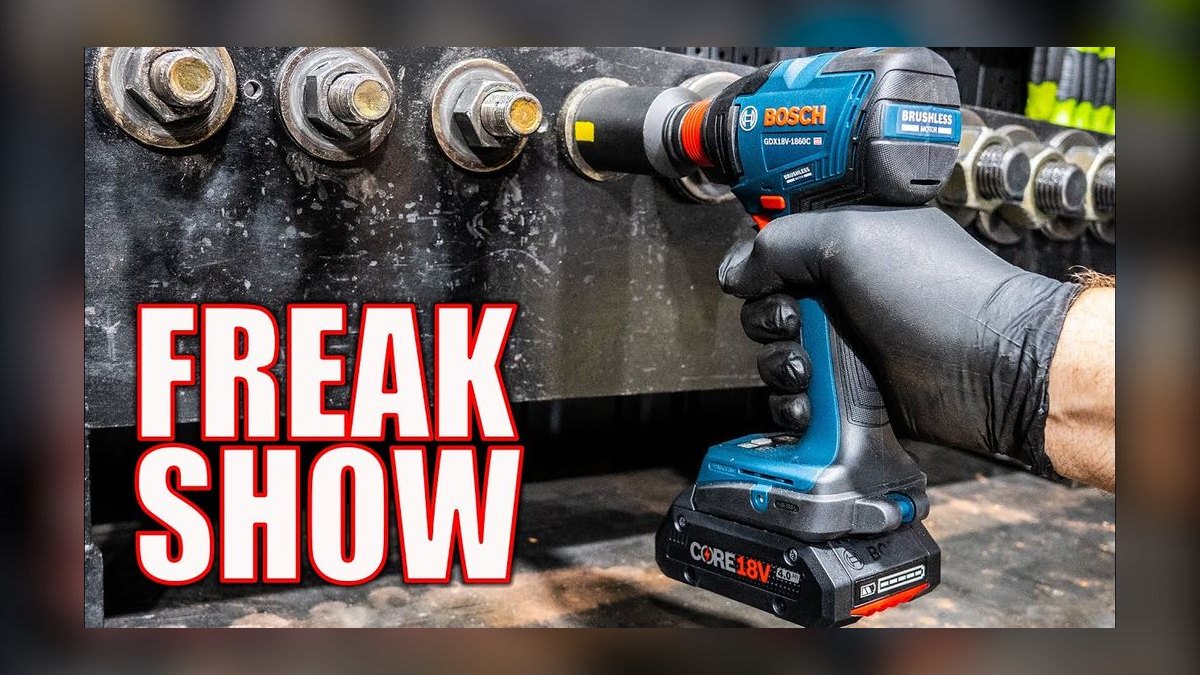
It lands fourth on the strength of a chuck no rival matches: the two-in-one bit holder accepts 1/4-inch hex bits and 1/2-inch square-drive sockets, so deck screws and lug nuts are a two-second swap. It produces 1,800 in-lbs fastening, 1,950 in-lbs nut-busting, 3,400 RPM, and 3,600 IPM. A brushless EC motor, a three-speed selector plus auto mode, and KickBack Control round it out at 3.4 lbs.
Mechanics and HVAC techs who move between wood and metal all day get the clearest payoff. The $299 kit brings two CORE18V 4.0Ah batteries, a charger, and an L-Boxx case with a three-year warranty. The hybrid chuck is bulkier than a dedicated hex chuck at 5.6 inches, so the Makita above it beats it in tight boxes. It replaces two tools instead of optimizing one.
5Milwaukee M18 FUEL 2953-22
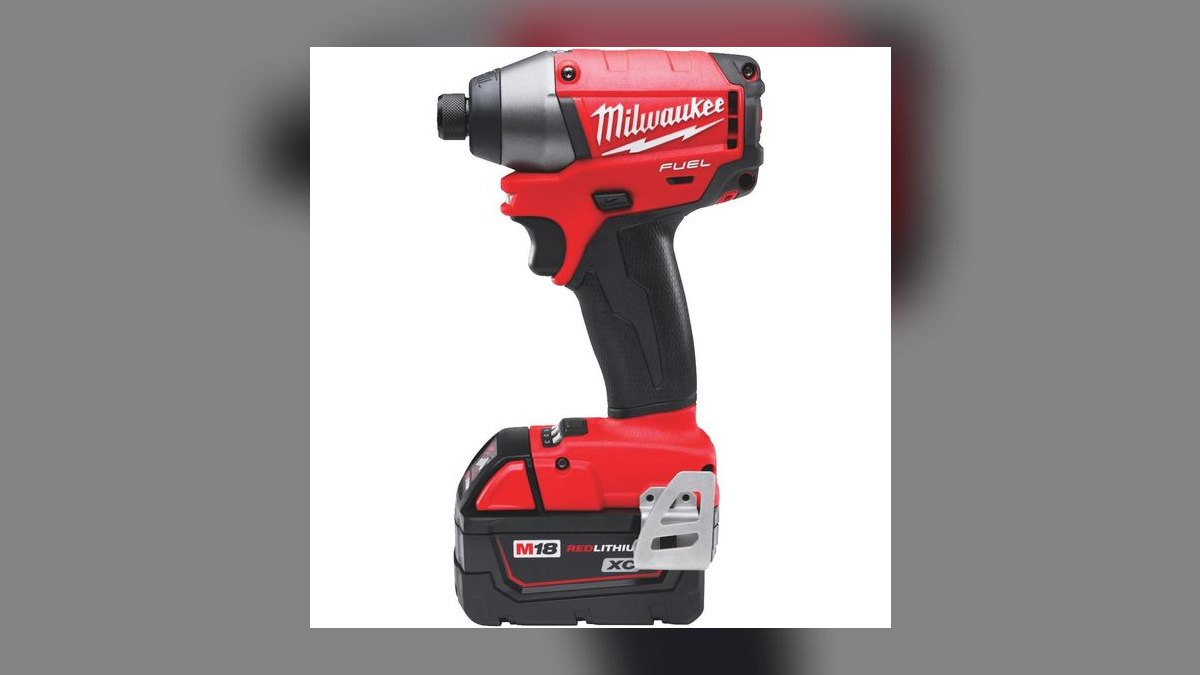
It sits fifth because it posts the highest peak numbers of any compact hex driver here: 2,000 in-lbs of fastening torque, 167 ft-lbs, plus 2,100 in-lbs of nut-busting force. Speed runs to 3,600 RPM and 4,300 IPM. The head measures 4.6 inches, matching Makita's sub-compact class, at 2.9 lbs bare. Four-mode DRIVE CONTROL carries the same self-tapping setting found on the SURGE, backed by a five-year warranty.
Pros who want maximum traditional-anvil torque on M18 should start here rather than at the SURGE. The $329 kit includes two XC 2.0Ah packs, a charger, and a contractor bag. It runs around 96 dB with noticeably harsher kick than its oil-pulse sibling at number one, which is the whole reason it sits lower. Pick it when raw break-away force beats all-day comfort.
6Ryobi PBLID01K ONE+ HP
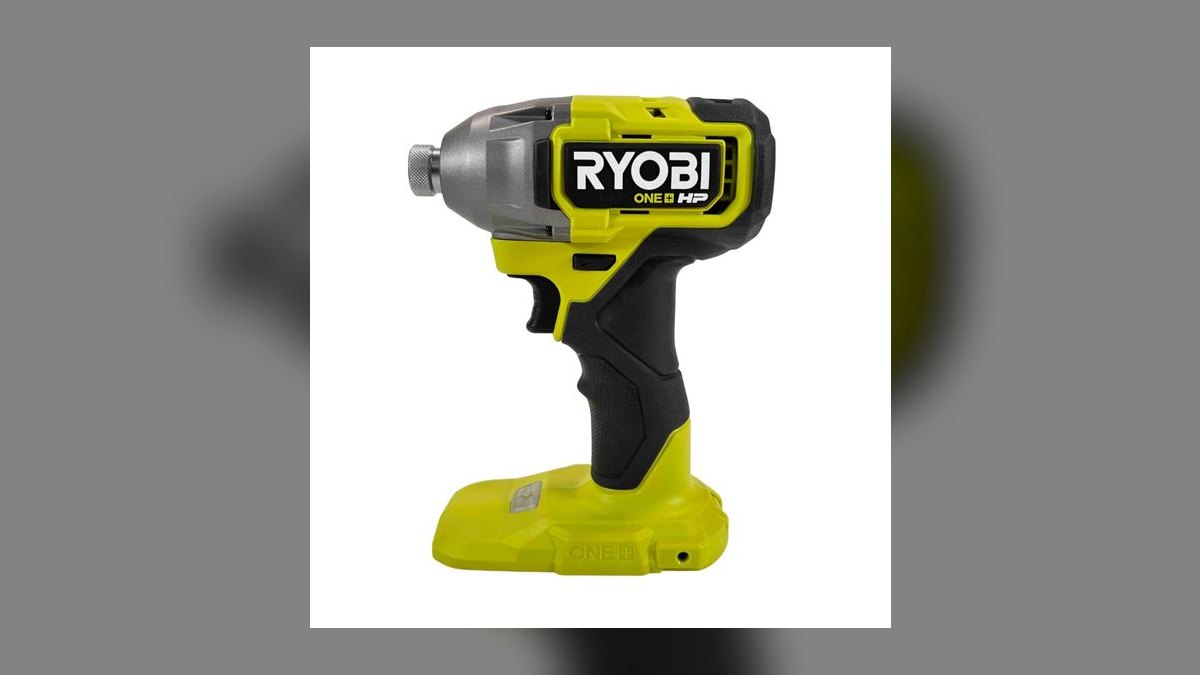
It ranks sixth because it collapsed the price gap between DIY and pro-grade brushless power: 2,000 in-lbs on paper, or 167 ft-lbs, for a $129 kit with a battery and charger. Project Farm's bench testing put real-world torque within ten percent of DEWALT and Makita. It spins to 3,200 RPM and 4,000 IPM across four drive modes, with a 5.0-inch head, 2.7 lbs, a tri-beam LED, and a quick-change hex chuck.
Weekend DIYers and homeowners already holding ONE+ batteries get pro-tier output for under half a DEWALT kit. ONE+ HP works with every 18V Ryobi pack ever sold across 300-plus tools. The plastic-heavy housing will not survive a roof drop the way the Milwaukee above it does, and the three-year warranty runs shorter. Nothing under $150 offers this combination of brushless power and four modes.
7Bauer 20V Hypermax Impact Driver
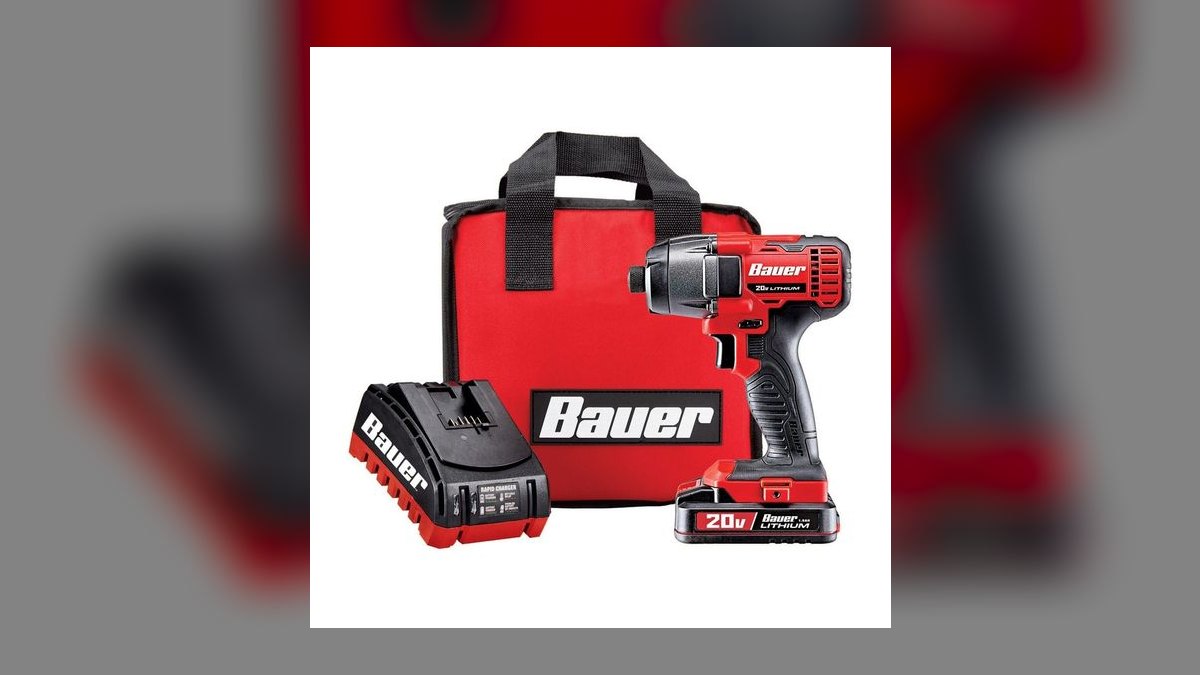
It ranks seventh because $89 buys a genuine brushless motor and a five-year warranty, longer than most pro brands offer. Output is 1,650 in-lbs, or 137 ft-lbs, at 2,900 RPM and 3,600 IPM with three speed modes. Project Farm's 2024 shootout placed it within fifteen percent of DEWALT on torque at roughly one-third the price. The kit includes a 20V battery, charger, and bag; the tool weighs 2.9 lbs with a 5.6-inch head.
First-tool buyers, garage owners, and occasional users are the honest audience here. The mode selector feels plastic-clicky and the chuck shows more wobble than Milwaukee or Makita, which shows up fast under daily use. Against the Ryobi above it, it saves $40 but gives up the fourth finesse mode and a much smaller ecosystem of roughly 60 tools. Budget-gated buyers start here.
8DEWALT DCF850P2 Atomic 3-Speed
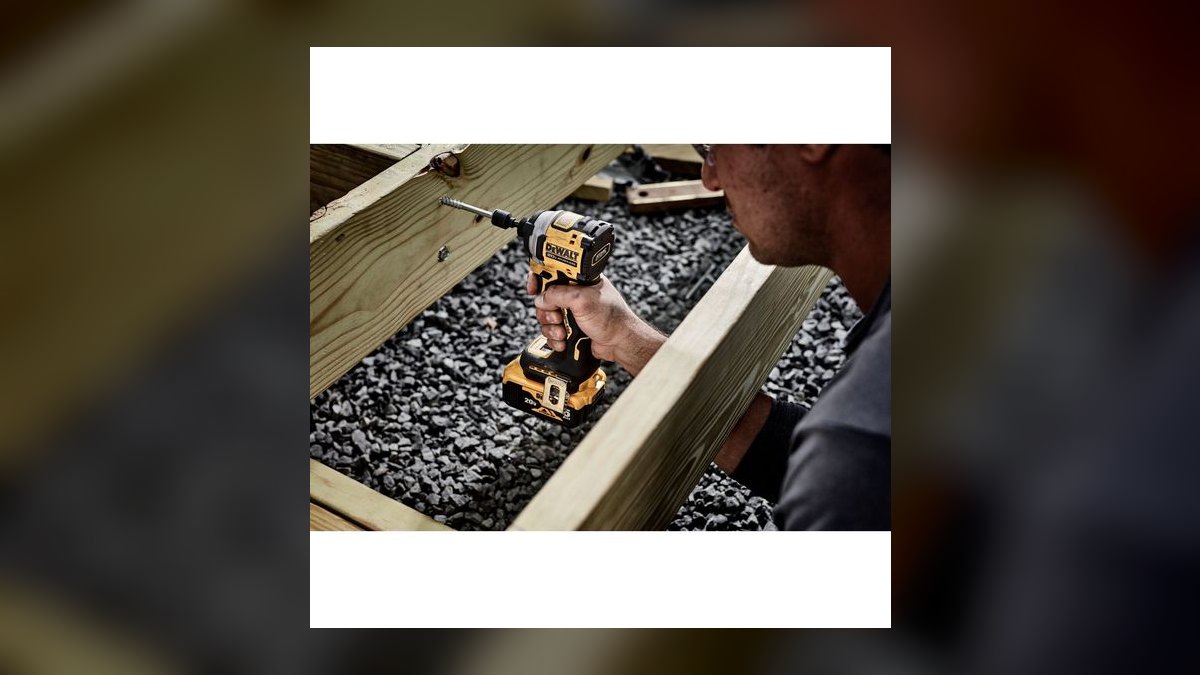
It lands eighth for pure ergonomics: at 4.97 inches and 2.4 lbs bare, it is the lightest premium driver in this ranking. Power stays full XR at 1,825 in-lbs, or 152 ft-lbs, with 3,250 RPM and 3,600 IPM across a three-speed selector with Precision Drive. It uses a brushless motor, an all-metal gear case, and a three-LED tri-light ring. The $249 kit ships two 20V MAX 5.0Ah batteries for long runtime.
Electricians, plumbers, and trim carpenters working overhead or inside panels feel the weight savings most. It lacks the fourth finesse mode that Milwaukee, Makita, and Ryobi all provide, which is the main reason it sits below them. Compared with the DCF887 at number two, it costs $10 more but trades peak-torque headroom and mode count for a shorter nose and bigger included packs.
9Festool TID 18 C Bluetooth
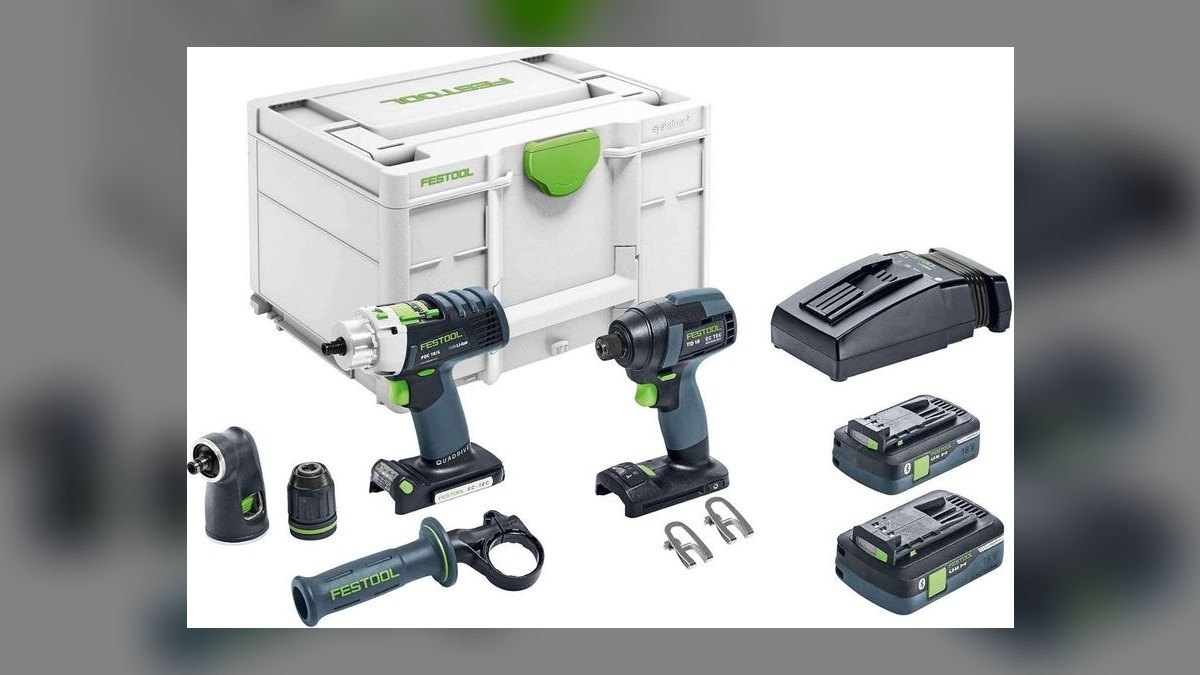
It sits ninth because the specs do not justify the price for most buyers: 1,584 in-lbs, or 132 ft-lbs, is the lowest peak torque in this ranking, and $499 buys only the bare tool with a Systainer. What it delivers instead is refinement — Bluetooth pairing auto-syncs RPM with a CT dust extractor, and the three-speed plus screw mode produces the smoothest fastener seating tested.
High-end cabinet and millwork pros already invested in Systainer³ storage are the only group this makes sense for. The Centrotec chuck also accepts standard 1/4-inch hex bits, and MyFestool registration extends warranty coverage to three years. Next to the $129 Ryobi at number six, the value gap is brutal. Justify it on dust-extractor integration and case ecosystem, never on torque numbers.
10Metabo HPT WH36DBM MultiVolt
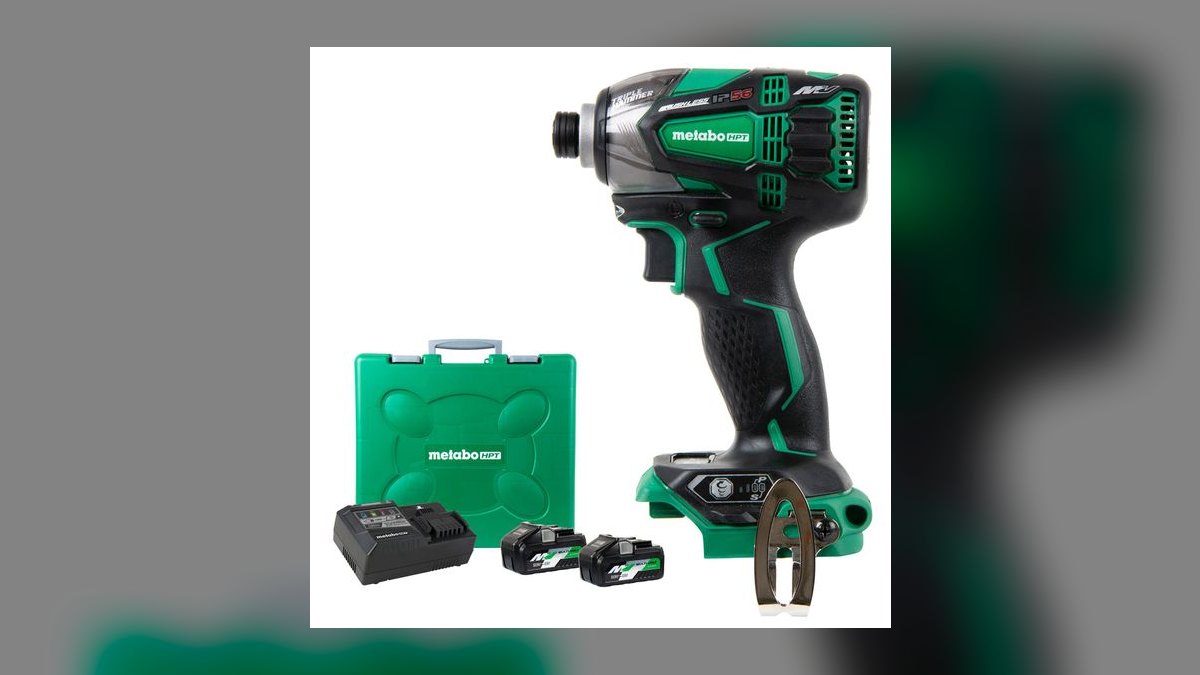
It finishes tenth despite the best warranty here — lifetime coverage with online registration — because platform reach limits it. It runs on 36V MultiVolt or 18V packs with automatic switching, the only true voltage flex in this ranking, and accepts an AC adapter for unlimited runtime on long installs. Output is 1,832 in-lbs, 153 ft-lbs, at 3,700 RPM, the highest no-load speed ranked, plus 4,000 IPM and four drive modes.
Solar installers and ground-up framers who value runtime flexibility and warranty length over ecosystem depth are the fit. The $299 kit includes two MultiVolt batteries, a charger, and a case; the tool weighs 3.0 lbs with a 5.0-inch head. MultiVolt spans roughly 75 tools versus 275-plus on Makita LXT, so future battery sharing runs thin. That lock-in weakness is what places it last.
How we ranked these
Ten 1/4-inch hex impact drivers were scored across nine weighted criteria: max fastening torque (20%), speed under load in IPM and RPM (15%), mode count and precision modes (15%), head length and weight (12%), platform lock-in value (10%), operator-ear noise (10%), build quality and warranty (8%), included batteries (5%), and price-to-performance (5%).
Bench figures came from Pro Tool Reviews, Tool Box Buzz, Project Farm torque shootouts, and manufacturer spec sheets rather than marketing claims alone.
Maximum no-load RPM was deliberately excluded as a headline number, since no fastener is driven at no-load speed; torque under load and IPM in the mode actually used decide real results. In-lbs marketing figures were discounted until converted to ft-lbs, brushed motors were skipped entirely as obsolete for 2027, and bundled accessory counts were ignored, since they inflate kit prices without improving driving performance.
What to look for
Battery platform outweighs the tool itself: a first pack purchase is effectively a ten-year decision, so match the driver to whichever ecosystem is already owned — M18, 20V MAX, LXT, and ONE+ each span 275 to 300-plus tools. After platform, head length decides tight-space work; anything under 5.0 inches counts as sub-compact, which is why the 4.6-inch Makita XDT16T and Milwaukee 2953 win cabinet and panel jobs.
The most common mistake is chasing peak torque numbers that never get used in practice; a finesse or self-tapping mode prevents blown-through drywall, cammed-out trim heads, and snapped deck screws far more often than an extra 200 in-lbs helps. The second mistake is ignoring noise — traditional impacts hit 95-100 dB, hearing-damage territory, while the SURGE's oil-pulse drive runs about 76 dB all day.
Related questions
What is the difference between an impact driver and an impact wrench?
An impact driver uses a 1/4-inch quick-change hex chuck for screw-driving bits and typically produces 130-170 ft-lbs. An impact wrench uses a 1/2-inch or 3/8-inch square drive for sockets and produces far higher nut-busting torque for lug nuts and suspension bolts. The Bosch Freak GDX18V-1860C is the rare hybrid that accepts both chuck types in one tool.
How much torque do I actually need for deck building?
For 1/4-inch by 3-inch deck screws into pressure-treated pine, anything above roughly 120 ft-lbs drives all day without stalling. Every tool in this ranking clears that bar, including the $89 Bauer Hypermax at 137 ft-lbs. Torque only becomes the deciding factor with 5-inch structural lag screws or when breaking loose fasteners that have seized over time.
Is oil-pulse technology worth the extra cost?
It depends on daily runtime. The Milwaukee SURGE runs about 76 dB versus roughly 96 dB on a traditional anvil driver, cutting perceived noise by half and nearly eliminating wrist vibration. Anyone driving fasteners six or more hours a day recoups that premium in fewer headaches and no hearing-protection hassle; occasional users will not justify the cost.
Can an impact driver replace my cordless drill?
Not fully. Impact drivers excel at fasteners but accept only 1/4-inch hex-shank bits, limiting them to pilot holes and rough framing drilling. Clean holes, hole saws, spade bits, and any work needing consistent chuck torque without hammering still require a drill. Most professionals carry both tools, which is why combo kits continue to sell well.
Why do manufacturers quote torque in inch-pounds?
Because the number looks bigger. Milwaukee's 2953 advertises 2,000 in-lbs, which is identical to 167 ft-lbs. Dividing any in-lbs figure by twelve converts it directly to ft-lbs for honest comparison. This ranking converts every spec to ft-lbs so the Ryobi PBLID01K's 167 ft-lbs sits next to DEWALT's 152 ft-lbs without a marketing advantage.
Does head length really matter for most projects?
Only in confined spaces. Cabinet boxes, electrical panels, joist bays, and overhead framing all reward a short head. The Makita XDT16T and Milwaukee 2953 both measure 4.6 inches, the DEWALT Atomic 4.97 inches. For open deck work or general shop use, the extra half-inch on a 5.6-inch Bosch Freak makes essentially no practical difference.
Is a lifetime warranty worth switching platforms for?
Rarely. Metabo HPT's WH36DBM carries a lifetime tool warranty with registration, the best in the category, but MultiVolt spans roughly 75 tools versus 300-plus on M18 or 20V MAX. A warranty covers one tool; platform breadth affects every future purchase. Switching only makes sense when starting fresh with no existing batteries.
What battery capacity should I pair with an impact driver?
Impact drivers sip current in short bursts, so 2.0Ah packs are genuinely adequate and keep the tool light and balanced at the handle. Larger 5.0Ah packs extend runtime for all-day production work but add noticeable weight. The DEWALT DCF850P2 kit ships 5.0Ah packs, an unusually generous inclusion for a sub-compact driver.
FAQ
What is the best overall impact driver in 2027?
The Milwaukee M18 FUEL 2853-22 SURGE. Its sealed hydraulic oil-pulse drive delivers 450 ft-lbs of fastening torque at roughly 76 dB, about half the noise of a conventional impact, with almost no vibration transfer. Add four DRIVE CONTROL modes, a compact head, a five-year tool warranty, and the 300-tool M18 ecosystem for $349 kitted.
What is the best value impact driver?
The Ryobi PBLID01K ONE+ HP at $129 including a 2.0Ah battery and charger. It advertises 167 ft-lbs with four drive modes and a brushless motor, and independent bench testing put real-world torque within ten percent of DEWALT and Makita. ONE+ works with every 18V Ryobi battery ever made across 300-plus tools.
Is the Harbor Freight Bauer really comparable to DEWALT?
For occasional use, close enough. Bench testing put the Bauer Hypermax within roughly fifteen percent of DEWALT on torque at about one-third the price, with a five-year warranty Harbor Freight honors without argument. For daily professional use, DEWALT's housing durability and tighter chuck tolerances pull clearly ahead over time.
Do I need four drive modes or is three enough?
Three modes handle most work. The fourth is usually a self-tapping or assist mode that auto-stops at thread engagement to prevent over-driving. Milwaukee's Self-Tapping mode, Makita's T-modes, and Ryobi's four-mode dial are genuinely useful for trim screws and self-drilling fasteners, but not essential for general framing or decking work.
Should I still consider a brushed impact driver?
No. Every tool in this ranking is brushless, delivering forty to sixty percent longer runtime per charge, two to four times the motor life, and lower operating heat. Brushless pricing has collapsed to $89 at the Bauer entry point, so there is no remaining cost argument for buying brushed in 2027.
Which impact driver is quietest?
The Milwaukee SURGE at approximately 76 dB measured at the operator's ear, one meter from the bit tip. Traditional steel-anvil impacts, including Milwaukee's own 2953 and the DEWALT DCF887, register around 95-96 dB, which sits in hearing-damage territory during sustained use and effectively requires hearing protection all day long.
Which driver is best for working overhead or in panels?
The DEWALT DCF850P2 Atomic at 2.4 lbs bare with a 4.97-inch head is the lightest premium option here. The Makita XDT16T has the shortest head at 4.6 inches with excellent balance and twin LEDs. Both reduce fatigue substantially during ceiling work, panel wiring, and cabinet installs compared to full-size 5.6-inch drivers.
Can one tool handle both sockets and screw bits?
Yes, the Bosch 18V Freak GDX18V-1860C. Its two-in-one bit holder accepts 1/4-inch hex bits and 1/2-inch square-drive sockets, swapping in about two seconds. It produces 150 ft-lbs fastening and 1,950 in-lbs nut-busting torque with active kickback braking. The tradeoff is a bulkier 5.6-inch head than dedicated hex chucks.
Is the Festool TID 18 C worth $499?
Only for specific workflows. Its 132 ft-lbs is modest and its raw specs lose to a $129 Ryobi. The premium buys Systainer case integration, Bluetooth pairing that auto-triggers a CT dust extractor, and the smoothest fastener seating tested. Justify it on shop ecosystem and dust-extraction integration, never on torque numbers alone.
Does maximum no-load RPM predict real performance?
No, and it is the most misleading spec in the category. Fasteners are never driven at no-load speed. Metabo HPT's WH36DBM leads this list at 3,700 RPM, but torque under load and impacts-per-minute in the actual working mode determine driving speed. Load-based bench testing is the more reliable reference point.
Sources
- https://www.protoolreviews.com/best-impact-driver-reviews/
- https://www.nytimes.com/wirecutter/reviews/best-impact-driver/
- https://www.familyhandyman.com/list/best-impact-drivers/
- https://www.finehomebuilding.com/project-guides/tools-and-materials
- https://www.milwaukeetool.com/Products/Power-Tools/Drilling-and-Fastening/Impact-Drivers
- https://www.dewalt.com/product/dcf887d2/20v-max-xr-brushless-3-speed-14-in-impact-driver-kit
- https://www.makitatools.com/products/details/XDT16T
- https://www.boschtools.com/us/en/products/gdx18v-1860c-0601JG5010
- https://www.ryobitools.com/products/details/33287341531
- https://www.cdc.gov/niosh/topics/noise/default.html
Related on PULSE
This page will be disappearing soon. Save it to your device for $1 — or read it free while it is here.
@Kory-White- · if Venmo asks, the last 4 of my number are 2012
This page is gone.
This one is off the shelf now. $1 keeps it on your phone for good — the whole page, pictures and diagrams included.
 pulse-reviewsTop 10 VR Headsets — Best Overall + Best Value in 2027
 pulse-reviewsTop 10 Clothes Steamers — Best Overall + Best Value in 2027
 pulse-reviewsTop 10 Electric Back Massagers — Best Overall + Best Value in 2027
 pulse-reviewsTop 10 Backpack Leaf Blowers — Best Overall + Best Value in 2027
 pulse-reviewsTop 10 TDS Water Testers — Best Overall + Best Value in 2027
 pulse-reviewsTop 10 Foldable Phones — Best Overall + Best Value in 2027
 pulse-reviewsHow do I reduce echo in a home office for sales calls in 2027?
 pulse-reviewsTop 10 Cable Management Boxes for Sales Home Office in 2027
 pulse-reviewsTop 10 Circular Saws — Best Overall + Best Value in 2027
 pulse-reviewsTop 10 Smart Water Leak Detectors — Best Overall + Best Value in 2027