


Top 10 Miter Saws — Best Overall + Best Value in 2027
Quality
Certified
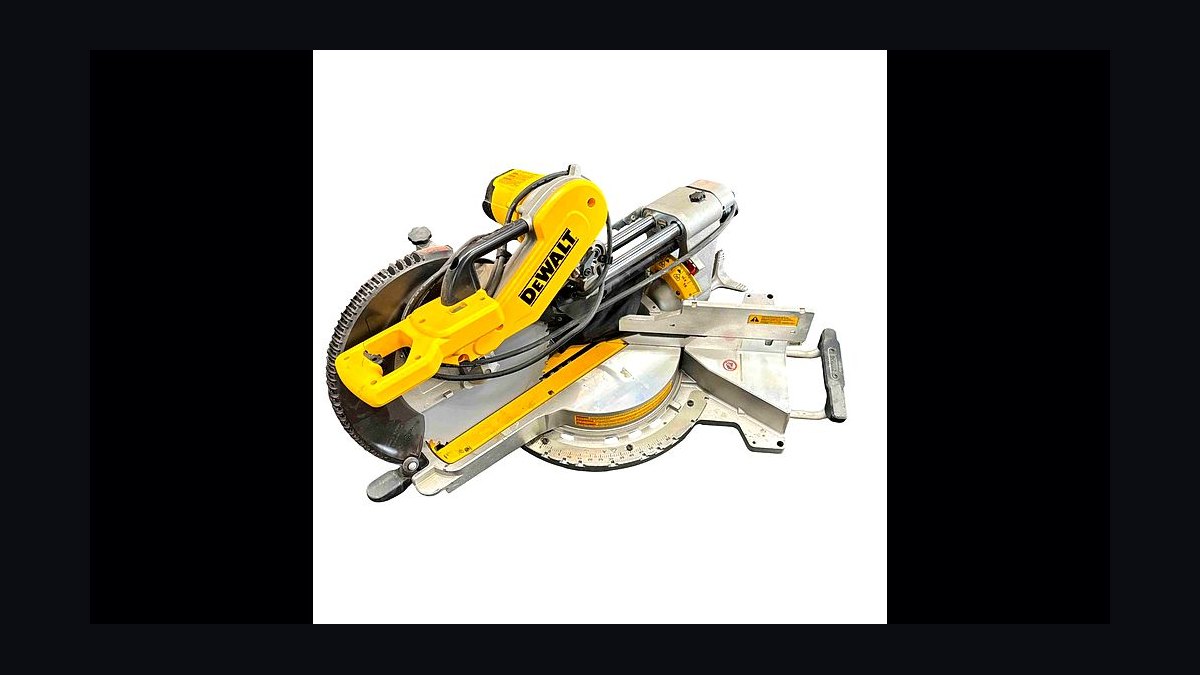
The 10 best miter saws are ranked below on measured performance, build quality, price, and how each one actually holds up in daily use rather than how it reads on a spec sheet. Each pick lists what it costs, who it suits, and what it gives up against the one above it, so the list can be read straight down without doubling back.
1DEWALT DWS780 Miter Saw
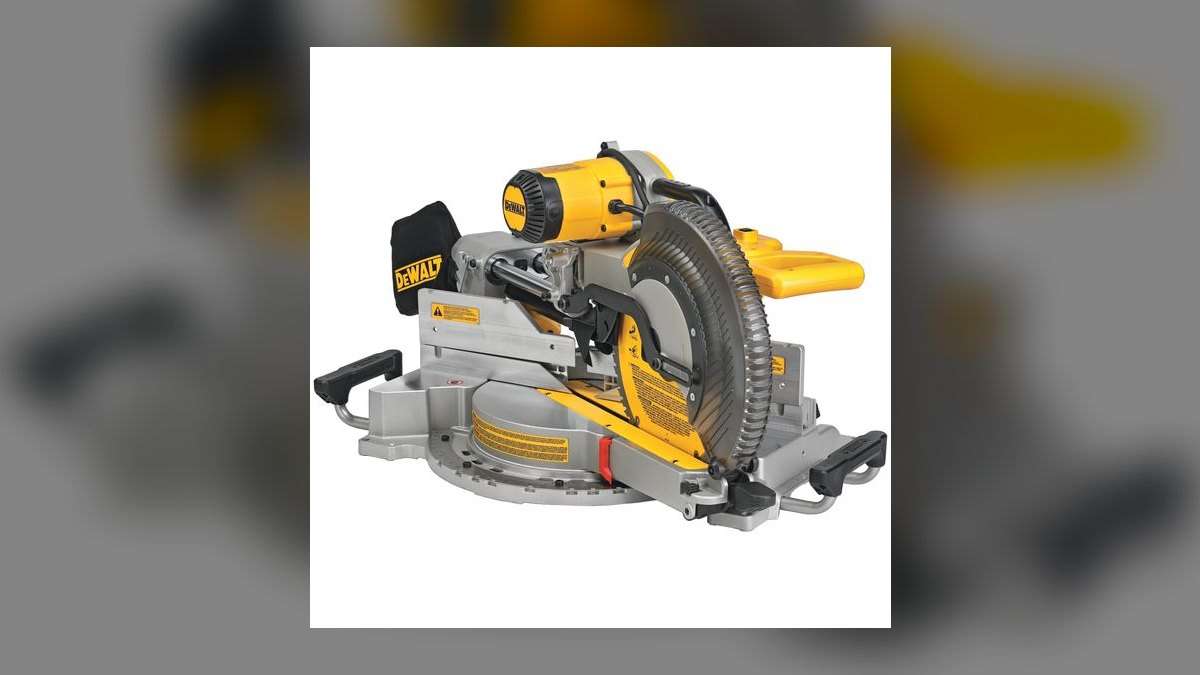
The DWS780 ranks first because it pairs 12-inch dual-bevel sliding capacity with the most reliable cut-line system on the market at $649. Its 15-amp motor spins 3,800 RPM no-load, cross-cutting 16 inches at 90 degrees and 12 inches at 45. The XPS shadow line projects the actual blade kerf rather than a laser, so it never drifts out of calibration. A stainless steel detent plate holds miter settings through years of jobsite abuse.
This is the saw for trim carpenters and framers who want one corded machine that lasts a decade. It weighs 56 lbs and needs 14 inches of clearance behind it for the rear rails, which rules out tight benches. The Bosch GCM12SD below solves that clearance problem with its Axial-Glide arm, but costs $150 more. Fence height of 5-1/4 inches nests crown up to 7-1/2 inches.
2Bosch GCM12SD Glide Saw
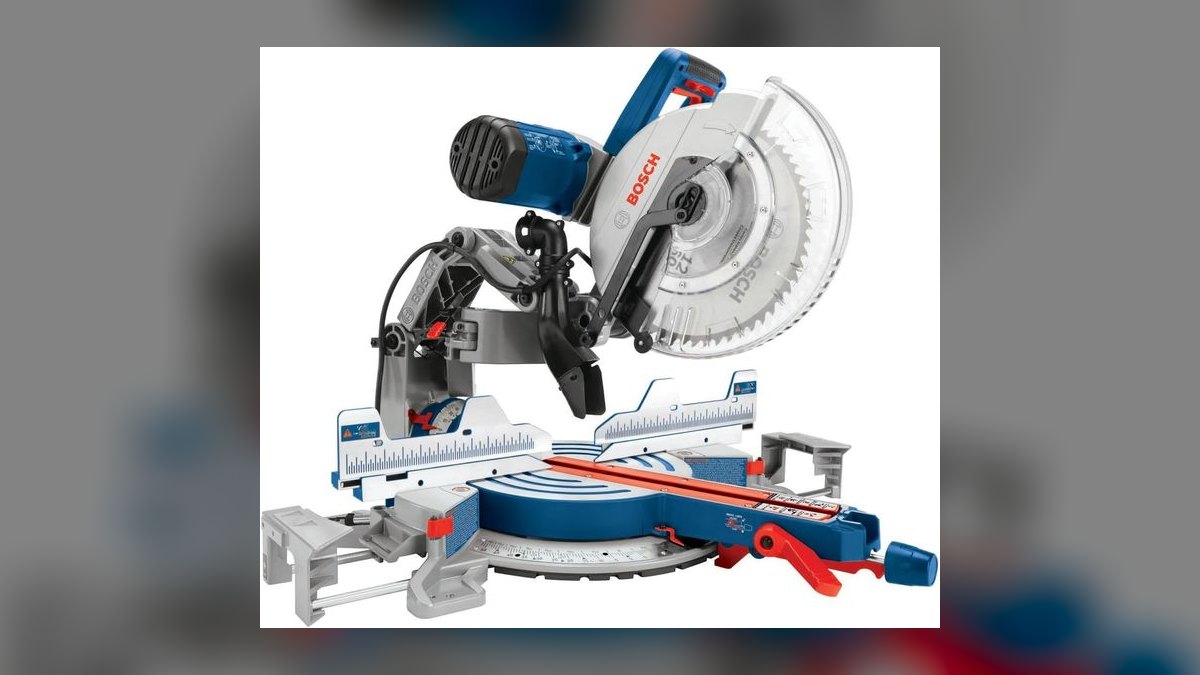
The GCM12SD earns second on its Axial-Glide articulating arm, which replaces rear rails with twin pivoting arms so the saw sits flush against a wall. That saves roughly 12 inches of bench depth versus rail designs. The 15-amp motor runs 3,800 RPM with a 14-inch cross-cut at 90 degrees, 60-degree miter range, and 47-degree bevel both directions. Square Lock fences arrive at true 90 degrees without shimming.
Buy this if shop space is the binding constraint rather than budget. At $799 and 65 lbs, it is both the priciest mainstream slider here and the heaviest, asking $150 more than the DEWALT above for less cross-cut reach and 6-1/2 inch nested crown capacity. The warranty is one year unless you register for the three-year extension. Cast iron table and upfront bevel controls justify the premium for finish shops.
3Milwaukee M18 FUEL 2739-21HD
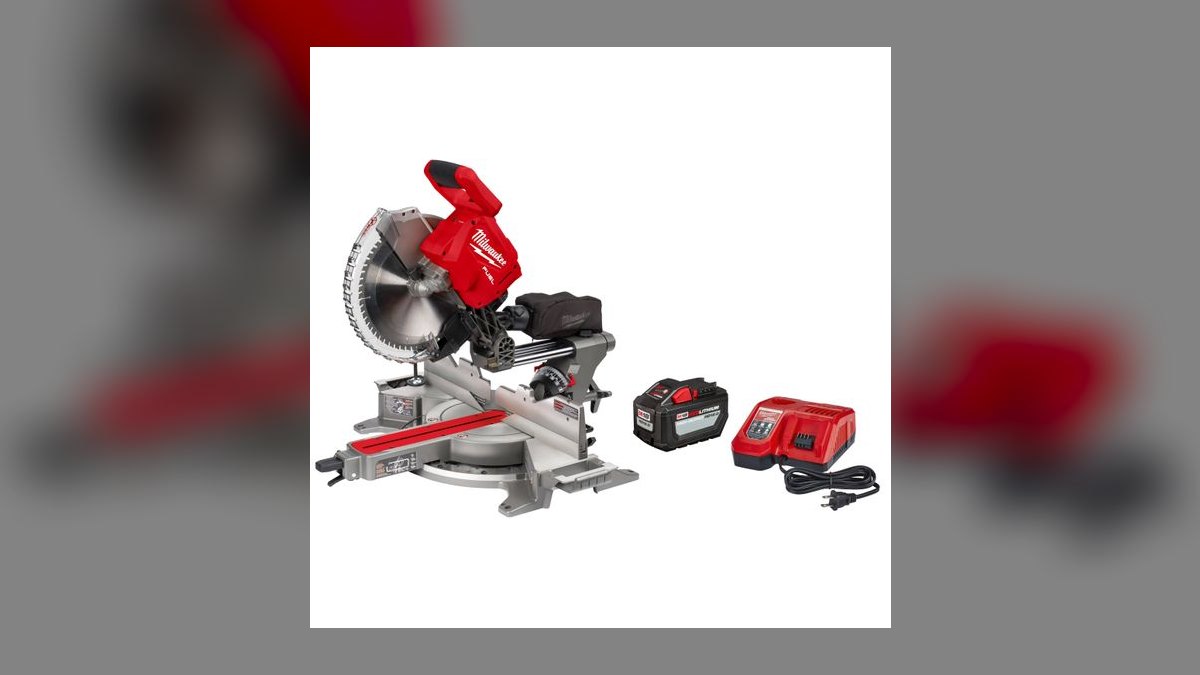
This ranks third as the cordless 12-inch slider that gives up the least to corded saws. The brushless POWERSTATE motor hits 3,600 RPM on 18V, and the 12.0 Ah HD battery delivers roughly 600 cuts in 2x12 SPF per Milwaukee's testing. Cross-cut is 13-3/4 inches at 90 degrees, with 60-degree miter and 48-degree dual bevel. An integrated LED shadow line replaces the laser entirely.
The buyer here already owns M18 batteries; starting from scratch makes the $799 kit price hard to justify against the corded DEWALT at $649. Bare tool runs $649 and still requires an HD pack. At 65 lbs with battery it is no lighter than the Bosch above. ONE-KEY tracking and a 5-year tool warranty matter on crews that lose tools.
4DEWALT DCS781B FlexVolt Saw
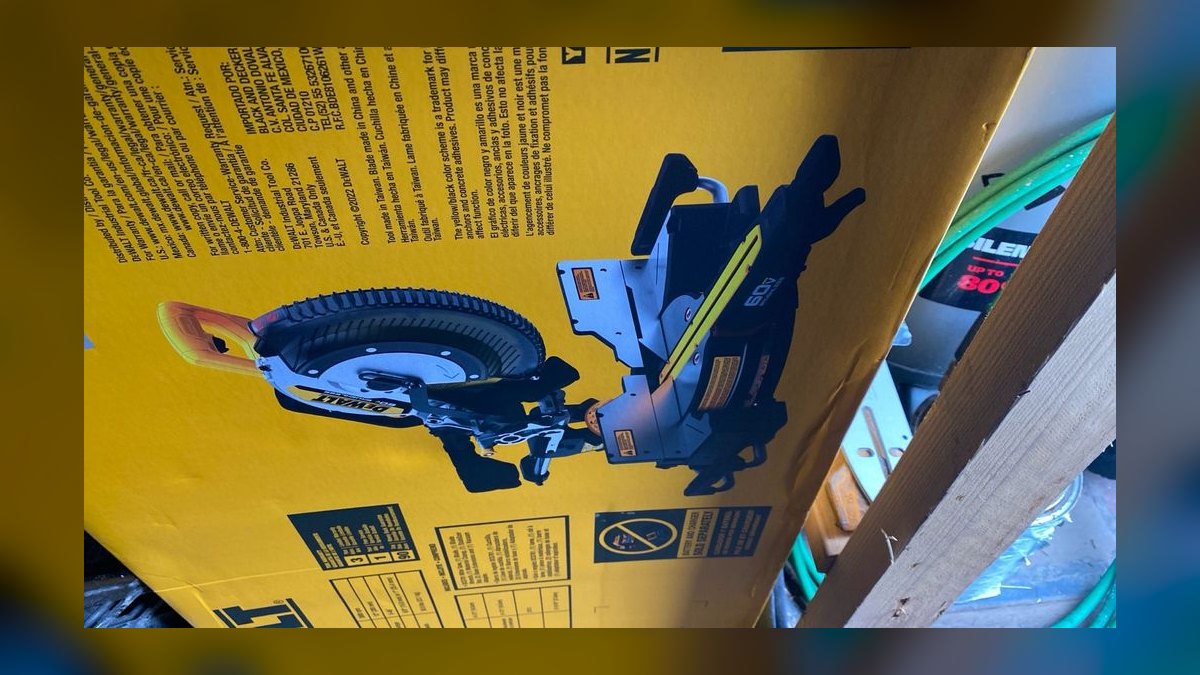
Fourth place goes to the DCS781B for putting DWS780 geometry on a cordless 60V MAX platform. The brushless motor turns 4,000 RPM no-load, faster than the Milwaukee above, with a 12-inch blade, 13-3/4 inch cross-cut at 90 degrees, 49-degree dual bevel, and 60-degree miter. A 9.0 Ah FlexVolt pack delivers about 289 cuts in 2x4 pine. The XPS shadow line carries over from the corded version.
This suits mobile pros with FlexVolt batteries already in the truck, since the same packs feed table saws and grinders. It sells bare at $569, and a 9.0 Ah FlexVolt adds roughly $249 on top. Fence height drops to 4-1/2 inches versus the corded DWS780's 5-1/4, so nested crown capacity shrinks. At 54 lbs bare it is the lightest 12-inch slider listed.
5Makita LS1019L Sliding Saw
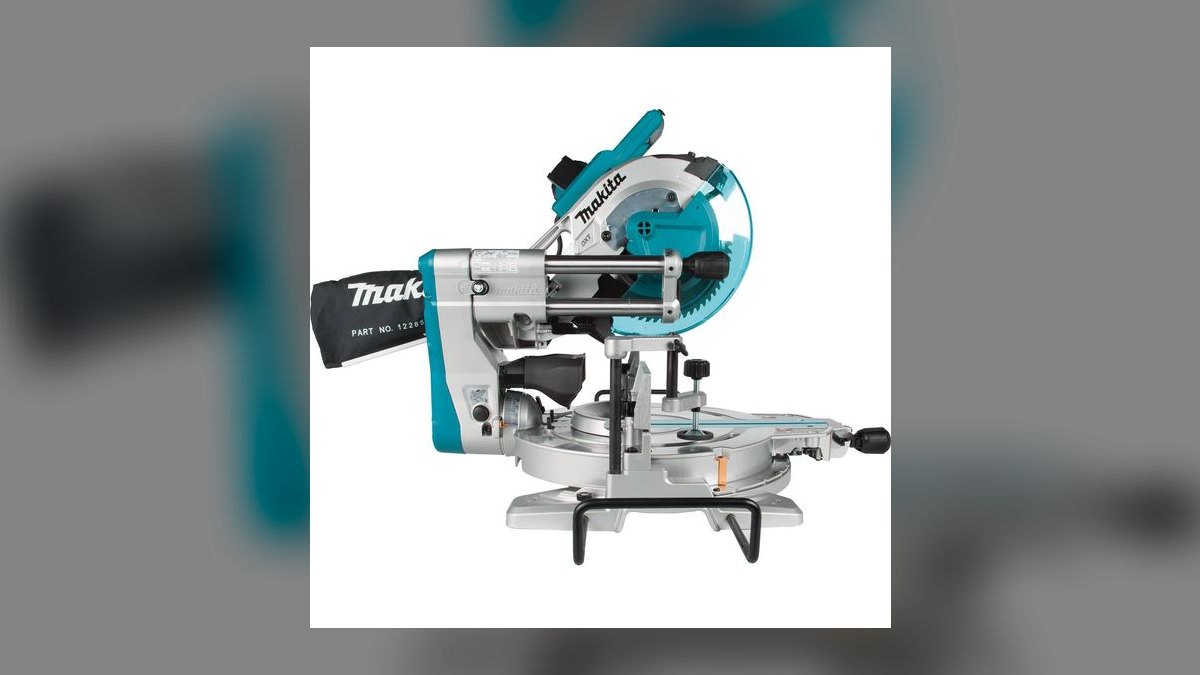
The LS1019L places fifth as the most accurate out-of-the-box 10-inch slider, shipping within 0.1 degrees of true 90 per Tool Box Buzz fence-square tests. Its 15-amp direct-drive motor runs 3,200 RPM through a forward two-rail design that needs zero rear clearance, saving about 8 inches of bench depth. Cross-cut is 12 inches at 90 degrees, miter 60 degrees each way, bevel 48 degrees both directions.
Finish carpenters cutting casing and base get everything they need here for $679. The trade is blade diameter: a 10-inch wheel cannot nest 7-1/2 inch crown the way the 12-inch saws above can. Twin lasers, unlike shadow lines, drift with vibration and need periodic recalibration. It weighs 58 lbs, uses a 35mm dust port, and carries only a 1-year warranty.
6Metabo HPT C10FCGS Compound Saw
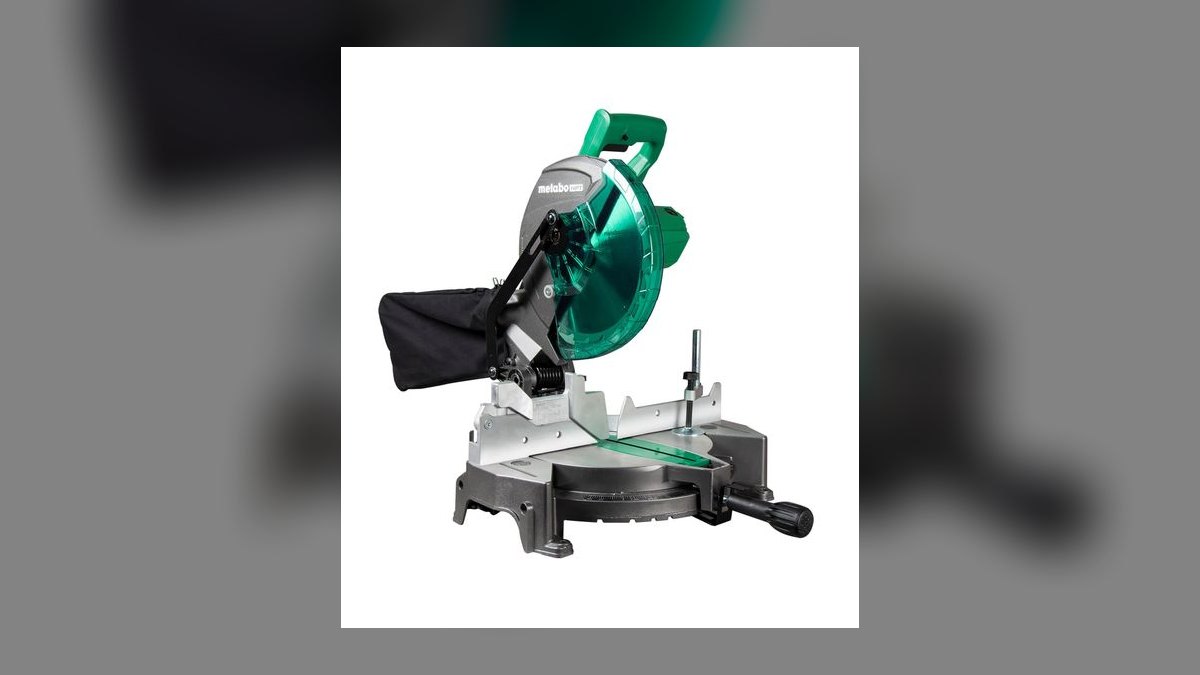
Sixth on the list and the best value outright: a real 15-amp 10-inch compound miter saw for $119, less than a decent 12-inch blade costs. The motor spins 5,000 RPM no-load, with single-bevel left 45 degrees, miter 52 degrees right and 45 left, and a 5-1/2 inch cross-cut at 90 degrees. It weighs 24.2 lbs and ships with a 24-tooth TCT blade and a 5-year warranty.
DIYers, weekend trim carpenters, and crews needing a cheap second saw are the audience. It gives up sliding action and dual bevel entirely, capping cross-cut at 5-1/2 inches, so base trim and 2x6 framing are the ceiling and crown is out. The Makita above costs nearly six times more and buys accuracy plus 12-inch cross-cut. One-hand portable at 24 lbs.
7Ryobi PBLMS01K Sliding Saw
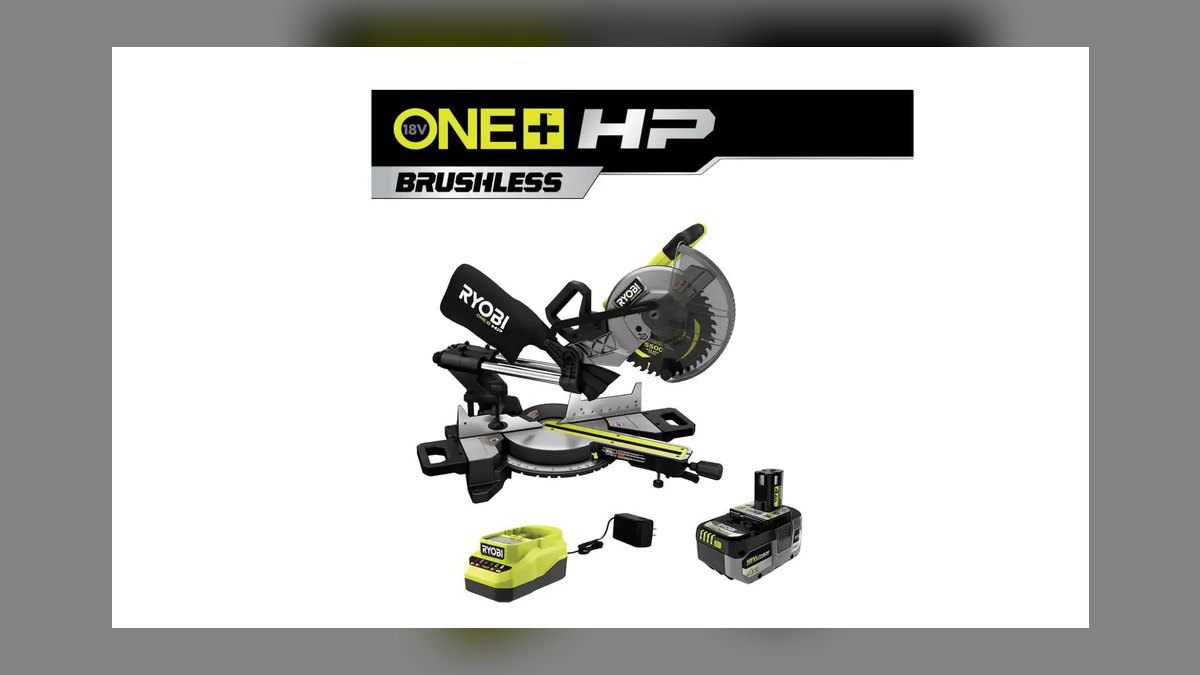
Seventh because it is the only 7-1/4 inch cordless slider worth owning, at 24 lbs with the battery installed. The brushless motor turns 5,000 RPM no-load, cutting 8 inches at 90 degrees and 5-1/4 inches at 45, with 47-degree miter both ways and 47-degree single-bevel left. The $299 kit includes a 4.0 Ah HP battery and charger, so there is no separate platform buy-in. Three-year warranty and an LED work light.
Apartment renovators and DIYers already holding One+ tools get the most from it, since the packs fit 300-plus Ryobi products. The 7-1/4 inch blade limits work to base trim, casing, and 2x4 framing; 4x4 posts are impossible. Single bevel means flipping stock for matched 45s. The Metabo above cuts less wide but costs $180 less and never needs charging.
8Hercules HM010 Sliding Saw
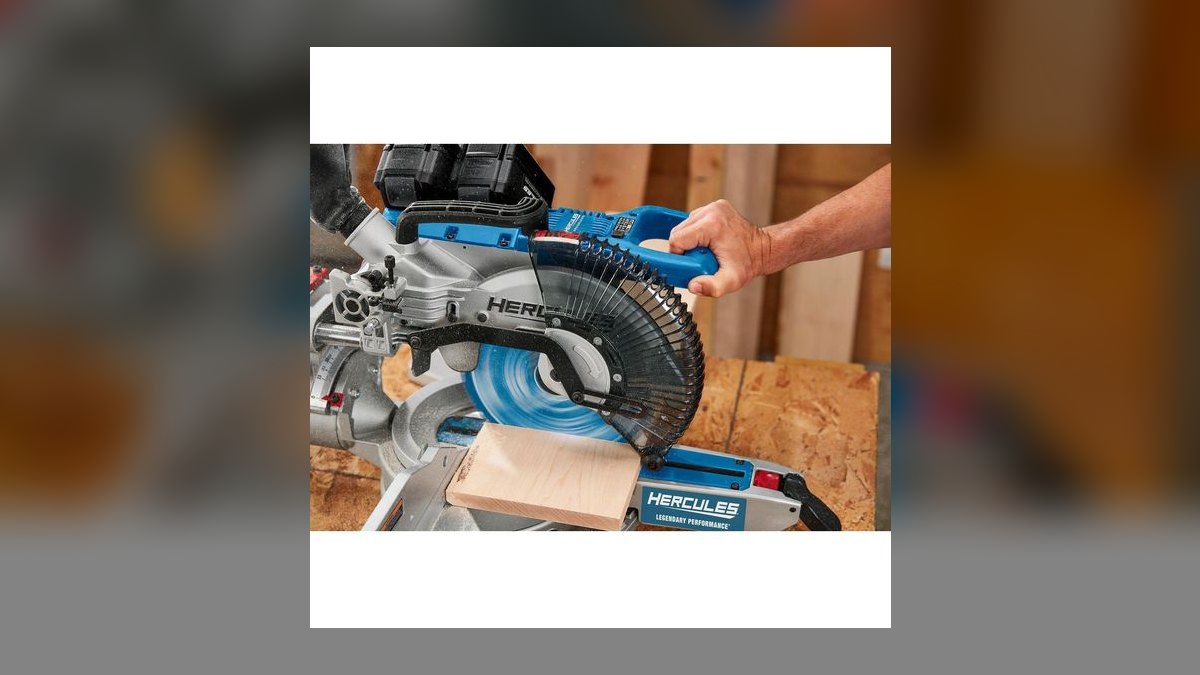
Eighth for delivering genuine 12-inch dual-bevel sliding capacity at $329, roughly half the DEWALT price. The 15-amp motor runs 3,800 RPM with a 13-3/4 inch cross-cut at 90 degrees, 8 inches at 45, 60-degree miter, and 47-degree dual bevel. A dual-LED shadow line mimics DEWALT's XPS and is a legitimate feature, not a gimmick. The sliding fence stands 5-3/4 inches tall and the saw weighs 62 lbs.
Budget framers who want 12-inch reach without $649 are the fit. Fit and finish sit a half-step below name brands: the detent plate has noticeable play and the fence needs a square check before first cuts. Pro Tool Reviews rated it a buy for budget-conscious framers, estimating about 80 percent of DEWALT performance. Harbor Freight's 5-year extended warranty costs an extra $40.
9Festool Kapex KS 60
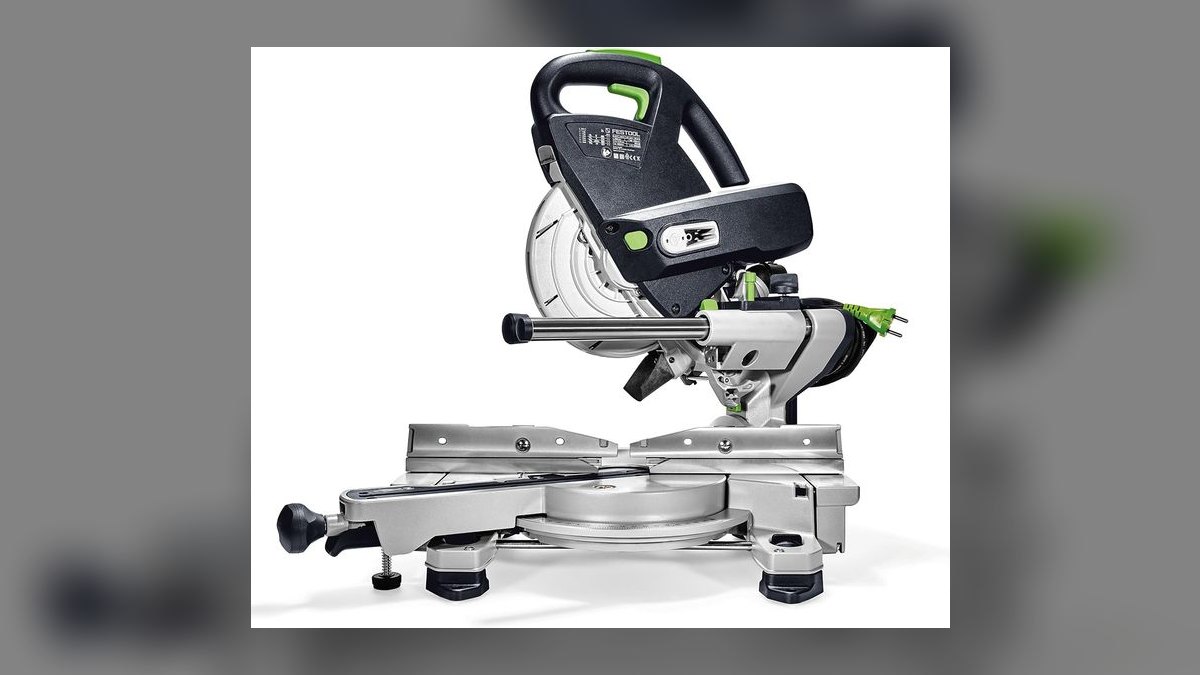
Ninth despite being the most precise saw here, because $1,399 buys an 8-1/4 inch blade. The 1,200-watt MMC motor offers 1,300 to 3,500 RPM variable speed, and a dual-column slide eliminates deflection across a 12-inch cross-cut at 90 degrees. Miter reaches 60 degrees both ways, bevel 47 degrees dual. The 35mm port pulls roughly 91 percent of debris with a CT extractor, versus 30 to 50 percent for typical bag setups.
Cabinet shops and finish studios billing premium rates are the only buyers this math works for. Everyone else pays four times the Hercules price for less blade diameter and less raw cross-cut than the 12-inch saws above. Variable speed handles hardwoods, plastics, and non-ferrous stock. The 3-year all-inclusive warranty covers wear parts, and a 48-tooth Panther TCT blade is included.
10Skilsaw SPT88-01 Worm Drive
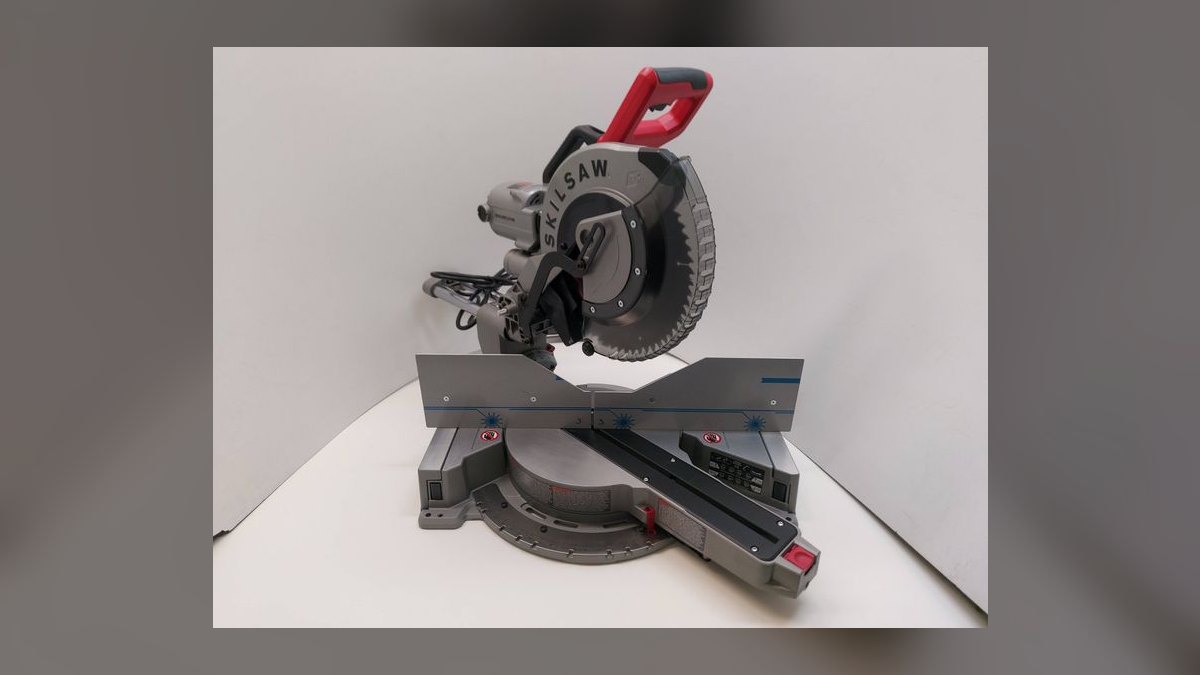
Tenth as a specialty tool: the only worm-drive miter saw made. A 15-amp motor geared through a dual-field worm-drive assembly produces maximum torque under load, so it does not bog cutting wet 4x12s. No-load speed is 3,500 RPM, cross-cut runs 14 inches at 90 degrees, miter hits 60 degrees right and 50 left, bevel 48 degrees dual. Steel base, 52 lbs, 5-year limited warranty, 60-tooth carbide blade included.
Framers cutting soaked dimensional lumber all day get real value from the gearing. It is heavier and noticeably noisier than the Hercules above at a higher $529, and the lower RPM ceiling costs finish quality that trim carpenters will notice immediately. Integrated aluminum work-light mounts help in dim framing conditions. Buy it for torque; buy the DWS780 instead for finesse.
How we ranked these
We weighted cut capacity — blade diameter and slide travel — at 30 percent, accuracy at 25 percent covering fence square, bevel detent feel, and head deflection under load. Motor draw or battery runtime took 15 percent, dust collection 10 percent, build quality and warranty 10 percent, and price against peer specs the final 10 percent. Long-term teardown data and owner-reported failure rates fed every score.
We ignored marketing horsepower claims, since universal motors are all rated 15 amps and that number says nothing about torque under load. Laser brightness was excluded because lasers drift with vibration and need recalibration; shadow-line systems were credited instead. Bundled stock blades carried no weight, because every saw here gets a proper finish blade within a week. Retailer star ratings were skipped entirely.
What to look for
Blade diameter decides what you can actually cut. A 12-inch slider crosscuts 14 to 16 inches and nests 7-1/2 inch crown; a 10-inch slider stops near 12 inches, and a non-slider like the Metabo HPT caps at 5-1/2. Then check rear clearance: rail saws such as the DWS780 need 14 inches behind them, while Bosch's Axial-Glide and Makita's forward rails need none.
The common mistake is buying more saw than the shop can hold, then spending nothing on the blade. A $30 Diablo 60-tooth on the $329 Hercules cuts cleaner than a stock blade on the $799 Bosch. Budget $40 to $80 for a finish blade on day one. The second mistake is paying the dual-bevel premium when you only cut base and casing.
Related questions
What is the difference between a sliding and a non-sliding miter saw?
A sliding saw's head travels forward and back on rails, doubling or tripling crosscut width — 12 to 16 inches instead of 5-1/2 to 8. Non-sliders are lighter, cheaper, and hold calibration better because there are no rails to develop play. If you never cut past six inches wide, the slide is dead weight.
How much bench depth does a sliding miter saw actually need?
Rear-rail designs like the DEWALT DWS780 need roughly 14 inches of clearance behind the saw so the rails can travel. Bosch's Axial-Glide articulating arm and Makita's forward-rail LS1019L eliminate that, saving eight to twelve inches of bench depth. In a garage shop against a wall, that geometry matters more than any spec on the box.
Is a worm-drive miter saw worth it for framing?
The Skilsaw SPT88-01 is the only worm-drive miter saw sold, and the gearing delivers torque that does not bog in wet 4x12 stock. At $529 with a 5-year warranty it undercuts the DWS780. The tradeoffs are weight, noise, and a 3,500 RPM ceiling that finish carpenters notice on hardwood.
Can a cordless miter saw replace a corded one on a jobsite?
For 12-inch capacity, yes. Milwaukee's M18 FUEL claims about 600 cuts in 2x12 on a 12.0 Ah HD pack, and DEWALT's FlexVolt DCS781B roughly 289 cuts in 2x4 on a 9.0 Ah. Both cost more than corded equivalents, and both assume you already own the batteries. For a stationary shop, corded still wins on price.
What blade should I put on a new miter saw?
Replace the stock blade before the first finish cut. A 60-tooth carbide like the Diablo D1260X runs about $30 and outperforms almost any bundled blade. Budget $40 to $80 total. Keep a coarser 24- to 40-tooth blade for framing and wet lumber; running a fine finish blade through pressure-treated stock dulls it fast.
Are shadow-line systems better than lasers?
Yes. A laser is a separate emitter aimed near the kerf, so vibration walks it out of alignment and it needs recalibration every few months. Shadow-line systems — DEWALT's XPS, Milwaukee's M18 FUEL LED, Hercules' dual-LED — cast the blade's own silhouette, so the line is the kerf by definition and cannot drift.
What can a 7-1/4 inch sliding miter saw actually cut?
The Ryobi PBLMS01K crosscuts about 8 inches at 90 degrees and 5-1/4 at 45, which covers base trim, door casing, shoe molding, and 2x4 framing. It will not cut a 4x4 in one pass or handle nested crown. At 24 pounds with a battery, it is the saw you carry up three flights of stairs.
Why do miter saw dust-collection numbers vary so much?
Bag capture on most saws lands between 30 and 50 percent because the port sits behind the blade and the guard throws chips forward. The DWS780 reaches roughly 75 percent with its OEM bag, and the Festool Kapex hits about 91 percent — but only on a CT extractor, never on the bag alone.
FAQ
Is a 10-inch or 12-inch miter saw better?
Twelve-inch if you cut crown molding, stair stringers, or 4x4 posts; the extra diameter buys roughly 8 inches of crosscut non-sliding and 14 to 16 sliding. Ten-inch if you mostly cut base, casing, and 2x lumber — the saw is lighter, cheaper, and replacement blades run $15 to $25 less.
Do I need a sliding miter saw?
Only if you cut stock wider than about six inches. Base trim, casing, deck pickets, and 2x4s are fine on a fixed compound saw like the $119 Metabo HPT. Wide seven-inch casing, eleven-inch stair treads, and nested 7-1/2 inch crown all require the slide.
Is a cordless miter saw worth it in 2027?
It is if you already own the battery platform and move between sites. Milwaukee's M18 FUEL and DEWALT's FlexVolt DCS781B both deliver full 12-inch capacity with no cord. If the saw lives on one bench next to an outlet, the corded DWS780 gives you the same cuts for $150 less.
What is the best overall miter saw in 2027?
The DEWALT DWS780 at $649. It is a 12-inch dual-bevel slider with a 15-amp motor, 16-inch crosscut at 90 degrees, a 49-degree bevel both ways, a stainless detent plate, and the XPS shadow line. A decade on the market means parts and accessories are everywhere.
What is the best budget miter saw?
The Metabo HPT C10FCGS at $119. It is a 15-amp 10-inch single-bevel compound — no slide — with a 5-1/2 inch crosscut, 5,000 RPM, and a 5-year warranty that outlasts DEWALT's flagship coverage. At 24.2 pounds it is the lightest saw here and the easiest to carry one-handed.
Is dual-bevel worth the extra money?
For crown and complex trim, yes. Single-bevel saws tilt only left, so matching 45-degree bevels on both ends of a board means flipping the workpiece and re-registering it against the fence. Dual-bevel removes that step for roughly a $100 to $200 premium. For straight base and picket cuts, skip it.
How often should a miter saw be recalibrated?
Check fence square and the 90-degree stop with a machinist square before any finish job, and after every transport in a truck bed. Laser saws need alignment every few months. Shadow-line saws never need it. Detent plate material matters too — stainless holds settings far longer than stamped aluminum.
Can a miter saw cut a 4x4 in one pass?
A 12-inch saw does it easily, sliding or not. A 10-inch slider generally manages it at 90 degrees but can bind at a bevel. A 7-1/4 inch saw like the Ryobi cannot — you cut from two sides and accept a witness line. Check the 45-degree capacity, not just 90.
Do I need a miter saw stand?
If the saw leaves the shop, yes. A rolling stand with extension arms supports long stock, which is the single biggest source of inaccurate cuts — an unsupported 12-foot board levers the piece off the table mid-cut. In a fixed shop, a bench with outfeed wings at the same height does the same job.
How long should a miter saw last?
A corded 15-amp saw from DEWALT, Bosch, Makita, or Skilsaw commonly runs ten to twenty years in trade use with brush changes and occasional bearing work. Warranties tell you what makers expect: three years from DEWALT and Festool, five from Metabo HPT, Milwaukee, and Skilsaw. Cordless tools are usually limited by battery replacement cost.
Sources
- https://www.homedepot.com/p/DEWALT-15-Amp-Corded-12-in-Double-Bevel-Sliding-Compound-Miter-Saw-with-XPS-technology-Blade-Wrench-and-Material-Clamp-DWS780/321488310
- https://www.metabo-hpt.com/products/product/10-compound-miter-saw-c10fcgs-metabo-hpt
- https://www.acmetools.com/skilsaw-12-in-worm-drive-dual-bevel-sliding-miter-saw-spt88-01/039725996435.html
- https://www.protoolreviews.com/
- https://www.toolboxbuzz.com/
- https://www.finehomebuilding.com/
- https://www.thisoldhouse.com/
- https://www.milwaukeetool.com/
- https://www.festoolusa.com/
- https://www.cpsc.gov/
Related on PULSE
This page will be disappearing soon. Save it to your device for $1 — or read it free while it is here.
@Kory-White- · if Venmo asks, the last 4 of my number are 2012
This page is gone.
This one is off the shelf now. $1 keeps it on your phone for good — the whole page, pictures and diagrams included.
 pulse-reviewsTop 10 Indoor Smart Gardens — Best Overall + Best Value in 2027
 pulse-reviewsTop 10 Sports Earbuds — Best Overall + Best Value in 2027
 pulse-reviewsTop 10 85-Inch TVs — Best Overall + Best Value in 2027
 pulse-reviewsTop 10 Laptop Stands for Remote AEs in 2027
 pulse-reviewsTop 10 Tablet Styluses — Best Overall + Best Value in 2027
 pulse-reviewsTop 10 Wireless Earbuds for Quick Sales Calls in 2027
 pulse-reviewsTop 10 Drone Cases — Best Overall + Best Value in 2027
 pulse-reviewsTop 10 Backpack Leaf Blowers — Best Overall + Best Value in 2027
 pulse-reviewsTop 10 Spot Welders — Best Overall + Best Value in 2027
 pulse-reviewsTop 10 YouTube Lighting Kits — Best Overall + Best Value in 2027