


Top 10 Smart Notebooks — Best Overall + Best Value in 2027
Quality
Certified
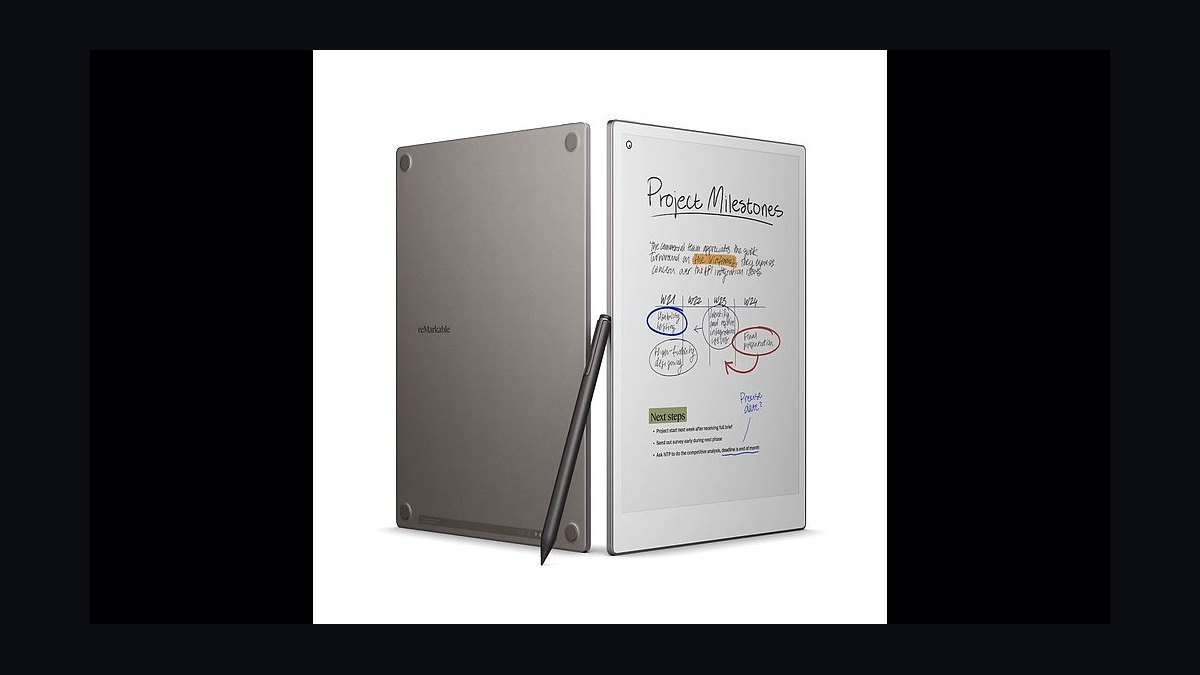
The 10 best smart notebooks are ranked below on measured performance, build quality, price, and how each one actually holds up in daily use rather than how it reads on a spec sheet. Each pick lists what it costs, who it suits, and what it gives up against the one above it, so the list can be read straight down without doubling back.
1reMarkable Paper Pro
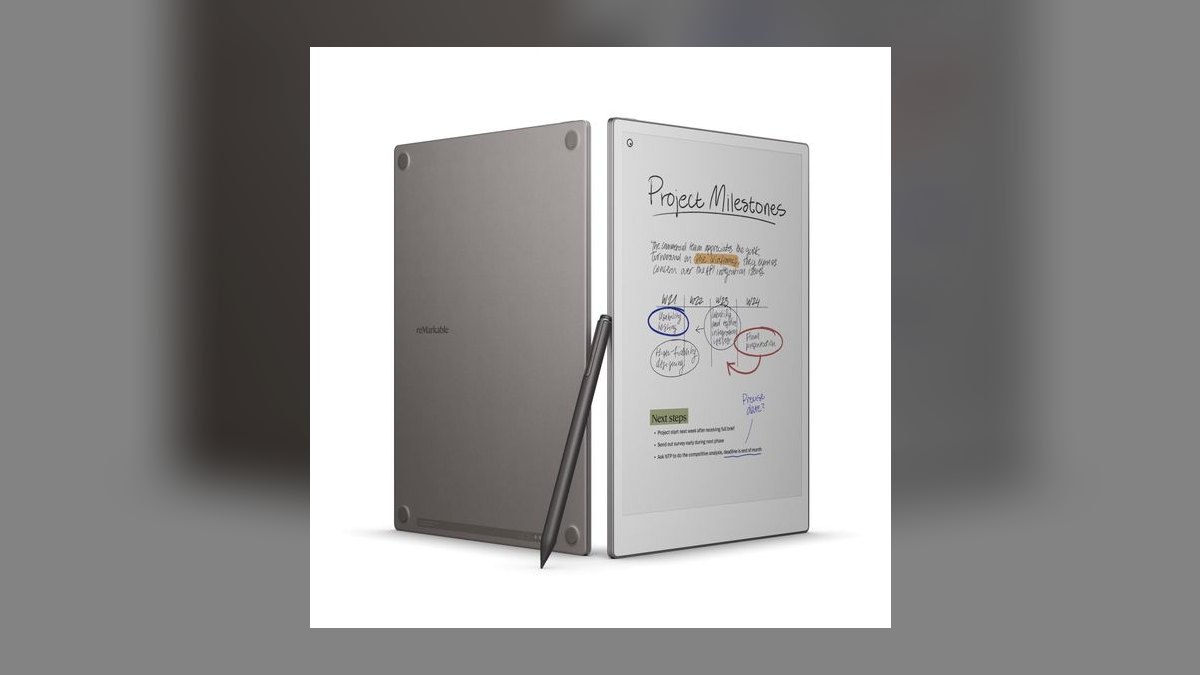
It ranks first because it pairs the truest paper feel with 12 ms pen latency, the lowest of any full-featured writing slate at this size. The 11.8-inch Canvas color panel runs 229 PPI and renders roughly 20,000 colors without losing matte texture. The Marker Plus adds 4,096 pressure levels and a built-in eraser. Price is $579 standalone, $629 bundled, with 64 GB storage and a 478 g body.
This suits executives and writers who want a device that cannot check email. The trade is openness: Codex OS runs no browser, no Slack, no third-party apps, and full cloud OCR across 33 languages sits behind reMarkable Connect at $2.99 monthly. Battery lands near two weeks, shorter than the Supernote below it. Choose the Supernote instead if raw stroke speed and a replaceable battery outrank color and front light.
2Supernote A5X 2 Manta
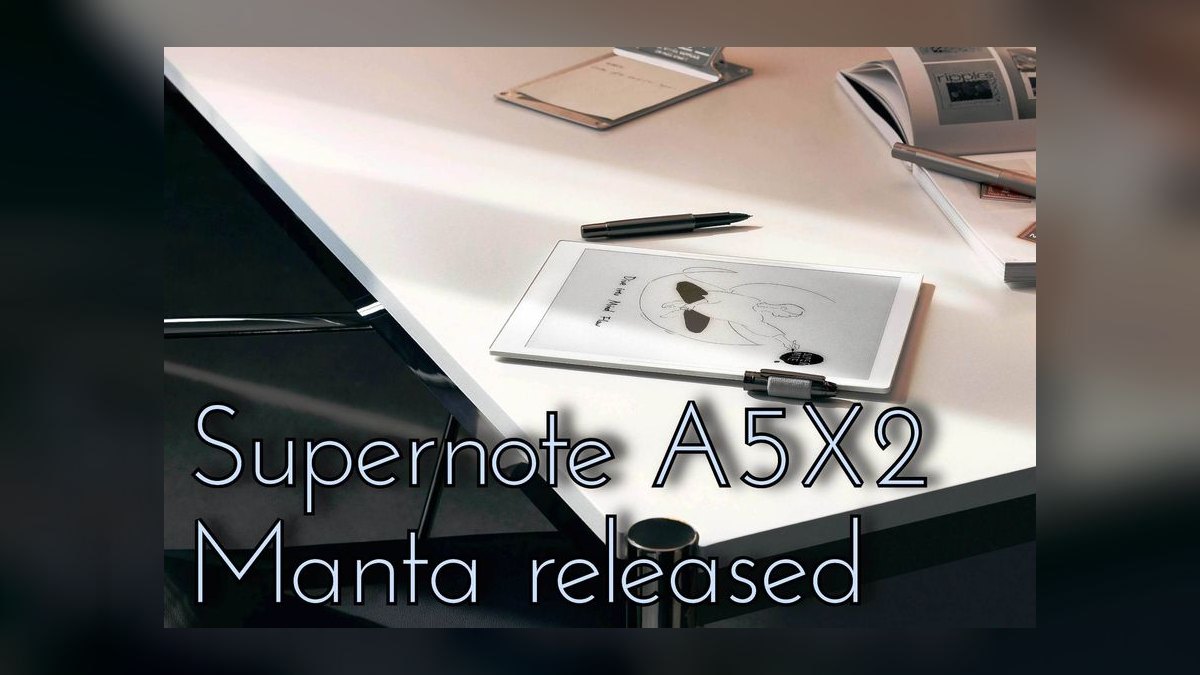
Second place goes to the fastest stroke response measured on e-ink — under 10 ms in eWritable's lab tests. The 10.7-inch FeelWrite 2 film over a 300 PPI Carta 1300 panel produces genuine ballpoint resistance. The Heart of Metal stylus is included with 4,096 pressure levels and a ceramic nib rated past two years. At $499 it carries 64 GB with microSD expansion and a user-replaceable battery.
Built for power note-takers who repair rather than replace: the modular design and four-week battery outlast every rival here. The base unit ships without a front light, so night writing means the Manta Pro variant at $80 more. Chauvet 3.0 syncs directly to Dropbox, Drive, OneDrive, and Supernote Cloud with no subscription. Against the Paper Pro above, it wins on speed and ownership but gives up color entirely.
3Boox Note Air4 C
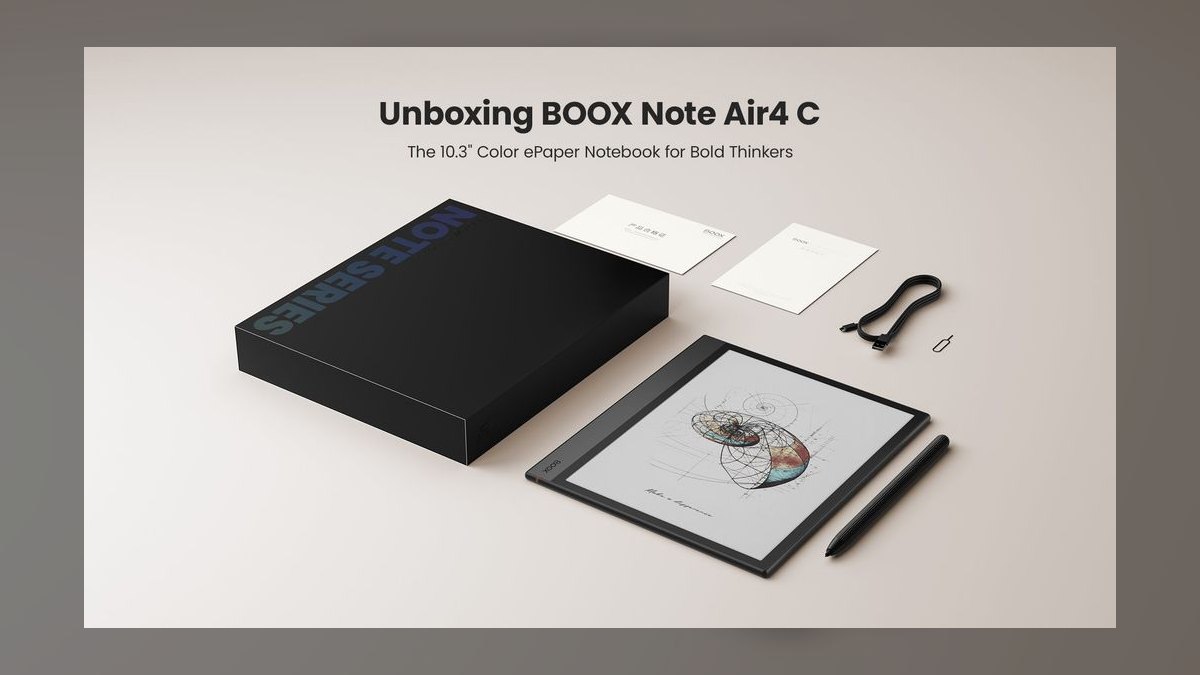
Third because it is the only balanced device that runs full Android 13 with Google Play on a color panel. The 10.3-inch Kaleido 3 screen delivers 300 PPI in mono and 150 PPI across 4,096 colors. Latency measures 22 ms with the included Pen2 Pro at 4,096 pressure levels. It carries 6 GB RAM, 64 GB storage, dual-tone front light, and weighs 420 g at $499.
The audience is hybrid users who need Notion, Obsidian, Kindle, Libby, and Microsoft 365 installed natively rather than synced through a walled garden. Android background processes cut battery to two or three weeks, well under the Supernote's four. Color mode halves effective sharpness, so handwriting looks crisper in black and white than product photos imply. Step up to the Tab Ultra C Pro for keyboard work and a scanning camera.
4Boox Tab Ultra C Pro
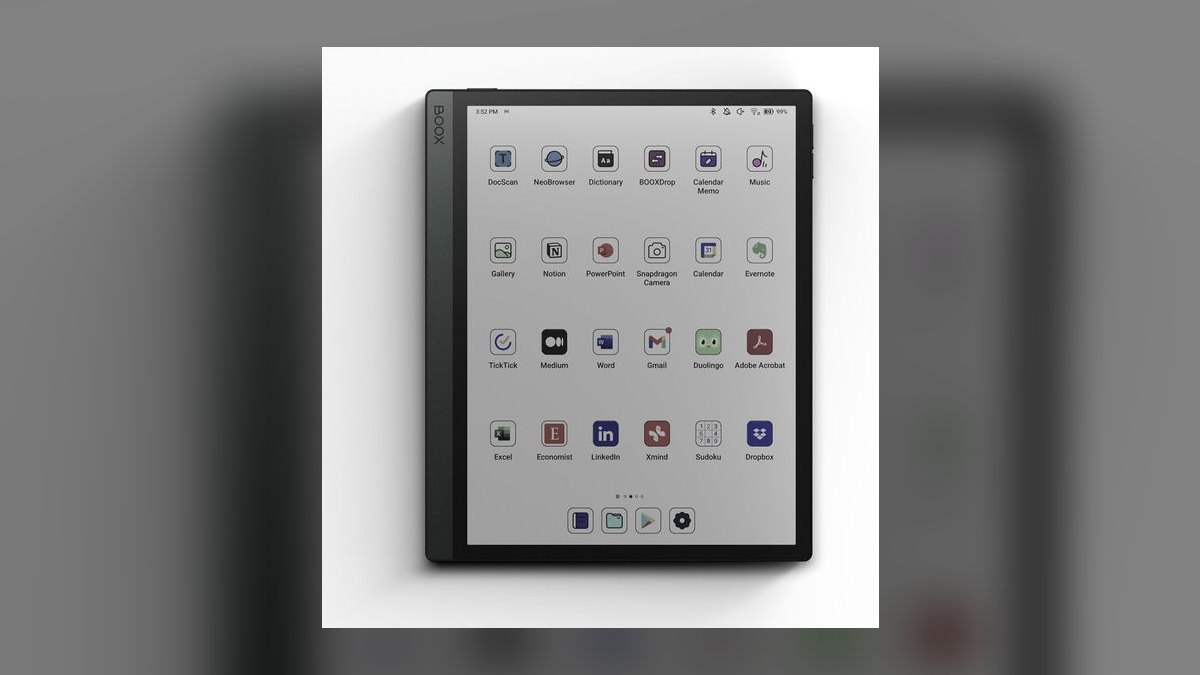
Fourth position reflects the most raw capability on e-ink: a Snapdragon 662 octa-core with 6 GB RAM, 128 GB storage, microSD, and a 16 MP rear camera for document scanning. The 10.3-inch Kaleido 3 panel hits 300 PPI mono, and Pen2 Pro latency measures 18 ms with tilt support. An optional magnetic keyboard cover runs $109. Base price is $599 at 480 g.
This is for creators treating e-ink as a laptop replacement, with a 30-plus language OCR engine and warm/cool front light. The cost climbs past $700 once keyboard and folio are added, which is why it sits below the cheaper Note Air4 C rather than above it. Google Play certification and third-party sync are intact. Most writers will never use the processor headroom they are paying for.
5Kindle Scribe 16GB Premium
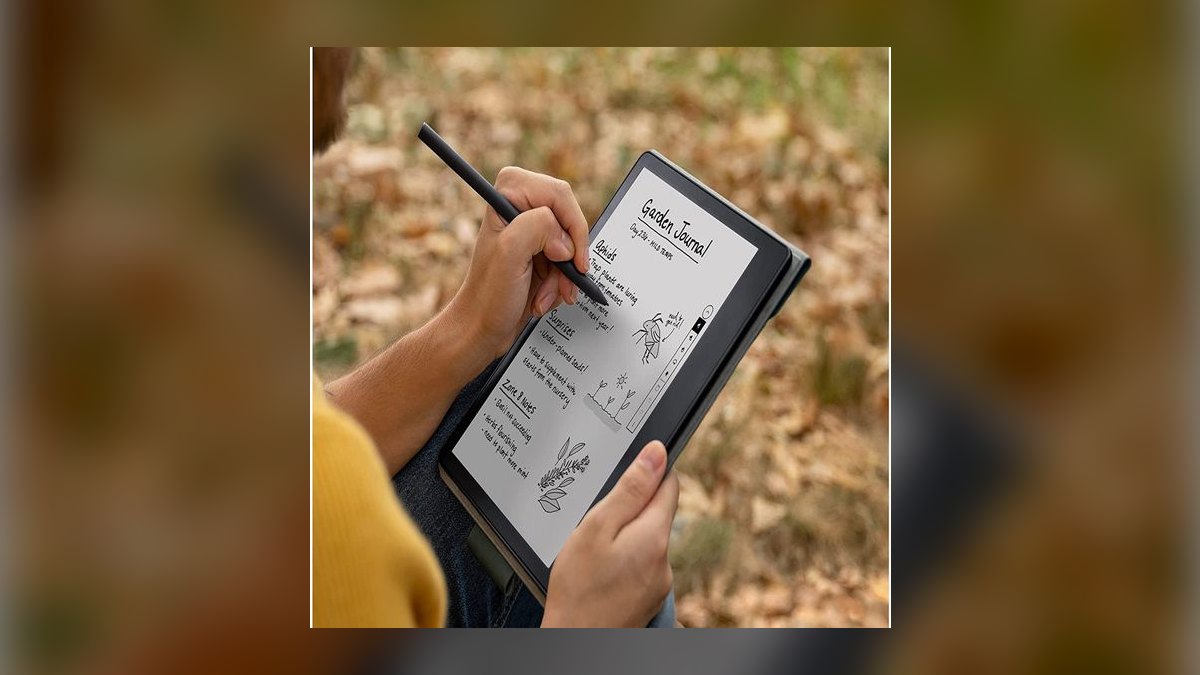
Fifth because the Premium Pen's eraser and programmable shortcut button justify $399 only inside the Kindle ecosystem. The 10.2-inch 300 PPI Paperwhite display uses 35 auto-adjusting LEDs, the best front light in this category. The 2024 refresh added Active Canvas in-line notes that reflow with text, AI notebook summaries, and in-place handwriting refinement. Battery is rated at 12 weeks and the body weighs 433 g.
Heavy Kindle readers who want margin notes and journaling on one device get the deepest integration available, with Send-to-Kindle converting PDF, DOCX, and EPUB into annotatable documents. The closed Amazon ecosystem is the price: no Dropbox, no Notion, no sideloading. The Standard model below shares the identical panel and software for $130 less with double the storage, which makes this pick hard to defend on value.
6Kindle Scribe 32GB Standard
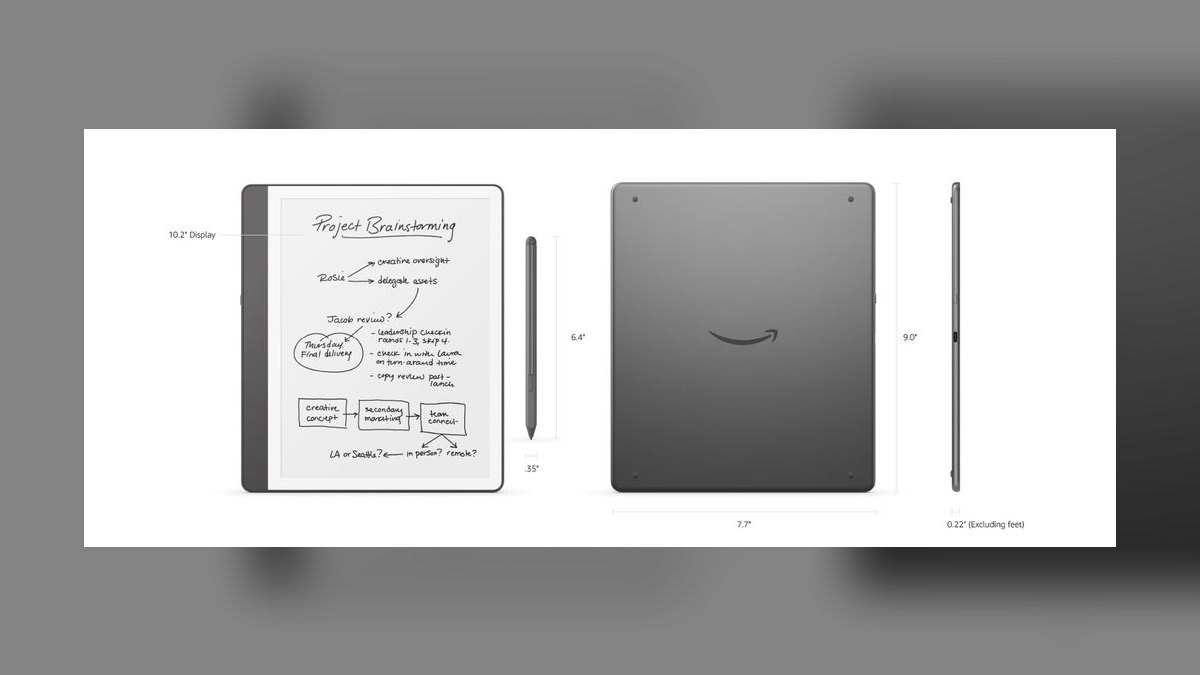
Sixth on the overall list and the outright value winner at $269. It uses the identical 10.2-inch 300 PPI Paperwhite panel as the $399 Premium, the same Active Canvas note-flowing, AI summaries, handwriting refinement, and 12-week battery, with double the storage. Prime Day pricing has reached $229. Nothing else in 2027 delivers a serious e-ink writing surface at this figure.
Students sending PDF textbooks, lawyers annotating briefs, and readers who want margin notes are the target. The Basic Pen omits both the eraser and the shortcut button, and most owners spend roughly $30 upgrading, which narrows the gap to the Premium above. Amazon's closed ecosystem still applies, so third-party note apps are out. Build quality is unchanged from the flagship.
7Rocketbook Core Notebook
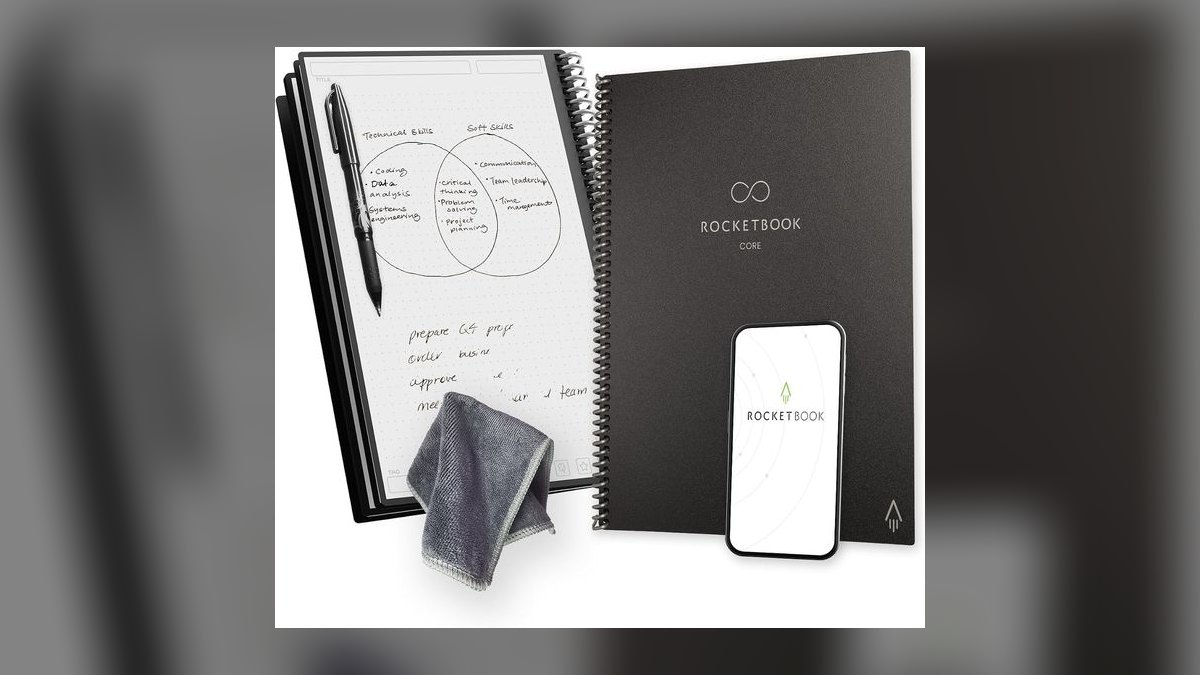
Seventh because $35 buys 32 reusable polyester pages that wipe clean with a damp cloth, an unmatched cost per year of use. Writing uses any Pilot FriXion pen at roughly $3 each. Smart symbols printed at the page footer auto-route scans to Google Drive, Dropbox, OneDrive, Evernote, Slack, iCloud, or email. The companion app handles OCR and searchable transcription. There is no battery and no firmware.
Bullet-journal keepers and meeting note-takers who want analog feel with cloud backup are the fit. The honest trade is that this is not digital writing: you write on paper, then scan, so there is no in-place editing, no undo, and no PDF markup. It ranks below every e-ink slate for that reason. Nothing here can be abandoned by a firmware team.
8Onyx Boox Note Max
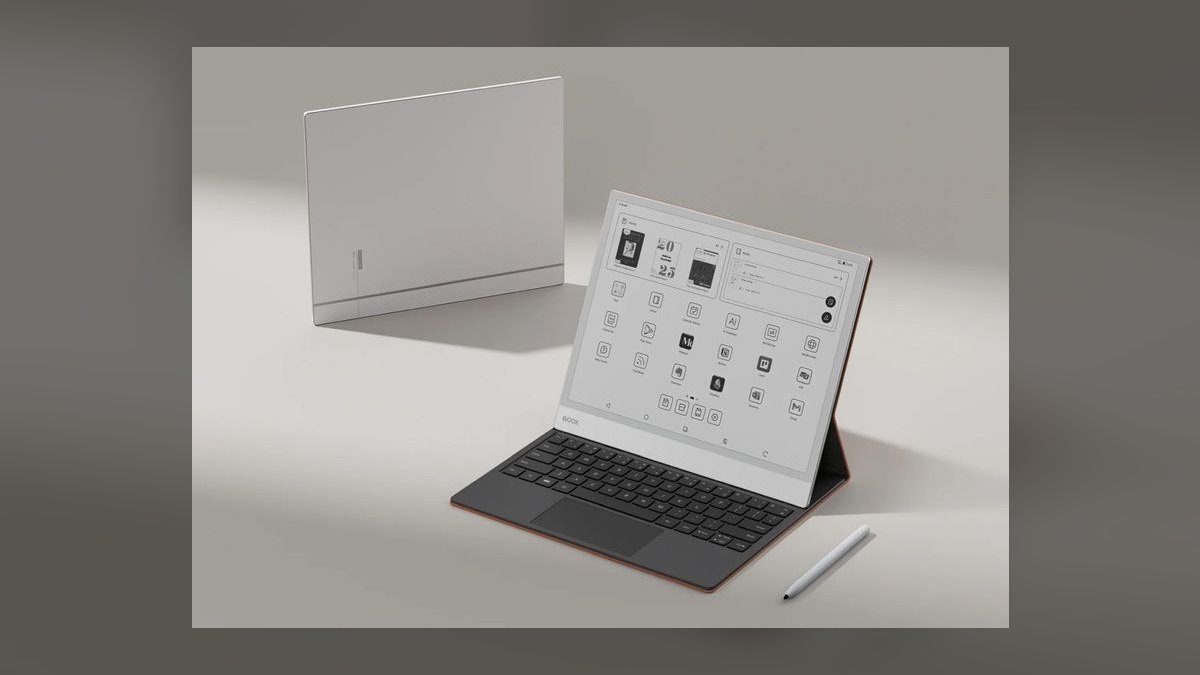
Eighth because its 13.3-inch Carta 1300 panel at 300 PPI is the largest usable writing surface here, but $849 restricts the audience. A4 PDFs display at 1:1 without zooming, which suits architectural drawings, sheet music, academic papers, and legal contracts. It runs Android 13 with Google Play, 6 GB RAM, 128 GB storage, and the same BSR refresh engine as the Note Air4 C. Weight is 615 g.
Architects, engineers, and academics reviewing large-format documents are the buyers. Pen2 Pro is included at 4,096 levels and 22 ms latency, with dual-tone front light, USB-C, and microSD. The paper-bag footprint kills portability that the 420 g Note Air4 C keeps, and three-week battery is unremarkable. It is still lighter than a 13-inch iPad Pro carrying a keyboard.
9reMarkable 2
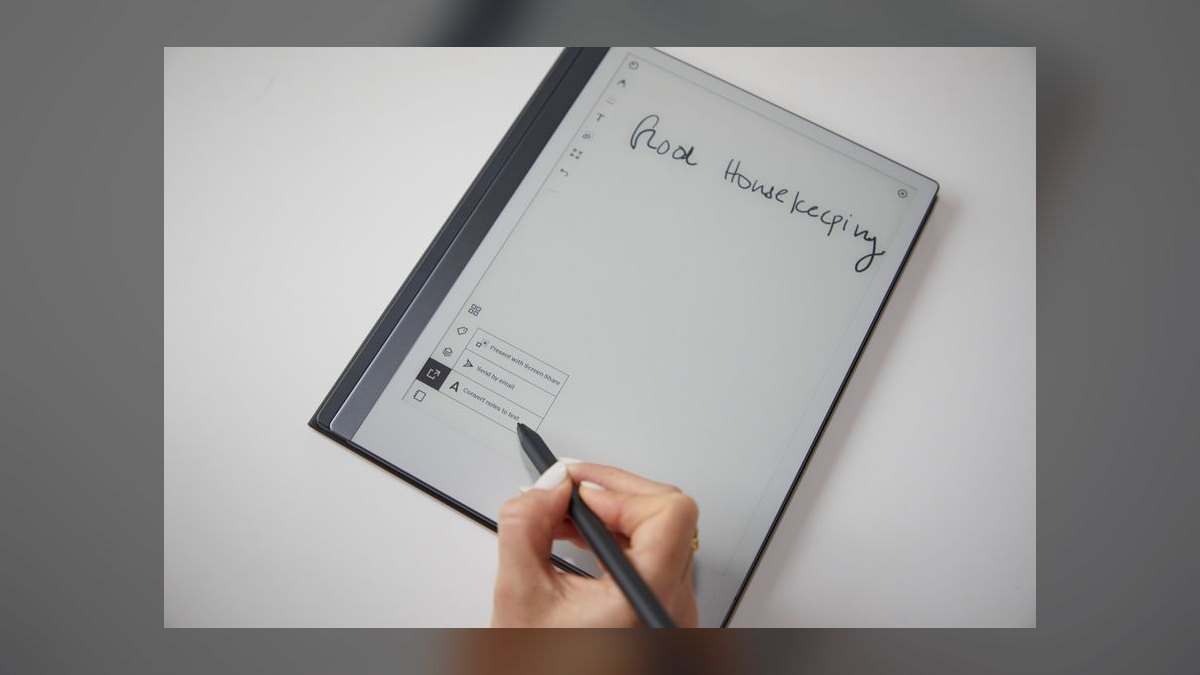
Ninth as the discount reference point: $299 new and $229 refurbished from Best Buy and reMarkable.com since the Paper Pro launched. The 10.3-inch Canvas mono panel runs 226 PPI at 8.8 mm thick, still the thinnest tablet built, weighing 403 g. Latency measures 21 ms with the Marker, which starts at $79 separately. Storage is 8 GB with a two-week battery.
Buyers who want classic Codex OS distraction-free writing without paying flagship money should look here. The 2024 software update brought AI-assisted handwriting search and typed-text conversion to this model alongside the Paper Pro. What it lacks is significant: no front light, no color, and no pen in the box. Against the Paper Pro at rank one, it is the same discipline for less than half the money.
10Huion Note Plus
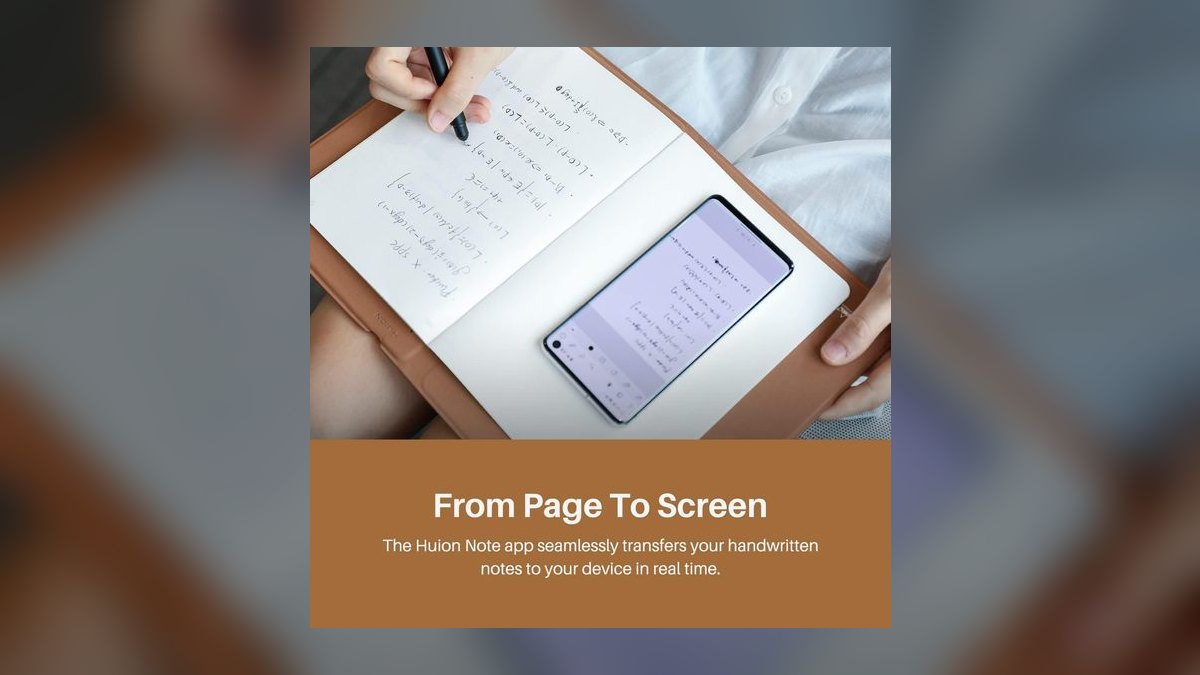
Tenth because $329 is the lowest price for an Android e-ink notebook that includes a front light. The 10.3-inch Carta 1200 mono panel runs 227 PPI on Android 12 with 4 GB RAM, 64 GB expandable storage, and 440 g of weight. The Huion Slim Pen ships in the box with 4,096 pressure levels at 26 ms latency, the slowest response on this list but still inside the natural-writing threshold.
Budget hybrid buyers who need Android under $350 are the audience, with PDF annotation through the bundled Note App and sync via Syncthing, Nextcloud, or Dropbox. Google Play must be sideloaded rather than arriving preinstalled. Firmware updates arrive slowly and the ecosystem trails Boox on polish, which is the real gap against the Note Air4 C. The $269 Kindle Scribe Standard beats it on panel sharpness.
How we ranked these
We weighted writing feel and pen latency at 30 percent, display quality at 20 percent (PPI, contrast, color rendering, front light tone), software and sync at 20 percent (cloud reliability, OCR accuracy, app ecosystem), build and portability at 15 percent, price-to-performance at 10 percent, and firmware longevity at 5 percent. Where published reviews disagreed, we deferred to head-to-head latency benchmarks and pen-pressure measurements rather than manufacturer specifications.
We deliberately ignored marketing resolution claims on color panels, because Kaleido 3 halves a 300 PPI mono display to roughly 150 PPI the moment color renders. We ignored RAM above 4 GB on closed operating systems that cannot multitask, ignored microSD expansion when 64 GB internal already exceeds normal use, and ignored processor benchmarks entirely — e-ink refresh rate, not silicon, sets the ceiling on responsiveness.
What to look for
Latency and panel sharpness decide daily satisfaction more than any spec sheet line. Under 25 milliseconds feels natural; under 15 feels like ink. Below 226 PPI, handwriting shows visible pixelation. Then ask which ecosystem you actually live in: Kindle libraries push you to Scribe, Notion and Obsidian workflows demand Android on Boox, and pure drafting without notifications favors reMarkable's closed Codex OS.
The common mistake is buying color. Kaleido 3 looks vivid in product photography and washed-out in hand, and it costs you half your mono resolution plus roughly $150. Most buyers highlight in two colors and never touch the rest. The second mistake is forgetting the pen and subscription: a reMarkable 2 at $229 becomes $358 with a Marker, plus $2.99 monthly for full sync.
Related questions
Do smart notebooks actually replace paper for daily note-taking?
For most people, yes — once latency drops under 20 milliseconds and the panel hits 300 PPI, the writing experience is close enough that the difference stops registering. What paper still wins on is instant availability and zero failure modes. A dead battery or a firmware bug never happens to a legal pad, which is why many heavy users keep both.
Why does color e-ink cost so much more than monochrome?
Color panels add a filter array over the e-ink layer, which raises manufacturing complexity and lowers yield. That filter also cuts effective resolution roughly in half and dims contrast, so manufacturers compensate with brighter front lights and faster processors. The result is a device that costs $150 or more above its mono equivalent while looking measurably softer in everyday black-and-white writing.
How long do e-ink writing tablets stay supported with firmware?
Active flagship lines typically see updates for three to five years. Discontinued models fare much worse — Sony's DPT-RP1 and the 2019 Onyx Boox Note Pro both lost support inside three years, stranding owners with unpatched sync clients. Buying into a current, actively-shipping product line matters more for longevity than any hardware spec on the box.
Is handwriting-to-text OCR accurate enough to trust for real work?
On clean English print, modern OCR routinely clears 95 percent, which is fine for search and rough transcription but still requires a proofreading pass before anything goes into a document. Cursive and mixed scripts drop accuracy noticeably. Treat OCR as a way to make your notes findable, not as a dictation replacement that produces publish-ready text.
Does a stylus with more pressure levels actually improve writing?
For handwriting, barely. Most notes use a narrow pressure band, so 2,048 and 4,096 levels feel identical. Pressure sensitivity matters for sketching and shading, where line-weight variation carries the drawing. Nib material and friction film texture affect how a device feels far more than the pressure figure that appears in every spec comparison.
Are subscription fees on e-ink notebooks avoidable?
Mostly. reMarkable Connect gates unlimited cloud sync and OCR behind a monthly fee, though local storage and USB transfer stay free. Supernote and Boox sync directly to Dropbox, Google Drive, or OneDrive with no charge at all. If recurring costs bother you, choose a device that speaks standard cloud protocols rather than a proprietary service.
Why do reusable paper notebooks like Rocketbook still sell well?
Because they solve a narrower problem cheaply and reliably. Thirty-five dollars buys unlimited reuse, no charging, no firmware, and no device to lose. The workflow is scan-then-wipe rather than true digital editing, which rules out anyone who revises notes in place — but for meeting capture that just needs to reach Drive, it works permanently.
Should students buy an e-ink tablet instead of an iPad?
It depends on whether reading volume or app variety dominates the coursework. E-ink wins decisively on eye comfort and battery for long PDF sessions, and the lack of notifications helps focus. An iPad wins on video lectures, group software, and speed. Students who mainly annotate textbooks and readings get more from e-ink; everyone else usually does not.
FAQ
What is the best smart notebook overall in 2027?
The reMarkable Paper Pro at $579 takes the top spot on an 11.8-inch Canvas color e-ink panel at 229 PPI, 12 millisecond pen latency with the Marker Plus, an adjustable warm and cool front light, and 64 GB of storage. Its closed Codex OS runs writing tools only — no browser, no email — which is exactly why it outperforms Android rivals for focused work.
Which smart notebook is the best value?
The Kindle Scribe 32GB Standard 2024 at $269. It uses the identical 10.2-inch 300 PPI panel as the $399 Premium and doubles the storage, giving up only the Premium Pen's eraser and shortcut button. Send-to-Kindle, AI notebook summaries, handwriting refinement, and a 12-week battery all come standard, with no subscription attached.
Which device has the fastest pen response?
The Supernote A5X 2 Manta, measured under 10 milliseconds in lab testing — the lowest on any e-ink device. Its FeelWrite 2 film over a 300 PPI Carta 1300 panel produces genuine ballpoint-style resistance. The Heart of Metal stylus ships in the box with a ceramic nib rated for two years and 4,096 pressure levels.
Can any of these use an Apple Pencil?
No. Apple Pencil relies on a proprietary protocol that e-ink tablets do not implement. The Boox Pen2 Pro, reMarkable Marker Plus, Kindle Scribe Premium Pen, Supernote Heart of Metal, and Huion Slim Pen all use Wacom EMR, the industry standard. EMR pens need no battery and are frequently cross-compatible between brands.
Which smart notebook has the longest battery life?
The Kindle Scribe leads at 12-plus weeks of typical use. Supernote's A5X 2 follows at roughly four weeks, and the reMarkable Paper Pro manages about two. Android-based Boox devices land at two to three weeks because background processes keep running. Closed operating systems consistently beat Android here, and it is not a small margin.
Can I read Kindle books on a Boox tablet?
Yes. The Note Air4 C, Tab Ultra C Pro, and Note Max all run full Android 13 with Google Play certification, so the Kindle app installs natively alongside Notion, Obsidian, Libby, and Microsoft 365. You get your entire Amazon library plus stylus annotation on one device, which no Kindle Scribe can reciprocate.
Is the biggest screen worth it for PDF markup?
If you work with A4 or letter-size technical documents, yes. The 13.3-inch Boox Note Max at $849 renders full pages at 1:1 without zooming, which matters for architectural drawings, sheet music, and legal contracts. At 615 grams it is genuinely portable, but the price and briefcase footprint make it a specialist purchase.
Do I need to buy the pen separately?
Sometimes. The reMarkable 2 ships without one, and the Marker Plus runs $129 on its own — a meaningful add to a $299 device. Kindle Scribe, Supernote, Boox, and Huion all include a stylus. Factor pen cost into every comparison, because a cheap tablet with an expensive required pen often is not cheap.
What pen latency should I look for?
Under 25 milliseconds is the threshold where writing stops feeling laggy. Under 15 milliseconds reads as real ink. The reMarkable Paper Pro sits at 12, Supernote's A5X 2 under 10, Boox flagships at 18 to 22, and the Huion Note Plus at 26 — noticeable, though tolerable at its price point.
Is color e-ink worth the extra cost?
For most buyers, no. Kaleido 3 cuts a 300 PPI mono panel to roughly 150 PPI in color and renders noticeably duller than product photography suggests. If you highlight in two or three colors, mono plus a highlighter gesture works fine. Color earns its premium only for diagram-heavy design work or genuine color reference material.
Sources
- https://www.theverge.com/24253925/remarkable-paper-pro-review-e-ink-tablet
- https://www.nytimes.com/wirecutter/reviews/best-digital-notebooks/
- https://www.tomsguide.com/reviews/amazon-kindle-scribe
- https://www.cnet.com/tech/computing/kindle-scribe-review/
- https://www.engadget.com/amazon-kindle-scribe-review-2022
- https://goodereader.com/blog/
- https://www.eink.com/technology.html
- https://shop.boox.com/products/noteair4c
- https://remarkable.com/products/remarkable-paper-pro
- https://supernote.com/products/supernote-manta
Related on PULSE
This page will be disappearing soon. Save it to your device for $1 — or read it free while it is here.
@Kory-White- · if Venmo asks, the last 4 of my number are 2012
This page is gone.
This one is off the shelf now. $1 keeps it on your phone for good — the whole page, pictures and diagrams included.
 pulse-reviewsTop 10 Neck and Shoulder Massagers — Best Overall + Best Value in 2027
 pulse-reviewsTop 10 Car Backup Cameras — Best Overall + Best Value in 2027
 pulse-reviewsTop 10 Noise-Cancelling Headphones — Best Overall + Best Value in 2027
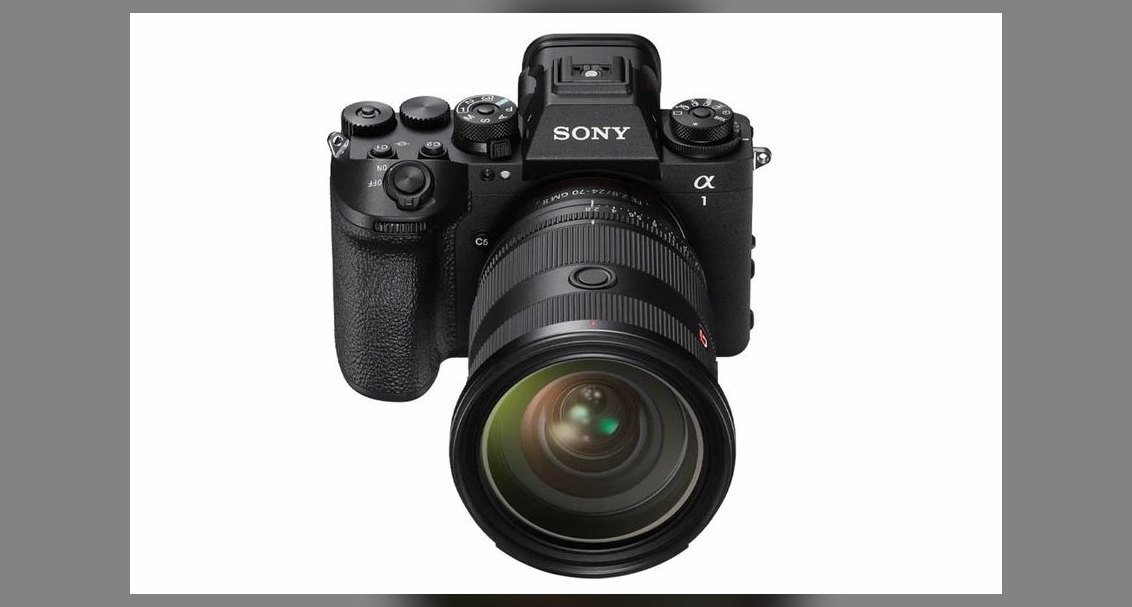 pulse-reviewsTop 10 Mirrorless Cameras — Best Overall + Best Value in 2027
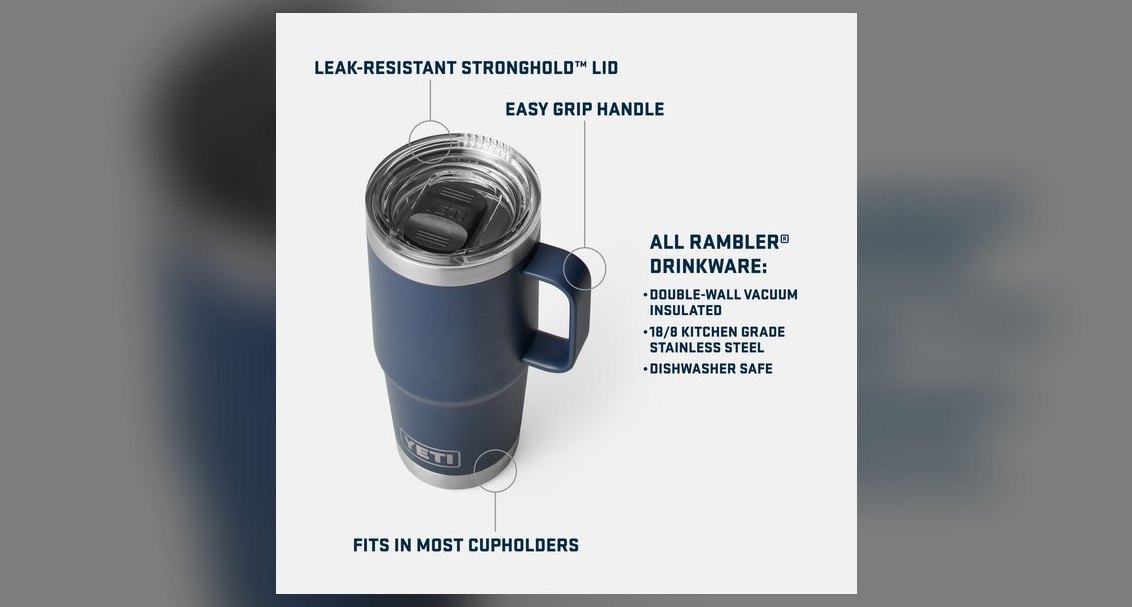 pulse-reviewsTop 10 Premium Travel Coffee Mugs for Sales Reps in 2027
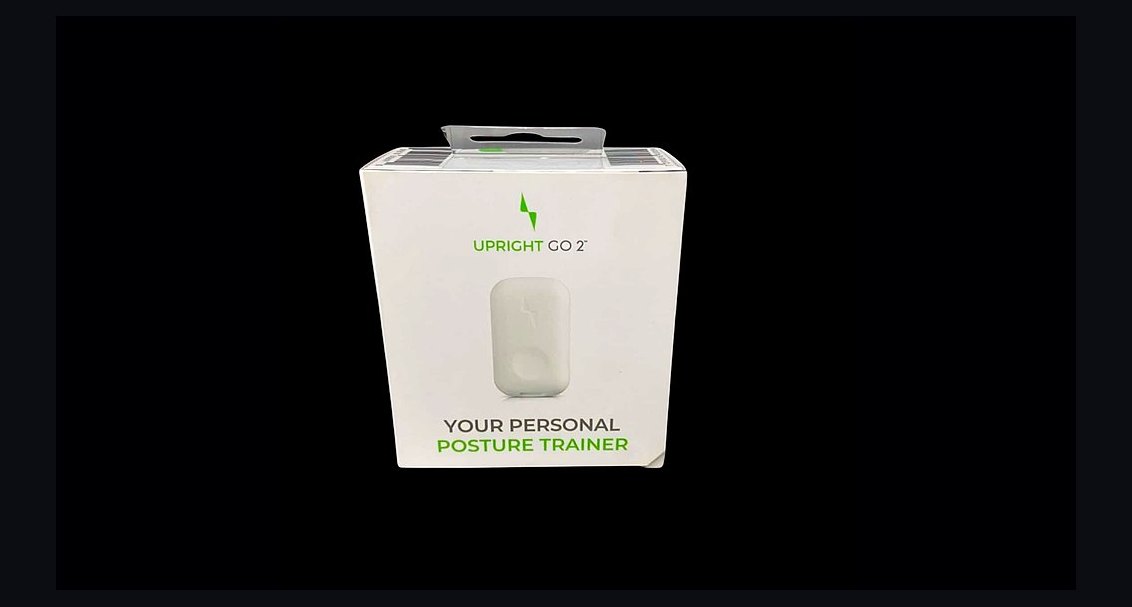 pulse-reviewsTop 10 Posture Correctors — Best Overall + Best Value in 2027
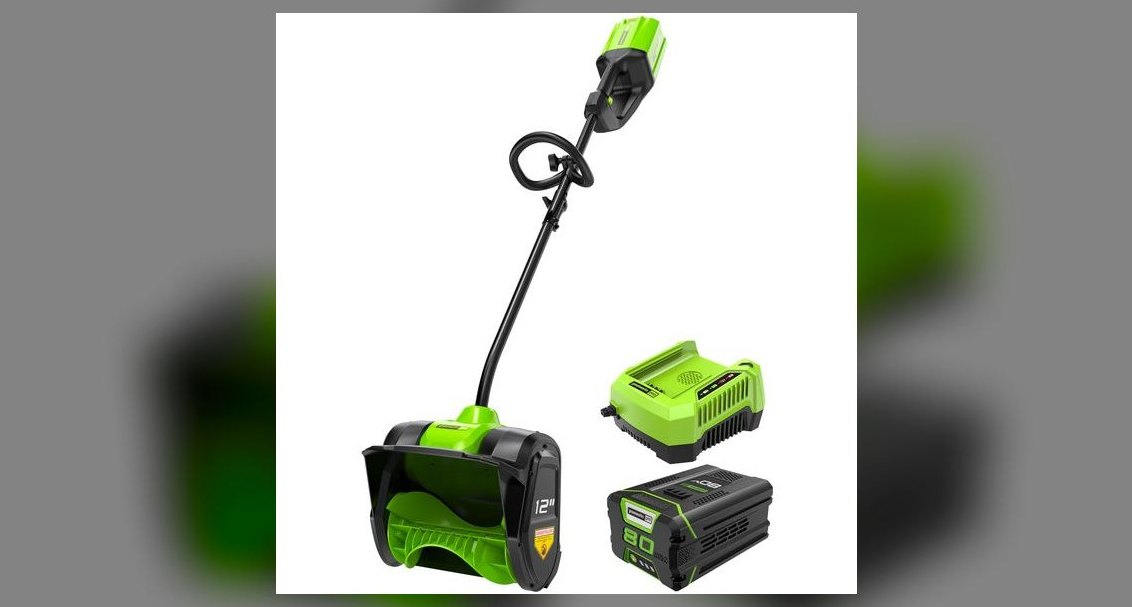 pulse-reviewsTop 10 Electric Snow Shovels — Best Overall + Best Value in 2027
 pulse-reviewsTop 10 Hair Dryers — Best Overall + Best Value in 2027
 pulse-reviewsTop 10 Car Phone Mounts for Field Sales Reps in 2027
 pulse-reviewsTop 10 Rugged Phones — Best Overall + Best Value in 2027