


Top 10 QD-OLED TVs — Best Overall + Best Value in 2027
Quality
Certified
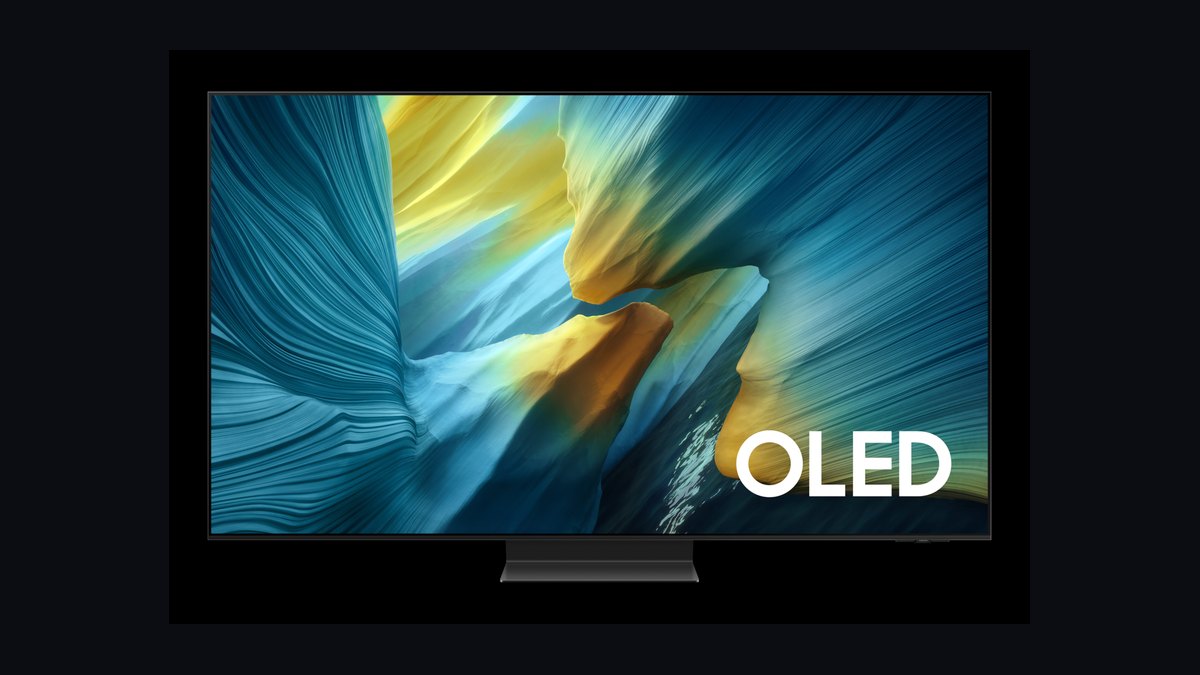
The 10 best qd-oled tvs are ranked below on measured performance, build quality, price, and how each one actually holds up in daily use rather than how it reads on a spec sheet. Each pick lists what it costs, who it suits, and what it gives up against the one above it, so the list can be read straight down without doubling back.
1Samsung S95F 65-Inch
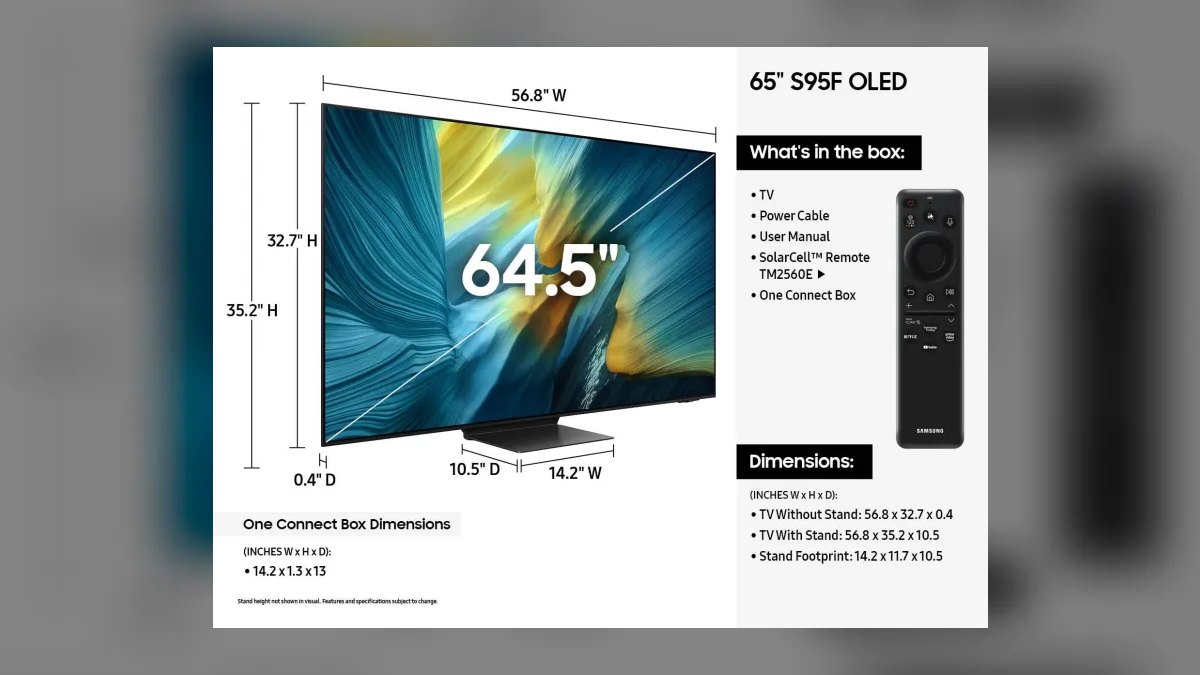
This ranks first because it is the brightest QD-OLED ever measured, with RTINGS recording roughly 2,138 nits post-calibration on a 10% window from Samsung Display's Gen 3 panel. Color volume holds 99% DCI-P3 and about 90% BT.2020 at that stimulus. The NQ4 AI Gen3 processor drives 14-bit tone mapping and Samsung's sharpest upscaling yet. Street price is $3,299.
Buy this if you watch in a bright living room and game on console and PC alike: all four HDMI 2.1 ports run 4K120Hz, with VRR 48-120Hz, FreeSync Premium Pro, and G-Sync compatibility. The matte anti-glare coating beats every glossy OLED under windows or overhead lights. You trade away Dolby Vision entirely, which the Sony A95L below supports. The OneConnect Box keeps cable runs off the wall.
2Sony A95L 65-Inch
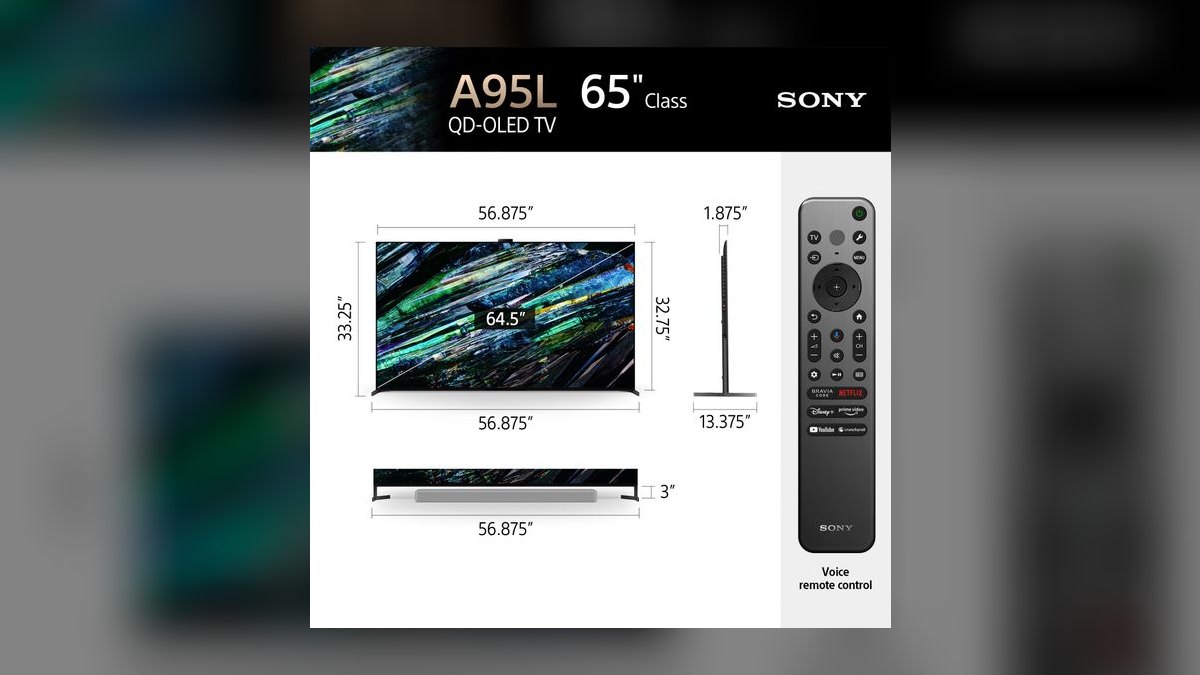
Second place goes to the best HDR processing in the category, not the best panel. The A95L still uses Samsung Display's Gen 2 QD-OLED and peaks near 1,300 nits on a 10% window, well short of the S95F. What wins shootouts at HDTVTest and Wirecutter is the Cognitive Processor XR: tone mapping, motion handling, and XR Triluminos Max color science. Price is $3,499.
This is the pick for Dolby Vision diehards, since Sony is the only QD-OLED brand that licenses it. The cost is connectivity: only two of four HDMI ports run full 4K120Hz, and one doubles as eARC, which strains a PS5 plus Xbox plus AVR household. Google TV is cleaner than Tizen for Netflix and Max users, and Acoustic Surface Audio+ genuinely sounds good.
3Samsung S95F 77-Inch
Third because it is the largest Gen 3 QD-OLED panel Samsung Display currently fabricates, at $4,499. Peak brightness derates slightly to roughly 2,000 nits since the bigger panel runs warmer, but color volume is unchanged at 99% DCI-P3 and the NQ4 AI Gen3 silicon is identical to the 65-inch. RTINGS measured near-identical color and motion, with input lag at 4K120 still under 10ms.
This is for buyers stepping up from a 65-inch who refuse to give up QD-OLED color volume for a Mini-LED at the same diagonal. The OneConnect Box matters more at this size, since one 5-meter cable to a media closet beats four thick HDMI runs. All four ports are full HDMI 2.1. The trade is brutal price scaling: $1,200 more than the 65-inch S95F for twelve diagonal inches.
4Panasonic Z95A 65-Inch
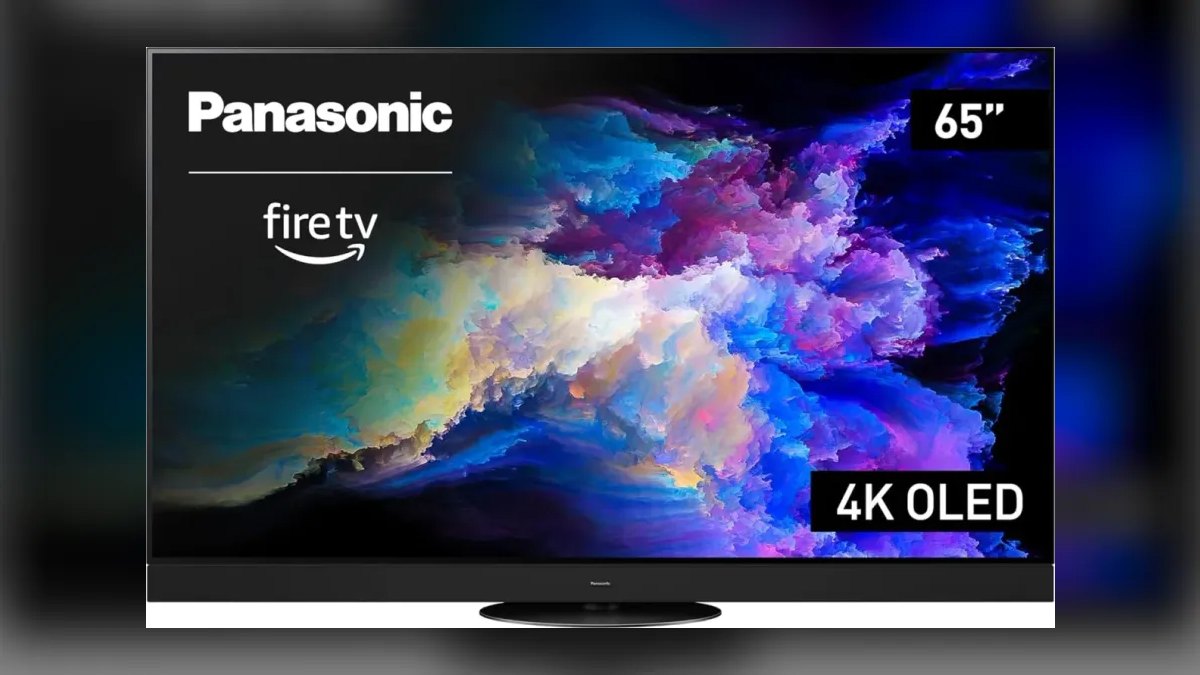
Fourth because no TV here is closer to a reference monitor out of the box. The HCX Pro AI Processor MK II tunes the Gen 2 QD-OLED panel to Hollywood color-grading accuracy, which HDTVTest and Stacey Spears both call best in the industry. It is also one of very few sets shipping both Dolby Vision IQ Precision Detail and HDR10+ Adaptive. Peak brightness is about 1,500 nits at $3,499.
This suits color-accuracy purists who calibrate nothing and still want it right, plus anyone unwilling to choose between HDR formats. The integrated Technics-tuned 5.1.2 speakers are unusually good for built-ins. The weak point is My Home Screen 8, which carries fewer apps than Tizen or Google TV, so many owners add an Apple TV 4K or Shield. Only two of four HDMI ports run 4K120Hz.
5Sony A95L 55-Inch
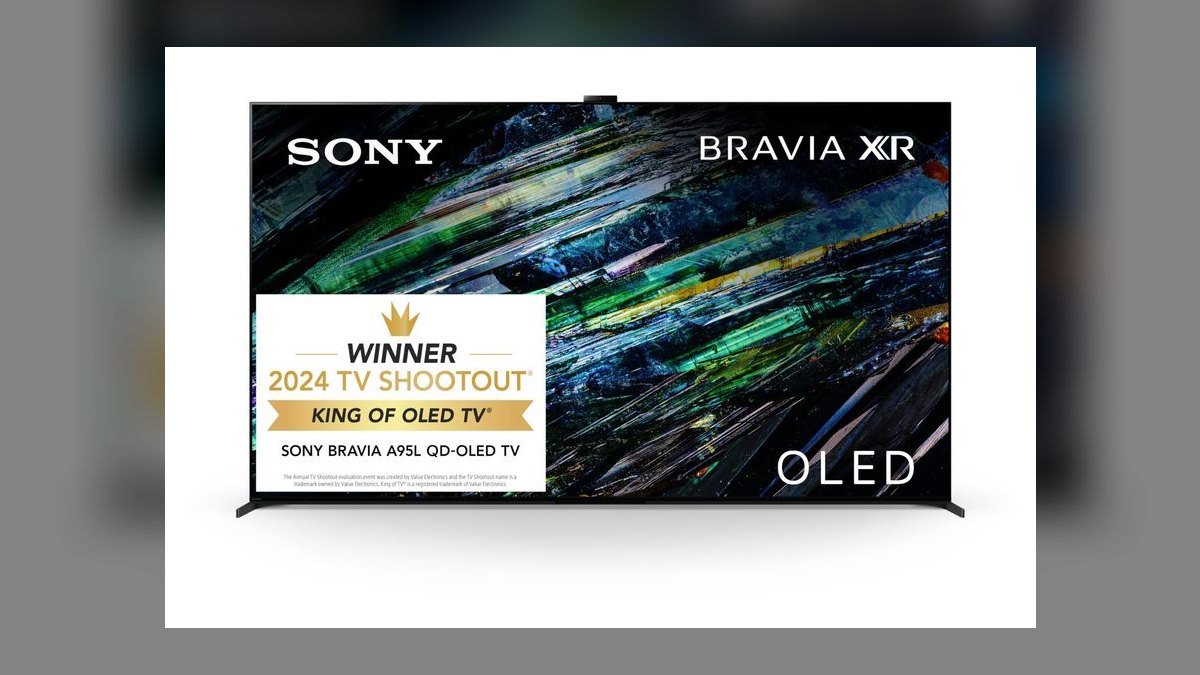
Fifth because it delivers the same Cognitive Processor XR, same Gen 2 QD-OLED panel, and same Dolby Vision support as the 65-inch in a smaller frame for $2,799. RTINGS measured peak HDR near 1,250 nits, marginally dimmer than the 65-inch because there is less panel area to dissipate heat. Color volume and accuracy measure identical. Pixel density rises to roughly 80 PPI.
This fits premium bedrooms and 9-to-10-foot viewing distances where Sony's processing matters more than raw output. The higher pixel density helps PC and PS5 text rendering. The two-port HDMI 2.1 limitation carries over from the 65-inch, and you are paying flagship money for a 55-inch panel. Buyers who want more screen for less should look at the S90F 65-inch instead.
6Samsung S90F 55-Inch
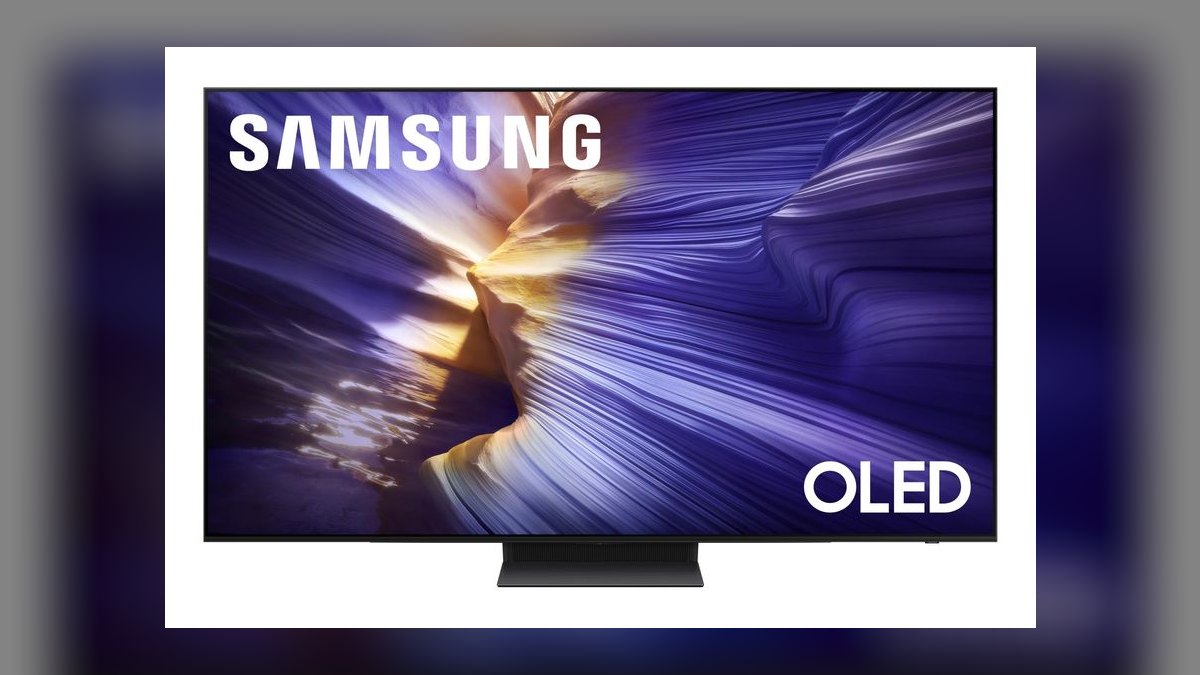
Sixth on the list and the best value pick outright at $1,599, because the 55-inch S90F is QD-OLED across the board, with no panel lottery, per RTINGS testing and Samsung supply-chain reporting. It uses the Gen 2 QD-OLED panel at roughly 1,300 nits peak HDR and 99% DCI-P3, driven by the NQ4 AI Gen2 processor. All four HDMI 2.1 ports run 4K120Hz.
This is for anyone who wants genuine quantum-dot OLED without flagship pricing. You give up the matte anti-glare coating, the OneConnect Box, and roughly 800 nits of peak brightness against the S95F 65-inch. The glossy finish reflects noticeably more in bright rooms, and there is still no Dolby Vision. In a dim room, picture quality lands close to the S95F for under half the money.
7Samsung S90F 65-Inch
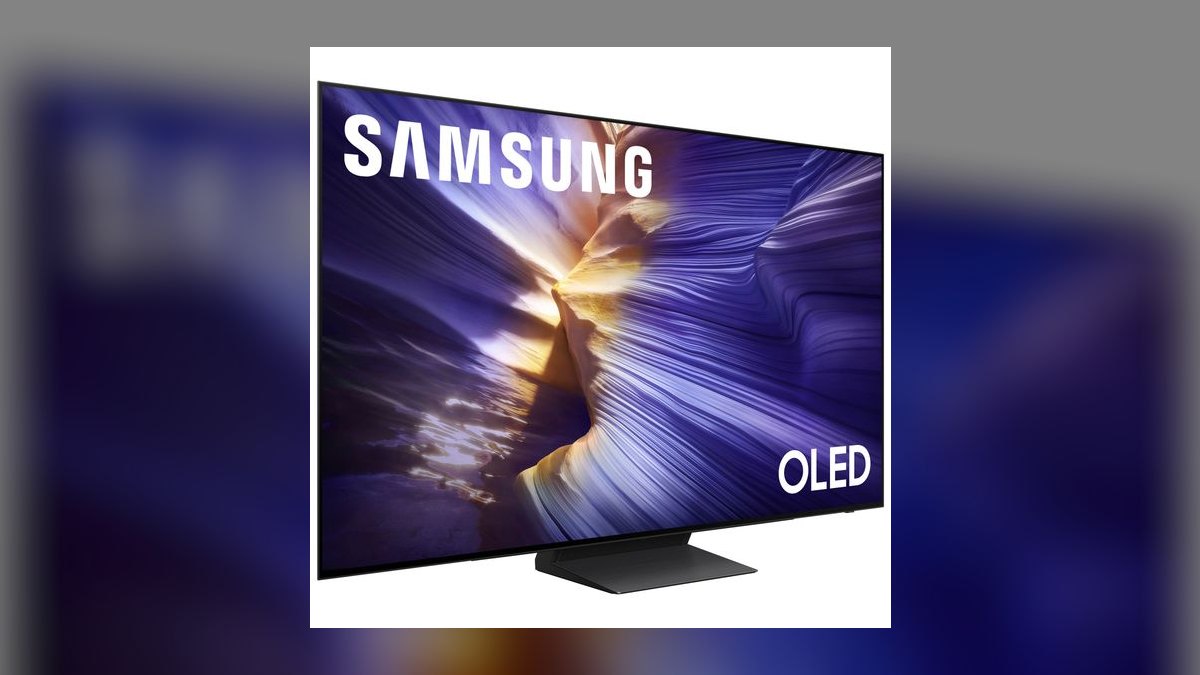
Seventh because it is the most popular QD-OLED in North America, undercutting the S95F 65-inch by $1,200 at $2,099 while giving up little. Specs mirror the 55-inch: Gen 2 QD-OLED, roughly 1,300 nits peak, 99% DCI-P3, NQ4 AI Gen2, four full HDMI 2.1 ports, FreeSync Premium Pro, and Tizen. The larger panel runs cooler and sustains peak brightness slightly longer in extended HDR scenes.
This is the value pick scaled to a main living room rather than a bedroom. The real catch is the panel lottery: 65-inch S90F units can ship QD-OLED or WOLED depending on production batch, so RTINGS recommends confirming the model-code suffix on the box before buying. The 55-inch S90F carries no such risk, which is why it takes the value slot instead of this one.
8Samsung S95F 55-Inch
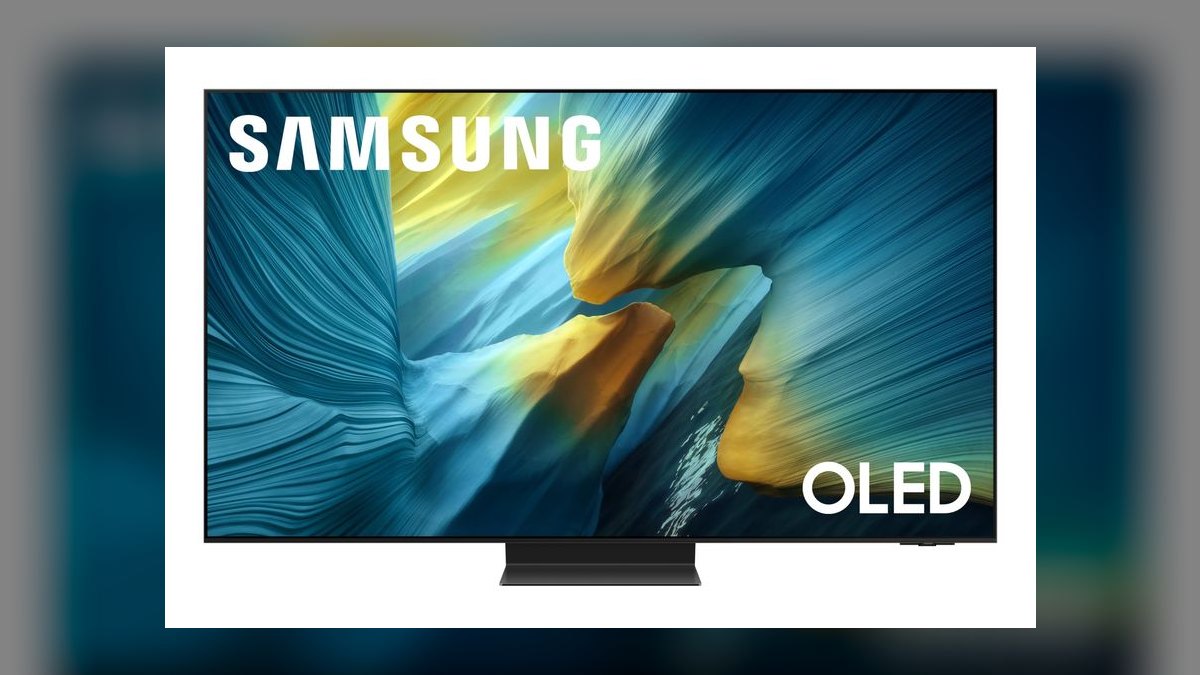
Eighth because it is the smallest Gen 3 QD-OLED panel Samsung produces, and it keeps the S95F's two defining features at 55 inches. RTINGS measured roughly 1,950 nits peak HDR on a 10% window, only marginally below the 65-inch, and the matte anti-glare coating carries over intact. Samsung also kept the OneConnect Box here, which it dropped from the 55-inch S90F to hit price. Costs $2,499.
This is the answer for a small bright room with west-facing windows or heavy overhead lighting, where a glossy 55-inch OLED washes out. Same NQ4 AI Gen3 processor and four full HDMI 2.1 ports as the larger S95F models. The trade is a $900 premium over the S90F 55-inch, which is hard to justify if your viewing room is already dim and controlled.
9Alienware AW3225QF 32-Inch
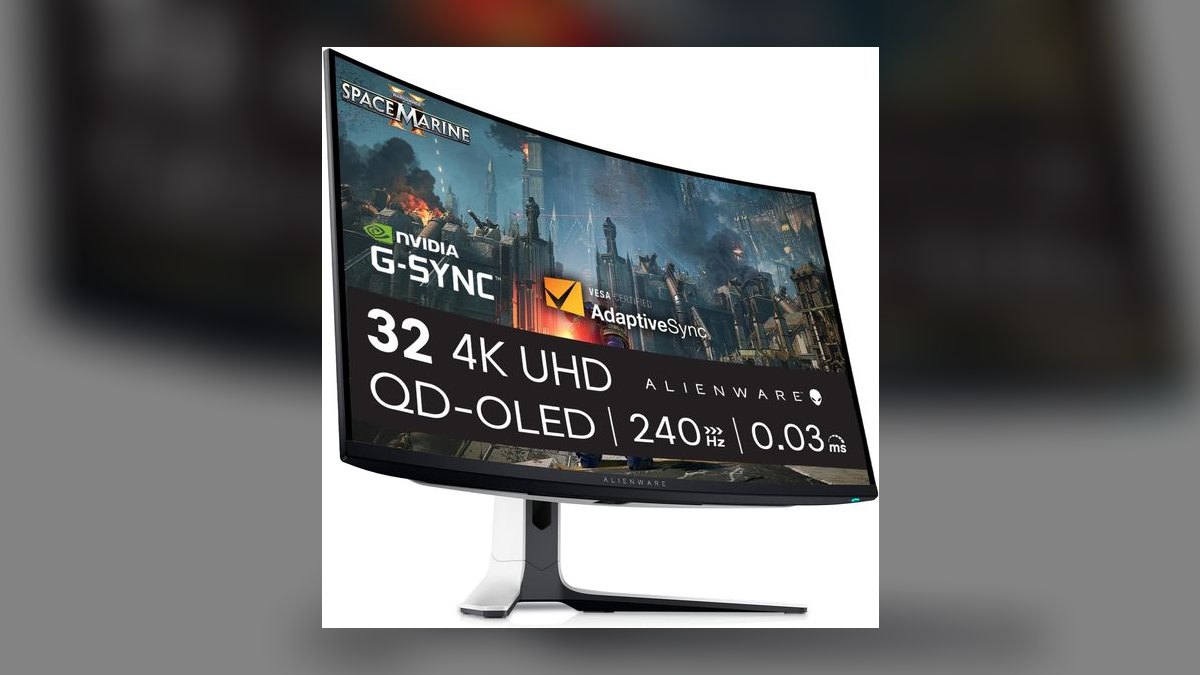
Ninth because it is the best desktop QD-OLED available, though it is a monitor rather than a TV. It runs Samsung Display's third-gen 32-inch panel at 3840x2160 native, 240Hz refresh, 0.03ms response, and roughly 1,000 nits peak HDR for $1,199. Connectivity covers one HDMI 2.1 port, DisplayPort 1.4 with DSC, USB-C with 90W power delivery, and a KVM switch.
This suits PC gamers who occasionally want console couch-mode flexibility from the same panel. Dell's three-year burn-in warranty is the most generous in the category and matters on QD-OLED specifically. The 1700R curve is the dividing line: immersive for games, wrong for movies and shared viewing. Anyone watching film content on a desk should take the flat ASUS panel below instead.
10ASUS ROG Swift PG32UCDM
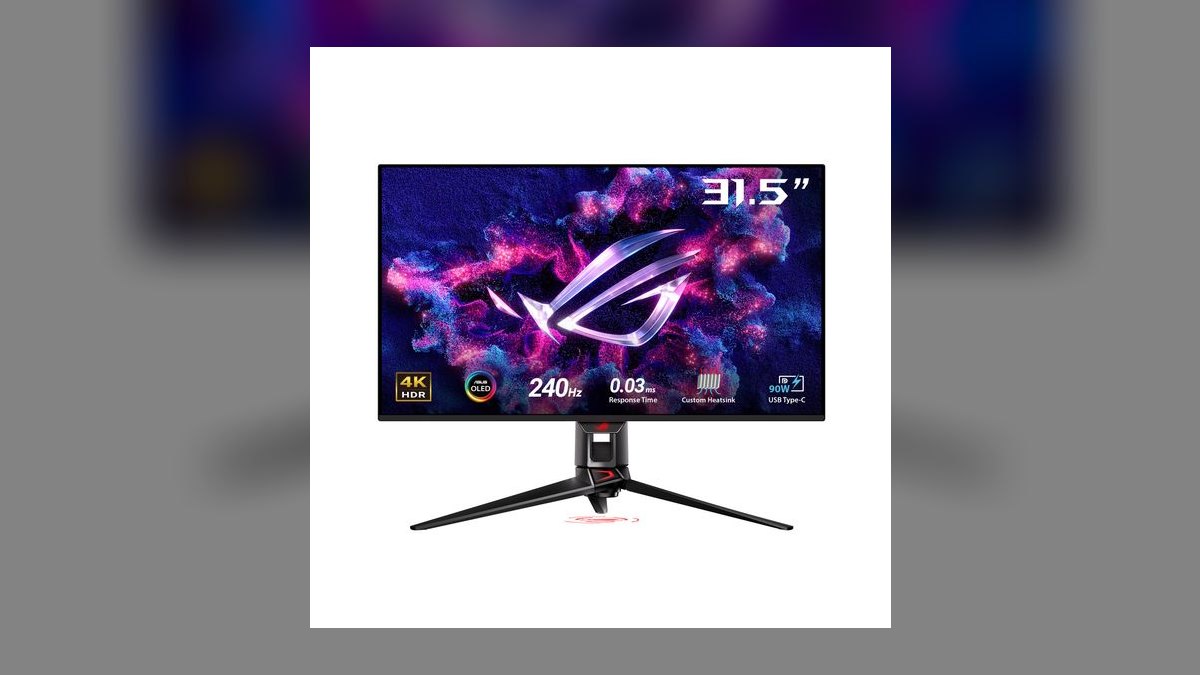
Tenth because it matches the Alienware's Samsung Display Gen 3 32-inch 4K QD-OLED panel, 240Hz refresh, and 0.03ms response on a flat screen for $1,299. ASUS adds a custom heatsink with graphene film for thermal management and lower burn-in risk, plus a proximity sensor that dims the panel when you step away. Tom's Hardware rated it the best 4K OLED gaming monitor of 2027 on color accuracy.
This is for desk users who also watch movies, where the flat panel doubles as a small living-room display better than any curved alternative. Ports cover DisplayPort 1.4 DSC, HDMI 2.1, and a USB hub, with a three-year burn-in warranty matching Dell. You pay $100 more than the Alienware and lose USB-C power delivery entirely, which costs you the single-cable laptop setup.
How we ranked these
Picture quality carried 40% of the score: panel generation, peak brightness on a 10% window, ANSI contrast, color volume, and tone mapping. HDR format support took 15%, gaming features 15%, processor and AI upscaling 10%, smart-platform reliability 10%, and current street price 10%. Measurements came from RTINGS lab data, HDTVTest calibration reviews, Digital Foundry gaming benchmarks, and long-run owner threads on AVForums.
Deliberately ignored: 2%-window peak-nit headlines, since those flashes appear in almost no real content; built-in speaker quality, because nearly every buyer at this price adds a soundbar; refresh-rate claims above 144Hz on televisions, since consoles cap at 4K120; and launch MSRP, which bears no relationship to what these panels actually cost in 2027. Design, thinness, and remote styling were scored at zero.
What to look for
Three things actually separate these: whether you need Dolby Vision (only Sony ships it on mainstream QD-OLED), how bright and reflective your room is (the S95F's matte coating beats every glossy panel under windows), and how many 4K120 sources you own (Samsung gives four full HDMI 2.1 ports, Sony only two). Everything else — processor names, AI upscaling tiers, design — moves the needle far less.
The common mistake is paying the S95F premium for a dim, light-controlled room, where the extra 800 nits and the matte finish buy almost nothing — the S90F 55-inch at $1,599 delivers the same color volume for less than half the money. The second mistake is buying a mid-size S90F without confirming the panel type; that line ships QD-OLED or WOLED depending on batch.
Related questions
What is the actual difference between QD-OLED and WOLED?
WOLED puts a white OLED emitter behind red, green and blue color filters, and those filters throw away light. QD-OLED starts with a blue emitter and converts it through quantum dots, so almost nothing is filtered out. In practice that means wider color volume at high stimulus, better full-screen brightness retention, and color that holds when you sit off-axis.
Which QD-OLED sets support Dolby Vision?
Sony's A95L is the Dolby Vision pick among mainstream QD-OLED televisions, and Panasonic's Z95A ships both Dolby Vision IQ and HDR10+ Adaptive. Samsung has never licensed Dolby Vision, so the S95F and S90F fall back to HDR10+ or plain HDR10 on Netflix, Disney+ and Apple TV+ titles mastered in DV. The 32-inch gaming monitors skip it entirely.
Is burn-in still a real risk on QD-OLED in 2027?
Lower than early WOLED, but not zero. Static elements — a news ticker, a game HUD, a taskbar — held for hundreds of hours can still leave uneven wear. Vary content, leave pixel shift enabled, and let the panel run its refresh cycle. Alienware and ASUS both back their 32-inch QD-OLED monitors with three-year burn-in warranties, which tells you the risk is real but manageable.
Do I need a Gen 3 panel or is Gen 2 good enough?
Gen 3 buys roughly 800 more nits on a 10% window and somewhat better longevity, which matters if you watch HDR in a sunlit room. Gen 2 sets like the A95L and S90F still measure around 1,250 to 1,300 nits — brighter than most WOLED flagships from two years ago. In a light-controlled room, Gen 2 is plenty.
What is the S90F panel lottery and how do I avoid it?
Samsung sources S90F panels from both Samsung Display (QD-OLED) and LG Display (WOLED) depending on size and production batch. The 55-inch is QD-OLED across the board; mid and large sizes vary. Check the model code printed on the retail box against RTINGS' panel-variant table, or buy from a retailer with a generous return window so you can verify at home.
Does the matte anti-glare coating hurt black levels?
Slightly, in a pitch-dark room — a matte layer scatters the small amount of ambient light that reaches it, so blacks can look marginally raised next to a glossy panel. In any room with a lamp on or a window uncovered, the S95F's coating is a clear net win: reflections become diffuse gray smudges instead of mirror images of your ceiling lights.
Can a 32-inch 4K QD-OLED monitor replace a small living-room TV?
For a desk or a one-person setup, yes — the ASUS PG32UCDM is flat, runs 4K at 240Hz, and takes console input over HDMI 2.1. But there is no tuner, no smart platform, and the speakers are an afterthought, so plan on a streaming stick. Skip the curved Alienware for shared viewing; the 1700R curve distorts the image from off-center seats.
How many HDMI 2.1 ports do I actually need?
Count your 4K120 sources and add one for eARC. A PS5, an Xbox Series X and a gaming PC already consume three, and if a receiver sits in the chain it needs a full-bandwidth port too. Samsung's S95F and S90F give four; the Sony A95L gives two, one of which doubles as eARC — a real constraint for stacked setups.
FAQ
Which QD-OLED TV is the best overall in 2027?
The Samsung S95F 65-inch at $3,299. Its Gen 3 QD-OLED panel measures roughly 2,138 nits peak on a 10% window while holding 99% DCI-P3 and about 90% BT.2020, the NQ4 AI Gen3 processor handles upscaling better than anything Samsung has shipped, and all four HDMI 2.1 ports run 4K120. The matte anti-glare finish seals it.
What is the best value QD-OLED TV?
The Samsung S90F 55-inch at $1,599. It uses a Gen 2 QD-OLED panel rated near 1,300 nits with the same 99% DCI-P3 coverage as the flagship, four full HDMI 2.1 ports, FreeSync Premium Pro, and Tizen with Gaming Hub. You give up the matte coating, the OneConnect Box and roughly 800 nits for less than half the price.
How much brighter is the S95F than the Sony A95L?
About 800 nits on a 10% window — roughly 2,100 versus 1,300. That gap is obvious on specular highlights in HDR and in a bright room. It is far less obvious in a dark room with well-mastered film content, where Sony's tone mapping and motion handling routinely win side-by-side shootouts despite the lower measured peak.
Is the Sony A95L still worth buying on an older panel?
If you want Dolby Vision on QD-OLED, it is the choice. The Cognitive Processor XR remains the best tone-mapping and motion engine in the category, Google TV is a cleaner app platform than Tizen, and Acoustic Surface Audio+ genuinely outperforms normal TV speakers. In exchange you accept 1,300 nits and only two full-bandwidth HDMI 2.1 ports.
Why doesn't Samsung support Dolby Vision?
Samsung declines to pay Dolby's per-unit licensing fee and instead backs HDR10+, the royalty-free format it co-developed with Amazon. The practical effect is that DV-mastered content on Netflix, Disney+ and Apple TV+ plays back in HDR10 or HDR10+ on a Samsung set. On a panel this bright and this well tone-mapped, most viewers will not notice.
Are QD-OLED TVs good in bright rooms?
Better than any previous OLED. Full-screen brightness retention is stronger than WOLED because no color filter absorbs output, and the S95F adds a matte coating that diffuses reflections rather than mirroring them. A mini-LED set still goes brighter in a sun-drenched room, but it cannot match QD-OLED's per-pixel contrast or its off-angle color.
Should I buy QD-OLED or mini-LED for gaming?
QD-OLED, if you can accommodate the price and the burn-in housekeeping. Response time is effectively instantaneous at 0.03ms versus several milliseconds on mini-LED, there is no blooming around HUD elements, and VRR works without the flicker that haunts backlight-zoned panels. Mini-LED wins only on sustained brightness and on peace of mind with static HUDs.
What size QD-OLED fits my viewing distance?
For 4K, sit roughly 1.2 to 1.6 times the screen diagonal away. That puts a 55-inch at about six to seven feet, a 65-inch at seven to eight, and a 77-inch at nine to ten. Most buyers underbuy; if your couch sits past eight feet, a 65-inch is the floor, not the ceiling.
Is the OneConnect Box worth paying for?
It matters most on wall mounts and large sizes. One thin cable runs from the panel to a box you can hide in a cabinet, so source swaps and firmware-quirky devices never require reaching behind the screen. Samsung ships it on the S95F 55, 65 and 77 but drops it from the S90F. On a stand, it is convenience, not necessity.
Sources
- https://www.rtings.com/tv/reviews/samsung/s95f-oled
- https://www.rtings.com/tv/reviews/sony/a95l-oled
- https://www.rtings.com/tv/reviews/samsung/s90f-oled
- https://www.nytimes.com/wirecutter/reviews/best-tv/
- https://www.cnet.com/tech/home-entertainment/best-tv/
- https://www.tomsguide.com/best-picks/best-tvs
- https://www.tomshardware.com/monitors/gaming-monitors
- https://www.samsung.com/us/tvs/oled-tv/
- https://www.sony.com/electronics/televisions
Related on PULSE
This page will be disappearing soon. Save it to your device for $1 — or read it free while it is here.
@Kory-White- · if Venmo asks, the last 4 of my number are 2012
This page is gone.
This one is off the shelf now. $1 keeps it on your phone for good — the whole page, pictures and diagrams included.
 pulse-reviewsTop 10 YouTube Lighting Kits — Best Overall + Best Value in 2027
 pulse-reviewsTop 10 Tablet Styluses — Best Overall + Best Value in 2027
 pulse-reviewsTop 10 Posture Correctors — Best Overall + Best Value in 2027
 pulse-reviewsTop 10 Label Makers — Best Overall + Best Value in 2027
 pulse-reviewsTop 10 Blue Light Glasses for Sales Reps in 2027
 pulse-reviewsTop 10 Electric Spice Grinders — Best Overall + Best Value in 2027
 pulse-reviewsTop 10 VR Headsets — Best Overall + Best Value in 2027
 pulse-reviewsTop 10 Noise-Cancelling Headphones — Best Overall + Best Value in 2027
 pulse-reviewsTop 10 Electric Snow Shovels — Best Overall + Best Value in 2027
 pulse-reviewsTop 10 Indoor Smart Gardens — Best Overall + Best Value in 2027