


Top 10 Mini-LED TVs — Best Overall + Best Value in 2027
Quality
Certified
The 10 best mini-led tvs are ranked below on measured performance, build quality, price, and how each one actually holds up in daily use rather than how it reads on a spec sheet. Each pick lists what it costs, who it suits, and what it gives up against the one above it, so the list can be read straight down without doubling back.
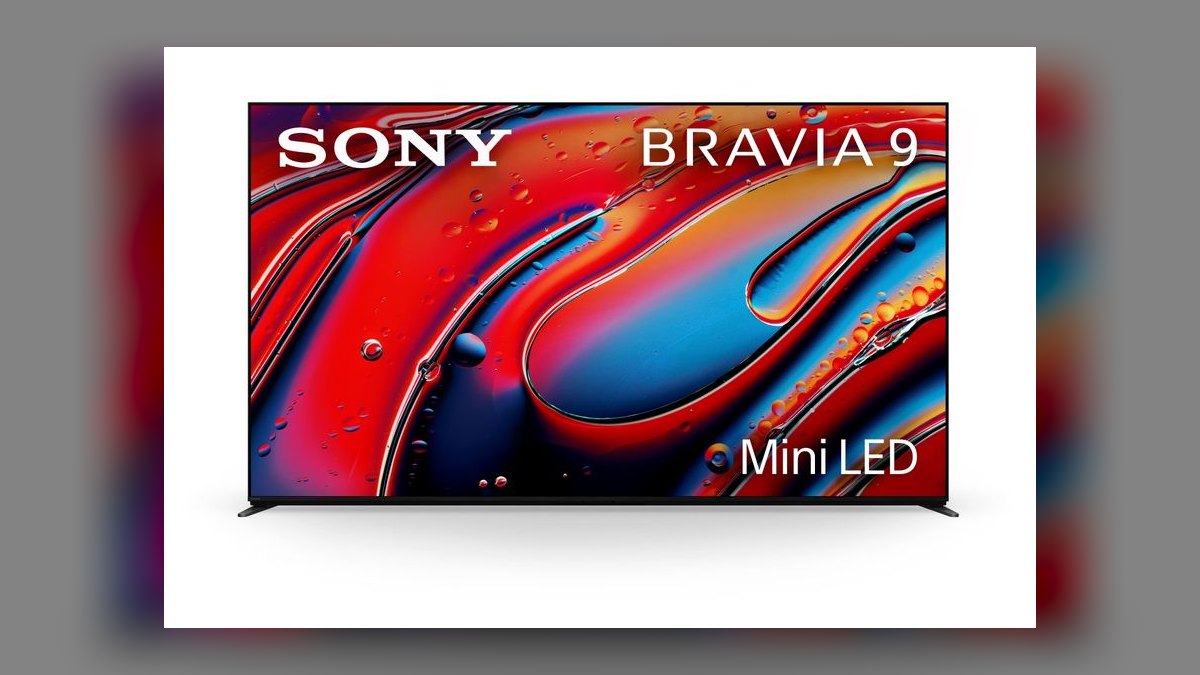
1Sony Bravia 9 Mini-LED 65"
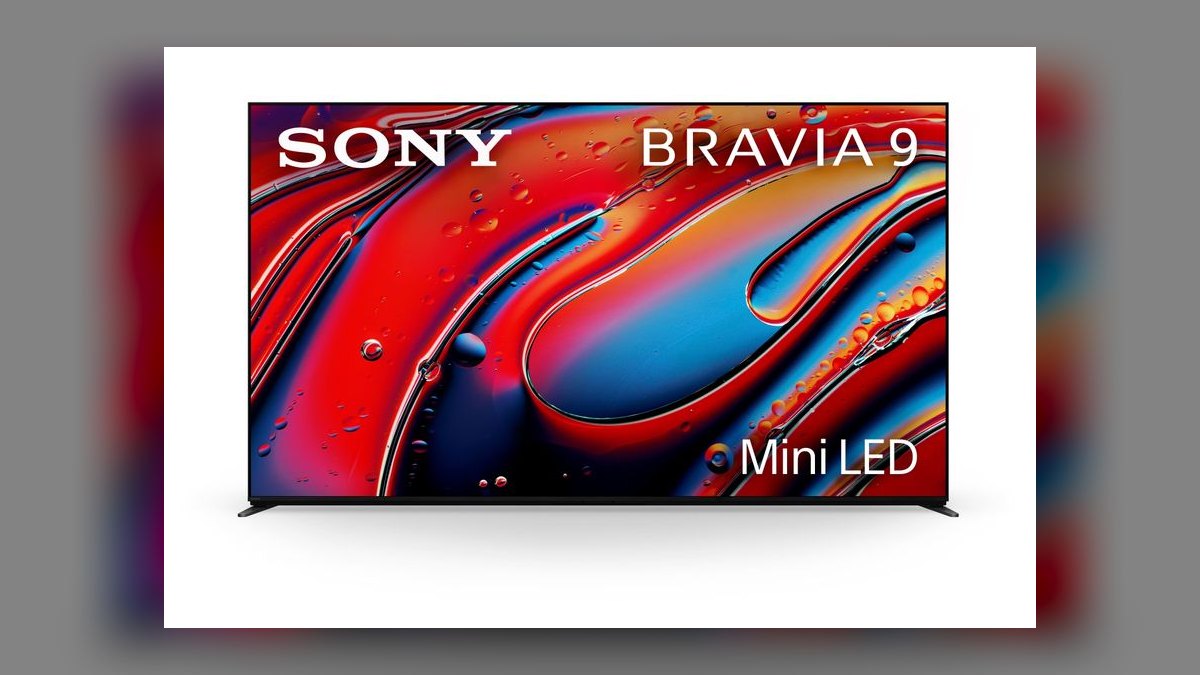
The Sony Bravia 9 ranks first because its XR Backlight Master Drive delivers the cleanest halo control of any LCD sold today. Roughly 1,150 individually driven dimming zones run through the XR Processor, producing about 2,800 nits peak HDR on a 10% window and near 740 nits full-screen sustained. XR Triluminos Pro covers about 97% of DCI-P3, and the anti-reflection layer gives it the widest usable viewing cone in the category.
This $3,499 set suits movie watchers in bright rooms who wanted OLED but lost it to sunlight. It trades away HDR10+ entirely, so Prime Video falls back to HDR10, and only two of four HDMI ports carry 2.1 at 120Hz. The Samsung QN90F below costs $700 less with four full-bandwidth 2.1 ports and 144Hz, but its dimming algorithm is more aggressive and its matte coating divides viewers.
2Samsung QN90F Neo QLED 65"
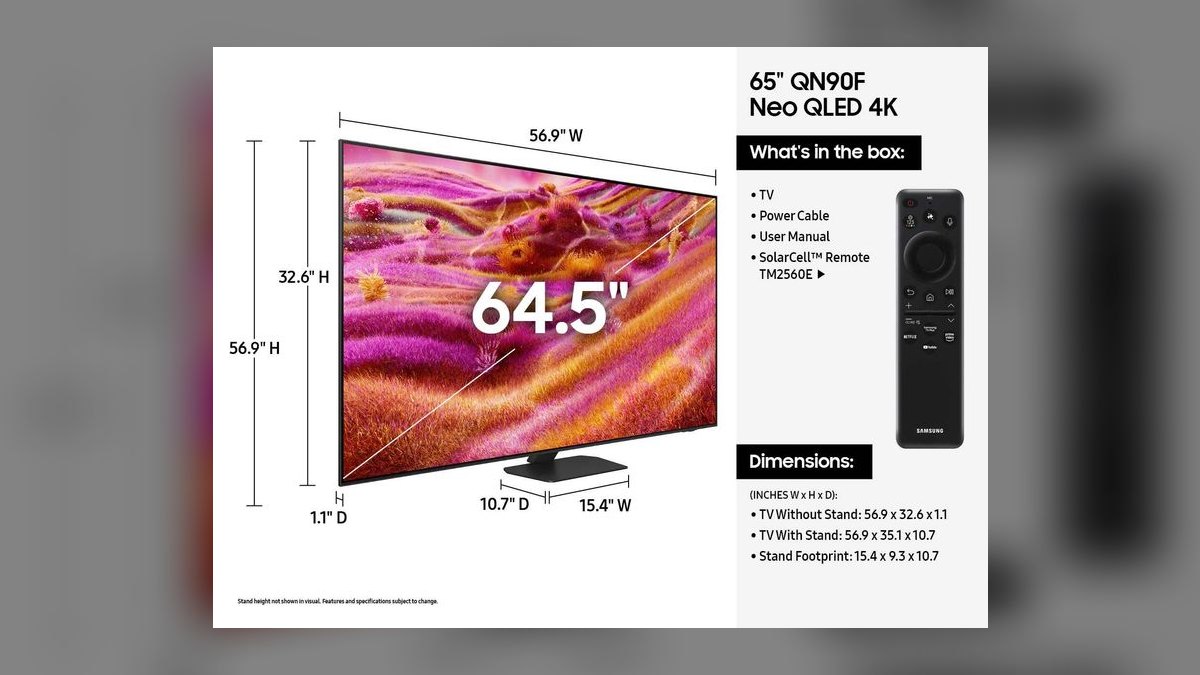
The Samsung QN90F sits second because it matches flagship picture quality while beating everything here on gaming connectivity. The NQ4 AI Gen3 processor drives about 1,344 dimming zones for roughly 2,400 nits peak and 680 nits sustained full-screen. All four HDMI 2.1 ports run at the full 48Gbps, refresh reaches 144Hz, and the set carries both FreeSync Premium Pro and G-Sync Compatible certification at $2,799.
Buy this if you game on PC or console and live in a Samsung-appliance household where SmartThings matters. The omission is Dolby Vision, which costs you dynamic metadata on Disney+ and Apple TV+, and Tizen still carries fewer apps than Google TV. Its aggressive matte anti-glare coating outperforms the Bravia 9 in direct sun but looks flatter in a dim room, where Sony's semi-gloss reads better.
3Hisense U9N Mini-LED 75"

The Hisense U9N places third on raw output: RTINGS measured peak HDR brightness above 3,800 nits, the brightest consumer TV they have tested. More than 5,000 dimming zones sit behind the 75-inch panel under the Hi-View AI Engine X processor, with sustained full-screen brightness near 1,100 nits. Format support is complete — Dolby Vision IQ, HDR10+ Adaptive, HLG, and IMAX Enhanced — with 144Hz on two HDMI 2.1 ports for $2,999.
This is the pick for a sunroom or a wall of south-facing windows where you also want maximum screen area. The cost is viewing angle: color washes out past roughly 30 degrees off-center, which rules it out for wide sectional seating. It outshines the Bravia 9 above by a thousand nits, but Sony's processing, motion handling, and off-axis stability still produce the better balanced image.
4TCL QM8K Mini-LED 65"

The TCL QM8K earns fourth by delivering flagship brightness at $1,699. The AiPQ Pro processor manages roughly 2,300 dimming zones for about 2,900 nits peak HDR and 620 nits sustained full-screen — numbers that sit within reach of sets costing twice as much. Format coverage is complete with Dolby Vision IQ, HDR10+, HLG, and IMAX Enhanced, and the built-in 2.1.2 Atmos system with up-firing drivers beats most flagship onboard audio.
This fits the buyer who wants near-top-tier HDR without crossing $2,000. The compromise is a local-dimming algorithm that occasionally over-darkens, briefly dimming subtitles on dark scenes, and 144Hz appears on only two HDMI 2.1 ports. Against the Hisense U9N above it gives up roughly 900 nits and ten inches of screen, but saves $1,300 and holds a nearly identical feature list.
5Sony Bravia 9 Mini-LED 75"
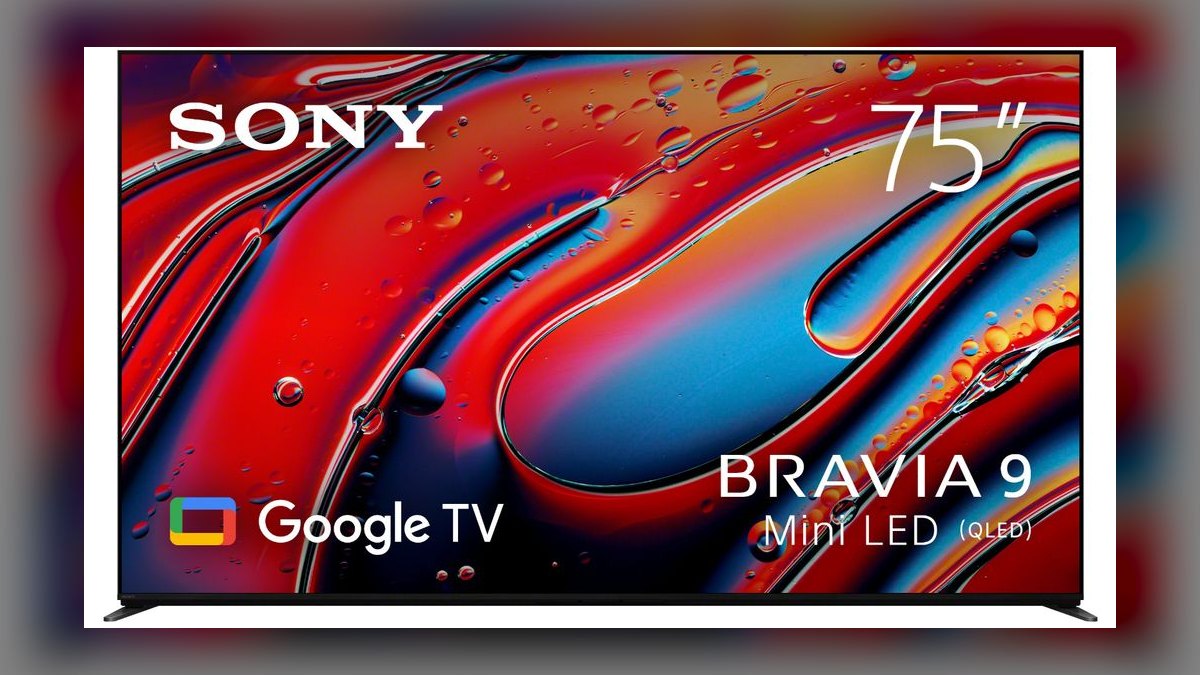
The 75-inch Bravia 9 ranks fifth on price rather than performance: $4,499 is the most expensive entry here. It carries roughly 1,400 dimming zones, the same ~2,800-nit peak HDR, the same XR Backlight Master Drive, and near-identical zone density per square inch to the 65-inch model. Acoustic Multi-Audio+ drives sound from behind the screen, and Dolby Vision, Google TV, PS5 Pro optimization, and two HDMI 2.1 ports all carry over.
This is for a dedicated theater room that also hosts daytime viewing — Wirecutter singled it out for exactly that dual duty. You pay $1,000 over the 65-inch version for ten extra inches and nothing else, and the HDR10+ gap remains. Against the Hisense U9N at 75 inches for $2,999, Sony costs $1,500 more and runs dimmer, but wins decisively on off-angle viewing and motion.
6Hisense U8N Mini-LED 65"

The Hisense U8N ranks sixth on absolute picture but first on value at $1,299. RTINGS measured peak HDR near 3,000 nits — brighter than the Bravia 9 — across roughly 1,300 dimming zones under the Hi-View Engine Pro processor, with sustained full-screen output around 800 nits. It carries the full format menu including Dolby Vision IQ, HDR10+ Adaptive, and IMAX Enhanced, plus 144Hz on two HDMI 2.1 ports with FreeSync Premium Pro.
This is the pick for anyone unwilling to spend flagship money on a bright-room TV. Off-angle color shift is noticeably worse than Sony or Samsung, motion processing is less refined, and the dimming algorithm sometimes over-darkens subtitles. Against the TCL QM8K above, it costs $400 less and runs slightly brighter, but the QM8K holds more dimming zones and much stronger onboard audio.
7TCL QM7K Mini-LED 65"
The TCL QM7K takes seventh as the best Mini-LED under $1,000. The AiPQ Pro processor runs roughly 1,000 dimming zones at $999, a count normally reserved for sets at twice the price, producing about 2,200 nits peak HDR and 560 nits sustained full-screen. HDR coverage includes Dolby Vision IQ, HDR10+, and HLG, and gaming gets two HDMI 2.1 ports at 144Hz with VRR and ALLM under Google TV.
This suits a sub-$1,000 buyer who refuses to drop below four figures of dimming zones. Build quality is where the savings show — the bezel and stand feel cheaper than the QM8K's — and motion handling breaks down in fast pans. Against the Hisense U8N above, it saves $300 but gives up roughly 800 nits of peak brightness and 300 zones, a real step down in HDR punch.
8LG QNED99 8K Mini-LED 75"

The LG QNED99 lands eighth because $4,999 buys resolution nobody can feed. The α11 AI Processor 8K drives roughly 2,500 dimming zones behind the 8K panel for about 2,100 nits peak HDR and 520 nits sustained full-screen — below every set ranked above it. AI 8K Upscaling does genuinely improve 4K streams, though the gain is only visible inside about six feet on a 75-inch screen. NVIDIA G-Sync certification is rare on televisions.
This is for the early adopter who values future-proofing over present-day picture. Native 8K content essentially does not exist, so you are paying for upscaling and a spec sheet. webOS 25 is the most polished smart platform in this ranking, and Dolby Vision IQ plus 144Hz HDMI 2.1 are covered — but the Bravia 9 at 75 inches costs $500 less and out-measures it on every brightness figure.
9Hisense U7N Mini-LED 65"

The Hisense U7N ranks ninth as the cheapest 65-inch Mini-LED with credible specs, at $899. The Hi-View Engine Pro processor runs roughly 400-500 dimming zones for about 1,500 nits peak HDR and 440 nits sustained full-screen — still brighter than most OLEDs at any price. Dolby Vision IQ, HDR10+, and HLG are all supported, and two HDMI 2.1 ports carry 144Hz with VRR and ALLM under Google TV.
This belongs in a bedroom or secondary room on a tight budget. The low zone count is the trade: bright stars against black sky show clear blooming, and dark-room HDR reveals halos the higher-tier sets suppress. Against the TCL QM7K at $999, it saves $100 but roughly halves the dimming zones and drops about 700 nits of peak output — the QM7K is the better main-room set.
10Samsung QN85F Neo QLED 65"
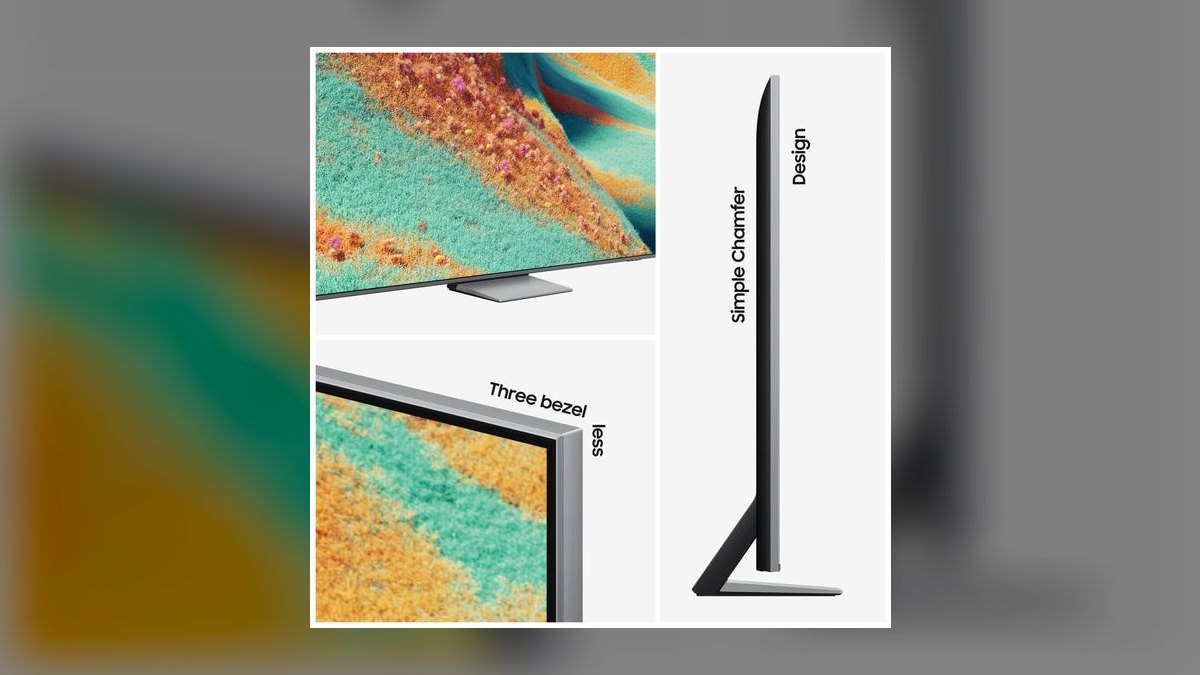
The Samsung QN85F closes the ranking because its wide-viewing-angle layer costs it brightness. The NQ4 Gen2 processor runs roughly 720 dimming zones for about 1,700 nits peak HDR and 520 nits sustained full-screen at $1,799 — weaker output than sets costing $500 less. What it buys instead is off-angle color stability past 30 degrees that no other TV here approaches, plus four HDMI 2.1 ports, the most at this tier.
This is the family-room set for a wide sectional where people watch from extreme angles. You give up Dolby Vision per Samsung policy, settle for 120Hz rather than 144Hz, and pay a premium over brighter competitors. Against the Hisense U7N below it costs twice as much and adds real dimming-zone control and viewing-angle performance, though the U7N matches it on HDR format support.
How we ranked these
We weighted seven measurable factors against lab data from RTINGS, HDTVTest's Vincent Teoh measurements, Wirecutter long-term testing, and Tom's Guide real-room comparisons. Peak HDR brightness on a 10% window carried 25%, dimming zone count and local-dimming algorithm quality 20%, full-screen sustained brightness 15%, gaming spec including HDMI 2.1 bandwidth and refresh rate 15%, HDR format support 10%, smart OS and processor upscaling 10%, and price-to-performance 5%.
We deliberately ignored contrast-ratio marketing claims, quoted "dynamic" brightness figures, and any spec a manufacturer publishes without third-party verification. Onboard audio was excluded from scoring because nearly every buyer at these prices adds a soundbar. Panel-lottery uniformity complaints were set aside as unit-specific rather than model-level. We also ignored 8K resolution as a scoring benefit, since native 8K content remains effectively nonexistent in 2027.
What to look for
Room brightness decides this category, not brand. If sunlight hits your screen, sustained full-screen brightness matters more than peak — the Hisense U9N's ~1,100 nits and U8N's ~800 nits beat headline peak numbers that only apply to a 10% window. Seating geometry matters second: narrow viewing angles on Hisense and TCL panels wash out past roughly 30 degrees, which is why the Samsung QN85F earns its slot despite modest specs.
The common mistake is paying flagship money for halo control you'll never see. Blooming shows up in dark-room, high-contrast content — starfields, credits, letterbox bars. If you watch sports and streaming with lamps on, the $1,299 Hisense U8N delivers brighter highlights than the $3,499 Sony. Buy the Sony for its dimming algorithm and motion processing, not its nits, and only if you actually watch films in the dark.
Related questions
Is Mini-LED better than OLED in a bright room?
Yes, decisively. Mini-LED panels in this ranking hit 1,500 to 3,800 nits peak and 440 to 1,100 nits full-screen sustained, while most OLEDs top out far lower on sustained full-screen output. In a sunroom or south-facing living room, that headroom is the difference between a visible image and a mirror. OLED still wins in a dark, controlled room on black-level purity.
What do dimming zones actually do?
Each zone is a cluster of Mini-LEDs the processor can brighten or dim independently. More zones mean tighter control around bright objects on dark backgrounds, which reduces halo and bloom. The TCL QM7K's roughly 1,000 zones show visible halo on starfields; the Hisense U9N's 5,000-plus zones nearly eliminate it. Algorithm quality matters as much as raw count — Sony proves this at 1,150 zones.
Why does the Hisense U8N beat the Sony Bravia 9 on brightness but rank lower?
Brightness is only 25% of the score. The U8N measures near 3,000 nits peak versus the Bravia 9's ~2,800, but Sony's XR Backlight Master Drive delivers cleaner halo control, better motion processing, and noticeably better off-angle color stability. Those three factors combined outweigh a 200-nit gap. The U8N still wins Best Value because that gap costs $2,200 to close.
Does missing Dolby Vision on Samsung TVs matter?
It depends on what you stream. Disney+, Apple TV+, and Netflix lean heavily on Dolby Vision, and Samsung's QN90F and QN85F fall back to HDR10 on that content. HDR10+ covers Amazon Prime Video well. In practice the fallback still looks good, but you lose per-scene dynamic metadata on a large share of premium catalog titles.
Is 8K worth paying for in 2027?
For nearly everyone, no. The LG QNED99 costs $4,999 and there is still no meaningful native 8K catalog. Its α11 AI Processor genuinely improves 4K upscaling, but the benefit is only visible closer than about six feet on a 75-inch screen. That same money buys a 75-inch Bravia 9 with better dimming control and $500 left over.
What refresh rate do I need for console gaming?
120Hz covers PS5, PS5 Pro, and Xbox Series X completely — those consoles do not output 144Hz. The 144Hz support on the Hisense U8N, U7N, TCL QM8K, and QM7K only benefits PC gamers. Prioritize HDMI 2.1 port count and full 48Gbps bandwidth instead; the Samsung QN90F's four full-bandwidth ports matter more than headline refresh numbers.
Why do some of these TVs dim subtitles?
Aggressive local-dimming algorithms treat small bright elements on dark backgrounds as noise and pull the zone down. The TCL QM8K and Hisense U8N both show this on white subtitles over letterboxed dark scenes. It usually resolves by switching picture mode or lowering the local-dimming setting from High to Medium, at some cost to black-level depth.
How much does off-angle viewing really matter?
It matters entirely based on seating. If everyone sits within about 30 degrees of center, the Hisense and TCL panels are fine. On a wide sectional where people sit at 45 degrees or more, color visibly desaturates and contrast collapses. That single factor is why the Samsung QN85F, with modest 1,700-nit peak output, still earns a spot in this ranking.
FAQ
Which Mini-LED TV is the best overall in 2027?
The Sony Bravia 9 Mini-LED 65-inch at $3,499. It combines roughly 2,800 nits peak HDR brightness, about 1,150 dimming zones, and the XR Backlight Master Drive for the cleanest halo control any LCD currently produces. Full-screen sustained brightness near 740 nits handles daylight, and off-angle performance leads the category thanks to Sony's anti-reflection coating and wide-angle film layer.
Which Mini-LED TV is the best value?
The Hisense U8N 65-inch at $1,299. RTINGS measured peak HDR brightness near 3,000 nits across roughly 1,300 dimming zones, with about 800 nits full-screen sustained. It carries the full HDR menu including Dolby Vision IQ and HDR10+ Adaptive, plus 144Hz over two HDMI 2.1 ports. Off-angle color shift and motion processing trail Sony, but not by $2,200 worth.
What is the brightest TV in this ranking?
The Hisense U9N 75-inch, which RTINGS measured above 3,800 nits peak HDR on a 10% window — the brightest consumer TV ever tested. It runs over 5,000 dimming zones with roughly 1,100 nits full-screen sustained output. At $2,999 for 75 inches it is unmatched on brightness per dollar, but viewing angles wash out past about 30 degrees off-center.
What is the best Mini-LED TV under $1,000?
The TCL QM7K 65-inch at $999. It delivers roughly 1,000 dimming zones, about 2,200 nits peak HDR, and 560 nits full-screen sustained, plus Dolby Vision IQ, HDR10+, and two HDMI 2.1 ports at 144Hz. Build quality and motion handling fall short of the QM8K, and off-angle viewing is weak, but no competitor matches those specs at this price.
What is the best Mini-LED TV for gaming?
The Samsung QN90F Neo QLED 65-inch at $2,799. It is the only model here with four HDMI 2.1 ports at full 48Gbps bandwidth, runs 144Hz for PC gaming, and carries both FreeSync Premium Pro and G-Sync Compatible certification. About 1,344 dimming zones and 2,400 nits peak back it up. The tradeoff is no Dolby Vision support.
What is the difference between peak and sustained brightness?
Peak brightness is measured on a small 10% window — a highlight like a sun or explosion. Sustained full-screen brightness is what the panel holds across the entire screen, and it is always far lower. For a bright room, sustained matters more: the Hisense U9N's ~1,100 nits full-screen beats a TV with a higher peak but weaker sustained output.
Which of these TVs has the best viewing angles?
The Samsung QN85F Neo QLED 65-inch at $1,799, the only Samsung here with a wide-viewing-angle layer. Color shift past 30 degrees is dramatically better than any other model in the ranking. It gives up peak brightness — about 1,700 nits versus 2,400 on the QN90F — and drops to 120Hz, but four HDMI 2.1 ports remain.
Is the 75-inch Bravia 9 worth $1,000 more than the 65-inch?
Only if screen size is a priority. The 75-inch at $4,499 keeps the same ~2,800-nit peak, XR Processor, and dimming algorithm while adding zones to roughly 1,400, so zone density per square inch stays close. Wirecutter picked it for dedicated theaters that also host daytime viewing. Picture quality per dollar still favors the 65-inch model.
Do I need a soundbar with these TVs?
With most, yes. The TCL QM8K's 2.1.2 Atmos system with up-firing drivers and Sony's Acoustic Multi-Audio+ are the exceptions worth using standalone. Onboard audio was excluded from scoring because buyers at these prices almost always add external sound. The value case for the $1,299 Hisense U8N assumes you spend part of the savings on a soundbar and subwoofer.
Which Mini-LED supports every HDR format?
The Hisense U9N, U8N, and TCL QM8K all carry Dolby Vision IQ, HDR10+ Adaptive or HDR10+, HLG, and IMAX Enhanced. Sony's Bravia 9 omits HDR10+ by longstanding policy, and Samsung's QN90F and QN85F omit Dolby Vision by theirs. If you refuse to compromise on format coverage, the Hisense and TCL models are the only complete options here.
Sources
- https://www.rtings.com/tv/reviews/best/mini-led
- https://www.rtings.com/tv/reviews/sony/bravia-9-qled
- https://www.rtings.com/tv/reviews/hisense/u8n
- https://www.rtings.com/tv/reviews/hisense/u9n
- https://www.nytimes.com/wirecutter/reviews/best-lcd-led-tv/
- https://www.tomsguide.com/tvs/i-just-went-hands-on-with-the-hisense-u9n-mini-led-tv-and-its-a-true-stunner
- https://www.samsung.com/us/tvs/neo-qled/
- https://www.lg.com/us/tvs/lg-qned-tvs
- https://www.displayspecifications.com/
- https://www.cnet.com/tech/home-entertainment/best-tv/
Related on PULSE
This page will be disappearing soon. Save it to your device for $1 — or read it free while it is here.
@Kory-White- · if Venmo asks, the last 4 of my number are 2012
This page is gone.
This one is off the shelf now. $1 keeps it on your phone for good — the whole page, pictures and diagrams included.
 pulse-reviewsTop 10 Car Backup Cameras — Best Overall + Best Value in 2027
 pulse-reviewsTop 10 Standing Desks $500-$1500 in 2027
 pulse-reviewsTop 10 LG TVs — Best Overall + Best Value in 2027
 pulse-reviewsTop 10 DVD Players — Best Overall + Best Value in 2027
 pulse-reviewsTop 10 Battery Chainsaws — Best Overall + Best Value in 2027
 pulse-reviewsTop 10 Radar Detectors — Best Overall + Best Value in 2027
 pulse-reviewsTop 10 Laptop Stands for Remote AEs in 2027
 pulse-reviewsTop 10 Outlet Testers — Best Overall + Best Value in 2027
 pulse-reviewsTop 10 Electric Back Massagers — Best Overall + Best Value in 2027
 pulse-reviewsTop 10 USB-C Hubs for Sales Travel in 2027