


Top 10 4K Webcams for Sales Reps in 2027
Quality
Certified
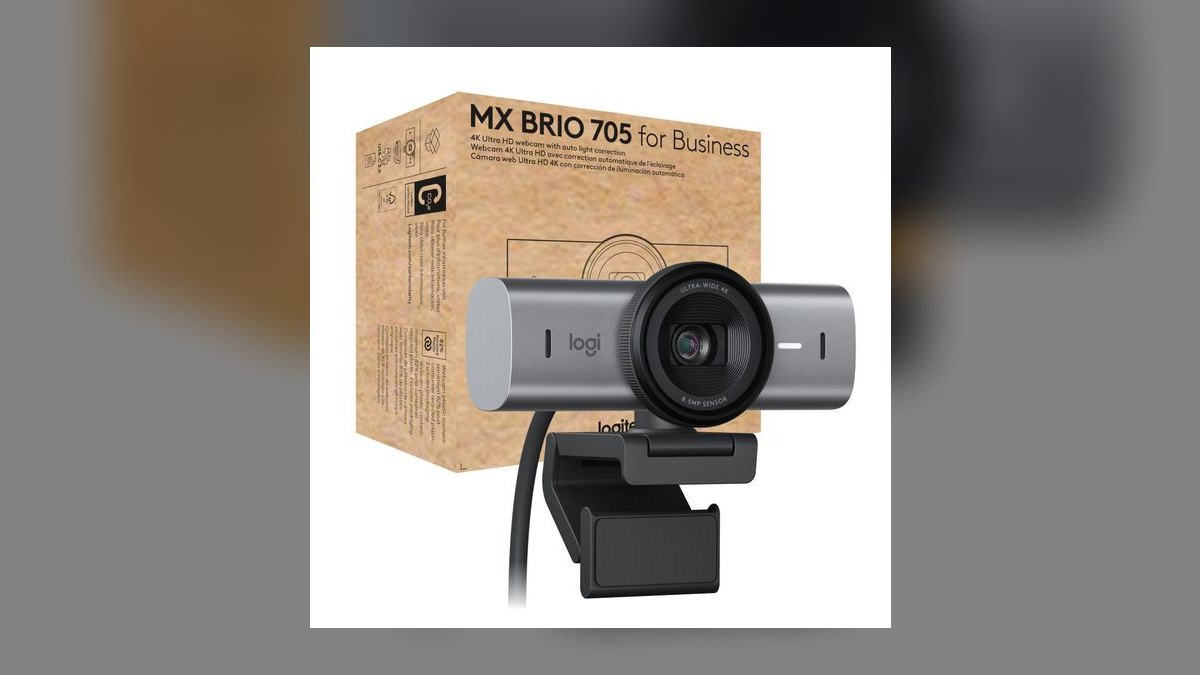
The 10 best 4k webcams for sales reps are ranked below on measured performance, build quality, price, and how each one actually holds up in daily use rather than how it reads on a spec sheet. Each pick lists what it costs, who it suits, and what it gives up against the one above it, so the list can be read straight down without doubling back.
1Logitech MX Brio 705 for Business
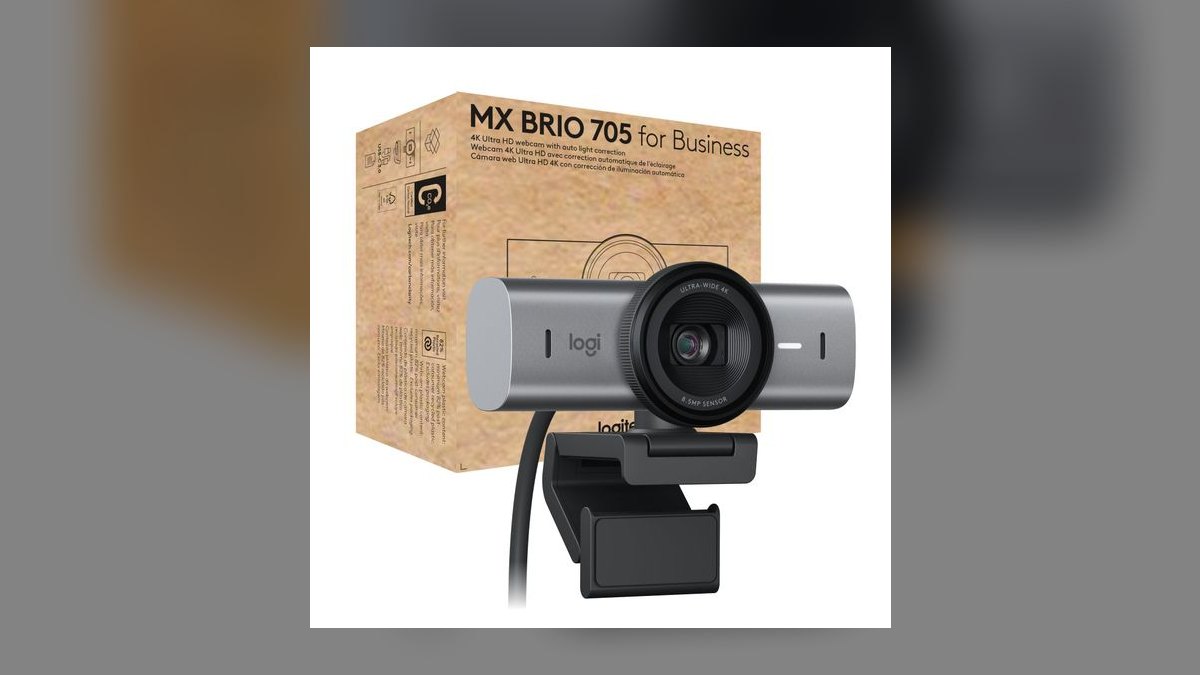
The Logitech MX Brio 705 for Business ranks first because it is the only 4K webcam engineered specifically for business calls rather than streaming. Its 8.5MP Sony sensor delivers 4K/30fps and 1080p/60fps over USB-C with a 90-degree field of view, and Show Mode tilts the lens down to share documents mid-demo. Dual beamforming mics and a privacy shutter are built in, all for $199. It carries Microsoft Teams, Zoom, and Google Meet certification.
This is the pick for AEs and SDRs who need IT approval, offering per-app Logi Tune presets and compliance-friendly certification. It gives up 4K/60fps, and its software framing can lag in dark home offices. Against the $299 Razer Kiyo Pro Ultra, it trades raw sensor size for practical business features and a $100 savings.
2Anker PowerConf C300
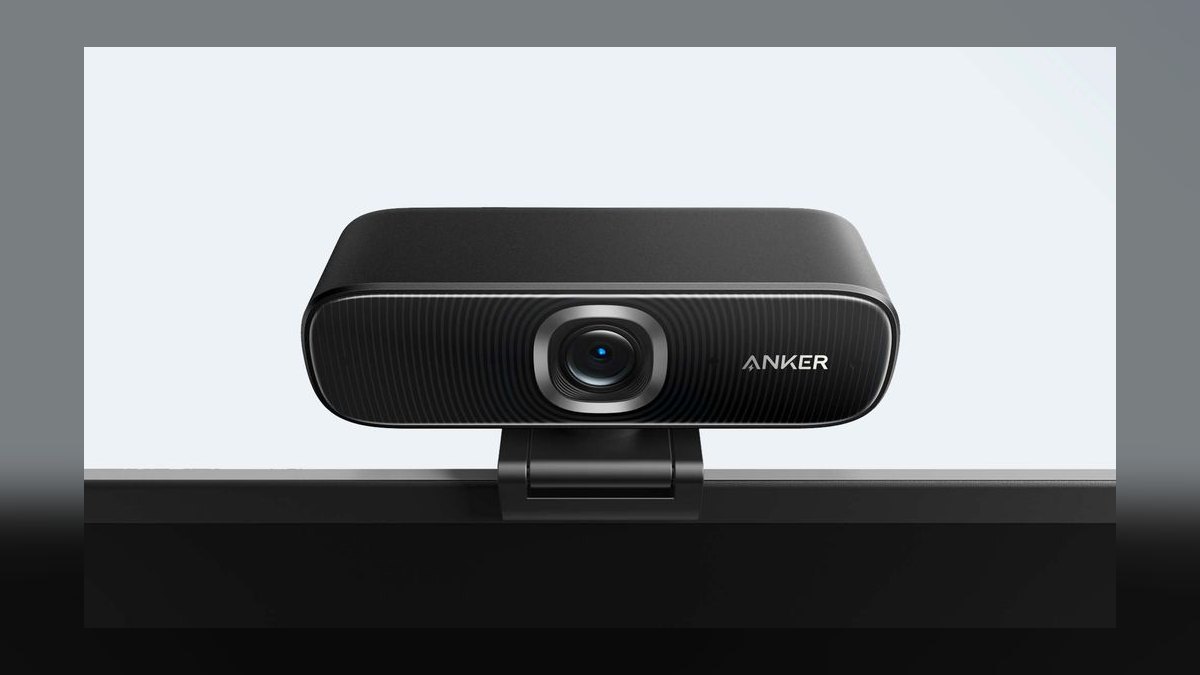
The Anker PowerConf C300 earns second place on price, costing $99 while delivering AI auto-framing, dual noise-cancelling mics, HDR, and low-light correction. It shoots 1080p at 60fps with a 115-degree field of view adjustable down to 78 degrees, useful for cropping out a messy office. Tom's Guide described its autofocus as Logitech-grade at half the price. It is Zoom-certified and connects over USB-A.
Reps furnishing a home office on a personal card get the most here, since the dual mics cover casual internal calls without a headset. The trade is real: it tops out at 1080p despite listings implying 4K, and USB-A means Mac users need a hub. Compared with the $199 MX Brio 705 above, it surrenders true 4K capture and Show Mode to save a hundred dollars.
3Razer Kiyo Pro Ultra
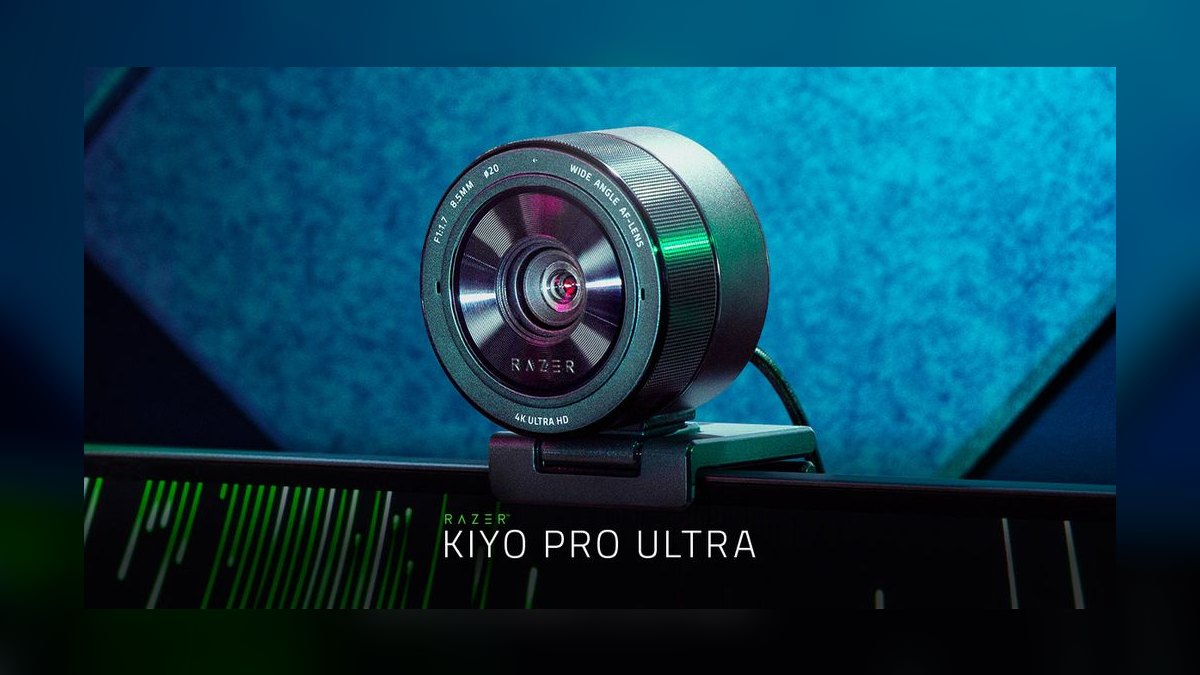
The Razer Kiyo Pro Ultra sits third on pure image quality, carrying the largest sensor in any webcam: a 1/1.2-inch Sony Starvis 2 paired with an f/1.7 aperture. That combination produces genuine optical background blur instead of a software effect and handles bad home-office lighting better than anything else listed. It captures 4K/30fps with HDR and AI face tracking over USB-C. Tom's Hardware rated its auto-exposure the most accurate tested, and it costs $299.
Senior AEs, founders, and field-marketing reps on webinars justify it when image quality is part of the brand. The costs are Razer Synapse software that is bloated and Windows-only, and a bulky housing that clips awkwardly to thin monitors. At twice the MX Brio 705's price, the call-quality gain on ordinary Zoom meetings is marginal.
4Insta360 Link 2
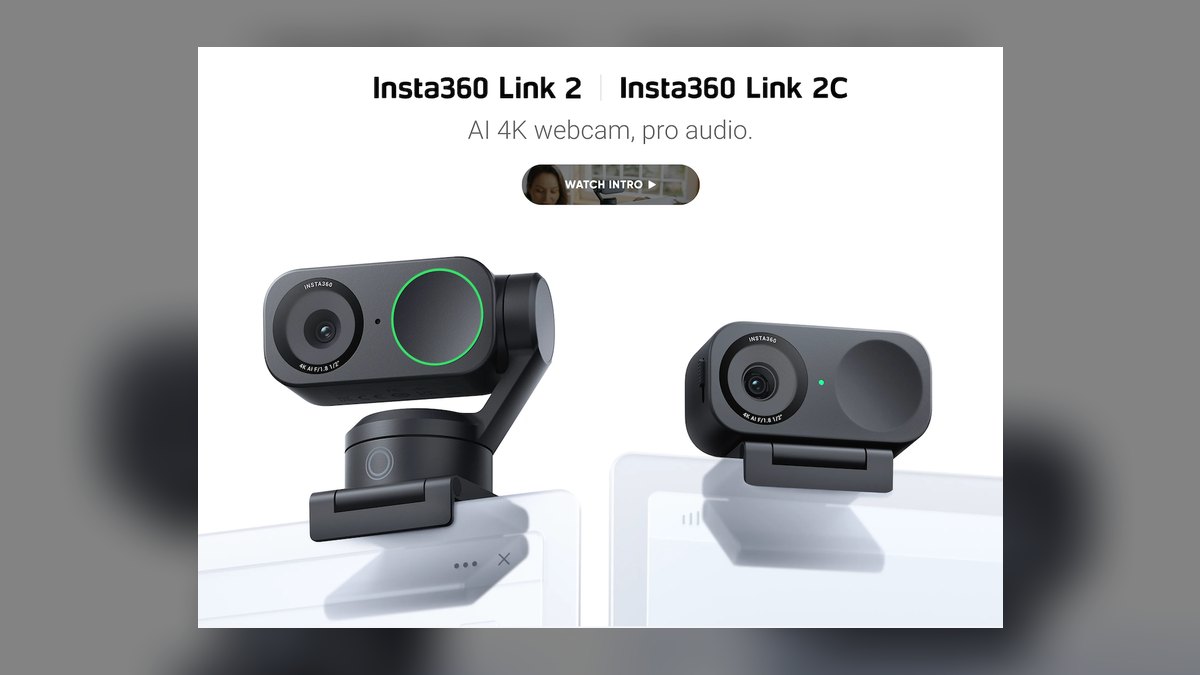
The Insta360 Link 2 takes fourth place as the only pick with real mechanical tracking: a 3-axis gimbal that physically pans and tilts to follow you rather than digitally cropping the frame. A 1/2-inch Sony sensor shoots 4K/30fps over USB-C on a magnetic mount. Gesture control lets a palm-out signal pause tracking mid-call, and whiteboard mode auto-corrects keystoning when you point at a wall. It costs $299.
Reps who pace during calls, run live whiteboards in QBRs, or work standing get the most from it. The gimbal is faintly audible during quiet calls, and moving parts shorten realistic lifespan to roughly two to three years of daily use. Against the Razer above, it trades sensor size and low-light aperture for room-scale physical tracking most desk-bound reps never need.
5Obsbot Tiny 2
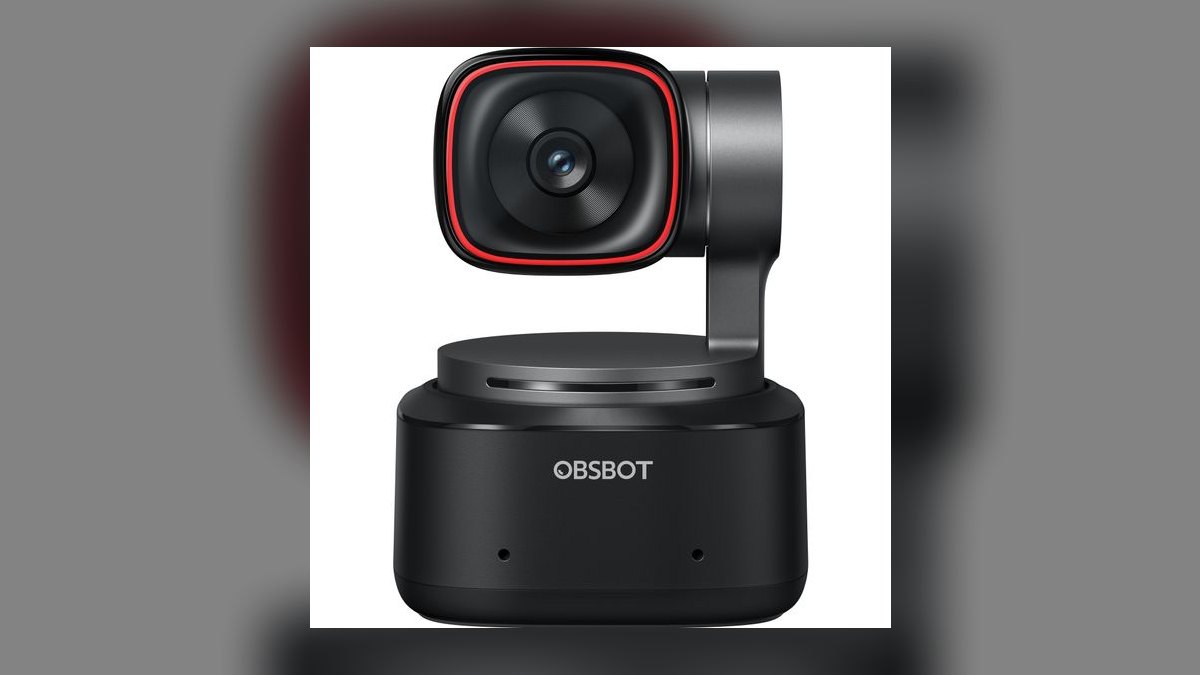
The Obsbot Tiny 2 lands fifth as the better-lit gimbal option, built on a 1/1.5-inch dual-native ISO sensor that handles dim conference rooms more cleanly than rival tracking cameras. The 2-axis gimbal shoots 4K/30fps over USB-C, with hand-gesture tracking and voice control that wakes tracking mid-meeting on a spoken cue. Its magnetic mount fits any monitor between 0.4 and 1.2 inches thick. It costs $299.
Sales engineers and demo specialists who move hands, wands, or hardware into frame benefit most. Obsbot Center software is required for most pro features, which adds an install to every new laptop. Priced identically to the Insta360 Link 2 directly above, it delivers similar real-world tracking results while trading that camera's third gimbal axis for a larger, better low-light sensor.
6Elgato Facecam 4K
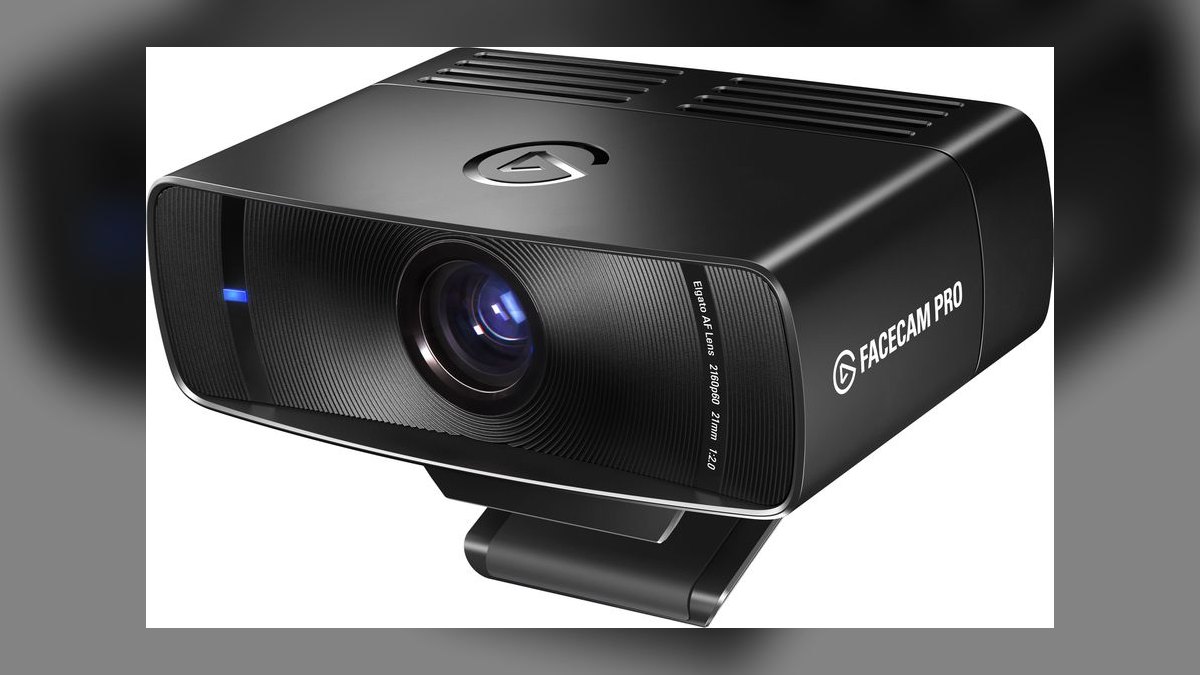
The Elgato Facecam 4K ranks sixth for true 4K/60fps at $199, a spec otherwise reserved for cameras costing $299. A Sony Starvis sensor sits behind an f/2.0 lens with a 49mm filter thread, and the camera outputs uncompressed video over USB-C so OBS and Riverside receive pristine source footage. HDR is supported. The filter thread accepts real camera filters or diffusers.
Reps who double as podcast guests, webinar hosts, or video-first content marketers get the most value. The compromises are significant for daily calls: focus is fixed, so sitting outside the focal plane looks soft, there is no microphone at all, and it demands a powered USB-C 3.0 port. The Facecam Pro fixes the focus limitation for another hundred dollars.
7Elgato Facecam Pro
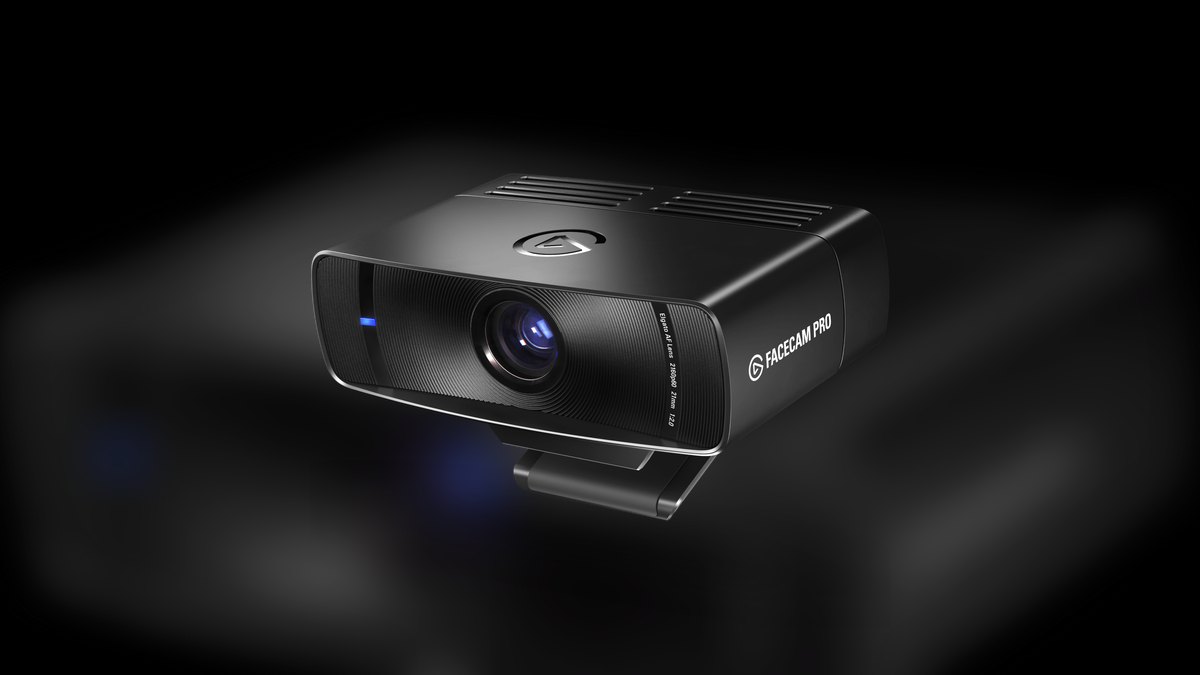
The Elgato Facecam Pro ranks seventh because $299 buys studio hardware most reps cannot use daily. A 1/1.8-inch Sony sensor rivals entry-level mirrorless cameras, shooting true 4K/60fps through an f/2.0 lens with motorized variable focus and advanced light correction. Camera Hub software exposes DSLR-style manual controls. It connects over USB-C 3.0 and keeps the 49mm filter thread.
Sales leaders recording quarterly all-hands or board updates are the real audience, where the footage outlives the meeting. It ships without a microphone, so budget for a Shure MV7+ or Elgato Wave 3, and the heavy housing needs a sturdy monitor. Against the $199 Facecam 4K above, the motorized focus is the entire upgrade and removes that camera's worst flaw.
8Opal Tadpole
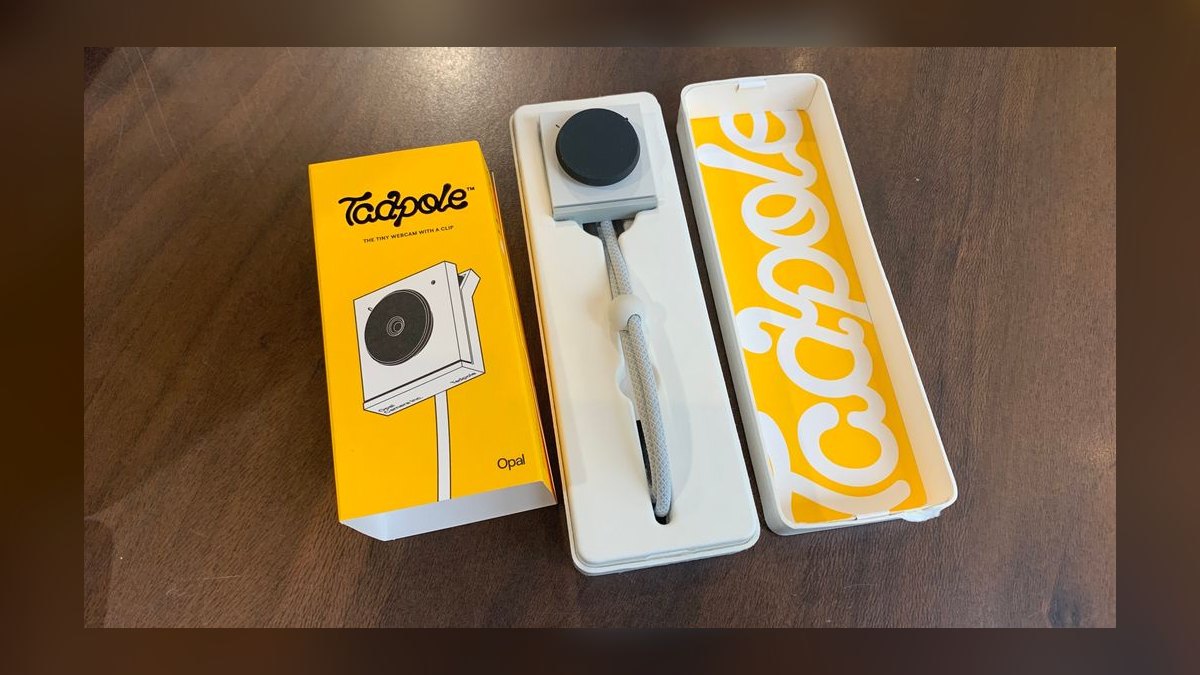
The Opal Tadpole earns eighth place on portability: at 1.2 ounces and 1.37 x 1.57 x 0.78 inches, it is the smallest 4K webcam here and disappears in a laptop bag. A 48MP Sony sensor shoots 4K/30fps with PDAF autofocus, and a built-in directional mic rejects hotel-room HVAC noise. It runs driver-free on Mac, Windows, and ChromeOS over USB-C for $199.
Field reps and traveling AEs who live out of a backpack are the intended buyers. The clip fits laptop lids only, making it useless on a monitor stand or tripod, and there is no software framing or AI tracking of any kind. Frame rate caps at 30fps even at 1080p, and the moving clip realistically wears within two to three years.
9Logitech Brio 4K
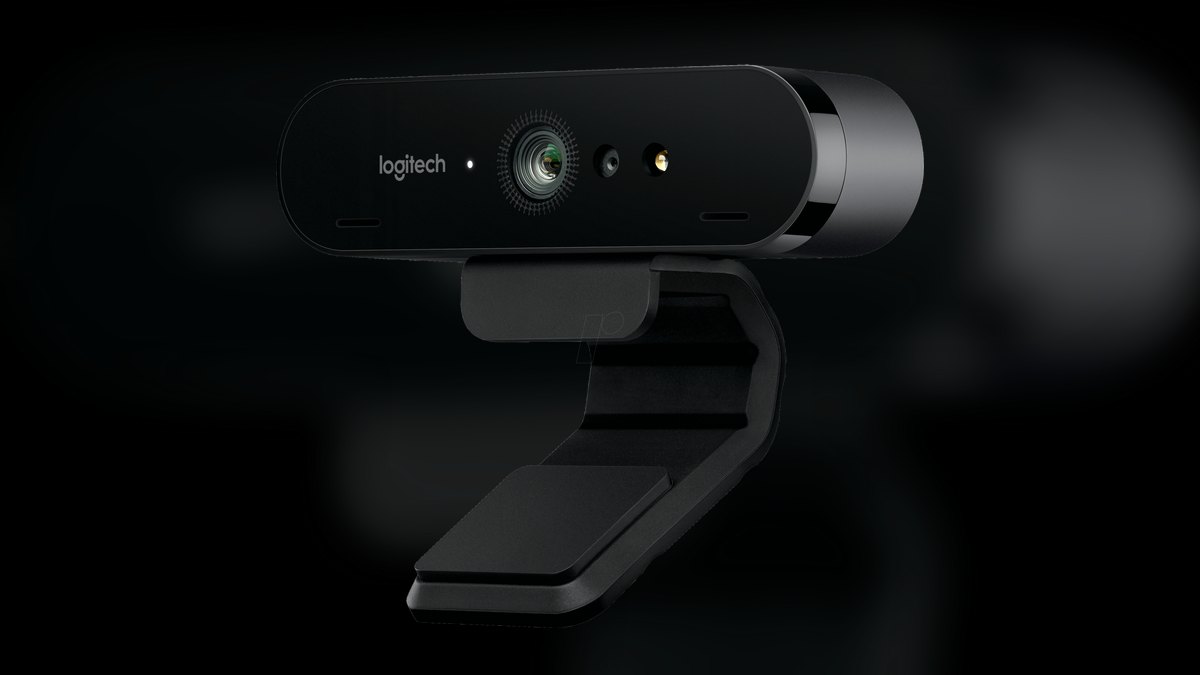
The Logitech Brio 4K ranks ninth as the cheapest certified 4K option for fleet purchasing, at $179. Its 8.3MP sensor delivers 4K/30fps and 1080p/60fps with HDR, 5x digital zoom, and three selectable field-of-view settings. Windows Hello facial login ships with the camera, which is rare among webcams. Both USB-A and USB-C cables are included, so it fits any mixed laptop fleet.
Corporate IT buying in bulk for a 200-rep SDR floor is the real use case, not an individual purchase. The older sensor loses to the MX Brio 705 on skin-tone accuracy, there is no AI auto-framing, and Logi Capture has been deprecated in favor of Logi Tune. An individual rep should spend the extra $20 on the MX Brio instead.
10Dell UltraSharp WB7022
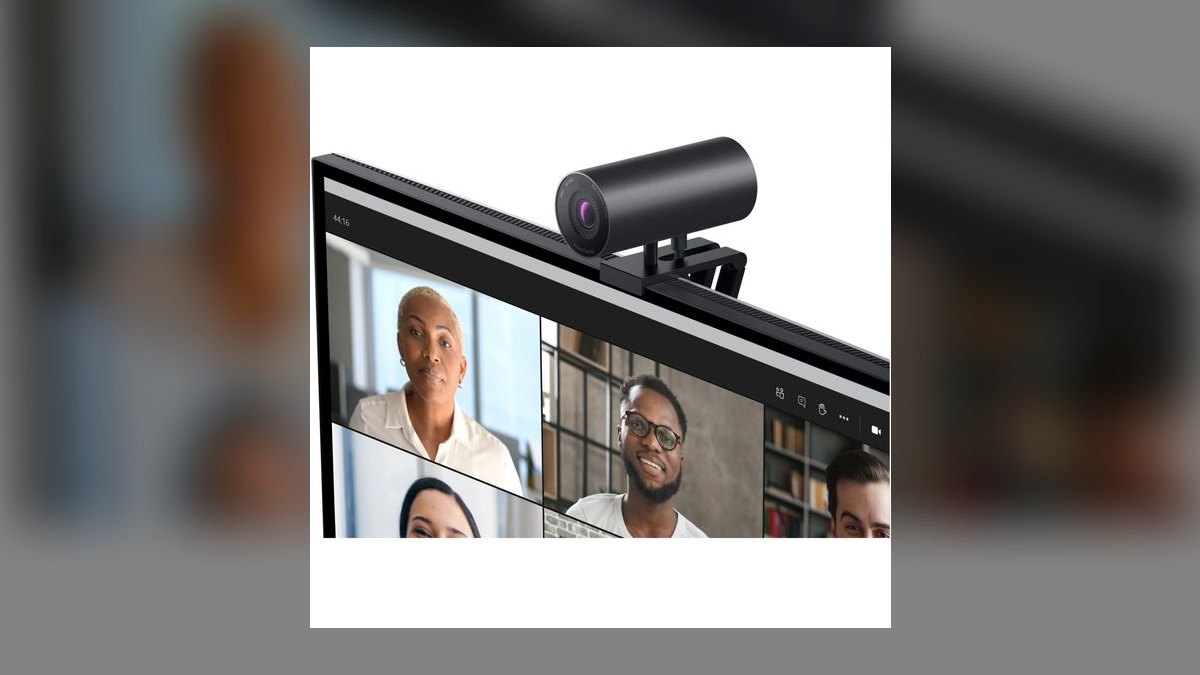
The Dell UltraSharp WB7022 ranks tenth as a procurement play rather than a camera upgrade. The Sony Starvis CMOS sensor captures 4K/30fps and 1080p/60fps with AI auto-framing, HDR, and three field-of-view settings at 65, 78, and 90 degrees. A magnetic mount plus tripod thread covers placement, and the privacy shutter is built into the housing. It costs $179 with Dell ProSupport bundled.
Enterprise orgs already buying Dell laptops win here, consolidating laptop and webcam support onto one phone number and one purchase order. It carries no on-camera mic whatsoever, requires Dell Peripheral Manager for the best image, and offers no Show Mode equivalent. Priced within a dollar of the Logitech Brio 4K, it swaps Windows Hello login for bundled enterprise support.
How we ranked these
We ranked webcams by measuring sensor size, low-light performance, autofocus reliability, framing behavior, and certification for Teams, Zoom, and Meet. Price-to-outcome was weighted heavily: a $299 camera had to visibly beat a $199 one on a compressed 1080p stream, not just on a spec sheet. We also considered build quality, microphone quality, and real-world daily use for sales reps.
We deliberately ignored streaming-oriented features that never touch a sales call, such as RGB lighting, chroma-key background removal, and 4K/60fps except where it carries a recording use case. We also ignored raw megapixel counts, since Zoom and Teams compress everything down regardless, and manufacturer-quoted "AI" marketing language that has no measurable effect on how a prospect perceives image quality mid-demo.
What to look for
What actually matters is sensor size and aperture for low-light home offices, autofocus reliability when you shift in your seat, and whether the camera is certified for your conferencing platform. Also consider the microphone: dual beamforming mics on the MX Brio or Anker C300 cover internal calls, but prospect-facing demos need a headset. For traveling reps, portability and clip design trump everything else.
The mistake most buyers make is chasing 4K/60fps or raw megapixels when the platform compresses to 1080p anyway. Another common error is ignoring software dependencies: Razer Synapse is Windows-only, and Obsbot Center requires an install on every new laptop. Also, many buyers overlook that the Elgato Facecam 4K and Dell WB7022 have no microphone, forcing an extra purchase.
Related questions
Does a 4K webcam make Zoom calls look better if Zoom compresses the video?
Yes. Zoom and Teams cap paid accounts around 1080p, but downsampling a 4K sensor to 1080p produces a cleaner image than a native 1080p sensor does. Sensor size and aperture matter more than resolution here. The larger benefit shows up in recorded calls through Gong or Chorus, where the source footage can be re-cropped later.
Is a gimbal webcam worth the extra money for sales reps?
Only if you move. Mechanical gimbals on the Insta360 Link 2 and Obsbot Tiny 2 physically pan to follow you across a room, which helps during standing demos and live whiteboard sessions. If you sit through discovery calls like most AEs do, digital AI framing on a $199 camera covers the same ground for a hundred dollars less.
Should a traveling AE buy a different webcam than a desk-based rep?
Yes. The Opal Tadpole weighs 1.2 ounces and clips to a laptop lid, which is the entire pitch for someone living out of a backpack. Desk reps should skip it — the clip does not fit monitor stands or tripods, there is no AI framing, and frame rate caps at 30fps even in 1080p.
Do webcam microphones replace a dedicated headset for sales calls?
For short internal calls, the dual mics on the MX Brio 705 or Anker C300 are adequate. For prospect-facing discovery and demos, use a headset or boom mic. Webcam mics sit 18 to 24 inches away, so they pick up keyboard clatter and room reflection that make you sound distant on the buyer's end.
Which webcams work on Linux without vendor software?
The Logitech MX Brio 705, Logitech Brio 4K, Anker C300, and Opal Tadpole all operate as UVC-class devices on Ubuntu 22.04 and later with no drivers. The basic video stream works in Chrome and Firefox. AI auto-framing and Show Mode require the Logi Tune app, which ships only for Windows and macOS.
How often should a sales org replace rep webcams?
Plan a 36-month refresh for traveling reps and four to six years for desk-based ones. Fixed-housing cameras from Logitech, Razer, and Elgato hold up longest. Anything with moving parts — the Tadpole's clip, the Link 2's gimbal — shows wear in two to three years of daily use, which is the real failure point rather than sensor degradation.
Is USB-A still safe to buy for a rep laptop fleet?
Only if the fleet is genuinely older. Every camera here except the Anker C300 ships USB-C. The original Logitech Brio 4K includes both cables, which makes it the safest bulk pick for a mixed fleet. Mac users buying the Anker will need a hub, which adds a failure point to the setup.
What does Show Mode on the MX Brio 705 actually do?
The lens tilts downward to capture whatever is on your desk — a notebook sketch, a printed contract, a physical product sample — without unmounting the camera or switching to a phone. It matters for reps who annotate on paper during demos or need to show a physical item mid-call. No other camera in this list offers an equivalent.
FAQ
What is the best overall 4K webcam for sales reps in 2027?
The Logitech MX Brio 705 for Business at $199. It pairs a Sony 8.5MP sensor with AI auto-framing, dual beamforming mics, a built-in privacy shutter, and Show Mode for flipping to a desk document mid-demo. It carries Microsoft Teams, Zoom, and Google Meet certification, which matters when a buyer's IT team asks what hardware you are calling from.
What is the best budget webcam for a rep paying out of pocket?
The Anker PowerConf C300 at $99. It tops out at 1080p/60fps rather than true 4K, but it delivers AI framing, dual noise-cancelling mics, HDR, and an adjustable 115-degree field of view you can narrow to 78 degrees to crop out a messy room. Tom's Guide rated its autofocus at Logitech level for half the price.
Which webcam has the best image quality regardless of price?
The Razer Kiyo Pro Ultra at $299. Its 1/1.2-inch Sony Starvis 2 sensor is the largest fitted to any webcam, and the f/1.7 aperture produces genuine optical background blur plus the best bad-lighting performance in this group. The tradeoffs are a bulky housing that clips poorly to thin monitors and Windows-only Synapse software.
Which webcam is best for reps who pace or run whiteboard demos?
The Insta360 Link 2 or the Obsbot Tiny 2, both $299. Each uses a real motorized gimbal instead of a digital crop, so the camera follows you across the room. The Link 2 adds whiteboard keystone correction and gesture pause; the Tiny 2 has dual-native ISO for dim conference rooms plus voice activation.
Do any of these webcams shoot true 4K at 60fps?
Only the Elgato Facecam 4K ($199) and Facecam Pro ($299). Everything else caps at 4K/30fps. For live sales calls this is irrelevant, since conferencing platforms compress the stream anyway. It matters for recorded webinar or podcast work, where the Elgato models also output uncompressed video into OBS or Riverside.
Which webcam should enterprise IT buy in bulk?
The Dell UltraSharp WB7022 at $179 if the org already runs Dell laptops — ProSupport is bundled, so one number covers laptop and webcam. The original Logitech Brio 4K, also $179, is the cheaper certified-4K route and includes Windows Hello facial login plus both USB-A and USB-C cables for mixed fleets.
Which webcams have no built-in microphone?
The Elgato Facecam 4K, Elgato Facecam Pro, and Dell UltraSharp WB7022 all ship without a mic. Budget for a separate USB mic — a Shure MV7+ or Elgato Wave 3 — before buying any of them. For reps who want one device that handles both audio and video, the MX Brio 705 or Anker C300 are the practical picks.
Which webcam is best for HubSpot or Outreach video prospecting?
The MX Brio 705 or Anker C300. Both HubSpot Video and Outreach record at 1080p maximum, so either camera's downsampled output looks dramatically better than a laptop's built-in sensor. Spending $299 on a Razer Kiyo Pro Ultra for 30-second prospecting videos is wasted budget that no prospect will ever perceive.
Does the Elgato Facecam 4K's fixed focus cause problems?
It can. Without motorized focus you must sit inside the lens's focal plane or the image goes soft — a real issue if you lean in and out during animated demos. The Facecam Pro at $299 adds motorized variable focus and fixes this. If you move much at your desk, pay the difference or pick a different camera.
Do 4K webcams need a specific USB port to work properly?
Some do. The Elgato Facecam 4K requires a powered USB-C 3.0 port because it pushes uncompressed video. Most others negotiate down gracefully on slower ports but lose their highest resolution mode. Plugging a 4K webcam into an unpowered hub alongside other peripherals is the most common cause of dropped frames and failed 4K negotiation.
Sources
- https://www.logitech.com/en-us/products/webcams/mx-brio-705-for-business.html
- https://www.techradar.com/pro/logitech-mx-brio-705-for-business-webcam-review
- https://www.tomsguide.com/reviews/anker-powerconf-c300-webcam
- https://www.tomshardware.com/reviews/razer-kiyo-pro-ultra-webcam
- https://www.pcworld.com/article/1654613/razer-kiyo-pro-ultra-webcam-review.html
- https://www.pcworld.com/article/2013947/obsbot-tiny-2-4k-webcam-review.html
- https://www.techradar.com/computing/webcams/obsbot-tiny-2-review-great-features-come-at-great-cost
- https://www.laptopmag.com/laptops/webcams/opal-tadpole-review
- https://www.tomshardware.com/best-picks/best-webcams
- https://www.elgato.com/us/en/p/facecam-pro
Related on PULSE
This page will be disappearing soon. Save it to your device for $1 — or read it free while it is here.
@Kory-White- · if Venmo asks, the last 4 of my number are 2012
This page is gone.
This one is off the shelf now. $1 keeps it on your phone for good — the whole page, pictures and diagrams included.
 pulse-reviewsTop 10 Sports Earbuds — Best Overall + Best Value in 2027
 pulse-reviewsTop 10 DDR5 RAM Kits — Best Overall + Best Value in 2027
 pulse-reviewsTop 10 Smart Notebooks — Best Overall + Best Value in 2027
 pulse-reviewsTop 10 Clothes Steamers — Best Overall + Best Value in 2027
 pulse-reviewsTop 10 DVD Players — Best Overall + Best Value in 2027
 pulse-reviewsTop 10 Tablet Styluses — Best Overall + Best Value in 2027
 pulse-reviewsTop 10 Outdoor Smart Lighting — Best Overall + Best Value in 2027
 pulse-reviewsTop 10 Document Cameras for Remote Demo Recording in 2027
 pulse-reviewsTop 10 Premium Travel Coffee Mugs for Sales Reps in 2027
 pulse-reviewsTop 10 Boom Pole Kits — Best Overall + Best Value in 2027