


Top 10 Noise-Cancelling Headsets for Outbound Calls in 2027
Quality
Certified
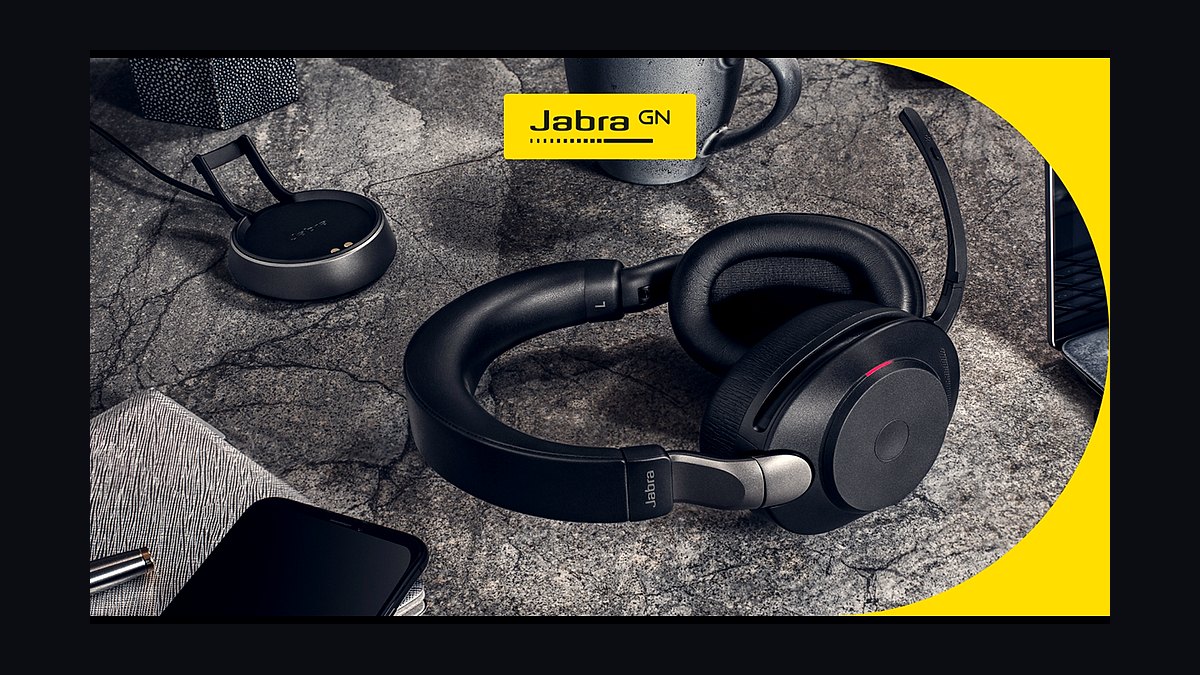
The 10 best noise-cancelling headsets for outbound calls are ranked below on measured performance, build quality, price, and how each one actually holds up in daily use rather than how it reads on a spec sheet. Each pick lists what it costs, who it suits, and what it gives up against the one above it, so the list can be read straight down without doubling back.
1Jabra Evolve2 75
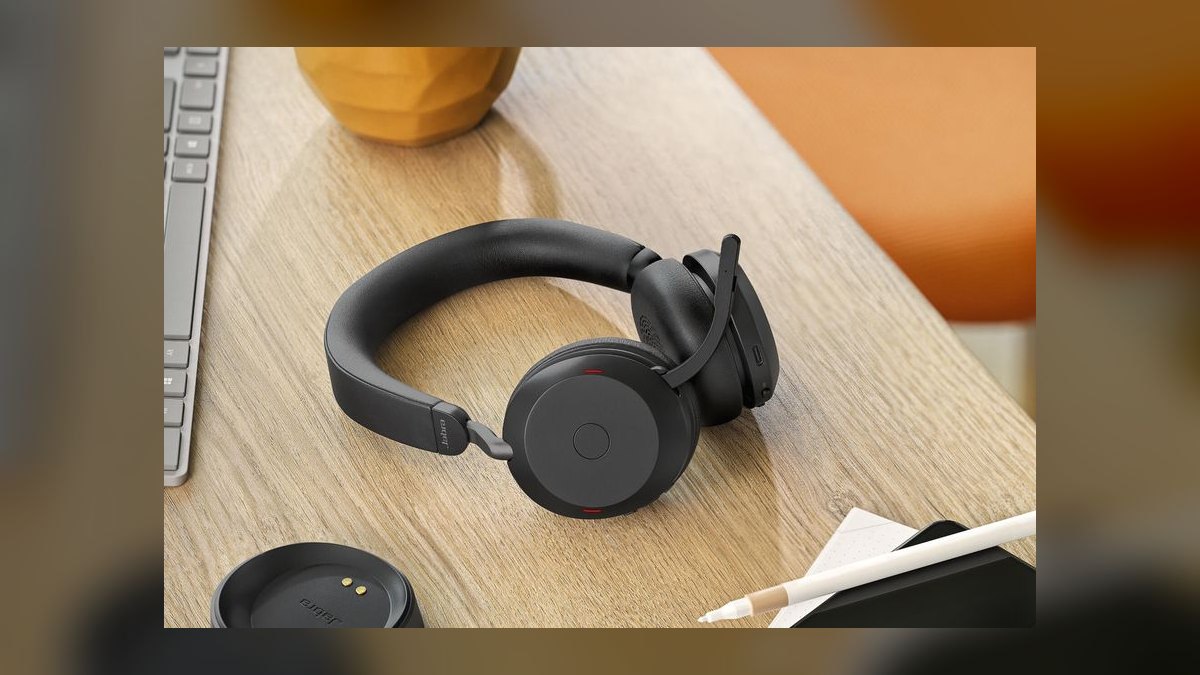
It ranks first because no other headset on this list pairs eight beamforming mics with advanced hybrid ANC and a busylight at once. Battery runs 36 hours with ANC off and 24 hours with ANC on, enough for a double shift without a charger. The Jabra Link 380 dongle ships in USB-A or USB-C. It carries Microsoft Teams, Zoom, and Google Meet certification with working hardware call controls.
This is built for full-time outbound reps making 60+ dials a day, and for IT teams that want Jabra Direct and Sound+ fleet management. You trade $389 — the top of this market — plus a dongle dependency for lowest-latency Bluetooth on Windows, and cushions that wear after about 18 months at $35 a set. Against the $169 Poly Voyager 4320 UC below, you pay more than double for speaker ANC and the busylight.
2Poly Voyager 4320 UC
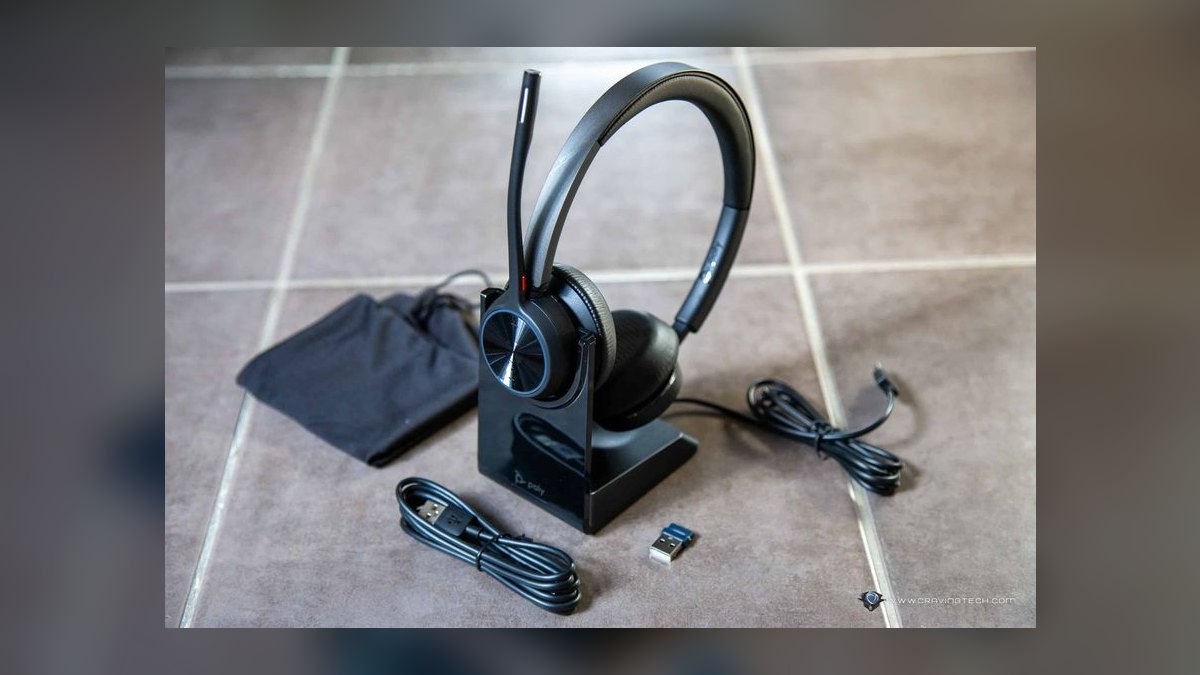
It ranks second on price-to-mic-quality: $169 buys a boom mic that competes with headsets twice the cost. Acoustic Fence technology rejects sound outside roughly a 24-inch voice zone around your mouth. Talk time reaches 24 hours, matching the Evolve2 75's ANC-on figure at less than half the price. Multipoint pairs two devices, and the whole thing weighs 169 grams over Bluetooth 5.1.
Buy this for SDR floors of 20 or more, where per-seat cost compounds across the whole team. What you give up is real: no ANC on the speakers at all, only on the mic, plus a plastic build and no busylight. Compared with the Jabra Evolve2 75 above, you keep the mic performance and the battery but lose the ambient-noise blocking and the shoulder-tap deterrent.
3Poly Voyager Focus 2 UC
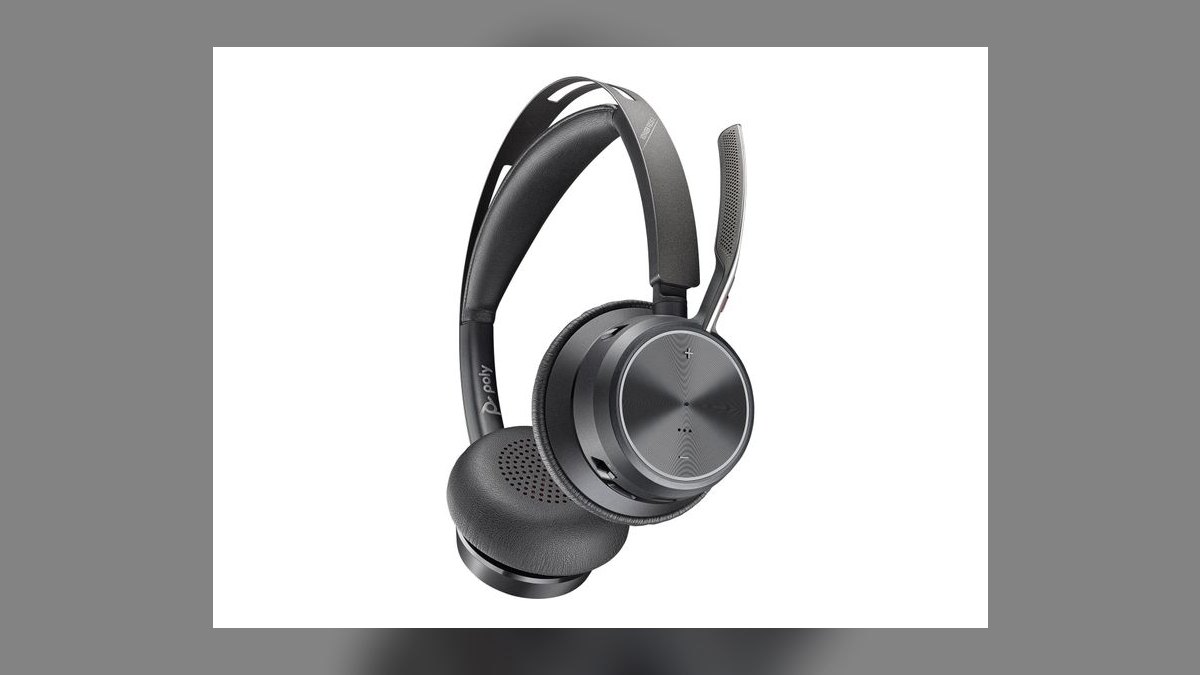
It ranks third for mic engineering in unpredictable environments: Acoustic Fence plus WindSmart makes it the best of this group at killing wind noise outdoors. Hybrid ANC runs at three selectable levels rather than a single on/off. Talk time is 19 hours over Bluetooth 5.1, with USB-A or USB-C dongle options. The boom mic stows flush against the headband between calls. Price is $299, Teams certified.
This suits hybrid AEs bouncing between coffee shops, airports, and a home office in one day. The trade-offs are a 19-hour battery that trails the Evolve2 75 by five hours, no busylight, and a stowed boom mic that does not auto-mute — a genuine daily annoyance. Versus the $169 Voyager 4320 UC above it, the $130 premium buys speaker ANC and wind rejection, not better core mic clarity.
4EPOS Adapt 660
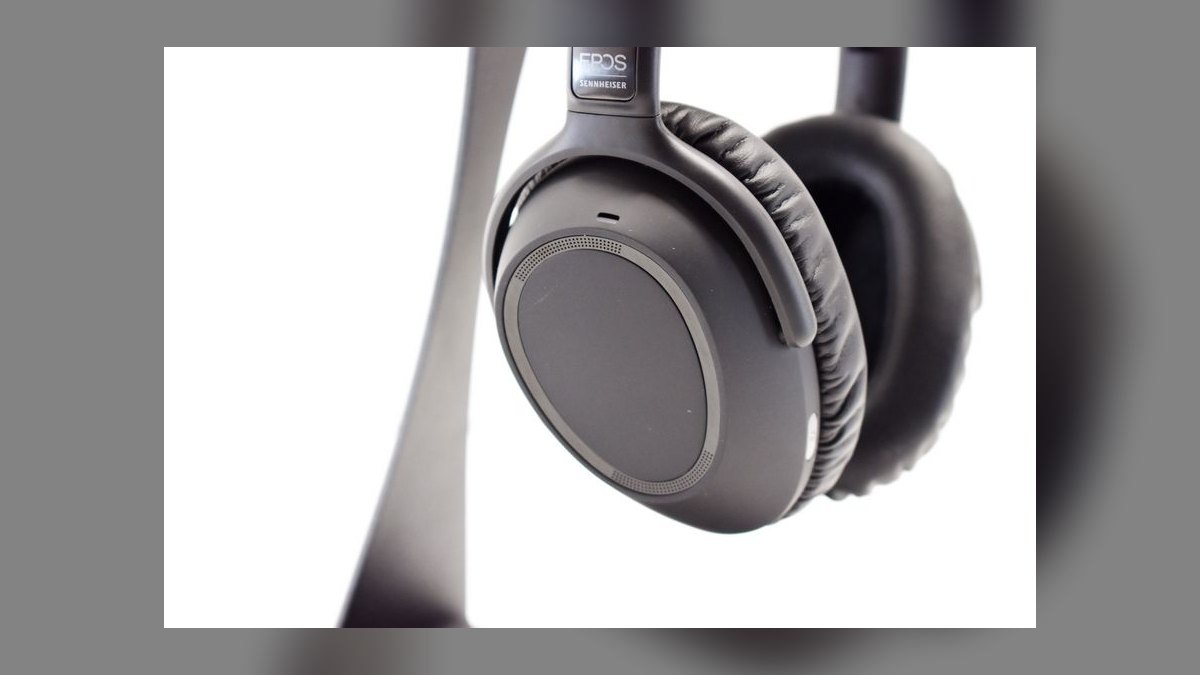
It ranks fourth because it is the only pick here with genuinely good music audio alongside business-grade calls. Adaptive hybrid ANC retunes to ambient noise without manual level changes, backed by EPOS BrainAdapt and a three-mic AI system. Battery lasts 30 hours, the longest ANC runtime on this list. It folds for a carry-on, pairs two devices over Bluetooth 5.0, and costs $319 Teams certified.
Field-sales AEs who fly weekly get the most from it — one headset covers calls, flights, and music. The cost is call clarity: there is no boom mic, only an inline array, which trails the Evolve2 75 in voice tests, and headband padding is thinner than Jabra's. Against the Voyager Focus 2 UC above, you gain 11 hours of battery and travel packability but lose the WindSmart boom.
5Logitech Zone Wireless 2
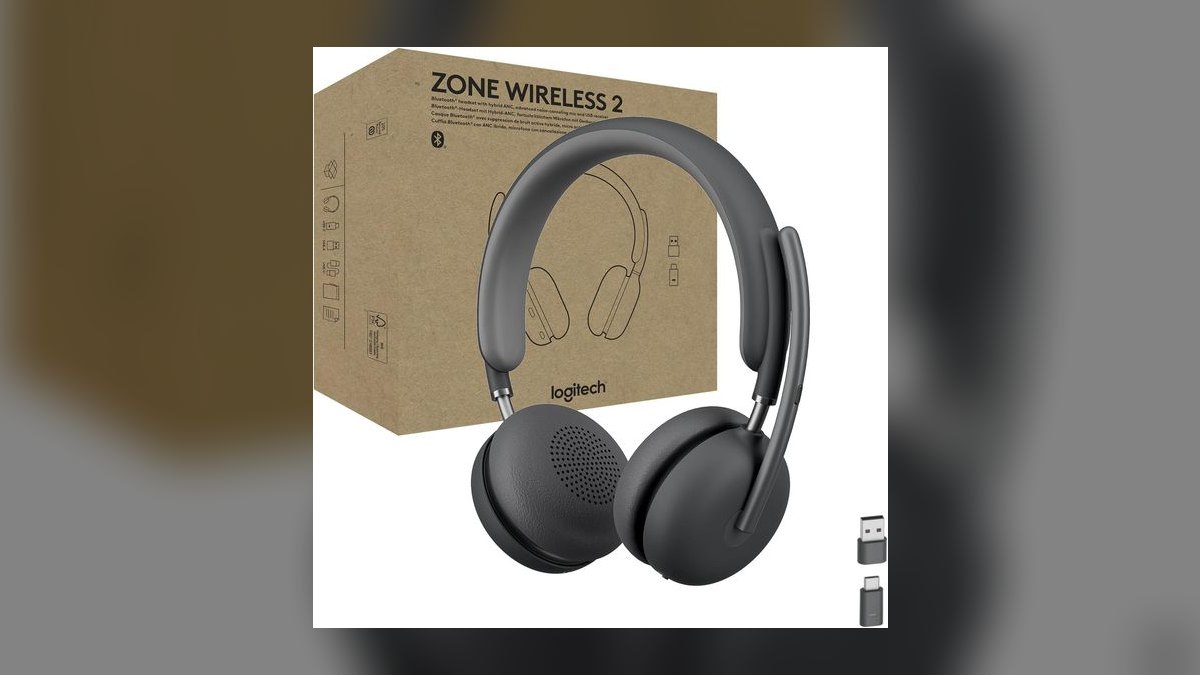
It ranks fifth on fleet manageability rather than raw performance: Logi Tune pushes firmware and call settings across an entire deployment centrally. AI-powered noise suppression measures up against Jabra and Poly, and the headset weighs just 145 grams over Bluetooth 5.2. Hybrid ANC and a noise-cancelling boom mic come standard, with USB-A or USB-C dongles. It runs $299 with Teams and Zoom certification.
This is the pick for IT departments already standardized on Logitech webcams and conference-room gear, where one management console matters. The compromises are a 15-hour ANC battery — the weakest of the premium tier — a shorter boom that picks up keyboard clatter, and no busylight. Compared with the $319 EPOS Adapt 660 above, you halve the runtime but gain an actual boom mic and central fleet control.
6Bose 700 UC
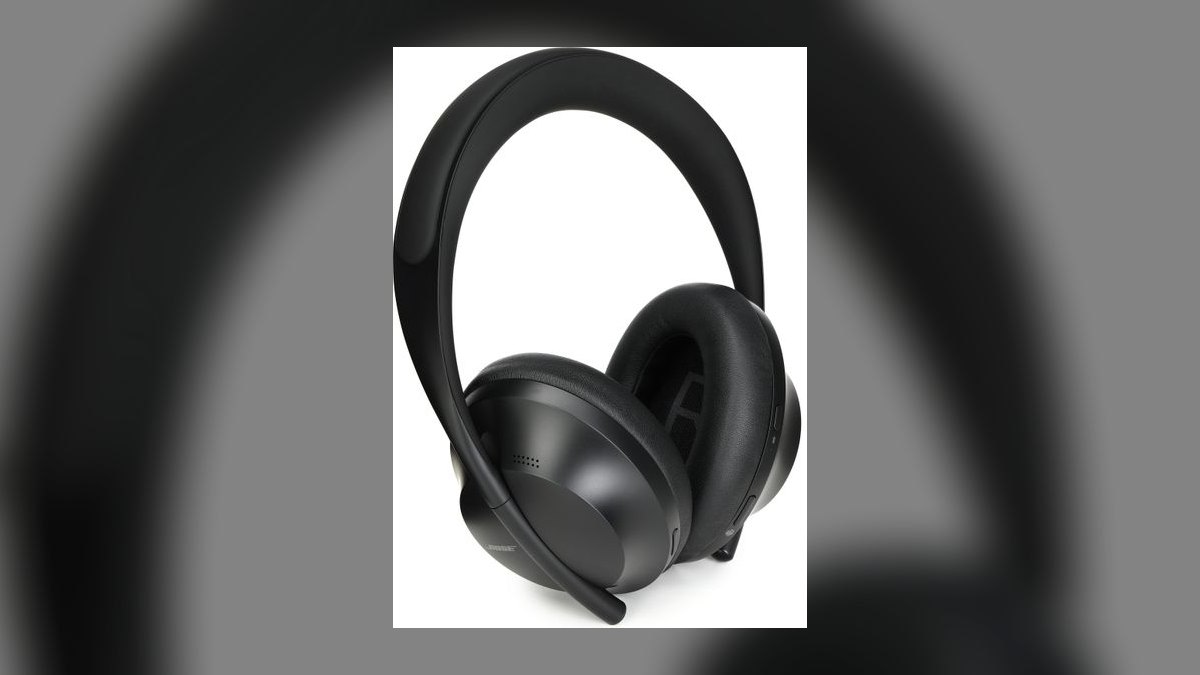
It ranks sixth because its strength is one-sided: speaker noise cancellation is best-in-class here, with 11 adaptive ANC levels — the most granular on the market — while the mic trails Poly and Jabra. An eight-mic system, touch-strip controls, and Bluetooth 5.0 with a USB-A dongle round it out. Battery runs 20 hours. At $499 it is the most expensive headset on this list.
It fits account execs whose home office backs onto a kitchen, daycare, or construction site, where hearing the prospect is the actual problem. You pay $200 over the Evolve2 75 and get worse mic clarity in side-by-side tests, a shorter battery than $300 rivals, and no busylight. Against the Logitech Zone Wireless 2 above, the build and ANC are better; the call-side performance is not.
7Shokz OpenComm2 UC
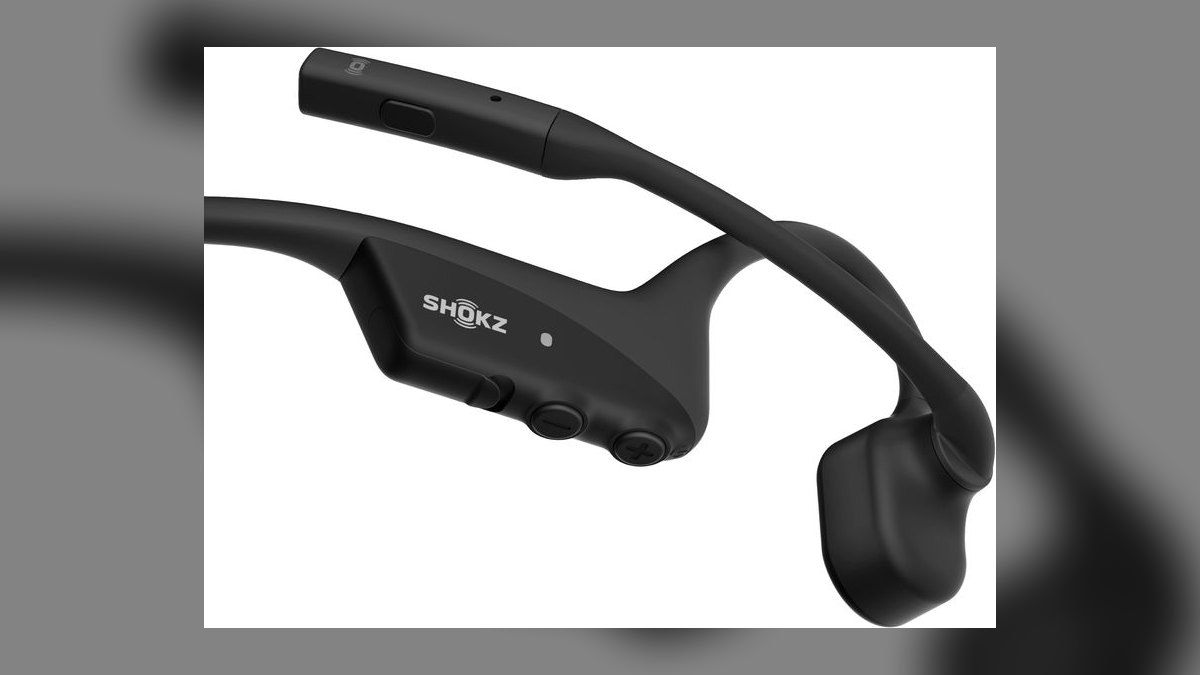
It ranks seventh as the specialist answer to ear pressure: bone-conduction speakers leave the ear canals fully open. The headset weighs 35 grams, the lightest here by a wide margin, and its noise-cancelling boom mic rivals over-ear models for clarity. Talk time is 16 hours with a 98-foot Bluetooth range and a USB-A dongle. The 2025 refresh moved charging to USB-C. Price is $199, Teams certified.
Reps with ear-pressure intolerance, hearing-aid users, and open-office coaches who need ambient awareness are the real audience. The trade is total: there is no ANC whatsoever, speaker quality is adequate for voice and weak for music, and bone conduction tickles for the first week. Next to the Bose 700 UC above, it is the exact inverse — maximum awareness instead of maximum isolation, at $300 less.
8Jabra Evolve2 65
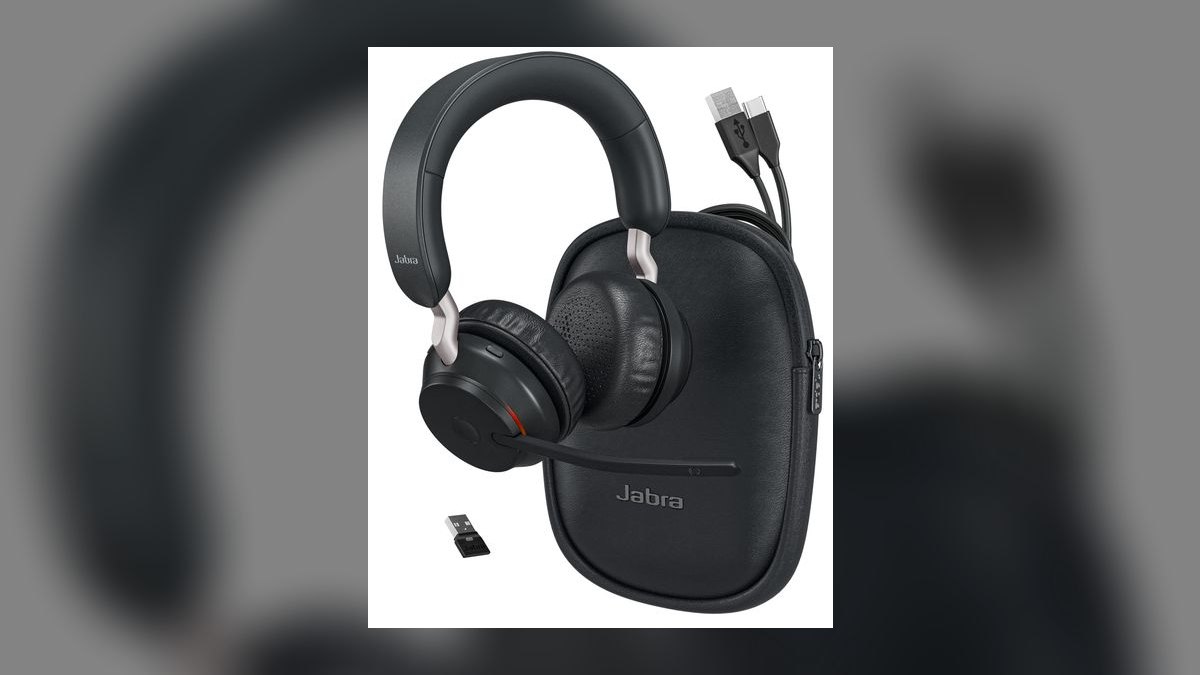
It ranks eighth because it keeps the Jabra ecosystem and busylight but drops active noise cancellation entirely, relying on passive isolation. The three-mic array is competent yet trails the eight-mic Evolve2 75 in side-by-side voice tests. Battery reaches 37 hours — longer than the flagship precisely because there is no ANC drain. Bluetooth 5.0, USB-A or USB-C dongle, Teams certified, $299.
This makes sense for reps in quiet home offices who want Jabra Direct management and the busylight without paying for ANC they will never switch on. What you forfeit is any speaker-side noise blocking, which rules out open floors and shared spaces. Against the Shokz OpenComm2 UC above, it costs $100 more and adds passive sealing plus the busylight, but weighs far more on the head.
9EPOS Impact 1060T
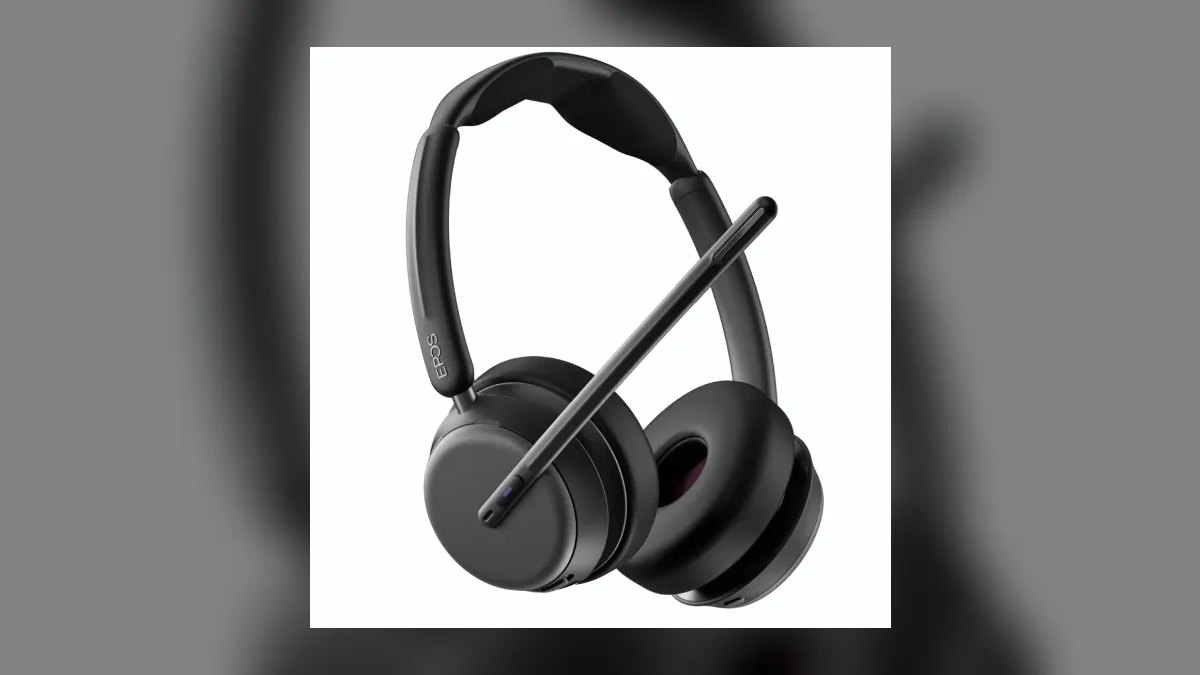
It ranks ninth because its distinguishing feature is a retractable boom mic that stays out of the camera frame on video calls. EPOS AI BrainAdapt handles background-noise suppression, with a three-mic system, hybrid adaptive ANC, and a metal headband. Battery runs 27 hours over Bluetooth 5.2 with a USB-C dongle. It costs $339, Teams certified, in a dual-ear configuration.
Sales reps in regulated verticals — med-tech, life sciences, financial services — where recorded calls are auditable get the clearest benefit. The drawbacks are no busylight, a mid-pack 27-hour battery for the money, and a $339 price that edges toward Bose 700 UC territory. Compared with the $299 Evolve2 65 above, you gain real adaptive ANC and a cleaner video profile but lose the busylight and 10 hours of runtime.
10Yealink WH63
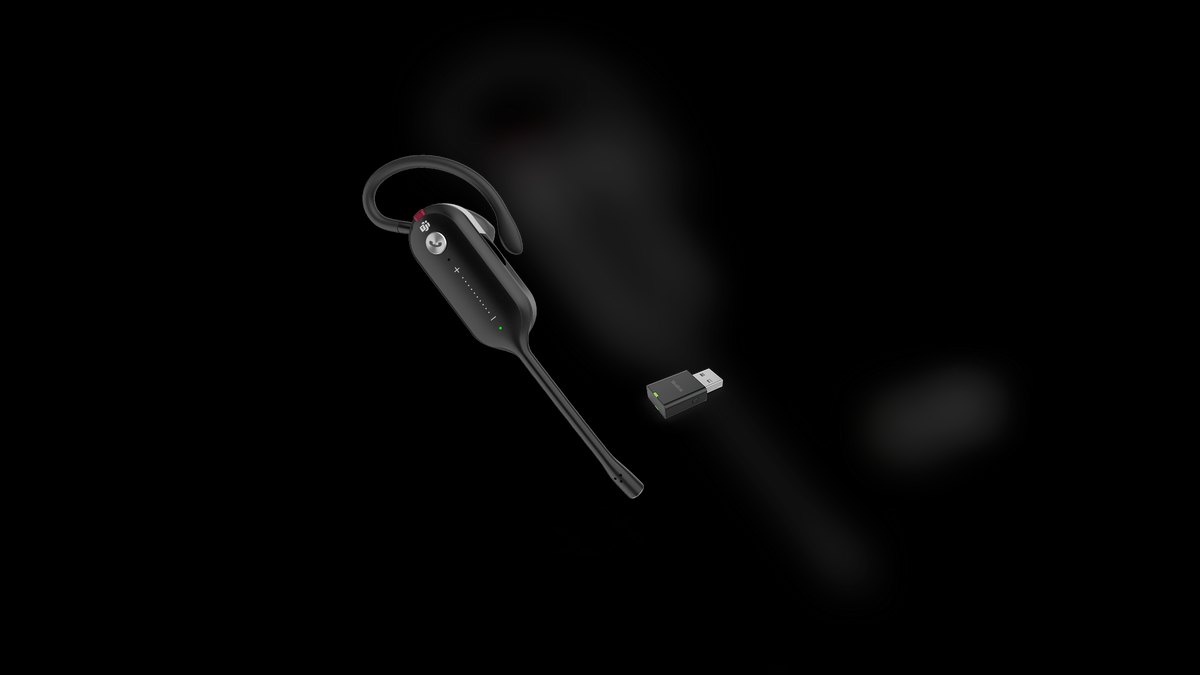
It ranks tenth because it solves a narrow problem: DECT wireless with a 525-foot range and a dedicated base station instead of Bluetooth pairing. The base carries physical answer and end buttons, and the headset uses a noise-cancelling boom mic. Talk time is 14 hours, the shortest on this list. It is Teams certified and sells for $219 through Yealink, IPPhone Warehouse, and CDW.
In-office BDR teams running classic deskphone plus softphone stacks — RingCentral, 8x8, Five9 — are the fit here. The limits are severe for anyone else: the base is mandatory, so traveling reps cannot use it, there is no ANC, and 14 hours barely covers a shift. Against the EPOS Impact 1060T above, it costs $120 less and drops every premium feature except the boom mic and range.
How we ranked these
We weighted three things heaviest: transmit-side mic performance (boom geometry, beamforming array count, and how well each unit rejected keyboard clatter and a neighboring rep at 24 inches), battery under ANC load against a real 8-hour dialing shift, and dongle-based call quality inside Outreach, Salesloft, and Aircall. Teams and Zoom certification, fleet-management software, and busylight presence carried secondary weight. Price entered only as cost per seat.
We deliberately ignored music fidelity, spatial audio, and consumer review scores — a headset that sounds gorgeous on a playlist can still ship your voice to a prospect thin and compressed. We also ignored manufacturer noise-cancellation marketing numbers, since no vendor publishes a comparable test method. Color options, case design, and touch-gesture controls were excluded; reps use hardware answer and mute buttons on live calls.
What to look for
Decide first whether your noise problem is inbound or outbound. If you can't hear the prospect, buy speaker ANC — the Bose 700 UC's eleven levels or the Adapt 660's adaptive tuning. If the prospect can't hear you over the floor, buy mic geometry: the Evolve2 75's eight beamforming mics or the Voyager 4320's Acoustic Fence boom. Those are different products solving different complaints.
The common mistake is buying by headline ANC rating and skipping the dongle. Reps pair to native Windows Bluetooth, land on the HFP codec, and every call sounds compressed regardless of which $400 headset they bought. The second mistake is per-seat math: a 20-rep floor that buys the Evolve2 75 spends $4,400 more than the Voyager 4320 for gains most reps never hear on a dial.
Related questions
Does the dongle really improve call quality over native Bluetooth?
Yes. Windows native Bluetooth falls back to the Hands-Free Profile codec on calls, which compresses voice hard and adds latency. The Jabra Link 380, Poly BT700, and EPOS BTD 800 dongles run proprietary codecs that cut roughly 40-60ms of delay and keep both directions clearer. For dialer software like Outreach, Salesloft, or Aircall, treat the dongle as mandatory.
How many mics does a sales headset actually need?
More mics help mostly when your head moves. The Evolve2 75's eight-mic beamforming array holds your voice steady as you turn toward a monitor, while three-mic systems like the Evolve2 65 dip slightly off-axis. A single well-placed boom, as on the Voyager 4320, often beats a larger array because proximity to your mouth matters more than count.
Is bone conduction viable for full-time outbound dialing?
For reps with ear-pressure intolerance or hearing aids, yes. The Shokz OpenComm2 UC weighs 35 grams, runs 16 hours, and its boom mic rivals over-ear units. The trade-off is real: no ANC at all, so a loud floor reaches your ears unimpeded. It suits open-office coaches who need ambient awareness, not reps fighting background noise.
Should a 20-seat SDR floor standardize on one headset model?
Usually yes, for support reasons. One model means one firmware baseline, one dongle SKU, one spare-parts bin, and one set of Jabra Direct or Logi Tune policies. The exception is role-based splitting: desk-bound BDRs do fine on the DECT Yealink WH63 at $219, while travelling AEs need the foldable, 30-hour EPOS Adapt 660.
Why does DECT still exist when Bluetooth is everywhere?
Range and reliability. The Yealink WH63 covers 525 feet and connects to a dedicated base rather than competing for crowded 2.4GHz airspace, so it doesn't drop when forty reps pair simultaneously. The base also gives you a physical answer and end button. The cost is portability — without its base, a DECT headset is useless on the road.
What breaks first on a daily-use sales headset?
Ear cushions, first and predictably. Expect replacement at 12-18 months on an eight-hour daily rotation; Jabra cushions run about $35. Batteries follow, losing roughly 20-30% of capacity by year three. Headbands and mic booms usually survive the full 3-4 year life. Budget a 36-month refresh cycle and keep spare cushions in stock.
Do busylights actually reduce interruptions on a sales floor?
They help on shared floors. The Evolve2 75 and Evolve2 65 both auto-toggle a light when a call connects, which cuts shoulder-taps without requiring anyone to check a calendar. Most competitors here — the Voyager Focus 2, Zone Wireless 2, Adapt 660, and Impact 1060T — ship without one, so it is a genuine differentiator.
FAQ
Are AirPods Pro or Sony XM5 acceptable for prospect calls?
For internal standups and listening, they're fine. For prospect-facing outbound, no. Consumer earbuds and headphones use lower-quality mic codecs and lack boom geometry, so the AirPods Pro mic sits far from your mouth and pulls in the room. Business-certified gear with a proper boom keeps revenue calls clean. Save the consumer pair for focus time.
Does Microsoft Teams or Zoom certification actually matter?
Yes, for two practical reasons. Certified headsets get firmware synced to Teams and Zoom releases, so answer, mute, and hang-up buttons keep working after platform updates. IT also frequently requires certification for compliance and warranty coverage. If Teams is your primary phone system, treat certification as a hard filter rather than a nice-to-have.
Should outbound reps buy mono or stereo headsets?
Stereo, with mono-call mode enabled. Dual cushions seal better, which improves passive noise blocking before ANC even engages, and software lets you drop to one ear when you need to hear the floor. Pure mono headsets are a legacy call-center format; every pick on this list except the open-ear Shokz is dual-ear.
Which pick handles a loud open office best?
Split the question. If you can't hear the prospect, the Bose 700 UC's eleven-level adaptive ANC leads the field. If the prospect can't hear you, the Jabra Evolve2 75's eight-mic array leads. Buying one headset for a loud floor? Take the Jabra — reps complain far more about being heard than about hearing.
Should I still consider a wired headset in 2027?
Wired USB headsets are cheaper and never need charging, which makes them fine as backup units or for facilities that ban Bluetooth. But standing up mid-call, refilling water, or walking to a printer without dropping the conversation reduces call fatigue more than reps expect. For daily outbound work, wireless earns its premium.
What's the cheapest headset that won't embarrass me on a call?
The Poly Voyager 4320 UC at $169. Its Acoustic Fence boom rejects sound outside a roughly 24-inch voice zone, giving mic quality that competes with $300 units, and it runs 24 hours on a charge at 169 grams. You give up speaker ANC and a busylight, not transmit clarity.
Do I need ANC if I work from a quiet home office?
Probably not, and skipping it buys battery. The Jabra Evolve2 65 drops active noise cancellation and reaches 37 hours — more than the ANC-equipped Evolve2 75 — while keeping the same busylight and Jabra Direct management at $299. In a genuinely quiet room, passive cushion sealing handles what little noise exists.
How does multipoint pairing help an outbound rep?
It keeps two connections live at once, typically your laptop and your mobile. The Poly Voyager 4320 UC supports it, so a prospect's callback to your cell interrupts cleanly instead of forcing you to unpair mid-sequence. For reps who publish a mobile number in their signature, that switch happens several times daily.
Is the Bose 700 UC worth $499 for a sales rep?
Only for one specific problem: a home office next to a kitchen, daycare, or construction. Its eleven-level ANC and speaker isolation are genuinely the best here. But the mic trails the Evolve2 75, the battery is only 20 hours, and there's no busylight — weak returns at $499 for a standard floor.
Which headset fits regulated industries where calls are recorded?
The EPOS Impact 1060T at $339. Its EPOS AI noise suppression is built for chaotic environments, the retractable boom stays out of camera frame on video calls, and the 27-hour battery covers a full day. Med-tech, life sciences, and financial-services reps whose calls get recorded and audited benefit most from that capture clarity.
Sources
- https://www.jabra.com/business/office-headsets/jabra-evolve2-75
- https://www.poly.com/us/en/products/headsets/voyager/voyager-focus-2
- https://www.logitech.com/en-us/products/headsets/zone-wireless-2.html
- https://www.eposaudio.com/en/us/enterprise
- https://shokz.com/products/opencomm2-uc
- https://www.yealink.com/en/product-detail/wireless-dect-headset-wh63
- https://www.techradar.com/reviews/bose-noise-cancelling-headphones-uc-700-review
- https://learn.microsoft.com/en-us/microsoftteams/devices/usb-devices
- https://www.bose.com/
Related on PULSE
This page will be disappearing soon. Save it to your device for $1 — or read it free while it is here.
@Kory-White- · if Venmo asks, the last 4 of my number are 2012
This page is gone.
This one is off the shelf now. $1 keeps it on your phone for good — the whole page, pictures and diagrams included.
 pulse-reviewsTop 10 Laptop Stands for Remote AEs in 2027
 pulse-reviewsTop 10 Cordless Brad Nailers — Best Overall + Best Value in 2027
 pulse-reviewsTop 10 TDS Water Testers — Best Overall + Best Value in 2027
 pulse-reviewsTop 10 Premium Dress Shoes for Sales Executives in 2027
 pulse-reviewsTop 10 4K TVs — Best Overall + Best Value in 2027
 pulse-reviewsTop 10 Sports Earbuds — Best Overall + Best Value in 2027
 pulse-reviewsTop 10 Hair Dryers — Best Overall + Best Value in 2027
 pulse-reviewsTop 10 85-Inch TVs — Best Overall + Best Value in 2027
 pulse-reviewsTop 10 Blue Light Glasses for Sales Reps in 2027
 pulse-reviewsHow do I reduce echo in a home office for sales calls in 2027?