


Top 10 Standing Desks for Remote AEs in 2027
Quality
Certified
The 10 best standing desks for remote aes are ranked below on measured performance, build quality, price, and how each one actually holds up in daily use rather than how it reads on a spec sheet. Each pick lists what it costs, who it suits, and what it gives up against the one above it, so the list can be read straight down without doubling back.
1Uplift V2
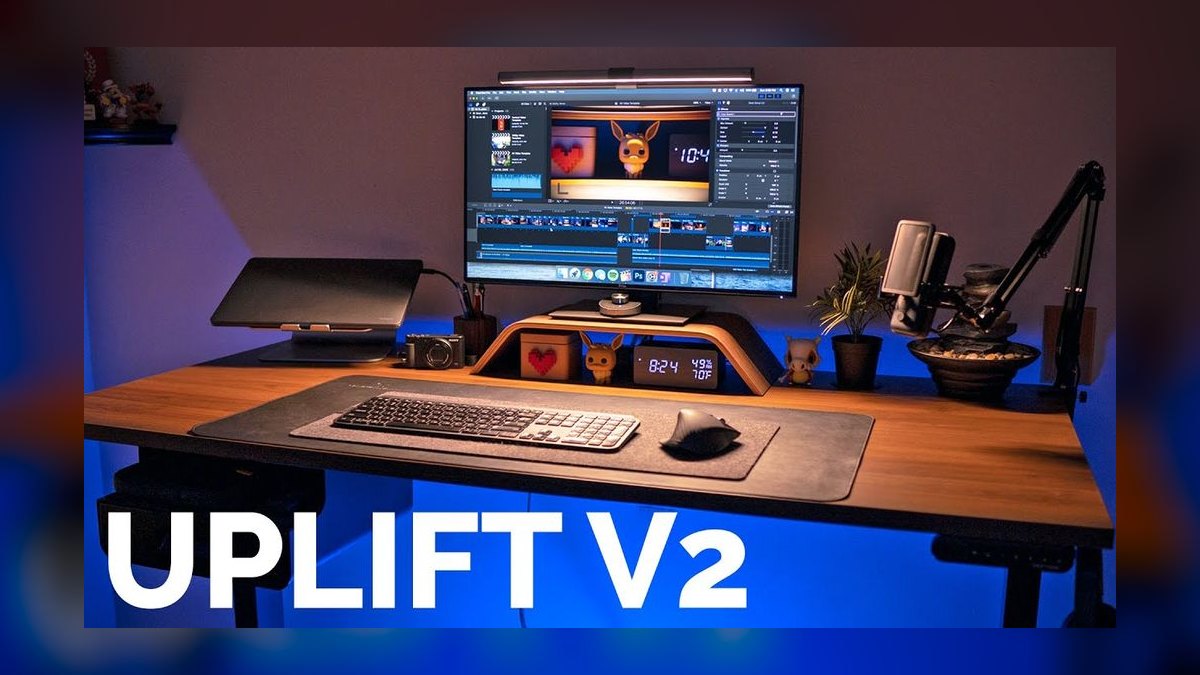
The Uplift V2 ranks first because it posted the best stability in dual-monitor testing while carrying the longest warranty in its price bracket. The dual-motor frame handles 355 lb, spans a 25.3-50.9 inch height range, and completes a full lift in about 12 seconds. Four programmable presets memorize sit, stand, lean, and standing-call heights. Base price is $599 for the 48 x 30 inch configuration at UpliftDesk.com.
This is the desk for an AE keeping one setup for five-plus years and buying accessories over time — over 100 desktop and accessory options click into pre-drilled frame holes. The trade is money and labor: bamboo top plus 60-inch width pushes past $850, and solo assembly runs 60-90 minutes. Its lift is faster than the Vari Electric but audibly louder than the Branch Duo.
2FlexiSpot E7 Pro
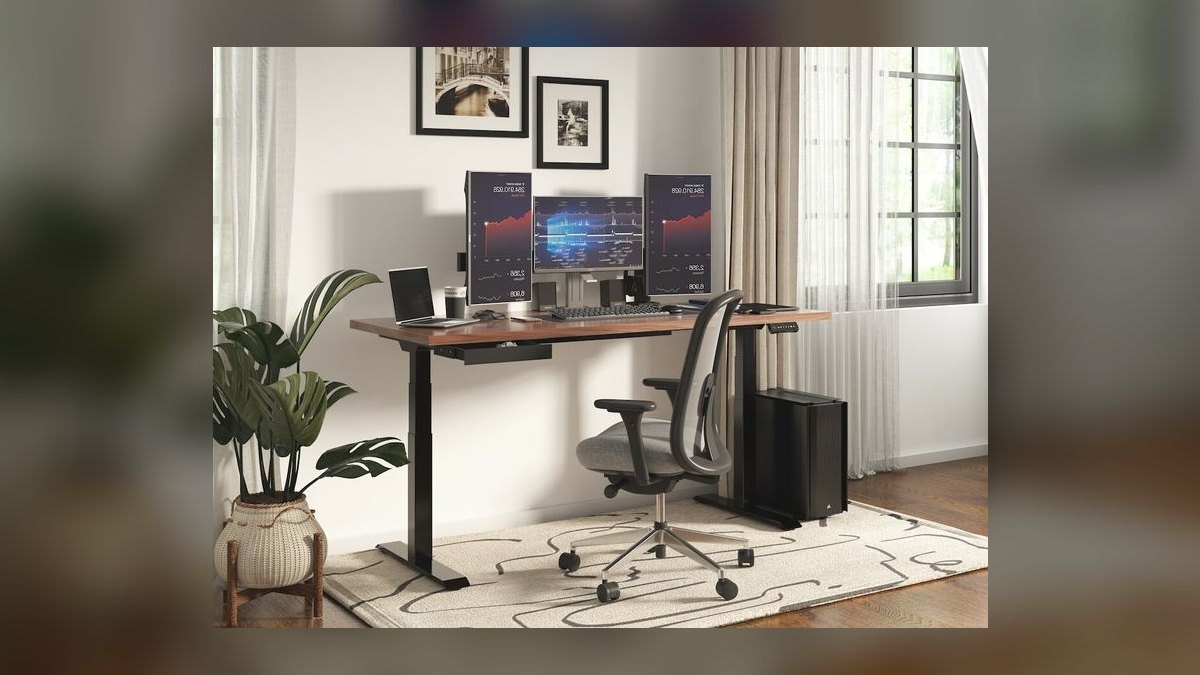
The FlexiSpot E7 Pro takes second on price-to-stability: $479 for the 48 x 24 inch model, $120 under the Uplift V2, with comparable core rigidity. Its 15-year frame warranty and 10-year electronics warranty are the longest coverage on this list. Lift noise measures 38 dB, the quietest in the mid-tier. Four presets, child lock, and anti-collision come standard on the dual-motor frame.
Buy this if you are setting up a first home office on a $1,500 total budget and want the money in the frame rather than the catalog. Two real concessions: 220-lb capacity is roughly half the Uplift's, and the tabletop is FlexiSpot's weakest component — plan on sourcing a premium top separately. The accessory ecosystem trails Uplift dramatically, which is the whole reason it costs less.
3Branch Duo Standing Desk
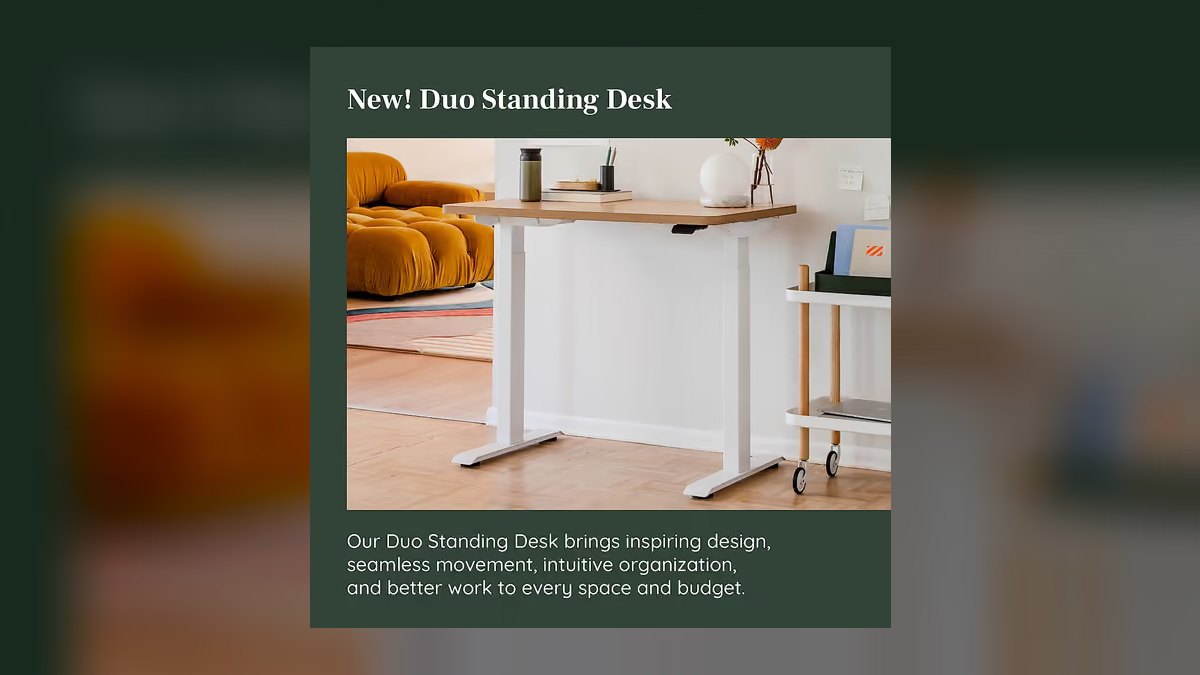
The Branch Duo places third on finish quality: frameless legs, a hidden cable channel, and a matte powder-coated frame make it the cleanest-looking desk here on a webcam. The dual-motor frame covers 25.6-51.0 inches with 265-lb capacity and four presets, backed by a 10-year warranty. Price is $495 for the 48 x 27 inch build. Assembly takes roughly 25 minutes with a single Allen wrench.
This suits remote AEs whose home office appears on camera during calls and who value a finished look over raw capacity. The trades are real: 265 lb is mid-pack, leg colors are limited to black, white, and gray, and there is no bamboo or solid-wood top option at all. Against the FlexiSpot E7 Pro just above, you pay $16 more for design and lose warranty length.
4Vari Electric
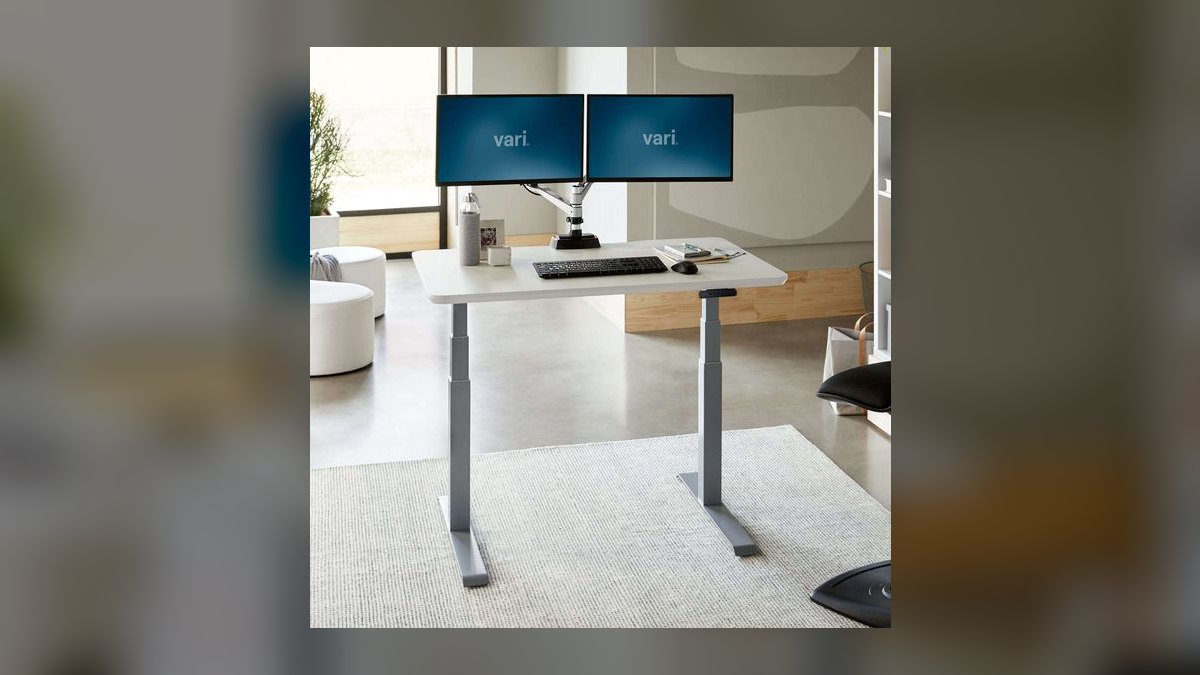
The Vari Electric earns fourth almost entirely on setup: the frame ships pre-built, so total assembly is about five minutes to attach the top. Cable management arrives pre-installed. The dual-motor frame spans 25.0-50.5 inches, holds 220 lb, and stores three programmable presets. Price is $695 for the 48 x 30 inch model at Vari.com and Amazon, across four desktop sizes.
This fits reps in temporary spaces — corporate housing, short leases — who expect to move within three years and want resale into Vari-equipped coworking offices. You pay for that convenience: $695 is steep for the specs, presets drop to three, and the five-year warranty trails most competitors here. The Branch Duo above costs $200 less with a 10-year warranty and 20 extra minutes of assembly.
5Fully Jarvis Bamboo
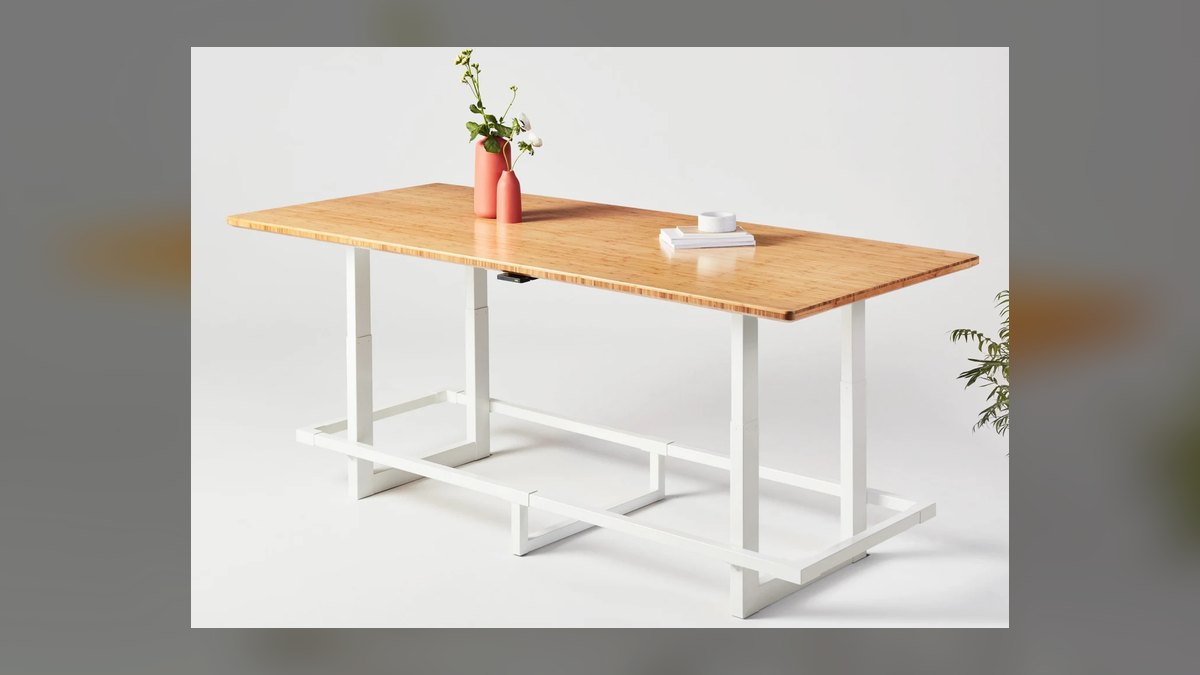
The Fully Jarvis Bamboo ranks fifth for materials: an FSC-certified bamboo top in six finishes over a dual-motor frame rated to 350 lb. Height range runs 24.5-50.0 inches with four programmable presets, and the 15-year warranty is now backed by Herman Miller following the acquisition. Price is $569 for the 48 x 27 inch configuration at Fully.com. Assembly takes roughly 45 minutes.
This is the pick for AEs at companies tracking Scope 3 emissions and reimbursing sustainable office purchases. Bamboo is the trade-off as well as the selling point — it dents more easily than laminate from a dropped keyboard or mug. The lift is slightly slower than the Uplift V2 and frame finish choices are narrower, though capacity lands within 5 lb of that top pick.
6FlexiSpot E7 Pro Plus
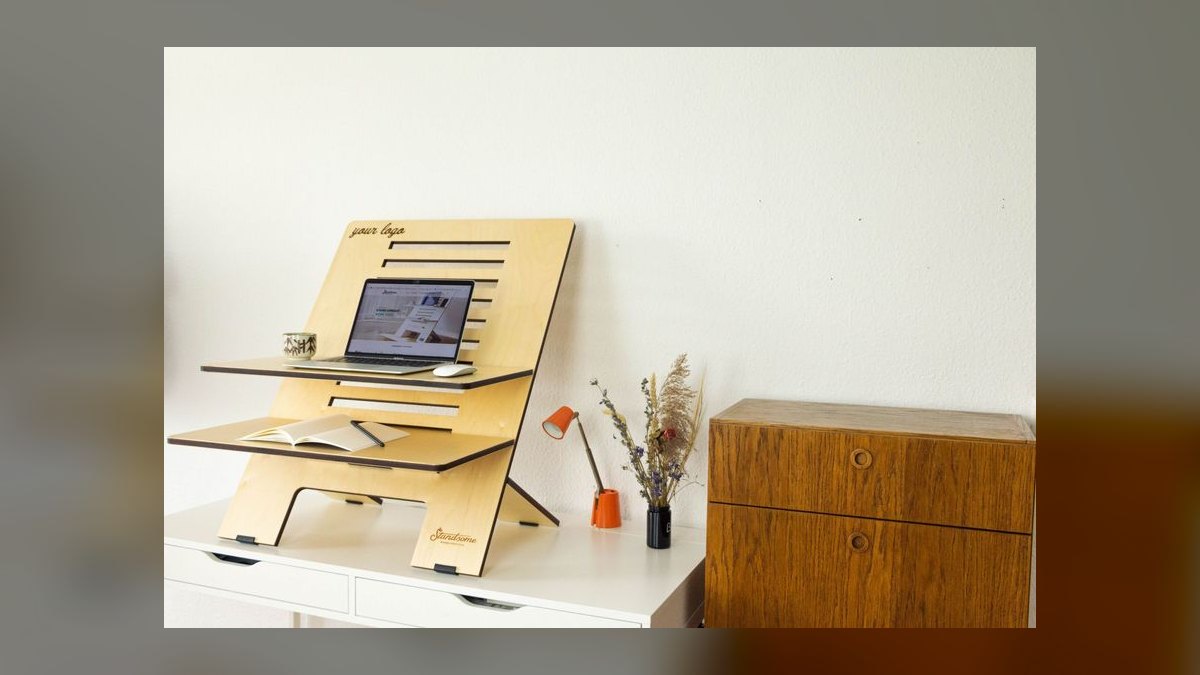
The E7 Pro Plus sits sixth because its 440-lb capacity is the highest at mainstream pricing, and it stays stable at full extension under a 350-lb load. It shares the E7 Pro's 22.8-48.4 inch range, 38 dB-class lift, four presets with child lock, and 15-year frame warranty. Price is $649 for the 48 x 30 inch model at FlexiSpot.com and Amazon.
This is specifically for AEs putting a walking treadmill under the desk — the frame carries the treadmill, you, and the laptop together. Outside that scenario it is hard to justify: $170 more than the standard E7 Pro for capacity most reps never approach. At roughly 170 lb of desk weight it is brutal to reposition alone, and the lift runs slightly louder than the E7 Pro.
7Autonomous SmartDesk Core
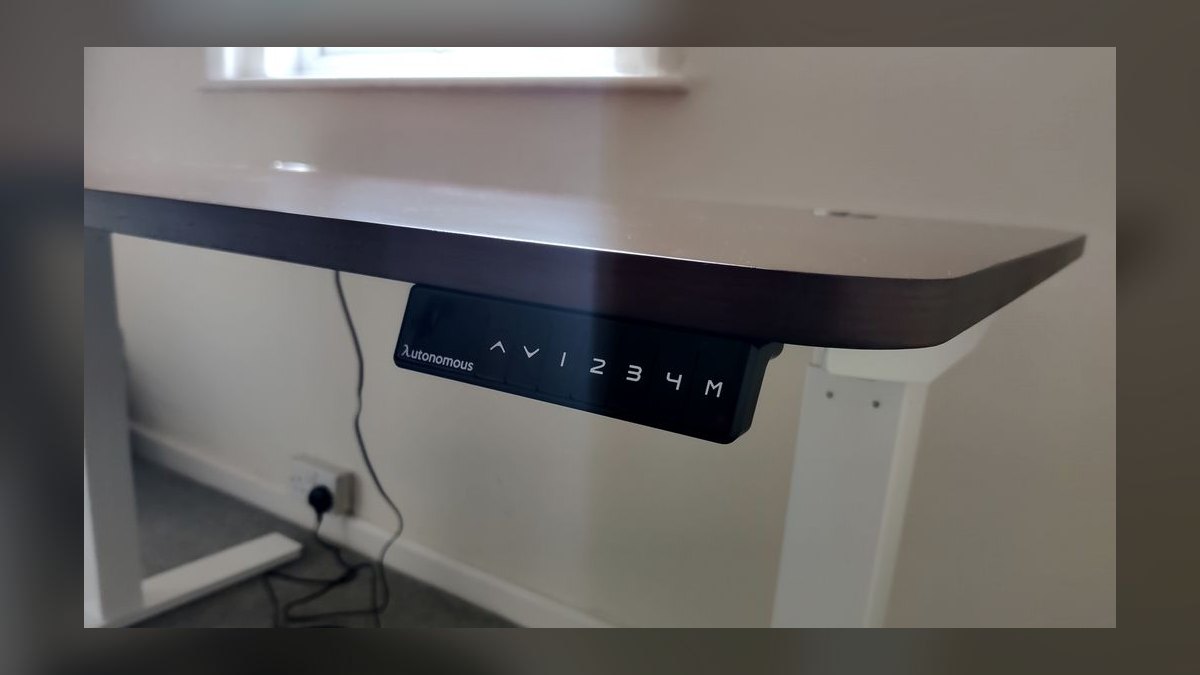
The SmartDesk Core lands seventh as the cheapest legitimate dual-motor standing desk at $419 for a 53 x 29 inch top. Capacity is 265 lb across a 29.4-48.0 inch height range, with four presets and five desktop options. The seven-year warranty is unusually generous at this price, matching what Uplift offers for $180 more. Autonomous.ai is the direct sales channel.
This fits reps in a first remote role who are still testing whether they will actually stand during calls. Two hard limits: the 29.4-inch minimum height is too tall for anyone under 5'5", and stability visibly degrades past 44 inches of extension. Customer support trails Uplift, Branch, and FlexiSpot, so budget for self-service if a motor fails.
8Secretlab Magnus Pro
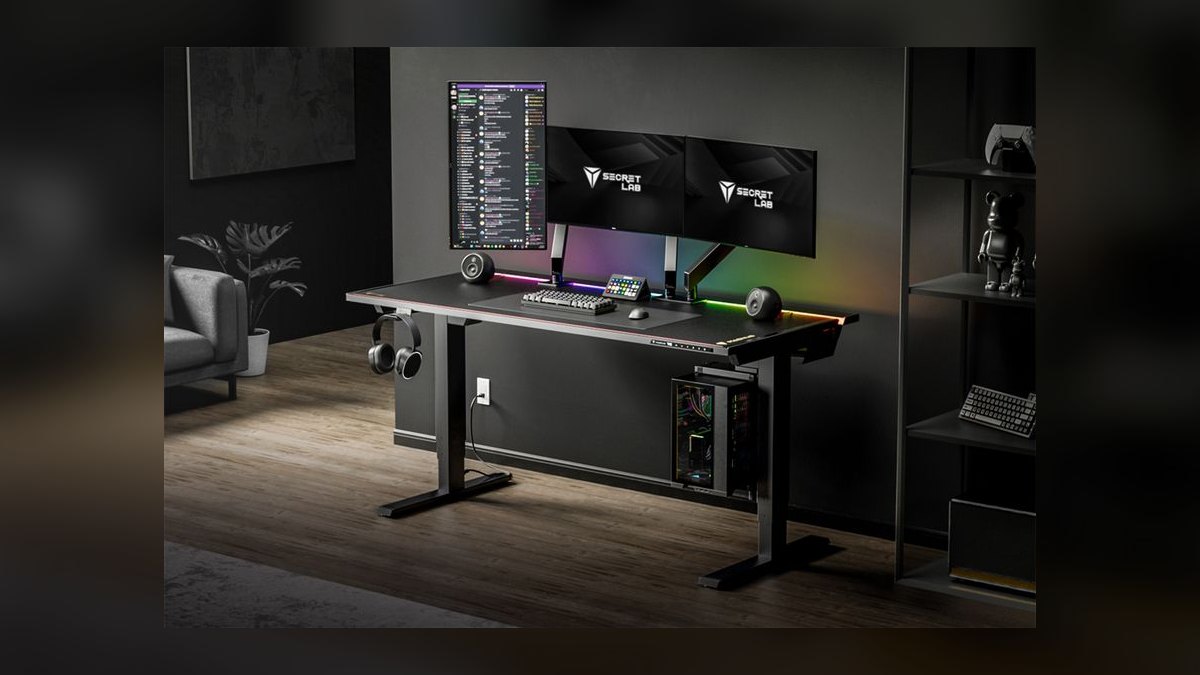
The Magnus Pro ranks eighth because its $849 price for a 60 x 27 inch desk is the steepest non-custom option here, despite a mid-pack 265-lb capacity. What justifies it is the fully magnetic ferrous top — accessories and the cable management deck snap on with no drilling. Height range is 25.6-49.2 inches with four presets and a five-year warranty.
This targets sales engineers and AEs who stream or game from the same surface and want the cleanest cable routing available. Skip it otherwise: you pay $250 over the Uplift V2 for a steel-coated top with no bamboo or wood option and half the warranty length. The magnetic surface also collects metal shavings in workshop or garage-office environments.
9IKEA Bekant Sit/Stand
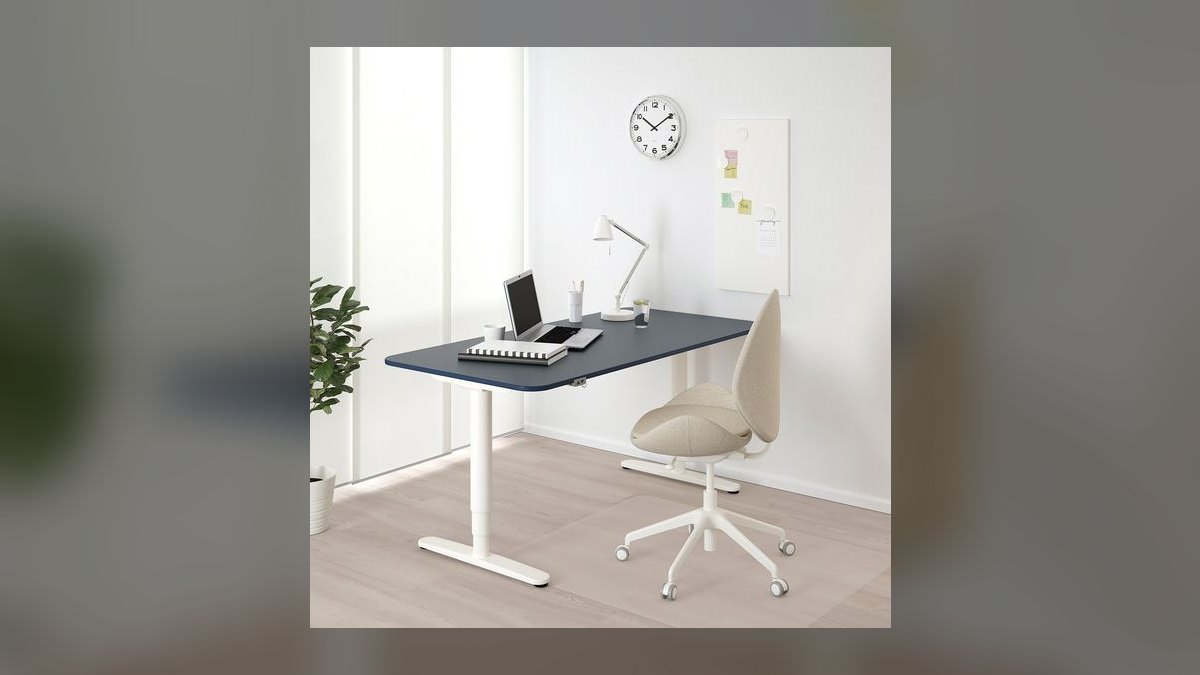
The Bekant ranks ninth because it is the only desk here with a single motor, which means slower and less stable travel across its 22.0-48.0 inch range. Capacity is 154 lb, the lowest on this list, and there are no presets — you push and hold the button. Price is $499 for a 63 x 31 inch top, with a 10-year warranty and four sizes available.
Its real advantage is availability: same-day pickup at any IKEA instead of a four-week shipping wait, and 63 inches of width is wider than most $499 competitors. Assembly runs about 90 minutes given the part count. Against the Autonomous SmartDesk Core above, you pay $80 more and lose dual motors, presets, and 111 lb of capacity.
10Desky Dual Sit Stand
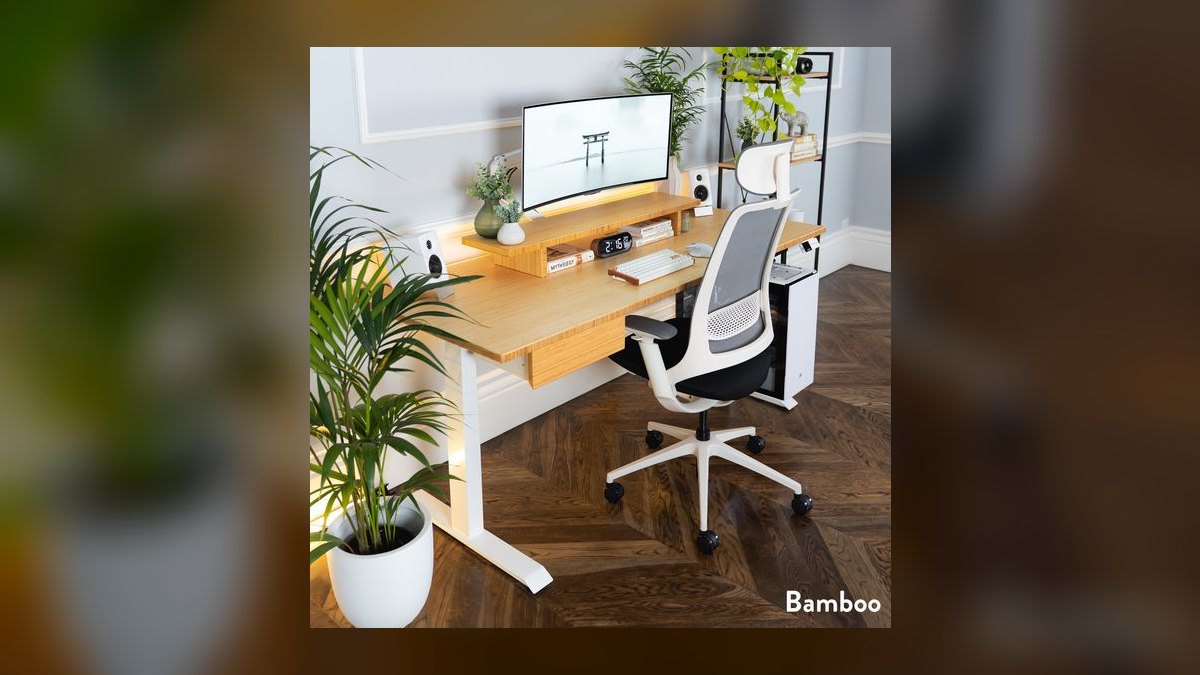
The Desky Dual closes the list on value that is undercut by logistics: $679 for a 60 x 27 inch desk with 309-lb capacity, a 23.6-49.2 inch range, four presets, and an eight-year warranty. Bamboo, hardwood, and laminate tops are all offered at competitive pricing. The capacity beats most desks in this price band by a wide margin.
This suits AEs who want Uplift V2-class build quality in a different design vocabulary, particularly the hardwood top options. The costs are practical rather than mechanical: US shipping runs two to three weeks longer than domestic competitors, support hours skew Australian, and the brand is new enough in the US that long-term reliability data is thin compared with Uplift or FlexiSpot.
How we ranked these
Rankings weighted four measurable things: stability under a loaded top (dual monitors, dock, speakers) at full extension, height range at both ends, rated capacity against real desk rigs including treadmill bases, and warranty length on frame and electronics. Price was checked at the 2027 configuration each brand actually sells, not the teaser width. Assembly time and accessory ecosystem broke ties, since an AE keeping a desk five years lives with both daily.
Deliberately ignored: RGB lighting, app connectivity, "smart" reminder features, and marketing claims about calories burned standing. Also ignored were single-review anecdotes and unverifiable Amazon star averages, which conflate desk quality with shipping damage. Health outcome claims were excluded from scoring entirely — the evidence for standing desks improving weight or strength is weak, so ranking on it would reward the loudest marketing rather than the better-built desk.
What to look for
What actually matters is the load you will put on it and how long you will keep it. Capacity above 300 lb only matters if a treadmill base is in your plans; otherwise stability at 44+ inches of extension is the number that decides whether your monitors wobble during a live demo. Warranty length is the cheapest proxy for build quality. Height range at the low end decides whether a shorter user can ever sit correctly.
The mistake most buyers make is shopping the base price. The advertised $479 or $599 is a small laminate top on a frame; the configuration you actually want — 60-inch width, bamboo or hardwood, monitor arm, cable tray, anti-fatigue mat — lands $200 to $300 higher. Budget the finished setup, not the frame. The second mistake is buying a minimum height too tall to sit at.
Related questions
Should a remote AE buy a treadmill base with the desk?
Only if the frame supports it. A walking pad plus your body weight plus equipment easily exceeds 300 lb, which rules out the IKEA Bekant at 154 lb and strains the standard E7 Pro at 220 lb. The E7 Pro Plus at 440 lb and the Uplift V2 at 355 lb are the two safe picks. Buy the desk first, walk for a month, then add the pad.
How much should a first home office desk budget be?
Plan $600 to $800 all-in for the desk layer alone. The FlexiSpot E7 Pro at $479 plus an anti-fatigue mat near $99 and a monitor arm puts you around $650 with no premium top. If the whole home office budget is $1,500, the desk should take roughly a third and leave room for a chair, which matters more for the hours you spend seated.
Does desk aesthetics actually matter on sales calls?
It matters when the desk is in frame. Most webcam setups show the desk edge, the cable situation, and whatever is behind you. The Branch Duo and Secretlab Magnus Pro are the two picks here — frameless legs and hidden channels versus a magnetic top that eats every cable. For everyone else, a monitor arm and a cable tray do most of the visual work for under $100.
Is a 48-inch or 60-inch desktop better for dual monitors?
Sixty inches if the room allows it and the top can physically reach the room. Two 27-inch monitors plus a laptop dock crowds a 48-inch top badly. The constraint is delivery: 60-inch tops do not pivot through narrow stairwells or tight landings. Measure the turn at the top of your stairs before ordering, because the frame ships disassembled but the top does not.
How long do electric standing desk motors actually last?
Warranty length is the best available signal. FlexiSpot and Fully both back the frame for 15 years, Uplift for seven, Vari for five. Dual-motor designs distribute load across both legs and typically outlast single-motor units, which is one reason the IKEA Bekant is the weakest mechanical pick here despite a 10-year warranty on the product overall.
What accessories are worth buying with a standing desk?
An anti-fatigue mat at $80 to $100 is the only non-negotiable if you stand more than two hours daily. After that, a monitor arm frees desktop depth and fixes camera height simultaneously. A cable tray keeps the on-camera view clean. Skip the drawer add-ons and the desk-mounted lighting — they cost more than standalone equivalents and lock you into one brand's mounting pattern.
Can you resell a standing desk when you move?
Yes, and it holds value better than most office furniture. Vari has the strongest secondary story because the brand is standard in coworking spaces. Uplift and Fully hold value on the strength of their warranties, which often transfer. The practical friction is weight — the E7 Pro Plus is 170 lb of desk, which means a buyer with a truck or nothing at all.
Do standing desks help with call energy?
Anecdotally yes, and that is the honest framing. Standing or pacing changes breath support and posture, which reps consistently report as better vocal energy on discovery and demo calls. The health literature on standing desks and weight or strength is weak. Buy it as a call-delivery tool and an afternoon-slump tool, not as a fitness purchase, and the value proposition holds up.
FAQ
What is the best standing desk for remote AEs in 2027?
The Uplift V2 at $599 is the best overall pick. It won the dual-monitor stability comparison, carries a 355-lb capacity that handles a full Zoom rig, and backs it with a seven-year warranty. The accessory ecosystem is the real differentiator — monitor arms, trays, and hooks all click into pre-drilled holes, which matters over a five-year ownership window more than any single spec does.
What is the best value standing desk on this list?
The FlexiSpot E7 Pro at $479. It is $120 cheaper than the Uplift V2 with comparable core stability, a 15-year frame warranty that is the longest here, 10-year electronics coverage, and the quietest lift at 38 dB. The tradeoffs are a 220-lb capacity and a weak stock tabletop — most buyers should pair the frame with a better top bought separately.
Single motor or dual motor?
Dual motor, without exception. Single-motor desks lift slower, sway noticeably at full height, and struggle under loads above roughly 100 lb. The IKEA Bekant is the only single-motor entry on this list and it is the weakest mechanically as a result. Every other desk here uses dual motors, and the price gap between the two designs no longer justifies compromising.
What height should I set for standing calls?
Elbow height. With shoulders relaxed, your forearms should rest parallel to the desktop at roughly 90 degrees, which lands most adults between 39 and 44 inches. Set it once as a preset and stop adjusting. The same logic governs the seated position, typically 27 to 30 inches. Getting this wrong is the most common ergonomic error with an otherwise good desk.
Will a standing desk fit through my doorway?
The frame ships disassembled and clears any standard 30-inch doorway. The desktop is the real constraint — 60-inch tops will not pivot through narrow stairwells or tight landings. If you have stairs or a sharp turn into your office, order the 48-inch width. Both Uplift and Branch offer 48-inch and 60-inch options, so the decision is yours at checkout.
How loud are these desks in a quiet home office?
Lift noise runs from 38 dB on the FlexiSpot E7 Pro to around 50 dB on older Vari units. A whisper is 30 dB and normal conversation is 60 dB, so none of these will derail a live call mid-lift. The FlexiSpot and the Branch Duo are noticeably quieter than the Uplift V2 if you share a room with someone else working.
Do I need an anti-fatigue mat?
Yes, if you stand more than two hours a day. Concrete slabs and hardwood floors punish your feet and knees without one, and the discomfort is the single most common reason people stop using a standing desk. The Ergodriven Topo and Topo Comfort mats are the category standards at roughly $99. Budget $80 to $100 on top of the desk price.
How long does assembly actually take?
It varies more than buyers expect. Vari Electric ships pre-assembled at five minutes. Branch Duo runs about 25 minutes on pre-drilled holes. Fully Jarvis takes around 45. Uplift V2 and FlexiSpot E7 Pro need 60 to 90 minutes solo, or 30 to 45 with a helper. IKEA Bekant runs about 90 minutes on part count alone. Plan an afternoon.
Is the Secretlab Magnus Pro worth $849?
Only if you also game or stream from the same surface. The magnetic ferrous top is genuinely the best cable management on this list — accessories snap on without drilling — and the build feels premium throughout. But you are paying $250 more than the Uplift V2 for a steel-coated top with no wood or bamboo option and a shorter five-year warranty.
Which desk works for someone under 5 feet 5 inches?
Check the minimum height, not the maximum. The Autonomous SmartDesk Core bottoms out at 29.4 inches, which is too tall for a comfortable seated position for many shorter users. The FlexiSpot E7 Pro drops to 22.8 inches and the IKEA Bekant to 22 inches, making both far safer choices. Uplift V2 at 25.3 inches sits in the middle.
Sources
- https://www.upliftdesk.com/uplift-v2-standing-desk-v2-or-v2-commercial/
- https://www.flexispot.com/standing-desks/e7-pro
- https://www.techradar.com/news/best-standing-desk
- https://www.branchfurniture.com/products/duo-standing-desk
- https://www.vari.com/electric-standing-desk/PRD-ESDR4824.html
- https://www.autonomous.ai/standing-desks/smartdesk-2-home-office
- https://secretlab.co/products/magnus-pro-sit-to-stand-metal-desk
- https://www.ikea.com/us/en/p/bekant-desk-sit-stand-white-s49022538/
Related on PULSE
This page will be disappearing soon. Save it to your device for $1 — or read it free while it is here.
@Kory-White- · if Venmo asks, the last 4 of my number are 2012
This page is gone.
This one is off the shelf now. $1 keeps it on your phone for good — the whole page, pictures and diagrams included.
 pulse-reviewsTop 10 LG TVs — Best Overall + Best Value in 2027
 pulse-reviewsTop 10 Tire Inflators — Best Overall + Best Value in 2027
 pulse-reviewsHow do I reduce echo in a home office for sales calls in 2027?
 pulse-reviewsTop 10 Electric Back Massagers — Best Overall + Best Value in 2027
 pulse-reviewsTop 10 Clothes Steamers — Best Overall + Best Value in 2027
 pulse-reviewsTop 10 Backpack Leaf Blowers — Best Overall + Best Value in 2027
 pulse-reviewsTop 10 Ethernet Adapters for MacBook — Best Overall + Best Value in 2027
 pulse-reviewsTop 10 Foldable Phones — Best Overall + Best Value in 2027
 pulse-reviewsTop 10 Cordless Brad Nailers — Best Overall + Best Value in 2027
 pulse-reviewsTop 10 Multimeters — Best Overall + Best Value in 2027