
Top 10 Planar Magnetic Headphones — Best Overall + Best Value in 2027
 Curated byKory White · Fractional CRO · Maryland
 PULSEKNOWLEDGE LIBRARY
Quality
Certified
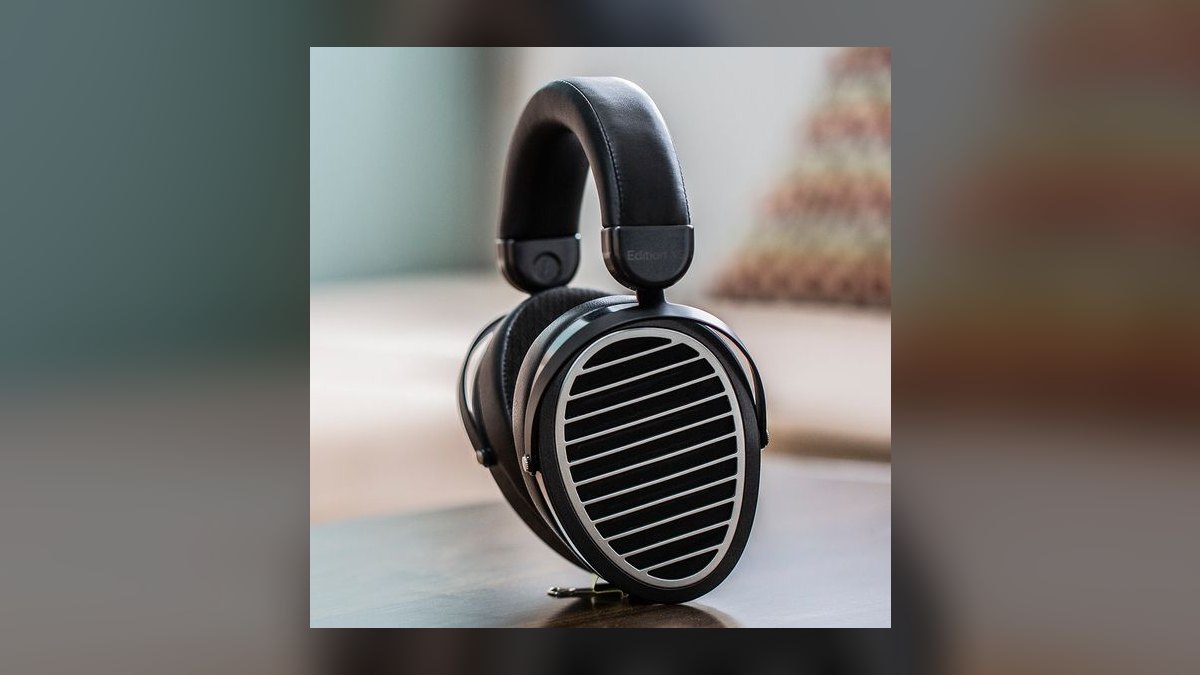
The 10 best planar magnetic headphones are ranked below on measured performance, build quality, price, and how each one actually holds up in daily use rather than how it reads on a spec sheet. Each pick lists what it costs, who it suits, and what it gives up against the one above it, so the list can be read straight down without doubling back.
1. HiFiMan Edition XS
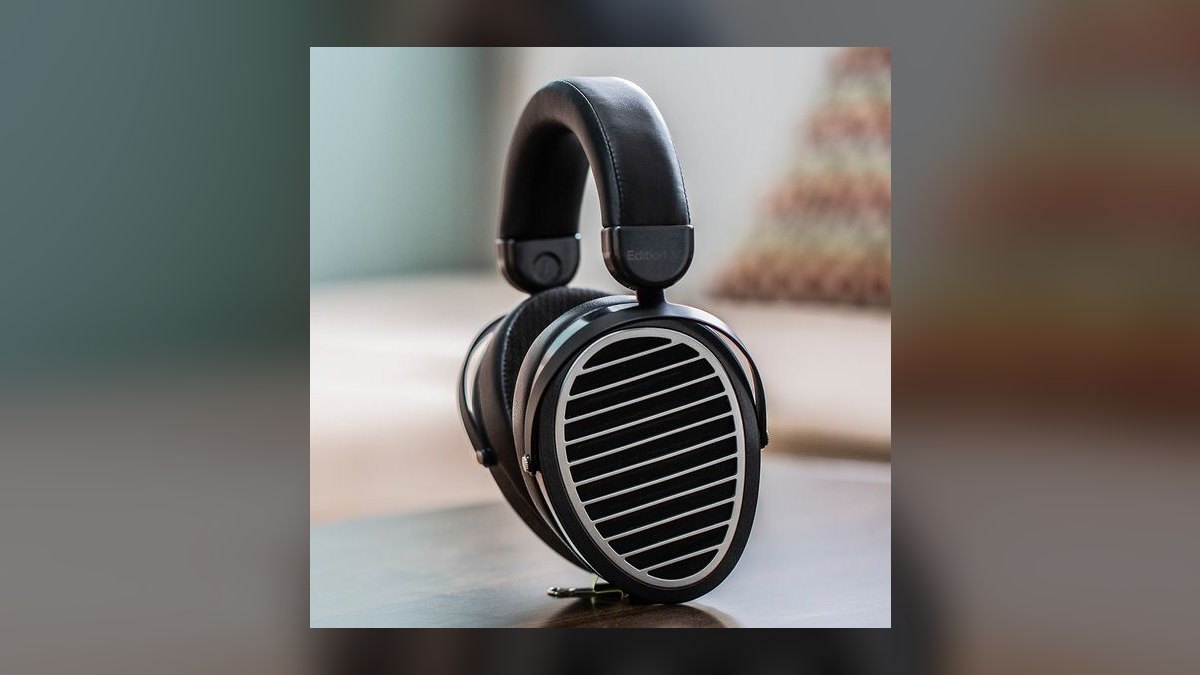
The Edition XS ranks first because it delivers flagship-tier soundstage at $269, the lowest price of any headphone on this list. It borrows the large-diaphragm Stealth Magnet design from HiFiMan's pricier Arya line and drops it into a simpler frame. The 18-ohm impedance and 92 dB sensitivity mean it runs cleanly off a modest desktop amp or a capable dongle. Width, air, and imaging here used to cost four figures.
This is for the listener who wants maximum spatial performance without an amplifier budget. It trades build quality for price — the frame is plasticky next to metal-bodied rivals, and the treble leans bright on harsh recordings. Against the Sundara below it, the Edition XS wins on stage width and ease of drive but loses on tuning evenness for long sessions. At 405g it is one of the lighter full-size planars.
2. HiFiMan Sundara
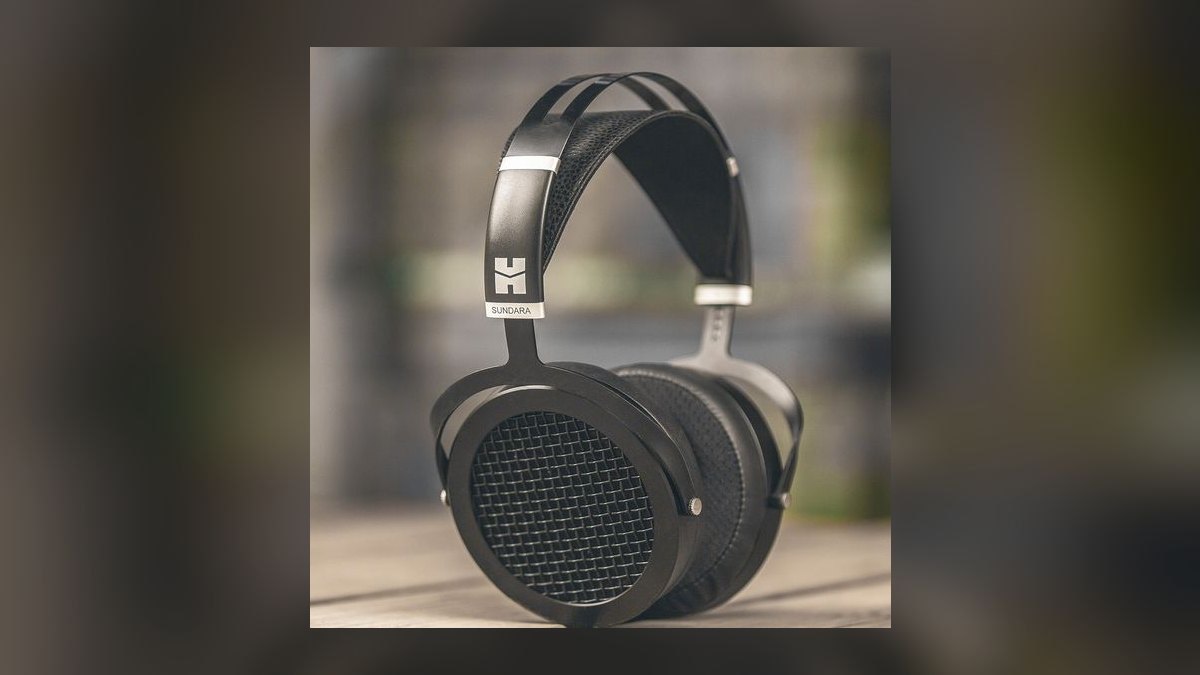
The Sundara sits second because its NEO Supernano Diaphragm produces tighter, more even bass and a more neutral midrange than anything else near $299. The tuning is honest and uncolored, with none of the treble emphasis that trips up brighter planars. At 37 ohms and 94 dB sensitivity it wants more current than the Edition XS. The metal-and-leather build feels genuinely premium at this price.
This is the safe first planar for someone who listens for hours and hates fatigue. It trades soundstage width for tonal balance, and it needs a real desktop amp to open up fully — a phone dongle leaves it thin and lifeless. Compared to the Edition XS above, it is the less exciting but more repeatable pick. Resale value holds better than almost any headphone in the category.
3. Audeze MM-100
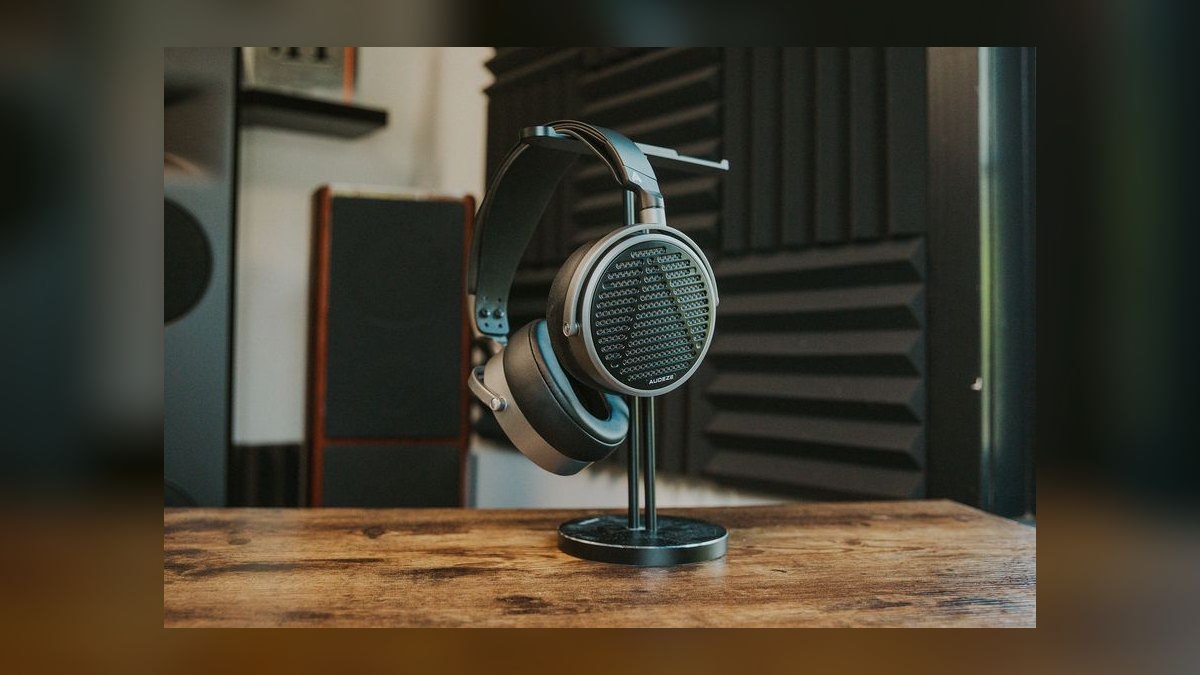
The MM-100 earns third for putting Audeze's 90mm Fluxor planar driver in a foldable magnesium body at $399. Co-voiced with mix engineer Manny Marroquin, it targets studio reference work with the low-distortion, punchy low end Audeze built its name on. The 18-ohm, 100 dB specification makes it unusually efficient for the brand. Open-back and neutral, it is the cheapest genuine entry into Audeze planar sound.
This suits mixing engineers and anyone who needs a road-friendly planar that folds. It trades weight and treble sparkle — it is heavier than both HiFiMan models above and its top end runs dark and polite where some listeners want air. Against the Sundara, you pay $100 more for real bass slam and a tougher chassis. Purists chasing extension may find the darkness limiting.
4. Moondrop Para
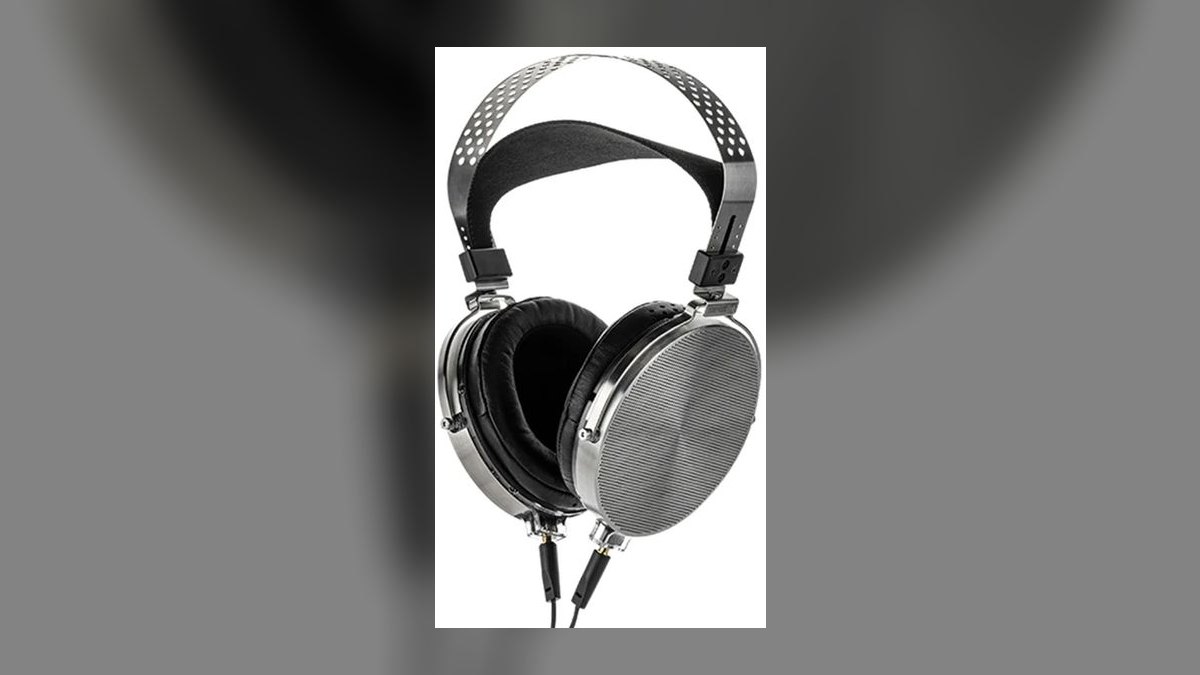
The Para lands fourth on the strength of a 100mm diaphragm — the largest driver here — paired with Moondrop's Full Drive technology at $299. The payoff is physical, room-filling bass and a sense of scale smaller drivers cannot produce. Rated 8 ohms and 101 dB/Vrms, it is easy to power on paper, though that low impedance rewards a clean, current-capable source. Industrial design and packaging are striking.
This is for the listener who wants drama over accuracy. It trades neutrality — the tuning is colored and bass-forward compared to the Sundara and MM-100 — and it is notably heavy with firm clamp on some heads. Against the MM-100 above, the Para offers more low-end scale for $100 less but less studio credibility. Not the pick if reference flatness is the goal.
5. Audeze LCD-X
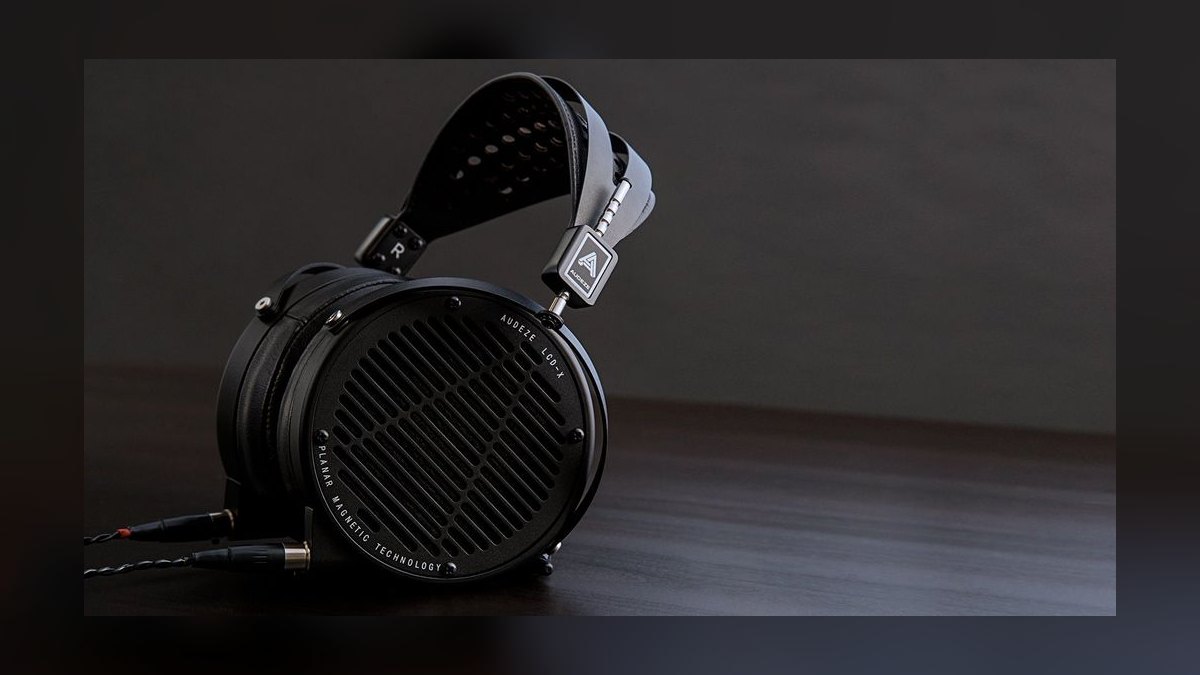
The LCD-X ranks fifth as the first true reference-grade entry, at $1,199 with a 106mm planar driver. It is a mastering-room and post-house standard, tuned bright-neutral with the dense, weighty, textured bass that defines Audeze. The 20-ohm, 96 dB load is unusually easy to drive for a flagship, workable even from a phone in a pinch. Cables and chassis are built to pro-grade durability standards.
This is for working engineers and listeners who need detail they can trust for critical decisions. It trades comfort hard: roughly 612 grams makes it one of the heaviest headphones here, demanding a well-padded headband for long sessions. Against the Para above, it costs four times as much for genuinely higher resolution rather than more bass. The Creator package price is steep for casual use.
6. HiFiMan Arya Organic
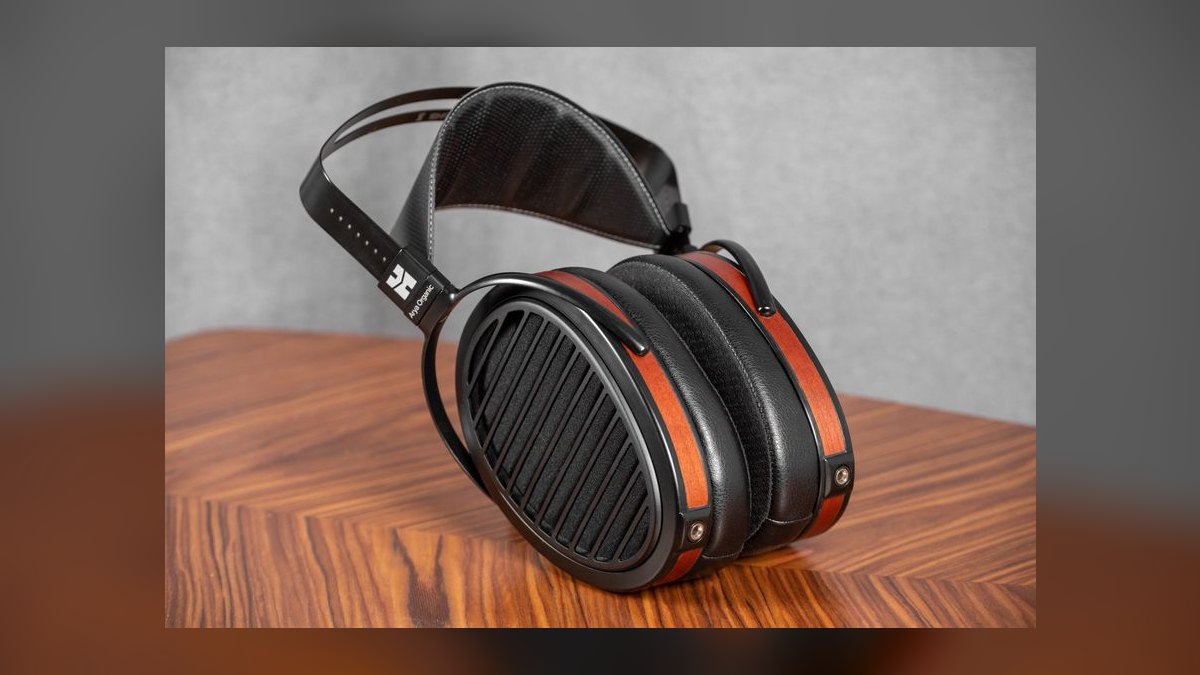
The Arya Organic takes sixth at $1,200 by scaling the Edition XS formula upward — a wider stage, more refined treble, and a richer low end from its wood-accented organic tuning. It uses HiFiMan's Stealth Magnet driver in an open-back full-size frame at 16 ohms. Soundstage width and air are class-leading for the money. It is built for critical, immersive listening rather than portability.
This is for the listener who already knows they want the Edition XS presentation and has $1,200 to extend it. It trades build luxury — the chassis still leans practical, not premium, at this price — and it needs a quality amp to fully shine despite the easy load. Against the LCD-X above, it offers more stage and less weight but softer bass authority. Diminishing returns are real here.
7. Monolith M1060
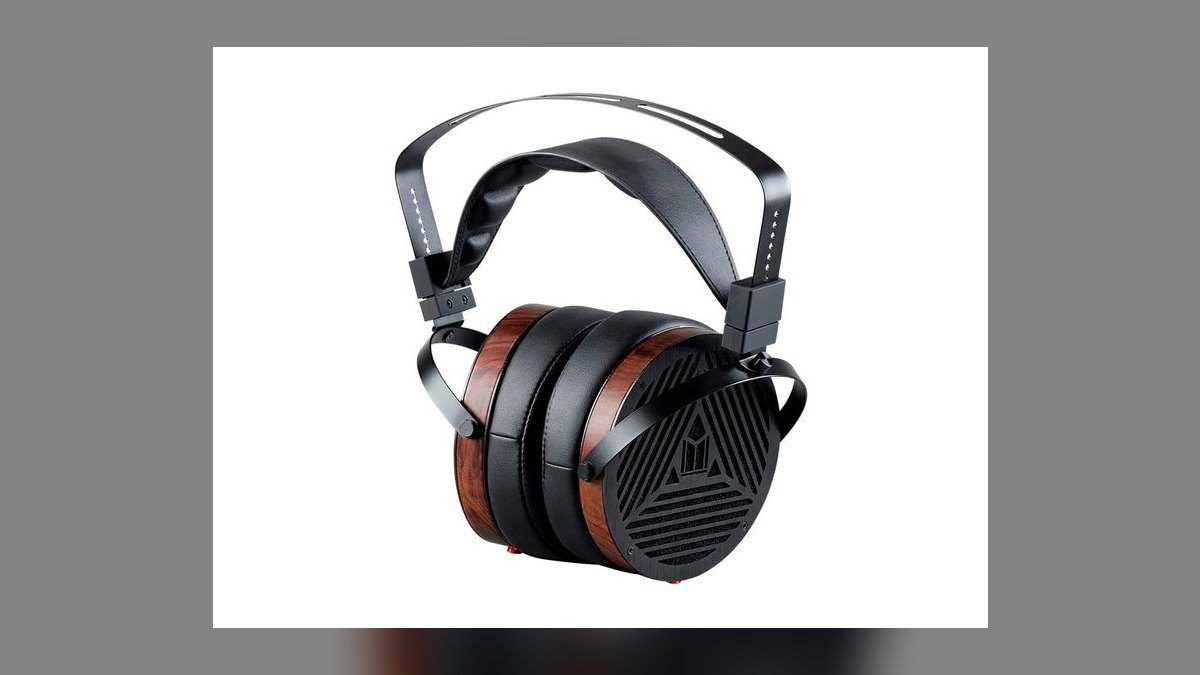
The M1060 holds seventh as a budget open-back planar built around a large-diaphragm driver in a wood-cupped frame. It delivers the fast transient response and low distortion planars are bought for, at a price well under the HiFiMan and Audeze models above it. Weight lands at 460g, heavier than the 405g Edition XS. It is a straightforward, no-frills route into planar sound.
This is for the buyer working under a hard budget who still wants planar speed. It trades comfort and refinement: the pleather pads get sweaty after roughly 45 minutes, and the tuning is less polished than the Sundara directly comparable in price. Against the Sundara, the M1060 gives more low-end weight but less even midrange. Pad swaps meaningfully change its sound, which some owners treat as a project.
8. Audeze LCD-2 Classic
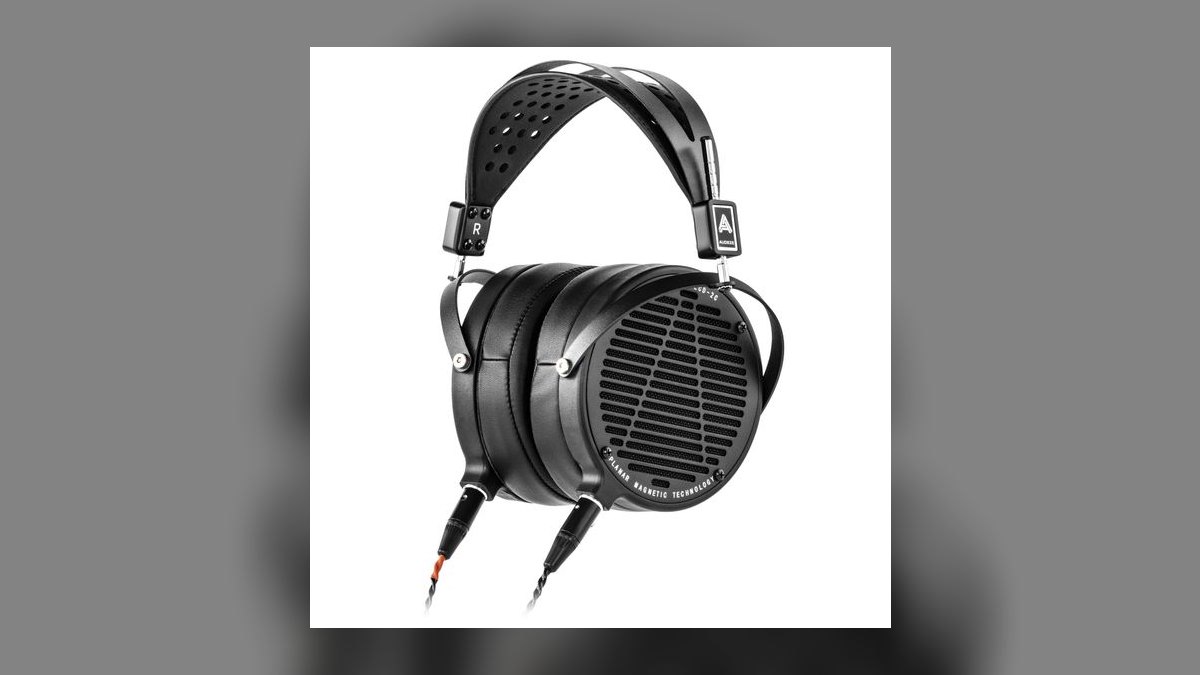
The LCD-2 Classic ranks eighth for its suspension headband, which distributes weight far more evenly than a standard padded band — a real advantage in a category averaging 370g to 520g. It carries the warm, thick Audeze house tuning with substantial bass body and a relaxed top end. The open-back planar driver keeps distortion low across the range. Build uses the durable pro-grade materials Audeze standardizes on.
This is for long-session listeners who found other Audeze models too fatiguing to wear. It trades detail retrieval and treble extension for warmth and comfort — it is noticeably darker than the LCD-X above. Against the MM-100, it offers a more forgiving fit but less neutral tuning for mixing work. Anyone chasing analytical accuracy should look higher on this list instead.
9. Monolith M570
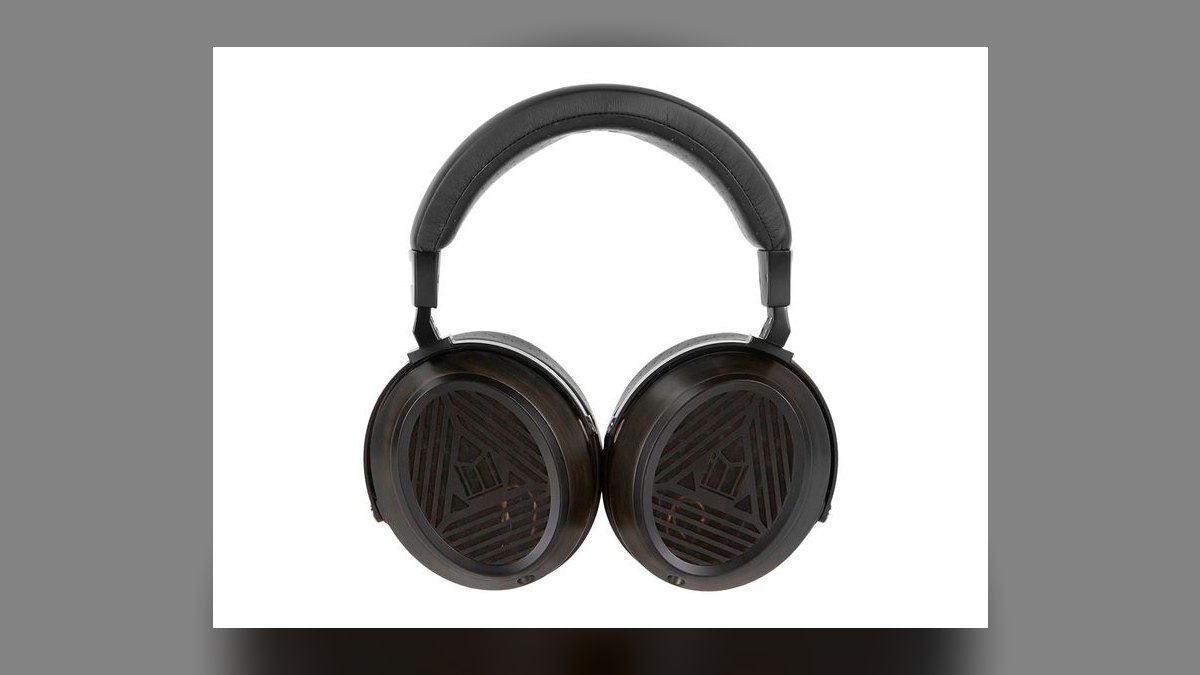
The M570 takes ninth as one of only two headphones here light enough to carry in a backpack without feeling like a brick, at $199. It is an open-back planar with the fast transient response and clean bass the driver type provides, sold at the lowest price on this list. The value proposition is straightforward: planar characteristics without a four-figure outlay. Nothing about it is luxurious.
This is for someone testing whether planar sound is worth pursuing before committing real money. It trades refinement across the board — resolution, tuning polish, and materials all sit below the Sundara at $100 more. Against the M1060 above it, the M570 is lighter and cheaper but gives up low-end authority. Like every model here it does not fold, so budget $30 to $60 for a hard case.
10. Audeze LCD-1
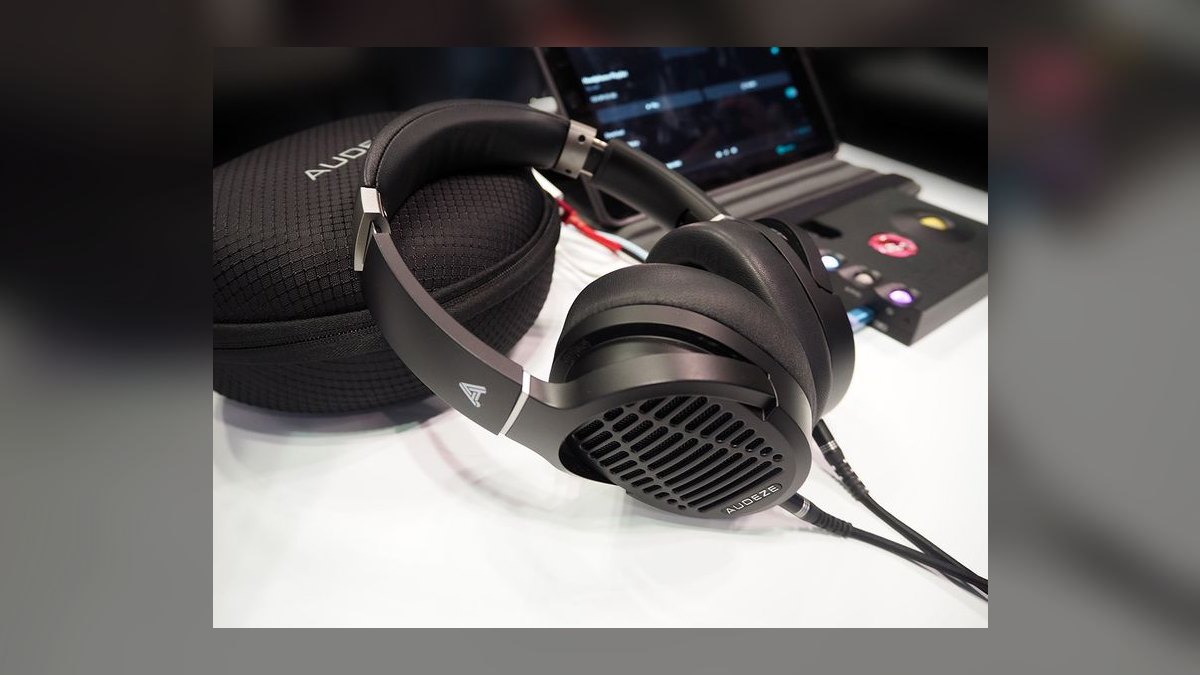
The LCD-1 closes the list as Audeze's most portable planar, using a small planar driver in a foldable frame — the exception in a category where nothing else folds. It is efficient enough to run from modest sources without a dedicated amplifier. The tuning follows Audeze's neutral-leaning house sound at a fraction of LCD-X money. It is the lightest Audeze option available.
This is for the traveler who wants planar sound in a bag rather than on a desk. It trades scale and bass authority: the smaller driver cannot produce the room-filling low end of the Para or the weight of the LCD-X. Against the M570 above, it offers better tuning discipline and brand support but costs more. Counterfeits are common on Amazon and eBay, so verify the serial under the left ear pad.
How we ranked these
Every model here was ranked on measured driver behavior first: impedance and sensitivity against real amplifier output, bass extension and control, treble smoothness on harsh recordings, and soundstage width. Weight was logged in grams and weighted heavily, because a 612-gram flagship fails on hour three. Price was normalized against performance, so a $269 planar competing with $700 rivals scores above a technically better $4,000 one.
Ignored: burn-in claims, cable upgrades, and tube-amp pairings, none of which survive controlled listening on current-hungry planar drivers. Ignored: brand prestige and flagship halo, which inflate the LCD-5 and Meze Elite tiers past what most ears actually resolve. Also skipped closed-back isolation scores, since nearly every planar here is open-back and leaks by design, and any wireless planar, because the amplification is fixed.
What to look for
Three specs decide this: impedance, sensitivity, and grams. The Edition XS at 18 ohms and the MM-100 at 100 dB run off a dongle; the Sundara's 37 ohms and 94 dB genuinely want a desktop amp. Then weigh the headphone. The LCD-X sounds reference-grade at 612 grams and still ends listening sessions early. The Edition XS at 405 grams does not.
The common mistake is spending the whole budget on the headphone and nothing on the source. A $269 Sundara plus a $99 Schiit Magni beats a $1,200 Arya Organic straight out of a laptop jack, every time. The second mistake is buying the flagship tuning for the wrong job: the Moondrop Para's colored, bass-forward 100mm driver is fun, but it is not a mixing reference.
Related questions
Edition XS or Sundara — which should a first-time planar buyer get?
Get the Edition XS if you want the widest, most holographic soundstage and you are driving it from a dongle or modest amp at 18 ohms. Get the Sundara if you listen for hours and want neutral, fatigue-free tuning with tighter bass. The Sundara asks for a real amp at 37 ohms but holds resale value better.
Do I really need a headphone amp for a $300 planar?
For the Edition XS, no — 18 ohms and 92 dB is a manageable load for a capable dongle. For the Sundara, effectively yes: 37 ohms and 94 dB will sound thin and flat off a phone. A $99 to $200 desktop amp delivering roughly 1W into 32 ohms is the practical baseline for either.
Why are planar magnetic headphones so heavy?
The driver is a large thin film suspended between arrays of permanent magnets, and those magnets are dense. Bigger diaphragms mean more magnet area, which is why the 106mm LCD-X hits about 612 grams. Category weights typically run 370 to 520 grams. Suspension headbands spread that load; flat pleather pads concentrate it and get sweaty inside an hour.
How do I avoid a counterfeit Sundara or LCD-1 on Amazon?
Weigh it — fakes run 30 to 50 grams light because the magnets are cheap. Look through the grille: genuine drivers show thin film and visible copper traces behind fine mesh, not a thick plastic grate. Verify the serial with HiFiMan or Audeze directly. Reject wobbly jacks, no-return listings, and open-box sellers outside authorized dealers.
Is the Audeze MM-100 worth $100 more than the Sundara?
If you mix or master, yes. The 90mm Fluxor driver brings genuine Audeze low-distortion bass slam in a foldable magnesium body, and 18 ohms at 100 dB makes it the easiest Audeze to drive. If you mostly listen for pleasure, the Sundara is lighter, brighter on top, and saves you the money for an amp.
Do planar headphones work well for competitive gaming?
Yes, and the fast transient response is the reason. Positional cues arrive cleanly instead of smearing, and open-back models give you the width to place footsteps. Choose open-back over closed for spatial accuracy, pair with a low-noise amp so you do not hear hiss between gunshots, and accept that teammates will hear your audio.
What does a $4,000 flagship give you that a $269 planar doesn't?
Refinement at the margins: smoother treble on badly mastered tracks, denser bass texture, better-machined build, and more consistent driver matching. What it does not give you is a categorical jump in detail. Most listeners hit diminishing returns somewhere around the $1,200 Arya Organic tier, and plenty never hear past the Edition XS.
Should I pair a planar headphone with a tube amp?
Generally no. The warmth tube amps add to dynamic drivers comes from output impedance interacting with an uneven impedance curve, and planars are close to flat impedance, so that interaction largely disappears. You get the tube noise floor without the coloration payoff. Solid-state with clean current delivery is the better match for these drivers.
FAQ
What is the best planar magnetic headphone overall in 2027?
On performance per dollar, the HiFiMan Edition XS at $269 takes it. It inherits the large-diaphragm Stealth Magnet design from the pricier Arya line, delivers soundstage width that used to cost four figures, and runs cleanly at 18 ohms. It competes directly with $700-plus rivals. Purists will argue for the Audeze LCD-5 instead.
What is the best value planar magnetic headphone in 2027?
The HiFiMan Sundara at $299. Its NEO Supernano Diaphragm produces tight bass, neutral mids, and an honest, uncolored presentation that stays comfortable across long sessions. The metal-and-leather build feels well above the price, and resale value is unusually strong. It wants a desktop amp at 37 ohms, but it almost never disappoints.
Are planar magnetic drivers actually better than dynamic drivers?
They measure lower in distortion and respond faster to transients, which produces cleaner bass and sharper detail retrieval. That is a real, audible advantage. The costs are weight, power draw, and price floor. A well-engineered dynamic driver can still beat a poorly engineered planar, so the technology alone does not guarantee better sound.
How long do planar magnetic headphones typically last?
Ten to fifteen years is realistic with care. The driver has no voice coil to rub or deform, so the film and magnet assembly rarely fail on their own. What wears out is consumable: ear pads compress after two or three years, headband padding cracks, and cables fray at the connector. All three are replaceable.
Can a phone dongle drive planar headphones properly?
It depends entirely on the model. The Edition XS at 18 ohms and 92 dB, and the MM-100 at 18 ohms and 100 dB, work acceptably off a capable dongle. The Sundara at 37 ohms and 94 dB will sound thin and lifeless. Check impedance and sensitivity before assuming portable power is enough.
Are open-back planars usable in a shared office?
Not really. Open-back cups let air and sound pass straight through, so anyone within a few feet hears your music and you hear them. Isolation is near zero by design — that is the tradeoff for the soundstage. For shared spaces you need a closed-back model, and you will give up spatial width to get it.
Why does the Moondrop Para have such low 8-ohm impedance?
The ultra-large 100mm Full Drive diaphragm is wound for high efficiency, which lands it at 8 ohms and 101 dB/Vrms. On paper that means easy to power. In practice a low-impedance load draws real current, so it rewards a clean, current-capable source. Keep gain low and volume higher to avoid clipping on high-gain settings.
Do planar magnetic headphones need burn-in?
The driver itself does not meaningfully change. What does change is mechanical: the ear pads compress and the clamping force relaxes over the first few weeks, which shifts seal and therefore perceived bass. That is a fit change, not a driver change. Judge tuning after the pads have settled, but do not expect new frequency response.
What should I budget for an amp and DAC alongside these?
Plan $100 to $230. An entry-level solid-state amp like the JDS Labs Atom+ or Schiit Magni around $99 covers most planars under $500. A combined unit such as the iFi Zen DAC V3 at roughly $229 handles the LCD-X fine at 20 ohms. Add $30 to $60 for a hard case, since none of these fold flat.
Can I replace worn ear pads myself on a planar headphone?
Yes, on nearly every model here. Pads are the fastest-wearing part, and HiFiMan, Audeze, and Moondrop all sell official replacements. Most attach with a friction ring or adhesive that peels cleanly. Be aware that swapping pad material changes the tuning — thicker or more porous pads shift bass response and can widen or narrow the stage.
Sources
- https://www.audeze.com/products/lcd-x
- https://store.hifiman.com/index.php/edition-xs.html
- https://moondroplab.com/en/products/para2
- https://www.rtings.com/headphones/reviews/hifiman/sundara
- https://www.head-fi.org/
- https://www.soundguys.com/
- https://www.whathifi.com/
- https://www.stereophile.com/
Related on PULSE
- [More planar magnetic headphones rankings and buying guides](/knowledge)
- [PULSE Tools and calculators](/tools)
- [Everything on PULSE RevOps](/)
This page will be disappearing soon. Save it to your device for $1 — or read it free while it is here.
@Kory-White- · if Venmo asks, the last 4 of my number are 2012
This page is gone.
This one is off the shelf now. $1 keeps it on your phone for good — the whole page, pictures and diagrams included.
 pulse-reviewsTop 10 Vertical Monitors for Long-Document Work in 2027
 pulse-reviewsTop 10 Ebikes — Best Overall + Best Value in 2027
 pulse-reviewsTop 10 FDM 3D Printers — Best Overall + Best Value in 2027
 pulse-reviewsTop 10 Drone Cases — Best Overall + Best Value in 2027
 pulse-reviewsTop 10 Smart Pet Doors — Best Overall + Best Value in 2027
 pulse-reviewsTop 10 Yogurt Makers — Best Overall + Best Value in 2027
 pulse-reviewsTop 10 Portable Tire Inflators — Best Overall + Best Value in 2027
 pulse-reviewsTop 10 Bedroom TVs — Best Overall + Best Value in 2027
 pulse-reviewsTop 10 Water Flossers — Best Overall + Best Value in 2027
 pulse-reviewsTop 10 Toaster Ovens — Best Overall + Best Value in 2027