
Top 10 Desktop CPUs — Best Overall + Best Value in 2027
 Curated byKory White · Fractional CRO · Maryland
 PULSEKNOWLEDGE LIBRARY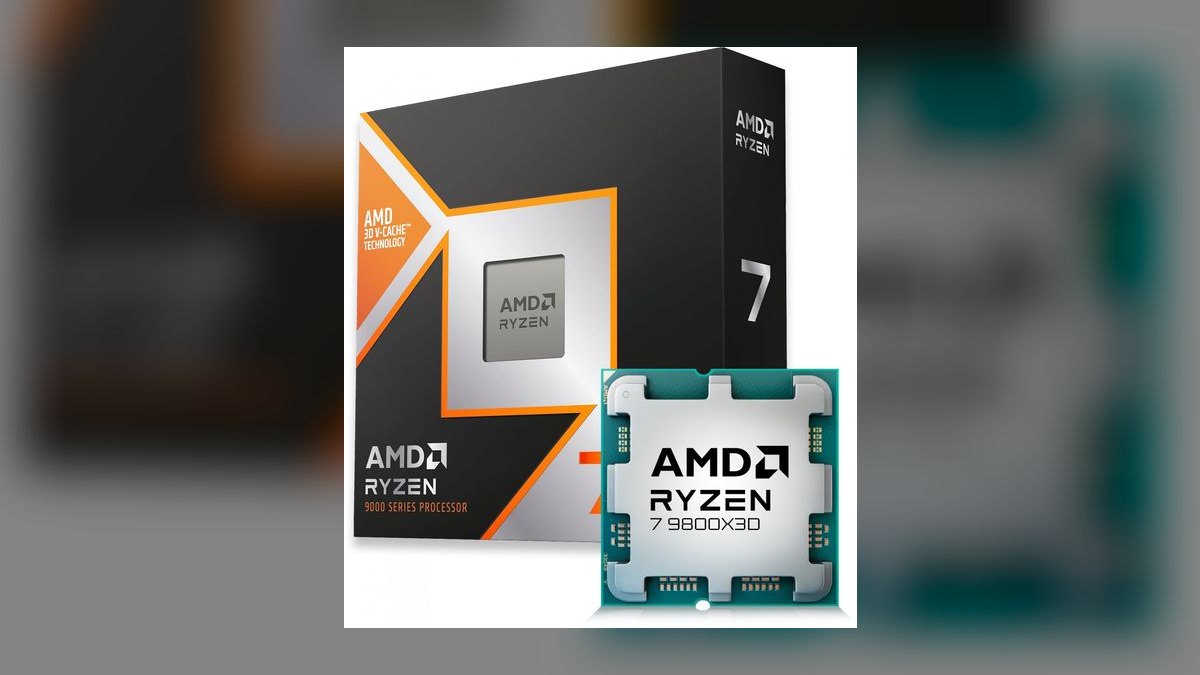
The 10 best desktop cpus are ranked below on measured performance, build quality, price, and how each one actually holds up in daily use rather than how it reads on a spec sheet. Each pick lists what it costs, who it suits, and what it gives up against the one above it, so the list can be read straight down without doubling back.
1. AMD Ryzen 7 9800X3D
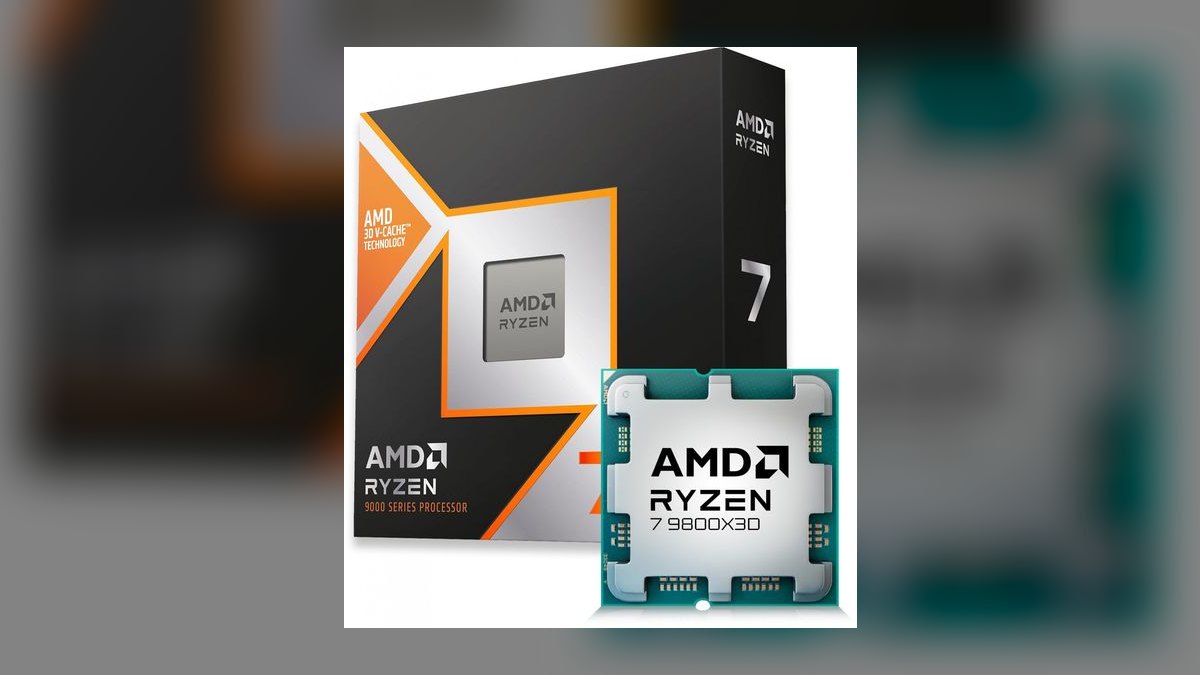
It ranks first because no other $449 chip pairs the fastest mainstream gaming performance with genuinely capable everyday multitasking. The 8 Zen 5 cores and 16 threads boost to 5.2 GHz with a stacked 96MB L3 cache on Socket AM5 at a 120W TDP. Second-generation 3D V-Cache sits beneath the cores, lifting clocks and making it the first overclockable X3D part. Gamers Nexus measured it roughly 30% ahead of Intel's former gaming flagship.
This is the chip for gamers who also stream, edit, and keep a dozen tabs open. It trades away heavy rendering throughput — 16-core parts finish Blender and compile jobs meaningfully faster — and it frequently sells above MSRP when stock tightens. Against the $699 Ryzen 9 9950X3D directly below it, you give up eight cores but save $250 for nearly identical frame rates. AMD supports AM5 through 2027.
2. AMD Ryzen 9 9950X3D
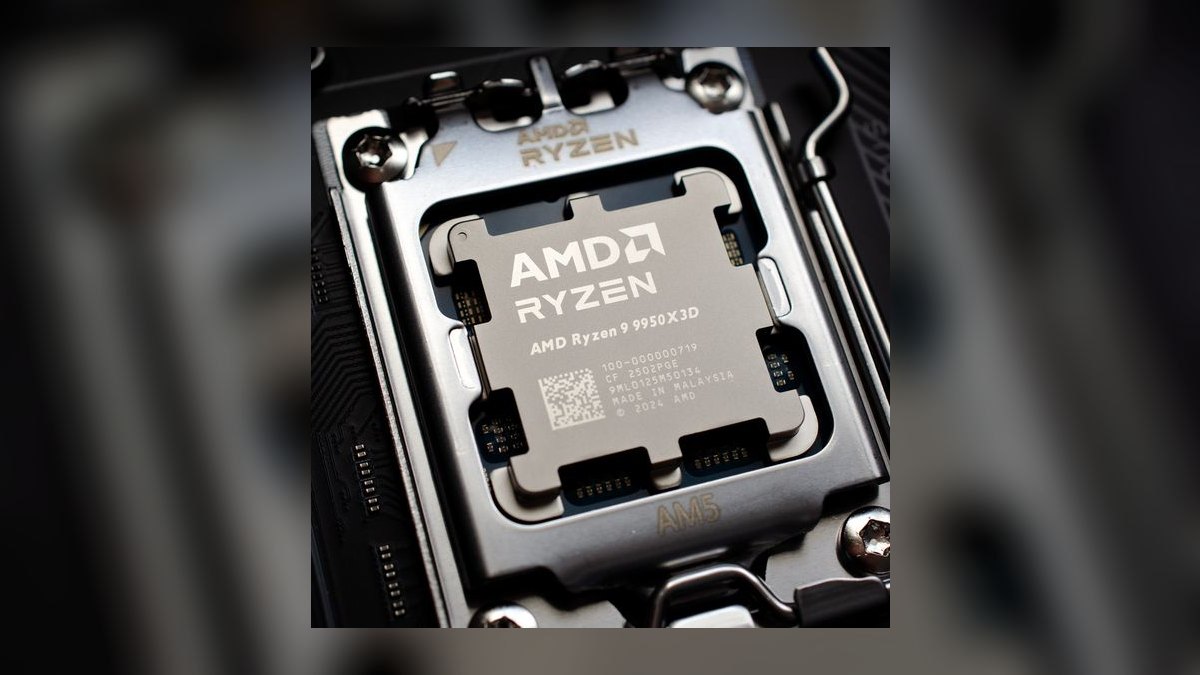
It ranks second as the do-everything flagship: 16 cores, 32 threads, a 5.7 GHz boost, 128MB of L3 cache, and a 170W TDP on AM5, for $699. AMD puts 3D V-Cache on one chiplet and high-clock cores on the other, so it games nearly as well as the 9800X3D while crushing it in Blender, code compiles, and video exports. TechRadar called it truly the best there is.
Buy it if you game hard and create hard in the same session — otherwise the money is wasted. It trades away $250 versus the 9800X3D directly above for almost no gaming gain, and the 170W envelope demands a strong air cooler or AIO rather than a budget tower. It drops into existing AM5 boards with a BIOS update, which softens the upgrade cost considerably.
3. AMD Ryzen 7 9850X3D
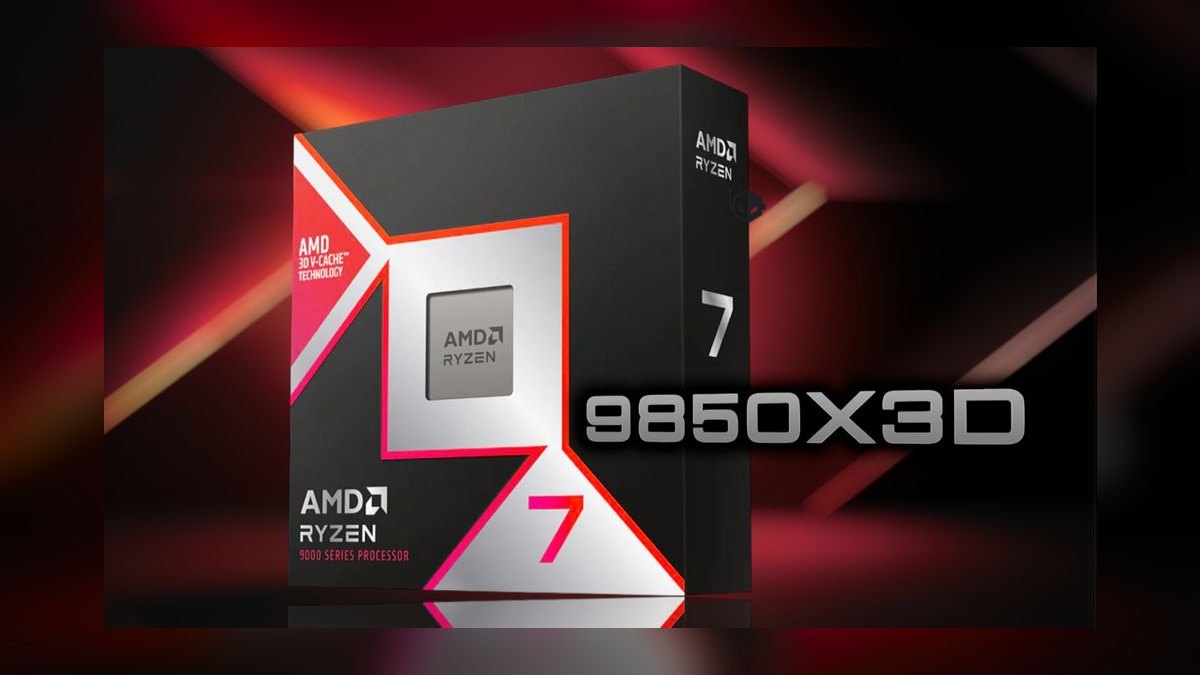
It ranks third because it is literally the fastest gaming CPU shipping, yet the margin barely justifies the price. It is a better-binned 9800X3D: the same 8 cores, 16 threads, and 96MB cache, but boost climbs to 5.6 GHz on AM5 at the same 120W TDP, for $499. Tom's Hardware named it the world's fastest gaming processor, again, while measuring the lead over the 9800X3D at just 3–4%.
This suits buyers starting a fresh build who want the top of the chart and will pay $50 for bragging rights. It trades away value outright — the 9800X3D at rank one delivers 96% of the frame rates for less money, and there is no reason to upgrade if you already own one. Like other X3D parts it is fully unlocked for tuning.
4. AMD Ryzen 5 7600X
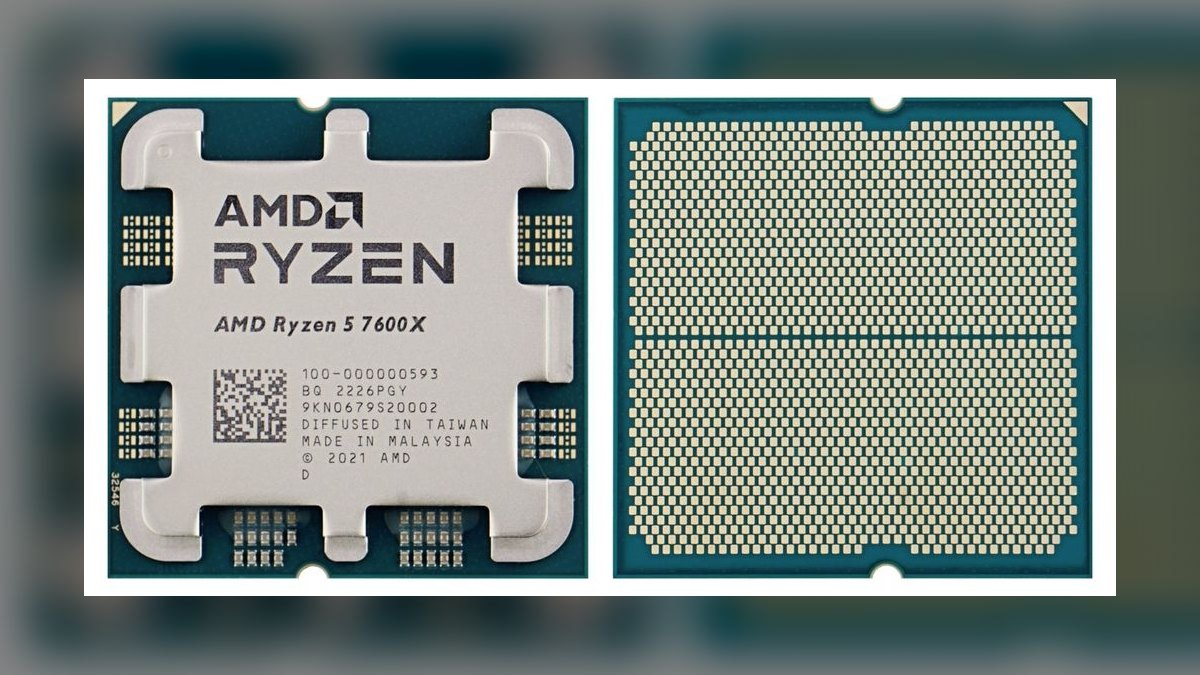
It ranks fourth on price-to-performance alone: $164 buys 6 Zen 4 cores, 12 threads, a 5.3 GHz boost, 32MB L3 cache, and a 105W TDP on AM5. Intel's Arrow Lake Refresh pricing pushed this chip into bargain territory. Tom's Hardware notes it delivers roughly 90% of a Ryzen 5 9600X's gaming performance, and it pairs with cheap B650 boards while sitting on the same socket as the 9950X3D.
This is the pick for budget 1080p gaming builds that still want a future. It trades away productivity — six Zen 4 cores fall well behind Zen 5 in rendering and compiling — and it ships without a cooler, so budget another $30 or so. Against the $299 Core Ultra 7 270K Plus below it, you get better gaming but far fewer cores.
5. Intel Core Ultra 7 270K Plus
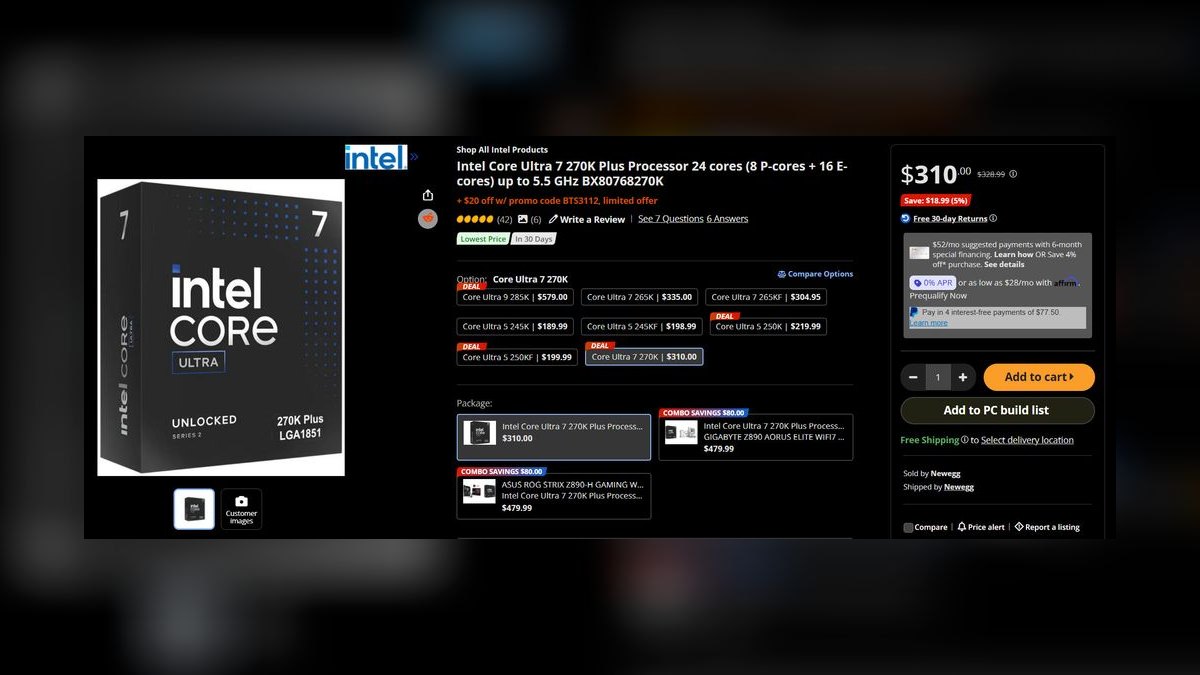
It ranks fifth because 24 cores for $299 is unusual value. The 8P + 16E layout runs 24 threads on Socket LGA 1851, and the Plus refresh bumps die-to-die frequency by 43% while lifting the ring clock. PCMag and The FPS Review found it matching or beating the pricier Core Ultra 9 285K in gaming and everyday tasks for roughly 66% less money, which makes the flagship hard to justify.
Productivity-first builders — spreadsheets, light rendering, dozens of browser tabs — get the most from it. It trades away pure gaming speed to AMD's X3D chips, and LGA 1851 has a shorter upgrade path than AM5's 2027 commitment. Against the $164 Ryzen 5 7600X above it, you pay $135 more for four times the core count and weaker frame rates.
6. AMD Ryzen 9 9950X
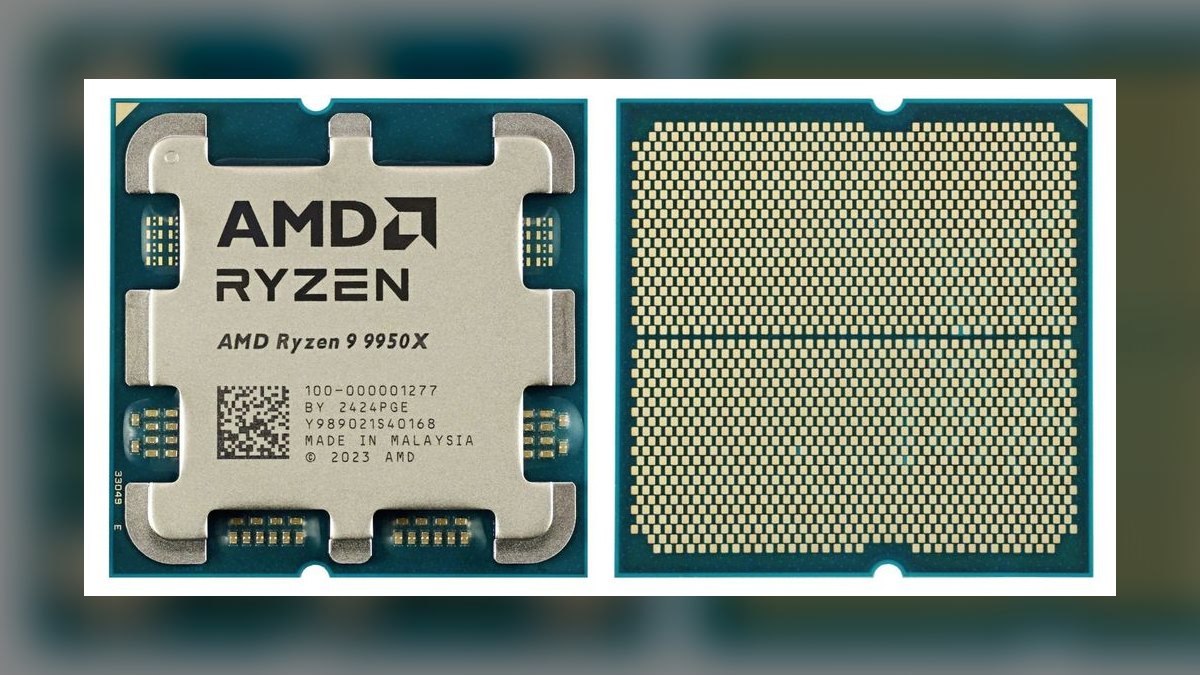
It ranks sixth as AMD's non-cache 16-core flagship at $549: 16 cores, 32 threads, a 5.7 GHz boost, 64MB L3 cache, and a 170W TDP on AM5. Without V-Cache it gives up gaming ground to the 9950X3D, but it matches or exceeds that chip in heavily threaded rendering and compilation. TechSpot rates it among the fastest consumer chips available for exactly those workloads.
This is for desktops that earn their keep in Blender, Premiere, or a compiler rather than in games. It trades away X3D frame rates and demands robust cooling for its 170W draw. Compared with the $699 9950X3D at rank two, you save $150 and lose the gaming cache while keeping identical core counts and the same AM5 forward compatibility.
7. Intel Core Ultra 9 285K
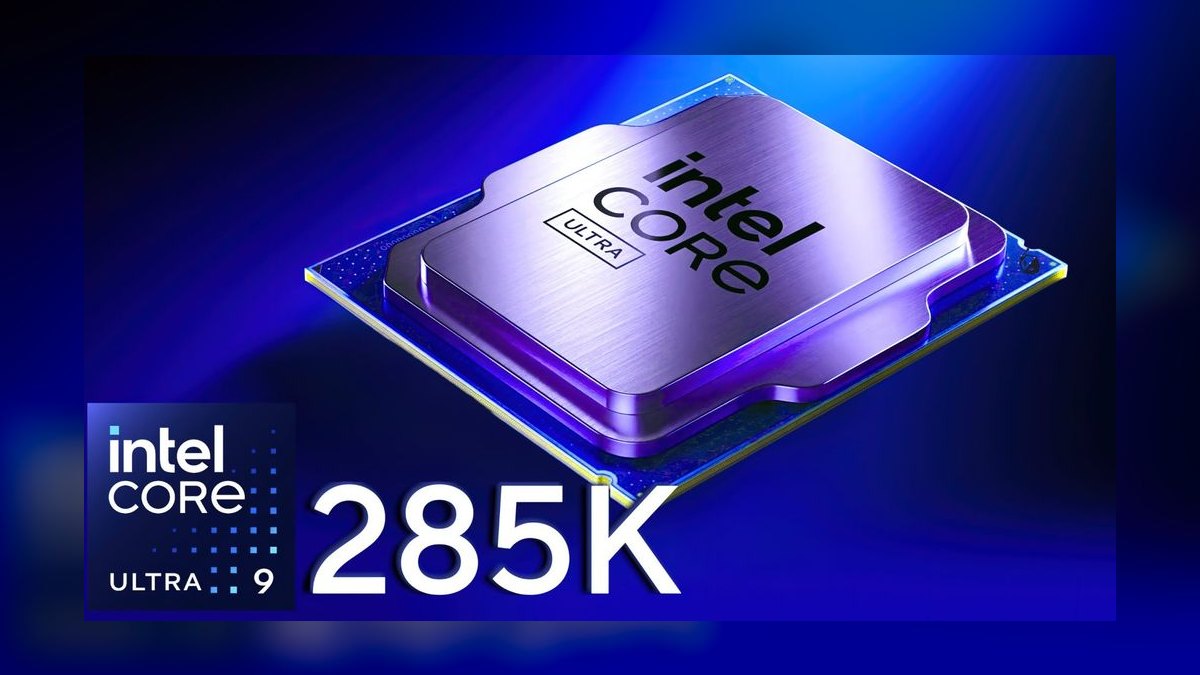
It ranks seventh because a cheaper Intel chip now matches it. The mainstream flagship carries 24 cores (8P + 16E), 24 threads, a 5.7 GHz boost, and 36MB cache on LGA 1851 at a 125W base TDP, priced at $557. TechPowerUp credits it with excellent efficiency versus prior Intel parts and best-in-class productivity, though gaming sits clearly behind AMD's X3D line across test suites.
Intel loyalists wanting top-tier multicore are the audience, and only at a discount. It trades away roughly $258 versus the Core Ultra 7 270K Plus at rank five for essentially the same measured speed, which is the whole reason it sits two places lower. Modern LGA 1851 I/O with PCIe 5.0 is a genuine plus for content workloads and fast storage.
8. AMD Ryzen 9 9900X
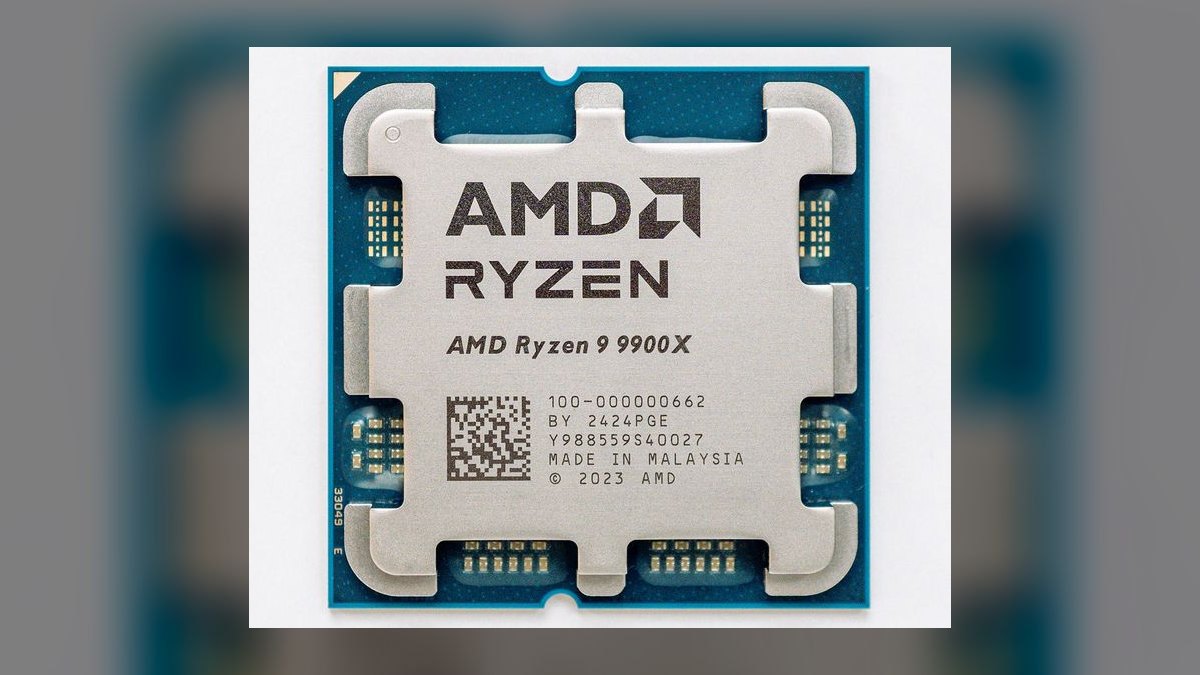
It ranks eighth as the middle ground nobody quite needs: 12 cores, 24 threads, a 5.6 GHz boost, 64MB L3 cache, and a 120W TDP on AM5 for $429. TechPowerUp flagged its launch price as steep, but at street pricing it renders fast and splits the difference between six-core value chips and 16-core flagships. It games well enough for high-refresh play without approaching X3D frame rates.
Mid-budget creators wanting more threads than a Ryzen 5 can use it well. It trades away gaming performance — the 8-core X3D parts cost similar money and are meaningfully faster in games. Against the $549 9950X directly above, you save $120 and give up four cores, while the 120W envelope is noticeably easier to cool than that chip's 170W.
9. Intel Core Ultra 5 245K
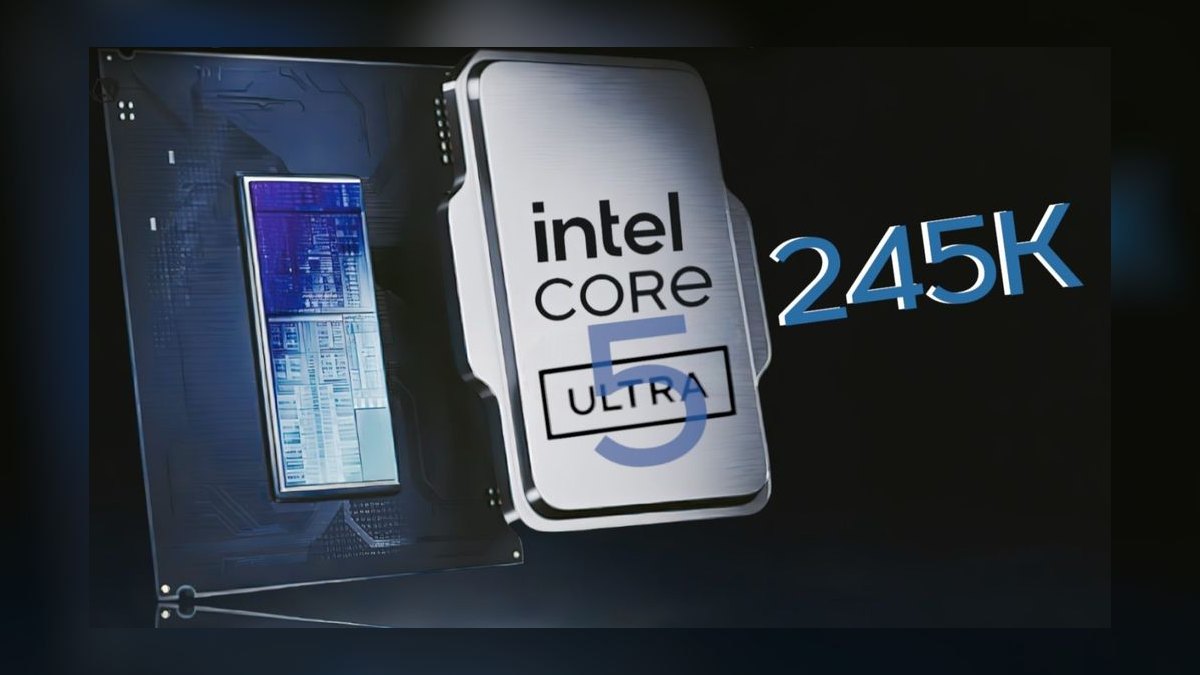
It ranks ninth on productivity value at $230: 14 cores (6P + 8E), 14 threads, a 5.2 GHz boost, and 24MB cache on LGA 1851 at a 125W base TDP. Hardware Unboxed measured it running up to 55% faster than a Ryzen 5 9600X in productivity workloads. Street prices sit well below its launch number, which pushes the value proposition further in its favor.
Budget productivity desktops are the target — people who render or multitask more than they game. It trades away gaming speed, falling behind the Ryzen 5 chips in this list, and LGA 1851 offers a shorter upgrade runway than AM5. Against the $164 7600X at rank four, you pay $66 more for eight extra cores and slower frames.
10. AMD Ryzen Threadripper 9980X
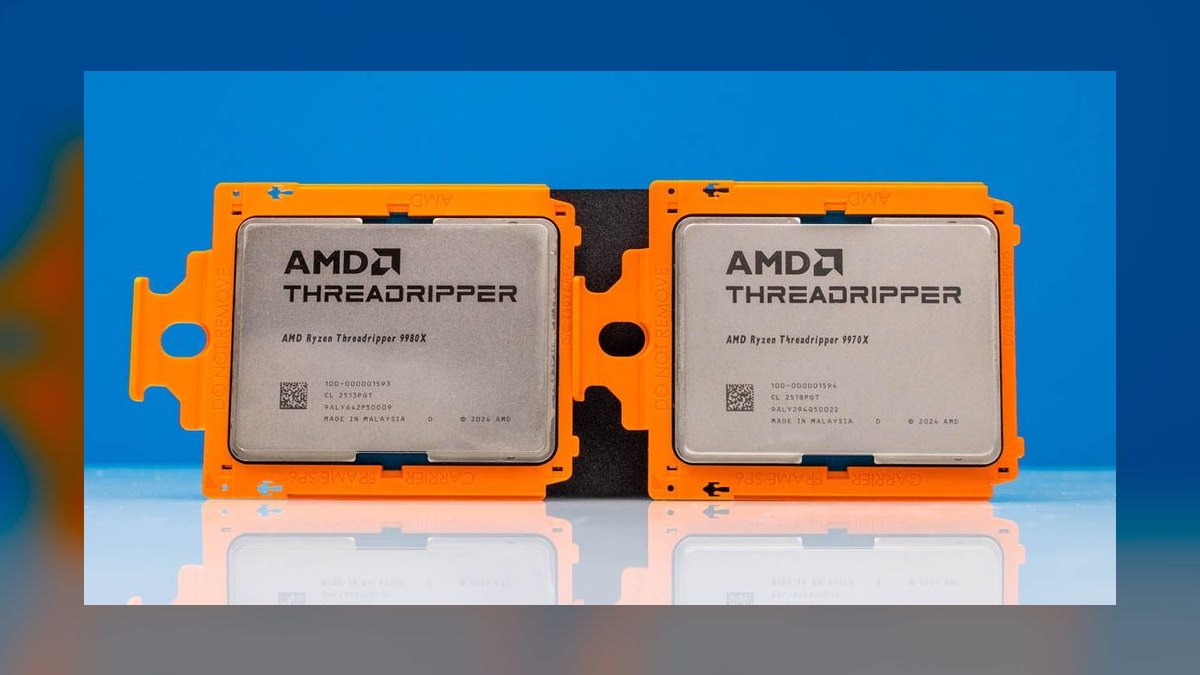
It ranks tenth because its $4,999 price puts it outside any normal desktop budget despite unmatched throughput. The workstation flagship packs 64 Zen 5 cores, 128 threads, a 3.2 GHz base clock, 80 lanes of PCIe 5.0, and a 350W TDP on the sTR5 platform. Gamers Nexus and TechSpot show massive gains over the previous 7980X in rendering, simulation, and compilation workloads.
Professional workstations and studios running Blender farms, scientific compute, or huge codebases are the only sensible buyers. It trades away all value for gaming or home use, and the 350W draw demands serious cooling plus a large PSU and an expensive TRX50 board. ECC memory support separates it from every mainstream chip here, including the 16-core 9950X.
How we ranked these
We weighted six factors against what desktop CPUs actually do all day: gaming performance (25%), multi-core productivity (25%), price-to-performance (20%), power and thermals (15%), platform and upgrade path (10%), and integrated graphics or features (5%). Rankings lean on hands-on benchmark suites from Tom's Hardware, TechPowerUp, Gamers Nexus, Hardware Unboxed, TechSpot, and PCMag, cross-checked against AMD and Intel published specifications rather than vendor marketing claims.
We deliberately ignored peak boost clock as a headline number, since cache size and per-core speed decide real frame rates far more reliably. Synthetic single-run scores were discounted in favor of repeatable game and render suites. Overclocking headroom was excluded because most buyers run stock. Server and laptop silicon was out of scope, and street-price volatility was noted but never allowed to override measured performance.
What to look for
What actually matters is matching the chip to your dominant workload. Gamers should prioritize cache size and single-core speed, which is why X3D parts dominate. Creators need core counts and multi-threaded throughput, making the 9950X or 9950X3D worth the premium. Budget buyers get the most from the 7600X, which offers 90% of a 9600X's gaming performance for far less. Platform longevity matters too: AM5 is supported through 2027, while LGA 1851 has a shorter runway.
The mistake most buyers make is overbuying cores for gaming. Sixteen-core chips sit idle in games, where an 8-core X3D part delivers better frame rates. Another error is ignoring cooling costs: many chips ship without a cooler, and 170W parts demand strong air or AIO solutions. Finally, don't chase the 9850X3D's 3-4% lead over the 9800X3D—it's invisible outside benchmarks. Spend the savings on a GPU instead.
Related questions
Why does 3D V-Cache matter so much for gaming?
Games constantly re-read the same working set—geometry, physics state, draw call data. AMD's stacked 96MB or 128MB L3 keeps that data on-die instead of trekking to system RAM. The result is a frame-rate lift no core-count increase matches, which is why an 8-core 9800X3D at $449 beats many 16-core chips in games outright.
Is the $50 jump from the 9800X3D to the 9850X3D worth it?
Almost never. The 9850X3D is a better-binned version of the same 8-core, 96MB silicon, boosting to 5.6 GHz instead of 5.2 GHz. Tom's Hardware measured the real-world gaming lead at just 3–4%. You pay 11% more for a difference you cannot feel outside a benchmark chart. Buy the 9800X3D.
How long will AM5 boards stay useful?
AMD has committed to Socket AM5 through 2027, which is why the $164 Ryzen 5 7600X is such a smart entry point. Buy a cheap B650 board today, run the six-core Zen 4 chip for a couple of years, then drop in an X3D part later with only a BIOS update. Intel's LGA 1851 offers a shorter runway.
When do 16 cores actually earn their price?
When your desktop makes money. Blender renders, Premiere exports, and large code compiles scale nearly linearly with cores, so the $549 Ryzen 9 9950X or $699 9950X3D pay for themselves in saved hours. For gaming alone, those extra eight cores sit idle while cache does the real work.
Why does the Core Ultra 7 270K Plus beat the pricier 285K?
The Plus refresh raised die-to-die frequency by 43% and lifted the ring clock, closing most of the gap to Intel's flagship. PCMag and The FPS Review found it matching or beating the Core Ultra 9 285K in gaming and everyday tasks for roughly 66% less. At $299 versus $557, the flagship only makes sense heavily discounted.
What cooler should I budget for each tier?
A 120W chip like the 9800X3D or 9900X runs comfortably on a quality tower air cooler. The 170W parts—9950X and 9950X3D—want a strong dual-tower or a 240mm AIO. The 350W Threadripper 9980X demands serious cooling and a large PSU. Most enthusiast chips ship without any cooler, so budget separately.
Is Intel worth considering at all in 2027?
Yes, but for productivity rather than frames. AMD's X3D line leads gaming decisively, sometimes by around 30%. Intel counters on core count per dollar: 24 cores under $300 in the 270K Plus, and 14 cores near $230 in the Core Ultra 5 245K, which Hardware Unboxed clocked up to 55% faster than a Ryzen 5 9600X in productivity.
Who actually needs a Threadripper 9980X?
Studios, not households. Sixty-four Zen 5 cores, 128 threads, 80 PCIe 5.0 lanes, and ECC support target render farms, scientific compute, and enormous codebases. At $4,999 plus a TRX50 board, it is pure overkill for gaming—a $449 9800X3D beats it in frame rates for a tenth of the price.
FAQ
What is the best overall desktop CPU in 2027?
The AMD Ryzen 7 9800X3D at $449. Its eight Zen 5 cores, 5.2 GHz boost, and stacked 96MB L3 cache make it the fastest mainstream gaming processor while still handling streaming, editing, and multitasking. Gamers Nexus measured it roughly 30% ahead of Intel's former gaming flagship, and it runs cool inside a 120W envelope.
What is the best value desktop CPU?
The AMD Ryzen 5 7600X at $164. Six Zen 4 cores, 12 threads, a 5.3 GHz boost, and 32MB of L3 land it on AM5 for bargain money after Intel's Arrow Lake Refresh pricing pressure. Tom's Hardware pegs it near 90% of a Ryzen 5 9600X's gaming performance, on cheap B650 boards with a live upgrade path.
Do I need 16 cores for gaming?
No. Games rarely use more than eight fast cores, so an 8-core X3D chip outpaces most 16-core parts in frame rates. Extra cores pay off in rendering, streaming, and compiling instead. If you only game, spend the savings on your GPU—that is where the frames actually come from.
Is Intel or AMD better in 2027?
AMD leads gaming decisively thanks to its X3D cache, sometimes by around 30%. Intel competes hard on productivity value, especially with the $299 Core Ultra 7 270K Plus, which matches pricier chips for far less money. Pick AMD for frames, Intel for core count per dollar in mixed office and content work.
How much should I spend on a desktop CPU?
Most gamers are well served between $164 and $449. Below that, you bottleneck a modern GPU; above it, you pay for cores games never touch. Spend more only if you render, simulate, or compile professionally, where the $549 9950X, $699 9950X3D, or $4,999 Threadripper 9980X genuinely earn their keep.
Will I need a new motherboard?
It depends on the socket. AMD's AM5 platform is supported through 2027, so many Ryzen chips drop into existing B650 or X670 boards with a BIOS update. Intel's LGA 1851 parts need a compatible 800-series board. Threadripper requires an expensive TRX50 platform. Always confirm socket and BIOS version before ordering anything.
Do these CPUs come with a cooler?
Most enthusiast and X3D chips ship without one, including the Ryzen 5 7600X. Budget for a quality air cooler or AIO—especially for the 170W 9950X and 9950X3D, and absolutely for the 350W Threadripper 9980X, which needs serious cooling and a large power supply to run at full load safely.
Is the Ryzen 7 9800X3D worth it over the 9850X3D?
For nearly everyone, yes. The 9850X3D is only 3–4% faster in games for $50 more, so the 9800X3D remains the better value and the smarter buy. Tom's Hardware calls the 9850X3D the world's fastest gaming processor, but the margin is invisible outside a benchmark chart. Never upgrade from one to the other.
Which CPU is best for video editing and rendering?
The $549 Ryzen 9 9950X. Sixteen full Zen 5 cores, 32 threads, and a 5.7 GHz boost make it among the fastest consumer chips in Blender, Premiere, and compilation, per TechSpot. If you also game seriously, the $699 9950X3D adds V-Cache for near-flagship frame rates. For studio-scale work, step up to Threadripper.
Does integrated graphics matter when buying a desktop CPU?
Only as insurance. If you run a discrete GPU, the integrated silicon sits unused during gaming. It earns its keep as a backup display output when a graphics card fails or during troubleshooting, and for a media-box or office build with no GPU at all. It carries just 5% weight in this ranking for that reason.
Sources
- https://www.tomshardware.com/pc-components/cpus/best-cpus
- https://www.techpowerup.com/review/intel-core-ultra-9-285k/
- https://www.techpowerup.com/cpu-specs/ryzen-9-9950x3d.c3993
- https://www.amd.com/en/products/processors/desktops/ryzen/7000-series/amd-ryzen-5-7600x.html
- https://www.techspot.com/review/2917-amd-ryzen-7-9800x3d/
- https://www.pcmag.com/reviews/amd-ryzen-7-9800x3d
- https://gamersnexus.net/cpus/amd-ryzen-7-9800x3d-cpu-review-benchmarks-gaming-power-efficiency
- https://www.intel.com/content/www/us/en/products/details/processors/core-ultra.html
- https://www.techradar.com/computing/cpu/amd-ryzen-9-9950x3d-review
- https://www.techpowerup.com/review/amd-ryzen-9-9900x/
Related on PULSE
- [More desktop cpus rankings and buying guides](/knowledge)
- [PULSE Tools and calculators](/tools)
- [Everything on PULSE RevOps](/)
 pulse-reviewsHow much does Electronics cost in 2027?
 pulse-reviewsHow much does a DJI Avata 2 cost in 2027?
 pulse-reviewsWhat should you know before investing in Electronics in 2027?
 pulse-reviewsWhat are the most common mistakes in Electronics in 2027?
 pulse-reviewsTop 10 best Electronics options in 2027
 pulse-reviewsHow do you get started with Electronics in 2027?
 pulse-reviewsTop 10 Electronics strategies for 2027
 pulse-aquariumsTop 10 Canister Filters 2027
 aqTop 10 Hang-On-Back Aquarium Filters 2027
 pulse-reviewsTop 10 Cabin Cruiser Boats 2027