
Top 10 Radar Detectors — Best Overall + Best Value in 2027
 Curated byKory White · Fractional CRO · Maryland
 PULSEKNOWLEDGE LIBRARY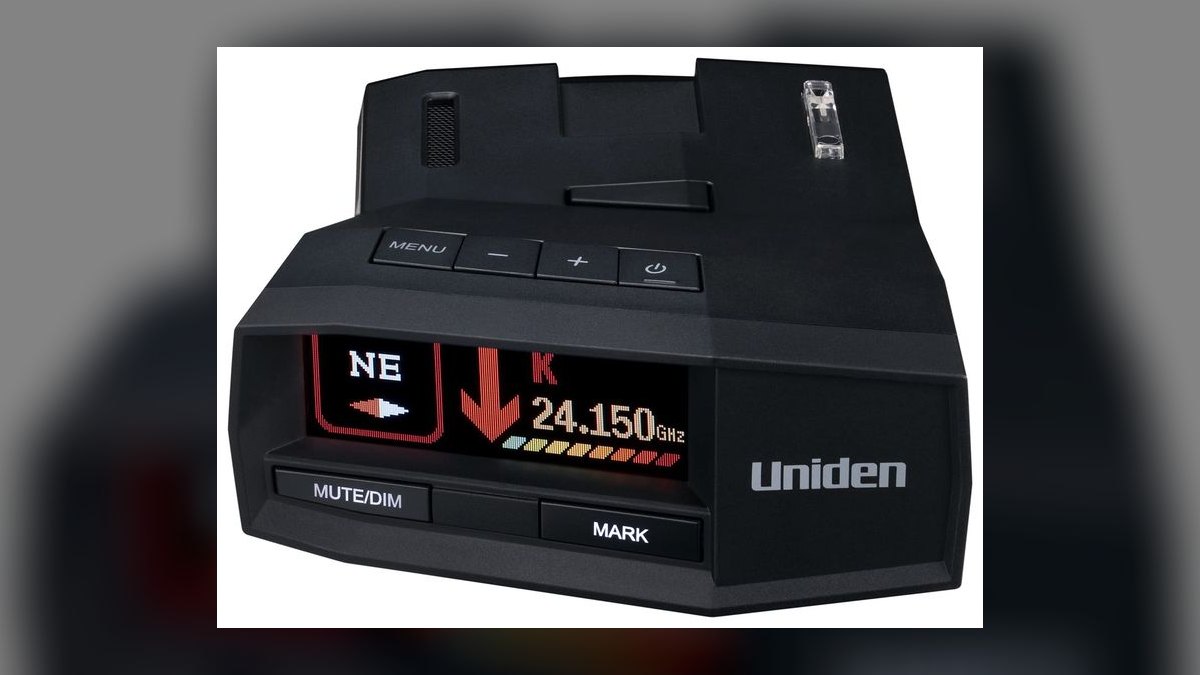
The 10 best radar detectors are ranked below on measured performance, build quality, price, and how each one actually holds up in daily use rather than how it reads on a spec sheet. Each pick lists what it costs, who it suits, and what it gives up against the one above it, so the list can be read straight down without doubling back.
1. Uniden R8
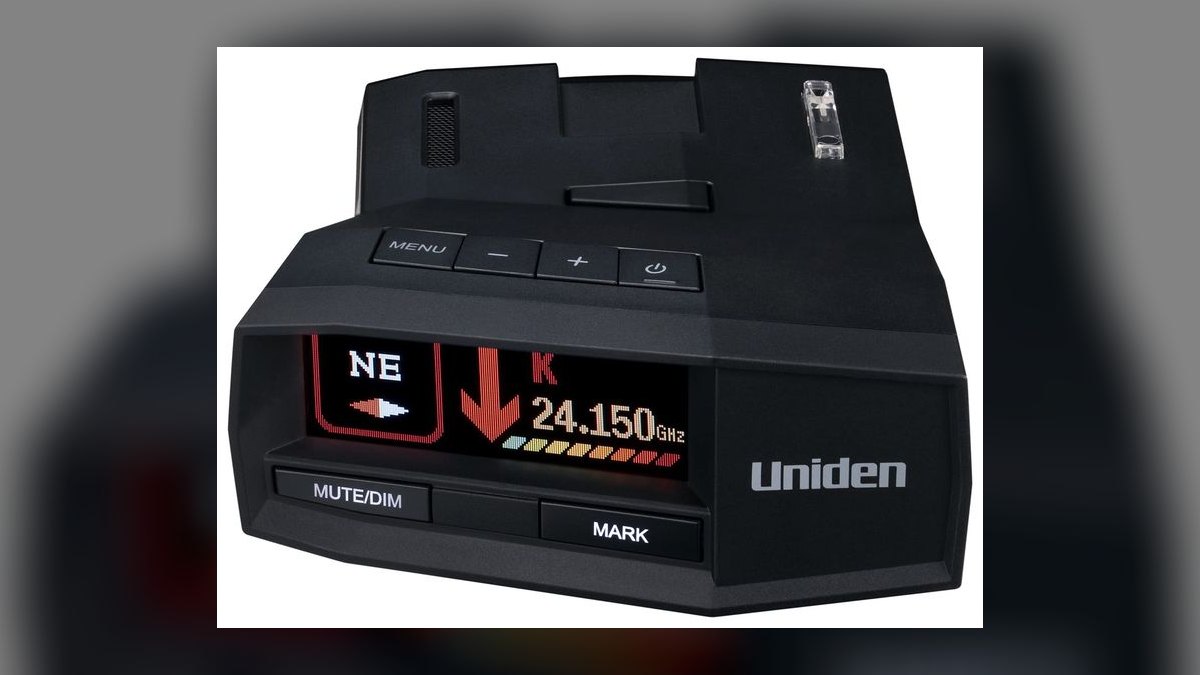
The Uniden R8 ranks first because it pairs the longest practical Ka-band reach in the mainstream field with true directional arrows, a combination nothing else at $659 delivers. Dual antennas front and rear feed a dual-LNA receiver that pulls weak Ka signals farther than the older R7. It detects MRCD and MRCT MultaRadar signals used by photo-enforcement vans, runs automatic GPS lockouts, and updates firmware over USB.
Buy it if you log serious highway miles and want to know whether a threat sits ahead, behind, or beside you. The bright OLED stays readable in direct sun, but the dual-antenna body has a larger windshield footprint than single-antenna units, and there is no native Bluetooth app the way Escort and Valentine offer. Against the $749 Redline 360c it saves $90 and matches the range, trading connected convenience for raw hardware.
2. Escort Redline 360c
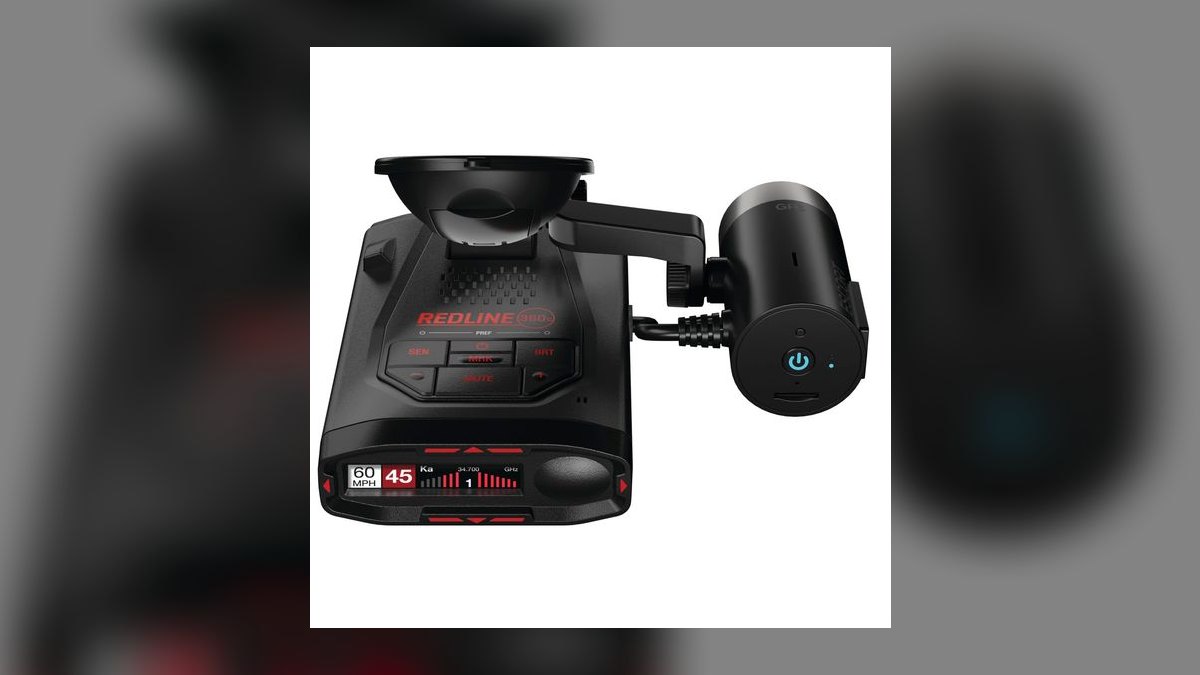
The Escort Redline 360c takes second on livability rather than raw range, with class-leading false-alert filtering and Ka-band sensitivity that rivals the R8. AutoLearn GPS lockouts silence repeat nuisance sources automatically, 360-degree arrows show threat direction, and a December 2025 firmware update improved response time and filtering. Wi-Fi and Bluetooth mean over-the-air updates arrive without a laptop, and the Escort Live app crowdsources alerts from other drivers.
This is the pick for set-and-forget drivers who value silence and convenience over saving money. At $749 it is the priciest mainstream unit here, and its smartest features depend on the phone app staying connected. Compared with the Uniden R8 above it, you pay $90 more for a cleaner connected ecosystem and quieter city behavior while giving up a bit of the R8's dual-LNA hardware edge.
3. Valentine One Gen2
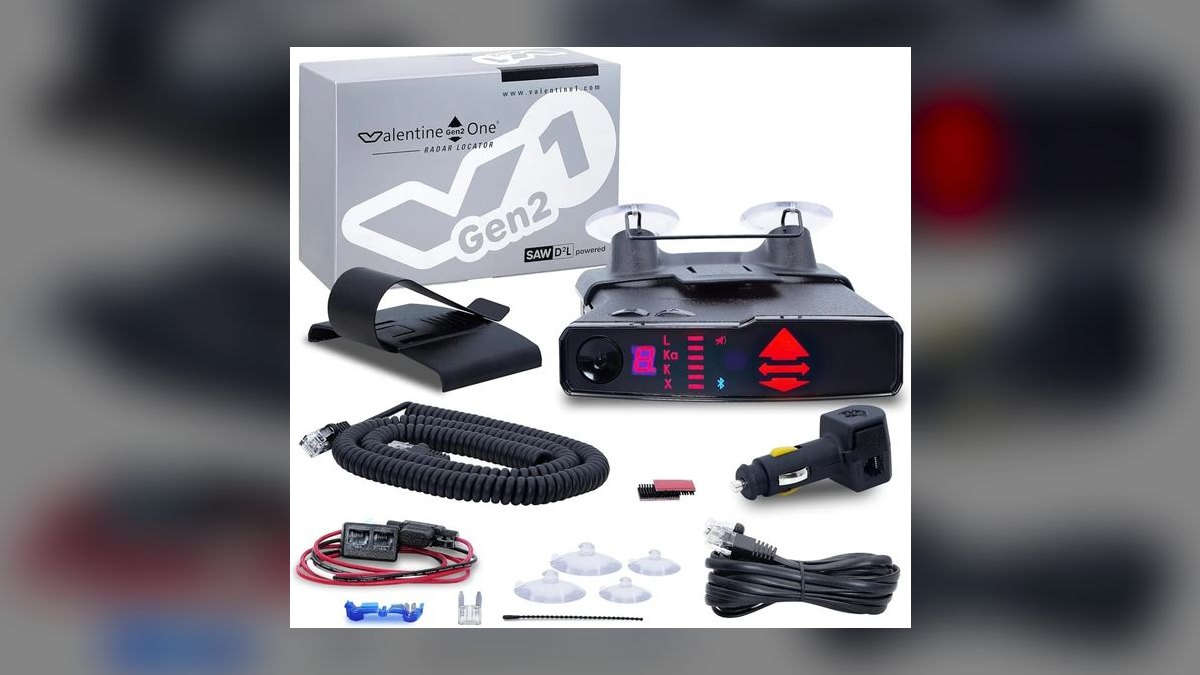
The Valentine One Gen2 earns third for control and situational awareness rather than convenience. Its dual-antenna design gives front-and-rear directional arrows plus the signature bogey counter, which reports how many separate threats are nearby — genuinely useful in dense radar zones. Sensitivity on K and Ka bands is strong, MRCD detection is now handled, and owners can flash firmware themselves as Valentine ships updates.
This is the enthusiast's detector, for drivers who want to tune settings rather than accept defaults. It has no integrated GPS, so lockouts and logging require pairing the third-party JBV1 app on a phone. The display and ergonomics are utilitarian next to the Escort Redline 360c above it, but at $499 it costs $250 less and hands you far more configurability.
4. Radenso Theia
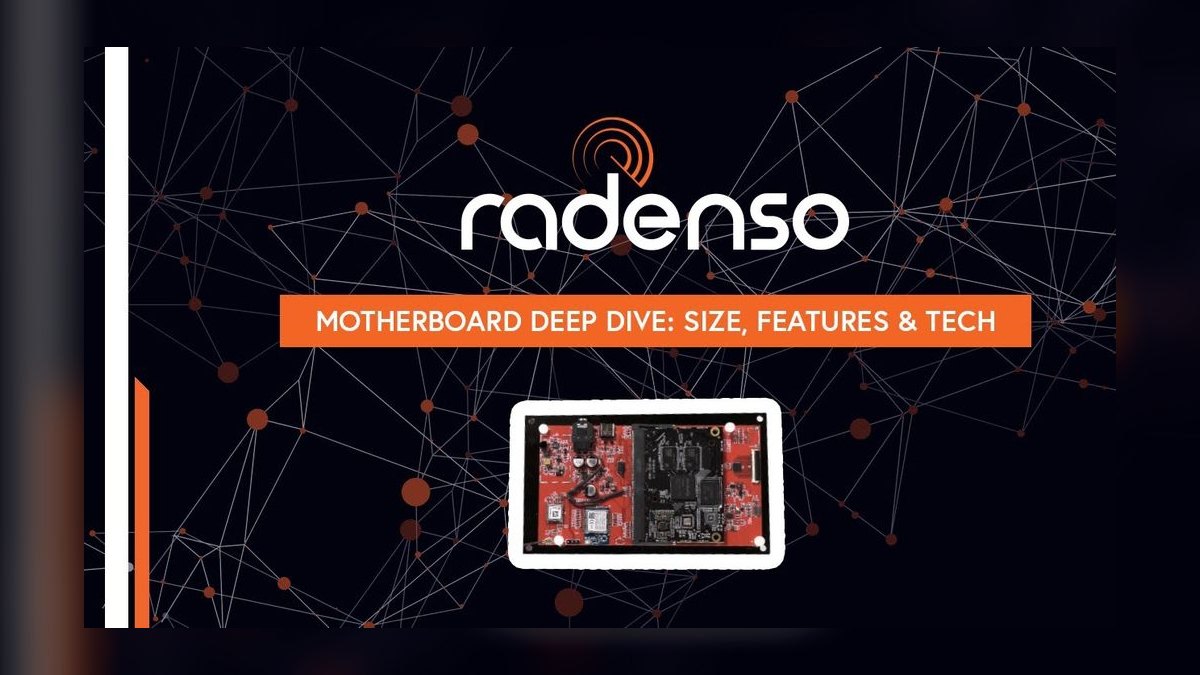
The Radenso Theia ranks fourth despite chasing the longest Ka-band range available, because $1,299 puts it beyond what its advantage justifies for most drivers. It pairs that range with aggressive false-alert filtering and MRCD/MRCT detection tuned for North American enforcement. GPS lockouts and app connectivity are included, and Radenso has a track record of frequent, responsive firmware support.
This is a specialist tool for range-chasers who treat early detection as the whole point and have the budget. It costs roughly double the Uniden R8 above it for a range increment most commuters will never notice, and it is plain overkill for ordinary in-town driving. Choose it only if you drive open highway constantly and want the absolute maximum warning distance.
5. Uniden R7
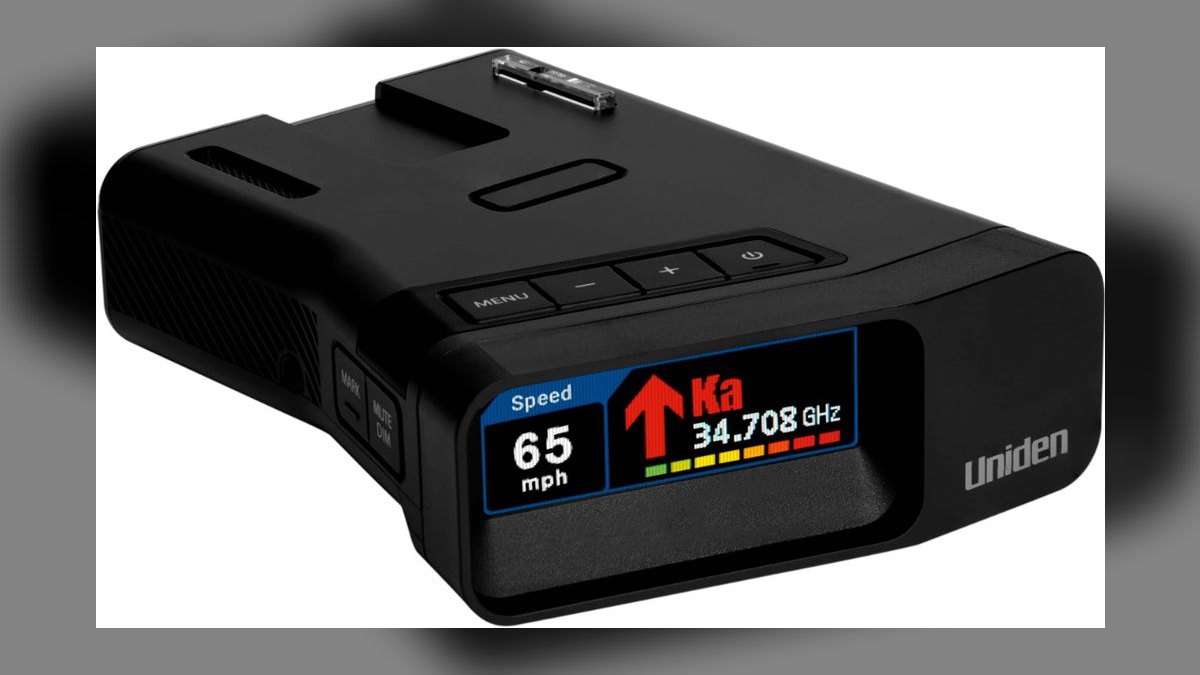
The Uniden R7 lands fifth because it delivers most of the R8 experience for $110 less at $549. It keeps the dual-antenna directional arrows, strong Ka-band range, and built-in GPS with red-light and speed-camera alerts. It detects K and Ka bands plus laser, and the bright color OLED matches its successor. Firmware is mature and proven after years in the field.
This suits drivers who want arrows and range without paying flagship money. The trade is real: lockouts are manual rather than automatic, there is no Bluetooth, and MRCD handling is weaker than the R8's. Against the Radenso Theia above it, the R7 costs $750 less and gives up range you would rarely use, which makes it the smarter buy for most commuters.
6. Escort MAX 360c
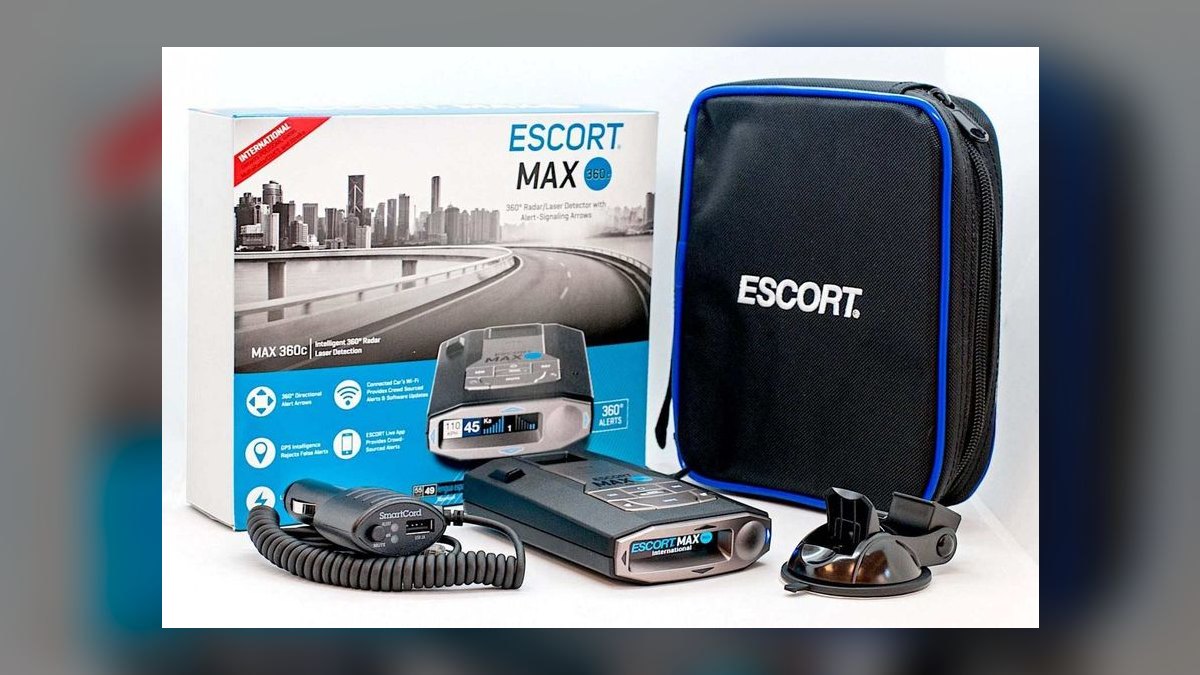
The Escort MAX 360c places sixth as the connected mid-range sweet spot at $549. It brings directional arrows, Wi-Fi and Bluetooth, and the Escort Live app to a price $200 below the Redline 360c. AutoLearn automatically locks out nuisance signals like radar-controlled automatic doors, keeping city driving quiet. It detects K and Ka bands plus MRCD and updates over the air without a computer.
This is for drivers who want arrows plus a connected app at a fair price rather than maximum sensitivity. Its range ceiling sits below the Redline 360c, which is the main reason it ranks here. Against the Uniden R7 at the same $549, the MAX 360c trades some raw range for automatic lockouts, crowd-sourced alerts, and a far easier update process.
7. Radenso DS1
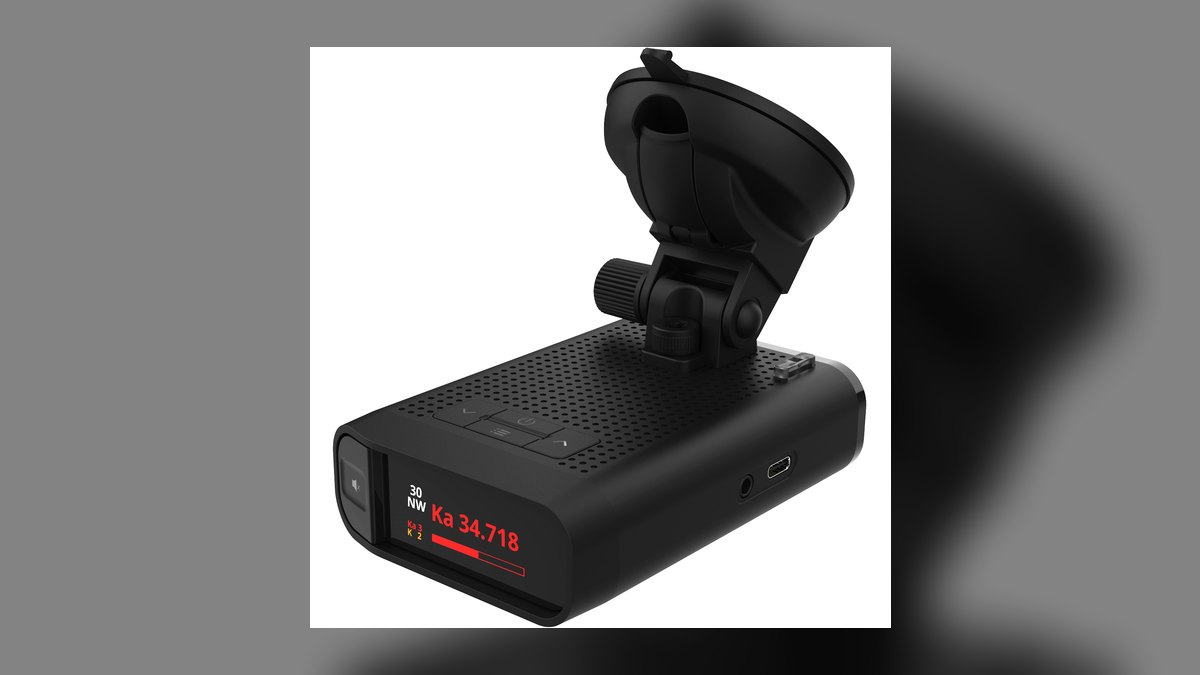
The Radenso DS1 ranks seventh on the strength of exceptionally quiet false-alert filtering, the best here for dense urban driving where blind-spot monitoring systems flood the K band. It backs that with solid Ka-band range for its size, GPS lockouts, MRCD detection, and a compact build that stays discreet on the windshield. At $499 it competes directly with the Valentine One Gen2 on price.
This is for city commuters whose main enemy is alert fatigue rather than detection distance. It has no directional arrows, so you learn that a threat exists without learning where it sits — the central trade versus the Escort MAX 360c above it. It can still occasionally alert on stubborn false sources like automatic store doors, though far less than cheaper units.
8. Cobra RAD 700i
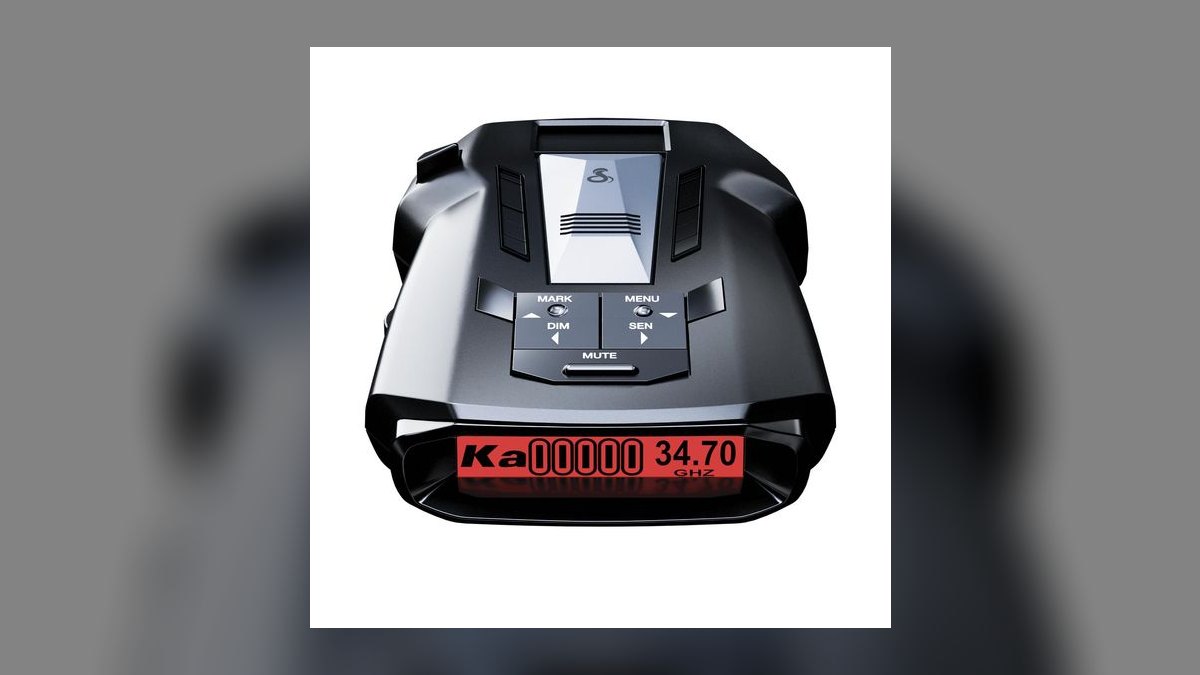
The Cobra RAD 700i is the best value on this list at $250, ranking eighth on absolute capability but first on price-to-performance. Its digital signal processing is the strongest in Cobra's lineup, staying nearly silent in metro driving where cheaper detectors chatter constantly. It includes AutoLearn GPS-based lockouts and MRCD/MRCT detection, and connects through Apple CarPlay and Android Auto for crowd-sourced alerts.
Buy it if you want flagship-style quiet and smarts without spending flagship money. Range is respectable rather than class-leading, there are no directional arrows, and the display is smaller than premium units. Against the $499 Radenso DS1 above it, you give up some filtering polish and Ka-band reach but keep MRCD detection and app integration for half the price.
9. Uniden DFR9
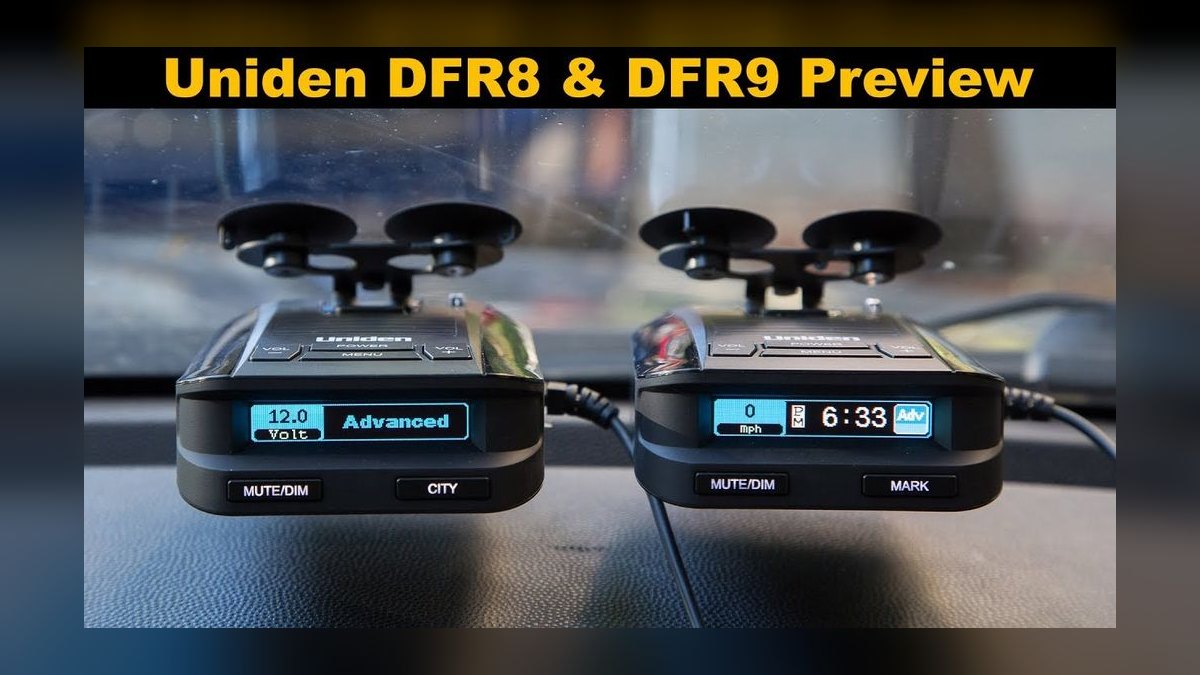
The Uniden DFR9 sits ninth as a clean $200 long-range unit with genuine Uniden sensitivity. It has built-in GPS driving red-light and speed-camera alerts, a full-color OLED display that reads easily in daylight, and detection across X, K, and Ka bands plus laser. It is notably quieter than the DFR7 it replaced while matching that model's detection distance.
This is for highway commuters who want a no-fuss detector and will not miss connected features. There are no directional arrows, no MRCD detection, and lockouts must be managed manually rather than learned. Against the Cobra RAD 700i above it, the DFR9 saves $50 and offers better raw range, but gives up MRCD, AutoLearn, and app connectivity entirely.
10. Cobra RAD 480i
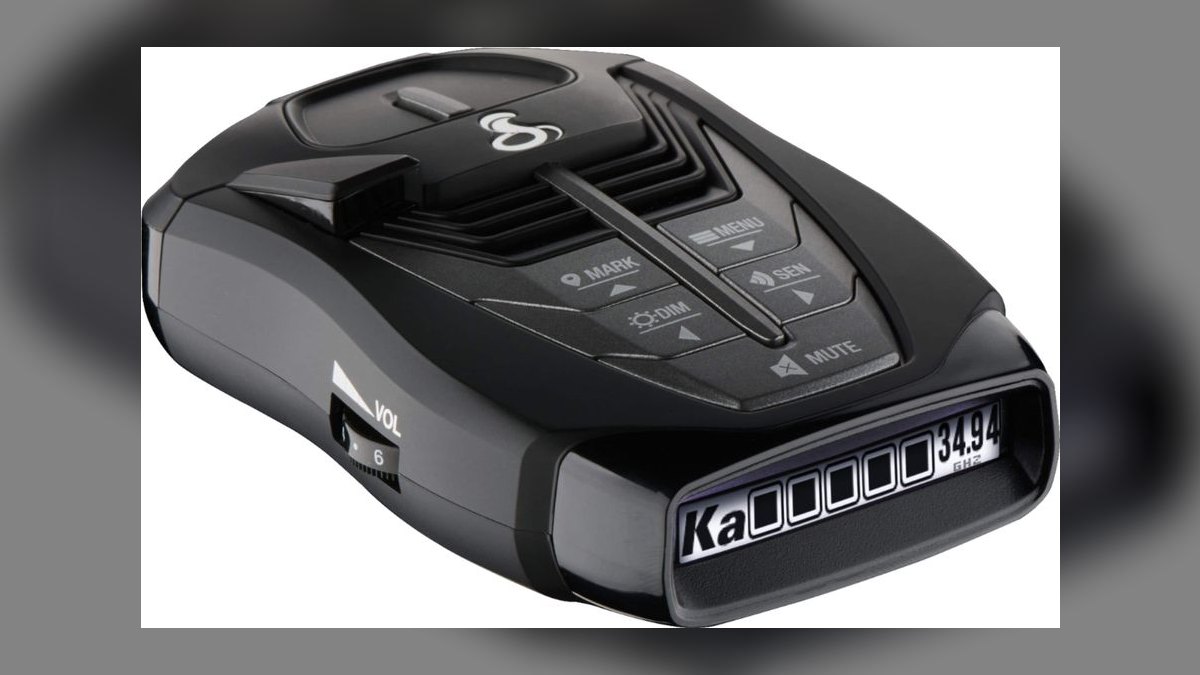
The Cobra RAD 480i ranks last because it is the entry point rather than a competitive performer, though at $150 it is the cheapest real detector here. It covers X, K, and Ka bands plus laser, includes GPS-based red-light and speed-camera alerts, and connects to the Cobra app for community alerts from other drivers. Range falls short of every unit above it.
This works as a first detector or a backup unit in a second car, not as primary defense for a serious commuter. It has no MRCD detection, so photo-enforcement vans pass unnoticed, and its filtering is noticeably noisier than the RAD 700i. For $100 more the 700i fixes both problems, which is the upgrade path most buyers take within a year.
How we ranked these
Ranking weighted detection range and Ka-band sensitivity at 25%, false-alarm filtering and GPS lockouts at 20%, directional arrow accuracy at 15%, build quality and display readability at 15%, feature set including MRCD/MRCT and firmware updates at 15%, and price-to-performance at 10%. Scores draw on long-form bench and highway testing from Vortex Radar, The Drive, Car and Driver, Wirecutter, RDForum community reports, and published manufacturer specifications from Uniden, Escort, Valentine, Cobra, and Radenso.
Deliberately ignored: marketplace star ratings, which are dominated by fake-branded no-name units that detect almost nothing. Also ignored are claimed maximum-range figures published without test conditions, since they're unfalsifiable marketing. Discontinued models were excluded even when beloved, because firmware support ends and MRCD coverage never arrives. Laser-jammer performance sits outside this list entirely — jammers are a separate product category with separate legality rules by state.
Related questions
Are radar detectors legal in every U.S. state?
They're legal for private passenger vehicles in most states, but banned outright in Virginia and Washington, D.C. Federal rules prohibit them in commercial vehicles nationwide regardless of state law. Some jurisdictions also restrict windshield mounting placement rather than the device itself. Confirm your state's current statute before mounting one, since penalties can include confiscation of the unit.
What is MRCD and why does it matter in 2027?
MRCD and MRCT are MultaRadar signals used by newer photo-enforcement camera vans. Older detectors miss them entirely because the waveform differs from conventional police radar. As camera enforcement spreads, MRCD coverage becomes the dividing line between a useful detector and a decorative one. The Uniden R8, Escort Redline 360c, Radenso units, and Cobra RAD 700i all detect it.
Do directional arrows actually change how you drive?
They reduce guesswork in heavy traffic by telling you whether a threat sits ahead, behind, or beside you instead of just that one exists. That matters most on multi-lane highways where a rear-facing patrol car is invisible. Arrows require dual-antenna hardware — the Uniden R8 and R7, Escort Redline 360c and MAX 360c, and Valentine One Gen2.
Why do GPS lockouts matter more than raw range?
A commuter passes dozens of radar-controlled automatic doors and blind-spot monitors daily. Without lockouts, the detector chirps constantly and gets unplugged within a week. GPS lockouts memorize those fixed false sources by location and silence them permanently. AutoLearn systems on the Escort units and Cobra RAD 700i do it automatically; the Uniden R7 requires manual lockout management.
Will a radar detector prevent a laser ticket?
Rarely. LiDAR delivers a speed reading in well under a second, so by the time your detector announces laser the officer already has your number. Detectors are genuinely effective against radar, where signals scatter and arrive early. Defeating laser requires a separate jammer, which carries its own state-by-state legality questions and costs more than most detectors on this list.
Is the Valentine One Gen2 still competitive without built-in GPS?
Yes, if you're willing to run the JBV1 third-party app on a phone. That pairing adds GPS lockouts and detailed logging that many owners rate above built-in systems. The trade-off is a dependency: no phone, no lockouts. In exchange you get the bogey counter, dual-antenna arrows, owner-flashable firmware, and the deepest customization available at $499.
How much does the Radenso Theia justify its $1,299 price?
It buys the longest Ka-band range available plus aggressive filtering and MRCD/MRCT coverage tuned for North American enforcement. That's real, but the gap over a $659 Uniden R8 is measured in fractions of a mile, not categories of capability. It makes sense for drivers logging serious highway miles in heavily enforced corridors. For ordinary commuting it's straightforward overkill.
Should a first-time buyer start at $150 or spend more?
The Cobra RAD 480i at $150 covers X, K, and Ka bands plus laser with GPS camera alerts, which is enough to learn on. But it lacks MRCD and filters false alerts noticeably worse than its sibling. Most first-time buyers who commute daily are better served stretching to the $250 RAD 700i, whose quiet DSP filtering is what determines long-term use.
FAQ
What is the best overall radar detector in 2027?
The Uniden R8 at $659. Its dual-antenna, dual-LNA design delivers flagship Ka-band range with true 360-degree directional arrows, automatic GPS lockouts, and MRCD/MRCT detection in a single box. The bright OLED display stays readable in direct sunlight, and firmware updates arrive over USB. No competitor combines that much range, awareness, and filtering at this price point.
What is the best value radar detector?
The Cobra RAD 700i at $250. Its digital signal processing filtering is the quietest in the budget class, staying near-silent in metro driving where cheaper units chatter. It includes AutoLearn GPS lockouts, MRCD/MRCT detection, and Apple CarPlay and Android Auto integration through the Cobra app. Range is respectable rather than flagship, and there are no directional arrows.
How does the Uniden R8 compare to the R7?
The R8 adds automatic GPS lockouts, MRCD/MRCT detection, and a dual-LNA range improvement over the R7's already-strong Ka-band performance. The R7 keeps directional arrows, built-in GPS with camera alerts, and a bright color OLED for $549 — $110 less. If you don't need MRCD and will manage lockouts manually, the R7 remains the smarter buy.
Which detector is quietest in city driving?
The Radenso DS1 at $499 is the quiet specialist, filtering the constant K-band noise from blind-spot monitoring systems better than anything else here. It offers strong Ka-band range for its compact size, GPS lockouts, and MRCD detection. The catch: no directional arrows. You trade positional awareness for silence and a discreet build, which suits dense urban commuting well.
Is the Escort Redline 360c worth $749?
If you value convenience over savings, yes. It pairs class-leading false-alert filtering with 360-degree arrows, a connected Escort Live app that crowdsources alerts, and over-the-air firmware — a December 2025 update improved response time and filtering. Ka-band sensitivity rivals the R8. It's the priciest mainstream unit here and leans app-dependent for its smartest behavior.
Do I need Bluetooth or app connectivity in a detector?
It's genuinely useful, not essential. Connected units like the Escort Redline 360c, MAX 360c, and Cobra RAD 700i pull crowd-sourced alerts from other drivers and receive firmware over the air instead of via laptop. The Uniden R8 lacks a native app and still ranks first overall, which tells you connectivity is a convenience multiplier rather than a detection requirement.
What is a bogey counter and who needs one?
It's the Valentine One Gen2's signature display element, showing how many separate radar threats are currently nearby rather than just alerting on the strongest. In dense enforcement zones that distinction matters — three sources behave very differently from one. It's an enthusiast feature. Most drivers get more practical value from automatic GPS lockouts than from precise threat counting.
How much range do you actually need?
Past mid-pack sensitivity, additional range delivers sharply diminishing returns. Range matters most on open highways where Ka-band threats appear early and you have time to react. In town, buildings and terrain limit detection distance regardless of hardware, so filtering quality decides whether the unit helps. Buy range for interstate mileage; buy filtering for everything else.
Does a radar detector make a visible target of your car?
Somewhat. Larger dual-antenna units like the Uniden R8 have a noticeable windshield presence, and some officers use radar detector detectors, though these are only actionable where detectors are banned. The Radenso DS1 offers a compact, discreet build if visibility concerns you. In legal states the visual presence is a cosmetic issue rather than an enforcement one.
Which detector should a high-mileage highway commuter buy?
The Uniden R8 at $659 for most people — maximum practical Ka-band range, arrows for rear threats at speed, automatic lockouts, and MRCD coverage. If budget is tighter, the Uniden R7 at $549 or Escort MAX 360c at $549 keep arrows and connectivity. Only chase the $1,299 Radenso Theia if absolute maximum range genuinely justifies the spend.
Sources
- https://www.vortexradar.com/best-radar-detectors/
- https://www.thedrive.com/reviews/best-radar-detectors
- https://www.caranddriver.com/car-accessories/g27070907/best-radar-detectors/
- https://www.nytimes.com/wirecutter/reviews/best-radar-detector/
- https://uniden.com/products/r8-radar-detector-factory-certified
- https://www.escortradar.com/products/redline-360c
- https://www.valentine1.com/
- https://radenso.com/products/radenso-ds1
- https://www.cobra.com/products/rad-700i
- https://www.iihs.org/topics/speed
Related on PULSE
- [More radar detectors rankings and buying guides](/knowledge)
- [PULSE Tools and calculators](/tools)
- [Everything on PULSE RevOps](/)
 pulse-reviewsHow much does Electronics cost in 2027?
 pulse-reviewsHow much does a DJI Avata 2 cost in 2027?
 pulse-reviewsWhat should you know before investing in Electronics in 2027?
 pulse-reviewsWhat are the most common mistakes in Electronics in 2027?
 pulse-reviewsTop 10 best Electronics options in 2027
 pulse-reviewsHow do you get started with Electronics in 2027?
 pulse-reviewsTop 10 Electronics strategies for 2027
 pulse-aquariumsTop 10 Canister Filters 2027
 aqTop 10 Hang-On-Back Aquarium Filters 2027
 pulse-reviewsTop 10 Cabin Cruiser Boats 2027