
Top 10 White Noise Machines — Best Overall + Best Value in 2027
 Curated byKory White · Fractional CRO · Maryland
 PULSEKNOWLEDGE LIBRARY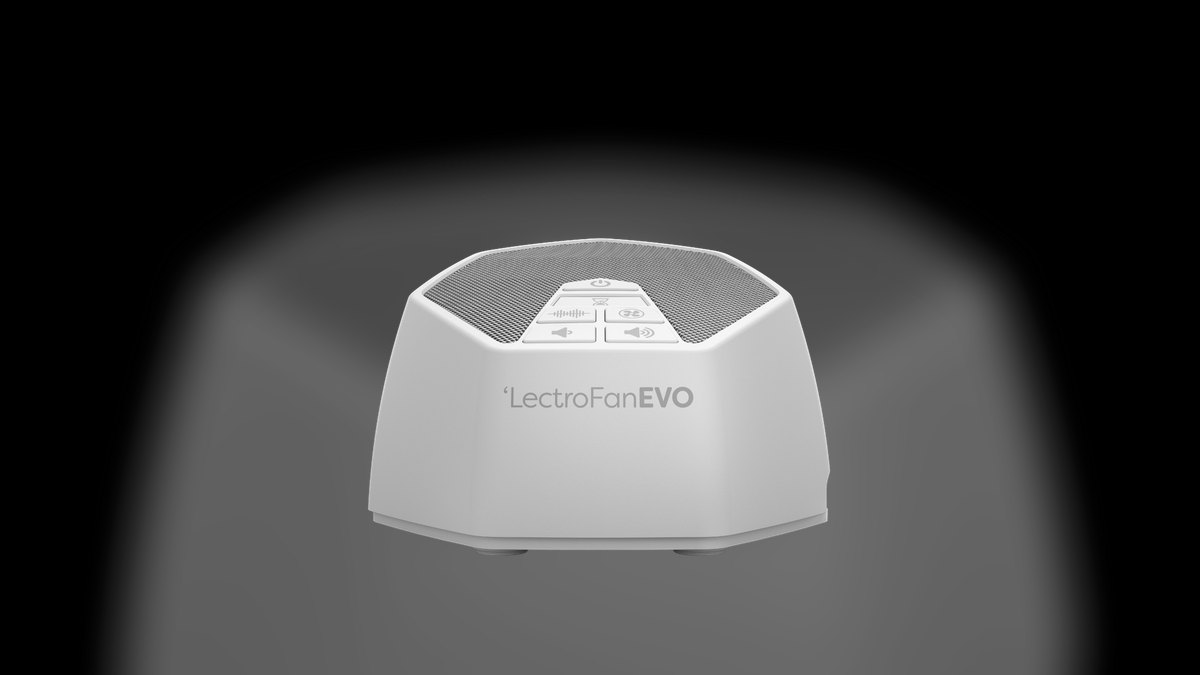
The 10 best white noise machines are ranked below on measured performance, build quality, price, and how each one actually holds up in daily use rather than how it reads on a spec sheet. Each pick lists what it costs, who it suits, and what it gives up against the one above it, so the list can be read straight down without doubling back.
1. LectroFan EVO
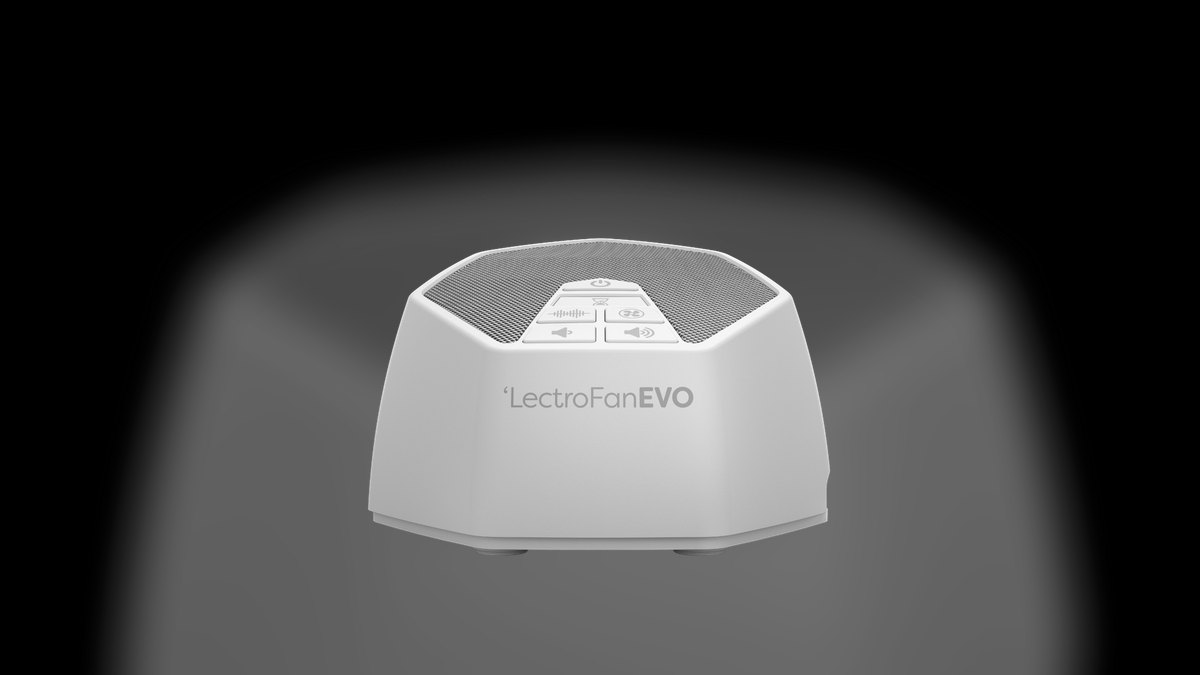
The LectroFan EVO ranks first because it solves the one flaw that ruins digital machines: at $49.95 it synthesizes 22 guaranteed non-looping sounds in real time rather than replaying a short clip. The library covers 10 fan tones, 10 white, pink, and brown noise variations, and 2 ocean surf settings. It runs on USB power, measures under 5 inches per side, and pairs fine-grained volume steps with a multi-interval sleep timer.
This is the pick for adults and light sleepers in noisy apartments who want clean masking and nothing else. It trades away every smart feature — no app, no nightlight, no alarm — so anyone wanting routines should spend $169.99 on the Hatch Restore 3 instead. Against the $49.99 Yogasleep Dohm Classic directly below, the EVO costs the same but adds sound variety, a timer, and a body small enough for a carry-on.
2. Yogasleep Dohm Classic
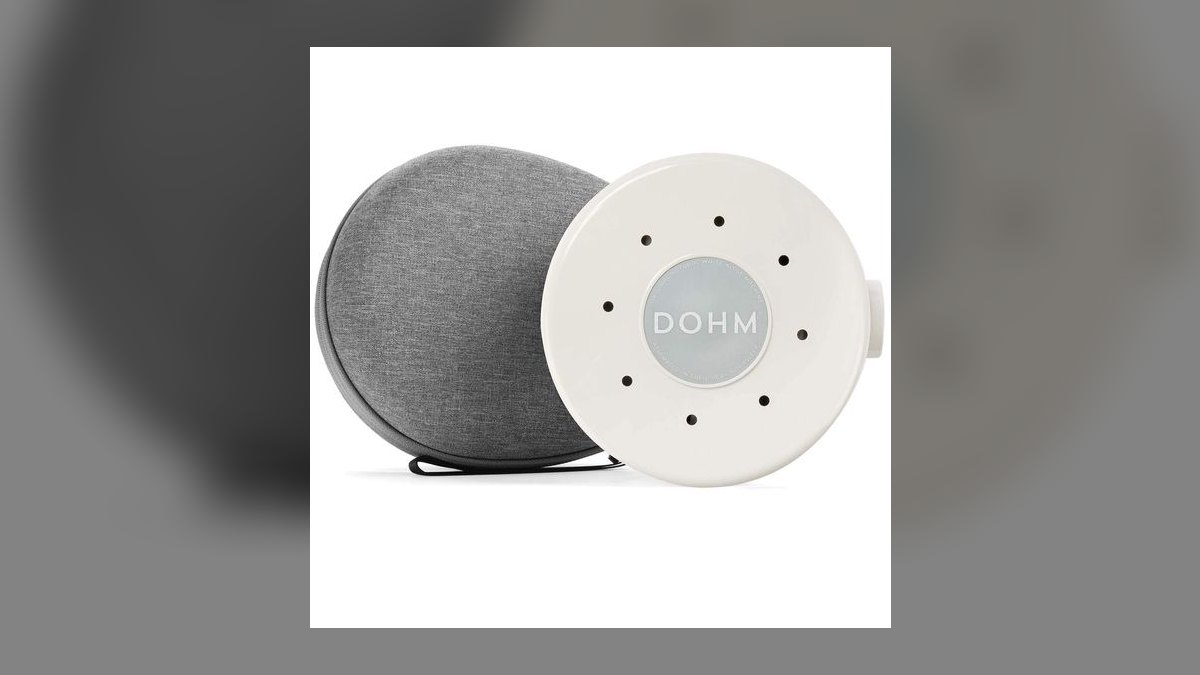
The Dohm Classic places second on sound authenticity alone: it uses an actual internal fan, so air moving through the asymmetrical housing produces a genuinely non-repeating rush no digital file can fake. It has been a bedside staple for decades at $49.99. Controls amount to a two-speed switch and a rotating collar that tunes tone and pitch. Nothing about the sound ever loops, because nothing about it is recorded.
Buy it if you want one perfect sound and will never touch a menu. The trade is total: a single sound, no nature options, no timer, no app, and an always-on hum that frustrates anyone who wants auto-off. Compared with the LectroFan EVO above at the same price, the Dohm gives up 21 sounds and portability in exchange for mechanical air movement that some sleepers simply prefer.
3. Hatch Restore 3
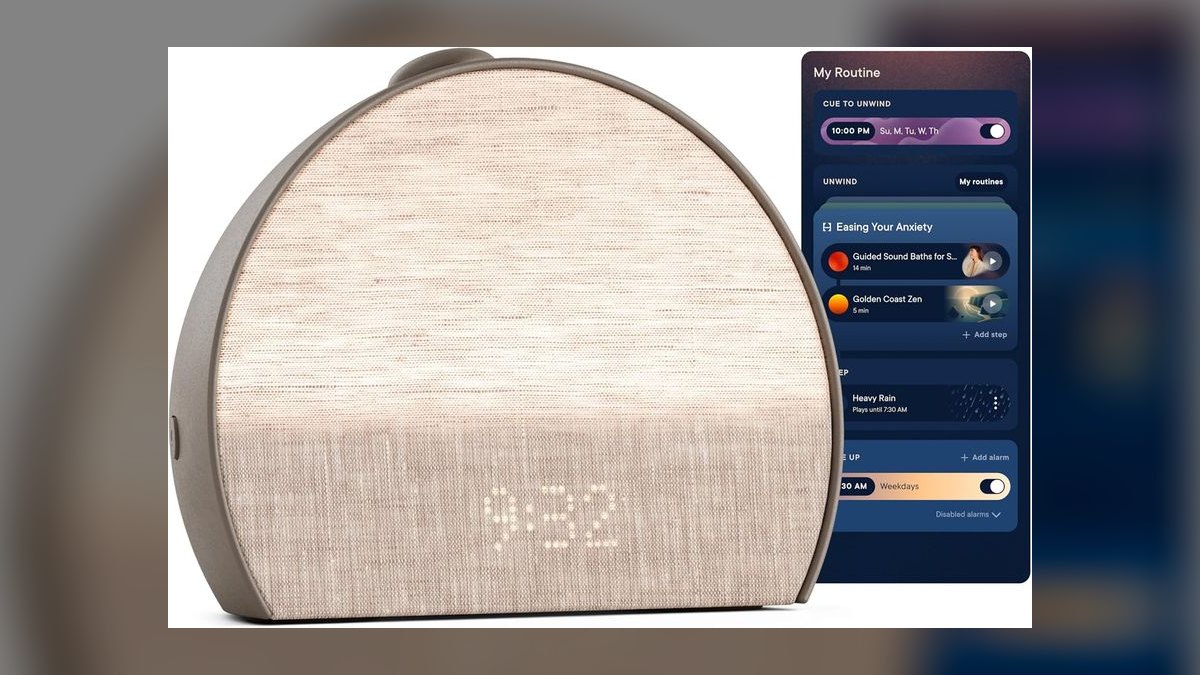
The Restore 3 ranks third as the most feature-packed machine here, bundling a sound machine, sunrise alarm, and dimmable reading light into one screen-free puck for $169.99. White, brown, pink, and nature sounds are managed through the Hatch app, where you build wind-down and wake routines. The gradual sunrise light eases you awake more gently than a buzzer. It also replaces the nightstand clock, which gets your phone out of the bedroom.
This suits adults building a full sleep-and-wake ritual, not people who just need masking. It costs more than three times the LectroFan EVO above, and some premium content sits behind an optional Hatch+ subscription, so the sticker price is not the final price. If you only ever flip a switch at bedtime, the money is wasted — the $99 SNOOZ Original below covers scheduling for far less.
4. SNOOZ Original
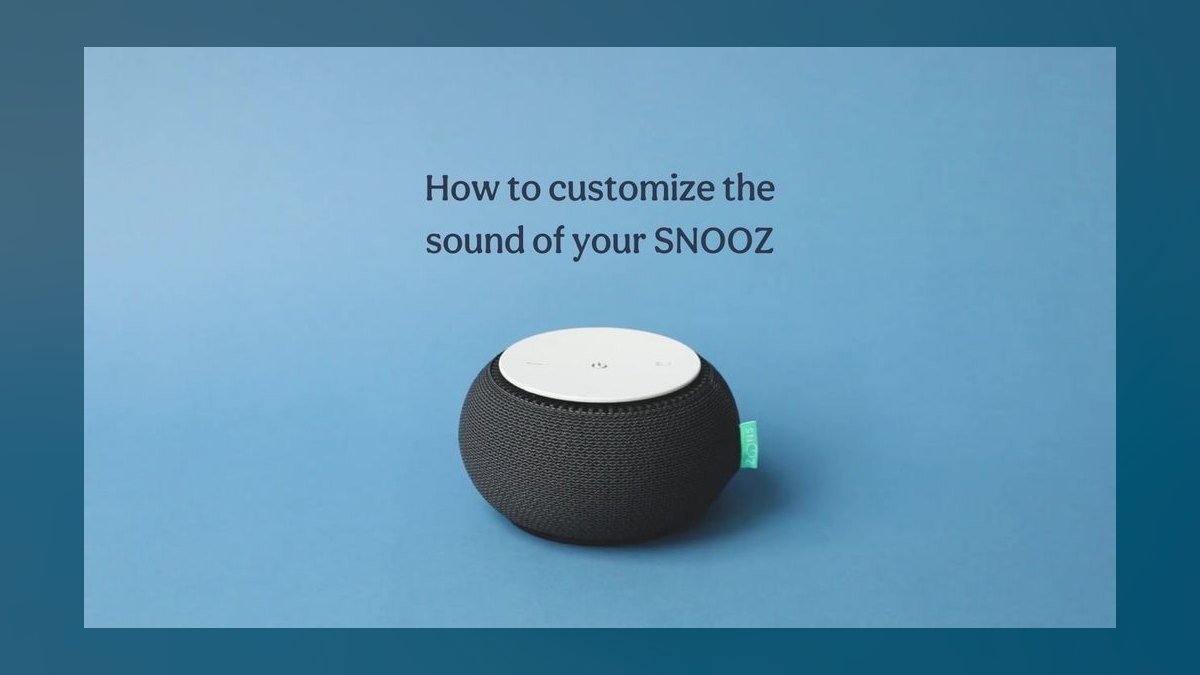
The SNOOZ Original earns fourth as the only hybrid: a real internal fan for authentic non-looping sound, wrapped in app control over volume, tone, scheduling, and a sleep timer. It costs $99.00 and stays compact enough to travel. A nursery calibration mode helps parents set safe levels in a baby's room. The optional SNOOZ Go companion adds battery power for trips away from an outlet.
This is for fan-sound loyalists who still want nightly automation. The trade is variety and price: one fan sound, no nature tracks, and roughly double the cost of digital units that sound comparable to most ears. Against the Yogasleep Dohm Classic at rank two, you pay $49 more for scheduling and app tuning the Dohm's rotating collar cannot match.
5. Hatch Rest 2nd Gen
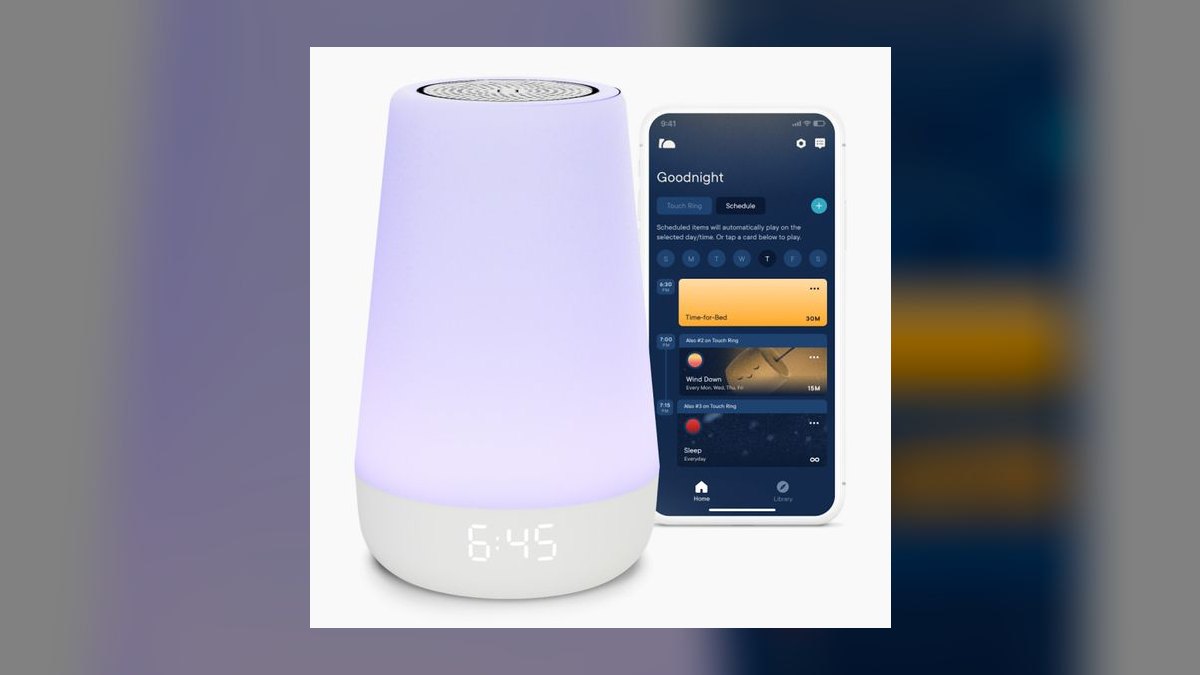
The Rest 2nd Gen ranks fifth as the default nursery machine, combining a WiFi sound machine, color-changing nightlight, and a time-to-rise alarm that teaches toddlers when getting up is allowed. It ships with 24 sleep sounds and, unlike its pricier sibling, requires no subscription to reach them. Control comes from the Hatch app or by tapping the device itself. It sells for $79.99.
Parents setting up a nursery or toddler room are the audience; adults sleeping alone are not. It has no battery and must stay plugged in, making it a fixture rather than a travel piece, and its tuning leans toward kids. Versus the $169.99 Hatch Restore 3 above, it costs half as much and drops the sunrise alarm and reading light in favor of nightlight and okay-to-wake features.
6. Magicteam Sound Machine
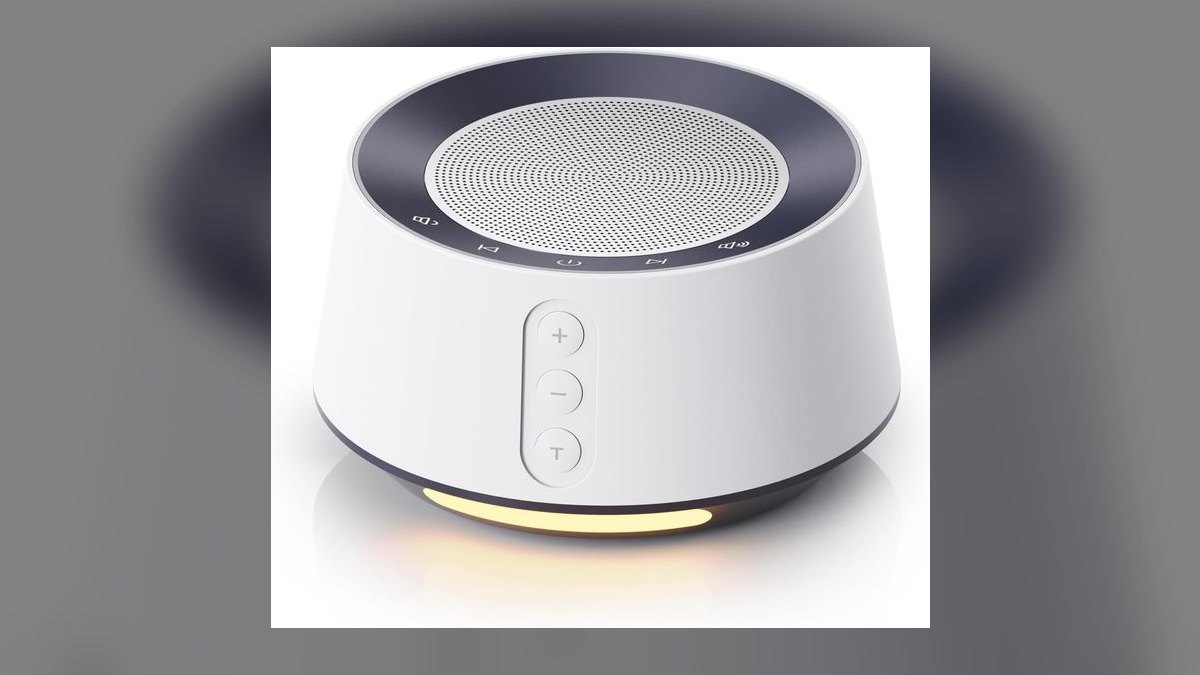
The Magicteam ranks sixth as the variety champion of the budget tier: 20 non-looping sounds for $21.99, spanning white and brown noise, rain, ocean, and a bonfire crackle. It offers 32 volume levels for fine control and a timer with 1-, 2-, 3-, 4-, and 5-hour settings plus continuous play. Reviewers reported no audible looping or fuzz, and it muffled party noise and barking dogs without getting uncomfortably loud.
It fits kids' rooms, guest rooms, and anyone who wants options without spending fifty dollars. The compromises are physical and practical: a 40-inch cord restricting placement, no app, no nightlight, and no battery. Compared with the Hatch Rest 2nd Gen above, it costs roughly a quarter as much and drops every smart feature while actually offering fewer restrictions on sound choice.
7. HoMedics SoundSpa
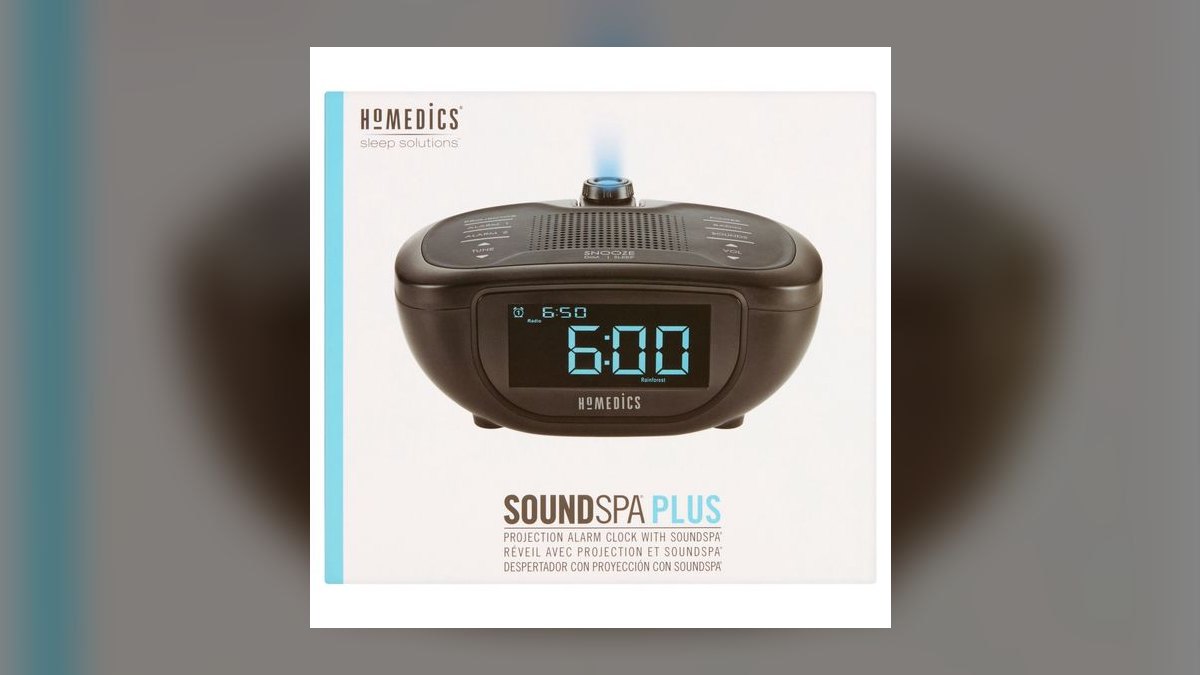
The SoundSpa takes seventh as the value pick at $19.99, the cheapest machine here that still masks noise cleanly. It delivers six nature sounds — thunder, ocean, brook, summer night, rain, and white noise — with audio quality well above what the price suggests. An auto-off timer offers 15-, 30-, or 60-minute settings so it does not run until morning. It is small, light, and operates without a manual.
First-time buyers and anyone on a tight budget should start here; so should travelers wanting a cheap second unit. The limits are real: only six sounds, some with mild looping, no app, no light, and no fine volume tuning. Against the $21.99 Magicteam above, you save two dollars but give up 14 sounds and 32-step volume control.
8. Sound+Sleep SE
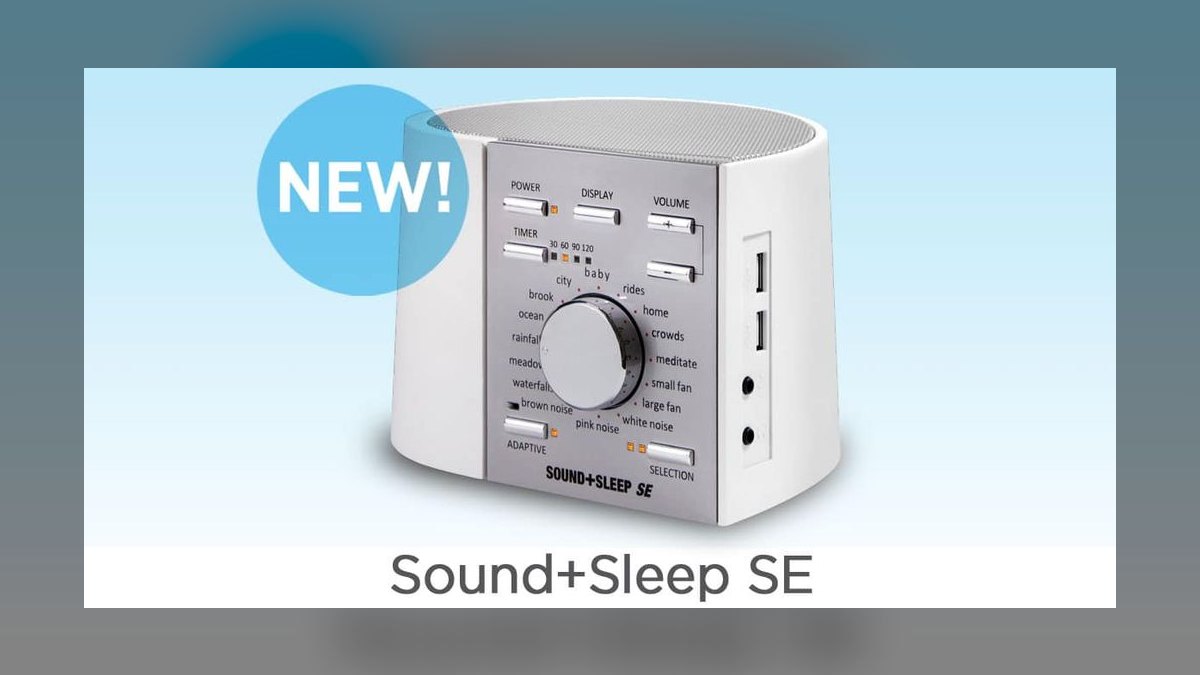
The Sound+Sleep SE ranks eighth on price despite the best audio here. Its Adaptive Sound technology listens to the room and automatically raises output to cover sudden background noise, then settles back when things quiet — useful against traffic or neighbors. The $129.95 machine plays layered high-fidelity soundscapes including rain, ocean, brook, fireplace, and meadow that sound far richer than single-channel units. Build quality is a clear step up, and a sleep timer is included.
This is for adults who treat sound quality as the deciding factor and for tinnitus sufferers needing dependable masking. It is bigger and heavier than travel units and among the priciest options listed. Against the $19.99 HoMedics SoundSpa above, it costs more than six times as much and repays that only if layered fidelity and automatic volume response genuinely matter to you.
9. SNOOZ Go
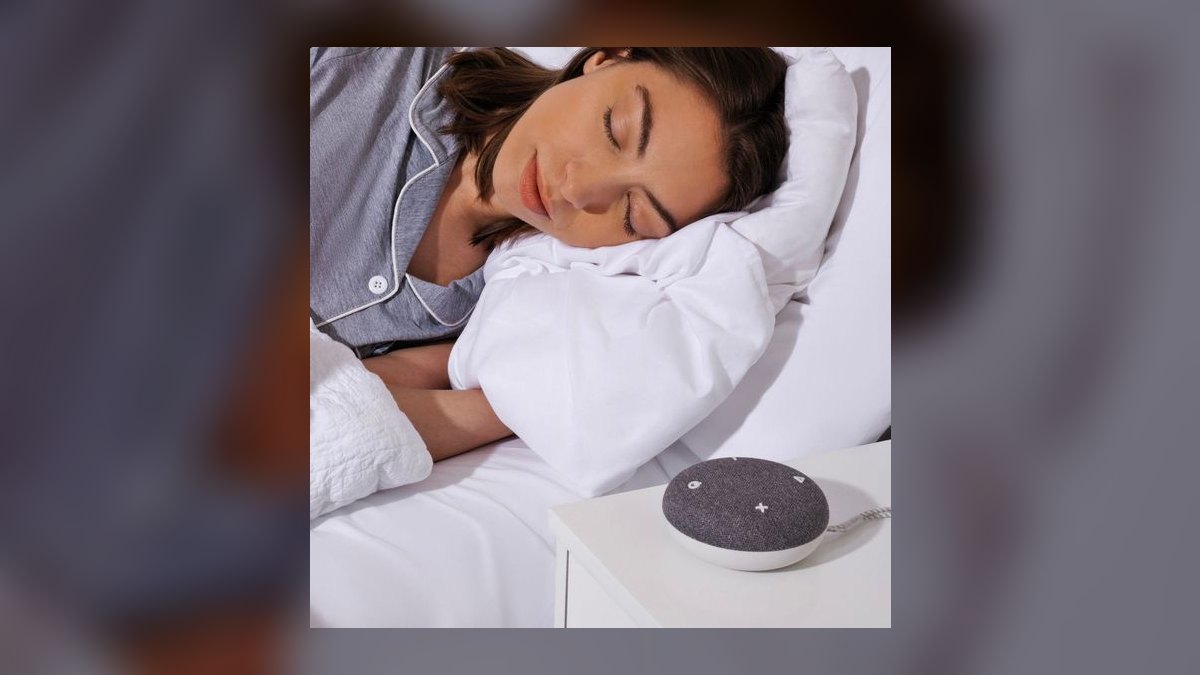
The SNOOZ Go ranks ninth because its strengths are narrow: it is the dedicated travel machine, a rechargeable battery-powered puck that also works as a Bluetooth speaker. At $79.99 it delivers clean digital white noise with app control over volume and timers. Battery life comfortably covers a full night, and it slips into a bag with room left over. No outlet is needed on a plane, in a hotel, or in a stroller.
Frequent travelers are the audience; this is a companion piece, not a primary bedroom unit. It offers fewer sound options than home-tier machines and needs recharging between heavy uses. Compared with the $129.95 Sound+Sleep SE above, it sacrifices layered fidelity and adaptive volume entirely, buying portability and Bluetooth playback in return.
10. Yogasleep Hushh
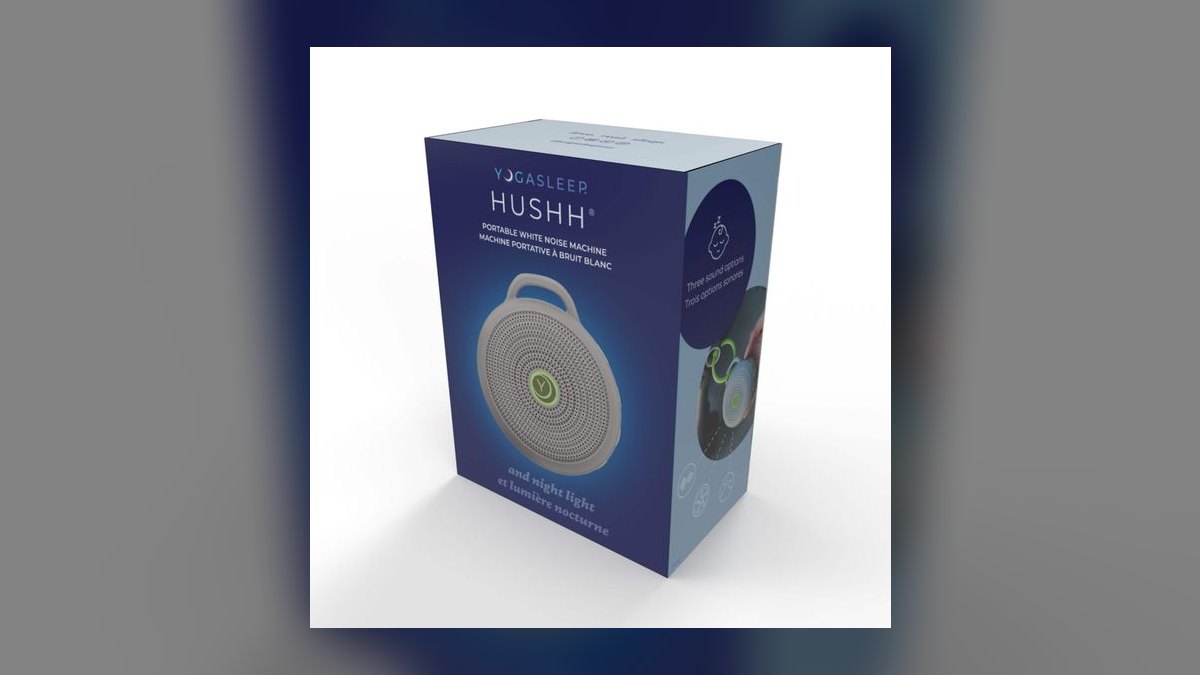
The Hushh places tenth because it is purpose-built rather than broadly capable: a $34.99 rechargeable machine designed for strollers, car seats, and travel cribs. It offers three sounds — bright white noise, deep white noise, and gentle surf — plus a volume limiter that prevents levels unsafe for infant ears. A child lock stops curious fingers from changing settings, and a clip-on loop attaches it to a stroller or crib rail.
Parents needing a portable, baby-safe unit are the entire audience. Three sounds and nursery-focused tuning make it a poor fit for adult bedrooms. Against the $79.99 SNOOZ Go above, it costs less than half and drops Bluetooth and app control, adding the volume limiter and child lock that matter more around an infant.
How we ranked these
We scored ten machines on the things that decide whether you actually sleep: sound quality and whether the audio genuinely avoids looping (25%), useful features like timers, apps, lights, and alarms (20%), sound variety (15%), volume range and the granularity of its steps (15%), size and portability (15%), and price-to-performance (10%). Hands-on findings from Wirecutter, Sleep Foundation, CNET, Good Housekeeping, Reviewed, and The Spruce were weighted alongside manufacturer specs.
We deliberately ignored raw sound counts, because most owners settle on one or two favorites and never touch the other thirty. We also discounted Bluetooth speaker quality, aroma diffusers, and app-store ratings, which measure software polish rather than masking performance. Subscription-locked content was noted as a cost, not credited as a feature. Aesthetic design was excluded entirely — the machine lives in a dark room where nobody sees it.
What to look for
The real decision is mechanical fan versus digital, and it comes down to loop tolerance. A Dohm or SNOOZ moves actual air, so the sound never repeats. Cheap digital units replay a short clip, and once you hear the seam you cannot unhear it. The LectroFan EVO sidesteps this by synthesizing audio in real time. After that, match power source to use: battery only matters if you travel.
The common mistake is buying for sound count. Twenty or forty options looks generous on the box, but you will pick one and leave it there for years. The second mistake is overbuying smart features — a $169.99 Hatch Restore 3 is excellent if you will genuinely build wind-down routines, and a waste if you just want a switch. Volume steps matter more than either.
Related questions
What is the difference between white, pink, and brown noise?
White noise spreads energy evenly across all frequencies, producing a flat hiss like untuned radio static. Pink noise reduces power as frequency rises, so it sounds softer and fuller — closer to steady rain. Brown noise drops off faster still, giving a deep rumble like distant surf. Many sleepers find pink or brown gentler than pure white, and the LectroFan EVO offers all three.
Do white noise machines actually improve sleep quality?
They work by masking, not sedating. A steady sound raises the noise floor so sudden intrusions — a door, a dog, a passing truck — no longer stand out sharply enough to pull you into lighter sleep. That helps most for people in noisy apartments or near traffic. If your sleep problem is anxiety or an irregular schedule, a machine addresses the symptom rather than the cause.
How loud should a white noise machine be for a nursery?
Keep it moderate and keep it distant. Place the unit several feet from the crib rather than on it, and set the volume just high enough to blur household noise, not to dominate the room. The Yogasleep Hushh at $34.99 includes a built-in volume limiter specifically to prevent accidental overexposure, plus a child lock so curious hands cannot raise it.
Is a subscription required for the Hatch machines?
It depends on the model. The Hatch Rest 2nd Gen at $79.99 ships with 24 sleep sounds and full nightlight and time-to-rise functionality free of charge. The Hatch Restore 3 at $169.99 works without paying, but the deepest content library and some routine features sit behind the optional Hatch+ tier. Budget for that if premium content is why you are buying.
What makes adaptive sound different from a normal machine?
A standard machine outputs at whatever level you set, so a sudden loud noise punches straight through. The Sound+Sleep SE at $129.95 listens to the room and automatically raises its output when background noise spikes, then settles back down once things quiet. That matters for unpredictable environments — street traffic, thin walls, roommates keeping different hours — where a fixed volume constantly under- or overshoots.
Can I use a phone app instead of buying a machine?
You can, and it costs nothing to try. The trade-offs are real: your phone stays on the nightstand, the screen and notifications undo the point, battery drains overnight, and most sleep apps loop short audio clips. A dedicated unit like the $19.99 HoMedics SoundSpa removes the phone from the equation entirely, which is half the benefit for many people.
Which machine is best for hotel and airplane travel?
The SNOOZ Go at $79.99 is built for it — rechargeable, no outlet required, and it doubles as a Bluetooth speaker. Battery life covers a full night. For a cheaper option, the Yogasleep Hushh at $34.99 is also rechargeable with a clip for strollers and travel cribs. The LectroFan EVO packs small too, but needs USB power to run.
Why does the Yogasleep Dohm still rank without any features?
Because it does the core job perfectly. An internal fan moves real air through an asymmetrical housing, so the sound is genuinely random and can never loop. A two-speed switch and a rotating collar tune tone and pitch. At $49.99 there is no timer, no app, and no light — which is precisely why people who want one switch and decades of reliability keep buying it.
FAQ
What is the best overall white noise machine in 2027?
The LectroFan EVO at $49.95 takes the top spot. It delivers 22 guaranteed non-looping sounds — ten fan tones, ten white, pink, and brown noise variations, and two ocean settings — from a body smaller than a coffee mug. Audio is synthesized in real time rather than played from a clip, so there is no repeat to notice. USB power and precise volume steps complete it.
What is the best value white noise machine?
The HoMedics SoundSpa at $19.99. It offers six nature sounds — thunder, ocean, brook, summer night, rain, and white noise — with audio quality that genuinely surprises at that price. An auto-off timer runs 15, 30, or 60 minutes. There is no app, no light, and mild looping on some tracks, but for a first machine or a travel spare it is hard to beat.
Is a real fan machine better than a digital one?
Not automatically. A real fan guarantees non-looping sound, which is the single biggest complaint about cheap digital units. But a well-engineered digital machine like the LectroFan EVO is also non-looping and adds variety, a timer, and a far smaller footprint. Choose based on whether you want extra sounds and scheduling, not on the technology label itself.
Are white noise machines safe for babies?
Yes, used sensibly. Position the device a few feet from the crib rather than against it, and keep the volume moderate rather than maximal. Baby-specific units like the Yogasleep Hushh build in a volume limiter that caps output within a safe range for infant ears, plus a child lock so settings cannot be nudged upward accidentally.
Do I need an app-controlled model?
Only if you will genuinely use scheduling and routines. App control on the SNOOZ Original or Hatch Restore 3 earns its keep when you want automated wind-down and wake sequences. If your actual routine is flipping a switch before bed, a Dohm or SoundSpa saves both money and the hassle of pairing, updating, and troubleshooting a connected device.
Should I leave a white noise machine on all night?
Either approach works — it is genuinely a preference. Continuous play keeps masking steady through the lighter sleep stages near morning, when intrusions wake you most easily. A 30- or 60-minute timer gets you to sleep and then goes quiet. Most machines here support both; the Magicteam offers 1-, 2-, 3-, 4-, and 5-hour options plus continuous.
Can a white noise machine help with tinnitus?
Masking is exactly what these machines do best, and many people with tinnitus use them to make the ringing less prominent at bedtime. It does not treat the underlying condition. For noisy environments generally, an adaptive model like the Sound+Sleep SE that raises output to cover sudden spikes tends to work better than a fixed-volume unit.
What is the best white noise machine for a nursery?
The Hatch Rest 2nd Gen at $79.99 is the default choice, combining a WiFi sound machine, a color-changing nightlight, and a time-to-rise alarm that teaches toddlers when getting up is allowed. It includes 24 sounds with no subscription. It has no battery, so it stays plugged in — for stroller and travel use, pick the Yogasleep Hushh instead.
How much should I expect to spend?
The useful range runs from about $20 to $170. Twenty dollars buys real masking with the HoMedics SoundSpa. Around $50 gets the LectroFan EVO or Yogasleep Dohm, which is where most buyers should land. Above $100, you are paying for adaptive sound on the Sound+Sleep SE at $129.95 or a full smart wake ritual on the $169.99 Hatch Restore 3.
Does sound variety actually matter when choosing?
Less than the box implies. Twenty or forty options reads as generous, but nearly everyone settles on one or two favorites within the first week and never revisits the rest. What matters is whether your preferred sound is clean at low volume and free of audible looping. Buy for masking quality and volume granularity, not for the number printed on the packaging.
Sources
- https://www.nytimes.com/wirecutter/reviews/best-white-noise-machine/
- https://www.sleepfoundation.org/best-white-noise-machines
- https://www.cnet.com/health/sleep/best-white-noise-machine/
- https://www.goodhousekeeping.com/electronics/g34400162/best-white-noise-machines/
- https://www.reviewed.com/home-outdoors/best-right-now/best-white-noise-machines
- https://www.thespruce.com/best-white-noise-machines-4142640
- https://www.sleepfoundation.org/noise-and-sleep/pink-noise-sleep
- https://www.hopkinsmedicine.org/health/wellness-and-prevention/do-white-noise-machines-help-you-sleep
- https://www.healthline.com/health/brown-noise
Related on PULSE
- [More white noise machines rankings and buying guides](/knowledge)
- [PULSE Tools and calculators](/tools)
- [Everything on PULSE RevOps](/)
 pulse-reviewsHow much does Electronics cost in 2027?
 pulse-reviewsHow much does a DJI Avata 2 cost in 2027?
 pulse-reviewsWhat should you know before investing in Electronics in 2027?
 pulse-reviewsWhat are the most common mistakes in Electronics in 2027?
 pulse-reviewsTop 10 best Electronics options in 2027
 pulse-reviewsHow do you get started with Electronics in 2027?
 pulse-reviewsTop 10 Electronics strategies for 2027
 pulse-aquariumsTop 10 Canister Filters 2027
 aqTop 10 Hang-On-Back Aquarium Filters 2027
 pulse-reviewsTop 10 Cabin Cruiser Boats 2027