
Top 10 Pulse Oximeters — Best Overall + Best Value in 2027
 Curated byKory White · Fractional CRO · Maryland
 PULSEKNOWLEDGE LIBRARY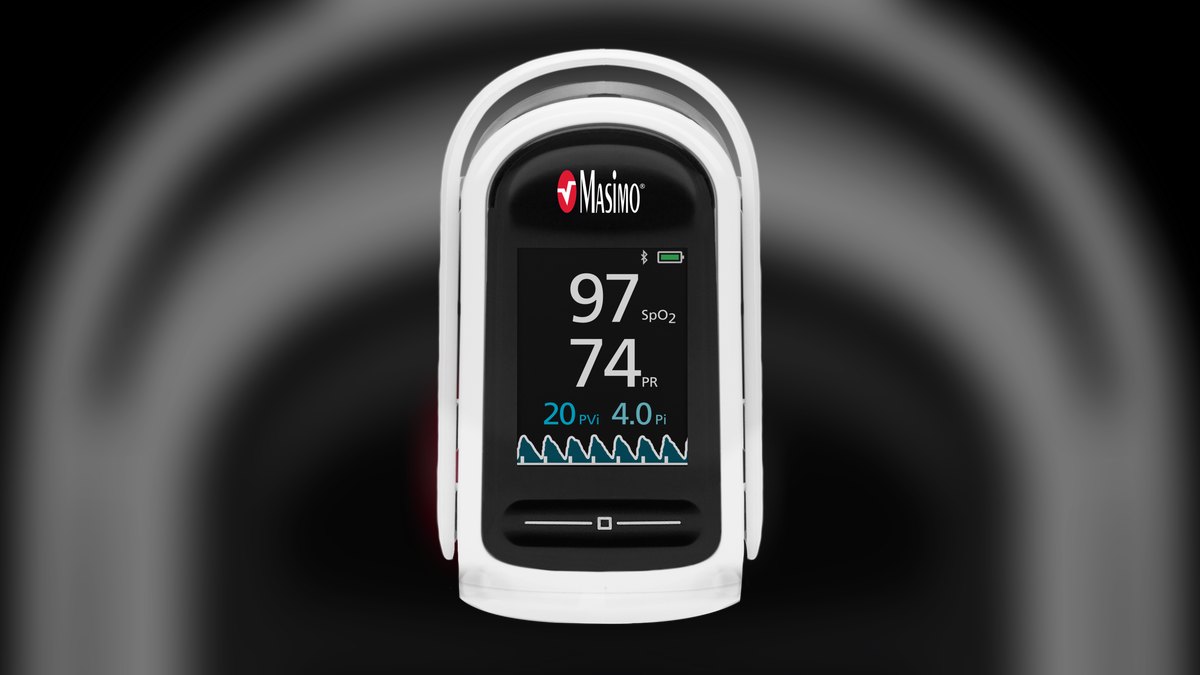
The 10 best pulse oximeters are ranked below on measured performance, build quality, price, and how each one actually holds up in daily use rather than how it reads on a spec sheet. Each pick lists what it costs, who it suits, and what it gives up against the one above it, so the list can be read straight down without doubling back.
1. Masimo MightySat Rx
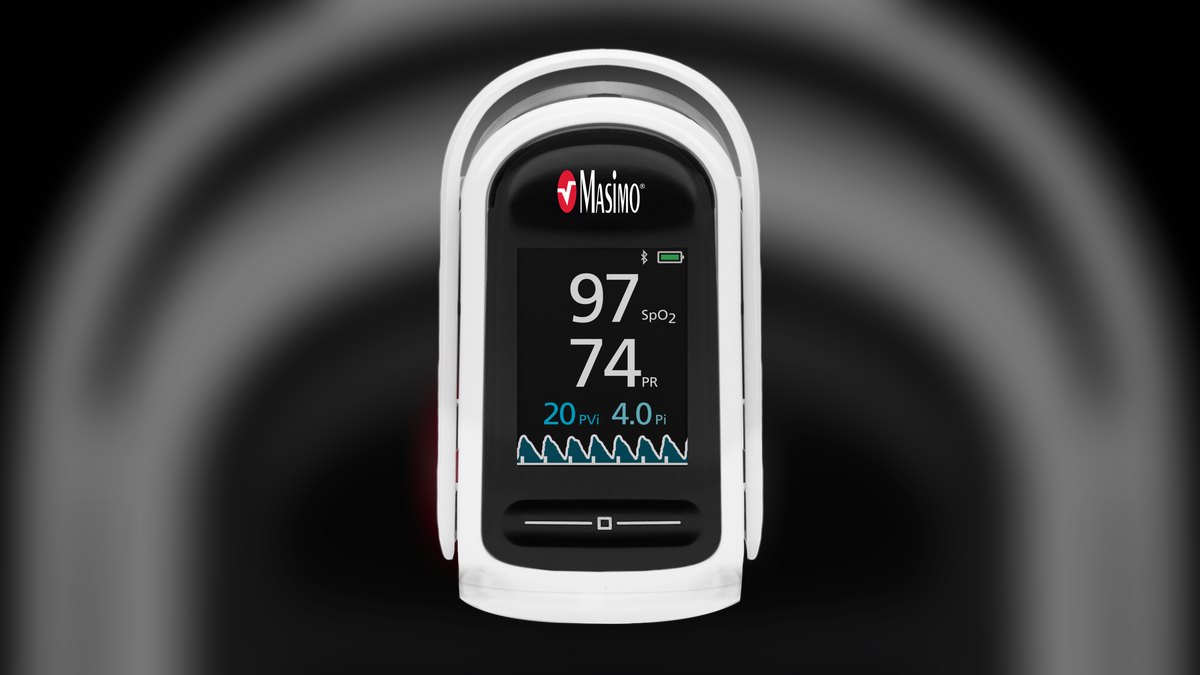
It ranks first because it is the only clip here built on Masimo's hospital-grade Signal Extraction Technology, which holds a clean pulse lock through finger motion that drops cheaper units. The FDA-cleared unit reports five parameters — SpO2, pulse rate, perfusion index, respiration rate, and Pleth Variability Index — on a rotating OLED readable at any angle. Bluetooth pushes every reading into the Masimo Professional Health app for exportable trend charts. It runs on two AAA batteries.
This is for patients managing COPD or sleep apnea and clinicians who need a number they can act on, plus anyone sharing trends with a physician. It trades away affordability: $299 is roughly ten times a basic clip, and the extra metrics are overkill for casual spot checks. Against the Nonin TruO2 below it, the Masimo wins on data depth and app export, while the Nonin costs $60 and answers a narrower accuracy question.
2. Nonin TruO2 OTC
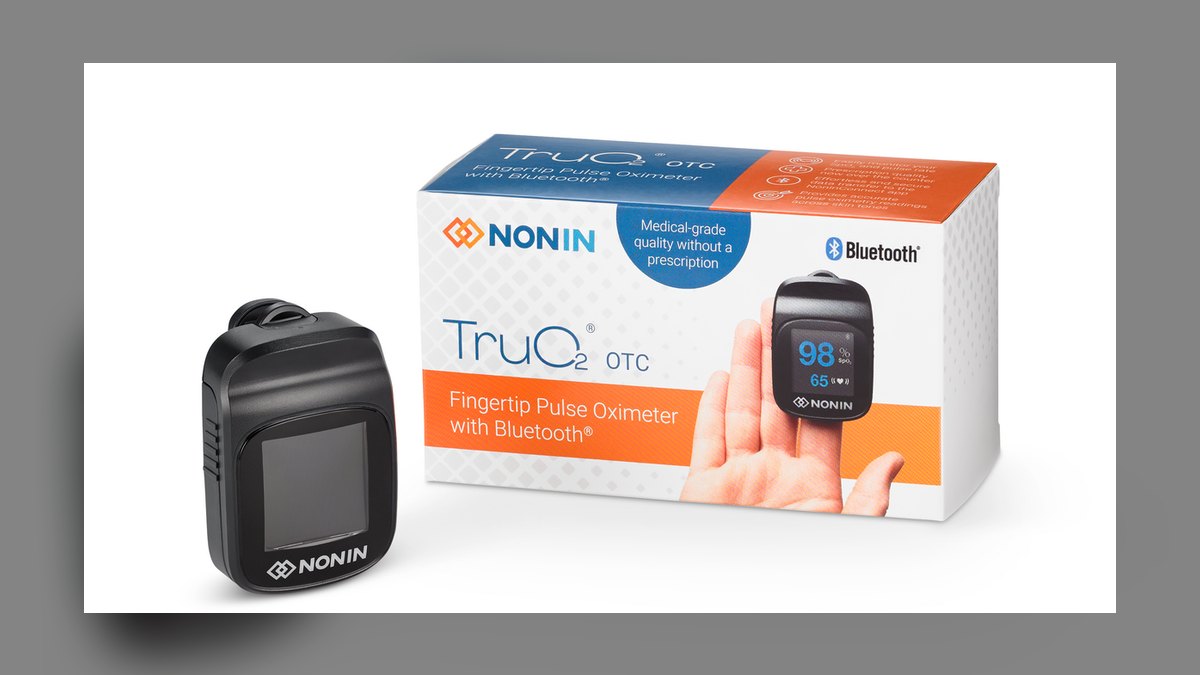
It ranks second because Nonin specifically validated this FDA-cleared over-the-counter fingertip unit for accuracy across all skin tones, directly addressing the documented failure where oximeters overestimate oxygen on darker skin. Independent studies have shown Nonin's pulse oximetry technology outperforming low-cost units and some medical-grade competitors. At $60 it carries a respected clinical brand's rugged build and simple single-purpose operation, delivering SpO2 and pulse without extras.
This is for anyone whose skin tone makes standard clip accuracy a real risk, and for households that want medical-grade clearance without the flagship price. It trades away connectivity entirely: no Bluetooth, no companion app, no logging, and a plainer display than premium rivals. Compared with the $299 Masimo above, it gives up four measured parameters and trend export in exchange for a validated number at a fifth of the cost.
3. Innovo Deluxe iP900AP
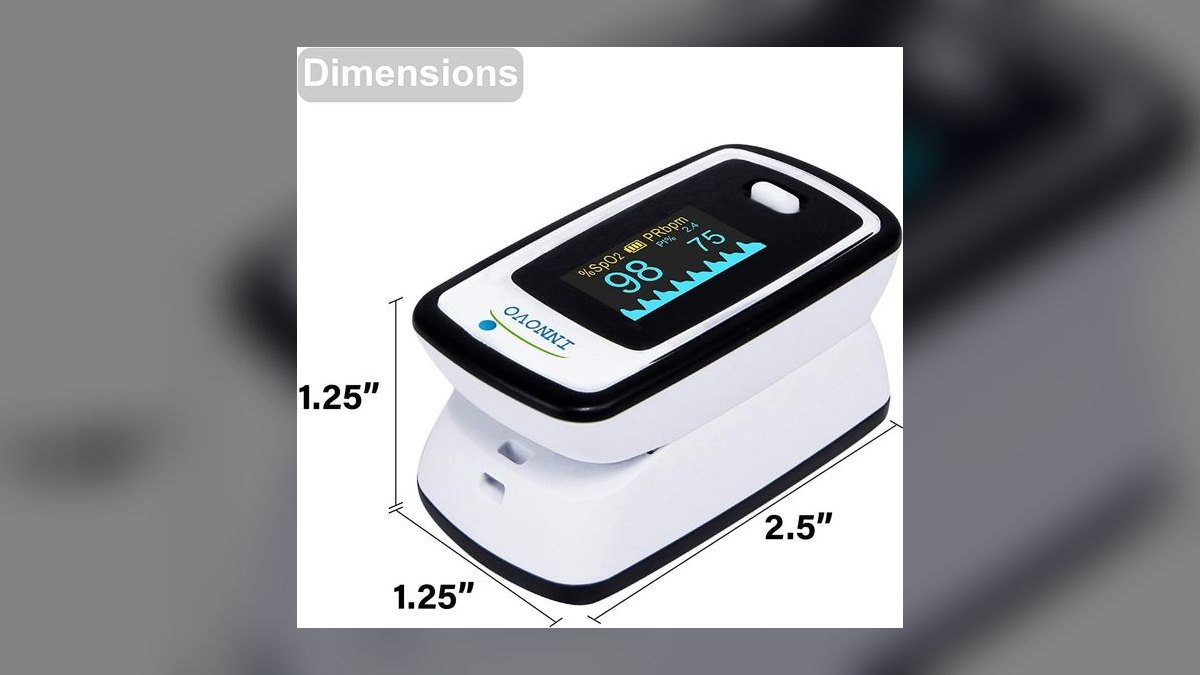
It ranks third because it repeatedly tested within 1–2% of hospital monitors in reviewer trials, which is remarkable for a $40 device. It shows a plethysmograph waveform and a perfusion index bar, so you can confirm a reading is a solid signal rather than guessing at a stray number. The dual-color OLED flips through six display directions and the clamp fits a wide range of finger sizes.
This is for home users who want reading-quality verification without paying flagship money — the sweet spot between bargain clips and the $299 Masimo. It trades away clinical status: it is a sports and wellness device, not FDA Rx-cleared for diagnosis, so use it for trends rather than medical decisions. Against the Nonin above, it adds a waveform and perfusion index but drops the skin-tone validation and FDA clearance.
4. Zacurate Pro Series 500DL
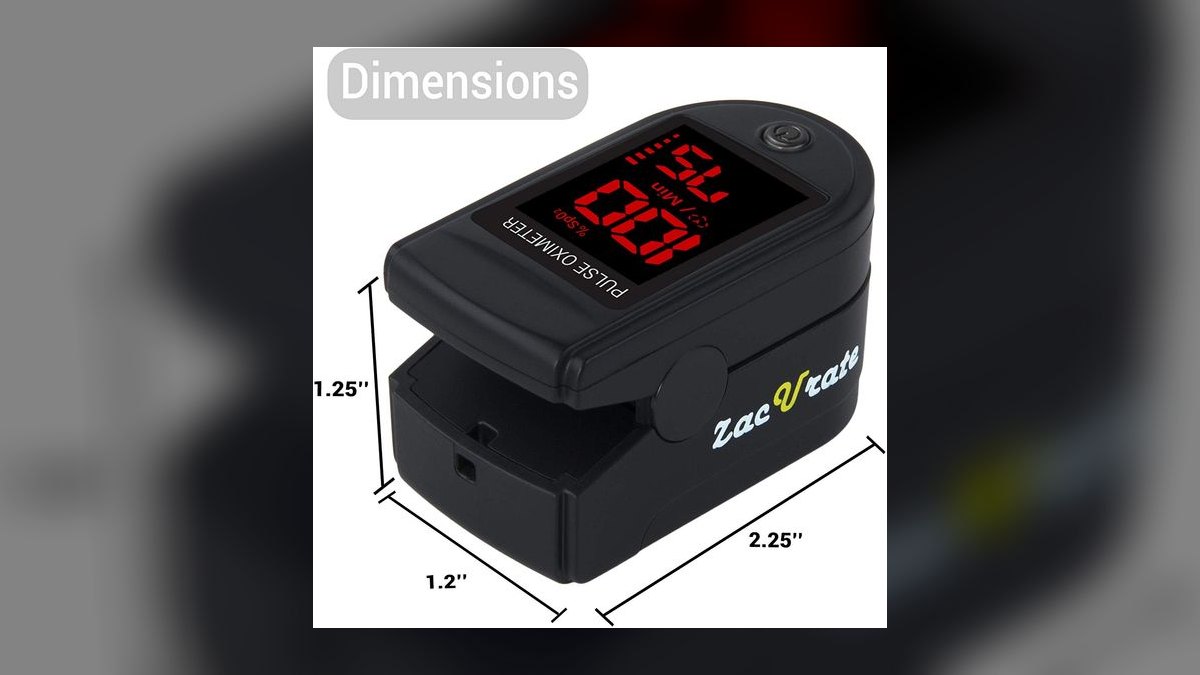
It ranks fourth as the Best Value pick because reviewers found accuracy punching far above its $23 price. It displays SpO2 and pulse rate on a bright two-color LED that stays readable in low light, fits fingers from children to adults, and ships complete with a silicone cover, lanyard, and AAA batteries. Nothing else on this list delivers this combination of reliability and simple one-button operation for the money.
This is for budget buyers who want a dependable spot check and nothing more — a first-aid kit, a nightstand, a traveler's bag. It trades away every extra: no app, no perfusion index, no data logging, and it is a sports and aviation wellness device rather than an Rx-cleared tool. Against the $40 Innovo iP900AP above, it drops the waveform and perfusion bar that let you verify a reading's quality.
5. Wellue O2Ring
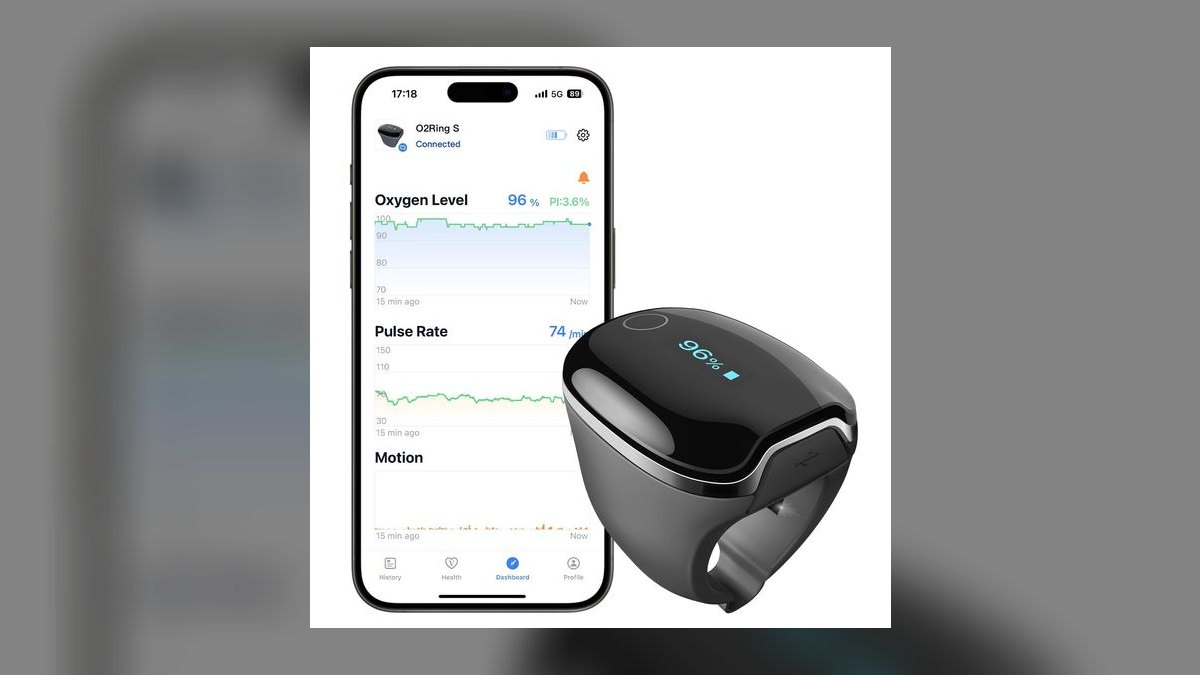
It ranks fifth because it is the only entry built for unattended, long-duration monitoring rather than a single reading. Made by Shenzhen Viatom, the $169 wearable ring logs SpO2, heart rate, and movement every second through the night, and a gentle vibration alarm nudges you when levels drop below a set threshold. It charges over USB, stores up to four sessions on-device, and builds shareable sleep reports in the OxyLink/ViHealth app.
This is for people tracking sleep apnea or overnight oxygen dips who need evidence a clinician can read, not a one-off number. It trades away spot-check economy — $169 is steep if you only check occasionally — and ring sizing must fit correctly or readings suffer. Against the $23 Zacurate above, it costs seven times as much but captures a full night of per-second data with alarms.
6. iHealth Air PO3M
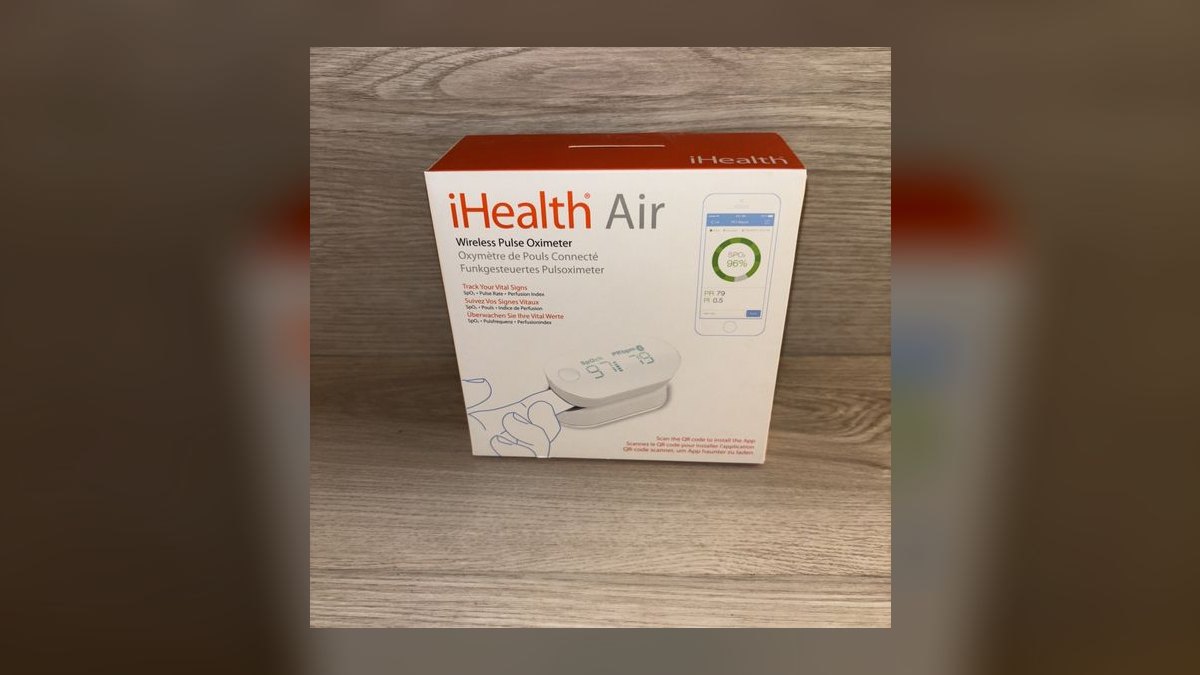
It ranks sixth because its $40 fingertip clip pairs with the most polished phone app here, syncing SpO2 and pulse over Bluetooth straight into Apple Health and Google Fit. The color OLED rotates for easy reading, and the app trends your history with charts friendlier than most competitors manage. Build quality is light and travel-ready, making it easy to keep in a bag rather than a drawer.
This is for app-first users already living inside Apple Health or Google Fit who want readings to land automatically alongside other metrics. It trades away standalone capability: the best features depend on the app, and it is a wellness device rather than an Rx-cleared instrument. Against the Wellue O2Ring above, it costs far less but captures only spot checks, with no continuous overnight logging or drop alarms.
7. Innovo Deluxe
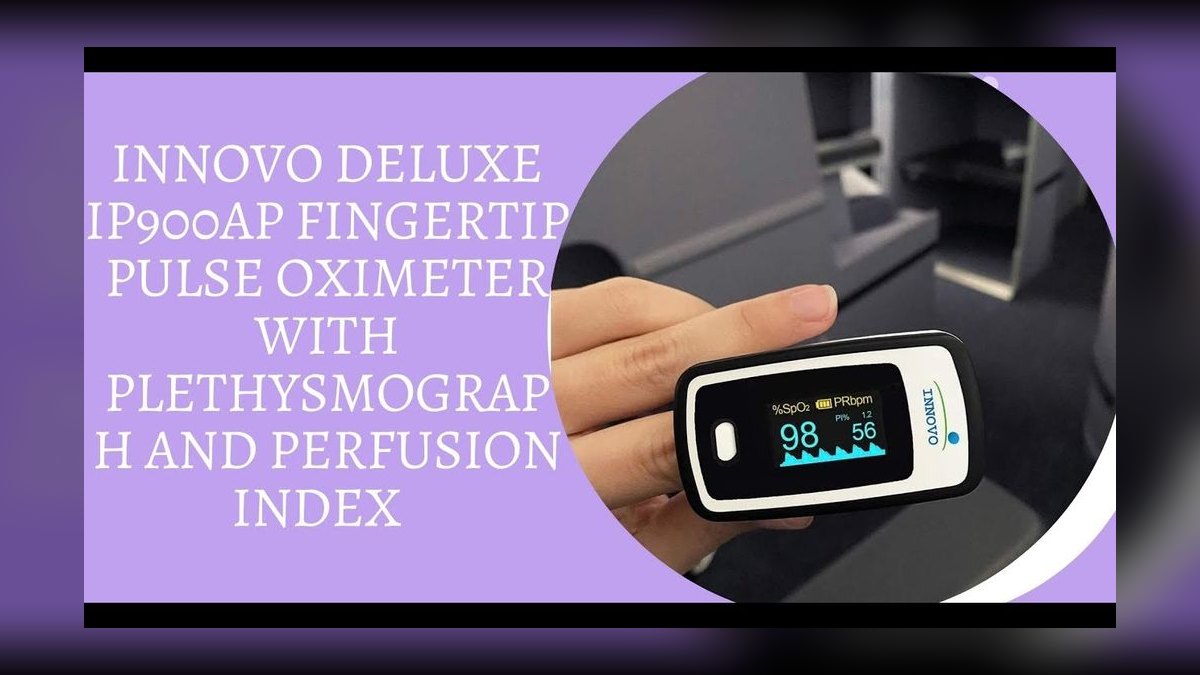
It ranks seventh because the standard model keeps Innovo's reliable accuracy and bright dual-color OLED for under $30, dropping only the plethysmograph. It reports SpO2 and pulse rate, flips the display across multiple orientations, and uses a firm spring clamp that fits a wide finger range. Batteries and a lanyard are included, so the $28 price is the whole cost of ownership rather than a starting point.
This is for buyers who trust the Innovo build but do not need the waveform that justifies the iP900AP's higher tag. It trades away the plethysmograph and perfusion index, plus any app or logging, leaving a bare two-number readout. Against the $40 iP900AP at rank three, it saves $12 but removes the signal-quality verification that made that model the better mid-priced choice.
8. Garmin Wrist Pulse Ox
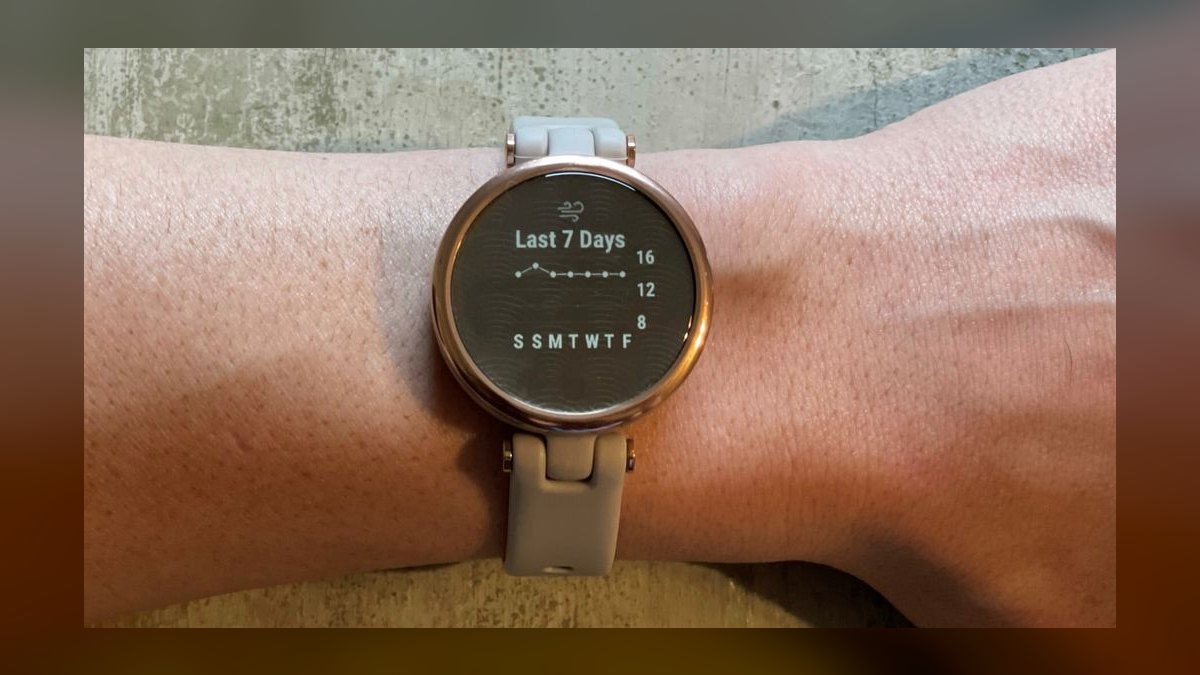
It ranks eighth because the wrist sensor built into many Garmin watches estimates SpO2 on demand and during sleep, plotting acclimatization as you gain altitude — convenient, but less precise than any fingertip clip here. Wrist optical readings are inherently noisier than transmissive finger measurement, and the feature is classified as wellness and sports, not an FDA-cleared medical reading. At roughly $250 for a capable model, you are paying for the watch.
This is for runners, climbers, and hikers who want oxygen trends sitting alongside heart rate and recovery data on a device already strapped to their arm. It trades away measurement precision and medical validity for always-on convenience. Against the $28 Innovo above, it costs nine times more and reads less accurately, but never has to be dug out of a bag.
9. Wellue FS20F Fingertip
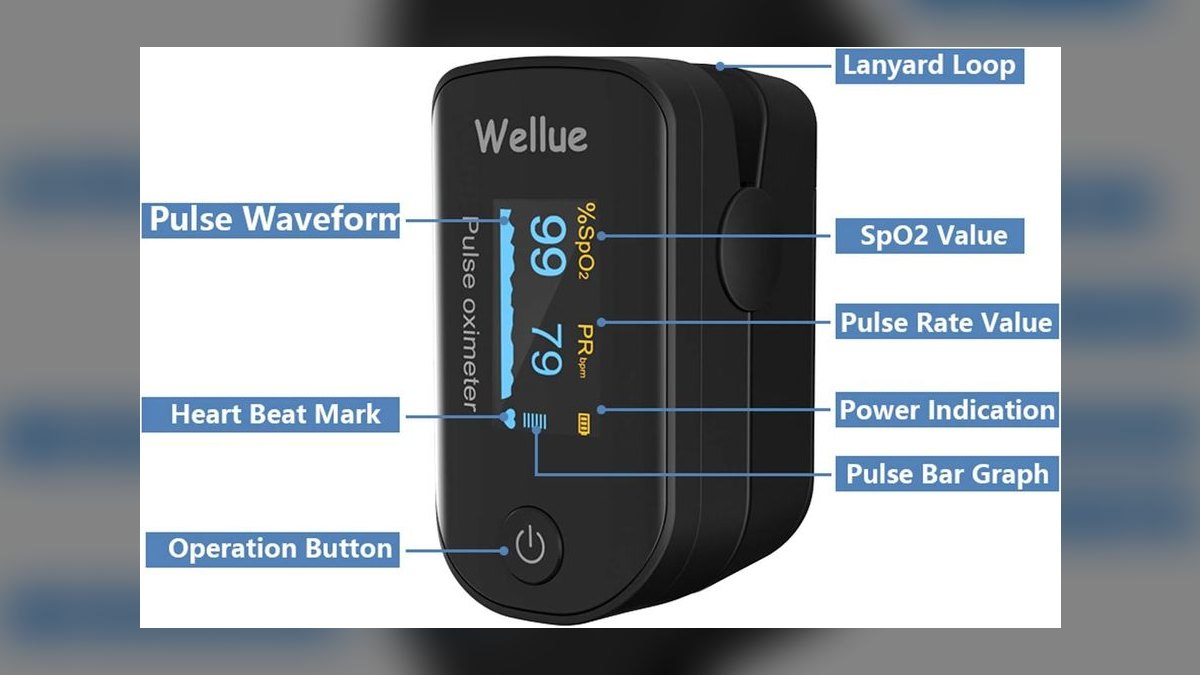
It ranks ninth because it delivers optional Bluetooth sync at a $30 price, giving SpO2 and pulse rate on a clear OLED with trend storage in the ViHealth app. The clamp is comfortable and the Viatom hardware behind it is the same lineage that powers the O2Ring. It works as the spot-check companion to that ring — same app ecosystem, a fraction of the cost, without the overnight logging.
This is for existing Wellue users who want a simple clip rather than a wearable ring, and for anyone who wants app history on a budget. It trades away Rx clearance, perfusion index, and the waveform found on better mid-priced clips. Against the Garmin wrist sensor above, it reads more accurately for far less money but offers nothing beyond a single measurement at a time.
10. Zacurate 500BL Basic
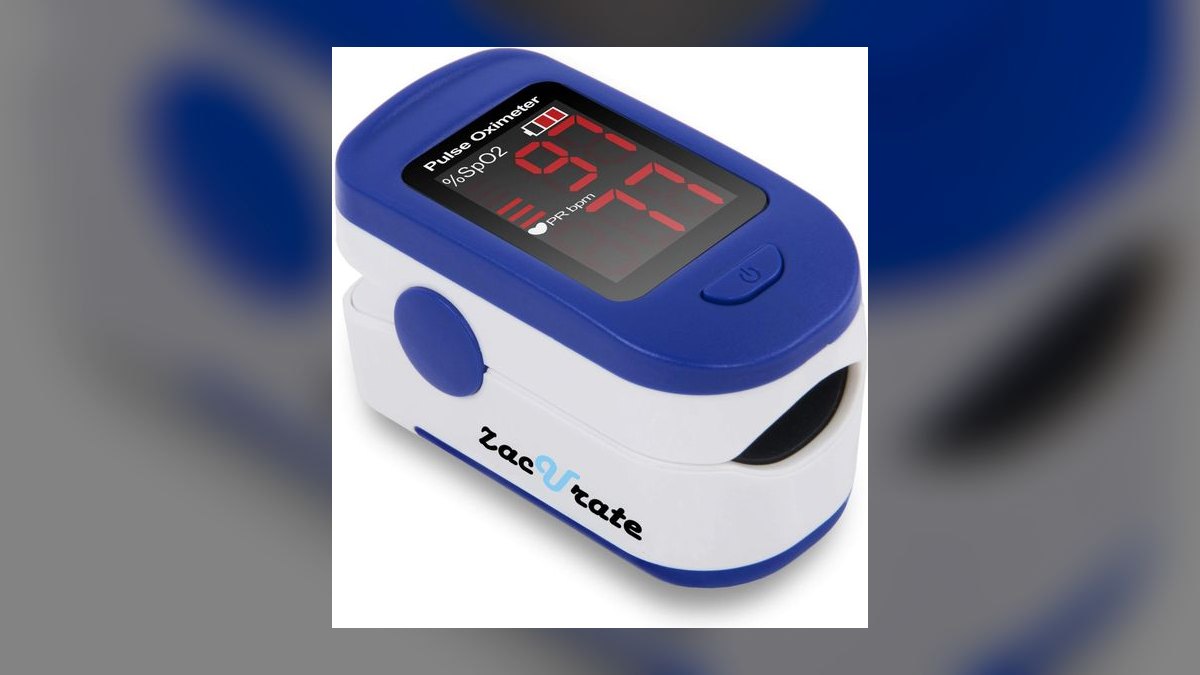
It ranks tenth because it is the barest device here — SpO2 and pulse on a single-color LED for about $20, with no display upgrade and no silicone cover. It keeps the same easy one-button operation and broad finger fit as its 500DL sibling, and it is compact enough to disappear into a travel kit or first-aid box. On price alone, nothing on this list undercuts it.
This is for anyone wanting a cheap backup clip in a glovebox or suitcase, not a primary device for managing a condition. It trades away display brightness — the dim single-color LED is harder to read than any OLED here — plus every extra, app, and logging feature. Against the $23 Zacurate 500DL at rank four, it saves three dollars while losing the brighter dual-color display and the accessory kit.
How we ranked these
Rankings weighted clinical reliability first: FDA clearance and validated accuracy carried 30%, display readability 15%, app and data tracking 15%, build and comfort 15%, extras like perfusion index and plethysmograph waveform 15%, and price-to-performance 10%. Picks were drawn from hands-on testing notes and editorial reviews at Wirecutter, Healthline, Verywell Health, CNET, Good Housekeeping, TechGearLab, and AARP, then cross-checked against manufacturer spec sheets from Masimo, Nonin, Wellue/Viatom, and Zacurate.
Deliberately ignored: Amazon star averages, which reward packaging and shipping more than signal quality. Also ignored were extra decimal places on the display, color skins, bundled lanyards, and long spec sheets — none of which change whether a device holds a clean pulse lock. Unbranded white-label clips were excluded entirely, since the same shell ships with different sensors and no manufacturer stands behind the accuracy claim.
What to look for
Start by deciding whether you need one number now or a night of data. Spot checks favor a fingertip clip; overnight apnea tracking needs the Wellue O2Ring's per-second logging and vibration alarm. If you are managing COPD or sleep apnea, pay for FDA clearance — Masimo or Nonin. If skin tone matters, the Nonin TruO2 is validated across all tones, which most clips are not. Everyone else is served by a $23 Zacurate.
The mistake most buyers make is trusting a single reading with no signal-quality check. A perfusion index number or plethysmograph waveform tells you whether the number is real or an artifact of a cold finger, nail polish, or a loose clamp. Buyers also over-spend on Bluetooth they never open, then under-spend on fit — a clamp outside its rated finger range reads badly no matter what the box promises.
Related questions
Why do pulse oximeters read high on darker skin?
The sensor infers oxygen saturation from how red and infrared light pass through tissue, and melanin absorbs light in ways many calibration curves never accounted for. Studies found patients with darker skin were roughly 32% more likely to have oxygen overestimated, which can hide real hypoxia. Devices validated across skin tones, like the Nonin TruO2, correct for this.
What does perfusion index actually tell you?
Perfusion index measures how strong the pulsing blood signal is relative to non-pulsing tissue at the sensor site. A low PI means weak circulation at that finger — from cold, pressure, or poor placement — and warns that the SpO2 number is unreliable. It is a confidence meter for the reading, not a health metric, which is why the Innovo iP900AP is worth its premium.
Can nail polish or cold hands break a reading?
Yes. Dark polish, gel nails, and artificial tips absorb the light the sensor depends on, and cold fingers constrict blood flow so there is barely a pulse to detect. Both produce falsely low or unstable numbers. Warm the hand, remove polish, or clip a different finger, then confirm the perfusion index or waveform looks steady before trusting the result.
How accurate is a wrist SpO2 sensor compared with a clip?
Less accurate, structurally. A fingertip clip shines light through thin tissue and reads what comes out the other side; a wrist sensor bounces light off the skin and interprets reflection through tendon, bone, and motion. Garmin's Pulse Ox is useful for altitude acclimatization trends over days, but it is an estimate and is not FDA-cleared for medical decisions.
Is an FDA-cleared oximeter worth the extra money?
If you are managing COPD, sleep apnea, or recovering from a respiratory illness, yes — clearance means the device was validated against arterial blood gas standards, not just marketed as accurate. Masimo and Nonin carry that clearance. For general fitness curiosity or altitude tracking, a sports-use clip like the Zacurate is genuinely sufficient and costs a tenth as much.
Why does accuracy get worse below 90%?
Most oximeters are calibrated on healthy volunteers whose saturation was safely lowered to around 70–100%, and the light-absorption relationship becomes less linear at the bottom of that range. The result is wider error exactly where the stakes are highest. Treat a sub-90% home reading as a reason to call a clinician, not as a precise measurement to track.
How long should you wait before reading the number?
Give it 30 to 60 seconds of still, resting contact. The device averages several pulse cycles, and the first numbers on screen are provisional while the algorithm locks on. Talking, moving, or gripping the clip restarts that process. If the value keeps drifting more than a point or two after a minute, the signal is poor rather than the oxygen changing.
Does a ring oximeter need to fit exactly?
Yes, and it is the most common reason O2Ring data comes back useless. Too loose and the sensor lifts off the skin during sleep, producing dropouts that look like desaturation events. Too tight and it restricts flow. Wellue ships sizing guidance for a reason — measure before ordering, and check the first night's report for gaps before trusting the trend.
FAQ
What SpO2 reading is normal?
A healthy adult at rest typically reads 95–100%. Readings of 92–94% warrant attention if they persist or come with symptoms. Persistently below 92%, especially alongside breathlessness or bluish lips, means call a doctor or urgent care. Altitude lowers normal ranges, so a reading taken in Denver is not comparable to one at sea level.
Are cheap pulse oximeters accurate?
For healthy users at normal oxygen levels, yes. Budget clips like the $23 Zacurate 500DL tested close to clinical monitors in reviewer trials. Accuracy degrades for every device below 90%, and further on darker skin. A cheap clip is fine for reassurance and trend-watching; it should not be the basis for a serious medical decision.
Which pulse oximeter is best overall?
The Masimo MightySat Rx at $299. It is FDA-cleared, built on the motion-tolerant Signal Extraction Technology used in hospitals, and reports five parameters — SpO2, pulse rate, perfusion index, respiration rate, and Pleth Variability Index — on a rotating OLED. Bluetooth exports trends to a physician. The only real drawback is that it costs roughly ten times a basic clip.
Which pulse oximeter is the best value?
The Zacurate Pro Series 500DL at $23. It shows SpO2 and pulse on a bright two-color LED, fits fingers from children to adults, and ships with a silicone cover, lanyard, and batteries. It is a sports and wellness device rather than a prescription instrument, but for a dependable spot-check number, nothing else matches the price.
Do I need a fingertip clip or a ring?
A clip for quick spot checks, a ring for continuous overnight monitoring. The Wellue O2Ring logs SpO2, heart rate, and movement every second through the night and vibrates if levels drop below your threshold — useful for sleep apnea tracking. At $169 it is overkill if you only want an occasional daytime reading.
Can my smartwatch replace a pulse oximeter?
Not for medical use. Garmin's wrist Pulse Ox estimates SpO2 on demand and during sleep, and plots acclimatization as you gain altitude, which is genuinely useful for climbers and runners. But wrist optical sensors read less precisely than a fingertip clip, and the feature is classified as wellness, not an FDA-cleared medical reading.
What is a plethysmograph waveform for?
It draws the actual pulse as a repeating wave on screen. A clean, regular waveform means the sensor has a solid lock and the SpO2 number can be trusted; a ragged or flat trace means motion, cold, or bad placement is corrupting the reading. The Innovo iP900AP includes one at $40, which is unusual at that price.
Do pulse oximeters work on children?
Adult fingertip clips need a finger thick enough to fill the sensor gap, so readings on small children are often unreliable. The Zacurate 500DL advertises a range covering kids, but pediatric-specific sensors exist for a reason. For an infant or a child with a real respiratory condition, use a device sized for pediatrics and confirm findings with a clinician.
How often should I check my oxygen at home?
If a clinician asked you to monitor, follow their schedule — usually a few times daily at consistent times and conditions. Otherwise, check when symptoms appear rather than compulsively. Constant spot-checking produces normal variation that reads as alarming, and the trend across days matters far more than any single number on the display.
Does altitude change what counts as a normal reading?
Yes, substantially. Lower air pressure means less oxygen available per breath, so saturation drops for everyone at elevation and recovers over days as the body acclimatizes. A reading of 90% in a mountain town can be unremarkable while the same number at sea level is not. Garmin's acclimatization trend exists precisely to track that adjustment.
Sources
- https://www.fda.gov/medical-devices/safety-communications/pulse-oximeter-accuracy-and-limitations-fda-safety-communication
- https://www.nejm.org/doi/full/10.1056/NEJMc2029240
- https://www.nytimes.com/wirecutter/
- https://www.healthline.com/health/best-pulse-oximeter
- https://www.verywellhealth.com/best-pulse-oximeters-5089671
- https://www.techgearlab.com/topics/health-fitness/best-pulse-oximeter
- https://www.masimo.co.uk/products/wearables/mightysatrx/
- https://www.nonin.com/products/truo2-otc/
- https://www.lung.org/lung-health-diseases/lung-procedures-and-tests/pulse-oximetry
- https://www.goodhousekeeping.com/health-products/
Related on PULSE
- [More pulse oximeters rankings and buying guides](/knowledge)
- [PULSE Tools and calculators](/tools)
- [Everything on PULSE RevOps](/)
 pulse-reviewsHow much does Electronics cost in 2027?
 pulse-reviewsHow much does a DJI Avata 2 cost in 2027?
 pulse-reviewsWhat should you know before investing in Electronics in 2027?
 pulse-reviewsWhat are the most common mistakes in Electronics in 2027?
 pulse-reviewsTop 10 best Electronics options in 2027
 pulse-reviewsHow do you get started with Electronics in 2027?
 pulse-reviewsTop 10 Electronics strategies for 2027
 pulse-aquariumsTop 10 Canister Filters 2027
 aqTop 10 Hang-On-Back Aquarium Filters 2027
 pulse-reviewsTop 10 Cabin Cruiser Boats 2027