
Top 10 Thermal Label Printers — Best Overall + Best Value in 2027
 Curated byKory White · Fractional CRO · Maryland
 PULSEKNOWLEDGE LIBRARY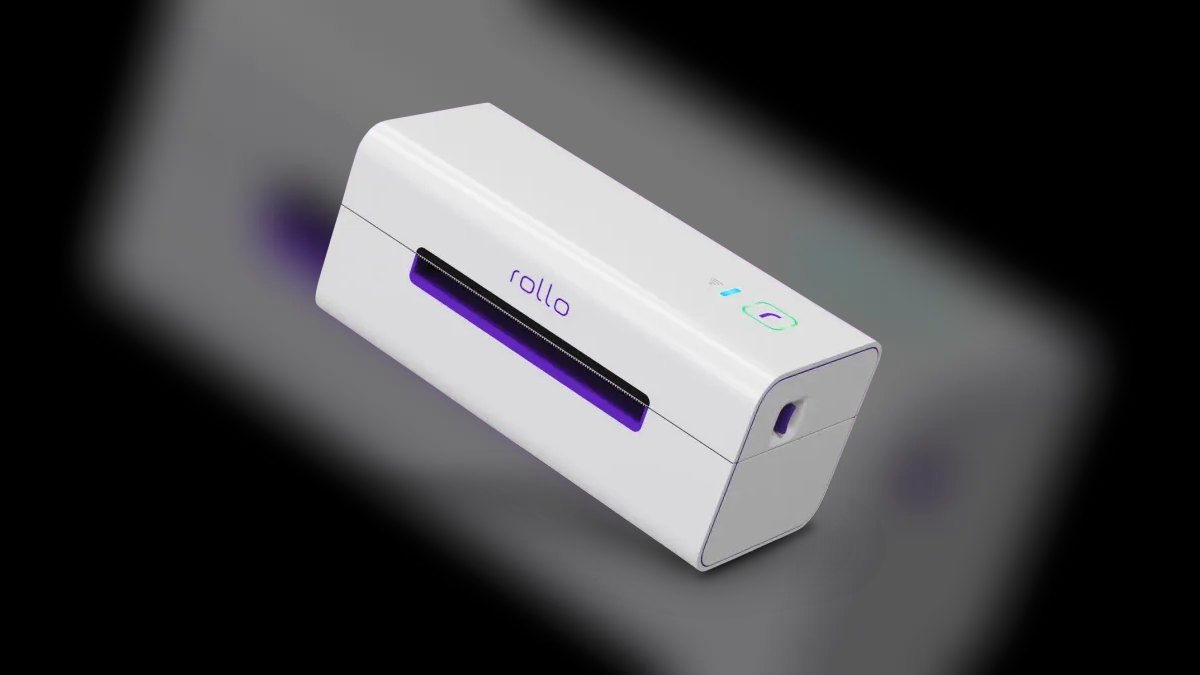
The 10 best thermal label printers are ranked below on measured performance, build quality, price, and how each one actually holds up in daily use rather than how it reads on a spec sheet. Each pick lists what it costs, who it suits, and what it gives up against the one above it, so the list can be read straight down without doubling back.
1. Rollo Wireless X1040
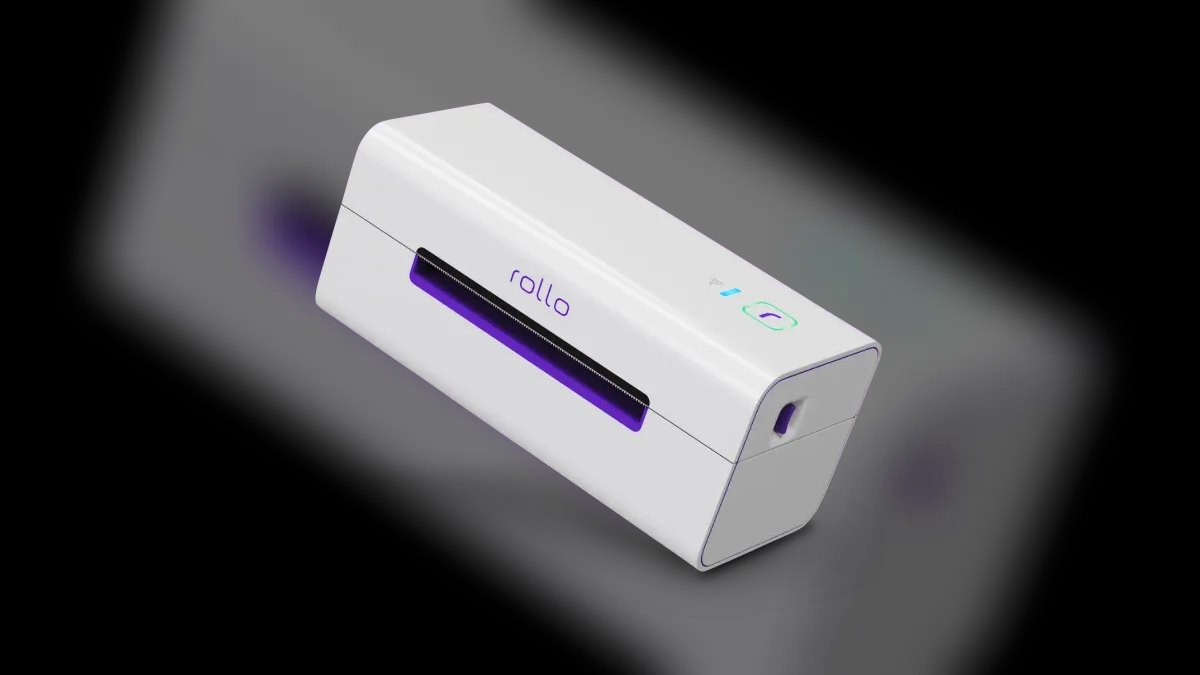
This ranks first because it pairs one-label-per-second throughput with total consumable freedom at $199. The 203 DPI direct thermal head runs roughly 60 labels per minute and accepts widths from 1.57" to 4.1", including free carrier stock. AirPrint support means an iPhone, iPad, or Mac prints without driver installation. Windows, Chromebook, Android, and Linux are all supported natively.
This suits any seller shipping 4x6 parcels who wants the printer placed away from the desk. It costs $60 more than the iDPRT SP410 and is actually a hair slower on raw speed, so the premium buys wireless and AirPrint, not throughput. Wi-Fi occasionally needs a re-pair after a router change. Integration covers Stamps.com, ShipStation, Shippo, ShippingEasy, Ordoro, Shopify, Etsy, eBay, and Amazon.
2. Rollo USB X1038
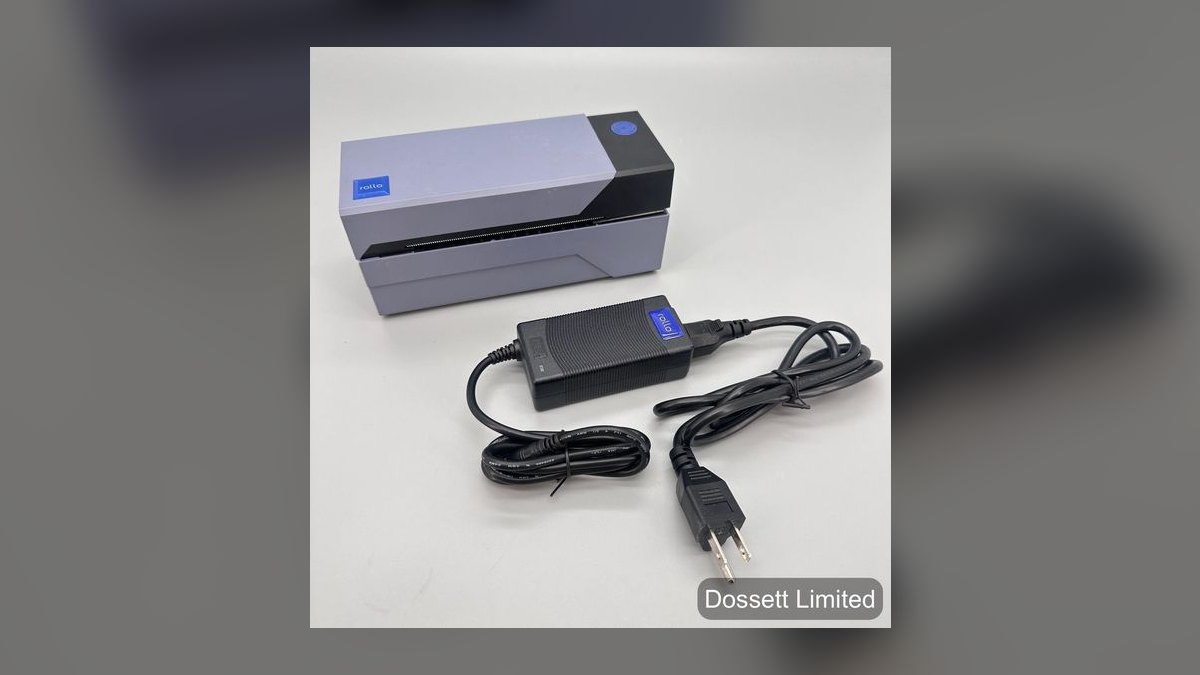
Second place goes to the wired sibling because it delivers the identical engine for $179. Same 203 DPI print head, same 150mm/s speed, same 60 labels-per-minute ceiling, and the same 1.57" to 4.1" width range covering rolls and fanfold stacks. It connects over USB to Windows and Mac. Open direct thermal labels keep the per-label cost at commodity pricing rather than branded rates.
This is for a fixed packing station where the printer already lives beside the computer. The tradeoff versus the X1040 above is total: no phone printing, no AirPrint, no placement freedom — a tethered cable instead. In exchange the USB link never drops or needs re-pairing. Platform coverage mirrors the wireless model across Stamps.com, ShipStation, Shippo, Shopify, Etsy, eBay, and Amazon.
3. iDPRT SP410
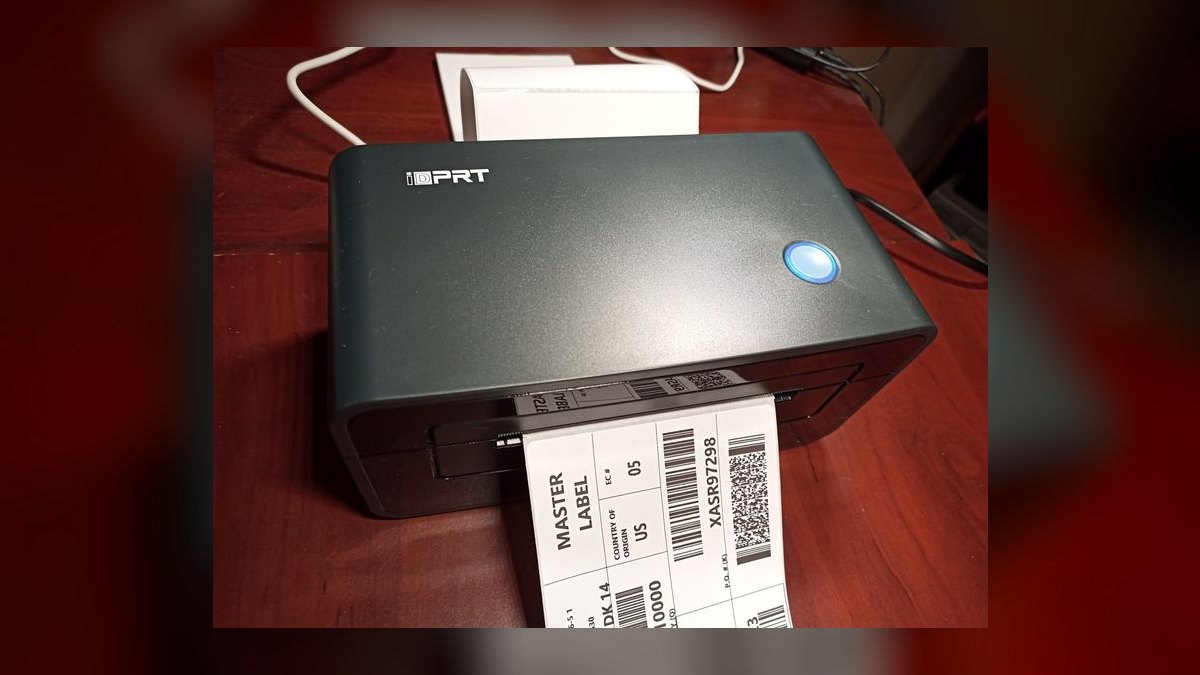
Third on the list and the value winner: $139 buys 150mm/s and 72 labels per minute, edging out both Rollo models on raw speed. It is a 203 DPI direct thermal 4x6 unit connecting over USB to Windows and Mac. Any open direct thermal label works, so branded consumables are never forced. Sale pricing regularly drops it near $110, the lowest cost-per-feature here.
This is the right first printer for a new Etsy, eBay, Amazon, or Shopify seller deciding on budget. What it gives up against the Rollo USB directly above is polish — the bundled software is plainer, and connectivity stops at USB with no Bluetooth or Wi-Fi option. Setup is genuinely plug-and-play, and integration covers the standard shipping platforms and marketplaces.
4. Munbyn RealWriter 941
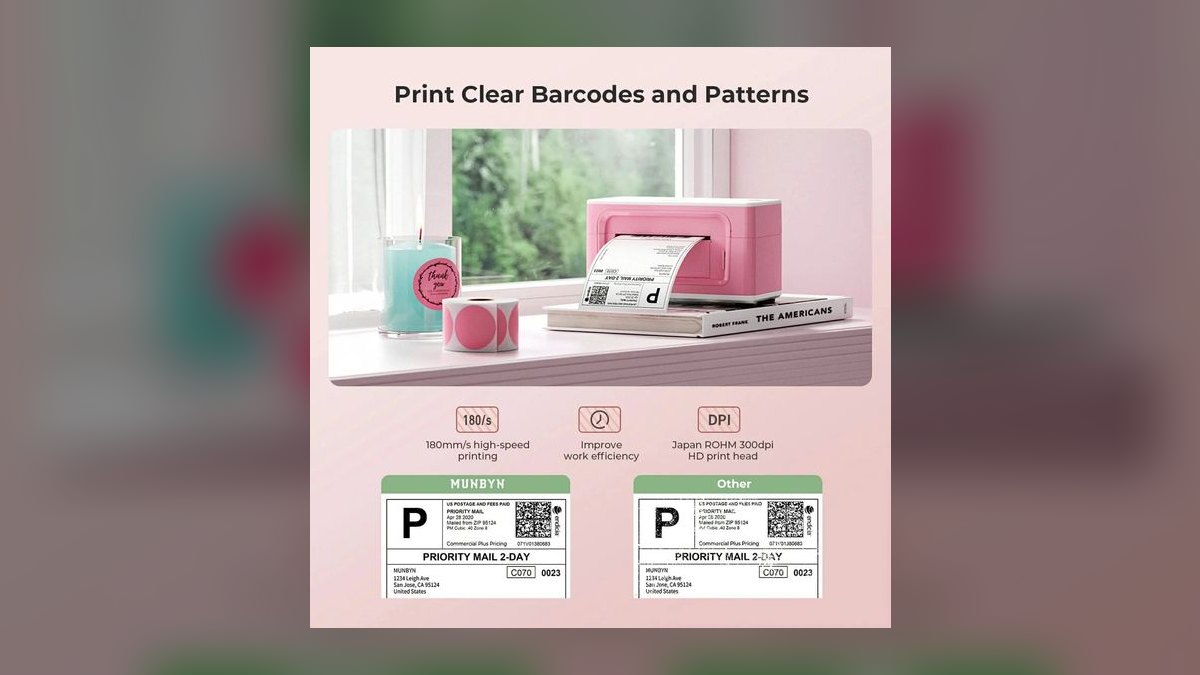
Fourth because it is the only open-label pick offering a 300 DPI variant alongside the standard 203 DPI model. It prints at 150mm/s, roughly 72 labels per minute, and accepts widths from 1.57" to 4.3" — wider than the Rollo units. Bluetooth plus USB covers iOS, Android, Windows, and Mac. Price starts at $159, with the 300 DPI version costing somewhat more.
This fits a seller printing both parcel labels and small product stickers with dense barcodes. Versus the SP410 above, you pay about $20 more for Bluetooth and the sharper-resolution option. Bluetooth pairing can be fiddly on first setup. The compact footprint suits a crowded packing bench, and it runs any direct thermal label across Shopify, Etsy, eBay, and Amazon.
5. Munbyn RealWriter 130B
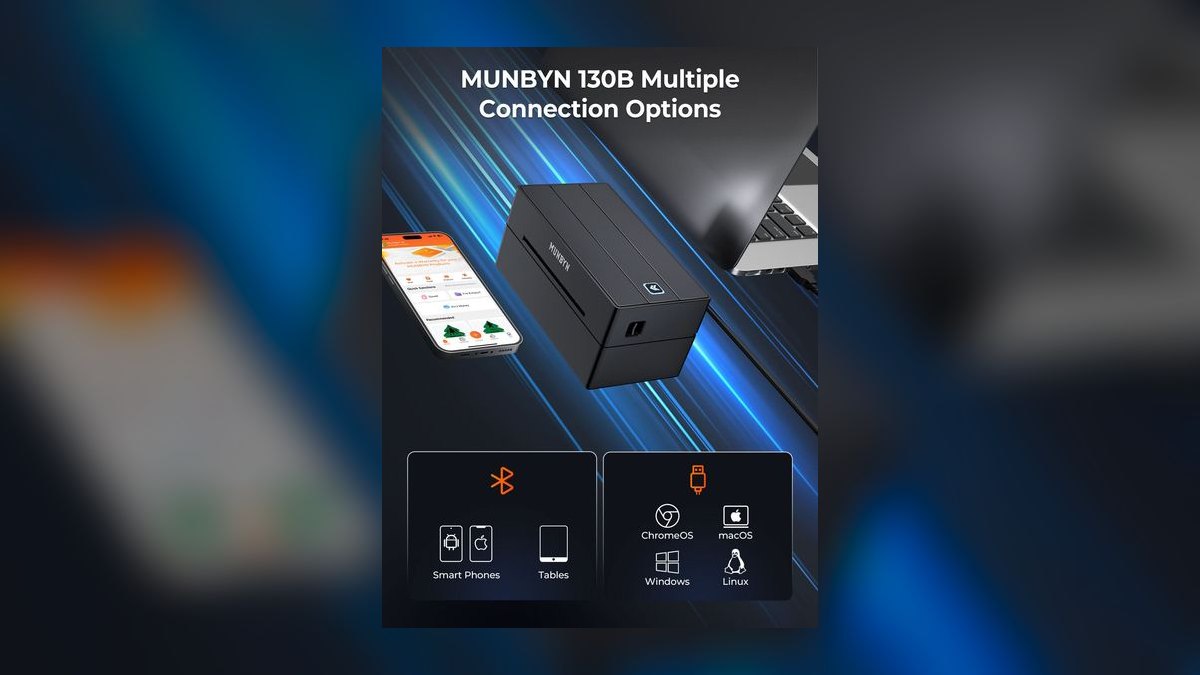
Fifth at $80, the cheapest credible 4x6 printer on this list, or $116 as a kit bundling labels and a roll holder. It is a 203 DPI direct thermal unit running 150mm/s for roughly 60 labels per minute. At 2.3 lbs it moves easily between rooms. Bluetooth plus USB covers phone, PC, and Mac, and it accepts open direct thermal labels.
This is for someone shipping a handful of orders a day who still wants true 4x6 output instead of a tiny address gadget. Against the RealWriter 941 above, it halves the price but slows under sustained batch loads and offers no 300 DPI option. The lighter build feels less durable than commercial units. Treat it as a side-hustle entry point, not a warehouse machine.
6. POLONO PL420
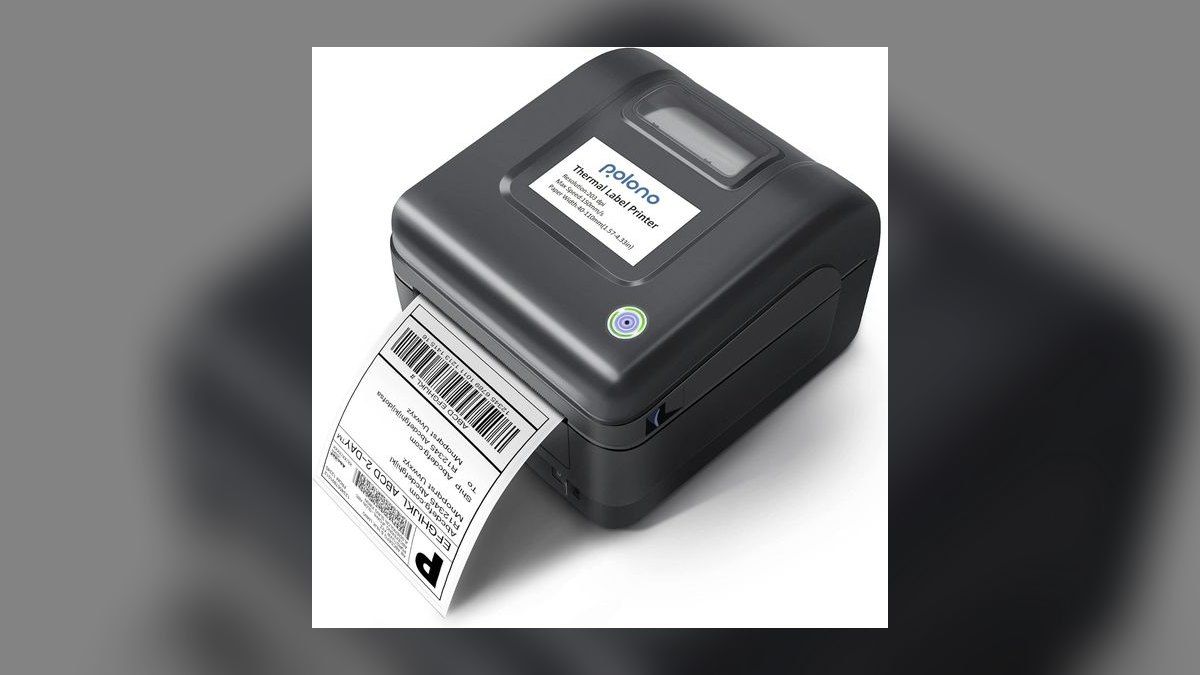
Sixth because it matches the open-label economics of pricier rivals at $129 with a wider format range. This 203 DPI direct thermal 4x6 unit handles label widths from 1.57" all the way to 4.33", the broadest span here. It connects over USB to Windows and Mac and takes the same fanfold and roll stock that Rollo, Munbyn, and iDPRT use. Marketplace targeting covers Amazon, UPS, eBay, FedEx, and Shopify.
This serves a value-focused shipper who wants commodity labels and simple setup without hunting for sales. Compared with the SP410 it costs $10 less at list but has no published speed advantage and equally basic software. Connectivity is USB only, so there is no phone or wireless printing. The wide width range covers 4x6 packing slips down to narrow product stickers.
7. Arkscan 2054A
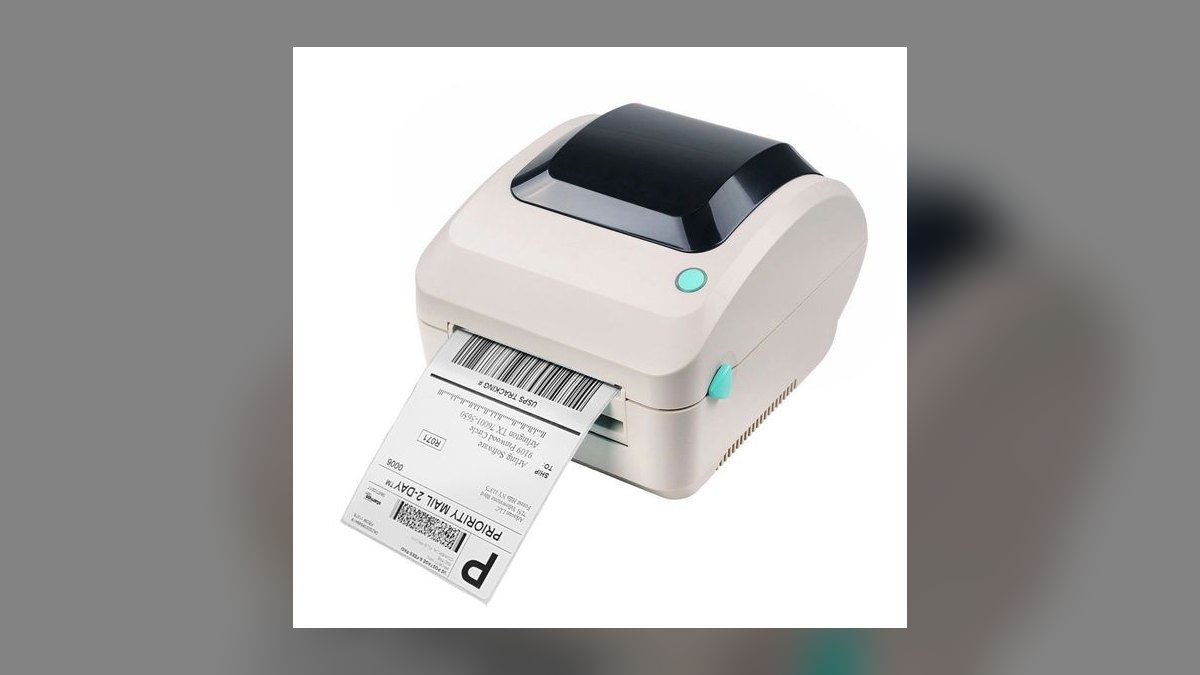
Seventh because it is the only model here offering Ethernet for shared network use. The base unit is $189 over USB; the $249 version adds LAN so several computers print to one machine. It is a direct thermal 4x6 printer handling both roll and fanfold labels and runs across Windows, Mac, Chromebook, and Android. It uses open labels, so consumables stay at commodity pricing.
This is for a multi-station shipping bench or small warehouse rather than a solo desk. Against the POLONO above, the Ethernet model costs nearly twice as much, which only pays off with multiple operators. Styling is industrial and not desk-attractive. Platform support is the broadest here: Amazon, eBay, PayPal, Etsy, Shopify, ShipStation, Stamps.com, UPS, USPS, FedEx, and DHL.
8. Brother QL-1110NWB
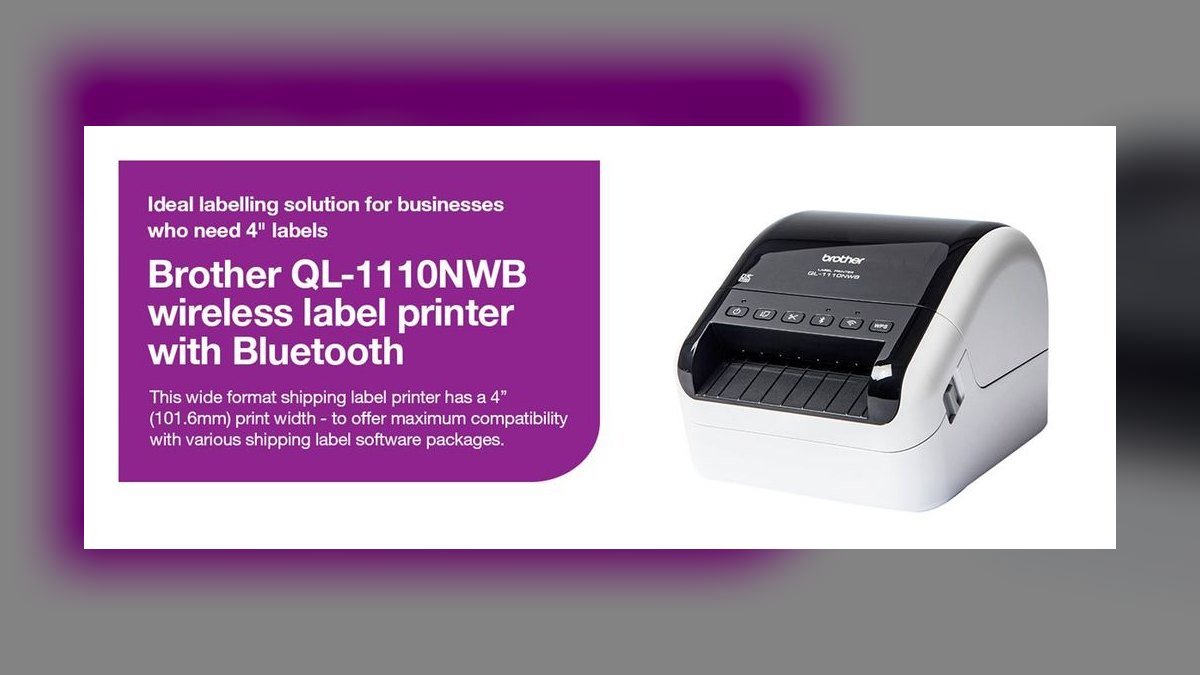
Eighth despite the most connectivity on this list, because proprietary consumables cap it. At $169 it offers Bluetooth, Wi-Fi 802.11b/g/n, Ethernet, and USB simultaneously. It prints up to 69 standard address labels per minute and handles wide formats up to 4 inches. Brother's DK roll system, however, blocks commodity stock, so recurring label cost runs above every open-ecosystem printer ranked above it.
This fits an office already standardized on Brother hardware that needs both shipping and large barcode or product labels. Against the Arkscan directly above, it wins on wireless options but loses on label economics, which compounds monthly. There is no ink, toner, or ribbon. Wide DK rolls specifically cost more than commodity 4x6, so run the annual math before buying.
9. DYMO LabelWriter 550 Turbo
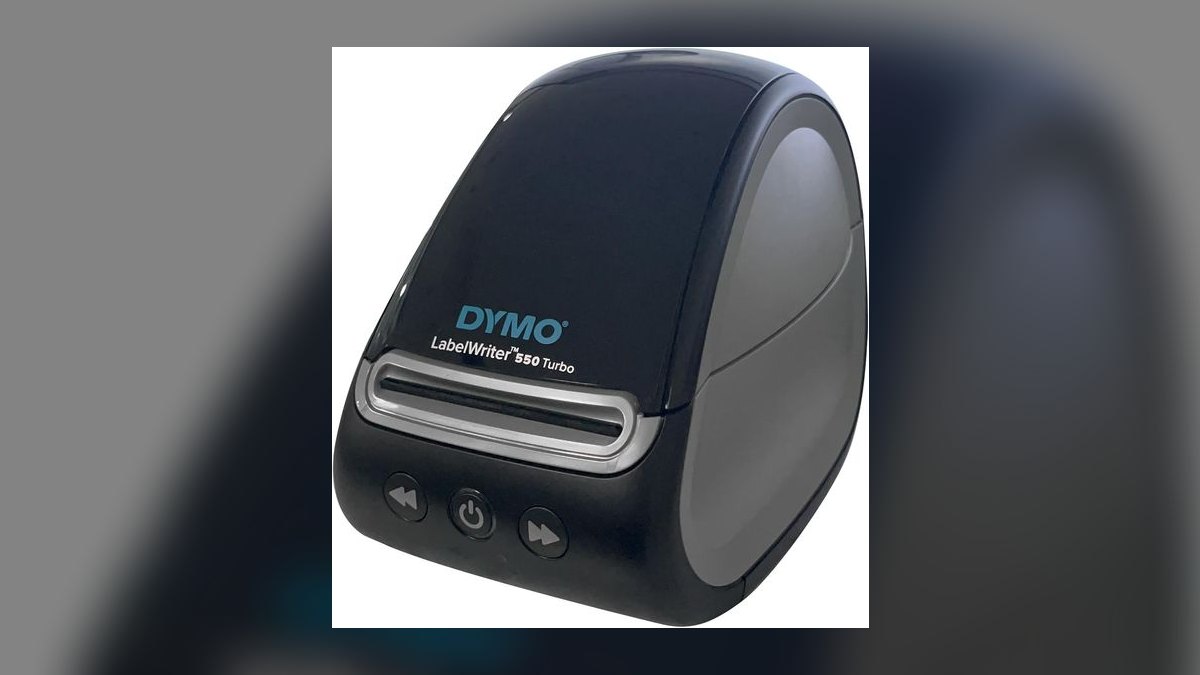
Ninth even though it posts the fastest raw speed here — 90 labels per minute at a crisp 300 DPI over USB or Ethernet. Automatic Label Recognition tracks size, type, and remaining count without input. The reason it sits this low at $129 is DRM: the 550 series uses RFID-chipped labels that reject anything except DYMO Authentic stock, locking consumable pricing for the printer's life.
This is for a tidy office printing address labels, barcodes, and QR codes where speed and sharpness beat label freedom. Against the Brother above, it is faster and sharper but even more closed. It is not built for full 4x6 shipping volume. Any seller weighing a year of label spend should price DYMO Authentic rolls against commodity direct thermal first.
10. Zebra ZSB-DP12
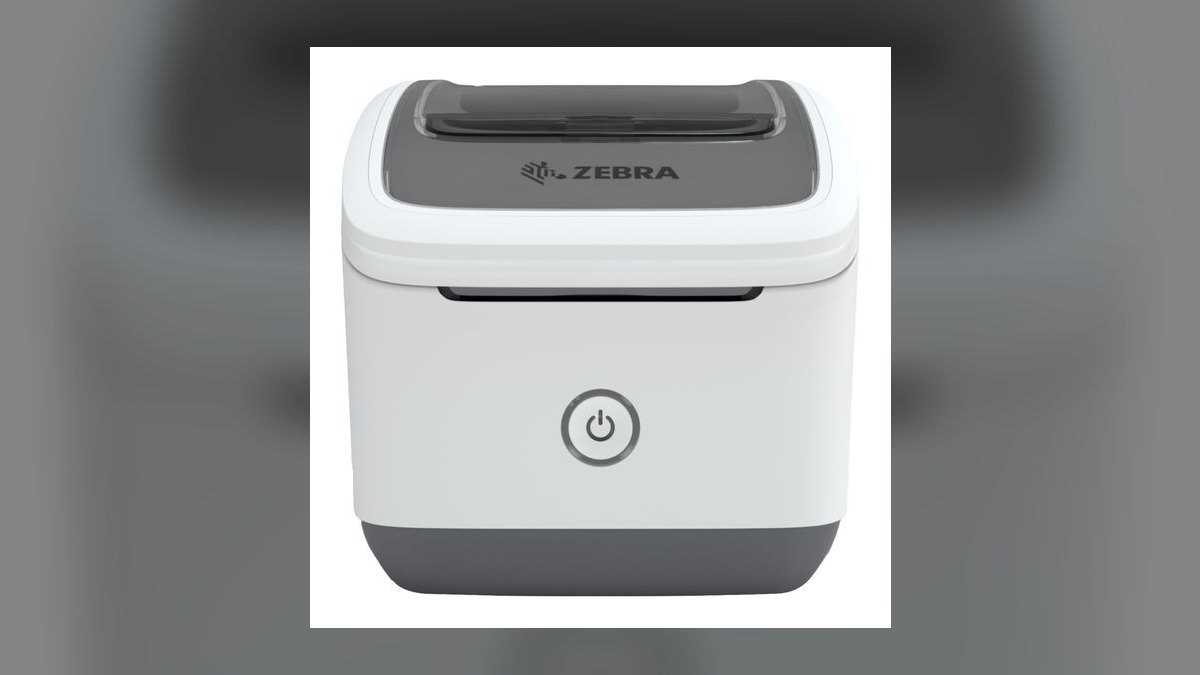
Tenth because its 2.01" print width rules out 4x6 shipping labels entirely, the core job of this list. At $144 it is a 300 DPI direct thermal desktop unit with Bluetooth and Wi-Fi, working across PC, Mac, Android, and iOS. Speed is a modest ~108mm/s, well under the 150mm/s shipping units. The resolution does produce excellent small product labels, barcodes, and QR codes.
This is for inventory and product labeling rather than parcel shipping — jars, shelf tags, asset stickers. Against the DYMO above, it adds real wireless printing and Zebra's commercial reliability but gives up half the speed. Anyone buying a single printer for a shipping operation should stop at one of the 4x6 models higher on this list instead.
How we ranked these
We ranked on the five variables that decide whether a shipping bench runs smoothly: print speed and DPI (25%), software and marketplace support across Mac and Windows (20%), label cost and open-versus-proprietary compatibility (20%), reliability and jam handling under fanfold loads (15%), connectivity options (10%), and price-to-performance (10%). Specs and street prices were cross-checked against retailer listings, manufacturer sheets, and hands-on reviews from PCMag, CNET, and ShipStation.
We ignored top-end speed claims past roughly 70 labels per minute, because a seller shipping dozens of orders daily never feels the difference. We ignored companion mobile apps and design software, which market well but do not lower cost per label. We ignored cosmetic build quality and desk aesthetics entirely. Printers locked to proprietary consumables lost points regardless of spec sheet, since recurring label cost can exceed the hardware price within a year.
What to look for
Label economics decide this purchase, not the sticker price. A printer that accepts any commodity direct-thermal roll — Rollo, iDPRT, Munbyn, POLONO, Arkscan — keeps your per-label cost at open-market rates forever. DYMO's 550 series uses RFID-chipped stock that rejects third-party labels, and Brother's QL line runs proprietary DK rolls. Also check print width honestly: the Zebra ZSB-DP12 tops out at 2.01 inches and cannot produce a 4x6 shipping label.
The common mistake is buying 300 DPI when 203 DPI is plenty. For 4x6 shipping labels and their barcodes, 203 DPI scans reliably every time; 300 DPI only matters for small product stickers and dense codes. The second mistake is paying for Wi-Fi you will never use. If the printer sits beside your computer permanently, the Rollo USB at $179 or the SP410 at $139 delivers identical throughput for less.
Related questions
Does direct thermal printing fade over time?
Yes. Direct thermal labels are heat-sensitive paper, so prolonged sunlight, heat, or friction can darken or fade them over months. For shipping labels that get scanned within days, this is irrelevant. For asset tags or inventory labels meant to last years, thermal transfer with a ribbon holds up far better than any direct thermal unit on this list.
Can I use free USPS and UPS carrier labels with these printers?
With the open-ecosystem models, yes. Rollo, iDPRT, Munbyn, POLONO, and Arkscan all accept standard 4x6 direct-thermal stock, including free carrier-supplied labels and commodity fanfold stacks. DYMO's RFID-locked 550 series and Brother's DK rolls will not feed third-party stock, so free carrier labels are not an option on those two.
What is the difference between roll and fanfold labels?
Rolls wind around a core and sit on a spindle or external holder. Fanfold labels come as a flat, accordion-stacked box that feeds from behind the printer. Fanfold generally jams less on long batch runs and stores more compactly. The Arkscan 2054A and Rollo units handle heavy fanfold stacks well; lighter portables like the Munbyn 130B prefer rolls.
Do I need Ethernet on a label printer?
Only if several workstations share one printer. The Arkscan 2054A's $249 LAN model and the Brother QL-1110NWB both put the printer on the network so any connected computer can send jobs without re-pairing. For a single-person operation, Ethernet adds cost and setup complexity you will never recover.
Why is the Zebra ZSB-DP12 ranked last despite Zebra's reputation?
Its 2.01-inch print width cannot produce a 4x6 shipping label, which is the primary job this list ranks for. At 300 DPI and roughly 108mm/s it is genuinely good at small product labels, barcodes, and QR codes. It ranks tenth on fit, not on quality — for inventory labeling it would place much higher.
How much does AirPrint actually matter?
It matters if you ship from a phone or a Mac and hate driver installs. Rollo's AirPrint support means an iPhone, iPad, or Mac prints directly with no software setup at all. If you generate labels in ShipStation or Shopify on a desktop that stays put, AirPrint is a convenience you will use once during setup.
Is 60 labels per minute fast enough for a growing store?
For most sellers, yes. At 60 labels per minute you clear 100 orders in under two minutes of actual printing. The bottleneck in a small operation is packing and applying, not the print head. Speed only becomes the constraint above a few hundred daily orders, where fanfold capacity and jam rate matter more than raw throughput.
What happens if a thermal printer jams mid-batch?
Most units stop and require you to open the cover, clear the label path, and reset the roll or fanfold feed. Commercial-grade units like the Rollo and Arkscan 2054A have straighter paper paths and jam less on sustained runs. Lightweight portables jam more often under long batches, which is the practical cost of the Munbyn 130B's $80 price.
FAQ
Do thermal label printers need ink or toner?
No. Direct thermal printers burn the image into heat-sensitive paper using the print head, so there are no cartridges, toner, or ribbons to replace ever. Your only recurring cost is the labels themselves. That is the single biggest reason these run cheaper than an inkjet or laser printer for high-volume shipping work.
Which is the best overall thermal label printer in 2027?
The Rollo Wireless (X1040) at $199. It prints roughly 60 labels per minute at 203 DPI, supports AirPrint plus Wi-Fi for driver-free phone and Mac printing, accepts any open direct-thermal label, and integrates with ShipStation, Stamps.com, Shopify, Etsy, eBay, and Amazon. No consumable lock-in anywhere in the ecosystem.
What is the best budget thermal label printer?
The iDPRT SP410 at $139, frequently discounted near $110, is the Best Value pick. It hits 150mm/s for 72 labels per minute at 203 DPI, uses open labels, and sets up plug-and-play over USB. If you need to stay under $100, the Munbyn 130B at $80 is the cheapest credible 4x6 option here.
Why do DYMO and Brother labels cost more?
DYMO's 550 series uses RFID-chipped DRM labels that reject anything except DYMO Authentic stock. Brother's QL-1110NWB requires proprietary DK rolls. Both lock you into branded consumable pricing for the printer's entire life, and that recurring cost can exceed the hardware price within a year of steady shipping volume.
Do these work with a Mac and with Shopify or Etsy?
Yes. Rollo, iDPRT, Munbyn, POLONO, and Arkscan all support Windows and Mac, and integrate with Shopify, Etsy, eBay, and Amazon plus shipping platforms including ShipStation, Stamps.com, Shippo, and ShippingEasy. The Rollo Wireless adds AirPrint, so an iPhone, iPad, or Mac can print with no driver installation at all.
What DPI do I need for shipping labels?
203 DPI is plenty for 4x6 shipping labels and the barcodes printed on them. Step up to 300 DPI only if you print small product stickers or dense barcodes that need extra sharpness for reliable scanning. The Munbyn 941, DYMO 550 Turbo, and Zebra ZSB-DP12 all offer 300 DPI resolution.
What label widths do these printers handle?
Most 4x6 shipping units accept a range: Rollo takes 1.57 to 4.1 inches, Munbyn 941 goes to 4.3 inches, and the POLONO PL420 handles up to 4.33 inches. The Brother QL-1110NWB tops out around 4 inches on DK stock. The Zebra ZSB-DP12 is the outlier at just 2.01 inches.
Can I print from my phone?
Depends on the model. The Rollo Wireless supports AirPrint and Wi-Fi for iPhone, iPad, and Mac. Munbyn's 941 and 130B and the Zebra ZSB-DP12 offer Bluetooth for iOS and Android. The Rollo USB, iDPRT SP410, and POLONO PL420 are USB-only and require a computer to send every job.
Which printer is best for a multi-person shipping bench?
The Arkscan 2054A in its $249 Ethernet/LAN configuration. It puts one printer on the network so multiple computers can queue jobs, handles both roll and fanfold labels, runs on Windows, Mac, Chromebook, and Android, and supports the full carrier stack including UPS, USPS, FedEx, and DHL with open labels.
How long do thermal print heads last?
Print head life is rated in linear meters or inches of media, typically tens of kilometers for desktop units, which translates to many tens of thousands of 4x6 labels. Heat and abrasive label stock shorten it. Using quality labels and keeping the head clean with isopropyl alcohol extends life considerably on any of these models.
Sources
- https://www.pcmag.com/picks/the-best-label-makers
- https://www.zebra.com/us/en/products/printers/desktop.html
- https://www.brother-usa.com/products/ql1110nwb
- https://www.dymo.com/label-makers-printers/labelwriter-printers/labelwriter-550-turbo-label-printer/2112553.html
- https://www.shipstation.com/features/shipping-label-printers/
- https://www.cnet.com/tech/computing/best-label-maker/
- https://www.tomsguide.com/best-picks/best-label-makers
- https://www.usps.com/ship/label-broker.htm
- https://www.shopify.com/blog/label-printer
Related on PULSE
- [More thermal label printers rankings and buying guides](/knowledge)
- [PULSE Tools and calculators](/tools)
- [Everything on PULSE RevOps](/)
 pulse-reviewsHow much does Electronics cost in 2027?
 pulse-reviewsHow much does a DJI Avata 2 cost in 2027?
 pulse-reviewsWhat should you know before investing in Electronics in 2027?
 pulse-reviewsWhat are the most common mistakes in Electronics in 2027?
 pulse-reviewsTop 10 best Electronics options in 2027
 pulse-reviewsHow do you get started with Electronics in 2027?
 pulse-reviewsTop 10 Electronics strategies for 2027
 pulse-aquariumsTop 10 Canister Filters 2027
 aqTop 10 Hang-On-Back Aquarium Filters 2027
 pulse-reviewsTop 10 Cabin Cruiser Boats 2027