
Top 10 Smart Pill Dispensers — Best Overall + Best Value in 2027
 Curated byKory White · Fractional CRO · Maryland
 PULSEKNOWLEDGE LIBRARY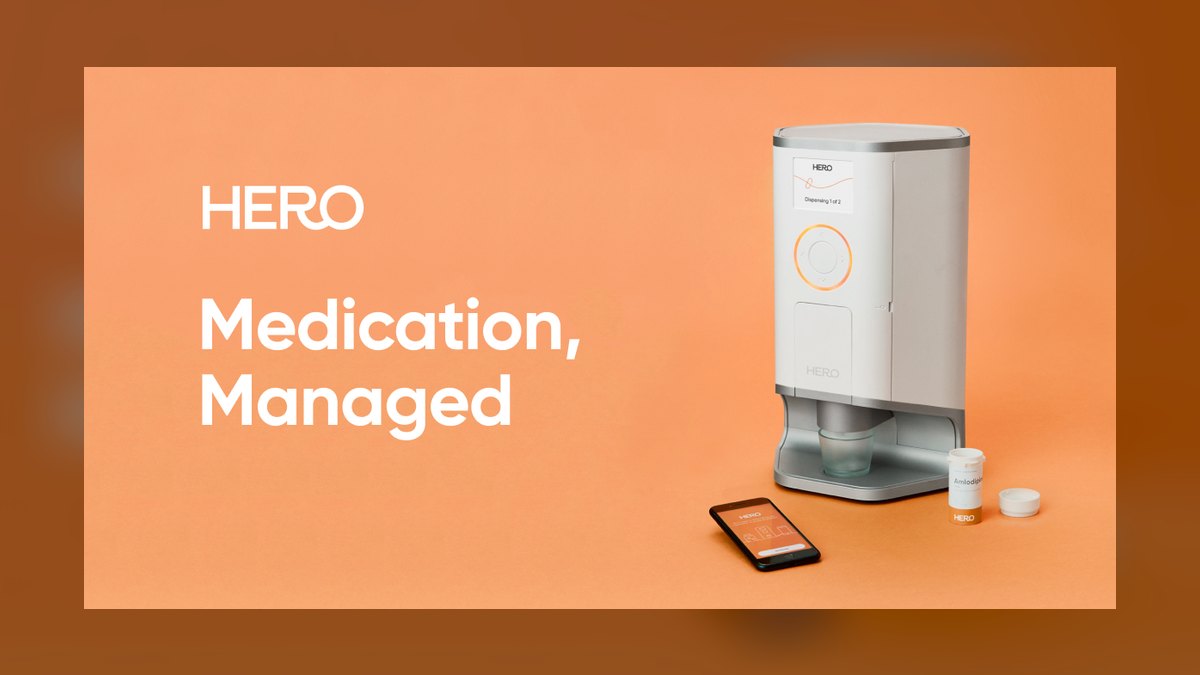
<!--HERO-->
For most seniors and caregivers in 2027, the Best Overall smart pill dispenser is the Hero Smart Pill Dispenser at $99.99 upfront plus $29.99/month, because it pairs hands-free automatic dispensing of up to 10 medications with reliable app alerts and remote caregiver monitoring. The Best Value pick is the TabTime Automatic Pill Dispenser at $39.99, a no-subscription, lockable 28-compartment carousel that nails the basics of timed reminders for people who don't need cellular monitoring.
This list is for older adults managing complex daily regimens, family caregivers who want missed-dose alerts, and anyone who has doubled a dose or forgotten one and wants a safer system. Below the two headliners are eight more real, currently shipping picks ranked for reliability, locking safety, capacity, and subscription cost.
How We Ranked the Top 10
We weighted what actually keeps people on their meds: dependable dispensing, safe locking, real caregiver visibility, and a price that holds up over years of monthly fees. We cross-checked specs and pricing against Wirecutter, the National Council on Aging (NCOA), CNET, AARP, Verywell Health, TechRadar, The Senior List, and manufacturer spec sheets from Hero Health, MedMinder, e-pill, and Livi (PharmRight).
- Reliability & locking dispensing — 25%
- Capacity & schedule flexibility — 20%
- Alerts & caregiver notifications — 20%
- Ease of setup for seniors — 15%
- Subscription cost & value — 10%
- Build quality — 10%
1. Hero Smart Pill Dispenser 🏆 BEST OVERALL
Price: $99.99 upfront + $29.99/month | Best for: Seniors with complex regimens and remote family caregivers
The Hero is a true automatic dispenser, not a reminder-only organizer: you bulk-load up to 10 different medications (a 90-day supply), and at each scheduled time it beeps, lights up, and pushes a notification, then dispenses the correct pills at the press of a button. The connected app tracks 10 more meds outside the device and sends caregiver alerts by text and email when a dose is missed, plus low-supply warnings.
It connects over Wi-Fi, includes a battery backup for outages, and an optional child-resistant lock keeps pills secured between doses. Hero's AARP health-benefit listing and a limited lifetime warranty add confidence for long-term use. The trade-off is the recurring subscription, which over a few years outpaces cheaper one-time devices.
Pros:
- Genuine automatic dispensing of up to 10 meds, no manual sorting
- Strong caregiver app with missed-dose and refill alerts
- Battery backup plus limited lifetime warranty
- AARP-recognized with a 30-day money-back guarantee
Cons:
- Ongoing $29.99/month subscription adds up over time
- Wi-Fi only, so it needs a stable home network
Verdict: The most complete blend of automation, alerts, and reliability — the safest default for most households.
2. MedaCube Automatic Pill Dispenser

Price: $1,999 (no subscription) | Best for: Polypharmacy patients wanting the highest adherence with no monthly fee
The MedaCube is the heavy-duty, clinic-grade option: it bulk-loads a 90-day supply of up to 16 medications and dispenses doses automatically with custom audio reminders. Its standout is no monthly subscription — you pay once. A St. John Fisher College study cited by The Senior List found it lifted adherence from about 48% to 97%.
It sends caregiver alerts by email, text, or phone, locks medications securely between doses, and is built for users juggling many prescriptions at once. The catch is the steep upfront cost, which puts it out of reach for casual buyers.
Pros:
- No monthly fee — one-time purchase
- 16-medication bulk loading with proven adherence gains
- Multi-channel caregiver alerts (email, text, phone)
Cons:
- $1,999 upfront price is the highest here
- Larger, less furniture-friendly footprint
Verdict: The best long-run value for heavy polypharmacy users who can absorb the upfront hit and want zero subscription.
3. MedMinder Jon (Locking)
Price: $100 setup + ~$125/month | Best for: Dementia care needing a locked, cellular-monitored tray
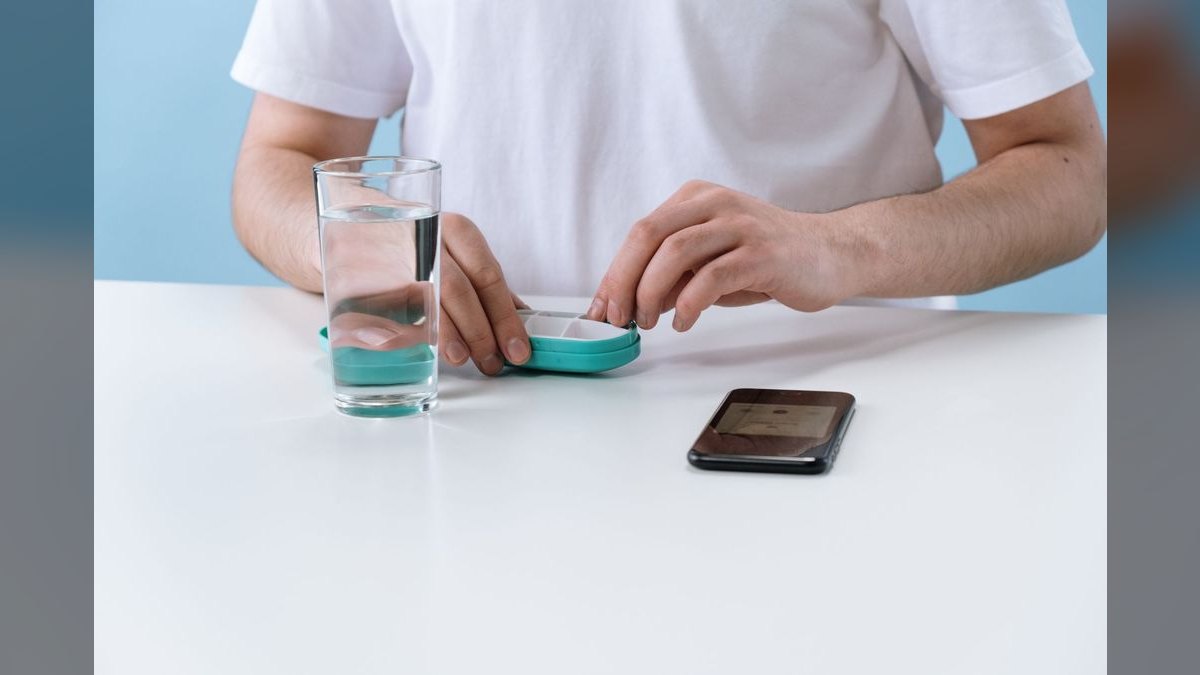
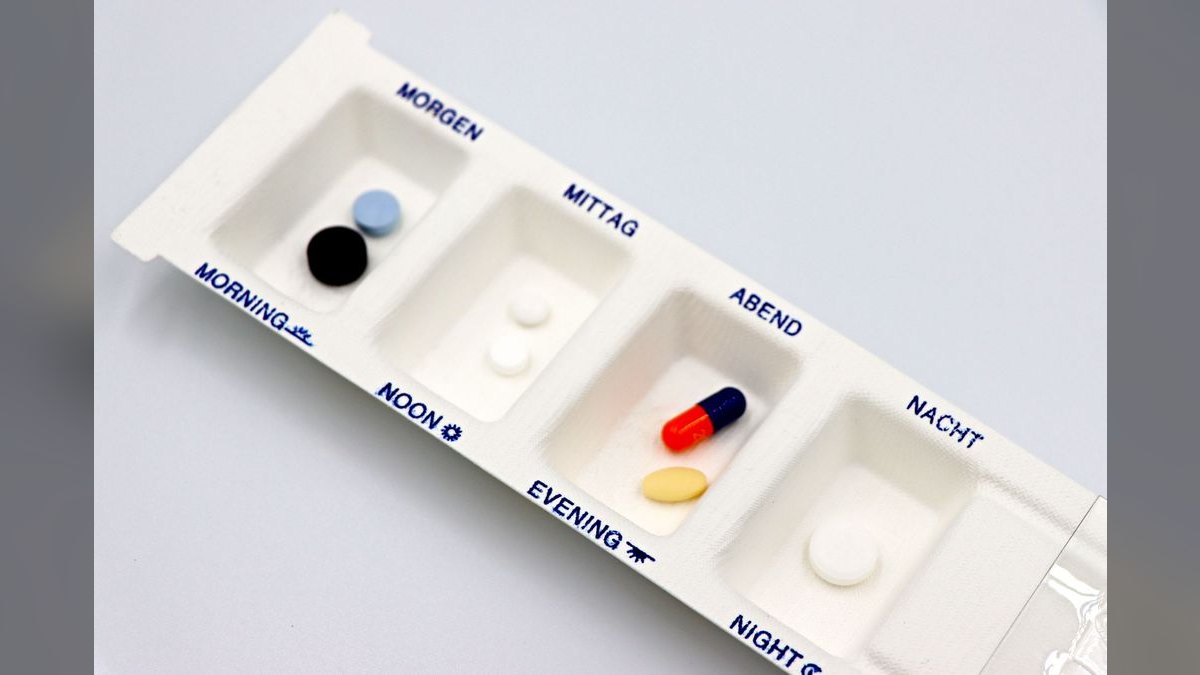
The MedMinder Jon is the locking sibling of the Maya, built for users who must be kept away from the wrong compartment. It has 28 compartments configurable from one dose daily for 28 days up to four doses daily for seven days, and it unlocks only the correct compartment at the scheduled time. Its built-in cellular connection means it works with no Wi-Fi or phone line, sending real-time adherence data and caregiver alerts through the MMConnect portal.
Many users qualify for cost reductions through insurance, sometimes paying little or nothing monthly. The flat $125/month list price is its main downside.
Pros:
- Locking compartments ideal for dementia safety
- Built-in cellular — no home internet required
- MMConnect portal with real-time caregiver monitoring
Cons:
- ~$125/month before any insurance reduction
- It's an organizer-tray model, not bulk-load automation
Verdict: The strongest pick when locking safety and cellular monitoring matter more than price.
4. Livi Smart Pill Dispenser

Price: $130 upfront + ~$99/month | Best for: Users with many prescriptions and flexible on-demand dosing
Livi (by PharmRight) handles up to 15 prescriptions and supplements of varied shapes and a 90-day supply of each, dispensing on schedule or on demand up to 24 times a day. The unit stays locked to prevent over-medicating, and caregivers manage scheduling through LiviWeb, getting text or email alerts on a missed dose. It's a strong fit for irregular, frequent dosing patterns that simpler trays can't handle. The $99 monthly fee places it among the pricier subscription devices.
Pros:
- 15 prescriptions with up to 24 dispenses per day
- Locked dispensing to block over-medicating
- LiviWeb caregiver scheduling and missed-dose texts
Cons:
- $99/month subscription on top of upfront cost
- Bulkier countertop unit
Verdict: Best for complex, frequent dosing that needs both automation and locking.
5. MedMinder Maya

Price: $100 setup + ~$125/month | Best for: Independent seniors wanting monitoring without a hard lock
The MedMinder Maya shares the Jon's 28 compartments and built-in cellular connection but leaves trays unlocked for users who can be trusted to take only the right dose. It still delivers visual and auditory alerts, real-time adherence tracking, and automatic caregiver notifications through MMConnect. For an independent parent who simply needs reminders and remote oversight — not restriction — it's the friendlier choice. The monthly fee matches the Jon, so the value math is similar.
Pros:
- Cellular monitoring with no Wi-Fi needed
- Visual + auditory prompts plus caregiver alerts
- 28 flexible compartments for varied schedules
Cons:
- ~$125/month before insurance assistance
- No locking, so not for cognitive-impairment cases
Verdict: A great monitored organizer for capable seniors who don't need a locked tray.
6. e-pill MedTime Station Pro
Price: $449.95 (no subscription) | Best for: Lock-and-forget weekly dispensing with no monthly fee
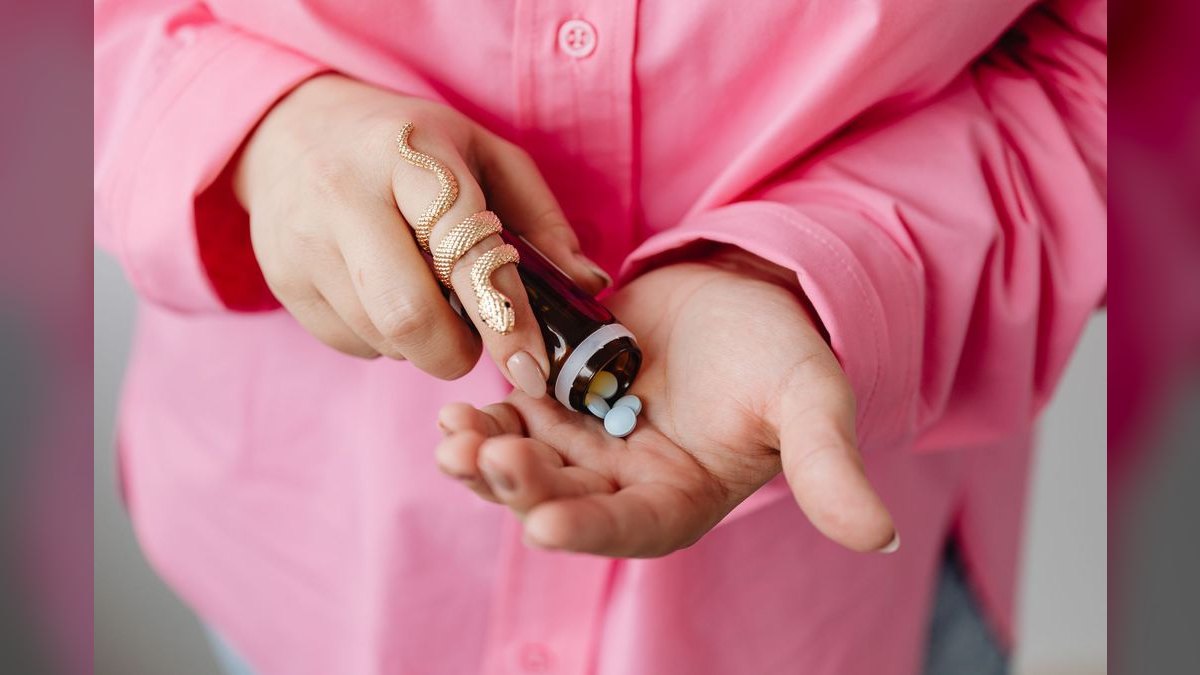
The e-pill MedTime Station Pro is a locked, alarm-driven dispenser with 28 compartments and up to 28 daily alarms, each with selectable alert duration from five minutes to one hour. It tips the correct dose into a tray when the alarm fires and locks the rest away to prevent double-dosing — a reliable reminder-plus-dispensing hybrid with no subscription.
There's no app or cellular monitoring, so caregivers won't get remote alerts, but for a self-sufficient user the one-time price is appealing.
Pros:
- Locked dispensing that prevents double doses
- No monthly fee — one-time purchase
- Up to 28 alarms with adjustable durations
Cons:
- No app or caregiver alerts — local alarms only
- Weekly refilling, smaller per-med capacity
Verdict: A dependable locked dispenser for users who want safety without recurring costs.
7. EllieGrid Smart Pill Organizer
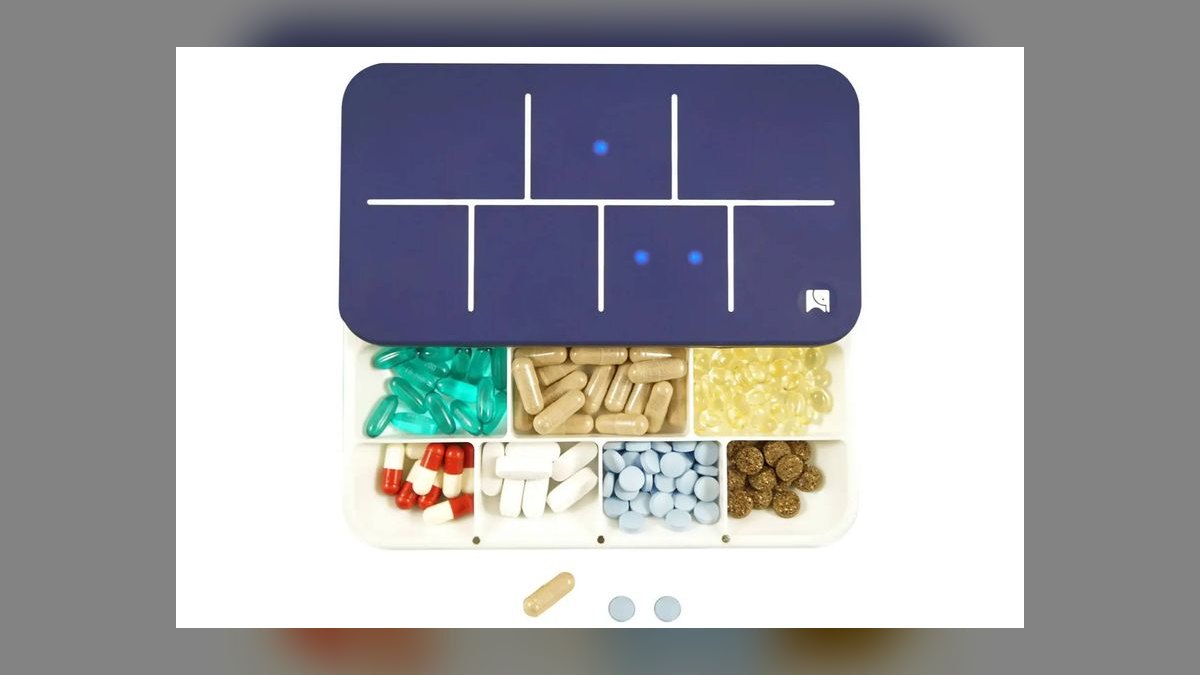
Price: $199 | Best for: Tech-comfortable users wanting an app-guided, refillable organizer
The EllieGrid is a sleek app-connected organizer holding over a month of prescriptions across reconfigurable compartments. Instead of pre-sorting, you tell the app what's in each section and LEDs light up to show which pills and how many to take, paired with audio and phone alarms. It logs compliance, builds reports, and sends caregiver notifications. It's a reminder-and-guidance device rather than a sealed automatic dispenser, so it suits capable hands more than dementia care.
Pros:
- LED-guided dosing with app and phone alarms
- Compliance reports and caregiver notifications
- Compact, good-looking countertop design
Cons:
- Reminder/organizer, not locked automatic dispensing
- Requires comfort with a smartphone app
Verdict: The best-looking smart organizer for users who want guidance and tracking, not a lock.
8. TabTime Automatic Pill Dispenser 💎 BEST VALUE
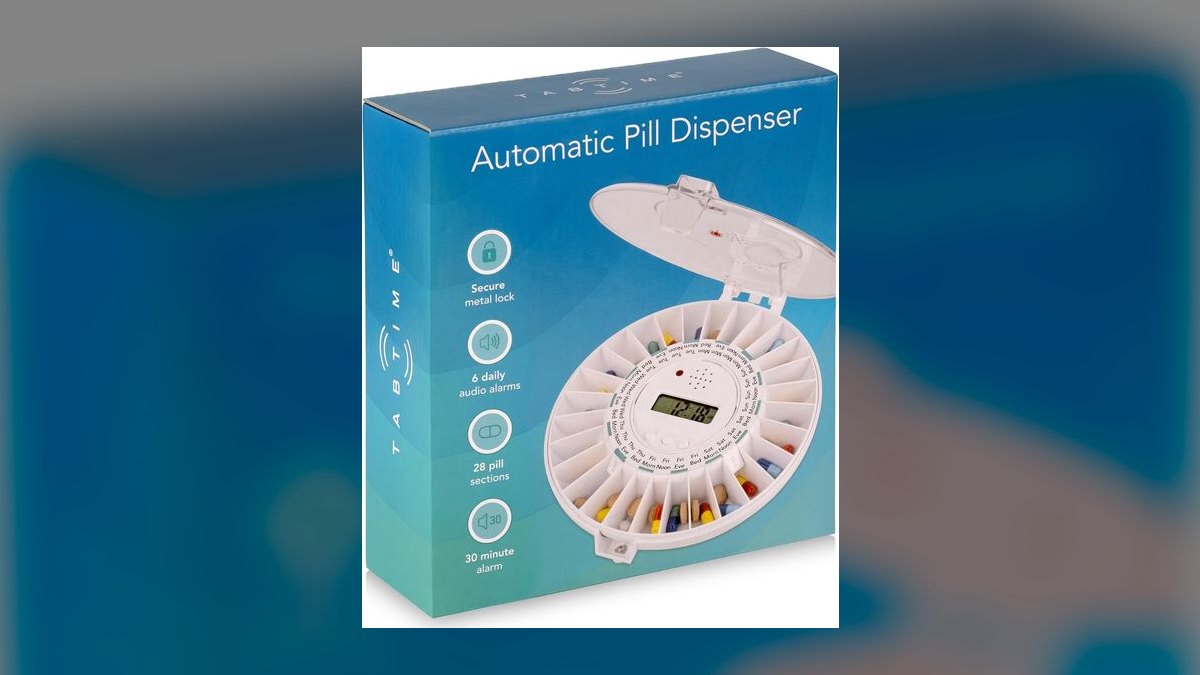
Price: $39.99 | Best for: Budget buyers wanting a lockable timed dispenser with no fees
The TabTime Automatic Pill Dispenser is the value champion: a 28-compartment rotating carousel with up to six daily alarms, a 30-minute buzzer, and a flashing LED, all under a solid lockable lid so only the due dose is reachable. Each compartment holds up to roughly 18 aspirin-sized pills, it runs on batteries, and there's no subscription whatsoever.
It won't text a caregiver, but for a self-managing senior who keeps forgetting times, it delivers the core safety of timed, locked dispensing for under forty dollars.
Pros:
- Lockable lid restricts access to the due dose only
- No subscription and very low upfront price
- Loud alarm plus flashing LED reminders
Cons:
- No app or caregiver alerts
- Manual weekly refilling
Verdict: The most safety-per-dollar of any device here — the obvious value pick.
9. Med-Q Electronic Pill Box
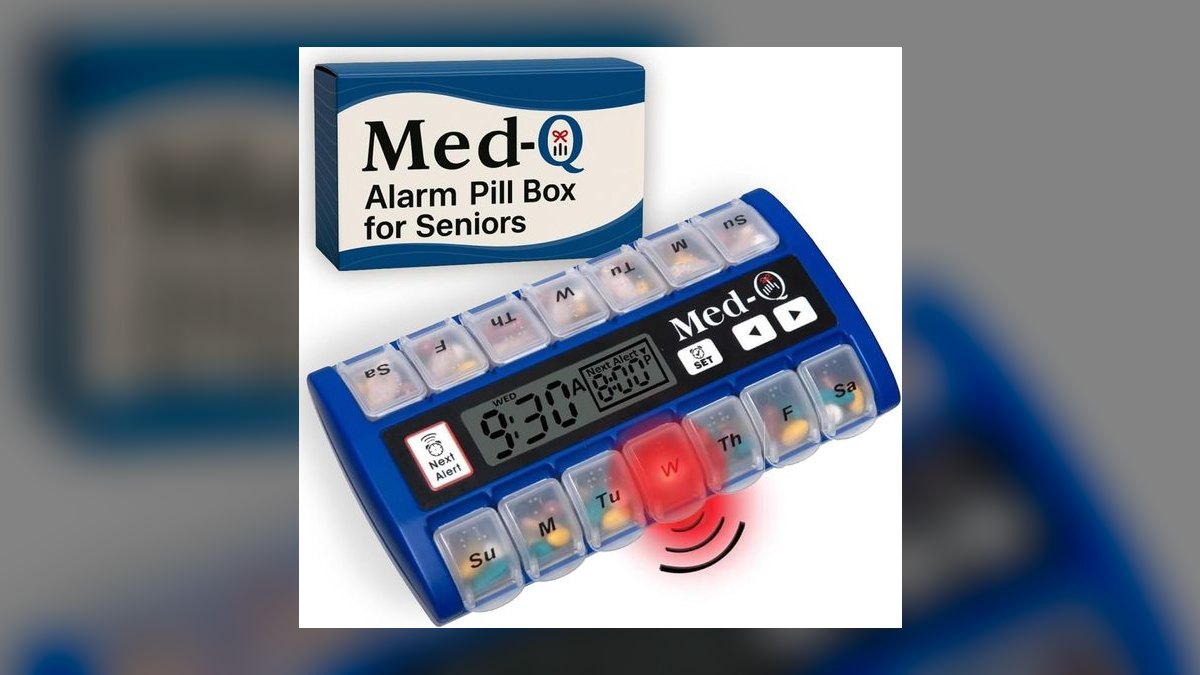
Price: $159 | Best for: High-capacity reminding with strong visual cues
The Med-Q uses triple alarms and bright lights to make sure a dose isn't forgotten or double-taken, lighting the exact compartment that's due. With all 14 compartments filled it holds a large supply — up to roughly 322 full-size aspirins — making it one of the higher-capacity reminder boxes. It's reminder-only (no locking, no app), so it's best for cognitively capable users who just need an unmissable prompt.
Battery backup keeps the clock running through power blips.
Pros:
- Triple alarms plus lighted compartment cues
- High capacity for bulky regimens
- No subscription and simple setup
Cons:
- No locking and no caregiver alerts
- Reminder-only, not automatic dispensing
Verdict: A loud, high-capacity reminder box for self-sufficient seniors on a budget.
10. e-pill MedTime Safe
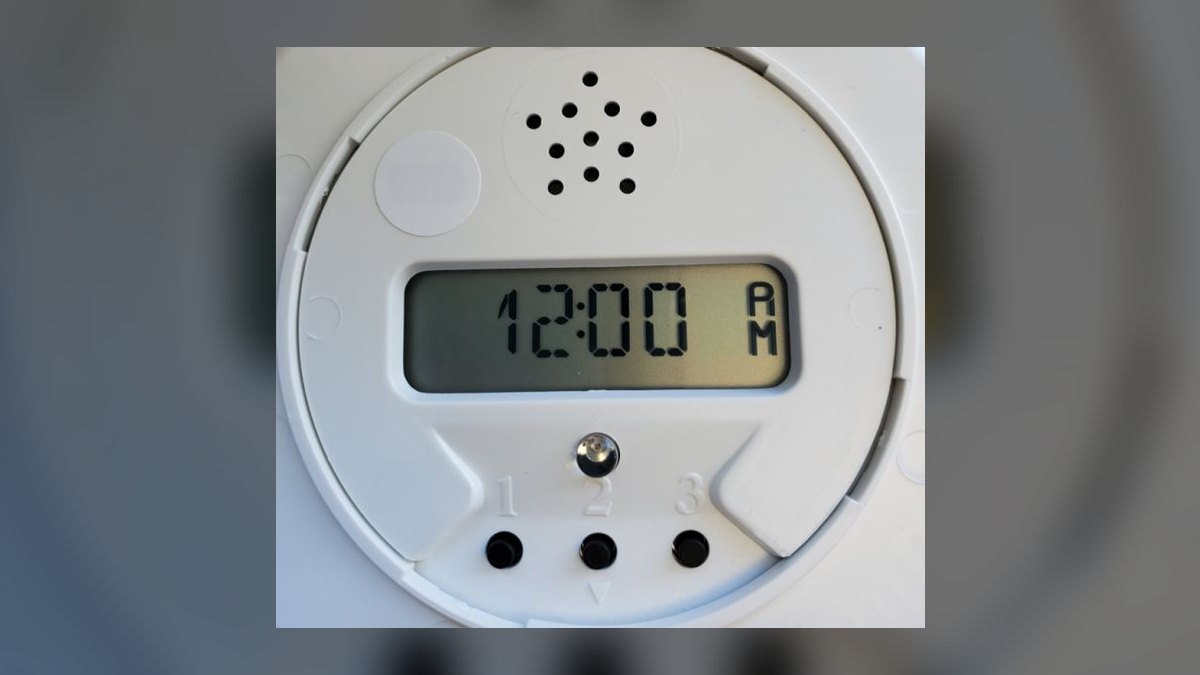
Price: $299 (no subscription) | Best for: Simple locked weekly dispensing for a single caregiver-filled tray
The e-pill MedTime Safe is a stripped-down locked automatic dispenser with up to 28 dosing slots and multiple daily alarms. When a dose is due it tilts the correct compartment open, sounds an alarm, and re-locks the rest — a straightforward safety device with no monthly fee and minimal setup. There's no cellular or app monitoring, so a caregiver fills and checks it in person.
For households that want locked dispensing without the complexity of a connected platform, it's a clean, durable choice.
Pros:
- Locked dispensing prevents early or double doses
- No subscription and easy for caregivers to fill
- Reliable alarm-and-tip mechanism
Cons:
- No remote caregiver alerts
- Plainer feature set than connected rivals
Verdict: A no-frills locked dispenser for caregiver-managed homes that skip subscriptions.
Buyer Decision Tree — Which One's Right for You?
What to Look For When Buying a Smart Pill Dispenser
- Reliability and locking for safety — a device that dispenses the wrong dose, or lets a confused user reach the whole supply, is worse than a basic organizer. Locking matters most for dementia and high-risk meds.
- Capacity and complex schedules — match the number of medications and daily dose times to the device; bulk-load units (Hero, MedaCube, Livi) handle many meds, while trays cap at 28 compartments.
- Caregiver alerts and missed-dose notifications — remote text, email, or phone alerts are the difference between catching a missed dose same-day and finding out a week later.
- Ease of setup for seniors — large buttons, loud alarms, and clear lights beat tiny app-only interfaces for older users.
- Subscription cost — a $29.99–$125/month fee can exceed a one-time device's price within a year or two; weigh total cost over the expected years of use.
- Battery backup — power outages shouldn't stop dispensing or wipe the schedule.
- Automatic vs reminder-only — automatic dispensers tip the right dose; reminder organizers only prompt, leaving the user to pick correctly.
What matters less than marketing implies: sleek industrial design and color screens. A plainer device with rock-solid alarms, locking, and dependable alerts protects a patient far better than a stylish unit with a flaky app.
FAQ
What's the difference between an automatic pill dispenser and a reminder organizer? An automatic dispenser like the Hero or MedaCube physically releases the correct dose at the scheduled time and locks the rest away. A reminder organizer like EllieGrid or Med-Q only alerts you and lights the compartment — you still pick the pills yourself, which is fine for capable users but riskier for those with memory issues.
Which dispenser is best for someone with dementia? A locking model is essential. The MedMinder Jon (cellular, locked) and Livi are built for this, releasing only the due compartment so the person can't reach the rest of the supply.
Do I really need to pay a monthly subscription? No. Subscription devices (Hero, MedMinder, Livi) add cellular service, cloud monitoring, and caregiver portals. If you don't need remote alerts, one-time devices like MedaCube, e-pill MedTime, Med-Q, or TabTime avoid recurring fees.
Will it still work during a power outage? The better devices include battery backup that keeps the schedule and continues dispensing through short outages. Cellular models like MedMinder also keep alerting without home internet.
How do caregiver alerts actually work? Connected dispensers send a text, email, or phone notification when a dose is missed, supplies run low, or the device is opened off-schedule, usually through a web portal or app a family member checks remotely.
Can these handle medications taken multiple times a day? Yes. Livi dispenses up to 24 times daily, and tray models like the MedMinder support up to four doses a day across 28 compartments. Match the device's schedule flexibility to your regimen before buying.
Bottom Line
For most seniors and caregivers, the Hero Smart Pill Dispenser ($99.99 + $29.99/month) is the Best Overall — automatic dispensing, strong caregiver alerts, and battery backup in one trusted package. If you want the same core safety without monthly fees, the TabTime Automatic Pill Dispenser ($39.99) is the Best Value, delivering lockable timed dispensing for under forty dollars. For locked dementia care lean toward the MedMinder Jon or Livi, and for fee-free heavy polypharmacy the MedaCube.
Use the decision tree above to route your specific situation — locking needs, caregiver monitoring, and subscription tolerance — to the right pick.
Related on PULSE
- [Top 10 Bottom-Load Water Dispensers in 2027 — Best Overall + Best Value](/knowledge/er446)
- [Top 10 Indoor Smart Plugs in 2027 — Best Overall + Best Value](/knowledge/er0704)
- [Top 10 Smart Light Bulbs in 2027 — Best Overall + Best Value](/knowledge/er0657)
- [Top 10 Smart Plant Sensors in 2027 — Best Overall + Best Value](/knowledge/er507)
- [Top 10 Smart Sleep Masks in 2027 — Best Overall + Best Value](/knowledge/er494)
- [Top 10 Smart Weighted Hula Hoops in 2027 — Best Overall + Best Value](/knowledge/er484)
Sources
- Wirecutter / The New York Times — medication management and pill organizer guidance
- National Council on Aging (NCOA) — best medical alert and medication tools for seniors
- CNET — health and home device reviews
- AARP — Hero Smart Pill Dispenser member health benefit
- Verywell Health — pill dispenser and medication adherence guidance
- Hero Health — pricing and smart dispenser spec sheet
- MedMinder — Maya and Jon locking dispenser specs
- e-pill — MedTime Station automatic dispenser specs
- Livi (PharmRight) — features and dispensing specs
- The Senior List — Hero and MedaCube dispenser reviews and pricing
- TechRadar — best medication dispensers of 2026
*Pill dispenser review — automatic pill dispenser reviews, rating, best smart pill dispenser 2027, and a review of the top medication-management picks for seniors and caregivers.*
People also search for: best smart pill dispensers 2027 · top smart pill dispensers 2027 · top rated smart pill dispensers 2027 · top ranked smart pill dispensers 2027 · highest rated smart pill dispensers 2027 · smart pill dispensers reviews 2027
 pulse-reviewsHow much does Electronics cost in 2027?
 pulse-reviewsHow much does a DJI Avata 2 cost in 2027?
 pulse-reviewsWhat should you know before investing in Electronics in 2027?
 pulse-reviewsWhat are the most common mistakes in Electronics in 2027?
 pulse-reviewsTop 10 best Electronics options in 2027
 pulse-reviewsHow do you get started with Electronics in 2027?
 pulse-reviewsTop 10 Electronics strategies for 2027
 pulse-aquariumsTop 10 Canister Filters 2027
 aqTop 10 Hang-On-Back Aquarium Filters 2027
 pulse-reviewsTop 10 Cabin Cruiser Boats 2027