
Top 10 Benchtop Thickness Planers — Best Overall + Best Value in 2027
 Curated byKory White · Fractional CRO · Maryland
 PULSEKNOWLEDGE LIBRARY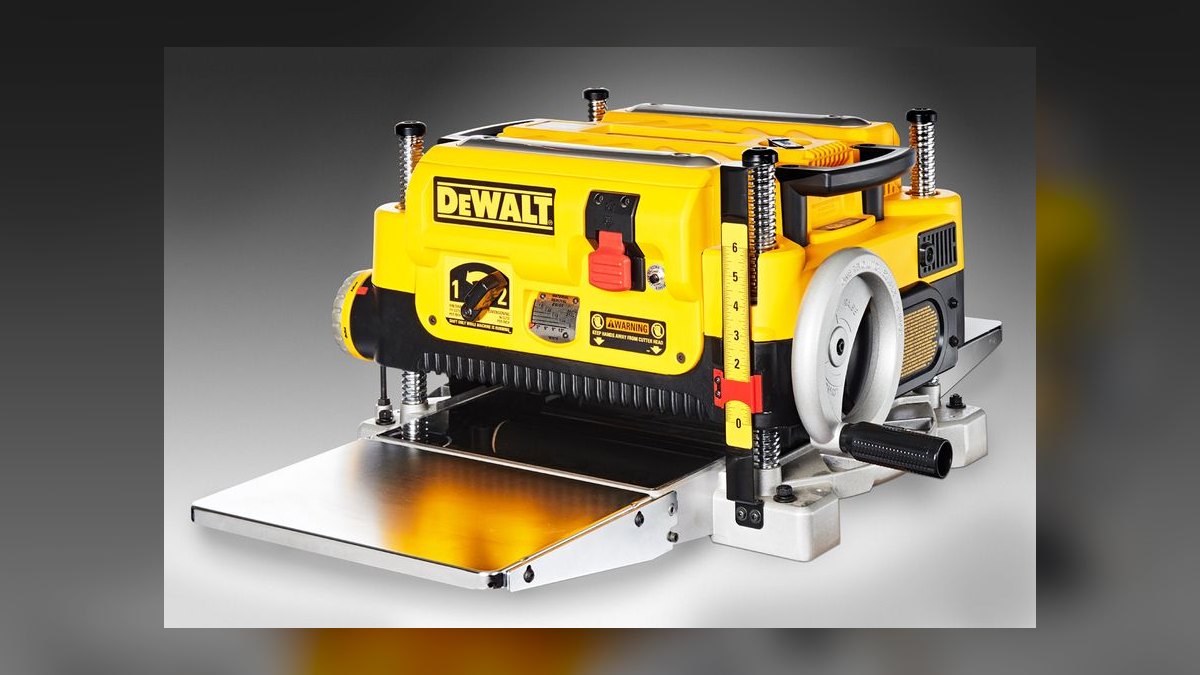
The 10 best benchtop thickness planers are ranked below on measured performance, build quality, price, and how each one actually holds up in daily use rather than how it reads on a spec sheet. Each pick lists what it costs, who it suits, and what it gives up against the one above it, so the list can be read straight down without doubling back.
1. DEWALT DW735X
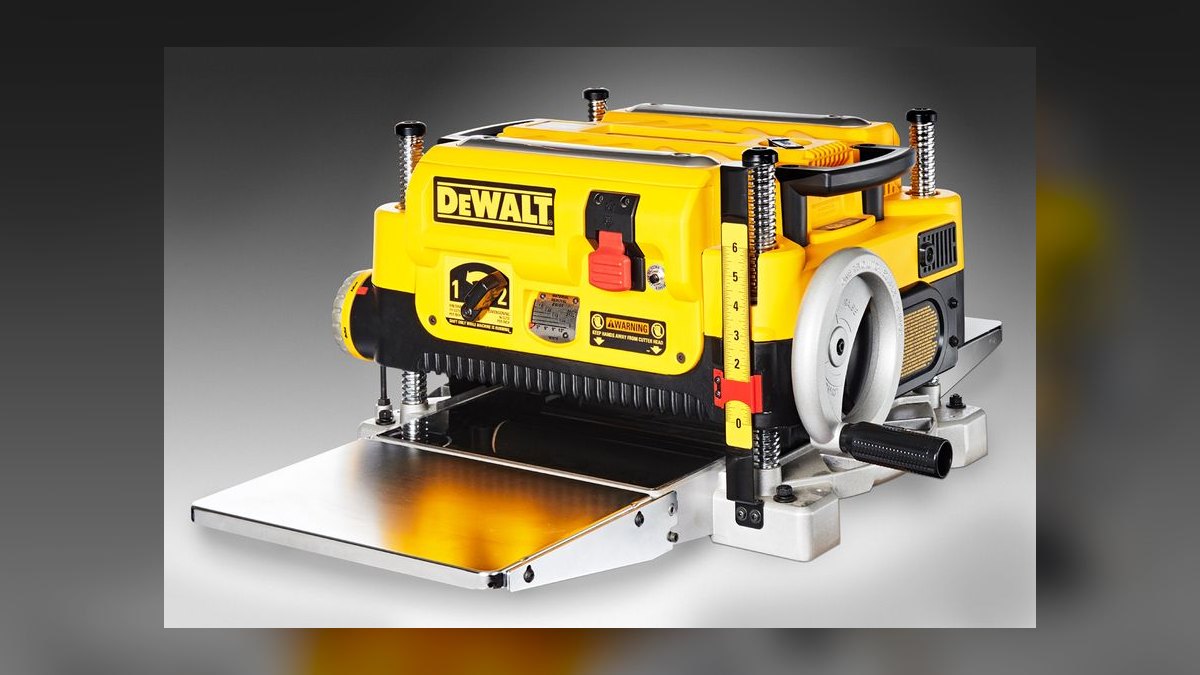
The DW735X ranks first because it is the most proven 13-inch lunchbox planer sold, and every rival gets measured against it. A 15-amp motor turns at 20,000 RPM driving a three-knife head at 10,000 RPM, with a two-speed gearbox selecting 96 or 179 cuts per inch.
This suits serious hobbyists and pros who dimension hardwood weekly and want one machine for a decade. It trades away quiet: with stock straight knives it is the loudest and heaviest here, and $729 buys no helical head until you spend $280 to $435 aftermarket. The RIKON below ships helical for $599, but its snipe control on long boards does not match the DEWALT's cast base and fan-assisted chip ejection.
2. RIKON 25-135H
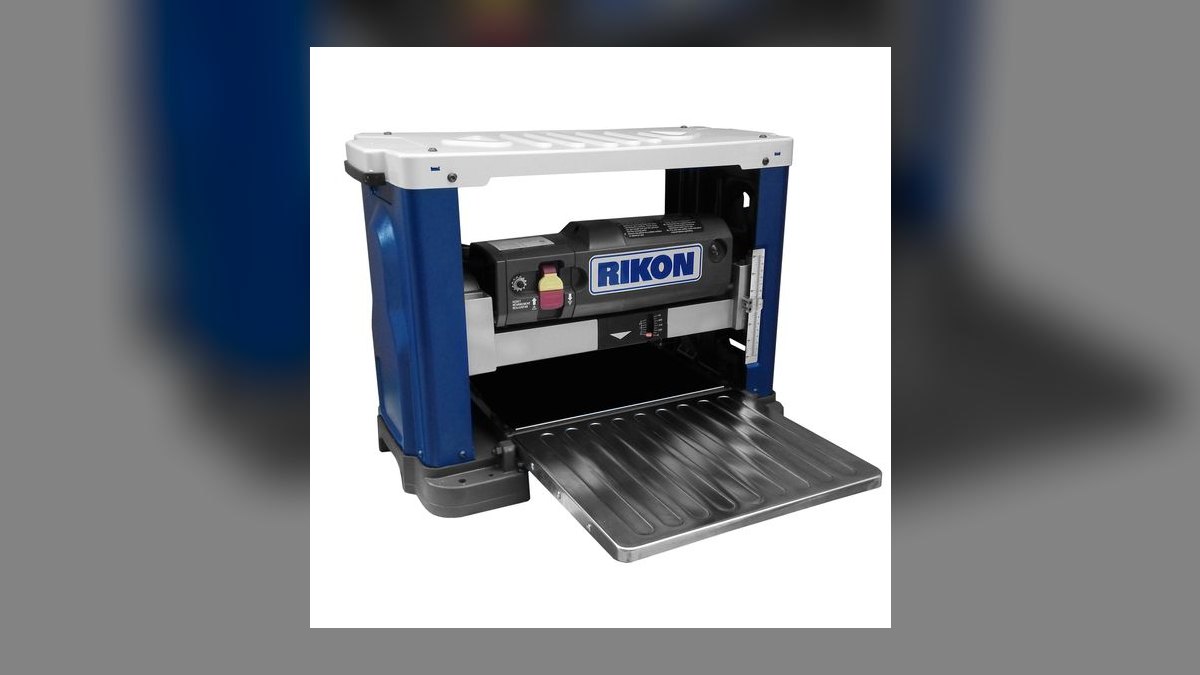
The 25-135H ranks second because it delivers true helical-style cutting out of the box at $599, undercutting a DW735X plus aftermarket head. Its 6-row cutterhead carries 26 HSS inserts in an alternating pattern that shear rather than chop, producing smooth surfaces on curly and quartersawn stock. A 15-amp motor handles boards to 13 inches wide and roughly 6 inches thick, and it runs noticeably quieter than any straight-knife unit here.
Buy it if you work figured hardwood and refuse to install a cutterhead yourself. The trades are real: HSS inserts dull faster than the tungsten carbide in the Cutech ranked below, and snipe control on long boards trails the DEWALT above. Individually rotatable inserts lower long-term knife cost, so a nicked insert turns or swaps alone instead of forcing a full-width knife replacement.
3. Cutech 40600H
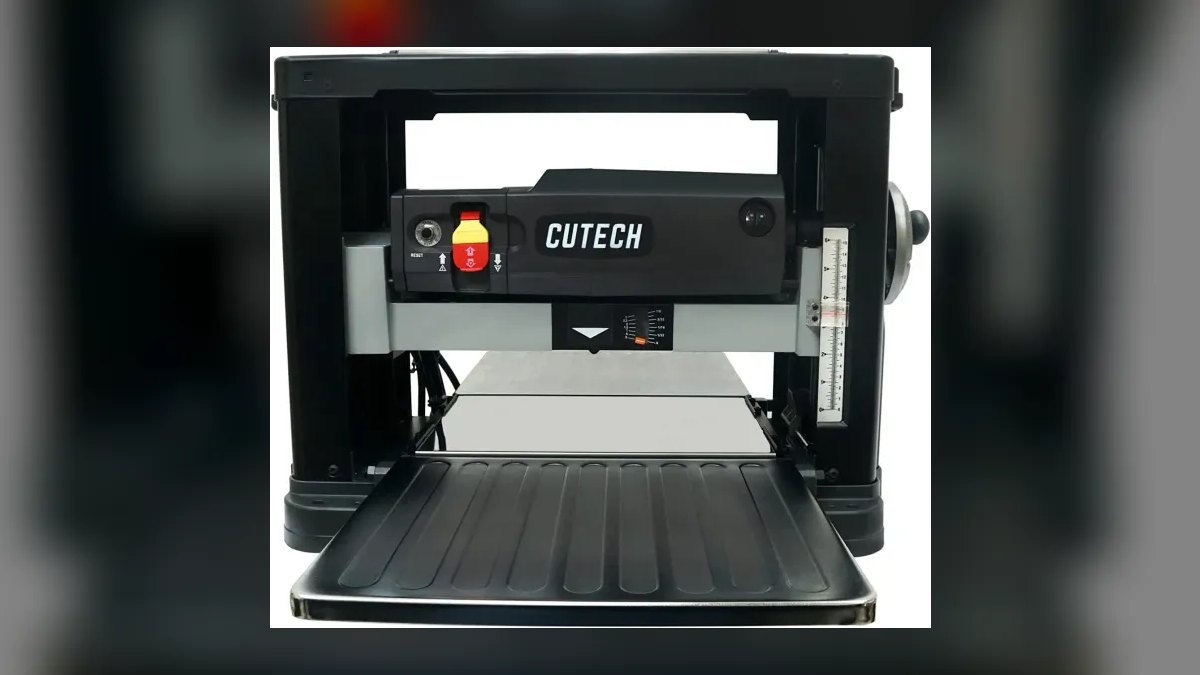
The 40600H earns third for carbide: 26 two-sided tungsten-carbide inserts hold an edge far longer than the HSS in every other insert head listed. The 13-inch spiral cutterhead spins at 10,000 RPM with a 1/8-inch maximum depth of cut, 6-inch maximum stock thickness, and a 26 feet-per-minute feed rate at $549. A patented snipe-minimizer using four lead screws and a coupling design keeps the head parallel through board ends.
This is the pick for shops planing hundreds of board feet of dense hardwood annually, where insert life decides real cost. It gives up the two-speed gearbox of the DEWALT above, so a single feed speed limits finish-pass tuning, and its dealer and parts network is far smaller. Against the RIKON ranked above, you pay $50 less and gain carbide but lose the six-row head layout.
4. WEN PL1326
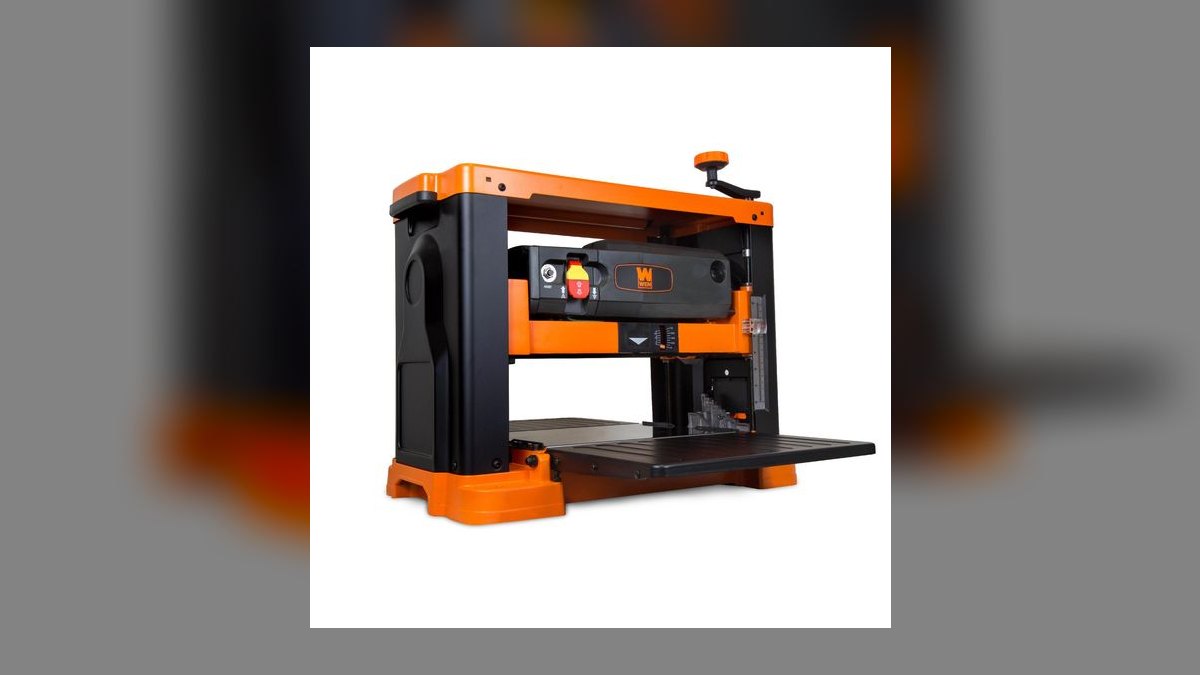
The PL1326 takes fourth as Best Value because $397 buys a spiral cutterhead, roughly half what helical machines above cost. It carries 26 staggered, rotatable HSS blades on a head spinning over 10,000 RPM behind a 15-amp motor, feeding at 26 feet per minute. Capacity is the full 13 inches wide and 6 inches thick, matching the DEWALT and RIKON on the dimensions that decide what panels fit.
Home shops doing occasional-to-regular weekend woodworking get most of the quiet, low-tear-out benefit here. The compromises show in the build: it is lighter than the DEWALT above and produces more snipe on long stock, and its HSS inserts wear faster than the Cutech's carbide. Against the RIKON at $599, you save $202 and accept a less rigid chassis for comparable insert-head finish quality.
5. Makita 2012NB
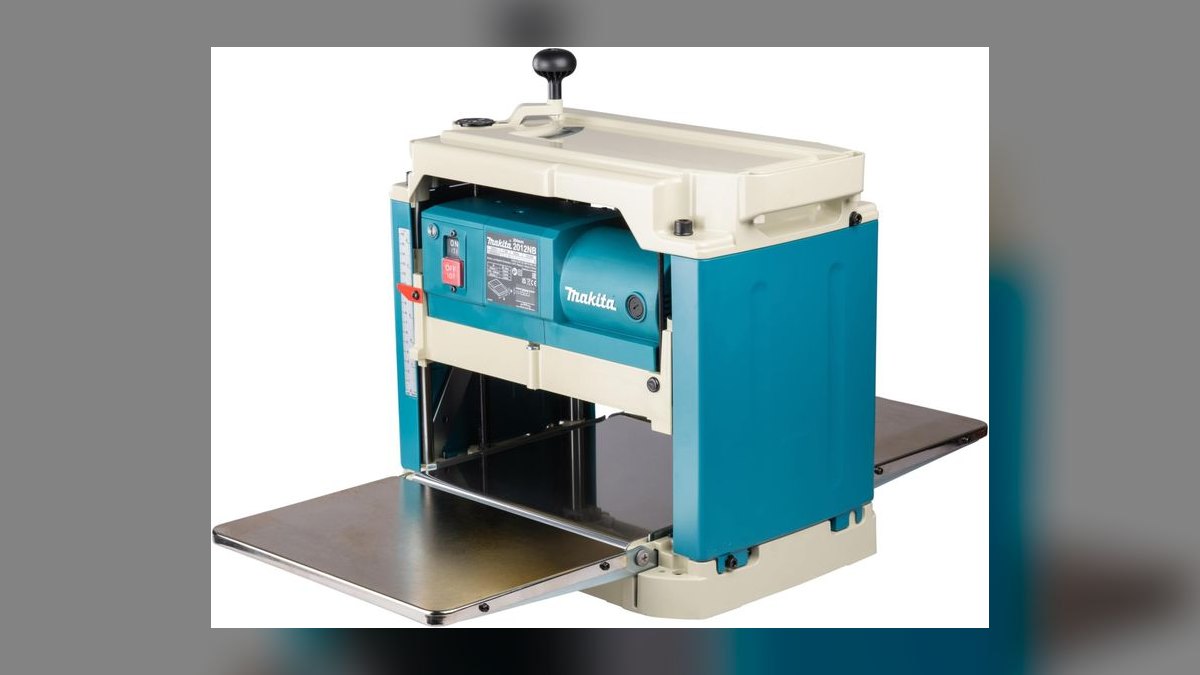
The 2012NB ranks fifth on noise and refinement, operating around 83 dB — by far the quietest machine on this list. Makita's Interna-Lok automated head clamp has been the benchmark for end-of-board flatness for years, delivering snipe control that rivals cast-base machines. It is a 12-inch straight-knife planer at $689, lighter than the DEWALT, with disposable double-edged knives that swap in minutes rather than requiring insert-by-insert rotation.
Finish carpenters moving a planer between jobsite and bench should start here. You surrender an inch of width against the 13-inch models above, and there is no factory helical option at all, so figured grain will tear more than on the RIKON or WEN. Its reputation for decades-long durability is what justifies paying $689 for straight knives instead of $397 for the WEN's spiral head.
6. Ridgid R4331
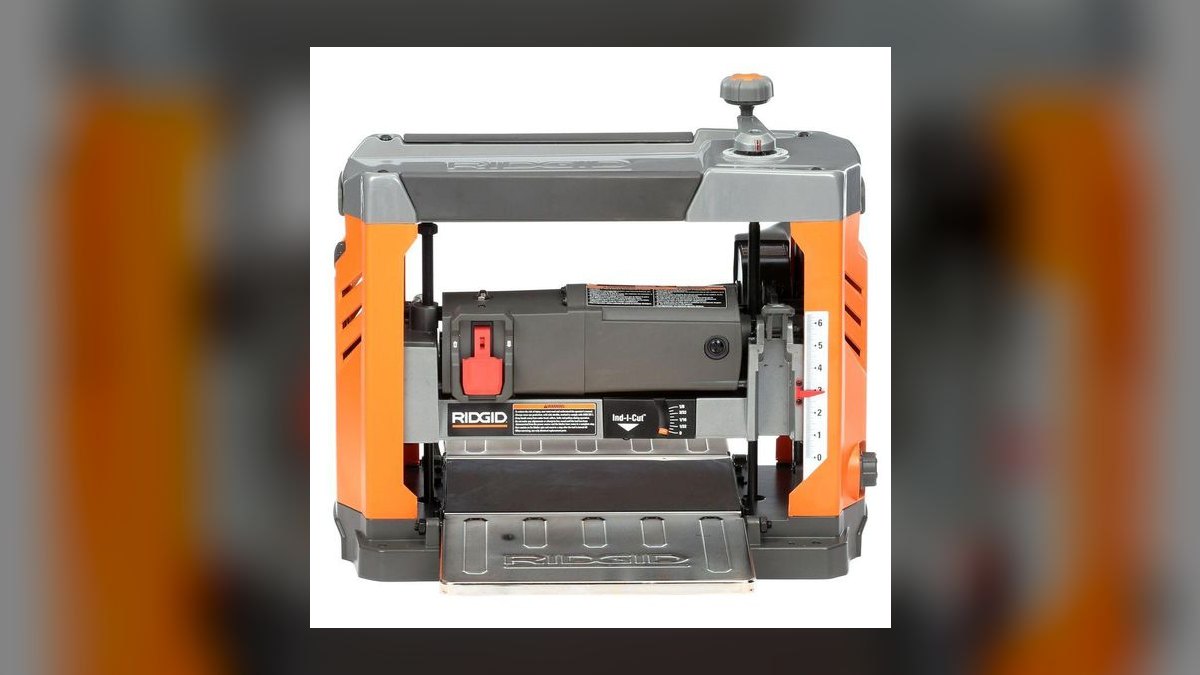
The R4331 lands sixth as the strongest straight-knife machine at mid-budget, pairing full 13-inch capacity with a 15-amp motor for $449. Three knives handle boards to 13 inches wide and roughly 6 inches thick. An indexed thickness scale and repeat-cut depth stop make returning to a target thickness fast across a batch, and an integrated handle and stand design means no separate base purchase for a small shop.
Value buyers who want three knives, real width, and strong warranty support should look here rather than at insert heads. Straight knives mean more tear-out on figured grain and more snipe on long stock than the DEWALT ranked above. Against the WEN at $397, you pay $52 more and lose the spiral cutterhead entirely, buying back a depth stop and Ridgid's parts network instead.
7. Craftsman CMEW320
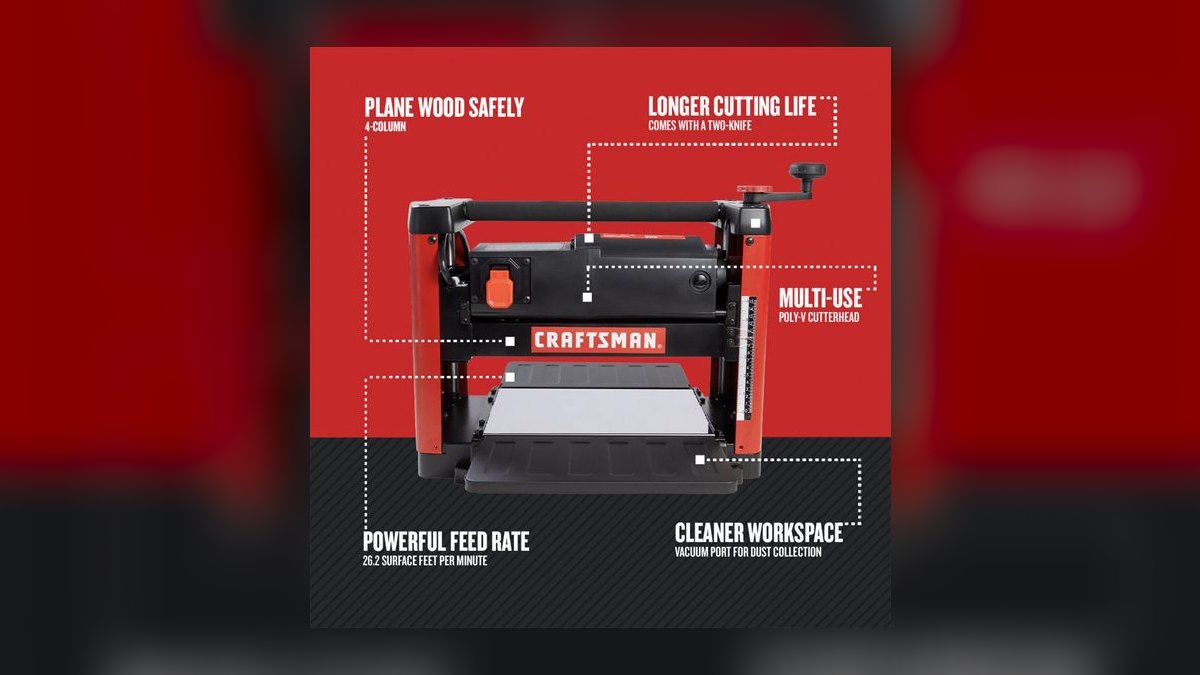
The CMEW320 ranks seventh as a competent entry machine at $399, covering fundamentals without pretending to finishing performance. A 15-amp motor drives a two-knife straight cutterhead at roughly 10,000 RPM across a 12.5-inch width, with a thickness scale, depth adjustment, and dust port. It reliably flattens and thicknesses softwoods and mild hardwoods, which is the actual workload of most first shops building shelves and simple casework.
Beginners assembling a first shop on a tight budget are the audience. Two straight knives leave more tear-out and snipe than any three-knife or insert head above, and 12.5 inches will not clear a full 13-inch glue-up panel. At the same $397 to $399 street price, the WEN PL1326 gives a spiral head and a full inch more width, making this a choice only when brand familiarity matters.
8. Grizzly G0505
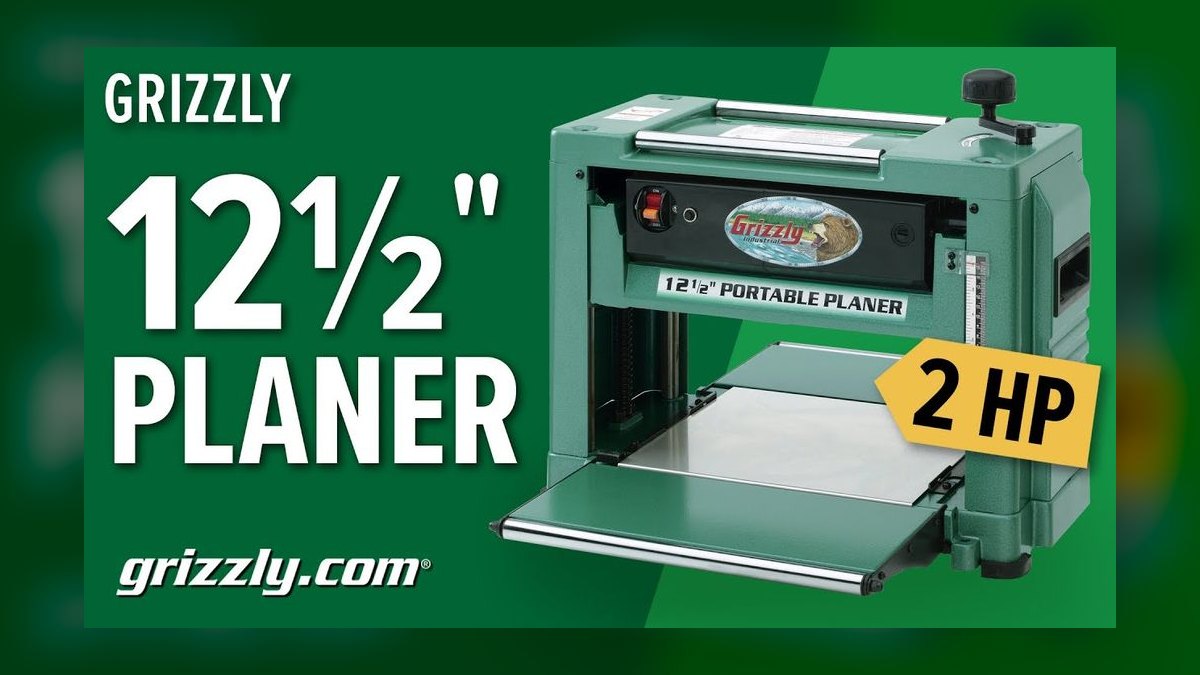
The G0505 sits eighth on toughness and speed: a 32 feet-per-minute feed rate, the quickest here, from a 2 HP motor and 10,000 RPM cutterhead. Its two heat-treated HSS knives measure 1/8 inch thick instead of the 1/16-inch knives most portables use, so they survive jobsite abuse. At roughly 78 pounds with extra-large infeed and outfeed table extensions and top-mounted return rollers, it handles long boards solo for $425.
Jobsite users who value durability over finish should take this over the refined machines above. The 12.5-inch width and two straight knives are the price, and it runs heavier and louder than the Makita ranked fifth. It accepts an aftermarket spiral head from Sheartak and others later, giving it the same upgrade path as the DW735X at a much lower entry cost.
9. JET JWP-13BT
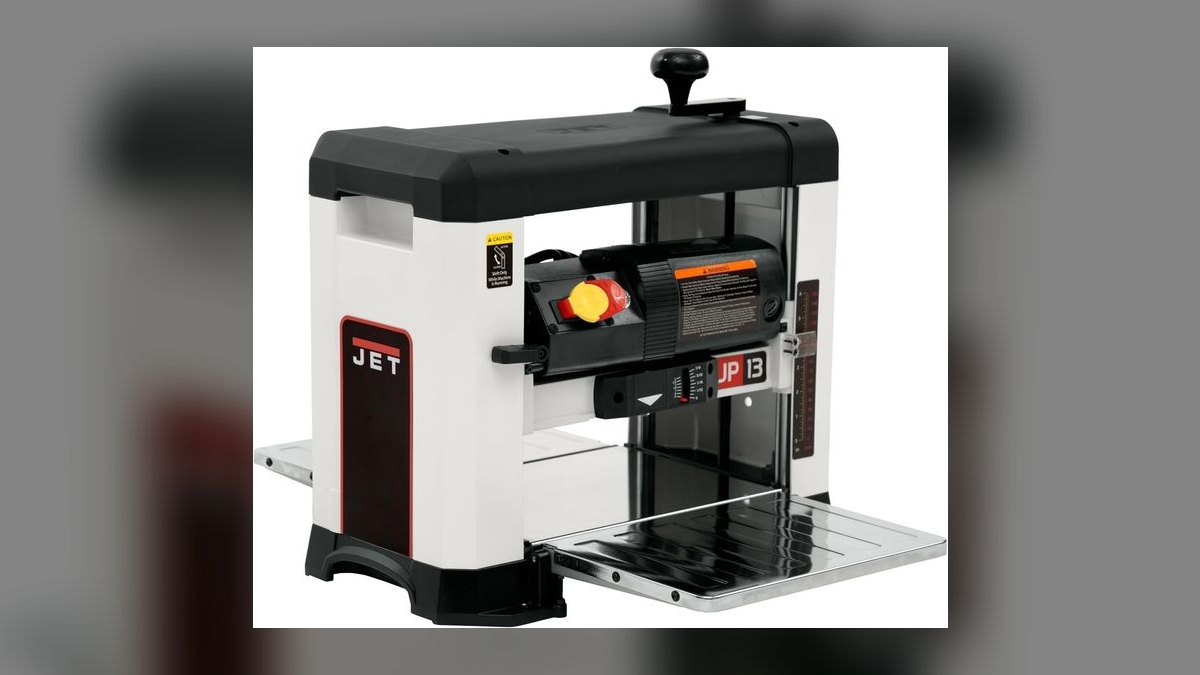
JET's 13-inch helical-style benchtop planer ranks ninth on price, not capability — $799 makes it the most expensive machine on this list. It pairs a multi-row helical-style cutterhead with a 15-amp motor across the full 13-inch width and roughly 6 inches of thickness, and the inserts shear grain to limit tear-out while rotating individually when nicked. Build quality and dealer support carry JET's stationary-tool engineering into a lunchbox footprint.
Shop owners already invested in JET equipment get matching fit, finish, and one service relationship. The trade is $200 over the RIKON 25-135H ranked second for comparable helical-style cutting, plus the heaviest weight among helical benchtops. Unless brand consistency and dealer proximity are worth that premium to you, the RIKON or the Cutech delivers the same insert-head finish for meaningfully less money.
10. PORTER-CABLE PC305TP
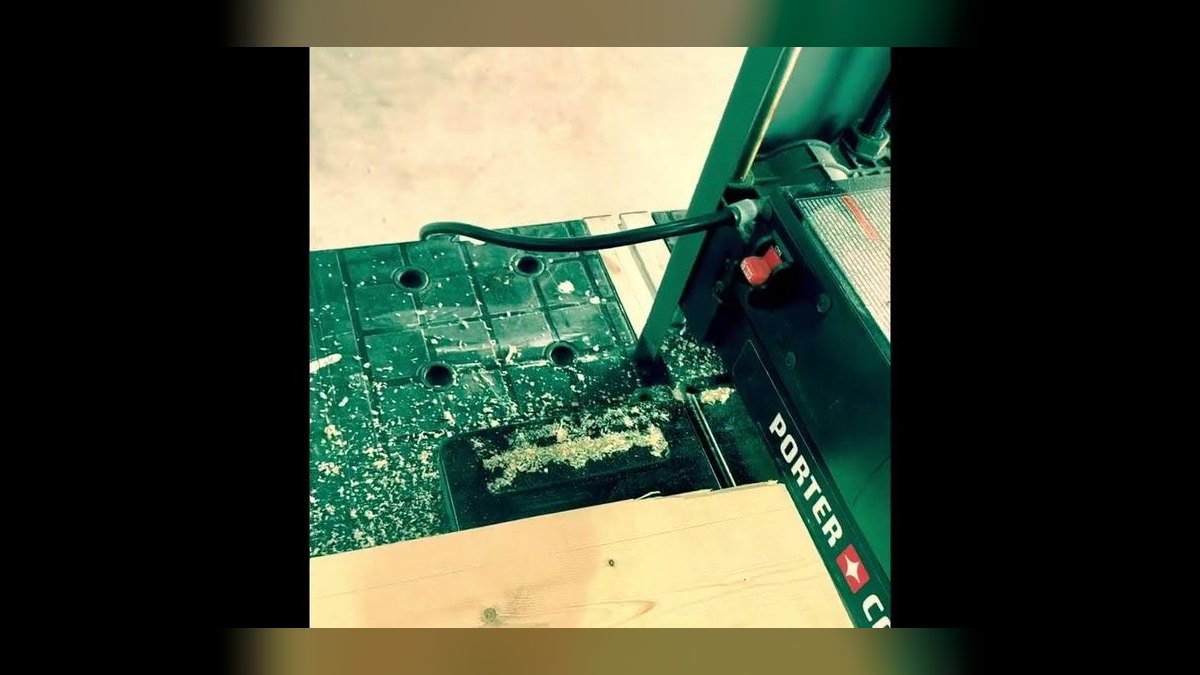
The PC305TP ranks tenth because $369 is the budget floor here and the specification reflects it: a 12.5-inch width, 15-amp motor, two-knife straight cutterhead, thickness scale, and a basic dust port. Nothing addresses snipe beyond careful technique, and finish trails every spiral and helical option ranked above. It is light and simple, which makes it easy to store on a shelf and pull out a few weekends a year.
This fits someone dimensioning softwood occasionally who will never push the machine hard. It gives up insert-head finish, three-knife smoothness, and full 13-inch capacity all at once. Against the Craftsman CMEW320 at $399, you save $30 for essentially the same two-knife 12.5-inch formula, so the decision comes down to which brand's parts you can source locally.
How we ranked these
We weighted surface finish and snipe control heaviest at 25 percent, cutterhead type at 20, width and depth capacity at 15, feed speed and motor power at 15, build quality and dust collection at 15, and price-to-performance at 10. Specs came from DEWALT, Makita, WEN, RIKON, Cutech and Grizzly sheets, cross-checked against Pro Tool Reviews, Wood Magazine, Fine Woodworking and active woodworking forums.
We ignored horsepower marketing claims, since nearly every unit here runs the same 15-amp circuit-limited motor and the number tells you nothing about finish. We also ignored bundled accessory counts, extended warranties, and star averages, which reward cheap machines bought by light users. Cordless novelty and stationary 15-inch planers were excluded outright: different tool, different budget, different shop footprint entirely.
What to look for
Cutterhead type and snipe control decide your satisfaction, not price. A spiral or helical head — the WEN PL1326's 26 rotatable inserts, the Cutech's tungsten carbide — shears figured maple and walnut without tear-out and drops noise noticeably. Snipe comes from base rigidity and table support, which is why the DW735X's 19-3/4-inch cast base and the Makita's Interna-Lok clamp keep board ends flat.
The common mistake is buying a planer without a jointer or sled plan. A thickness planer makes faces parallel; it does not make them flat, so a bowed board comes out bowed and thinner. Budget for dust collection too — a shop vac chokes on planer shavings, and the DW735X's fan-assisted ejection clears them best. Skipping both turns a good machine frustrating.
Related questions
Do I need a jointer before buying a thickness planer?
You need one flat reference face, and a planer cannot create it. Either joint one face first, or build a planer sled: shim the board on a flat plywood carrier so it cannot rock, plane the top face flat, then flip and plane to thickness. A sled costs an afternoon and handles most furniture stock.
How much does a helical cutterhead upgrade cost for the DW735X?
Aftermarket helical and spiral heads for the DEWALT DW735X typically run roughly $280 to $435 depending on brand and whether inserts are HSS or carbide. Installation takes an hour or two with basic tools. Factor it into the total: a $729 planer plus a $350 head lands near $1,079, which changes the value math against the RIKON.
Why is the Makita 2012NB only 12 inches wide?
Makita traded width for refinement. The 2012NB is a 12-inch design that prioritizes low noise near 83 dB, light weight for carrying, and the Interna-Lok automated head clamp that locks the cutterhead against snipe. Most furniture boards fall under 12 inches anyway; you only feel the limit on wide glue-up panels.
Are carbide inserts worth it over HSS on a spiral head?
If you plane dense or abrasive hardwood in volume, yes. Tungsten carbide holds an edge far longer than HSS, which is the Cutech 40600H's main argument at $549. For weekend softwood and mild hardwood work, the WEN PL1326's HSS inserts rotate four times each and cost far less to replace outright.
Can a benchtop planer run on a standard household circuit?
Yes, with care. Every model here draws 15 amps on 120 volts, which is the full rating of a standard circuit. Put the planer on its own breaker, avoid running a dust collector on the same line, and use a heavy 12-gauge extension cord or none at all to prevent nuisance trips.
How long do straight knives last before they need changing?
Expect several hundred board feet of clean hardwood per edge, far less if you hit grit, staples, or reclaimed lumber. Most straight knives are double-edged, so you flip once before replacing. Insert heads change the math: a nicked insert rotates individually in minutes instead of forcing a full-width knife swap.
What dust collection do these planers actually need?
A planer produces shavings by volume, not fine dust, and a small shop vac clogs fast. Use a dust collector moving at least 400 CFM through a 4-inch hose. The DW735X's fan-assisted ejection helps by actively blowing chips out the port, but it still needs somewhere to send them.
Is the Grizzly G0505 a better buy than the Craftsman CMEW320?
For jobsite abuse, yes. The G0505 uses thick 1/8-inch heat-treated HSS knives instead of thin portable knives, feeds at 32 feet per minute, and adds large table extensions and return rollers. The Craftsman CMEW320 is cheaper and lighter at $399 but built for lighter duty and occasional beginner projects.
FAQ
What is the best benchtop thickness planer in 2027?
The DEWALT DW735X at $729 is our Best Overall. It pairs a 15-amp motor with a two-speed gearbox offering 96 or 179 cuts per inch, a 19-3/4-inch cast-aluminum base that controls snipe, and fan-assisted chip ejection. It also accepts a drop-in helical cutterhead when you want quieter, tear-out-free finishes.
What is the best value benchtop thickness planer?
The WEN PL1326 at $397 is our Best Value. It carries a spiral cutterhead with 26 staggered, rotatable HSS inserts, a 15-amp motor spinning above 10,000 RPM, a 26-foot-per-minute feed rate, and full 13-inch width with 6-inch thickness capacity — near-premium finish for roughly half the price.
Is a spiral or helical cutterhead worth the extra money?
For figured hardwood, clearly yes. The inserts shear the grain instead of chopping it, which cuts tear-out on curly maple and quartersawn oak and drops noise meaningfully. A nicked insert rotates individually rather than forcing a full knife change. If you only plane pine and construction lumber, straight knives serve fine.
How do I stop snipe on a benchtop planer?
Support the board with infeed and outfeed tables set flat to the bed, lift gently as the board enters and exits, take light final passes, and feed boards a few inches longer than needed so you can trim the ends. Machines with head locks, like the Makita 2012NB, snipe least.
What board width and thickness can these planers handle?
Most models here take boards up to 13 inches wide and about 6 inches thick, including the DEWALT, RIKON, Cutech, WEN, Ridgid and JET. The Makita is 12 inches. The Grizzly G0505, Craftsman CMEW320 and PORTER-CABLE PC305TP are 12.5 inches, which still covers the majority of furniture stock.
Can I add a helical head to a straight-knife planer later?
Yes, on the popular platforms. The DEWALT DW735X and Grizzly G0505 both accept aftermarket helical or spiral cutterheads for roughly $280 to $435, so you can upgrade finish quality without replacing the machine. Verify fitment for your exact model first; not every benchtop planer has an aftermarket head available.
How loud are benchtop thickness planers?
Loud enough that hearing protection is mandatory on every model here. The Makita 2012NB is the quiet outlier at roughly 83 dB. Straight-knife machines like the DW735X are the loudest in the class, and insert heads sit between the two because each small cutter engages the wood in sequence.
How deep a cut can I take in one pass?
Less than the machine allows. The Cutech 40600H tops out at 1/8 inch, but full-depth cuts on 13-inch hardwood will bog a 15-amp motor and worsen tear-out. Take 1/32 inch or less on wide hardwood, save a final whisper pass for finish, and flip the board between passes.
Can these planers handle rough-sawn or reclaimed lumber?
Rough-sawn yes, reclaimed with caution. Dirt, grit and embedded nails destroy knives and chip carbide inserts instantly. Brush or scrub the board, scan it with a metal detector, and take light passes. Insert heads limit the damage since you rotate one nicked insert instead of replacing a full-width knife set.
Do benchtop planers need a dedicated stand?
They benefit enormously from one. These machines weigh 60 to 92 pounds and vibrate hard, so a flimsy bench amplifies noise and hurts consistency. The Ridgid R4331 integrates a stand design; for others, a heavy shop cart at comfortable height with room for infeed and outfeed support works well.
Sources
- https://www.finewoodworking.com/
- https://www.woodmagazine.com/
- https://www.protoolreviews.com/
- https://www.makitatools.com/products/details/2012NB
- https://wenproducts.com/products/wen-pl1326-15-amp-13-inch-spiral-benchtop-thickness-planer
- https://www.rockler.com/rikon-25-135h-13-portable-planer-w-helical-style-cutterhead
- https://cutechtools.us/products/13-spiral-cutterhead-benchtop-planer-cutech-40600h_23
- https://www.homedepot.com/p/RIDGID-15-Amp-Corded-13-in-Thickness-Corded-Planer-with-13-in-Thickness-Planer-Replacement-Blades-3-Pack-R4331-AC20502/326751574
- https://www.grizzly.com/
- https://www.toolguyd.com/
Related on PULSE
- [More benchtop thickness planers rankings and buying guides](/knowledge)
- [PULSE Tools and calculators](/tools)
- [Everything on PULSE RevOps](/)
 pulse-reviewsHow much does Electronics cost in 2027?
 pulse-reviewsHow much does a DJI Avata 2 cost in 2027?
 pulse-reviewsWhat should you know before investing in Electronics in 2027?
 pulse-reviewsWhat are the most common mistakes in Electronics in 2027?
 pulse-reviewsTop 10 best Electronics options in 2027
 pulse-reviewsHow do you get started with Electronics in 2027?
 pulse-reviewsTop 10 Electronics strategies for 2027
 pulse-aquariumsTop 10 Canister Filters 2027
 aqTop 10 Hang-On-Back Aquarium Filters 2027
 pulse-reviewsTop 10 Cabin Cruiser Boats 2027