


How much does a DJI Avata 2 cost in 2027?
Quality
Certified
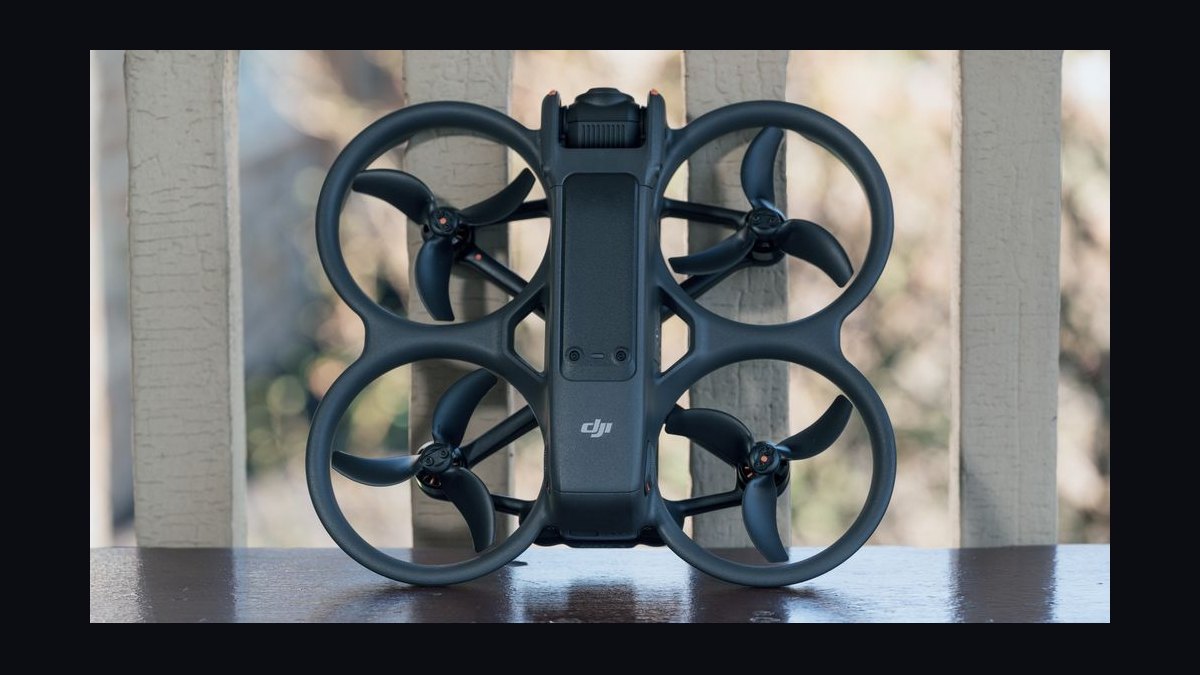
By 2027, a new DJI Avata 2 will likely cost between $500 and $800 depending on the bundle, with the aircraft alone near $300–$450 and used or refurbished units falling to $250–$500. As a 2024 product, it will be a mature, discounted model rather than a flagship, so expect street prices well below launch MSRP.
What the Avata 2 is and why its 2027 price matters
The DJI Avata 2 is a cinewhoop-style FPV drone with enclosed propellers, a compact airframe, and stabilized 4K footage. It launched in 2024 as the successor to the original Avata, paired with DJI Goggles and a motion controller or standard FPV controller. The "Avata 2 cost" question matters because this aircraft sits at a specific intersection: it is more forgiving than a hand-built freestyle quad, cheaper than DJI's flagship camera drones, and dependent on goggles that many buyers do not already own. That combination means the headline number people search for is almost never the number they actually pay.
Why does the calendar year change the answer so much? Consumer electronics depreciate on a fairly predictable curve, and drones are no exception. Three forces drive the Avata 2's 2027 price downward from its 2024 launch point.
First, manufacturing maturity. Early production runs carry the cost of tooling, yield problems, and constrained supply. By year three, DJI's supply chain has stabilized, per-unit costs have fallen, and the company competes on volume rather than novelty. Second, generational pressure. DJI refreshes its FPV line on roughly a two-year cadence, so by 2027 a successor is either on shelves or widely rumored. When that happens, the outgoing model is repositioned as the value option and retailers clear stock through promotions and refurbished channels. Third, secondhand supply. Three years of circulation means a deep pool of used Avata 2 units, and abundant supply pushes private-sale prices below anything a retailer can offer.
The practical takeaway: in 2027 you are not shopping for a new product, you are shopping for an aging but proven one. That is usually good news for your wallet, but it changes what you should verify before buying. Maturity brings stable firmware, cheap accessories, and deep community knowledge. It also brings battery degradation, uncertain crash histories on used units, and the risk that a successor launch resets the market mid-purchase.
It also matters because FPV is a system purchase, not a single-item purchase. An Avata 2 without goggles and a controller cannot fly. So the real question in 2027 is not "what does the drone cost" but "what does a flyable Avata 2 kit cost," and that number includes the aircraft, a headset, an input device, batteries, and propellers. Buyers who anchor on the aircraft-only price routinely underestimate their total spend by 40–60%.
The step-by-step process for pricing an Avata 2 in 2027
Pricing an Avata 2 correctly in 2027 is a repeatable process, not a single search. Follow these steps in order and you will avoid the two most common failures: sticker shock from a bundle you did not expect, and a cheap listing that turns out to be unflyable.

Step 1 — Decide which tier you actually need. There are three distinct products sharing the Avata 2 name: the aircraft alone, the goggles-and-controller bundle (often sold as a Fly More combo with extra batteries), and used or refurbished units. If you already own compatible DJI Goggles and a controller, the aircraft-only tier is your real number. If this is your first FPV drone, the bundle is your entry point and the aircraft-only price is irrelevant to you.
Step 2 — Establish the 2027 new-bundle reference price. Check DJI's official store, then check two or three authorized retailers. Expect the new bundle to sit below its 2024 launch MSRP, typically in the $500–$800 range depending on region, taxes, and whether extra batteries are included. Note that regional pricing varies significantly because of import duties and VAT.
Step 3 — Check the refurbished channel. DJI's own refurbished program sits between new and private-sale used. Units are inspected, often carry a limited warranty, and cost meaningfully less than new. In 2027 this is frequently the value sweet spot.
Step 4 — Survey the used market. Look at completed sales, not asking prices. Asking prices on used FPV gear are routinely 20–30% above what units actually sell for. Track a handful of listings over two weeks to see the real clearing price.
Step 5 — Verify battery health and crash history on any used unit. Ask for cycle counts, which DJI's app reports. Ask directly whether the unit has been crashed and whether motors have been replaced. Vague answers are a red flag.
Step 6 — Model the full kit cost. Add spare batteries, replacement propellers, a case, microSD storage, and any regional registration fees. This is the number that should drive your budget.
The diagram above is the decision path most buyers should walk before comparing a single listing. Notice that both branches converge on the same final step: the flyable kit cost. That convergence is the whole point. Whether you buy new or used, the accessories and consumables are non-negotiable, and they are the line items new buyers forget.
Step 7 — Time the purchase around promotions. Drone discounts cluster around seasonal sales events, successor launches, and end-of-quarter retailer pushes. If a new DJI FPV model is rumored, waiting a few weeks can either get you the newer aircraft or trigger a fresh round of Avata 2 clearance pricing.
Costs, timelines, and typical 2027 ranges
The table below reflects the general depreciation pattern for consumer drones rather than any single quoted price. Treat these as planning ranges, not guarantees, and verify against live listings before you buy.
| Tier | 2024 launch context | Expected 2027 range | Notes |
|---|---|---|---|
| Aircraft only | Roughly mid-tier standalone pricing | $300–$450 | Only useful if you own goggles already |
| New bundle (goggles + controller) | Above standalone, includes headset | $500–$800 | The real entry point for new pilots |
| Fly More combo | Bundle plus extra batteries and case | $650–$950 | Best value per battery if you fly often |
| DJI refurbished | Inspected, limited warranty | $400–$650 | Middle ground between new and used |
| Private used | Depends entirely on condition | $250–$500 | Verify cycle counts and crash history |
Beyond the aircraft itself, budget for the following. Spare batteries are the single biggest add-on because FPV flight windows are short; most pilots carry two to three spares, and each pack adds a meaningful line item. Propellers are consumable by design on a cinewhoop, since flying close to obstacles is the entire point. A carrying case, microSD cards, and optionally ND filters round out the kit. In many regions, registration fees apply above a weight threshold, and commercial operation triggers additional licensing. DJI's optional accidental-damage coverage is a recurring consideration rather than a one-time cost.
On timelines: consumer drones typically hold near launch MSRP for the first six to nine months, soften gradually through year one and two, and drop more sharply once a successor is announced. By the two-to-three-year mark — exactly where 2027 lands for a 2024 product — street prices sit well below launch MSRP through a combination of retailer discounts, bundle promotions, and refurbished stock. There is no fixed depreciation percentage, and you should be skeptical of any source quoting an exact figure. The pattern is directional, not precise.
One nuance worth flagging: the "cost" of an Avata 2 in 2027 is not purely financial. An aging model means replacement parts remain available but may become scarcer for specific components over time. Batteries are the most common long-term concern, since lithium packs degrade with charge cycles regardless of how carefully the drone itself was treated. A unit that looks pristine in photos can still need $100–$200 in fresh batteries within a year of purchase.
Where buyers get this wrong
The most common mistake is treating "the price" as a single number. Buyers search for the Avata 2 cost, find the aircraft-only figure, budget for it, and then discover that goggles and a controller add hundreds of dollars. The fix is simple: decide your tier before you compare anything.
The second mistake is trusting asking prices on the used market. Sellers anchor high, especially for gear they believe is in demand. Completed sales tell the truth. If you cannot find completed sales data, track listings over two weeks and watch which ones disappear and which ones sit.

The third mistake is buying a used FPV drone the way you would buy a used phone. FPV aircraft are flown aggressively and crash by design. A used airframe may have absorbed impacts that leave no visible mark but affect motor health, frame integrity, and flight characteristics. Battery cycle counts and honest crash disclosure matter more than cosmetic condition.
The fourth mistake is ignoring the accessory stack. Spare batteries, propellers, a case, storage, and registration fees routinely add 30–50% to the headline price. Buyers who skip this step end up with a drone they cannot fly for a full session.
The fifth mistake is buying the newest model reflexively. If your actual requirement is approachable, stabilized FPV flight for hobby or casual content work, a discounted Avata 2 in 2027 may deliver better value than paying a premium for incremental improvements in a successor. Buy to the requirement, not the spec sheet.
The decision framework above narrows to a single question that actually determines your purchase: what do you need the drone to do? Everything else — new versus used, bundle versus aircraft-only — follows from that.
Decision framework: when to choose what
Choose a new bundle from an authorized retailer if this is your first FPV drone, you want the full warranty period, and you value pristine condition over maximum savings. You will pay the most, but you eliminate the risk of hidden crash damage and battery degradation.
Choose a DJI refurbished bundle if you want most of the savings of the used market without the uncertainty of a private seller. Refurbished units are inspected, frequently carry a limited warranty, and in 2027 represent the best balance of price and risk for most buyers.
Choose a private used aircraft only if you already own compatible goggles and controller, you are comfortable verifying battery cycle counts and crash history yourself, and you are willing to walk away from vague sellers. The savings are real, but so is the risk.
Choose to wait if a successor launch appears imminent. Holding out a few weeks can either get you the newer model or trigger fresh discounts on the Avata 2. The cost of waiting is low; the cost of buying the day before a price cut is not.
Choose a newer flagship if your work depends on the latest sensor, transmission, or battery technology. For professional output where marginal image quality or flight time directly affects your results, the premium may be justified. For everyone else, the Avata 2's maturity is an asset, not a liability.
Related questions
Does the Avata 2 price include the goggles?
Only if you buy a bundle. The aircraft-only listing excludes goggles and a controller, and FPV flight is impossible without them, so first-time buyers should compare bundle prices rather than the standalone aircraft figure.
Will the Avata 2 be discontinued by 2027?
Possibly. DJI iterates its FPV line roughly every two years, so by 2027 the Avata 2 may be end-of-life or repositioned as a value model, which typically pushes prices down through clearance and refurbished channels.
Is a used Avata 2 a safe buy?
It can be, if you verify battery cycle counts, ask about crash history, and confirm current firmware. DJI's refurbished program is a lower-risk middle ground because units are inspected and often carry a limited warranty.
How many batteries do I need for the Avata 2?
Most pilots buy at least two or three spares. A single pack delivers a short flight window, so spares are what make a real session possible. Budget for them as part of the true purchase cost.
Do I need a license to fly the Avata 2?
It depends on your country and whether you fly recreationally or commercially. Many regions require drone registration above a weight threshold, and commercial operation usually triggers additional licensing. Check local aviation rules before flying.
FAQ
Why is there such a wide range in Avata 2 prices in 2027? Because "the price" spans three distinct products: the aircraft alone, the full bundle with goggles and controller, and used or refurbished units. Each behaves differently as the product ages, and regional taxes, promotions, and retailer margins widen the spread further. When comparing listings, always confirm exactly what is included before treating one number as cheaper than another.
Should I buy new or refurbished in 2027? Refurbished is often the value sweet spot by 2027. DJI's refurbished units are inspected, cost less than new, and frequently carry a limited warranty, offering most of the savings of the used market without the uncertainty of a private seller's undisclosed crash history. Buy new only if you want the maximum warranty period and pristine condition.
What hidden costs should I budget for beyond the drone? Spare batteries, replacement propellers, a carrying case, microSD storage, and possibly ND filters. Add optional accidental-damage coverage and any regional registration fees. These extras are easy to overlook but can meaningfully raise the real cost of getting airborne, so model the full kit before you commit to a budget.
How much do prices drop for older DJI drones over time? There is no fixed percentage, and you should be skeptical of any source quoting an exact figure. As a general pattern, consumer drones depreciate steadily after launch and drop more sharply once a successor appears. By the two-to-three-year mark, street prices typically sit well below launch MSRP through discounts and refurbished stock.
Is the Avata 2 good for beginners in 2027? Yes, it remains beginner-friendly. Its enclosed propellers, strong stabilization, and simple motion-controller input make it one of the more approachable FPV drones, and by 2027 the abundance of tutorials, cheap accessories, and stable firmware makes an aging unit an even better learning platform than at launch.
Will a newer DJI model make the Avata 2 obsolete? Not obsolete, just repositioned. A successor typically brings incremental improvements in transmission, sensors, or flight time rather than making the older aircraft unusable. For hobbyists and casual creators, a discounted Avata 2 often delivers better value than paying a premium for marginal gains you may never fully use.
Sources
- DJI Official Website
- Federal Aviation Administration — Drones
- Consumer Reports — Drone Buying Guide
- The Verge — Drones Coverage
- DPReview — Drone Reviews
- Wirecutter — Best Drones
- CNET — Drones
- Tom's Guide — Best Drones
Related on PULSE
This page will be disappearing soon. Save it to your device for $1 — or read it free while it is here.
@Kory-White- · if Venmo asks, the last 4 of my number are 2012
This page is gone.
This one is off the shelf now. $1 keeps it on your phone for good — the whole page, pictures and diagrams included.
 pulse-reviewsTop 10 Electronics strategies for 2027
 pulse-reviewsWhat are the most common mistakes in Electronics in 2027?
 pulse-reviewsHow do you get started with Electronics in 2027?
 pulse-reviewsWhat should you know before investing in Electronics in 2027?
 pulse-reviewsTop 10 best Electronics options in 2027
 pulse-reviewsHow much does Electronics cost in 2027?
 aqTop 10 Hang-On-Back Aquarium Filters 2027
 pulse-reviewsTop 10 Cabin Cruiser Boats 2027
 pulse-aquariumsTop 10 Canister Filters 2027
 pulse-aquariumsTop 10 Aquarium Filters 2027