


What are the cost differences between noise-cancelling earbuds and headphones in 2027?
Quality
Certified
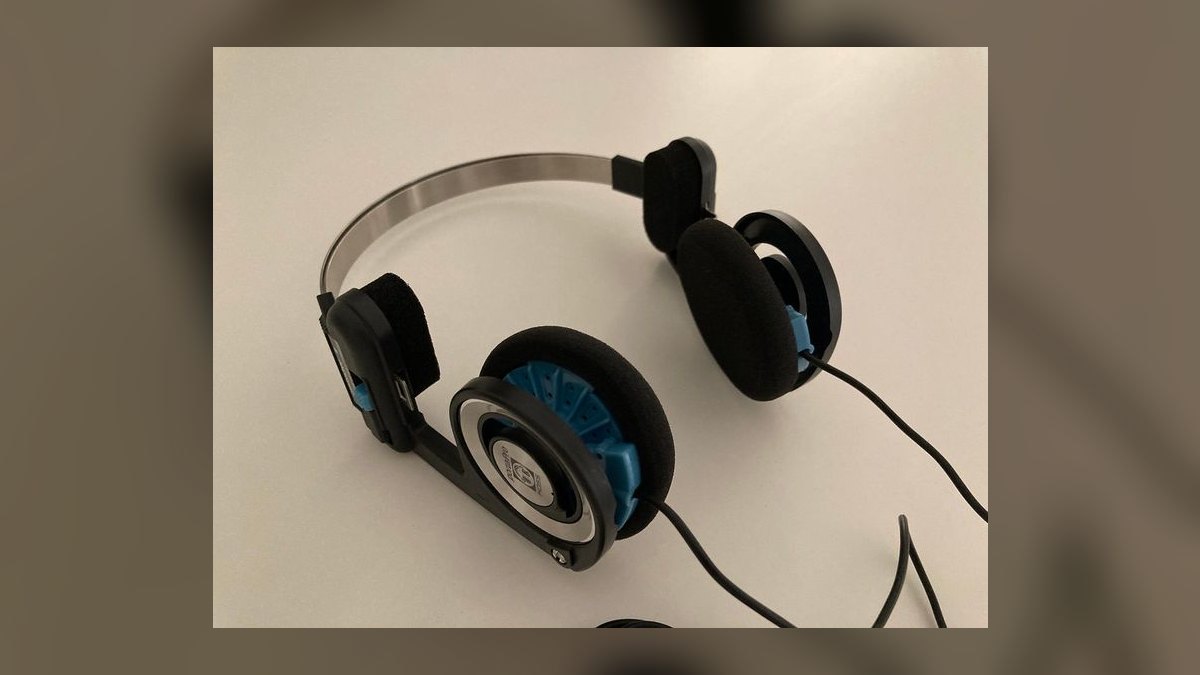
In 2027, noise-cancelling earbuds and headphones overlap heavily on price, but the shapes differ: earbuds cluster tightest at the $80–$250 flagship band, while over-ear headphones stretch from roughly $60 budget models to $400-plus flagships. Earbuds cost more over time because batteries and lost buds force replacement sooner.
The $250 decision that actually costs $700
Picture a sales manager equipping a hybrid team of eight. Each rep spends part of the week in an open-plan office and part on a train or in a coffee shop, and every one of them lives on video calls. The budget line says "$250 per person for noise-cancelling audio," which sounds like a single decision. It is not. It is two very different five-year commitments, and the sticker price is the smallest number in either of them.
Take the earbud path first. A flagship pair of active noise-cancelling earbuds in 2027 lands in the $200–$300 range at list, and street pricing on last-generation flagships drops well below that within a year of launch. The manager buys eight pairs. Inside eighteen months, two reps have lost a single bud — the single most common failure mode in the entire category — and a replacement bud from the manufacturer typically runs a meaningful fraction of the full pair's cost, often somewhere between a third and a half, because you are buying a paired, serialized component rather than a commodity part. Around the two-and-a-half to three-year mark, the tiny lithium cells in the buds themselves have degraded enough that a rep who used to get six hours of ANC playback now gets three, which is not enough to survive a travel day. There is no consumer-serviceable battery replacement in most true-wireless designs. The pair is functionally end-of-life. The manager buys again.
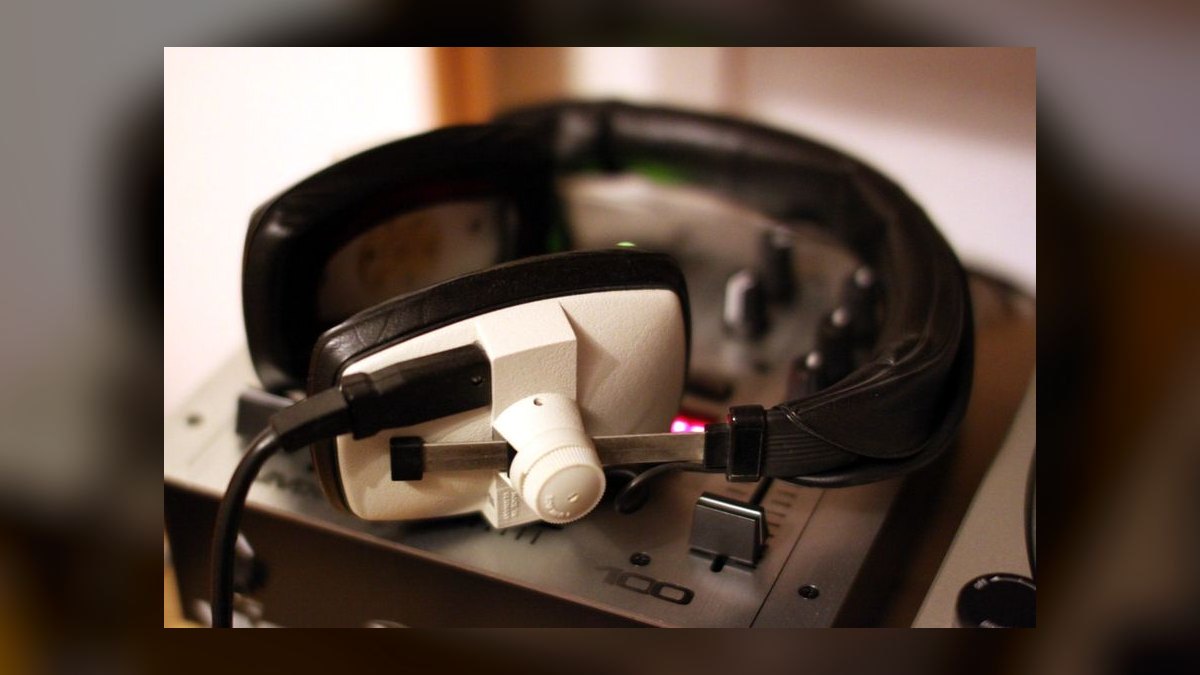
Now the headphone path. A comparable flagship over-ear pair lists in the $330–$450 band, so the initial purchase order is visibly larger — perhaps 50% higher for the same eight people. But the over-ear form factor changes the depreciation curve in three specific ways. The battery is a single, much larger cell, typically delivering 25–40 hours of ANC playback, so the same percentage of capacity loss is invisible for years: losing 30% of a 30-hour battery still leaves you with 21 hours. The wear parts are the earpads and sometimes the headband cushion, and those are cheap, user-replaceable consumables usually sold for $20–$50 by the manufacturer and less by third parties. And the failure mode "I lost one" essentially does not exist, because you cannot misplace half a headband.
Run the five-year arithmetic on that team of eight and the ranking inverts. Eight flagship earbud pairs at roughly $250 is $2,000, plus two replacement buds, plus a full re-buy at year three: call it $4,300–$4,600 across five years. Eight flagship over-ear pairs at roughly $380 is $3,040, plus two rounds of earpads for the heaviest users: call it $3,300–$3,500, with the hardware still working at year five. The cheaper-looking option cost about 30% more.
That inversion is the real answer to the cost question, and it is the thing the shelf price actively hides. The rest of this page unpacks why the two form factors are priced the way they are, what the honest 2027 ranges look like at each tier, where the earbud path genuinely wins on cost, and the specific mistakes that make either choice more expensive than it needs to be.
Why the bill of materials pushes the two form factors apart

The price gap between noise-cancelling earbuds and headphones is not arbitrary vendor positioning. It falls out of what each device physically has to contain, and understanding that makes the ranges predictable rather than mysterious.
Start with the acoustics. Passive isolation — the noise reduction you get from physically blocking sound before any electronics are involved — is nearly free in an over-ear design. A sealed earcup with a decent pad blocks a substantial amount of mid and high frequency energy just by existing. In an in-ear design, the equivalent job is done by a silicone or foam tip, which is also cheap, but the seal is far more variable because it depends on the individual ear canal. This matters for cost because active noise cancellation is a correction layer applied on top of passive isolation. The less passive isolation you start with, and the more variable it is, the harder the active system has to work, and the more the manufacturer must spend on microphones, DSP, and per-unit calibration to hit a given result. Adaptive ANC that continuously measures the actual in-ear seal and adjusts the filter is now standard in the earbud flagship tier precisely because seal variability is the category's central engineering problem.

Now the components that scale with size. Over-ear headphones get larger dynamic drivers — commonly 35mm to 50mm — which are cheap per millimeter and produce low-frequency output almost for free, because they can move a lot of air. Earbuds work with drivers in the 6mm to 12mm range, and getting convincing bass out of that requires either more expensive driver materials, multi-driver arrangements, or heavier DSP compensation. Meanwhile the earbud has to fit an entire wireless radio, a microcontroller, a battery, an antenna, touch or force sensors, and multiple microphones into a shell smaller than a thumbnail — twice, once per side — plus a charging case with its own battery, its own charging circuitry, and increasingly its own wireless charging coil and sometimes its own screen.
That is the crux: an earbud product is really three devices. Two independent computers that must stay bit-synchronized with each other and with the phone, and a charging dock that is itself a battery product. A headphone is one device with one radio, one battery, one board. Miniaturization and duplication eat most of the savings you would expect from the smaller enclosure, which is why a $200 earbud and a $200 headphone can deliver roughly comparable noise cancellation despite the size difference — the earbud spent its budget on fitting in, the headphone spent it on sounding bigger.
mermaid flowchart TD Q["Choosing between noise-cancelling earbuds and headphones"] --> P{"Must fit in a pocket?"} P -->|Yes| E1["Earbuds - headphones will not get used"] P -->|No| C{"4+ hours of calls per day?"} C -->|Yes| H1["Headphones - battery + mics + comfort"]
C -->|No| G{"Glasses or clamp discomfort?"} G -->|Yes| E2["Earbuds - no clamping force"] G -->|No| B{"Budget under 100 dollars?"} B -->|Yes| H2["Budget headphones - passive isolation wins"] B -->|No| L{"Keeping it 4+ years?"} L -->|Yes| H3["Headphones - lower cost per hour"] L -->|No| E3["Mid-tier earbuds - good enough, replace later"] E1 --> R["Then: buy last-gen flagship on discount"] E2 --> R E3 --> R H1 --> R H2 --> R H3 --> R </invoke>
The both-devices answer. Many people who take the total-cost question seriously end up buying a mid-tier headphone for desk and travel work plus a budget earbud for the gym and errands — roughly $180 plus $70, or about $250 combined. That is less than a single flagship earbud pair and it covers both use cases without compromise. It also spreads the failure risk: losing the $70 buds is annoying rather than expensive, and the headphones stay home where they cannot be lost.
The mistakes that make either choice cost more

Most of the money wasted in this category is not wasted at the point of purchase. It is wasted by five specific, avoidable errors.
Buying flagship for a budget-tier use case. If you use noise cancellation on a plane four times a year, the difference between a $90 device and a $290 device is close to irrelevant, because low-frequency drone is the easiest thing for any ANC system to remove. The flagship premium buys performance against complex, variable noise — office chatter, café clatter, wind on a call — which is a real problem for daily commuters and call-heavy workers and a non-problem for occasional travellers. Match the tier to the noise you actually face.
Never replacing the ear tips. This one costs the most relative to how easy it is to fix. Silicone tips harden and lose their seal over months of exposure to skin oil and heat. A degraded seal destroys both bass response and active noise cancellation, because ANC depends on a predictable acoustic chamber. Users experience this as "my ANC got worse" and treat it as a reason to buy a new pair — a several-hundred-dollar response to a twenty-dollar problem. Replace tips every six to twelve months, and try a size larger than feels natural; most people under-size. The headphone equivalent is flattened earpads, which is the same failure for the same reason, with the same cheap fix.
Ignoring multipoint Bluetooth. If you split time between a laptop and a phone, a device without multipoint means manually disconnecting and re-pairing several times a day. The measurable cost is minutes; the real cost is that the friction leads people to stop using the device on one of the two, which halves the utilization the purchase was justified by. Multipoint is a checkbox feature that is standard in the mid tier and inconsistently present below it. Verify it explicitly rather than assuming.
Confusing ANC quality with call quality. These are different systems solving opposite problems. Noise cancellation removes noise from what *you* hear; call performance removes noise from what *the other person* hears, and depends on microphone array design and voice-isolation processing. A device can excel at one and be mediocre at the other. Over-ear headphones have a structural advantage here — more microphones, more spacing between them, and boom-adjacent positioning options — but the correlation is loose enough that you should evaluate the two independently. If your use case is calls, weight call performance and treat ANC as secondary; that reordering frequently changes which product is the better buy at a given price.
Treating the purchase as final. Battery degradation is the defining cost characteristic of noise-cancelling earbuds, and it is predictable rather than random. Micro-cells in true-wireless buds lose meaningful capacity within two to three years of daily charge cycles, and the design offers no path to replacement. Plan for it. If you buy earbuds, buy at a price point you are willing to repeat, and keep a note of the purchase date so you are not surprised. If you buy headphones, extend the life deliberately: replace pads before they flatten, avoid storing the device in a hot car (heat is the primary enemy of lithium cells in both form factors), and do not leave it charging at 100% continuously if the manufacturer offers an optimized-charging setting.
A sixth error is worth naming separately because it inverts the whole analysis: buying for the specification sheet instead of the fit. Noise cancellation performance in the real world is dominated by seal quality, and seal quality is dominated by anatomy. A mid-tier earbud that seals your ear will out-cancel a flagship that does not, and no amount of DSP compensates for a leak. Buy from a retailer with a genuine return window, wear the device for a full working day, and return it without hesitation if the seal is wrong. The return policy is a cost lever, and it is free.
Related questions
Do noise-cancelling earbuds or headphones hold resale value better?
Over-ear headphones hold value substantially better. Flagship models commonly resell at 40–60% of original price after two years, because pads are replaceable and buyers can verify condition. Used earbuds resell poorly — often under 25% — since battery health is unverifiable and hygiene concerns suppress demand.
Is the charging case worth budgeting for separately?
Yes. The case is a battery device that degrades, gets dropped, and has mechanical wear points at the hinge and contacts. Manufacturer replacements typically cost a third or more of the full product's price. Treat it as a probable expense across a multi-year ownership window, not an accessory.
Does more expensive always mean better noise cancellation?
No. Above roughly $150 in earbuds and $200 in headphones, additional spend buys call microphone quality, materials, spatial audio, and software refinement more than raw noise reduction. Budget over-ear headphones often beat pricier earbuds on total attenuation because passive isolation from the earcup costs nothing.
How much do replacement parts actually cost each year?
Budget $15–$40 annually for earbuds — tips every six to twelve months, plus amortized risk of a lost bud or failed case. For headphones, budget $10–$25 annually — earpads every 18–36 months at $20–$50, occasionally a cable. Earbud consumables are recurring and unavoidable; headphone consumables are cheap.
Should a company buy one form factor for the whole team?
No. Standardizing ignores that commuters, desk workers, and field staff face different noise and portability constraints. A better policy sets a per-person budget with two approved options — a mid-tier over-ear for call-heavy desk roles, a mid-tier earbud for mobile roles — and lets people choose.
FAQ
What is the average price difference between noise-cancelling earbuds and headphones in 2027?
At equivalent tiers, over-ear headphones typically list 30–60% higher than earbuds: roughly $150–$250 versus $100–$180 in the mid tier, and $330–$450 versus $200–$300 at flagship level. That gap reverses over a five-year ownership window because earbuds require full replacement roughly twice as often.
Why do tiny earbuds cost nearly as much as much larger headphones?
Because an earbud product is three devices, not one: two independently powered, radio-equipped computers that must stay synchronized, plus a charging case with its own battery and charging circuitry. Miniaturization, duplication, per-unit calibration for variable ear seal, and the microphone arrays adaptive ANC requires consume the savings the smaller enclosure would suggest.
Which is cheaper over five years?
Over-ear headphones, in most scenarios. A flagship headphone at roughly $380 with two sets of replacement pads runs about $420–$450 across five years and still works. A flagship earbud pair at roughly $250 typically needs a full replacement around year three, plus tips, plus loss risk — landing near $550–$600 for the same period.
Can I extend earbud life to close the cost gap?
Partly. Replacing tips on schedule, storing the case out of heat, avoiding continuous 100% charging where the manufacturer offers an optimized-charging setting, and cleaning mesh screens all help. None of it addresses the core constraint: micro-cell degradation is not user-serviceable, so the end-of-life date moves later by months, not years.
Do cheaper noise-cancelling headphones actually work?
Yes, within limits. Budget over-ear models at $60–$100 have simpler active systems but strong passive isolation from the earcup, so total real-world reduction is often comparable to pricier earbuds — particularly against steady low-frequency noise like engines and HVAC. They fall behind on variable noise, call microphone quality, and comfort over long sessions.
Where should I actually spend to cut total cost?
Buy last-generation flagships during model transitions, when discounts of 40–50% are common and performance is nearly identical. Buy mid-tier rather than flagship unless you take several hours of calls daily. Budget for consumables so a $20 tip or pad replacement does not get mistaken for a reason to replace the whole device.
Sources
- https://www.consumerreports.org/electronics/headphones/
- https://www.rtings.com/headphones
- https://www.which.co.uk/reviews/wireless-and-bluetooth-headphones
- https://www.bluetooth.com/learn-about-bluetooth/tech-overview/
- https://www.energy.gov/energysaver/articles/how-lithium-ion-batteries-work
- https://www.epa.gov/recycle/electronics-donation-and-recycling
- https://www.nidcd.nih.gov/health/noise-induced-hearing-loss
- https://www.osha.gov/noise
- https://www.ifixit.com/Device/Headphones
- https://www.bls.gov/cpi/
Related on PULSE
- How to budget audio hardware for a hybrid sales team
- What multipoint Bluetooth actually changes for call-heavy roles
- Total cost of ownership for remote-work equipment refresh cycles
- How to evaluate headset call quality separately from noise cancellation
- Building a two-option equipment policy instead of a single standard
- When last-generation hardware beats current-generation on price-performance
This page will be disappearing soon. Save it to your device for $1 — or read it free while it is here.
@Kory-White- · if Venmo asks, the last 4 of my number are 2012
This page is gone.
This one is off the shelf now. $1 keeps it on your phone for good — the whole page, pictures and diagrams included.
 pulse-reviewsTop 10 Battery Chainsaws — Best Overall + Best Value in 2027
 pulse-reviewsTop 10 1080p External Webcams for Sales Reps in 2027
 pulse-reviewsTop 10 YouTube Lighting Kits — Best Overall + Best Value in 2027
 pulse-reviewsTop 10 Premium Travel Coffee Mugs for Sales Reps in 2027
 pulse-reviewsTop 10 Drone Cases — Best Overall + Best Value in 2027
 pulse-reviewsTop 10 Sports Earbuds — Best Overall + Best Value in 2027
 pulse-reviewsTop 10 Laptop Stands for Remote AEs in 2027
 pulse-reviewsTop 10 Standing Desks $500-$1500 in 2027
 pulse-reviewsTop 10 Rugged Phones — Best Overall + Best Value in 2027
 pulse-reviewsTop 10 Circular Saws — Best Overall + Best Value in 2027