


How many hours of battery life can you realistically expect from a Bluetooth speaker in 2027?
Quality
Certified
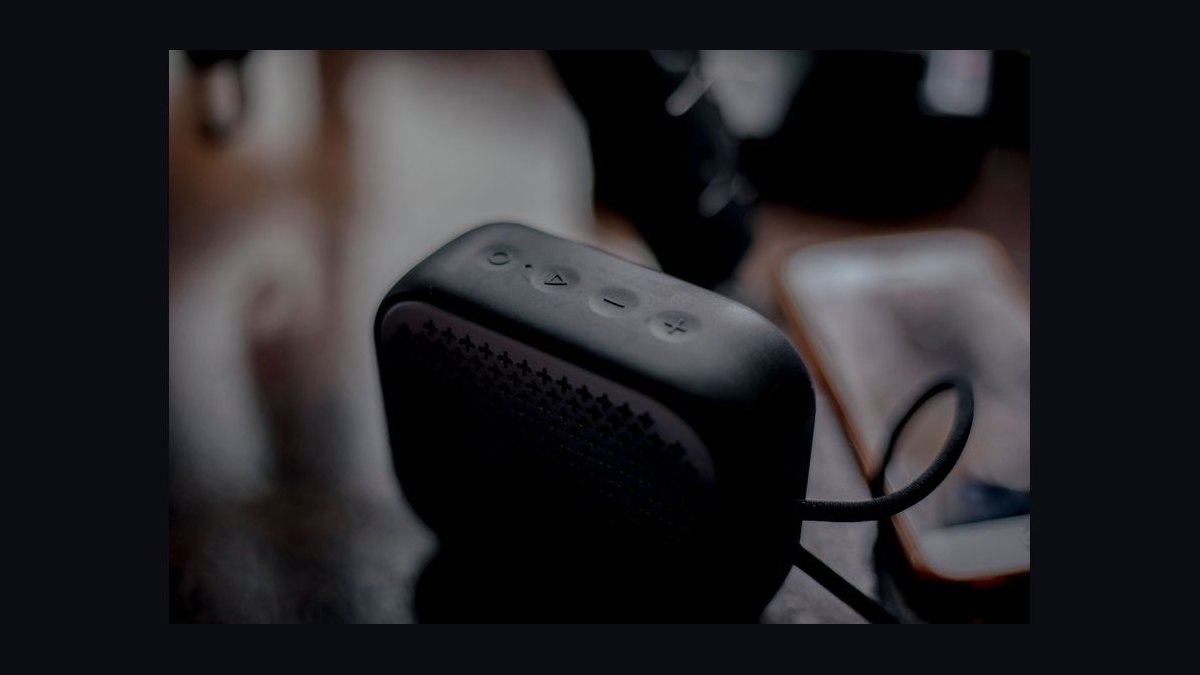
In 2027, realistically expect a mainstream Bluetooth speaker to deliver roughly 12 to 24 hours of real playback per charge, with compact models landing near 8 to 12 hours and large party or outdoor units reaching 30 to 40 hours. Volume, bass, codec, and temperature swing those numbers by 30 to 50 percent in either direction.
What it is and why it matters
Battery life on a Bluetooth speaker is not one number — it is a range produced by the interaction of cell capacity, amplifier efficiency, driver load, wireless codec, and how loudly you actually listen. A manufacturer's headline figure is almost always measured at roughly 50 percent volume with the lightest possible codec, which is why the same speaker that claims 24 hours can die in 9 when you push it at a backyard cookout. Understanding the gap between the label and reality is the difference between a speaker that survives a weekend camping trip and one that becomes a paperweight by Saturday night.
The reason this matters more in 2027 than it did five years ago is that the product category has split into three distinct design philosophies that trade off against each other. Compact travel speakers prioritize a sealed, pocketable body with a small single cell — often 2,000 to 4,000 mAh — and accept 8 to 14 hours as the cost of portability. Mid-size indoor speakers use 5,000 to 8,000 mAh cells with more efficient Class-D amplification and routinely hit 18 to 26 hours at moderate volume. Large outdoor and party units carry 10,000 to 20,000 mAh or more, sometimes with dual drivers and a passive radiator, and can run 30 to 40 hours at conversational levels but collapse to 8 to 12 hours when the bass is cranked.
Three physics constraints govern everything. First, acoustic output scales roughly with the square of amplifier power, so doubling perceived loudness costs about four times the energy — a 3 dB increase in volume cuts runtime by roughly 25 to 35 percent. Second, bass reproduction consumes disproportionate power because moving a large driver with deep excursion demands sustained current, which is why "Extra Bass" or "Deep Bass" modes routinely shave 20 to 40 percent off runtime. Third, wireless codecs and features are not free: Bluetooth 5.x with the standard SBC codec sips power, while higher-bitrate codecs, always-on voice assistants, LED lighting rings, and multipoint connections each add a measurable drain, typically 5 to 15 percent each.
Battery chemistry and cell quality also separate good speakers from bad ones. Speakers using lithium-ion cylindrical cells with proper battery management systems hold their rated capacity longer and degrade more slowly, retaining roughly 80 percent of original runtime after 300 to 500 full charge cycles — about two to three years of regular use. Cheap units with unbranded pouch cells often lose 30 to 40 percent of runtime within a year. Temperature compounds this: lithium-ion cells lose significant usable capacity below about 10°C (50°F) and above roughly 35°C (95°F), which is why a speaker that runs 20 hours indoors may only manage 12 to 14 on a cold morning at a tailgate.
For anyone buying a Bluetooth speaker in 2027, the practical takeaway is to treat the advertised number as a ceiling, not an expectation, and to plan around the realistic range for your specific use case. If you listen at 50 to 60 percent volume indoors, you can typically get 70 to 85 percent of the claimed figure. If you listen outdoors at 80 to 100 percent volume with bass boost on, expect 40 to 60 percent of the claim. Everything in between depends on the specific speaker, the codec, and the ambient temperature.
The step-by-step process for estimating real runtime
Estimating how many hours a Bluetooth speaker will actually last requires working from the label figure down to your real-world conditions through a series of adjustments. The process below is a practical method you can apply to any speaker before or after purchase.
Step 1: Find the honest baseline. Ignore the marketing headline and look for the manufacturer's stated test conditions, usually buried in the spec sheet or manual. If the claim is "24 hours," check whether that is at 50 percent volume with a specific codec (often SBC or AAC) and no lighting or bass enhancement. If the conditions are not stated, assume the claim is optimistic by 20 to 30 percent and start your estimate at 70 to 80 percent of the headline.
Step 2: Convert to watt-hours if possible. If the speaker lists battery capacity in mAh and voltage, multiply them and divide by 1,000 to get watt-hours (Wh). A 5,000 mAh cell at 3.7V is about 18.5 Wh. Then estimate average power draw: a small speaker at moderate volume typically draws 1.5 to 3 watts, a mid-size unit 3 to 6 watts, and a large party speaker 8 to 20 watts depending on volume. Divide watt-hours by average watts to get a rough hours figure. This cross-check catches inflated claims quickly.
Step 3: Apply the volume penalty. Reduce your estimate by roughly 25 to 35 percent for every doubling of volume above the baseline. Listening at 75 percent instead of 50 percent typically costs 15 to 25 percent of runtime. Listening at full volume with bass-heavy content can cut runtime by 40 to 60 percent versus the baseline.
Step 4: Subtract feature overhead. If you use an always-on voice assistant, LED lighting, multipoint pairing, or a high-bitrate codec, subtract another 5 to 15 percent per feature. These are small individually but compound quickly.
Step 5: Adjust for temperature and age. Below 10°C or above 35°C, subtract 10 to 30 percent. If the speaker is more than 18 months old and has been cycled regularly, subtract another 10 to 20 percent for capacity fade.
Step 6: Validate with a real test. The only way to know for certain is to run the speaker at your typical volume for one hour, note the battery percentage drop, and extrapolate. If it falls 8 percent in an hour, you have roughly 12.5 hours of real runtime at that setting. Do this twice — once indoors at moderate volume and once outdoors at high volume — to bracket your range.
The output of this process is a range, not a single number. For a typical mid-size speaker claiming 24 hours, realistic indoor runtime at moderate volume usually lands between 18 and 22 hours, while outdoor high-volume use with bass boost typically lands between 9 and 14 hours. That spread is normal and is exactly what you should plan around.
Costs, timelines, and typical ranges
The relationship between price and battery life in 2027 is real but not linear, and understanding where the money goes helps you avoid overpaying for runtime you will never use. Below is a breakdown of what different price tiers and form factors actually deliver.
Under $50 (compact travel speakers). Expect 6 to 12 hours of real playback. These units typically carry 1,500 to 3,000 mAh cells, use basic SBC codec, and have limited amplifier headroom. They are fine for a phone call, a small room, or a short hike, but they will not survive a full day of outdoor use. Battery degradation is often faster because cell quality is lower and thermal management is minimal.
$50 to $150 (mainstream mid-size). This is the sweet spot for most buyers. Real runtime typically falls between 12 and 24 hours at moderate volume, dropping to 8 to 14 hours at high volume outdoors. Cells run 4,000 to 8,000 mAh, amplification is more efficient, and many models support USB-C charging with faster recharge times of 2.5 to 4 hours. This tier also tends to have better battery management, so capacity holds up longer over two to three years.
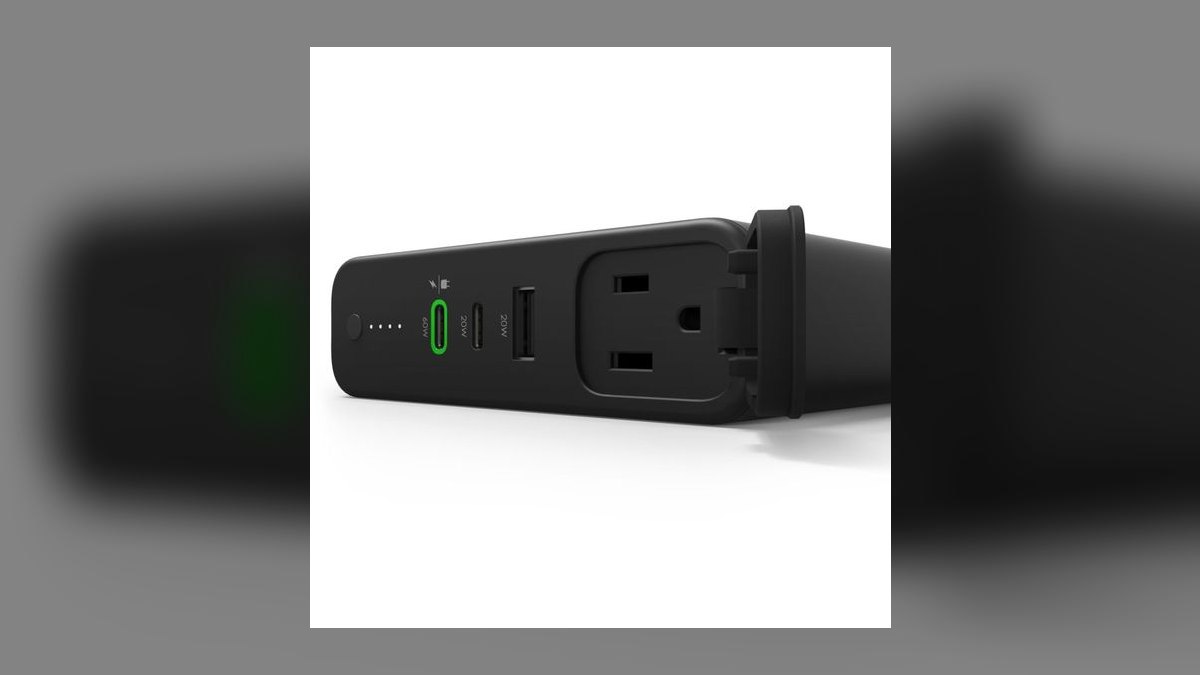
$150 to $300 (premium portable and rugged). Expect 18 to 30 hours at moderate volume, 10 to 16 hours at high volume. These speakers often add IP67 or IP68 water and dust resistance, which means sealed enclosures that can trap heat and slightly reduce runtime at high output. Some include power-bank functionality to charge your phone, which drains the speaker faster — often cutting runtime by 20 to 40 percent if used heavily.
$300 and up (large party and outdoor units). Real runtime ranges from 20 to 40 hours at moderate volume, but can drop to 8 to 12 hours at maximum volume with heavy bass. These units carry 10,000 to 20,000 mAh or more and may include wheels, handles, and even replaceable batteries. Recharge times run 4 to 8 hours, and some support fast charging that cuts that to 2 to 3 hours.
Timelines for recharge. A speaker's recharge time matters as much as its runtime for planning. Small speakers with USB-C PD can recharge in 1.5 to 2.5 hours. Mid-size units typically take 3 to 5 hours via USB-C and 6 to 10 hours via micro-USB or a standard barrel charger. Large party speakers often take 6 to 8 hours. If you are planning a multi-day trip, a speaker that recharges in 2 hours from a power bank is far more useful than one that takes 8 hours from a wall outlet you may not have.
Battery lifespan and replacement. Most Bluetooth speakers are rated for 300 to 500 full charge cycles before capacity drops to about 80 percent. At one cycle every two days, that is roughly 1.5 to 3 years of regular use. Some premium models have user-replaceable batteries, which extends the useful life to five years or more for a fraction of the cost of a new speaker. Non-replaceable designs effectively cap the product's life at the cell's life, which is worth factoring into the purchase price.
The cost-per-hour calculation. If a $120 speaker delivers 18 hours per charge across 400 cycles, that is 7,200 hours of playback for $120, or about 1.7 cents per hour. A $40 speaker delivering 8 hours across 250 cycles gives 2,000 hours for $40, or 2 cents per hour. The premium speaker is not just better sounding — it is often cheaper per hour of actual use, which is a useful way to justify spending more upfront.
Where teams get it wrong
The most common mistakes around Bluetooth speaker battery life are not exotic — they are predictable errors that lead to disappointment, wasted money, and speakers that die at the worst possible moment. Avoiding them is mostly about knowing what to ignore and what to measure.
Mistake 1: Trusting the headline number. A "40-hour" claim measured at 30 percent volume with no bass and a low-bitrate codec tells you almost nothing about real use. Buyers who plan a 40-hour camping trip around that number and then listen at 80 percent volume with bass boost will find the speaker dead in 12 to 14 hours. Always discount the claim by at least 25 percent before planning.
Mistake 2: Ignoring volume as the dominant variable. Volume is the single largest factor in runtime, and it is the one buyers control. Two people with the same speaker can get wildly different runtime because one listens at 40 percent and the other at 90 percent. If runtime matters, the practical move is to buy a speaker with more headroom than you need and run it at lower volume, rather than buying a small speaker and running it at maximum.
Mistake 3: Overlooking codec and feature drain. Higher-quality codecs like LDAC or aptX HD consume more power than SBC or AAC. Always-on voice assistants, LED light shows, and multipoint connections each add drain. A speaker rated at 20 hours might deliver 14 if you leave the lights on and the assistant listening. Turn off what you do not need.
Mistake 4: Assuming all mAh are equal. A 10,000 mAh cell from a reputable manufacturer with a proper battery management system delivers more usable energy and lasts longer than a 12,000 mAh cell from an unknown supplier. Watt-hour ratings and independent testing matter more than the mAh figure on the box.
Mistake 5: Charging habits that accelerate degradation. Leaving a speaker plugged in at 100 percent for weeks, storing it fully drained, or charging it in a hot car all shorten cell life. The best practice is to keep it between 40 and 80 percent for storage, avoid extreme temperatures, and recharge every two to three months if it sits unused.
Mistake 6: Forgetting temperature. Lithium-ion cells lose usable capacity in cold and heat. A speaker that runs 20 hours indoors may only manage 12 to 14 on a cold morning or in direct summer sun. If you use a speaker outdoors in extreme conditions, plan for a 20 to 30 percent runtime penalty and bring a power bank.
Mistake 7: Buying runtime you will never use. A 40-hour party speaker is heavy, expensive, and overkill for someone who listens for two hours a day on a desk. Matching capacity to actual use — rather than to the biggest number on the shelf — saves money, weight, and hassle.
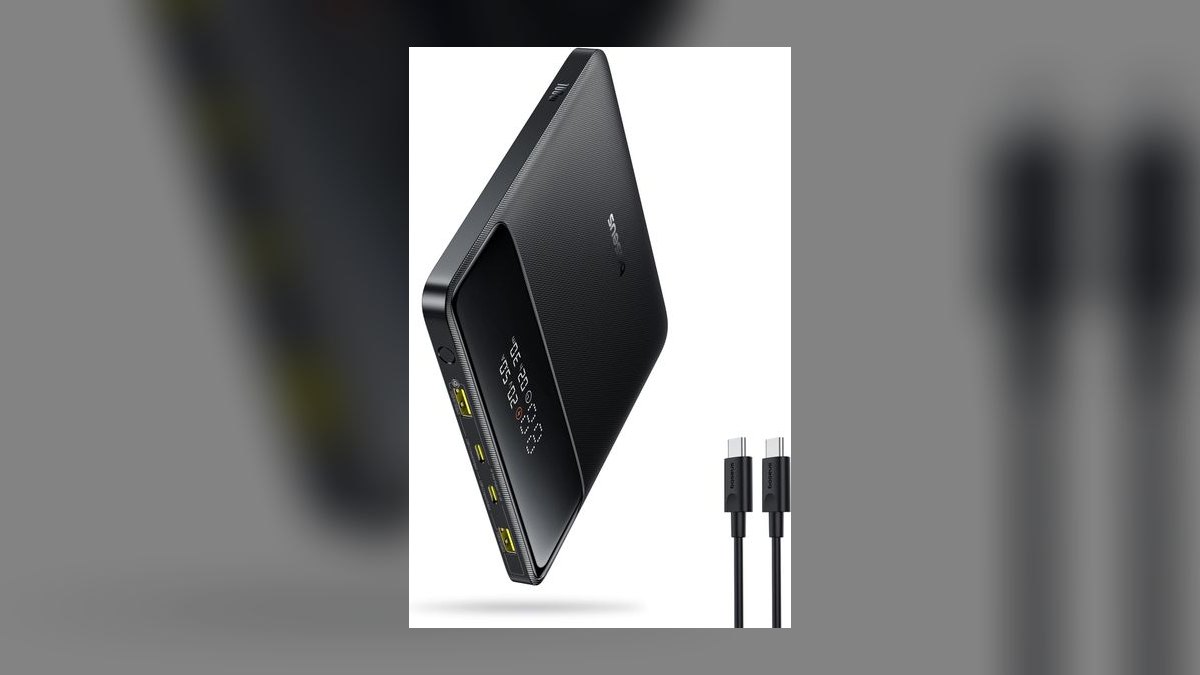
Mistake 8: Neglecting recharge time. A speaker with 30 hours of runtime that takes 10 hours to recharge is less useful on a multi-day trip than one with 18 hours that recharges in 2.5 hours from USB-C PD. Runtime and recharge time must be evaluated together.
Decision framework: when to choose what
Choosing the right Bluetooth speaker for your battery needs comes down to matching capacity and form factor to your actual listening pattern. The framework below walks through the decision.
If you listen mostly indoors at moderate volume for a few hours a day: A mid-size speaker with 5,000 to 8,000 mAh and a claimed 20 to 24 hours is ideal. Real runtime will be 18 to 22 hours, which means you charge roughly once a week. Prioritize sound quality and recharge speed over maximum capacity.
If you listen outdoors at high volume for long stretches: Choose a large speaker with 10,000 mAh or more and a claimed 30 to 40 hours. Real runtime at high volume will be 10 to 16 hours, so plan to recharge daily on multi-day trips. Look for USB-C PD fast charging and, if possible, a model that can run from a power bank while playing.
If you need maximum portability: A compact speaker with 2,000 to 4,000 mAh and a claimed 10 to 14 hours is the right call. Real runtime will be 8 to 12 hours at moderate volume. Accept that you will charge it every day or two and carry a small power bank for extended trips.
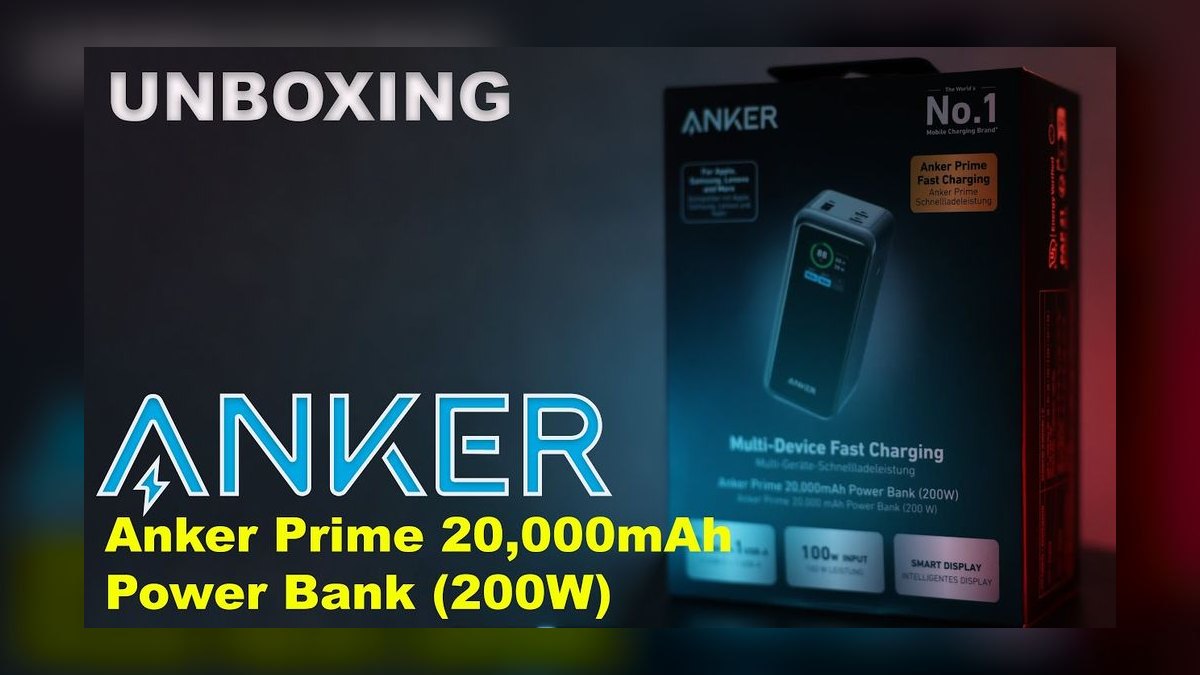
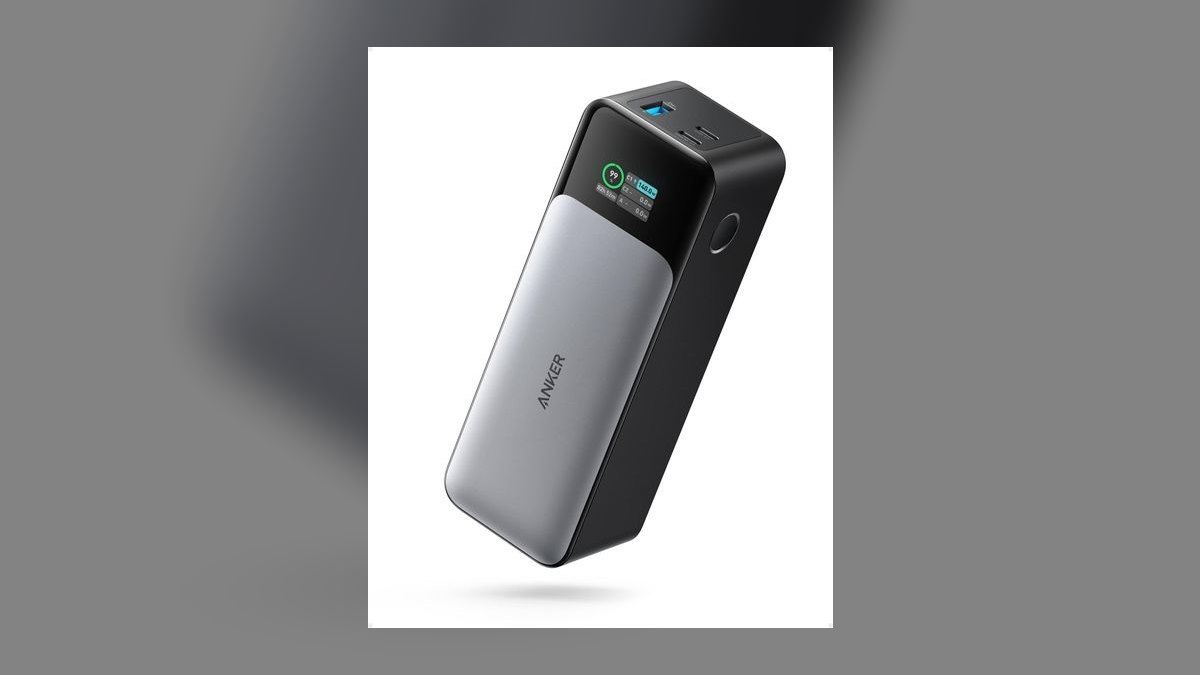
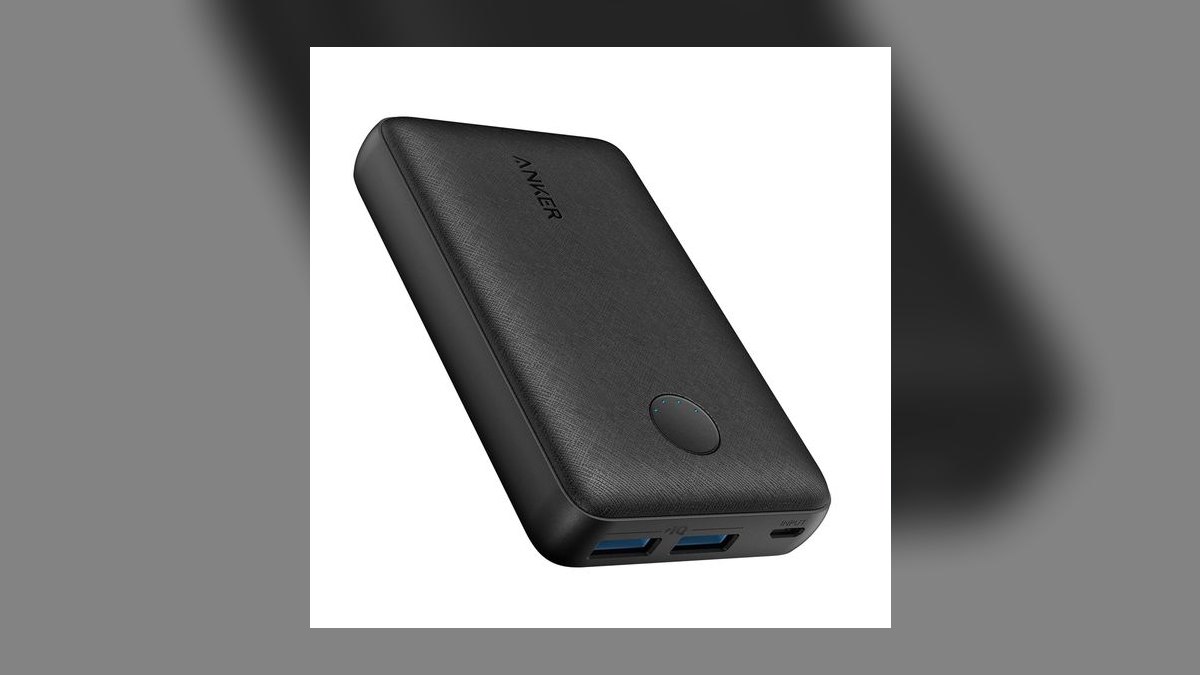
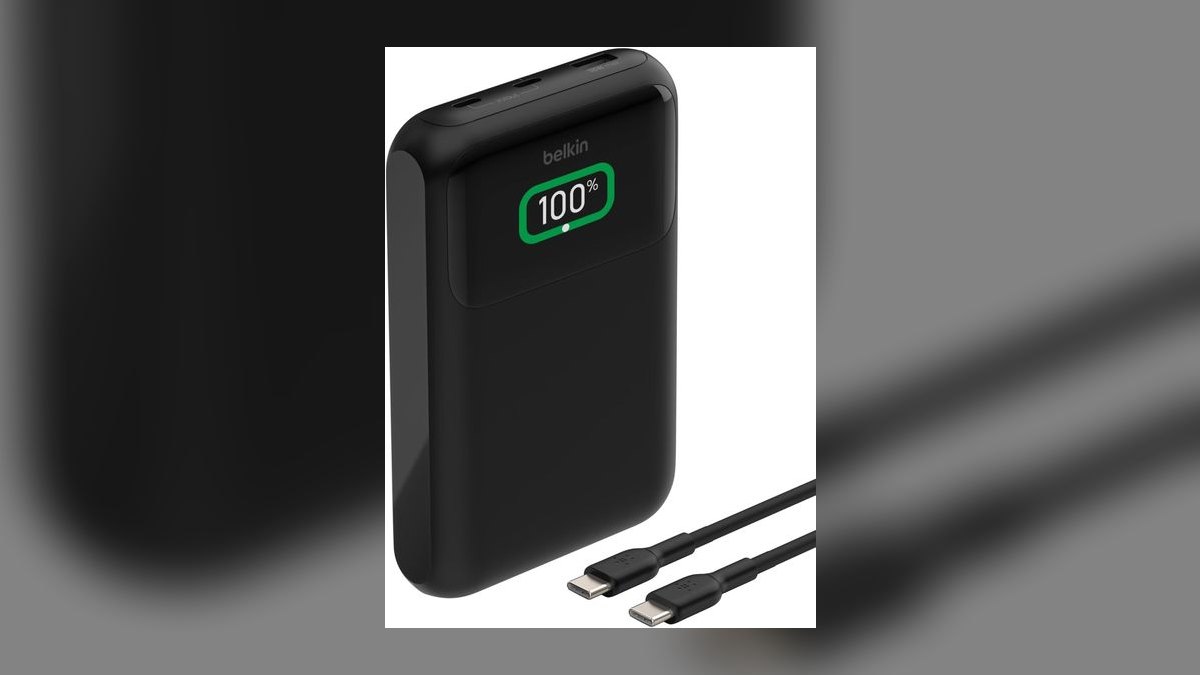
If you need a speaker for a multi-day trip without reliable power: Prioritize recharge speed and power-bank compatibility over raw runtime. A speaker that recharges in 2 hours from USB-C PD and can run while charging is more valuable than one with a bigger cell that takes 8 hours to refill. Bring a 20,000 mAh power bank to extend runtime by 1.5 to 2 full charges.
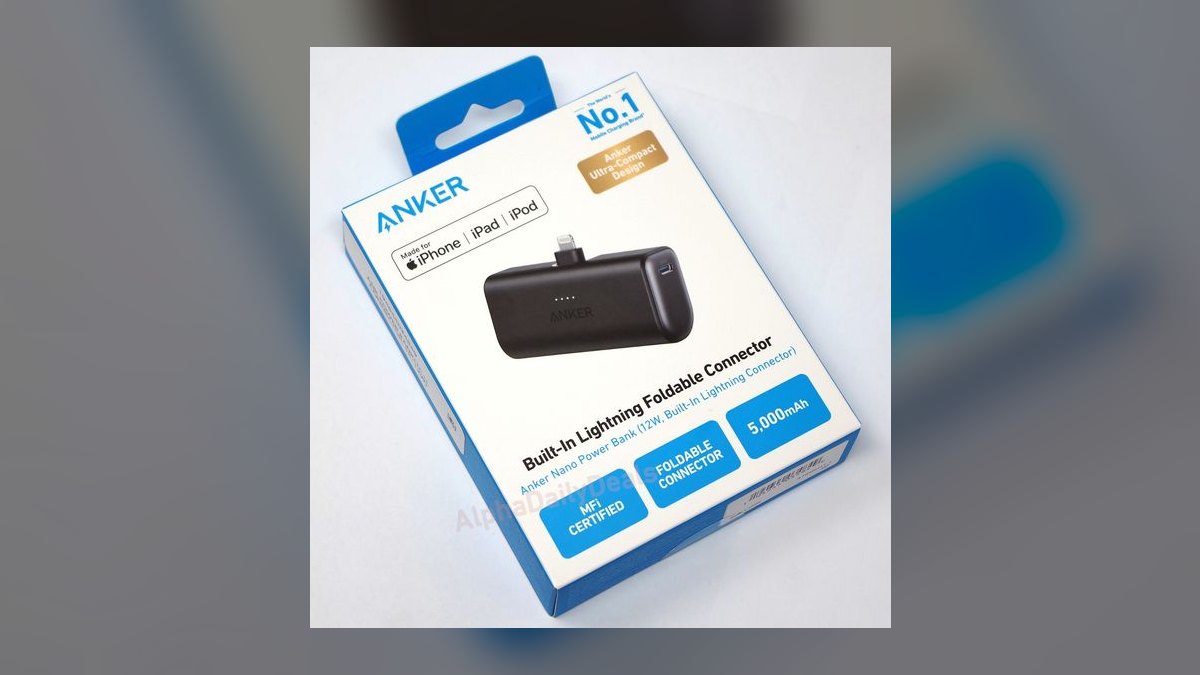
If you want the longest possible lifespan: Choose a speaker with a user-replaceable battery and a reputable cell. Expect 300 to 500 cycles before noticeable fade, and plan to replace the cell rather than the whole speaker at the two-to-three-year mark.
The framework is not about finding the single best speaker — it is about matching the speaker's real runtime to your actual pattern so you are not surprised. A speaker that fits your use case at 80 percent of its claimed runtime is a better purchase than one that exceeds your needs at 100 percent but costs twice as much and weighs three times as much.
Related questions
How much does volume actually reduce Bluetooth speaker battery life?
Volume is the largest single factor. Going from 50 percent to 100 percent volume typically cuts runtime by 40 to 60 percent because acoustic output scales roughly with the square of amplifier power. A speaker claiming 24 hours at moderate volume may deliver only 10 to 14 hours at full volume with bass-heavy music.
Do Bluetooth codecs affect battery life?
Yes, but modestly. Standard SBC and AAC codecs sip power, while higher-bitrate codecs like LDAC or aptX HD consume 10 to 20 percent more. The difference is usually smaller than the volume penalty, so if runtime matters most, lower the volume before switching codecs.
Does cold weather really shorten Bluetooth speaker runtime?
Significantly. Lithium-ion cells lose usable capacity below about 10°C (50°F), often reducing runtime by 20 to 30 percent. A speaker that runs 20 hours indoors may only manage 12 to 14 on a cold morning. Keep the speaker insulated or warm it before use in cold conditions.
Can I use a power bank to extend Bluetooth speaker runtime?
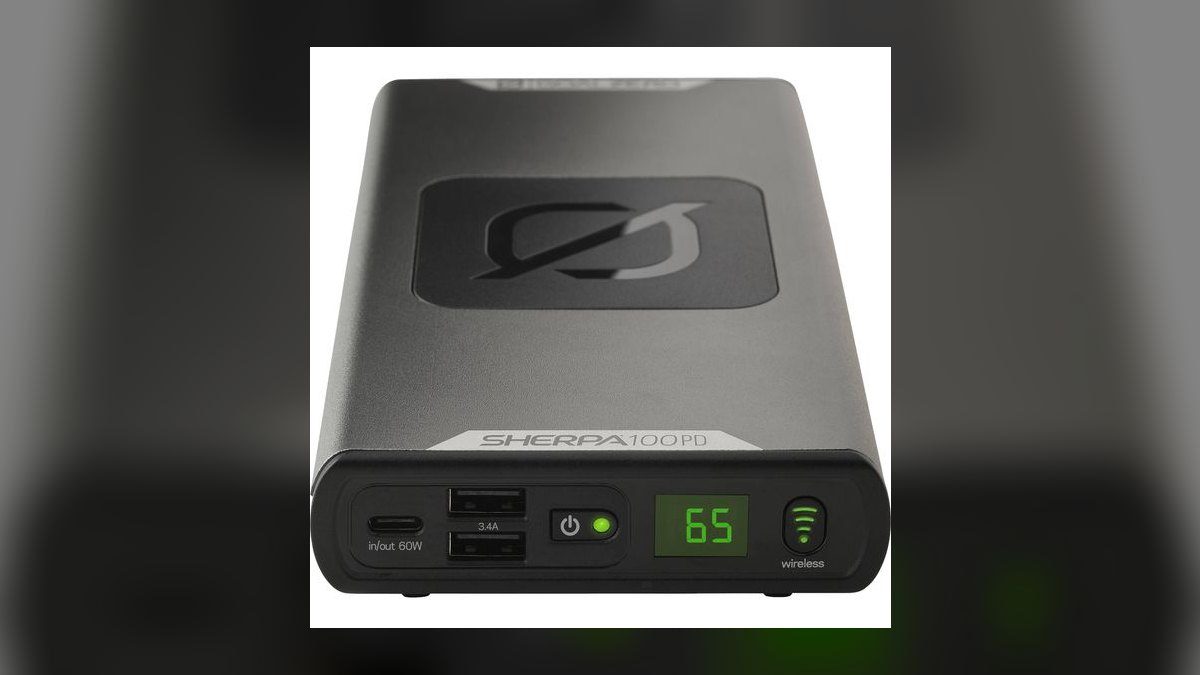
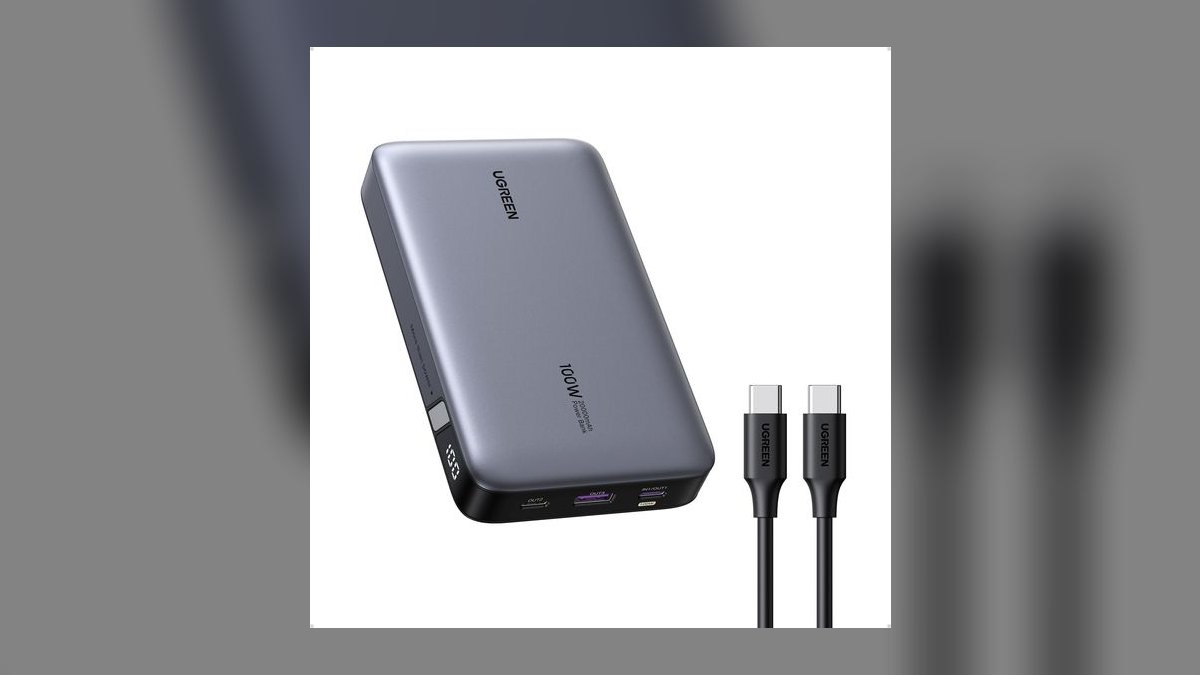
Yes, if the speaker supports charging while playing. Many mid-size and large speakers do, and a 20,000 mAh power bank can add roughly 1.5 to 2 full charges, effectively doubling or tripling runtime. Check that the speaker accepts USB-C PD input and does not throttle output while charging.
How long do Bluetooth speaker batteries last before needing replacement?
Most lithium-ion cells are rated for 300 to 500 full charge cycles before capacity drops to about 80 percent — roughly two to three years of regular use. Speakers with user-replaceable batteries can last five years or more. Non-replaceable designs typically cap the product's useful life at the cell's life.
FAQ
How many hours should I realistically expect from a Bluetooth speaker in 2027?
For mainstream mid-size speakers, expect 12 to 24 hours of real playback at moderate volume, dropping to 8 to 14 hours at high volume outdoors. Compact travel speakers deliver 8 to 12 hours, while large party units can reach 30 to 40 hours at conversational levels but fall to 8 to 12 hours when cranked. Always discount the headline claim by 25 to 40 percent.
Why does my speaker die faster than the advertised number?
The advertised number is usually measured at 50 percent volume with a basic codec and no bass boost or lighting. Real use at higher volume, with bass enhancement, LED lights, or a high-bitrate codec, can cut runtime by 40 to 60 percent. Temperature and battery age add further reductions.
Does bass boost really drain the battery that much?
Yes. Deep bass requires large driver excursion and sustained current, which is disproportionately power-hungry. Enabling a bass boost or "Extra Bass" mode typically reduces runtime by 20 to 40 percent. If runtime matters, leave bass enhancement off and use an equalizer to boost lows only slightly.
Is it better to buy a bigger battery or a more efficient speaker?
Efficiency usually wins for everyday use. A well-designed speaker with a smaller cell and efficient Class-D amplification can outperform a poorly designed speaker with a larger cell. Look for watt-hour ratings and independent runtime tests rather than mAh alone, and prioritize models with good battery management.
How can I make my Bluetooth speaker battery last longer?
Keep volume moderate, disable unused features like LED lights and always-on assistants, avoid extreme temperatures, and store the speaker at 40 to 80 percent charge when not in use. Recharge every two to three months during long storage. These habits can extend useful life by a year or more.
Do premium speakers really last longer per charge than budget ones?
Often yes, but not always. Premium speakers tend to use better cells, more efficient amplifiers, and proper battery management, which yields more usable runtime and slower degradation. However, some premium models add power-hungry features like lighting and voice assistants that offset the efficiency gains. Check independent runtime tests rather than assuming price equals performance.
Sources
- https://www.rtings.com/speaker
- https://www.soundguys.com/best-bluetooth-speakers-12345/
- https://www.cnet.com/tech/home-entertainment/best-bluetooth-speaker/
- https://www.tomsguide.com/best-picks/best-bluetooth-speakers
- https://www.techradar.com/news/audio/portable-audio/best-bluetooth-speakers-1289354
- https://www.whathifi.com/best-buys/best-bluetooth-speakers
- https://www.usb.org/
- https://www.energy.gov/energysaver/batteries
Related on PULSE
This page will be disappearing soon. Save it to your device for $1 — or read it free while it is here.
@Kory-White- · if Venmo asks, the last 4 of my number are 2012
This page is gone.
This one is off the shelf now. $1 keeps it on your phone for good — the whole page, pictures and diagrams included.
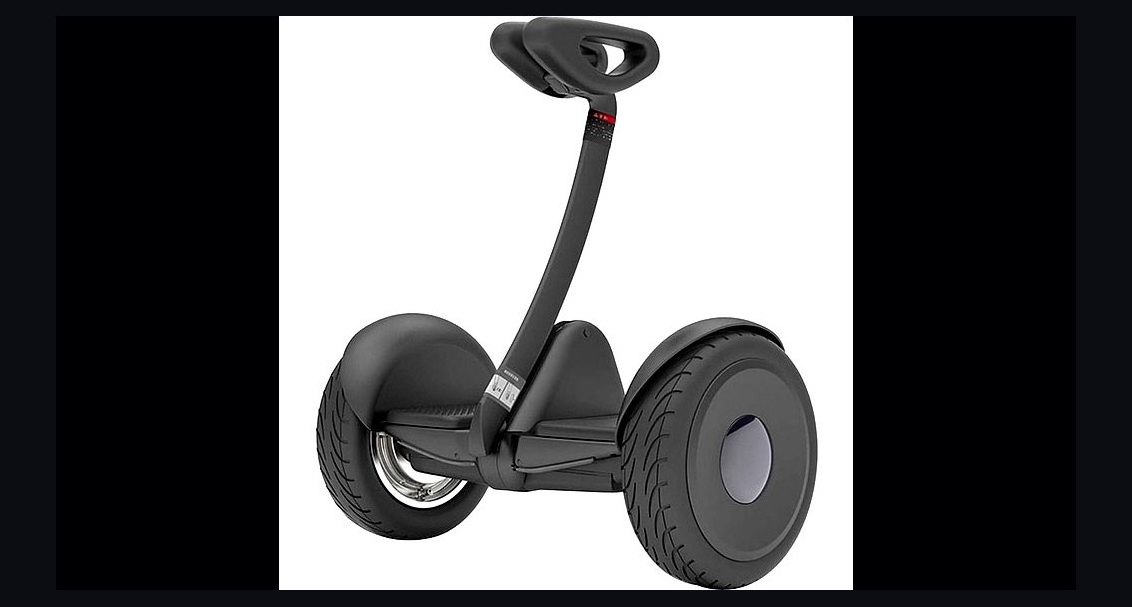 pulse-reviewsTop 10 Hoverboards — Best Overall + Best Value in 2027
 pulse-reviewsTop 10 Laser Levels — Best Overall + Best Value in 2027
 pulse-reviewsTop 10 Lap Desks for Remote AE Couch Work in 2027
 pulse-reviewsTop 10 Sports Earbuds — Best Overall + Best Value in 2027
 pulse-reviewsTop 10 Clothes Steamers — Best Overall + Best Value in 2027
 pulse-reviewsTop 10 85-Inch TVs — Best Overall + Best Value in 2027
 pulse-reviewsTop 10 Clip-On Phone Lenses — Best Overall + Best Value in 2027
 pulse-reviewsTop 10 Soundbars Under $500 — Best Overall + Best Value in 2027
 pulse-reviewsTop 10 Vibration Plates — Best Overall + Best Value in 2027
 pulse-reviewsTop 10 In-Ear Monitors for Audiophiles — Best Overall + Best Value in 2027