
Top 10 Equestrian Ranch Estates Markets in Texas in 2027
 Curated byKory White · Fractional CRO · Maryland
 PULSEKNOWLEDGE LIBRARY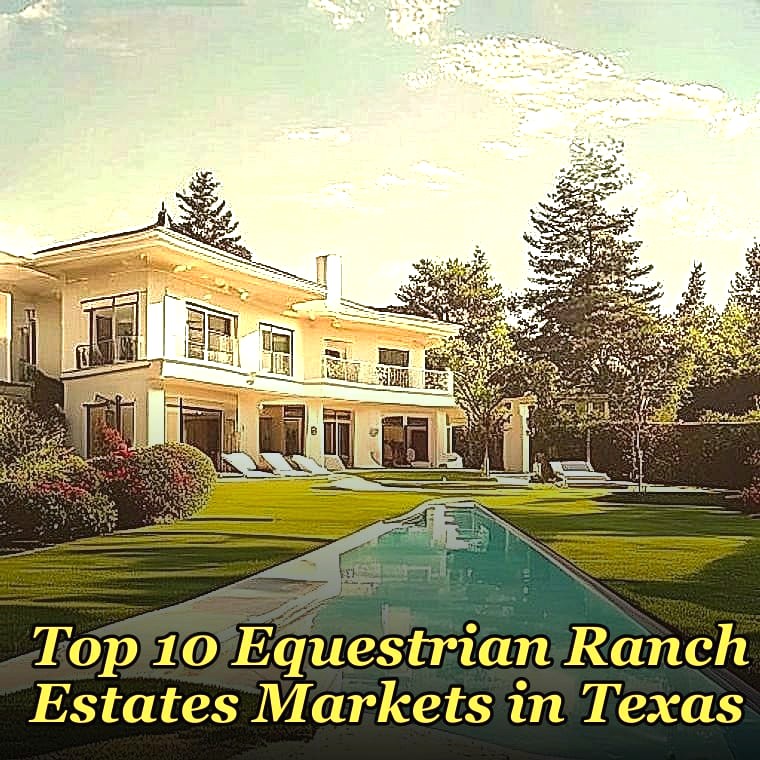
For the single best equestrian ranch estate market in Texas, Aubrey / Pilot Point (Denton County) is the Best Overall — the heart of "Horse Country USA," where world-class horse ranches with arenas and barns trade from roughly $2 million to $30 million-plus on premium sandy-loam soil prized for equine joints. For buyers who want genuine acreage and barn space at an attainable price, Weatherford (Parker County) is the Best Value, the self-described "Cutting Horse Capital of the World," where ranchettes with improvements start in the $700,000s. This list is for buyers comparing equestrian acreage, soil, water, proximity to events, and price across Texas. Pricing spans from the $700,000s for small ranchettes to $30 million-plus for show-barn estates. Texas offers an unusually deep equestrian market — performance-horse country in the north, scenic Hill Country ranches in the center, and forested estates near Houston — each with distinct soil, water, and event-circuit advantages. Every market below is a real, currently active Texas equestrian market, ranked on horse infrastructure, land quality, location, and value.
1. Aubrey / Pilot Point (Denton County) 🏆 BEST OVERALL

Aubrey and neighboring Pilot Point form the epicenter of North Texas horse country, home to legendary Quarter Horse operations and some of the most prized sandy-loam soil in the nation — the soft, well-draining ground horsemen seek to protect equine legs. The area is dense with show barns, training facilities, and breeding operations.
Equestrian estates here range from about $2 million to $30 million-plus, with turnkey ranches featuring covered arenas, multiple barns, and dozens of stalls at the top. With proximity to the Texas Horse Park corridor and major Dallas-Fort Worth show venues, plus the famed soil, Aubrey/Pilot Point is the gold standard for serious Texas horse buyers.
The corridor's density of trainers, farriers, equine veterinarians, and feed suppliers is a major draw — owners can run a competitive show or breeding barn without driving hours for services. Proximity to Dallas Love Field and DFW International also lets out-of-state owners and clients fly in for trials and sales, reinforcing Aubrey's status as the commercial heart of the Texas Quarter Horse industry.
2. Weatherford (Parker County) 💎 BEST VALUE

Weatherford bills itself as the "Cutting Horse Capital of the World," and Parker County is saturated with reining and cutting operations, arenas, and equine vet infrastructure. It delivers genuine horse property and rolling acreage at far lower prices than the Aubrey corridor.
Ranchettes with barns and arenas here start in the $700,000s, with larger improved horse ranches from $1.5 million to $8 million. With easy access to Fort Worth, a deep horse-services ecosystem, and authentic ranch culture, Weatherford is the best value-per-acre equestrian market in the state.
Parker County's proximity to the Will Rogers Memorial Center in Fort Worth — host to the National Cutting Horse Association Futurity and major reining events — means owners are minutes from the sport's biggest stages. The county's gently rolling terrain, abundant groundwater, and established ag-exemption history make it especially attractive to buyers who want a working horse operation that pencils out financially as well as practically.
3. Argyle / Bartonville (Denton County)

Argyle and Bartonville are upscale equestrian-zoned communities where large-lot estates sit on horse-friendly acreage minutes from Dallas-Fort Worth. Strict one-home-per-acre-plus zoning preserves the rural-luxury character.
Estate homes with barns and pastures here commonly trade from $1.5 million to $7 million, drawing executives who want stables in the backyard and top schools nearby. The blend of luxury homes, riding trails, and proximity to DFW makes this corridor a favorite for affluent horse families.
Bartonville and Argyle fall within the highly rated Argyle and Liberty Christian school attendance zones, a meaningful draw for families who want to keep horses at home without sacrificing education quality. The towns' large-lot ordinances — typically requiring at least one acre per home, with many lots running two to five acres — protect the open, agrarian character and keep pasture and turnout space available even as Denton County urbanizes around them.
4. Bartonville / Flower Mound Horse Country (Denton County)

The Flower Mound and Bartonville horse-country fringe offers gentleman's ranches and equestrian estates within true commuting distance of both Dallas and Fort Worth. Protected agricultural zoning and bridle paths define the area.
Equestrian estates here generally run from $1.8 million to $9 million, with custom homes, lighted arenas, and multi-stall barns at the premium end. For buyers who want a working horse property without sacrificing metro access and amenities, this is one of the most convenient luxury equine markets in Texas.
5. Bandera / Pipe Creek (Hill Country)
Bandera proudly calls itself the "Cowboy Capital of the World," and the surrounding Hill Country offers scenic horse ranches with live water, hills, and oak cover. The terrain suits trail riding and recreational equestrian use.
Ranches here range from about $900,000 to $6 million, with larger spreads featuring barns, riding arenas, and creek frontage. For buyers who prize rugged Hill Country beauty, authentic cowboy culture, and recreational riding over show-barn infrastructure, Bandera is a standout.
6. Boerne / Comfort (Kendall County)

Boerne and Comfort anchor an affluent Hill Country equestrian market northwest of San Antonio, blending German-heritage charm with gentleman's ranches on rolling, oak-studded land. The area attracts wealth from San Antonio and beyond.
Equestrian estates here commonly trade from $1.5 million to $12 million, with premium ranches offering barns, arenas, and spring-fed water. With strong land values, top amenities, and scenic acreage, Boerne is the Hill Country counterpart to North Texas horse country.
The area benefits from San Antonio's growing wealth and the broader Texas Hill Country migration, which has steadily pushed land values higher in Kendall County. Buyers here often combine equestrian use with recreational features such as hunting, exotic game, or vineyard potential, giving Boerne and Comfort estates a versatility that pure performance-horse markets in North Texas do not always offer.
7. Magnolia / Montgomery (Greater Houston)

Magnolia and Montgomery north of Houston form the region's leading equestrian estate market, with horse-friendly acreage, arenas, and proximity to the Great Southwest Equestrian Center circuit. The pine-forested terrain offers a different look from West Texas plains.
Horse estates here range from about $1.2 million to $8 million, with improved ranches featuring barns and covered arenas at the top. For Houston-area buyers wanting genuine horse property within an hour of the city, this corridor is the premier choice.
The Great Southwest Equestrian Center in nearby Katy and the hunter-jumper and dressage circuits across the greater Houston area give Magnolia and Montgomery owners access to a different competitive scene than the Quarter Horse-dominated north. The piney-woods terrain holds more humidity than West or North Texas, so buyers here weigh barn ventilation, footing drainage, and pasture management more carefully — improved properties with covered, well-ventilated arenas command a clear premium for that reason.
8. Fredericksburg (Gillespie County)

Fredericksburg has become one of the most coveted Hill Country addresses, and its surrounding ranchland supports equestrian estates alongside the famous wine country. Limited supply and tourism appeal drive strong land values.
Ranch estates here typically run from $1.5 million to $15 million, with larger spreads offering barns, arenas, and vineyard or hunting potential. For buyers who want horses, wine country, and a vibrant town, Fredericksburg blends lifestyle and equestrian land like few markets in Texas.
Gillespie County sits at the center of the Texas Hill Country wine trail, and many ranch buyers run a few horses alongside a boutique vineyard or short-term-rental cabins, layering lifestyle and income on the same acreage. Strong tourism demand, scarce large-tract inventory, and the town's national reputation have driven some of the steepest per-acre appreciation in the Hill Country over the past decade.
9. Whitesboro / Gainesville (Grayson & Cooke Counties)

Just north of the Aubrey corridor toward the Red River, Whitesboro and Gainesville offer large horse and cattle ranches on quality soil at lower prices than Denton County. The area hosts numerous breeding and training operations.
Ranches here range from about $1 million to $10 million, with sizable acreage, barns, and arenas at the top. For buyers who want scale and horse infrastructure but find the Aubrey market too expensive, this northern frontier delivers comparable land for less.
10. Millsap / Aledo (Parker County)

Millsap and Aledo, on the western edge of the DFW metroplex, are prized for premium horse properties close to Weatherford's equine ecosystem yet near Fort Worth. Aledo's top-rated schools add family appeal.
Equestrian estates here commonly trade from $1.2 million to $7 million, with custom homes, lighted arenas, and well-built barns. The combination of strong horse infrastructure, excellent schools, and metro proximity makes this pocket one of the most desirable family equestrian markets in the state.
Which One Is Right for You?
Price Tiers at a Glance
How to Choose
- Prioritize soil quality. Sandy-loam ground (Aubrey/Pilot Point) protects equine legs and is the single most prized feature for performance-horse buyers — verify soil type before buying.
- Match the market to your discipline. Cutting/reining (Weatherford), Quarter Horse breeding (Aubrey), and recreational trail riding (Bandera, Fredericksburg) cluster in different regions.
- Confirm water and infrastructure. Wells, ponds, live creeks, and existing barns/arenas dramatically affect price and usability — improved properties cost more but save years of buildout.
- Weigh metro proximity. Argyle, Aledo, and Magnolia trade some price premium for commutability and schools; remote Hill Country offers scenery and value.
- Check ag-exemption and zoning. Agricultural valuation can slash property taxes; equestrian-friendly zoning protects long-term use — confirm both.
- Budget for improvements. Covered arenas, multi-stall barns, and fencing can add $250,000 to $2 million-plus to raw land costs.
FAQ
What is the price range for equestrian ranch estates in Texas? Prices vary widely based on location and amenities. Entry-level ranchettes with basic barns can start around $700,000, while premier show-barn estates in top markets like Aubrey/Pilot Point typically range from $2 million to over $30 million.
Which Texas market is best for serious horse training and competition? Aubrey and Pilot Point in Denton County are considered the heart of "Horse Country USA," offering world-class facilities, sandy-loam soil, and proximity to major equestrian events. Properties here often include full arenas and barns, with prices generally starting in the low millions.
Is Weatherford a good choice for buyers on a tighter budget? Yes, Weatherford in Parker County is known as the "Cutting Horse Capital of the World" and offers strong value. Ranchettes with horse improvements can be found starting in the $700,000s, making it an accessible entry point for equestrian property ownership.
What makes Texas soil important for horses? Sandy-loam soil, common in North Texas equestrian markets, is prized because it drains well and provides a softer surface for horse joints, reducing injury risk during training and turnout. Clay-heavy soils can become muddy and hard, which is less ideal.
How does water availability affect ranch values? Reliable water sources—such as wells, ponds, or creeks—are critical for livestock and irrigation, directly impacting property usability and price. Ranches with proven water rights or multiple water features typically command a premium.
Are there equestrian markets near Houston? Yes, forested equestrian estates exist near Houston, offering a different environment with more trees and shade. These properties usually have clay-based soil and may require more drainage management, but they provide proximity to urban amenities and Houston-area event circuits.
Bottom Line
For the premier Texas equestrian estate market — world-class soil and show-barn infrastructure — Aubrey / Pilot Point is the Best Overall at $2 million-plus. For genuine horse property with barns and arenas at an attainable price, Weatherford is the Best Value from the $700,000s.
Related on PULSE
- [Top 10 Best Places to Buy a Ranch](/knowledge/es0019)
- [Top 10 Gated Communities in Texas](/knowledge/es0131)
- [Top 10 Luxury Custom Home Builders in Texas](/knowledge/es0032)
- [Top 10 Best Places to Buy a Home in Texas](/knowledge/es0027)
- [Top 10 Waterfront Estate Markets in the Northeast](/knowledge/es0048)
- [Top 10 Private Island Real Estate Markets](/knowledge/es0031)
Sources
- Aubrey and Pilot Point area Chambers of Commerce / Denton County equine market data
- Weatherford / Parker County "Cutting Horse Capital" tourism and real estate listings
- National Cutting Horse Association (Fort Worth) event and facility data
- Briggs Freeman Sotheby's International Realty — Texas ranch and equestrian listings
- Hall and Hall / Republic Ranches — Texas ranch market reports
- Texas A&M AgriLife — agricultural valuation and equine land guidance
- LandWatch and Lands of Texas — equestrian property pricing data
- Robb Report and Cowboys & Indians — Texas ranch lifestyle coverage
People also search for: best equestrian ranch estates markets in texas · top equestrian ranch estates markets in texas · top rated equestrian ranch estates markets in texas · top ranked equestrian ranch estates markets in texas · highest rated equestrian ranch estates markets in texas · equestrian ranch estates markets in texas reviews
@Kory-White- · if Venmo asks, the last 4 of my number are 2012
 pulse-aquariumsTop 10 Canister Filters 2027
 aqTop 10 Hang-On-Back Aquarium Filters 2027
 pulse-reviewsTop 10 Cabin Cruiser Boats 2027
 pulse-aquariumsTop 10 Aquarium Filters 2027
 pulse-moviesTop 10 Movies on Netflix 2027
 pulse-moviesTop 10 Movies on Max 2027
 pulse-moviesTop 10 Fantasy Movies of All Time in 2027
 pulse-moviesTop 10 Documentaries of All Time in 2027
 pulse-moviesTop 10 Superhero Movies of All Time in 2027
 pulse-moviesTop 10 Romance Movies of All Time in 2027