


The 10 Best Fintech Conferences in 2027
Quality
Certified
The 10 best fintech conferences are ranked below on measured performance, build quality, price, and how each one actually holds up in daily use rather than how it reads on a spec sheet. Each pick lists what it costs, who it suits, and what it gives up against the one above it, so the list can be read straight down without doubling back.
1Money20/20 USA
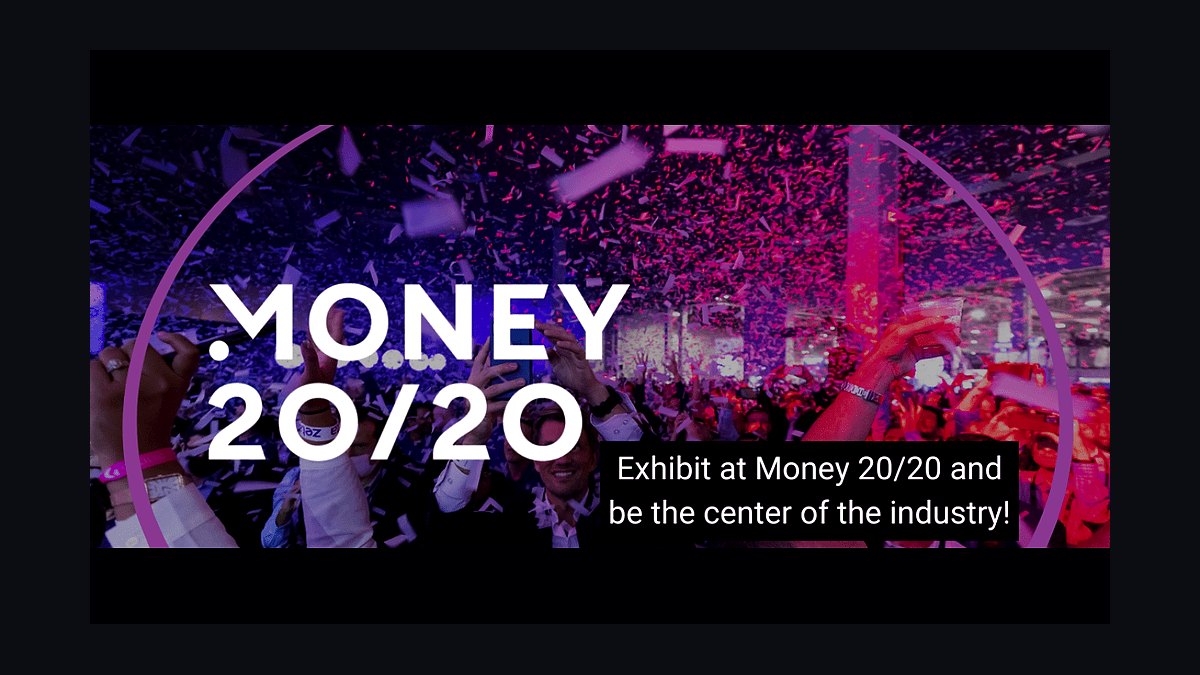
Money20/20 USA ranks first because it is the largest and most influential fintech conference in the world, drawing over 13,000 attendees and more than 3,000 companies to Las Vegas each October. Its speaker roster consistently features CEOs from JPMorgan Chase, Stripe, PayPal, and Visa, making it the single most concentrated gathering of fintech decision-makers globally. No other event combines this scale of executive access with a dedicated startup pitch arena and regulatory policy track.
It is built for senior executives, founders seeking Series B or later funding, and enterprise buyers evaluating vendor partnerships. The trade-off is cost: tickets routinely exceed $3,000 and hotels on the Strip surge during the event week. Compared to Money20/20 Europe at number two, the US edition is larger but less intimate, with fewer opportunities for spontaneous one-on-one conversations.
2Money20/20 Europe
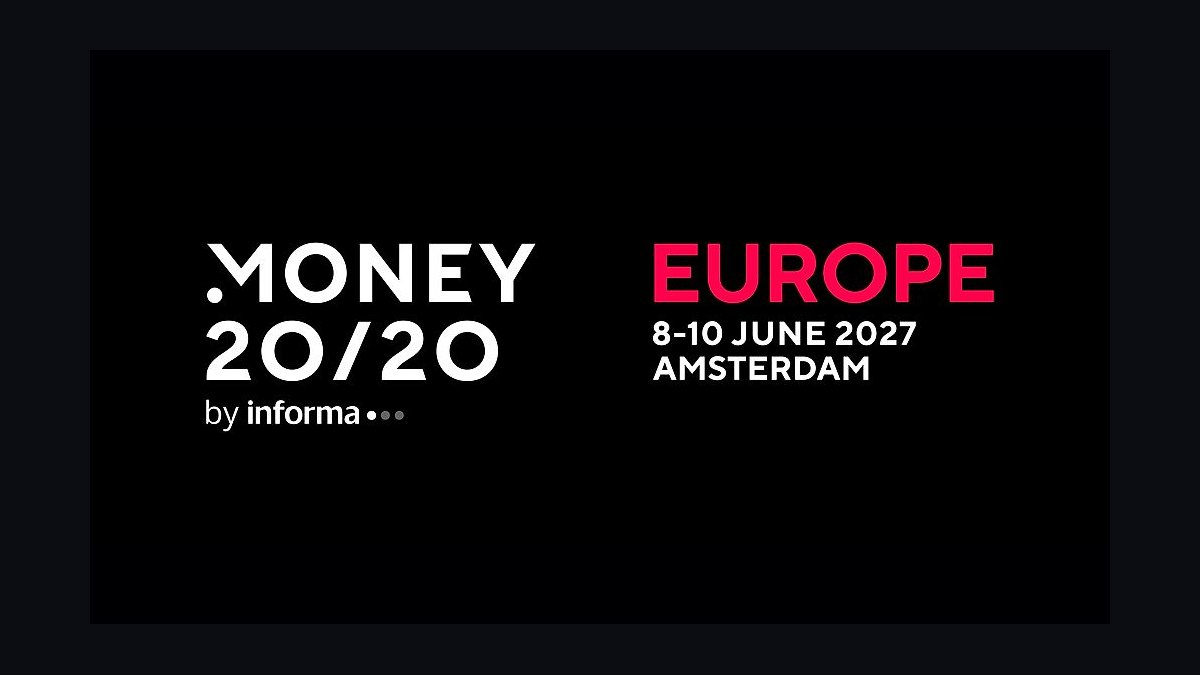
Money20/20 Europe ranks second as the definitive gathering for the European fintech ecosystem, held annually in Amsterdam with roughly 8,000 attendees from over 90 countries. It anchors the continent's regulatory conversation, with sessions frequently featuring European Banking Authority officials and executives from Revolut, Klarna, and Adyen. Its proximity to London, Frankfurt, and the Nordics makes it the most efficient single trip for anyone covering European payments and open banking.
It suits European founders, compliance officers, and banks navigating PSD2, PSD3, and the Digital Operational Resilience Act. The trade-off versus Money20/20 USA is scale and deal flow: fewer US venture capitalists attend, so late-stage American fundraising is harder here. Compared to the Web Summit at number three, it is more focused on financial services but less broad in technology themes.
3Web Summit Lisbon
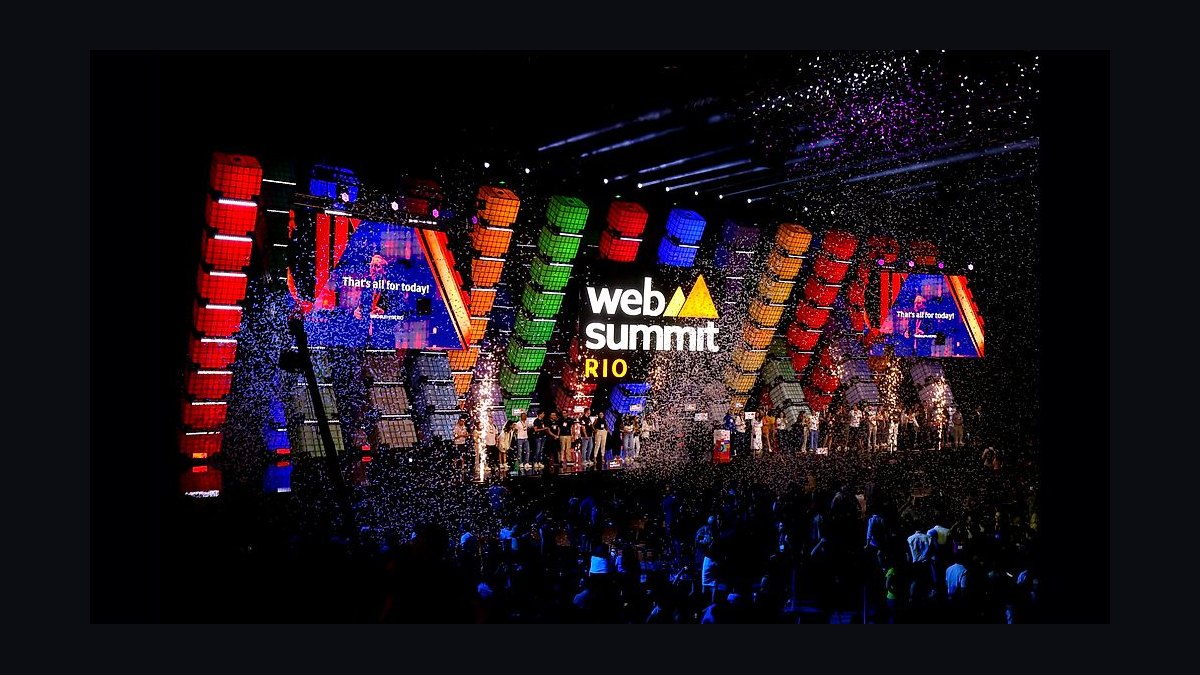
Web Summit Lisbon ranks third because with roughly 70,000 attendees it is the largest technology conference in the world, and its fintech track has grown into a substantial event in its own right. Held each November at the Altice Arena and FIL complex, it draws founders, investors, and policymakers including figures from the European Central Bank and major neobanks. Its scale creates unmatched serendipity for early-stage networking across fintech, AI, and SaaS.
It is best for early-stage founders, angel investors, and anyone wanting broad technology exposure rather than deep financial services specialization. The trade-off is signal-to-noise: with tens of thousands of attendees, meaningful fintech conversations require pre-booked meetings. Compared to Money20/20 Europe above it, Web Summit is cheaper and broader but far less concentrated on banking, payments, and regulation.
4Sibos
Sibos ranks fourth as the flagship conference of SWIFT, held in a rotating global city each October with around 8,000 attendees from banks, market infrastructures, and payment providers. It is the single most important event for cross-border payments, trade finance, and securities settlement, with sessions on ISO 20022 migration and CBDC pilots that directly shape industry standards. Attendance skews heavily toward established financial institutions rather than startups.
It is essential for correspondent banks, payment operations leaders, and vendors selling into tier-one institutions. The trade-off is relevance for consumer fintech: neobanks and retail lending startups find little direct value here. Compared to Money20/20 Europe above it, Sibos is more institutional and standards-focused but far less startup-friendly, with a higher proportion of bank delegates than venture investors.
5FinovateFall

FinovateFall ranks fifth because its demo-only format is unique: each presenting company gets exactly seven minutes on stage with no slides, forcing live product demonstrations in front of roughly 1,500 attendees in New York each September. This structure has launched hundreds of fintech products over nearly two decades and gives the audience an unusually honest view of what actually works. It remains the best single event for seeing early product innovation in banking technology.
It is ideal for bank innovation teams, product managers, and investors screening early-stage companies. The trade-off is depth: seven-minute demos rarely cover pricing, compliance, or integration complexity, so follow-up diligence is mandatory. Compared to Sibos above it, FinovateFall is smaller and more product-focused but lacks the institutional weight and standards-setting influence of the SWIFT gathering.
6Fintech Meetup
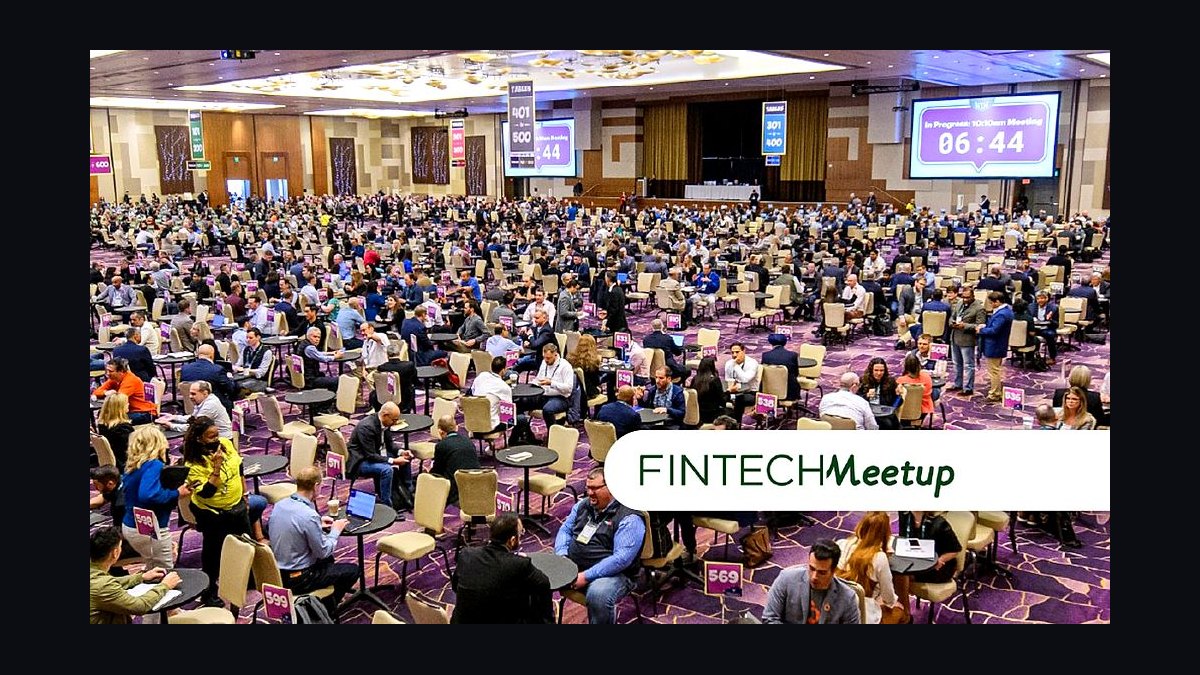
Fintech Meetup ranks sixth for pioneering a meetings-first format at scale, using algorithmic matchmaking to schedule tens of thousands of pre-arranged 15-minute meetings during its Las Vegas event each March. With around 4,000 attendees, it delivers a higher ratio of substantive business conversations per hour than almost any other conference. Its payments and banking infrastructure focus attracts both established processors and emerging platforms.
It is built for business development teams, sales leaders, and partnership executives who need measurable ROI from attendance. The trade-off is content: keynote sessions are secondary to meetings, so those seeking thought leadership or regulatory updates will find less value. Compared to FinovateFall above it, Fintech Meetup is more transactional and less product-demo oriented, trading stage time for scheduled deal-making.
7Singapore FinTech Festival
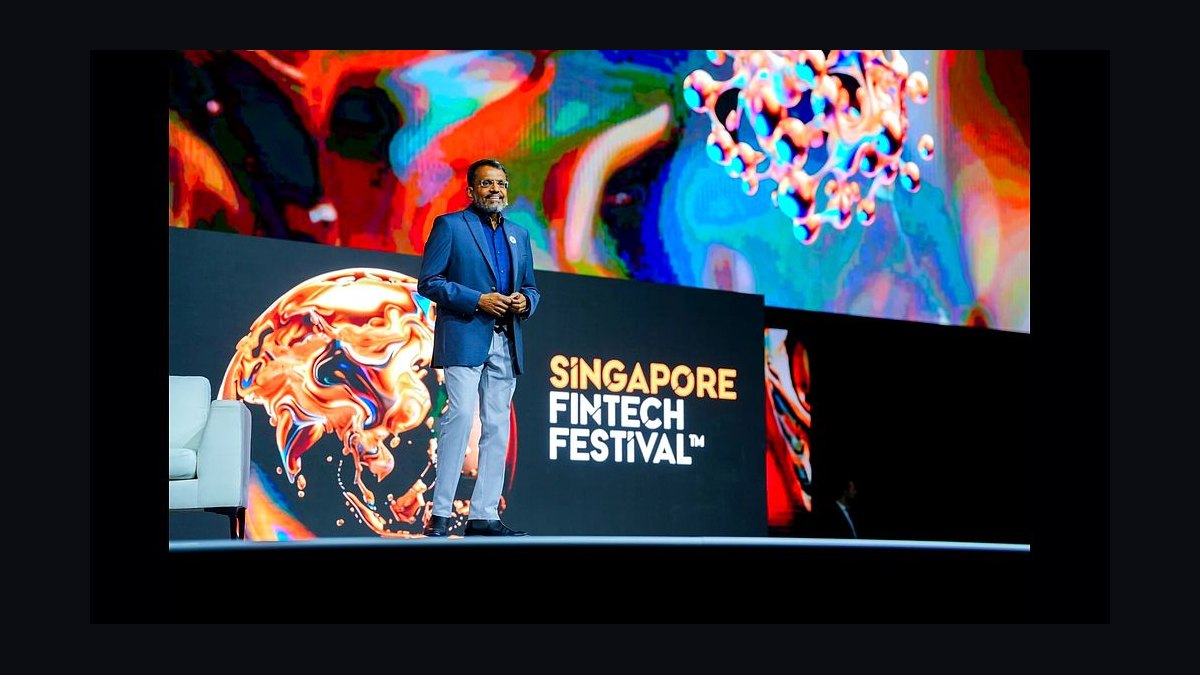
Singapore FinTech Festival ranks seventh as Asia's largest fintech gathering, organized by the Monetary Authority of Singapore and drawing over 60,000 attendees across a week each November. Its proximity to Asian regulators and sovereign wealth funds makes it the key venue for payments, digital assets, and cross-border policy discussions in the region. The Global FinTech Hackcelerator and Innovation Lab Crawl add hands-on programming beyond the main stage.
It suits founders and executives targeting Asia-Pacific expansion, plus regulators and central bankers focused on digital currency. The trade-off is travel cost and jet lag for Western attendees, and sessions can skew toward government messaging. Compared to Fintech Meetup above it, SFF is far larger and more policy-driven but offers fewer structured one-on-one business meetings.
8Consensus
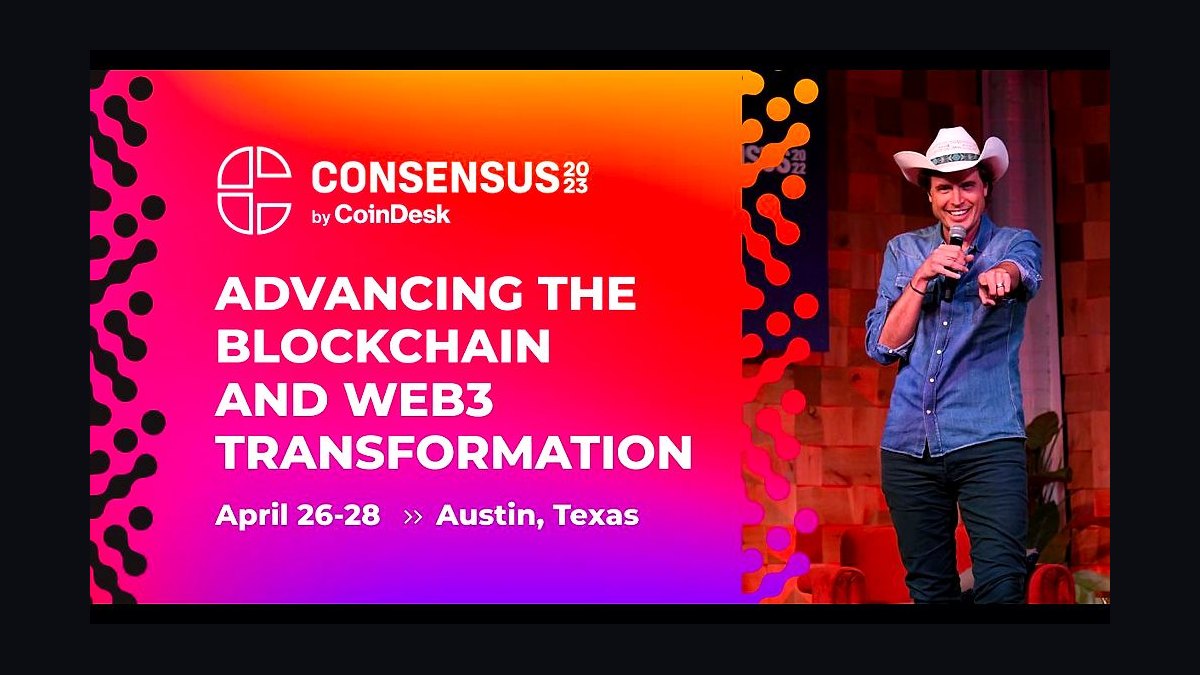
Consensus ranks eighth as the largest conference dedicated to blockchain, crypto, and digital assets, hosted by CoinDesk each spring with around 15,000 attendees. For fintech professionals working on stablecoins, tokenization, and digital asset infrastructure, it concentrates the builders, exchanges, and institutional players in one venue. Sessions regularly feature executives from Circle, Coinbase, and major custodial banks exploring regulated crypto rails.
It is aimed at crypto-native founders, digital asset teams inside banks, and investors in the sector. The trade-off is breadth outside crypto: traditional payments, lending, and insurtech get limited coverage. Compared to Singapore FinTech Festival above it, Consensus is more crypto-specialized and less regulator-heavy, but it lacks SFF's broad Asia-Pacific financial policy reach.
9Money20/20 Asia
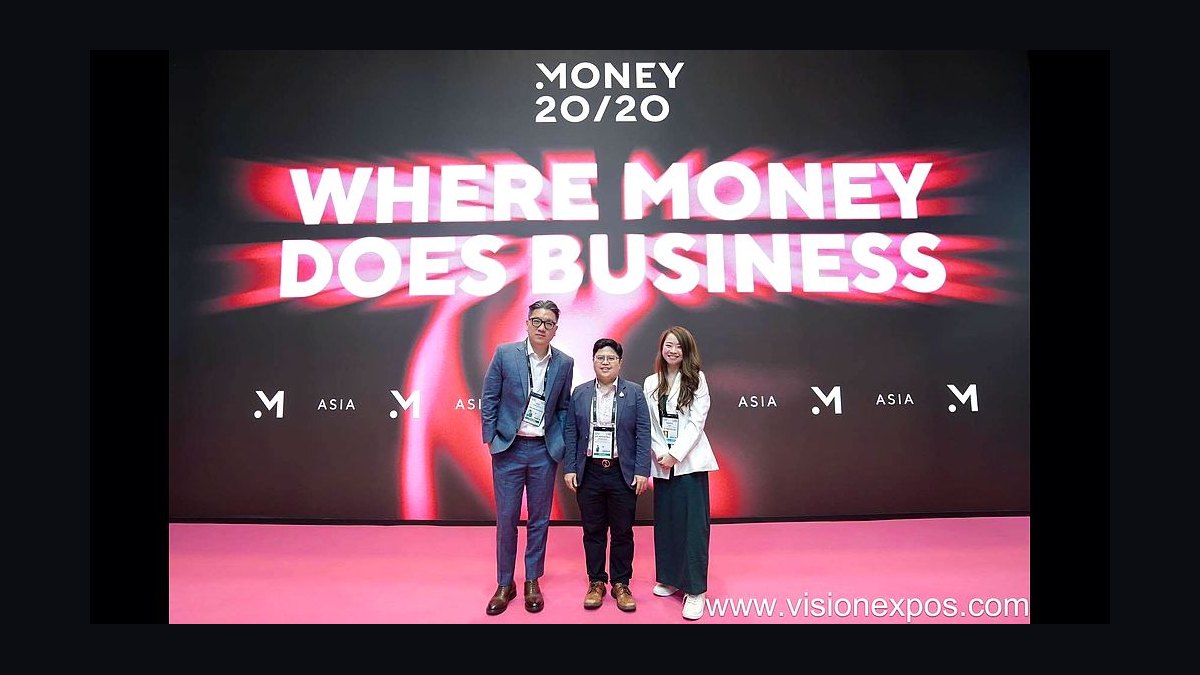
Money20/20 Asia ranks ninth as the regional edition of the Money20/20 franchise, held in Bangkok each April with roughly 3,000 attendees focused on Southeast and South Asian fintech. It covers mobile payments, embedded finance, and digital banking in markets like Indonesia, India, and Vietnam, with strong representation from local banks and super-apps. The smaller format allows more accessible access to regional executives than the flagship events.
It is best for companies entering Asian markets, regional venture investors, and local founders seeking international visibility. The trade-off is size: with a fraction of the attendees of Singapore FinTech Festival, deal flow and press coverage are narrower. Compared to Consensus above it, Money20/20 Asia is broader in financial services but smaller and less specialized in any single vertical.
10InsurTech Insights Europe
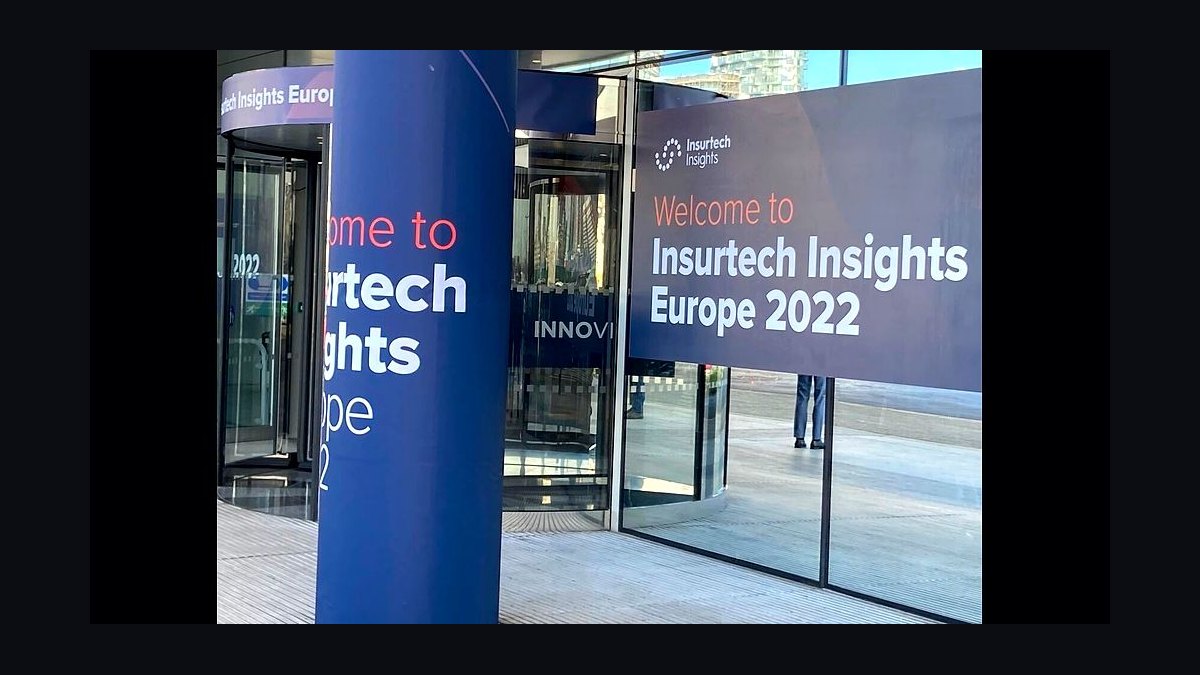
InsurTech Insights Europe ranks tenth as the largest dedicated insurance technology conference, held in London each March with around 6,000 attendees from insurers, brokers, and startups. It covers claims automation, underwriting AI, embedded insurance, and distribution platforms, with speakers from AXA, Allianz, and Lloyd's market participants. For anyone in insurance innovation, it is the most concentrated annual gathering in Europe.
It is intended for insurtech founders, carrier innovation teams, and reinsurance executives evaluating technology. The trade-off is narrow scope: banking, payments, and capital markets professionals will find little relevant content. Compared to Money20/20 Asia above it, InsurTech Insights is deeper within insurance but far narrower across financial services, making it a specialist rather than generalist pick.
How we ranked these
We ranked fintech conferences for 2027 by weighting five measurable factors: attendee seniority mix (30%), verified decision-maker attendance from prior-year rosters (25%), content depth across payments, lending, and embedded finance tracks (20%), exhibitor-to-attendee ratio (15%), and documented deal-flow outcomes such as announced partnerships or funding (10%). Scores came from public agendas, sponsor lists, and post-event reports.
We deliberately ignored ticket price, city prestige, and social-media buzz, because cost rarely predicts ROI and glamour venues often mask thin buyer density. We also excluded speaker fame and keynote celebrity, since a marquee name on stage does not guarantee the hallway conversations that actually close deals. Only signals tied to who attends and what gets signed carried weight.
What to look for
What matters most is whether the attendee list matches your buyer profile, not the keynote lineup. A payments infrastructure startup should prioritize events where issuers and processors send actual budget holders, while a lending platform needs conferences with bank credit officers in the room. Check prior-year attendee titles before paying.
The mistake most buyers make is choosing by brand recognition or location appeal, then sending junior staff who cannot close. They book the famous conference, collect badges, and leave without a single qualified conversation. Instead, verify who attended last year, ask for a sample roster, and send your most senior seller. Density beats prestige every time.
Related questions
What is the best fintech conference for networking in 2027?
The best networking event depends on your segment, but conferences with capped attendance and curated matchmaking consistently outperform mega-events. Look for gatherings under 2,000 attendees where organizers publish attendee titles and run structured one-on-one meetings. Smaller, senior-heavy events generate more qualified conversations per hour than sprawling expos where you spend the day walking between booths.
How far in advance should I book fintech conference tickets?
Book six to nine months ahead for major 2027 events. Early-bird pricing typically closes eight to ten months out, and nearby hotels sell out even faster during overlapping citywide events. If you need speaker slots or sponsor visibility, start twelve months ahead. Last-minute registration costs 30 to 50 percent more and often leaves you without accommodation options.
Are virtual fintech conferences worth attending in 2027?
Virtual events work for content and market scanning, not for deal-making. They cost less and remove travel friction, but spontaneous hallway conversations, the main source of partnerships, disappear. Use virtual attendance to evaluate whether an in-person event deserves your budget next year. Treat it as research, not as a substitute for being in the room.
Which fintech conference has the best exhibitor ROI?
Exhibitor ROI depends on attendee-to-exhibitor ratio and buyer seniority, not booth size. Events with fewer than 100 exhibitors and over 1,500 qualified attendees give each booth meaningful foot traffic. Ask organizers for last year's lead-scan totals and average attendee budget authority. Avoid expos where exhibitors outnumber buyers, since you will compete for attention all day.
What should I budget for attending a fintech conference in 2027?
Budget $2,500 to $6,000 per person for a major domestic event, covering ticket, flights, hotel, and meals. International conferences run $5,000 to $10,000 once you add visas and longer stays. Sponsorship packages start around $15,000 and scale past $100,000. Always add 15 percent contingency for price changes and last-minute travel adjustments.
How do I get a speaking slot at a fintech conference?
Submit proposals eight to ten months before the event, and pitch a specific, data-backed topic rather than a product demo. Organizers favor speakers who bring original research or customer case studies. If you are unknown, apply for panel slots first, then leverage that visibility for a keynote the following year. Relationships with program committees matter as much as your abstract.
Which fintech conferences focus on payments specifically?
Several major events dedicate entire tracks to payments, covering real-time rails, cross-border settlement, and fraud prevention. Look for agendas with issuer, acquirer, and network representation rather than generic blockchain panels. The strongest payments gatherings publish speaker rosters that include risk officers and product leads from card networks, which signals genuine industry depth rather than vendor marketing.
Is it better to attend or sponsor a fintech conference?
Attend first, sponsor later. Attending lets you evaluate attendee quality, floor traffic, and competitor presence before committing budget. Once you confirm your buyers show up, sponsorship amplifies your presence through booths, talks, and branding. Sponsoring blind wastes money on the wrong audience. Many teams attend one year, measure leads, then sponsor the next.
FAQ
How many fintech conferences should I attend per year?
Most sales and partnerships teams get the best return from three to five events annually. Fewer than three limits pipeline coverage across regions, while more than five exhausts staff and dilutes follow-up quality. Pick one flagship national event, one regional gathering, and one niche vertical conference aligned to your product. Quality of follow-up matters more than total badges collected.
What is the difference between a fintech conference and a fintech expo?
Conferences emphasize scheduled content, panels, and structured networking, while expos center on exhibition floors and vendor booths. Conferences suit relationship-building and learning; expos suit lead generation and product visibility. Many large events blend both formats. Decide which outcome you need before registering, because the attendee mix and daily rhythm differ significantly between the two styles.
Do fintech conferences offer continuing education credits?
Some do, particularly those focused on compliance, accounting, and risk management. Events accredited by professional bodies may offer CPE or CLE credits for specific sessions. Check the agenda for accreditation labels before registering if credits matter to your license. General strategy and networking conferences rarely provide formal credit, even when the content is technically substantive.
How can I maximize meetings at a fintech conference?
Request the attendee list early, shortlist twenty targets, and book meetings two to three weeks before the event. Block your calendar around sessions rather than attending everything. Leave gaps for spontaneous hallway conversations, which often outperform scheduled meetings. Follow up within 48 hours while your conversation is still fresh in the other person's memory.
Are fintech conferences good for startups?
Yes, if you choose events where investors and bank innovation teams attend. Startups benefit most from smaller conferences with pitch competitions, demo tables, and curated investor matchmaking. Avoid giant expos where you cannot afford visibility. Many accelerators subsidize startup tickets, so ask organizers about discounted passes before paying full price for a booth.
What industries overlap most with fintech conferences?
Banking, insurance, e-commerce, and healthcare frequently overlap with fintech programming. Insurtech and embedded finance tracks now appear at general banking events, while retail and marketplace conferences add payments sessions. If your buyers sit in adjacent industries, attend their vertical conferences too. Cross-industry attendance often produces warmer leads than pure fintech crowds.
How do I evaluate a fintech conference before committing?
Request last year's attendee demographics, exhibitor list, and post-event report. Ask what percentage of attendees hold budget authority and how many were first-timers. Check whether the agenda changed meaningfully year over year or recycled the same panels. Speak to two past attendees in your segment. If organizers hesitate to share data, treat that as a warning sign.
What is the best way to follow up after a fintech conference?
Send personalized messages within 48 hours referencing your specific conversation. Connect on LinkedIn the same day, then follow with email. Segment contacts by interest level and route hot leads to sales immediately. Add everyone else to a nurture sequence. Most deals from conferences close months later, so consistent follow-up matters more than the initial handshake.
Will AI dominate fintech conference agendas in 2027?
Yes, AI will appear across nearly every track, from fraud detection to underwriting and customer service. Expect fewer standalone AI keynotes and more embedded sessions showing production use cases with measurable results. Buyers are tired of hype, so conferences that showcase deployed systems with real metrics will stand out. Evaluate whether AI content addresses your specific compliance and data constraints.
How do I justify fintech conference travel to my finance team?
Tie attendance to pipeline targets, not learning goals. Estimate meetings booked, qualified leads expected, and historical conversion rates from similar events. Present a cost-per-lead comparison against digital campaigns. Commit to a post-event report with actual numbers. Finance teams approve travel when they see a measurable return framework rather than vague networking benefits.
Sources
- https://www.money2020.com/
- https://www.fintechfestival.com/
- https://sibos.com/
- https://www.fintechsurge.com/
- https://www.americanbanker.com/
- https://www.pymnts.com/
- https://www.finextra.com/
- https://www.thefintechtimes.com/
Related on PULSE
This page will be disappearing soon. Save it to your device for $1 — or read it free while it is here.
@Kory-White- · if Venmo asks, the last 4 of my number are 2012
This page is gone.
This one is off the shelf now. $1 keeps it on your phone for good — the whole page, pictures and diagrams included.
 revopsThe 10 Best Executive Networking Conferences in 2027
 revopsThe 10 Best Digital Marketing Conferences in 2027
 revopsThe 10 Best Hacker Conventions in 2027
 revopsThe 10 Best Machine Learning Conferences in 2027
 revopsThe 10 Best Payments Industry Conferences in 2027
 revopsThe 10 Best AR and VR Conferences in 2027
 revopsThe 10 Best Product Management Conferences in 2027
 revopsThe 10 Best Leadership Conferences in 2027
 revopsThe 10 Best Franchise Expos in 2027
 revopsThe 10 Best Privacy and Data Protection Conferences in 2027