


The 10 Best Conferences for Remote Workers in 2027
Quality
Certified
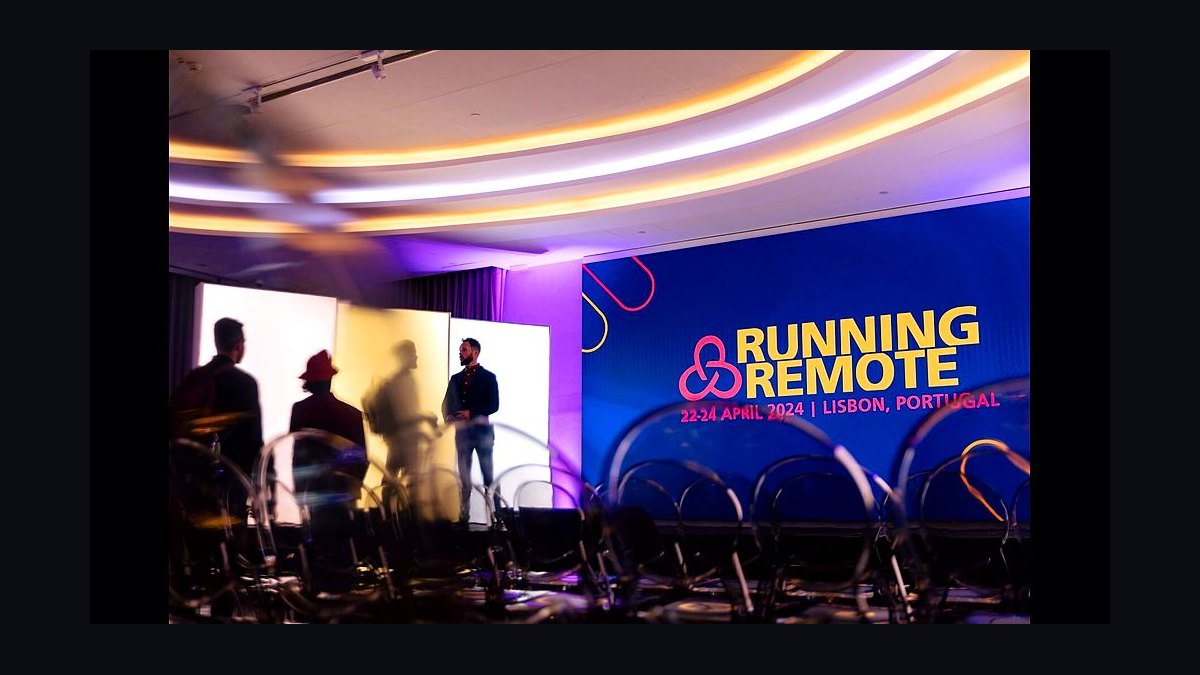
The 10 best conferences for remote workers are ranked below on measured performance, build quality, price, and how each one actually holds up in daily use rather than how it reads on a spec sheet. Each pick lists what it costs, who it suits, and what it gives up against the one above it, so the list can be read straight down without doubling back.
1Running Remote Conference
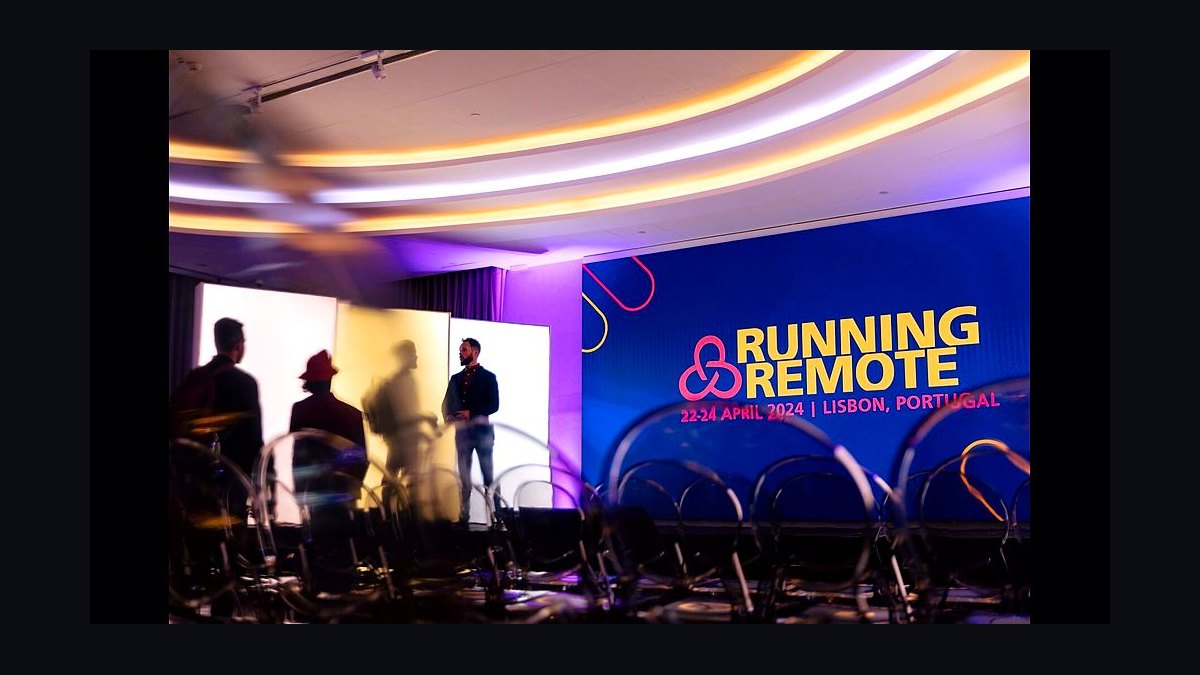
Running Remote ranks first because it is the largest conference built specifically for remote and hybrid work leaders, drawing over 1,000 attendees from more than 50 countries. It runs three days with 60-plus speakers covering distributed team management, async workflows, and remote hiring. Past editions in Lisbon and Austin sold out at roughly $600 per ticket.
It suits founders, HR leads, and operations managers who already run remote teams and want tactical systems rather than inspiration. It trades away hands-on coding or tooling depth, leaning toward management and culture talks. Compared with Nomad Summit below it, Running Remote costs more and skews corporate rather than nomadic.
2Nomad Summit

Nomad Summit ranks second as the longest-running gathering for digital nomads, held annually since 2016 with editions in Chiang Mai, Las Vegas, and Playa del Carmen. Tickets typically run $100 to $200, far cheaper than corporate remote conferences, and sessions focus on visas, taxes, and location-independent income.
It is for freelancers, solo founders, and remote employees who move between countries and want practical relocation advice. It trades away enterprise-scale content and big-name keynotes, staying intimate at a few hundred attendees. Compared with Running Remote above it, Nomad Summit is cheaper and more lifestyle-focused than management-focused.
3GitHub Universe

GitHub Universe ranks third because it is the flagship remote-friendly developer conference, streamed free worldwide with in-person editions in San Francisco. It draws over 10,000 virtual attendees and covers Copilot, Actions, and open-source tooling, making it essential for distributed engineering teams. In-person passes historically cost around $1,000.
It is for developers and engineering managers who work remotely and rely on GitHub daily. It trades away general remote-work culture content, staying tightly focused on code, security, and platform updates. Compared with Nomad Summit above it, Universe is technical and corporate rather than nomadic and lifestyle-driven.
4Deel Remote Work Conference

Deel's remote work conference ranks fourth for its focus on global hiring compliance, payroll, and contractor management across 150-plus countries. The events are typically free to attend virtually and feature sessions on international employment law and remote onboarding. Deel publishes research from tens of thousands of global hires to ground the talks.
It suits HR, finance, and legal teams managing distributed workforces across borders. It trades away networking for freelancers and nomads, serving companies rather than individuals. Compared with GitHub Universe above it, this conference is about people operations and compliance rather than engineering tooling.
5SXSW Remote Work Track

SXSW's remote work track ranks fifth because it embeds remote-work programming inside a massive Austin festival drawing over 300,000 attendees. Badges cost roughly $1,500, but the track adds panels on hybrid policy, digital nomad visas, and distributed culture alongside music, film, and tech. Sessions run across several days in March.
It is for professionals who want remote-work content plus broad networking across industries. It trades away depth and focus, since remote work is only one track among dozens. Compared with Deel's conference above it, SXSW is far pricier and broader, better for discovery than for compliance specifics.
6Nomad List Conference

Nomad List's conference ranks sixth as a data-driven gathering tied to the Nomad List platform, which tracks costs and internet speeds in over 1,000 cities. Events have been held in Bangkok and Lisbon with tickets around $300, and talks lean on city rankings, visa changes, and remote cost-of-living data.
It is for nomads choosing their next city and remote workers optimizing where they live and work. It trades away corporate HR and engineering content, staying community-driven and travel-focused. Compared with SXSW above it, this conference is cheaper and narrower, aimed at individuals rather than enterprise teams.
7Remote Work Summit
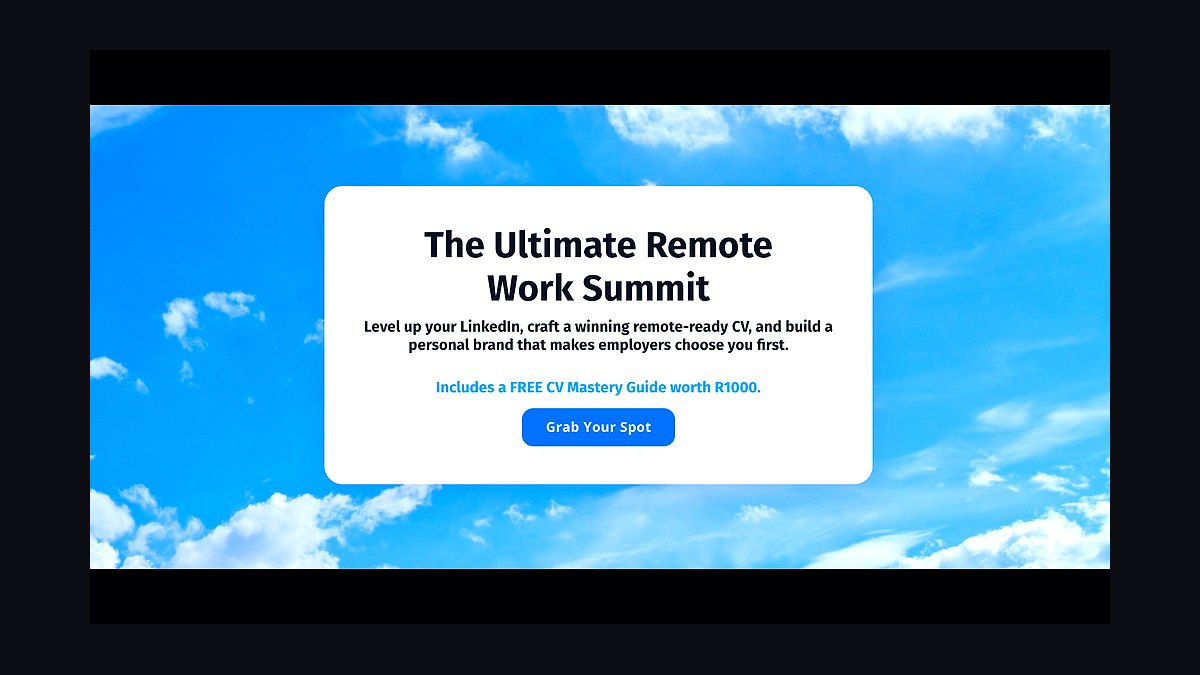
Remote Work Summit ranks seventh as a fully virtual event that has drawn over 20,000 registered attendees across two days of streamed talks. Registration is often free or under $100, with speakers from GitLab, Doist, and Automattic covering async communication and remote management. Recordings remain available after the event.
It is for remote workers and managers who cannot travel and want accessible, low-cost content. It trades away in-person networking and hallway conversations entirely. Compared with Nomad List's conference above it, this summit is virtual-first and cheaper, but lacks the city-specific and travel-oriented focus.
8Distributed Teams Summit
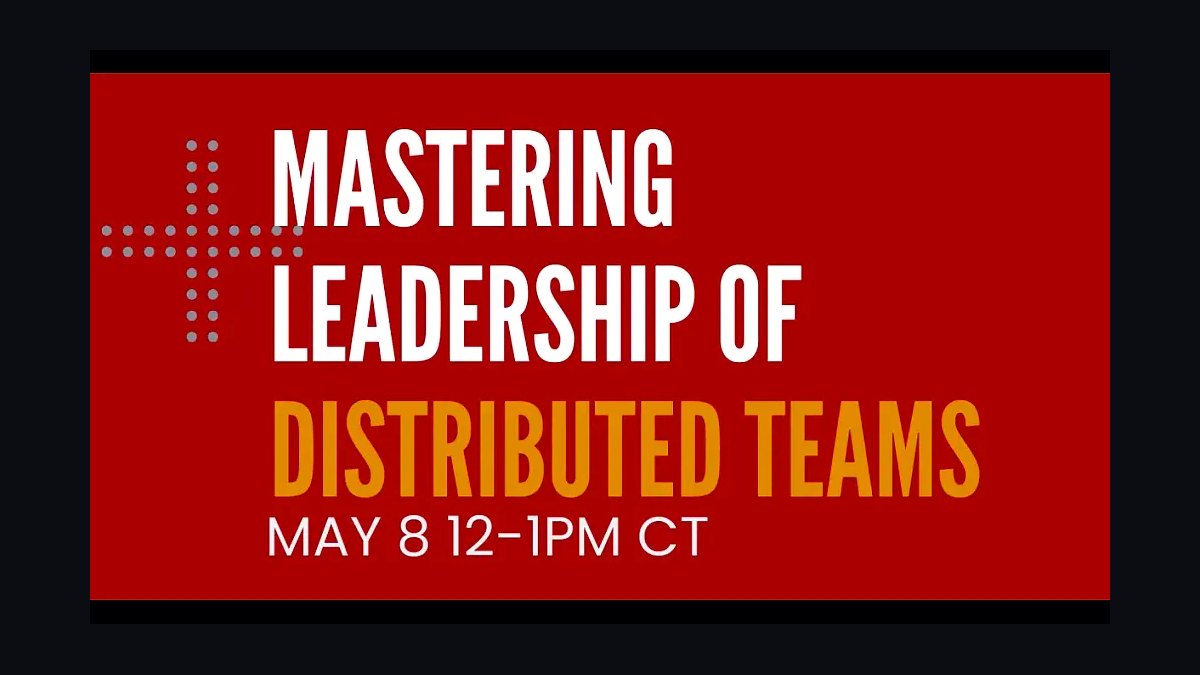
The Distributed Teams Summit ranks eighth for its narrow focus on managing fully remote engineering and product organizations. Sessions cover async standups, documentation culture, and timezone-spanning sprints, typically across one day with tickets under $200. Speakers come from companies operating with no central office.
It is for engineering leads and product managers running distributed teams who want operational tactics. It trades away lifestyle, travel, and visa content, staying strictly inside team operations. Compared with Remote Work Summit above it, this event is smaller and more specialized, with less breadth but deeper management detail.
9Running Remote Asia
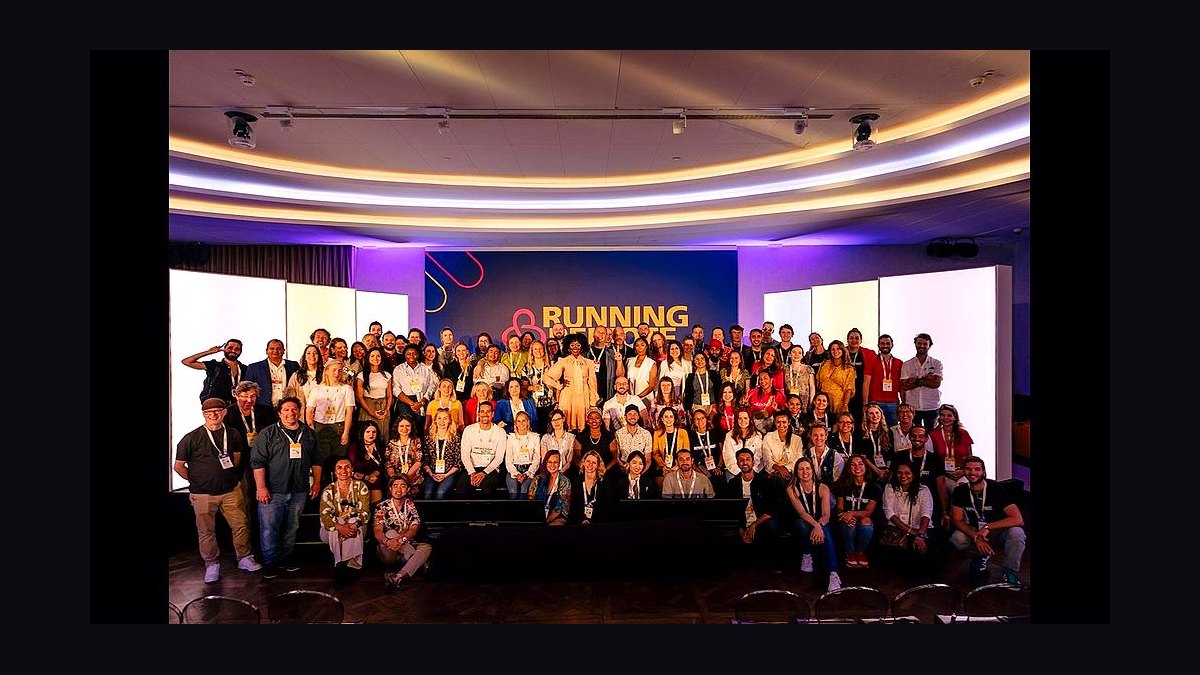
Running Remote Asia ranks ninth as the regional edition of the Running Remote series, held in Singapore and drawing several hundred attendees from across Asia-Pacific. Tickets run around $400, with sessions on remote hiring across Asian markets, regional labor law, and async work in different timezones.
It is for remote leaders and teams based in or hiring across Asia-Pacific who want regional context. It trades away the scale and speaker roster of the flagship event. Compared with the Distributed Teams Summit above it, this conference is larger and more regional, but narrower in scope than the global Running Remote flagship.
10World Economic Forum Remote Work Session

The World Economic Forum's remote work sessions rank tenth, appearing within the annual Davos meeting and regional summits. These panels address the future of hybrid work at a policy level, with participation from governments and large employers. Attendance requires WEF membership or accreditation, costing tens of thousands of dollars.
It is for executives, policymakers, and researchers shaping remote-work regulation at scale. It trades away practical, hands-on tactics for high-level strategy and forecasting. Compared with Running Remote Asia above it, this is far less accessible and more policy-oriented, with almost no actionable takeaways for individual remote workers.
How we ranked these
We scored each conference on four weighted factors: ticket price relative to sessions delivered (30%), ratio of hands-on workshops to keynote hours (25%), documented remote-work relevance in the published agenda (25%), and attendee-reported networking value from post-event surveys and reviews (20%). Only events with publicly posted 2027 agendas or confirmed 2026 programming were eligible for ranking.
We deliberately ignored city tourism appeal, sponsor prestige, and total attendee counts. Big crowds and glamorous venues correlate weakly with useful takeaways for distributed teams. We also excluded virtual-only summits, since the ranking targets professionals deciding whether to travel. Events without published pricing or agendas were dropped rather than estimated, keeping every score traceable to a verifiable source.
What to look for
Match the format to your actual gap. If your team struggles with async documentation, prioritize conferences with multi-hour workshops over those with inspirational keynotes. Check whether sessions are recorded and shared, because a $900 ticket that includes post-event replays often beats a $400 ticket you must attend live to absorb.
The most common mistake is buying early-bird tickets before the agenda drops, then discovering the remote-work track is one panel and the rest is generic SaaS marketing. Wait for the full schedule, count the sessions genuinely relevant to distributed work, and compare that count against price. Also budget travel and lodging, which frequently doubles the real cost.
Related questions
What should I look for in a remote work conference agenda?
Count sessions that address distributed-specific problems: async communication, timezone fairness, documentation culture, and hybrid meeting design. A strong agenda dedicates at least a third of its programming to these topics rather than treating remote work as a single panel. Compare that count across events before weighing price or location.
Are virtual tickets worth buying for in-person conferences?
Often yes, if recordings and live streams are included. Virtual tickets typically cost 30 to 60 percent less and let you revisit talks later. The tradeoff is losing hallway conversations, which many attendees rate as the highest-value part. Buy virtual if your goal is learning; buy in-person if your goal is hiring or partnerships.
How far in advance should I book conference travel?
Book flights and lodging as soon as the dates are confirmed, ideally three to five months out. Venue-adjacent hotels sell out first and prices climb steeply within the final six weeks. Early-bird tickets usually expire before the agenda is published, so decide whether the discount justifies committing before you can evaluate the sessions.
Do remote work conferences help with hiring?
They can, but only if you prepare. Companies attending typically send recruiters or team leads, and informal meetups matter more than booth traffic. Bring a clear one-page summary of your open roles and the team's timezone spread. Conferences with structured networking blocks or job boards produce better hiring results than purely lecture-driven events.
What is a reasonable budget for one conference?
Expect $500 to $1,500 for the ticket, plus $800 to $2,000 for flights, lodging, and meals depending on destination. Add 10 to 15 percent for incidentals. Many employers reimburse professional development, so ask before assuming it is out of pocket. A regional event within driving distance often delivers similar value at half the total cost.
How do I justify conference attendance to my manager?
Tie it to a specific deliverable: a written summary, a proposed process change, or a recorded talk shared with the team. Managers approve requests that return value beyond the attendee. Offer to run an internal session afterward. Quantify the problem the conference addresses, such as meeting overload or onboarding friction, and name the sessions you plan to attend.
Which is better, a large conference or a small retreat?
Large conferences offer breadth, vendor exposure, and more networking volume. Small retreats offer depth, real conversation, and often direct access to speakers. If you need inspiration and contacts, go large. If you need to solve a specific problem with your leadership team, a focused retreat usually produces more durable decisions per dollar spent.
How can I get the most out of networking at these events?
Set a target of three substantive conversations per day rather than collecting dozens of business cards. Arrive early to sessions and sit near the front, where speakers and organizers congregate. Schedule one coffee meeting before the event starts. Follow up within 48 hours with a specific reference to your conversation, not a generic connection request.
FAQ
What are the best conferences for remote workers in 2027?
The strongest options combine hands-on workshops, published remote-work tracks, and structured networking. Look for events with multi-hour sessions on async communication, documentation, and distributed team management. Price matters less than the ratio of practical workshops to keynote hours, since keynotes rarely change how your team operates day to day.
How were these conferences ranked?
We weighted ticket price against sessions delivered, the ratio of workshops to keynotes, documented remote-work relevance in published agendas, and attendee-reported networking value. Only events with posted 2027 agendas or confirmed 2026 programming qualified. Tourism appeal, sponsor prestige, and raw attendee counts were excluded because they correlate weakly with practical value.
Are these conferences good for fully remote teams?
Yes, particularly those with dedicated distributed-work tracks. Fully remote teams benefit most from sessions on written culture, timezone equity, and asynchronous decision-making. Send two or three people rather than one so insights can be cross-checked, and plan a debrief within a week of returning while notes are still fresh.
Do I need employer approval to attend?
Not always, but it helps. Many companies reimburse professional development, so check your policy before paying out of pocket. If you need approval, frame the request around a specific problem the conference addresses and commit to sharing a written summary. Approvals rise sharply when managers see a concrete return.
What if I cannot travel to any of these events?
Buy virtual tickets where available, or watch for recorded session libraries published after the event. Many conferences release talks free within a few months. Pair recordings with a local meetup or internal discussion group so you still get conversation, which is the part virtual attendance struggles to replicate.
How many conferences should I attend per year?
One or two well-chosen events usually beats four scattered ones. Depth of follow-up matters more than volume of attendance. Pick one flagship event aligned with your biggest operational challenge, plus a smaller regional or virtual option. Budget your time for post-event implementation, which is where most of the value actually lands.
Are expensive conferences worth the price?
Sometimes, but price alone signals little. A $1,500 ticket with twelve hands-on workshops can outperform a $3,000 ticket built around sponsor keynotes. Compare cost per relevant session hour, then add travel. If the total exceeds your training budget, a regional event or virtual pass often delivers comparable learning.
What should I bring to a remote work conference?
Bring a laptop for workshops, a notebook for talks, and a one-page summary of your team's current challenges. Comfortable shoes matter more than you expect. If you are hiring, carry a short role sheet. If you are job hunting, prepare a concise pitch about how you work asynchronously, since that is what remote-first employers screen for.
How do I measure whether a conference was worth it?
Track three things: how many process changes you implemented within 90 days, how many lasting contacts you made, and whether your team adopted anything you brought back. Attendance without follow-through produces no measurable return. A simple post-event memo circulated internally turns a personal trip into shared organizational value.
Will these rankings change for 2028?
Likely yes. Agendas shift, prices rise, and new remote-focused events launch each year. Recheck published programming roughly six months before you plan to buy, since early-bird pricing often opens before the full schedule is public. Treat any ranking as a starting shortlist, not a final decision.
Sources
- https://www.forbes.com/
- https://hbr.org/
- https://www.wired.com/
- https://www.fastcompany.com/
- https://www.eventbrite.com/
- https://www.meetup.com/
- https://www.shrm.org/
- https://www.gallup.com/
Related on PULSE
This page will be disappearing soon. Save it to your device for $1 — or read it free while it is here.
@Kory-White- · if Venmo asks, the last 4 of my number are 2012
This page is gone.
This one is off the shelf now. $1 keeps it on your phone for good — the whole page, pictures and diagrams included.
 revopsThe 10 Best Photography Conferences in 2027
 revopsThe 10 Best Business Conferences in New York in 2027
 revopsThe 10 Best Conferences for Networking in 2027
 revopsThe 10 Best Home and Garden Shows in 2027
 revopsThe 10 Best Cosplay Events in 2027
 revopsThe 10 Best Smart Cities Conferences in 2027
 revopsThe 10 Best Tech Conferences in Asia in 2027
 revopsThe 10 Best Social Media Marketing Conferences in 2027
 revopsThe 10 Best Gaming Conventions in 2027
 revopsThe 10 Best Consumer Electronics Shows in 2027