


Should I open or buy a NaturaLawn of America franchise in 2027?
Quality
Certified

Open a NaturaLawn of America franchise in 2027 only if you can put $150K liquid behind a Mid-Atlantic, Northeast, or Mountain West territory where glyphosate rules are tightening, and you personally run the first two spring canvasses. Expect breakeven around months 14–22 and roughly $1.4M revenue by Year 4.
The scenario that actually decides this
Picture two buyers signing the same franchise agreement in January 2027. Both put down $29,500 for the initial franchise fee, both land inside the $78,000–$153,000 all-in range from FDD Item 7, and both get a protected territory of 40,000–70,000 single-family homes.
Buyer A takes a three-zip-code cluster outside Baltimore. Median household income runs north of $85,000, lots sit between a quarter acre and an acre, and the county has already restricted glyphosate on public property with private-application rules under debate. She knocks 4,000 doors between February and April, signs about 150 prepaid annual programs before the first truck rolls, and rides the route herself through July because she wants to hear every cancellation reason firsthand. Her first fall she books renewals at a rate she can actually forecast against.
Buyer B takes a Phoenix territory because the population growth chart looked irresistible. TruGreen already holds somewhere between 40% and 60% of that market. Lawn Doctor and Weed Man take another slice. His homeowners run Bermuda and St. Augustine, warm-season grasses that shrug off synthetic applications, and half his target neighborhoods are xeriscaped gravel with a decorative strip of turf. The organic-based pitch — the entire reason NaturaLawn commands a premium — lands as a shrug. He hires a general manager at $65,000 on day one because he lives two states away.
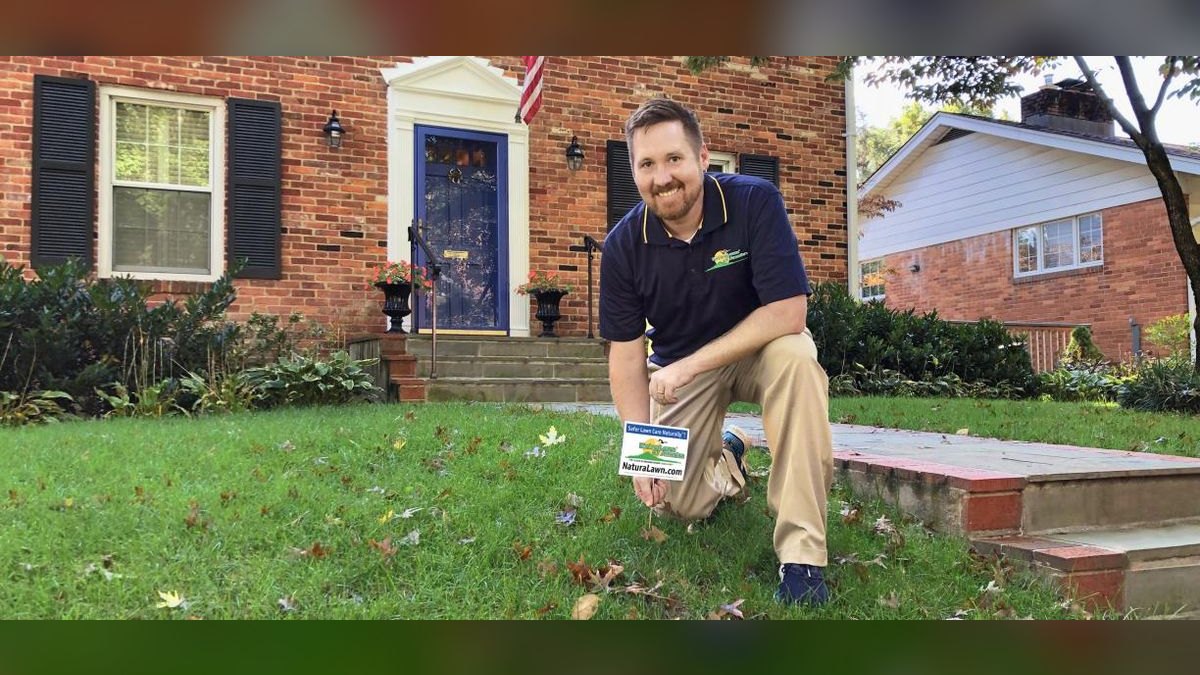
Same brand. Same fee stack. Two completely different businesses. That gap is the real answer to whether you should open or buy one of these, and it has almost nothing to do with the franchisor. It has to do with three variables you control before you sign: where the territory sits, what the regulatory trend line looks like in that specific county, and whether you personally intend to sell for two seasons.
The reason this scenario matters more than the average franchise-evaluation exercise is that lawn care is a route business. Route businesses don't have a store that customers walk into. Demand is generated by the owner, door by door and referral by referral, and it's delivered by a truck that costs money every minute it's driving between jobs instead of standing still at one. Every other decision in the model is downstream of that.
How the route-density mechanism actually works
The single number that determines whether a NaturaLawn unit clears margin or grinds along at breakeven is stops per truck per day. Nothing else in the P&L moves as much.
Here's the mechanic. A technician working an eight-hour day spends time on two activities: treating lawns and driving between them. Treating a typical quarter-acre residential lawn with a five-to-seven-step program application takes a modest fixed window — call it fifteen to twenty-five minutes including setup, walk-around, application, and the door hanger. That's the productive time. Drive time is pure cost. It burns fuel, it burns wage hours, and it produces zero revenue.

If your customers are packed into three adjacent zip codes, drive time between stops might average four to seven minutes. A tech can realistically hit 20 to 28 lawns a day. If your customers are scattered across the full 70,000-home territory because you said yes to every inbound call in Year 1, drive time between stops climbs to fifteen or twenty-five minutes and the same tech does 10 to 14 lawns. Same wage. Same truck payment. Same insurance. Roughly half the revenue.
Now layer the fee stack on top. Royalty runs 9% of gross sales, dropping to 7% on renewal, plus a 1% national advertising fund. At a mature $1.4M unit that's $140,000 off the top before you've paid a single technician. Add direct labor and materials at 45–55% of revenue and you can see why the density math isn't a nice-to-have. The fixed and percentage costs don't care how efficient your routing is. Only your revenue per truck-day does.
This is also why the discipline that feels hardest — refusing an outlier address — is the highest-leverage thing a new owner does. A customer forty minutes outside your cluster paying $65 a month looks like free revenue. It isn't. It's a recurring 80-minute round trip on eight visits a year that fragments the route and displaces stops you could have served in that window. Mature operators quote those addresses at a deliberate premium or decline them outright for the first twelve months.
Route-management software is the second half of the mechanism. Real Green and Service Autopilot sit in the $400–$900/month range and they earn it by sequencing stops, tracking application history for agronomy compliance, and flagging which neighborhoods have enough density to justify a same-day return. Operators running routes off a spreadsheet in Year 2 are leaving several points of margin on the table.
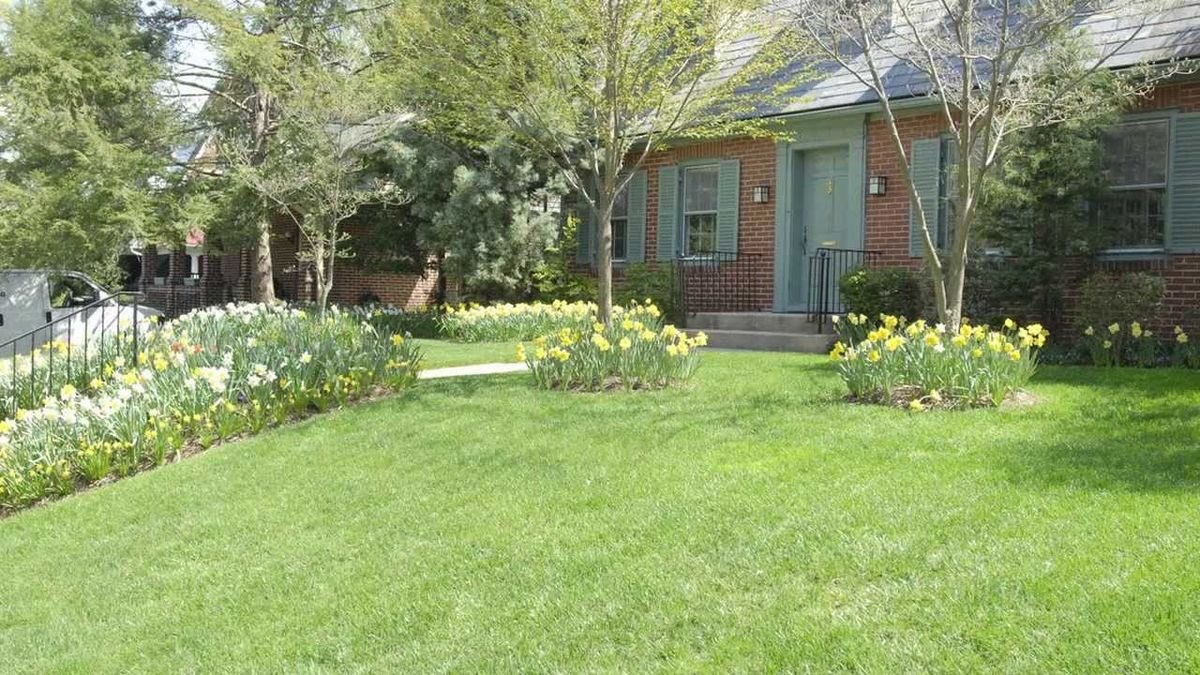
The compounding effect at the bottom of that diagram is worth dwelling on. Referrals in a dense cluster don't just lower customer acquisition cost — they lower it in exactly the geography where a new stop is cheapest to serve. Your neighbor-referral customer is, by definition, next door to an existing stop. Paid leads from Angi or Google Local Services arrive geographically random. That's why the blended-CAC gap between referral-heavy and paid-only operators is so wide: paid residential leads in these markets run roughly $85–$140 for a qualified one, while operators with a working referral and canvass motion pull blended acquisition cost down to something like $35–$55.
The numbers you should underwrite to
Build your model on the disclosure document, not the brochure. Pull the current FDD directly from the franchisor and read Items 5, 6, 7, 12, 19, 20, and 21 in that order.
The capital stack for a single territory looks roughly like this. Initial franchise fee: $29,500. Total initial investment per Item 7: $78,000 to $153,000. The franchisor's published thresholds sit around $50,000 liquid and $250,000 net worth, but that's the floor to get a conversation, not the number that makes the deal survivable. Underwrite to $150,000 liquid and $300,000 net worth, because the difference between those two figures is the working-capital cushion that carries you through your first October.
Inside that Item 7 range, the money goes to: a leased warehouse-office of roughly 1,500–3,000 square feet ($18,000–$40,000 for Year-1 rent plus deposit); one spray truck with a 600-gallon tank, used, at $35,000–$55,000; startup agronomy inventory of $8,000–$15,000 covering organic-based fertilizer, corn gluten meal, iron chelates, and biological controls; the software stack at $400–$900 monthly; uniforms and vehicle signage at $2,000–$4,000; and working capital of $25,000–$50,000 to cover payroll for the four to six months before route density carries fixed cost. There's no retail build-out, which is why the entry number is low for the sub-sector.

On the revenue side, Item 19 puts mid-system average gross sales near $1.41M, with top-quartile units above $2.2M. For context, the broader landscaping services sub-sector averages closer to $950,000 per establishment, so the brand does deliver real revenue lift over an independent shop. Mature-unit operating margin lands in the 12–15% EBITDA band, which at $1.41M means roughly $170,000–$212,000. Payback on the initial investment typically runs three and a half to five years.
Model the ramp conservatively. A defensible five-year projection: minimal gross in Year 1 if you open mid-season, roughly $450,000 in Year 2, $850,000 in Year 3, $1.2M in Year 4, and $1.4M in Year 5. Then stress it. Run labor at 40% of revenue rather than the comfortable number, materials at 14%, royalty plus ad fund at 10%, and fixed overhead around $180,000. Solve for the breakeven month under those conditions. If the model only works at 33% labor, you don't have a model — you have a hope.
Two 2027-specific cost pressures deserve their own line in that stress test. Labor first: landscaping consumes a larger share of H-2B seasonal visas than any other U.S. industry, and a majority of green-industry contractors report a tighter labor market than they faced pre-2020. Technician wages that sat at $15–$18 an hour in 2020 now command something closer to $22–$30 depending on market and certification. Operators who don't lock multi-year wage structures, offer winter retention incentives, or invest in routing efficiency watch labor climb past 38% of revenue, and at that level the 15% EBITDA line is simply unreachable.
Second, acquisition cost. Paid residential lead costs have risen sharply since 2022 across Google Local Services, Angi, Thumbtack, and Meta lead-gen. If your model assumes paid channels do the customer acquisition work, your CAC line will be double what a canvass-and-referral operator carries, and that difference shows up as four or five points of permanent margin.
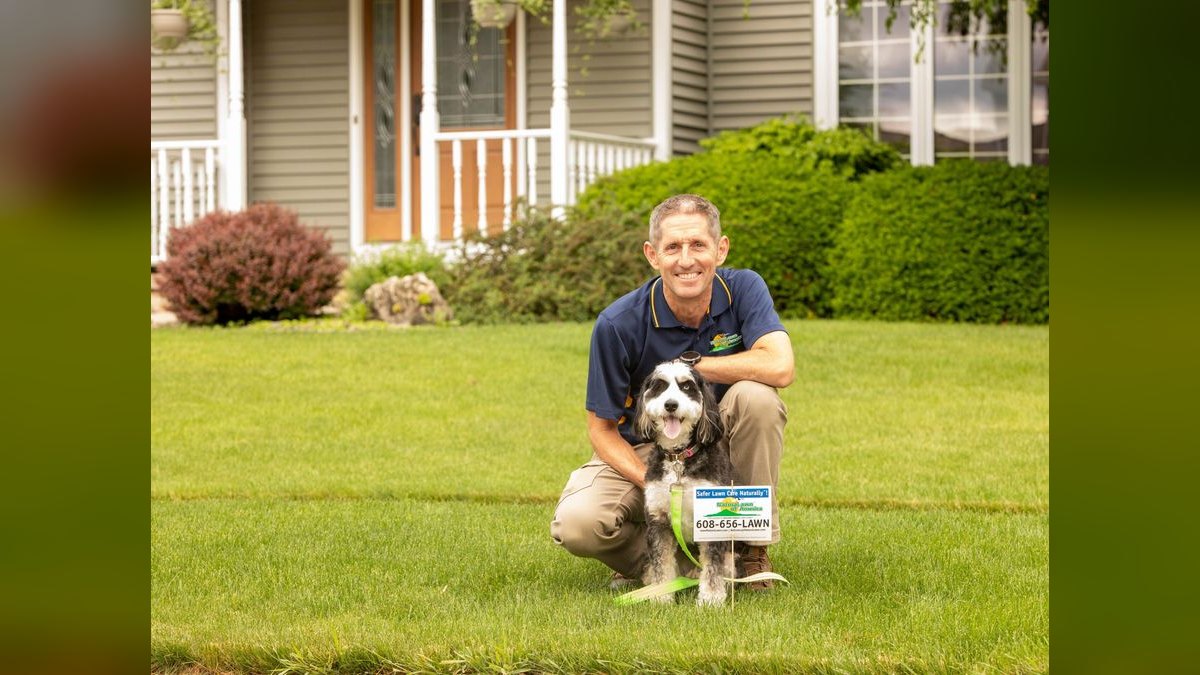
The seasonality of the cash curve is the third thing spreadsheets tend to flatter. Roughly 70% of revenue books between April and September. Payroll, rent, insurance, truck payments, and royalty run all twelve months. Prepaid annual programs are the lever that smooths this — every prepay converts a summer receivable into February cash — which is why prepay penetration deserves to be a tracked KPI from day one, not an afterthought.
Trade-offs, alternatives, and the adjacent plays
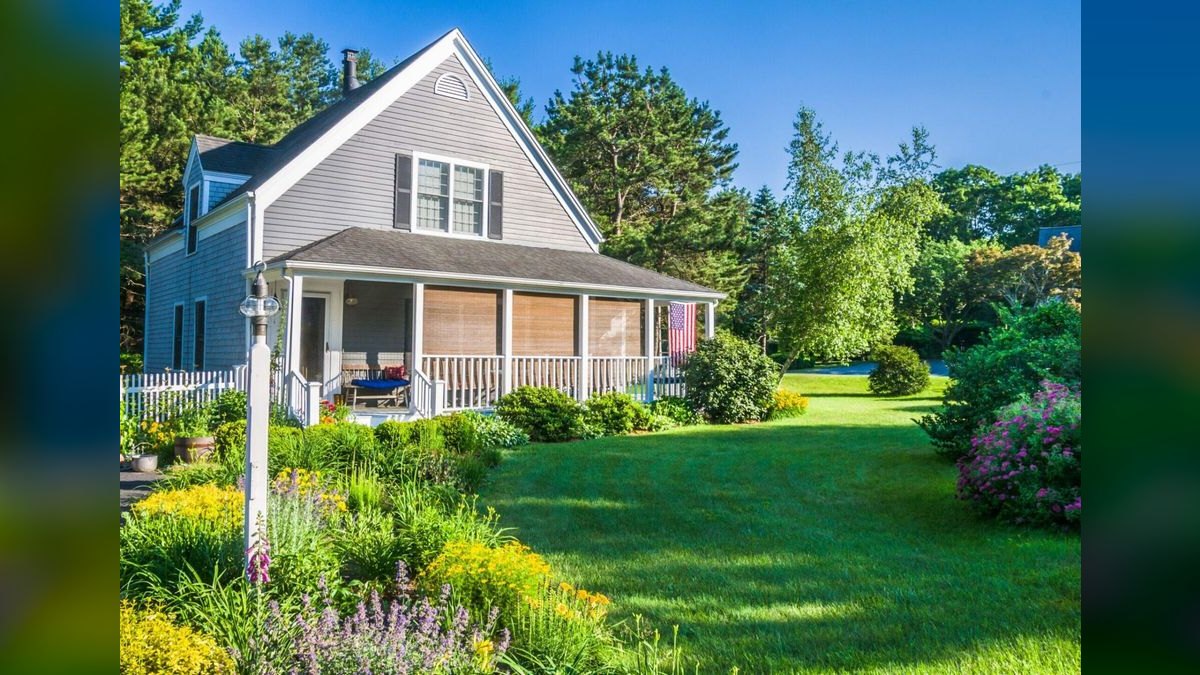
The regulatory tailwind is the genuinely differentiated part of this deal, and it deserves an honest read. A meaningful number of states, counties, and municipalities — concentrated in the Northeast and Mid-Atlantic — have restricted or banned glyphosate in some applications, and the trend line has been one-directional. An organic-based platform is structurally less exposed to that than a chemical-first one. Demand for non-toxic residential lawn care has been growing at roughly low-double-digit annual rates against a global organic lawn care market projected in the billions by the early 2030s.
But "regulator-proof" is doing a lot of work in the marketing copy, and you should discount it in two ways. First, restrictions are highly local. A state-level restriction on public-property application does not automatically create consumer willingness to pay a premium for private residential service. Verify the specific ordinances in your specific counties, not the state headline. Second, the competitive moat narrows as the majors add their own organic and reduced-synthetic program tiers. Your differentiation in 2027 is partly brand and partly the fact that you've been doing it since before it was a product line — but assume the premium compresses over your hold period and underwrite accordingly.
Now the alternatives, because the right comparison isn't NaturaLawn versus nothing.
Weed Man sits in a comparable investment band with a royalty structure in the 7–9% range, a larger U.S. unit count, and stronger national brand recall — but the chemical-first positioning carries exactly the regulatory exposure NaturaLawn sidesteps. Lawn Doctor runs a higher investment and a 10% royalty, with a proprietary equipment approach and a much larger system; newer franchisees there commonly report a longer runway to breakeven. Spring-Green pitches conversion to existing landscape operators, which is a genuinely faster ramp if you already own a book of landscaping customers to cross-sell.
And then the independent path. Skipping the $29,500 fee and the 9% + 1% ongoing take is worth real money — at a $1.4M unit that's $140,000 a year you keep. What you give up: the agronomy IP and application protocols, the group buying and software pricing, the national insurance program, SBA Franchise Directory eligibility that makes 7(a) financing straightforward, and the brand-driven same-unit growth that lets a Year-3 operator raise prices without a cancellation wave. The math usually favors the franchise for a first-time operator and the independent for a green-industry veteran who already has crews, trucks, and a name in the market.
Worth broadening one step further, because buyers who like this deal often like its neighbors. The same operating thesis — recurring residential contracts, route density, seasonal labor, owner-led early sales — describes pest control, pool service, gutter and exterior cleaning, and holiday lighting. Several of those pair well as off-season revenue: a lawn care route that goes quiet in November has trucks, techs, and a customer list already segmented by neighborhood, which is exactly the asset a Christmas-lighting or gutter-cleaning add-on needs. Operators who bolt a complementary winter service onto the same route book often solve the seasonal cash swing more effectively than any financing structure could.

The exit is the last trade-off, and it's the one most buyers underweight. A mature unit with 2,500–3,500 customers on multi-step annual programs is a genuinely salable asset — recurring, contracted, geographically dense. Strategic acquirers in this space, including the national platforms and regional roll-ups, transact on revenue and EBITDA multiples that make an eight-to-ten-year hold a real liquidity event rather than just a job you eventually stop doing. Franchise resale does require franchisor consent and typically a transfer fee, so read Item 17 on transfer terms with the same care you give Item 19 on revenue.
The pitfalls that kill these units
Four failure patterns repeat, and every one of them is avoidable at the diligence stage.
Absentee ownership from day one. Hiring a general manager before you have a mature unit to subsidize the salary is the most common and most expensive mistake. Route services need the owner visible on the truck and at the door for the first 24 months, because that's when you're learning which neighborhoods convert, which agronomy problems generate cancellations, and which technician habits create callbacks. Owners who delegate selling in Year 1 routinely miss their sales targets by a third or more. The fix is structural: budget for your own living expenses outside the business so you can afford to be the salesperson, and don't add a GM until unit two is stable.
Underfunding the working-capital line. Financing the deal at the low end of Item 7 without a $40,000–$60,000 cushion is how operators die in October. Collections lag, the season winds down, and the off-season payroll and rent bills arrive on schedule. The fix: fund the cushion as a separate line item that is not available for equipment upgrades, and drive prepaid annual programs hard so February has cash in it.

Drifting off the agronomy protocols. Tough weed pressure creates real pressure to reach for a synthetic quick fix. Doing it violates the compliance terms, and worse, it destroys the exact differentiation customers are paying the premium for — a single social-media post about a franchise using the products it markets against does more damage than the weeds ever would. The fix is to treat protocol adherence as a product feature and get comfortable explaining slower, more gradual results to customers at the point of sale rather than apologizing for them in July.
Skipping the Item 20 phone calls. Item 20 lists franchisees who were terminated, transferred, or chose not to renew in the prior three years. Those are the most informative calls you will make, and they are the ones corporate will not hand you. Call at least ten, and mix in six operators inside your region with nine outside it. Ask specific questions: gross sales by year for the first five years, Year-1 cash burn, current labor as a percentage of gross, customer cancellation rate, and what they'd do differently. Vague enthusiasm from a hand-picked reference list is not diligence.
A tighter diligence sequence, if you want one to run against: pull the FDD and read the key items in week one; validate territory demographics and map competitor density in week two; run your fifteen reference calls in weeks three through five; build and stress the five-year model in weeks six and seven; get two competing SBA 7(a) term sheets before you sign anything; hire your crew lead and office admin before opening day, because the owner cannot dispatch, sell, and treat simultaneously past about fifty customers; then pre-launch canvass 4,000 homes in your three densest zip codes and open with density rather than reach.
Related questions
How long until a lawn care franchise breaks even?
Most NaturaLawn operators reach breakeven between months 14 and 22, faster than peers in the category. The variable is route density in season one — a clustered launch with prepaid programs can pull it forward six months; a scattered territory pushes it past month 24.
Is a lawn care franchise a good absentee investment?

No. Route-based residential services depend on owner-led selling and on-truck quality control for the first two years. Absentee structures underperform badly in Year 1. Consider one only after a first unit is mature enough to fund management overhead.
What's the best territory profile for organic lawn care?
Target 40,000–70,000 single-family homes with median household income above $85,000, lots between a quarter acre and one acre, cool-season grasses, and local glyphosate restrictions in force or under active debate. Avoid markets where a national player already holds dominant share.
Can I resell a lawn care franchise later?
Yes, and it's one of the stronger exits in the category — a dense book of 2,500–3,500 recurring annual-program customers appeals to national platforms and regional roll-ups. Resale requires franchisor consent and a transfer fee, so read Item 17 carefully before signing.
Does the organic-based positioning still command a premium?
In restricted markets, yes. Nationally the premium is compressing as the majors launch reduced-synthetic program tiers. Verify willingness to pay in your specific counties and model a narrowing spread over an eight-year hold rather than a fixed one.
FAQ
How much money do I really need to start a NaturaLawn of America franchise?
Item 7 puts total initial investment between $78,000 and $153,000, on top of the $29,500 franchise fee already inside that range. Published thresholds sit near $50,000 liquid and $250,000 net worth, but underwrite to $150,000 liquid and $300,000 net worth so you carry a real working-capital cushion into your first off-season.

What are the ongoing fees?
A 9% royalty on gross sales, dropping to 7% at renewal, plus a 1% national advertising fund. Most operators add another 3–5% in local marketing. At a mature $1.4M unit, the franchisor take alone is roughly $140,000 annually before payroll, materials, or fuel.
What revenue can I realistically expect?
Item 19 shows mid-system average gross sales near $1.41M with top-quartile units above $2.2M, versus roughly $950,000 for the average landscaping-services establishment. Early years are much leaner. Model $450,000 in Year 2 and $1.2M by Year 4 rather than starting from the system average.
Can I run this part-time?
Not in the first two years. You'll be managing seasonal crews, canvassing for new customers, dispatching routes, and handling agronomy escalations — often in the same day. It becomes a manageable ownership role once route density and a crew lead are established, typically in Year 3.
Where are the best markets to open?
Mid-Atlantic, Northeast, and Mountain West territories where glyphosate restrictions are tightening and cool-season grasses make organic-based programs agronomically credible. Sunbelt markets are harder: national competitors hold dominant share and warm-season turf reduces the perceived value of the non-synthetic approach.
Should I buy an existing unit instead of opening a new one?
Buying an existing unit costs more upfront but skips the brutal Year-1 ramp — you inherit route density, renewals, and a trained crew. Verify customer cancellation rate, prepay penetration, and route drive-time efficiency before pricing it, and confirm transfer terms and consent requirements in Item 17.
Sources
- https://www.naturalawn.com/
- https://www.entrepreneur.com/franchises/directory/naturalawn-of-america
- https://www.franchisedirect.com/
- https://www.franchisebusinessreview.com/
- https://www.sba.gov/
- https://www.ftc.gov/business-guidance/industry/franchises
- https://www.ibisworld.com/united-states/market-research-reports/landscaping-services-industry/
- https://www.dol.gov/agencies/eta/foreign-labor/programs/h-2b
- https://www.epa.gov/ingredients-used-pesticide-products/glyphosate
- https://www.lawnandlandscape.com/
Related on PULSE
- Should I open or buy an ASP America's Swimming Pool franchise in 2027?
- How long does it take to open a franchise and break even in 2027?
- Should I open or buy a Tommy Gun's Original Barbershop franchise in 2027?
- What does a Weed Man lawn care franchise cost to open in 2027?
- How do I evaluate an FDD before buying a franchise?
This page will be disappearing soon. Save it to your device for $1 — or read it free while it is here.
@Kory-White- · if Venmo asks, the last 4 of my number are 2012
This page is gone.
This one is off the shelf now. $1 keeps it on your phone for good — the whole page, pictures and diagrams included.
 franchiseShould I open or buy a Subway franchise in 2027?
 franchiseShould I open or buy a Sonic Drive-In franchise in 2027?
 franchiseShould I open or buy a Bahama Breeze franchise in 2027?
 franchiseShould I open or buy a Drybar franchise in 2027?
 franchiseShould I open or buy a Merry Maids franchise in 2027?
 franchiseShould I open or buy a Jamba franchise in 2027?
 franchiseShould I open or buy a Take 5 Oil Change franchise in 2027?
 franchiseShould I open or buy a Jimmy John's franchise in 2027?
 franchiseShould I open or buy a Papa John's franchise in 2027?
 franchiseShould I open or buy a Cold Stone Creamery franchise in 2027?