


Should I open or buy a Maui Wowi franchise in 2027?
Quality
Certified
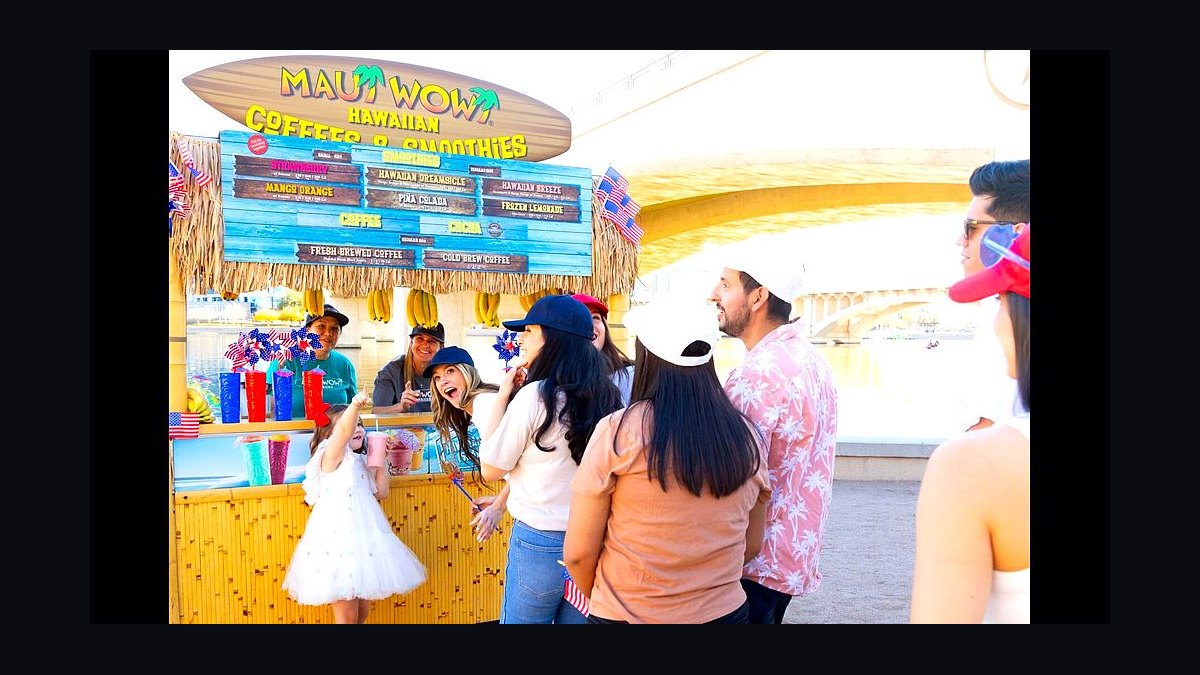
Only if you already control an events pipeline. Maui Wowi is a mobile-cart, high-margin beverage franchise with roughly $103,000 to $597,000 total investment and average unit revenue near $264,000 at about 17% EBITDA. Buy it as a fleet in event-rich or coastal markets. Skip it as a single mall kiosk.
The outcome you should expect
Set your expectations against the disclosed numbers, not the brochure. Maui Wowi's most recent Item 19 reports average annual unit revenue of roughly $263,686, cost of goods around 9.3% of revenue, gross margin near 90.7%, and EBITDA margin near 16.9%. Run that through: on an average unit you are looking at roughly $44,600 of operator cash flow per year before debt service, before your own wages if you hire out the cart, and before taxes.
That number deserves a hard, unromantic reading. Roughly $44,600 is an owner-operator's income, not a portfolio return. If you finance $150,000 on an SBA 7(a) note at prevailing rates over ten years, annual debt service eats a meaningful chunk of that cash flow. One cart is a job you bought. It is a good job if you like working fairs and festivals, and a bad investment if you expected to hire a manager and collect a check.
The economics change shape when you stack units. The franchise sells a Standard fee near $30,000 covering up to three units and an Empire Builder fee near $50,000 covering up to ten. The incremental unit fee under Empire Builder is dramatically cheaper per cart, and the operating leverage is real — one commissary, one insurance program, one scheduling function, one relationship with the state fair board, spread across five to ten deployment units. Five carts at even 0.85x the Item 19 average is a different business than one cart at 1.0x.

So the honest expected outcome splits three ways. Buy one cart with no events pipeline and you should expect to underperform the average, probably materially, and to spend a year learning what you should have learned from franchisee calls. Buy one cart with a real pipeline and you should expect something close to the average, breakeven near twelve months, payback near twenty-four. Buy an Empire Builder fleet with a pipeline and a regional calendar and you have the only version of this system that compounds.
What drives that outcome
The single largest driver is not the product, the brand, or the build-out. It is event-day count. A Maui Wowi cart earns nothing on a Tuesday in a warehouse. It earns when it is parked at a fair midway, a minor-league ballpark concourse, a college orientation week, a racetrack, a corporate campus event, or a farmers market on a hot Saturday. Revenue is essentially event-days multiplied by average daily gross, and daily gross on a strong summer weekend in a tourism market can run several thousand dollars while a mediocre indoor booking may not clear a few hundred.
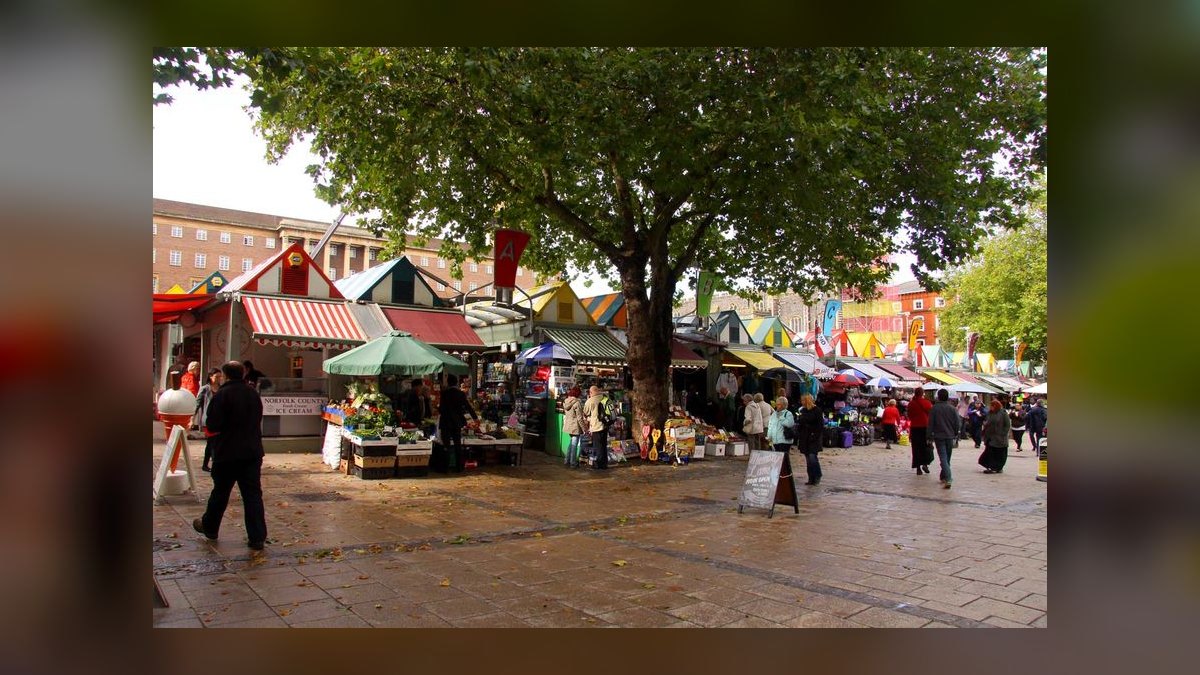
That is why the pipeline question dominates every other diligence question. Corporate does not source your venue contracts. It provides brand-level introductions, training, supply chain, and the cart system. The revenue-generating asset — the relationship with the person who signs vendor agreements at the county fair, the athletic department, the arena concessionaire — is yours to build or yours to already own. This is closer to owning a concessions company with a franchised brand wrapper than to owning a QSR unit.
The second driver is gross margin discipline, and here the model is genuinely favorable. A powder-and-ice smoothie base plus coffee carries COGS near 9-10% of revenue. That is far kinder than a food franchise running 28-32% food cost. It means your break-even event-day count is low and a marginal event that grosses $900 still drops meaningful contribution. It also means labor and venue fees, not ingredients, are what actually erode your unit economics — a venue taking 20% of gross plus a $500 space fee is far more dangerous to your P&L than a fruit price spike.
The third driver is seasonality and climate. A Hawaiian-themed frozen beverage sells itself in July in Florida and argues with the customer in January in Buffalo. In a cold-climate inland market you are effectively running a five-month business with twelve months of fixed costs, insurance, storage, and loan payments. Coastal-tourism and Sun Belt markets, or markets with a dense indoor-venue calendar (arenas, convention centers, campus student unions), are where the concept holds up across the year.
The fourth driver is format. Mobile cart, non-traditional fixed placement, and standalone storefront are three different businesses sharing a logo. The cart carries the lowest capital at risk and the highest revenue variance. Fixed retail flips that: predictable hours, predictable rent, and a hard floor of monthly cost that must be cleared before you earn anything.
Benchmarks and realistic ranges

Start with the disclosed investment range. Item 7 in the current FDD spans roughly $102,850 on the low end to about $597,000 on the high end. The low end is a mobile cart package: franchise fee, tiki-style cart and equipment, smallwares and opening inventory, mandatory training and travel to corporate training, insurance and deposits, and a modest working capital reserve. The high end is a full standalone retail build-out with leasehold improvements, larger working capital to carry rent and payroll through a ramp, and higher deposits. Most first-time buyers land far closer to the bottom of that range than the top, and that is the correct place to be.
Financial-qualification benchmarks are relatively modest by franchise standards — roughly $50,000 liquid and $100,000 net worth. Treat those as a floor for eligibility, not a target for adequacy. The practical cash requirement at signing, including the down payment on an SBA note, working capital, and a reserve for a slow first season, tends to run $60,000 to $150,000 depending on format. Undercapitalizing a seasonal business is how good concepts die in month nine.
Benchmark the revenue side against category comparables so you know what you are and are not buying. Tropical Smoothie Cafe reports average unit volume well into the high six figures with investment in the roughly $300,000 to $630,000 range and a conventional royalty around 6%. Smoothie King operates a much larger system with AUV in the low six figures per unit and investment from roughly $280,000 up past $1 million. Dutch Bros runs far higher AUV — on the order of $2 million per shop — but with a drive-thru real estate model, much larger capital requirements, and extremely limited franchise availability. Maui Wowi is not competing on AUV. It is competing on capital efficiency and gross margin.
That framing is what makes the comparison fair. A roughly $264,000 average unit on $103,000 of invested capital produces a revenue-to-investment ratio that most fixed-site beverage franchises cannot match, precisely because you are not paying for real estate. The trade is variance: your cart's revenue depends on a calendar you have to fill, while a Tropical Smoothie unit's revenue depends on a location someone already validated with a site study.
Build your own pro forma rather than adopting Item 19 as a forecast. A defensible base case models the disclosed average at about 0.85x for year one, ramping toward the average in year two as your event calendar fills and you learn which venues actually convert. Model event-days explicitly: a serious regional operator targets 150 or more event-days per cart per year, and a cart doing 60 event-days is a weekend hobby with a loan attached. Model venue economics per contract — flat space fee, percentage of gross, or both — because a 20% venue take on a 90% gross margin product is the single line item most likely to surprise you.
The royalty structure deserves specific attention during diligence. Maui Wowi markets a bundled fee arrangement rather than a conventional separate royalty percentage plus advertising percentage. The FDD discloses the actual mechanics, including a minimum royalty floor tied to franchise type. Minimum floors matter enormously in a seasonal business: a fixed monthly obligation is trivial in August and punishing in February. Model the floor across a full twelve-month seasonal curve, not against an annual average, and ask franchisees directly how the floor felt during their slowest quarter.
Finally, benchmark the resale market. Existing units surface periodically on business-for-sale marketplaces, often priced in the vicinity of three to four times owner earnings. A resale can be the better buy when it comes with established venue contracts, a trained crew, and a proven local calendar — you are purchasing the pipeline, which is the actual asset, rather than building it from zero. Verify that the venue agreements are assignable before you value them; contracts that die at transfer are worth nothing.
Risks, edge cases, and failure modes
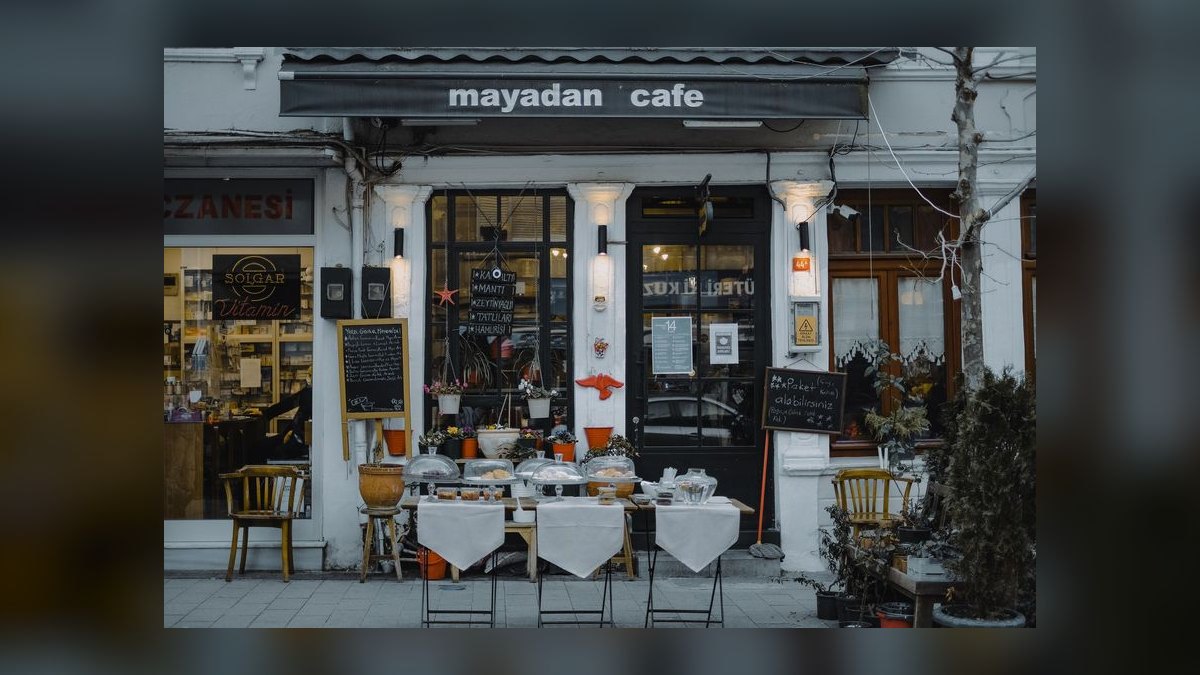
The most common failure mode is buying a fixed kiosk and expecting cart economics. Mall and food-court traffic has not recovered to pre-2020 levels, and a fixed kiosk carrying several thousand dollars of monthly rent needs a very high sales-per-square-foot figure to clear that nut on a beverage-only menu. If you are shown a B-tier mall location, assume it will underperform the system average and require the pro forma to survive that assumption before signing.
The second failure mode is pipeline dependency on a single anchor. Operators who build their entire year around one state fair or one campus contract are one RFP loss away from a catastrophic season. Diversify across at least eight venues, mix categories — fairs, sports, campus, corporate, festivals — and stagger renewal dates so you never face a year where three anchors renew in the same quarter.
The third is seasonality mismanagement. In most markets, this business earns disproportionately in a five-month window. That demands cash discipline: reserve winter operating costs out of summer receipts, negotiate seasonal terms on storage and insurance where possible, and consider off-season revenue — indoor arena concourses, holiday markets, corporate catering, campus winter events — before assuming December is simply dead.
Fourth is labor. Event work is intermittent, weekend-heavy, and physically demanding. Staffing five carts across three simultaneous Saturday events requires a bench of trained part-timers, cross-trained leads, and a scheduling system. Multi-unit operators typically fail here before they fail on demand: they win the venues, then cannot staff them reliably, and a no-show crew at a signed venue costs you next year's contract, not just today's revenue.
Fifth is brand-pull mismatch. The system spans a few hundred units internationally, but unaided consumer awareness outside tourism and event-circuit contexts is limited. You are buying an operating system, a supply chain, training, and a cart design — not a name that generates its own traffic. If your business case assumes customers will seek you out because of the brand, the case is wrong. If it assumes captive event audiences will buy a cold branded smoothie on a hot day, it is right.
Sixth is transportation and equipment risk, which is easy to underestimate. Carts, trailers, and towing vehicles break, and they break on the way to the highest-revenue weekend of your year. Budget for redundancy, a maintenance reserve, and commercial auto coverage. Verify that your general liability, product liability, and workers' compensation coverage actually satisfy the certificate requirements every venue demands — many fairs and universities have insurance minimums that exceed a standard small-business policy, and a certificate shortfall can cancel a booking days out.
Seventh is regulatory friction across jurisdictions. A mobile food operation crossing county lines needs health permits, temporary event permits, commissary agreements, and sometimes fire-marshal sign-off, each with its own timeline and fee. A regional fleet may touch a dozen health departments. Build a permit calendar and treat it as infrastructure; operators who treat permits as an afterthought lose event-days to paperwork.
Eighth is the diligence process itself. Third-party franchise directories lag the current FDD by six to eighteen months, which is long enough for fee structures and cost ranges to move. Pull the current FDD directly from the franchisor, read Items 7, 19, and 20 with a franchise attorney, and treat Item 20 — the turnover and transfer tables — as the most informative section in the document. Systems with heavy transfers and terminations relative to openings are telling you something the marketing will not.
A practical rollout plan
Structure the decision over ninety days, then the launch over the following year. Days 1 through 15: request the current FDD directly from the franchisor and retain a franchise attorney. Read Item 7 for the investment range, Item 19 for the financial representations and their footnotes, and Item 20 for openings, closures, transfers, and terminations by year. Ask specifically what the minimum royalty floor is and how it is calculated.
Days 15 through 30: call fifteen to twenty existing franchisees from the Item 20 contact list. Three questions carry the most signal — what was your actual year-one cash flow, how do you source events, and would you sign again today knowing what you know. Ask cold-market operators and warm-market operators separately; their answers will diverge, and the divergence is your seasonality model.
Days 30 through 45: commit to a format. Empire Builder plus mobile carts is the only configuration with fleet-scale economics. Standard with a single cart is a legitimate owner-operator business if you want that job. A fixed storefront is the highest-capital, highest-risk path and should require the strongest evidence before you choose it.
Days 45 through 60: build the pipeline before you sign, not after. Secure letters of intent or firm verbal commitments from at least eight venues totaling 150-plus event-days. If you cannot assemble that list as an unaffiliated operator, the franchise agreement will not make it easier — it will just add a fee to the same problem. This step is the real go/no-go.
Days 60 through 75: assemble the capital stack. Confirm liquidity and net worth against the franchisor's minimums, get SBA pre-qualification, and size the loan against a base case running at 0.85x the disclosed average with an explicit winter reserve. Days 75 through 90: attend Discovery Day, meet the leadership team, inspect the supply chain and training program, and then leave without signing. Take a week with counsel. Any franchisor who pressures a same-day signature has told you something important.
Post-signature, sequence the build. Training and cart delivery occupy the first couple of months. Launch cart one into your strongest booked season rather than whenever the equipment arrives — starting in the off-season burns cash for nothing. Run a full season on one cart before adding units so your operating playbook, staffing model, and per-event cost data are real rather than assumed. Add carts two and three against contracts you have already won, never in anticipation of contracts you hope to win.
Related questions
How long does it typically take a mobile-cart franchise to break even?
Disclosed and franchisee-reported timelines cluster near twelve months to breakeven and roughly twenty-four months to payback for a mobile cart, assuming a filled event calendar. Fixed-site formats take longer because rent and payroll accrue whether or not anyone walks in.
Is buying an existing Maui Wowi unit better than opening a new one?
Often yes, if the venue contracts transfer. Resales typically price near three to four times owner earnings and include a trained crew and proven calendar. Confirm contract assignability and franchisor transfer approval before assigning any value to the pipeline.
What questions matter most on franchisee validation calls?
Actual year-one cash flow, how they source events, off-season cash burn, how the minimum royalty floor behaves in slow months, and whether they would sign again today. Ask cold-climate and warm-climate operators separately.
Can I run this alongside an existing food-service business?
Yes, and that is one of the strongest configurations. A powder-and-ice beverage program needs minimal kitchen footprint, carries roughly 9-10% COGS, and can attach to catering or venue work you already staff and insure.
What insurance do event venues usually require?
General liability, product liability, commercial auto for towing, and workers' compensation, frequently at limits above a standard small-business policy. Collect certificate requirements from target venues before binding coverage — a shortfall can cancel a booking.
FAQ
How much money do I need to start a Maui Wowi franchise?
Item 7 of the current FDD puts total investment at roughly $102,850 to $597,000 depending on format and unit count. The initial franchise fee runs about $30,000 for the Standard package covering up to three units, or about $50,000 for Empire Builder covering up to ten. Financial qualification minimums are roughly $50,000 liquid and $100,000 net worth, though practical cash at signing is usually $60,000 to $150,000.
What revenue and profit should I expect per unit?
Item 19 reports average annual unit revenue near $263,686, COGS around 9.3% of revenue, gross margin near 90.7%, and EBITDA margin near 16.9% — roughly $44,600 of operator cash flow on an average unit. Those are averages across formats and markets, not forecasts. Model year one at about 0.85x and let performance earn its way up.
Does corporate find events and venues for me?
No. Beyond brand-level introductions, sourcing venue contracts is the franchisee's job. This is the most important thing to understand before signing: the revenue-generating asset in this system is your relationship with fair boards, athletic departments, arena concessionaires, and festival organizers. If you do not have those relationships or a credible plan to build them, the unit economics will not appear on their own.
Is a fixed kiosk or storefront a reasonable format?
It is the highest-risk configuration. Fixed retail replaces variable event costs with fixed rent and payroll, and mall and food-court traffic remains below pre-2020 levels. If you pursue a fixed site, require the pro forma to survive an assumption of underperforming the system average and confirm the location's traffic independently rather than relying on landlord figures.
How does the royalty structure actually work?
The brand markets a bundled fee arrangement rather than a separate royalty plus advertising percentage, but the FDD discloses a minimum royalty floor tied to franchise type. In a seasonal business, a fixed monthly floor is easy in peak months and painful in the off-season. Model it against a monthly seasonal curve and ask franchisees how it felt in their slowest quarter.
What is the strongest version of this investment?
An Empire Builder fleet of mobile carts, run by an operator with existing event-industry relationships, in a coastal-tourism or event-dense market, with a diversified calendar of 150-plus event-days per cart. That configuration gets the capital efficiency, the gross margin, and the operating leverage working together. Nearly every other configuration is either a job you bought or a bet on foot traffic you do not control.
Sources
- https://www.mauiwowi.com/
- https://www.entrepreneur.com/franchises/directory
- https://www.franchisedirect.com/
- https://www.franchisegator.com/
- https://www.ibisworld.com/united-states/industry/coffee-and-snack-shops/1140/
- https://www.sba.gov/funding-programs/loans/7a-loans
- https://www.ftc.gov/business-guidance/resources/consumers-guide-buying-franchise
- https://www.bizbuysell.com/
- https://www.icsc.com/
- https://www.fortunebusinessinsights.com/smoothies-market-106504
Related on PULSE
This page will be disappearing soon. Save it to your device for $1 — or read it free while it is here.
@Kory-White- · if Venmo asks, the last 4 of my number are 2012
This page is gone.
This one is off the shelf now. $1 keeps it on your phone for good — the whole page, pictures and diagrams included.
 franchiseShould I open or buy a Marco's Pizza franchise in 2027?
 franchiseShould I open or buy an Auntie Anne's franchise in 2027?
 franchiseShould I open or buy a Roto-Rooter franchise in 2027?
 franchiseShould I open or buy an Orangetheory Fitness franchise in 2027?
 franchiseShould I open or buy a Subway franchise in 2027?
 franchiseShould I open or buy a Great Clips franchise in 2027?
 franchiseShould I open or buy a Rita's Italian Ice franchise in 2027?
 franchiseShould I open or buy a Taco Bell franchise in 2027?
 franchiseShould I open or buy a Mathnasium franchise in 2027?
 franchiseShould I open or buy a Bahama Breeze franchise in 2027?