


Should I open or buy a Mrs. Fields Cookies franchise in 2027?
Quality
Certified
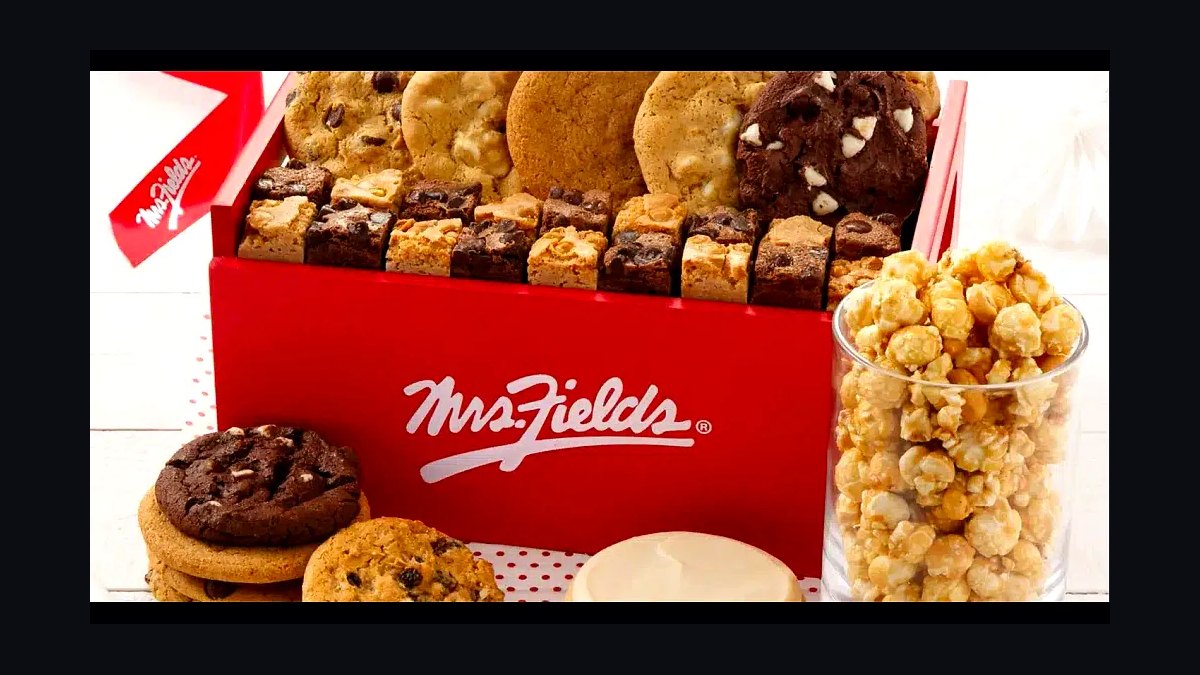
Probably not — unless you already own a high-traffic mall, airport, or college-campus location with a long-term lease in hand, have $300K-$494K liquid outside the deal, and can stomach a shrinking 250-unit system that has lost 29% of locations in five years. The 2026 Mrs. Fields FDD shows a total investment range of $304,500-$493,850 for an inline store, a $35,000 franchise fee, a 6% royalty + 3% marketing fee (9% combined off the top), and Item 19 average unit revenue around $362,084. At a realistic 12-15% store-level EBITDA, conservative Year-1 owner cash flow is $43K-$54K before debt service. Breakeven typically runs 4-6 years — meaningfully longer than Crumbl or Insomnia comps. The brand has equity for nostalgia-driven gift occasions; it does not have momentum.
The Real Numbers
Mrs. Fields is owned by Famous Brands International, which was acquired by Pearl Street Equity (a New York family office) in October 2023. The system reports roughly 250 franchised retail locations globally as of 2026, down from a peak above 600 units in the early 2000s. The brand has shed roughly 29% of its store count over the prior five years per Restaurant Business reporting. Three store formats are offered: inline mall storefronts, kiosks, and counter-service formats inside food courts or co-branded with TCBY (also Famous Brands). The veteran/existing-franchisee discount drops the franchise fee from $35,000 to $25,000.
| Line Item | Low | High | Notes |
|---|---|---|---|
| Initial franchise fee (Item 5) | $25,000 | $35,000 | $25K for veterans/existing operators |
| Build-out & leasehold improvements | $90,000 | $215,000 | Inline > kiosk > counter |
| Equipment, ovens, smallwares | $55,000 | $95,000 | Convection ovens, refrigeration, POS |
| Initial inventory | $8,000 | $15,000 | Dough, dry goods, packaging |
| Signage & decor | $12,000 | $28,000 | Mall sign packages run high |
| Training & travel | $4,500 | $8,500 | Utah HQ training mandatory |
| Insurance, deposits, permits | $6,000 | $14,000 | Varies by state |
| Working capital (3 mo) | $40,000 | $75,000 | Critical — undercapitalization kills these |
| Marketing launch | $5,000 | $10,000 | Local + grand opening |
| Total investment (Item 7) | $304,500 | $493,850 | Inline store format |
| Ongoing royalty | 6% | of gross sales | Paid weekly |
| Marketing fund | 3% | of gross sales | National + co-op |
| Average unit revenue (Item 19) | $362,084 | reported AUV | Combined Mrs. Fields/TCBY franchisees report ~$397K |
| Estimated store EBITDA (12-15%) | $43,450 | $54,313 | Before owner draw, debt service |
| Payback period | 4 years | 6+ years | Longer than Crumbl/Insomnia comps |

Cost of goods typically lands 30-34% of sales (butter, sugar, chocolate inflation has compressed margins through 2025-2027). Labor runs 28-32% depending on state minimum wage. Rent for an inline mall store runs $45-$95/sq ft annualized, often with percentage-rent kickers above a sales threshold. Add the 9% royalty/marketing load and you are working with roughly 15-18% gross profit before fixed costs — which is why undercapitalized operators routinely fold inside 36 months.
Who Wins With This Business
Existing food-court operators running a TCBY, Auntie Anne's, or Cinnabon and looking to co-brand a Mrs. Fields kiosk in the same footprint win the cleanest. Labor is already on payroll, the lease is already signed, and the incremental investment drops to $120K-$180K instead of $400K+. Pearl Street Equity has aggressively pushed co-branded TCBY/Mrs. Fields builds since the 2023 acquisition.
Captive-traffic operators — airport concessionaires, hospital atrium franchisees, university food-service contractors — also win. These locations bypass the mall-traffic decay that has hollowed out the legacy Mrs. Fields footprint. Gift-tin and corporate-order revenue (the brand's strongest channel) layers on top of foot traffic.
Multi-unit franchisees with operational depth — owners running 5+ units in adjacent QSR brands — can absorb the back-office overhead (royalty reporting, marketing fund reconciliation, FDD compliance) without hiring dedicated staff. Veterans get $10K off the franchise fee, materially improving the IRR.
Who Loses With This Business

First-time operators with no food-service experience lose the worst. Mrs. Fields requires dough-handling discipline, oven scheduling, and shrink control that takes 12-18 months to master. The brand's training program is 5-7 days in Utah — adequate for a second-time operator, dangerously thin for a rookie. Failure rate inside 24 months for first-timers is materially higher than the system average.
Anyone signing a new standalone inline mall lease in 2027 is fighting a structural headwind. Placer.ai foot-traffic data shows enclosed-mall visits down meaningfully off pre-pandemic baselines, and Mrs. Fields' historical dependence on mall locations (still roughly half the system) is the single biggest drag on unit-level revenue. New lease commitments of 5-10 years in declining centers are how operators lose seven-figure equity.
Operators chasing Crumbl economics lose. Mrs. Fields averages $362K AUV; Crumbl averages $1.7M-$2M+ AUV. The economics are not comparable. If you want cookie-category exposure and have $400K-$700K, the Crumbl, Insomnia, or Dirty Dough comparison set delivers materially better unit economics, even with higher buildout. Choosing Mrs. Fields requires a non-financial thesis (existing infrastructure, nostalgia gifting, co-brand synergy with TCBY).
2027 Market Conditions

The specialty-cookie category remains hot at the top of the market (Crumbl 1,000+ units, Insomnia 300+) while legacy mall-based players continue to contract. Three forces define 2027 conditions for Mrs. Fields:
First, butter and chocolate inflation has not normalized. Cocoa futures hit record highs in 2024-2025 and have only partially retraced. Butter remains elevated versus 2019 baseline. Net effect: store-level COGS pressure of 200-400 basis points versus pre-pandemic norms, with limited pricing power because the gift-tin SKU is price-anchored in consumer memory.
Second, the cookie-category arms race has saturated suburban markets. Crumbl, Insomnia, Dirty Dough, Chip City, and regional players have flooded most metros. Cannibalization risk is real — multiple Crumbl units within 5-10 miles is now common per QSR Research Hub reporting. Mrs. Fields' mall and airport positioning is actually a partial moat here: it is not competing for the same customer occasion as a free-standing Crumbl.

Third, corporate gifting and B2B holiday volume remain the brand's strongest tailwind. Mrs. Fields Gifts.com e-commerce and Cookie-Gram channels drive a disproportionate share of fourth-quarter revenue and are increasingly white-labeled into corporate HR gifting platforms. Franchisees with strong local-B2B sales motion can outperform AUV by 25-40%.
The 90-Day Decision Tree
- Days 1-10: Pull and read the 2026/2027 FDD cover to cover. Focus on Item 7 (investment range), Item 19 (financial performance), Item 20 (system size and turnover — the closure column is the tell), and Item 21 (audited financials of the franchisor).
- Days 11-20: Interview 8-10 current franchisees from the Item 20 list. Ask about actual royalty audits, marketing fund transparency, supply-chain mandates, and lease-renewal experience. Target operators with 3+ years in system.
- Days 21-35: Site-select with a commercial broker who has signed Crumbl, Insomnia, or Jersey Mike's deals in your market. Pull Placer.ai or SafeGraph traffic data for any proposed mall site. Reject sites with declining 3-year trend.
- Days 36-50: Build a bottoms-up P&L using your actual rent quote, local wage rates, and 30-32% COGS. Sensitize at $280K, $362K, and $450K AUV. If you cannot clear $40K owner cash flow at $362K AUV, walk.
- Days 51-65: Secure financing. SBA 7(a) is the standard path; Mrs. Fields is on the SBA Franchise Directory. Expect 10-15% down minimum, often 20%+ given the brand's contraction. Get pre-approval before signing.
- Days 66-80: Negotiate the franchise agreement. Push on territory protection (Mrs. Fields offers none — important to know), transfer fees, renewal terms, and personal guaranty scope. Use a franchise attorney, not a generalist.
- Days 81-90: Sign or walk. If financing closes, traffic data holds, and FDC item-by-item analysis pencils, sign. If any leg wobbles, walk — opportunity cost is six months, not a career.
Alternative Plays
Crumbl Cookies — higher investment ($427K-$789K), but AUV averages $1.7M-$2M+. The economics dominate Mrs. Fields by every cash-flow metric. Downside: territory is increasingly sold out in attractive metros, and the 2024 sales decline + corporate layoffs signal category maturity risk.

Insomnia Cookies — lower investment ($199K-$453K), late-night delivery model, college-town concentration. AUV around $750K-$1M depending on market. Strong fit if you have a campus-town site. Owned by Krispy Kreme (since 2018).
Dirty Dough — emerging challenger brand, $217K-$546K investment, layered/stuffed cookie format. Higher risk, higher reward — smaller system, less validated unit economics, but franchise fee and royalty are competitive.
Great American Cookies — mall-based competitor with similar economics to Mrs. Fields. If you are committed to a mall site and want a cookie brand, run a head-to-head P&L against this option. Owned by GoTo Foods (parent of Cinnabon, Auntie Anne's).
Co-branded TCBY + Mrs. Fields kiosk — if you must transact with Famous Brands International, the co-brand format is the better deal than a standalone Mrs. Fields. Shared labor, shared lease, two revenue streams, single franchise infrastructure.
Independent cookie cafe — a well-located independent operation, with proprietary recipes and local brand equity, often clears better unit economics than a 9% royalty/marketing-loaded franchise if the operator has true food-service competence. No franchise fee, no royalty, full menu control.
FAQ
What is the total investment to open a Mrs. Fields Cookies franchise? The 2026 FDD reports a total investment range of $304,500 to $493,850 for an inline store. This includes a $35,000 franchise fee, equipment, build-out, inventory, and initial marketing. Actual costs depend on location size, lease terms, and local construction rates.
How much can I expect to earn in the first year? Average unit revenue is around $362,084 per the FDD’s Item 19. At a realistic 12–15% store-level EBITDA, your Year-1 cash flow before debt service would be roughly $43,000 to $54,000. This can vary widely based on foot traffic, labor costs, and local competition.
How long does it take to break even?
Breakeven typically takes 4 to 6 years, which is longer than comparable cookie franchises like Crumbl or Insomnia Cookies. This timeline assumes consistent sales and controlled expenses; slower traffic or higher rent can push it further out.
What are the ongoing royalty and marketing fees? You pay a 6% royalty and a 3% marketing fee — a combined 9% of gross sales. These fees come off the top before you cover food, labor, and rent, so they directly impact your net profit margin.
Why has the number of Mrs. Fields locations shrunk? The system has lost about 29% of its locations over the past five years, dropping to roughly 250 units. This decline reflects challenges in mall traffic, rising lease costs, and competition from newer, trendier cookie brands that attract younger customers.
Is Mrs. Fields a good fit for a first-time franchise owner? Generally no, unless you already own or can secure a high-traffic location (mall, airport, or college campus) with a long-term lease. You’ll need $300,000 to $494,000 in liquid capital outside the deal, and the brand’s nostalgia-driven sales may not generate enough cash flow for a new operator without deep experience.
Bottom Line

Mrs. Fields in 2027 is a legacy brand in a hot category — and that mismatch is the entire investment thesis. The economics do not pencil for a first-time, standalone, mall-based operator in a declining center. The economics can pencil for an existing TCBY franchisee co-branding a kiosk, an airport or campus concessionaire with captive traffic, or a multi-unit operator with strong local-B2B gifting capability. Average unit revenue of $362,084 against 9% combined royalty and marketing, 30-34% COGS, and 28-32% labor leaves a thin 12-15% store-level EBITDA that does not survive even one bad quarter without working-capital cushion. If you are bringing $400K+ to the cookie category as a pure financial play, Crumbl, Insomnia, or Dirty Dough deliver materially better unit economics. If you are bringing existing infrastructure, a TCBY footprint, or a non-mall captive-traffic location, Mrs. Fields can earn its place in your portfolio. Anyone else: walk.
Sources
- Mrs. Fields Franchise FDD, Profits & Costs (2025) — Sharpsheets
- TCBY and Mrs. Fields Franchise FDD, Profits & Costs (2025) — Sharpsheets
- Mrs. Fields Franchise Insights: FDD, Costs & Fees — VettedBiz
- Mrs. Fields Franchise (Costs + Fees + FDD) — Franchise Direct
- Investment firm buys the owner of TCBY and Mrs. Fields — Restaurant Business Online
- Mrs. Fields — Wikipedia
- Start a Mrs. Fields Franchise in 2026 — Entrepreneur
- Crumbl Cookies Franchise: Startup Cost, Owner Salary & Guide — GlobalFranchiseHub
- Crumbl vs Insomnia vs Toll House Cookie Franchise Comparison 2026 — VetMyFranchise
- Cookie Chains: Baking It Up A Notch — Placer.ai
- Crumbl Cookie Deep Dive — QSR Research Hub
- Mrs. Fields cookie franchise opportunity — official site
Related on PULSE
- Should I open or buy an Insomnia Cookies franchise in 2027?
- Should I open or buy a Crave Cookies franchise in 2027?
- Should I open a Crumbl Cookies franchise in 2027?
- Should I open or buy a Cookies Crumbl alternative — Insomnia Cookies — franchise in 2027?
- Should I open or buy a Great American Cookies franchise in 2027?
- Should I open or buy a Crumbl Cookies franchise in 2027?
This page will be disappearing soon. Save it to your device for $1 — or read it free while it is here.
@Kory-White- · if Venmo asks, the last 4 of my number are 2012
This page is gone.
This one is off the shelf now. $1 keeps it on your phone for good — the whole page, pictures and diagrams included.
 franchiseShould I open or buy a Jeremiah's Italian Ice franchise in 2027?
 franchiseShould I open or buy a Servpro franchise in 2027?
 franchiseShould I open or buy a Marco's Pizza franchise in 2027?
 franchiseShould I open or buy a Dairy Queen franchise in 2027?
 franchiseShould I open or buy a Sonic Drive-In franchise in 2027?
 franchiseShould I open or buy a Dunkin' franchise in 2027?
 franchiseShould I open or buy a Cinnabon franchise in 2027?
 franchiseShould I open or buy a Cook Out franchise in 2027?
 franchiseShould I open or buy a Taco Bell franchise in 2027?
 franchiseShould I open or buy a Great Clips franchise in 2027?