


Should I open or buy an Earl of Sandwich franchise in 2027?
Quality
Certified
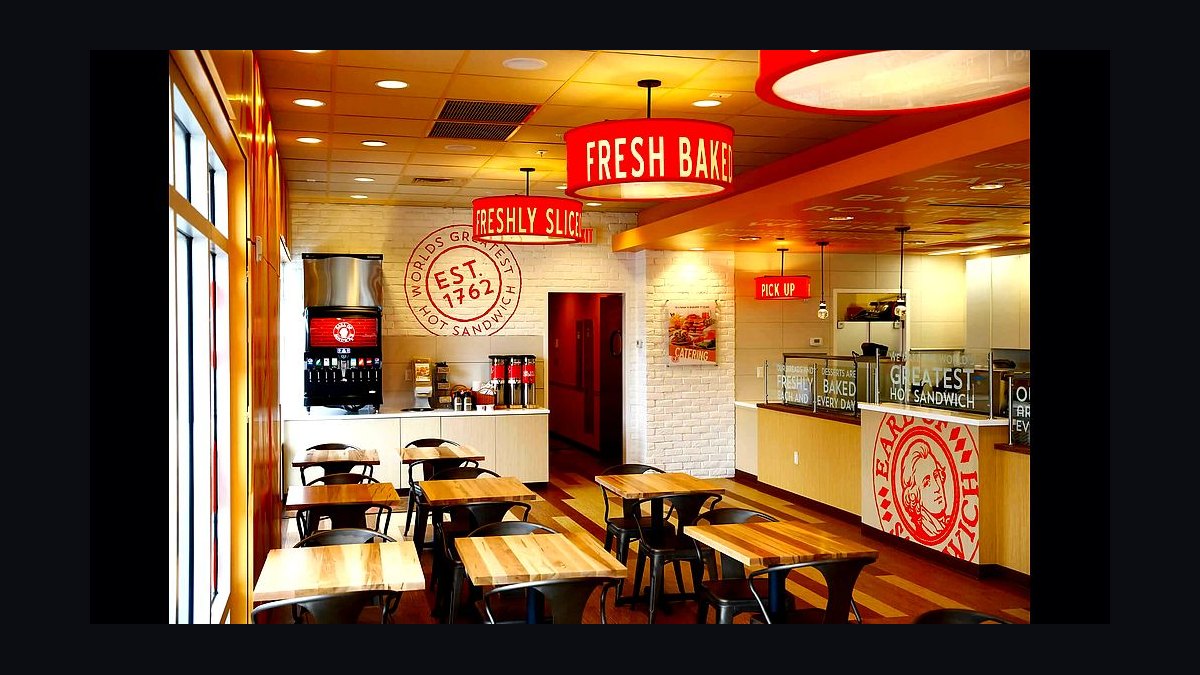
Probably not, unless you control a captive-traffic venue — airport terminal, casino, theme park, or stadium concourse — and hold roughly $500K–$700K liquid. Total investment runs about $315,000 to $664,000 with a $25,000 franchise fee, 6% royalty, and 3% marketing fee. A suburban street-corner Earl of Sandwich loses to Jersey Mike's. Buy an existing captive unit instead of building new.
The outcome you should expect
Strip away the brand romance and this decision produces one of three outcomes, and which one you get is determined almost entirely at site selection — before you sign anything, before you hire anyone, before you argue with a general contractor about hood venting.
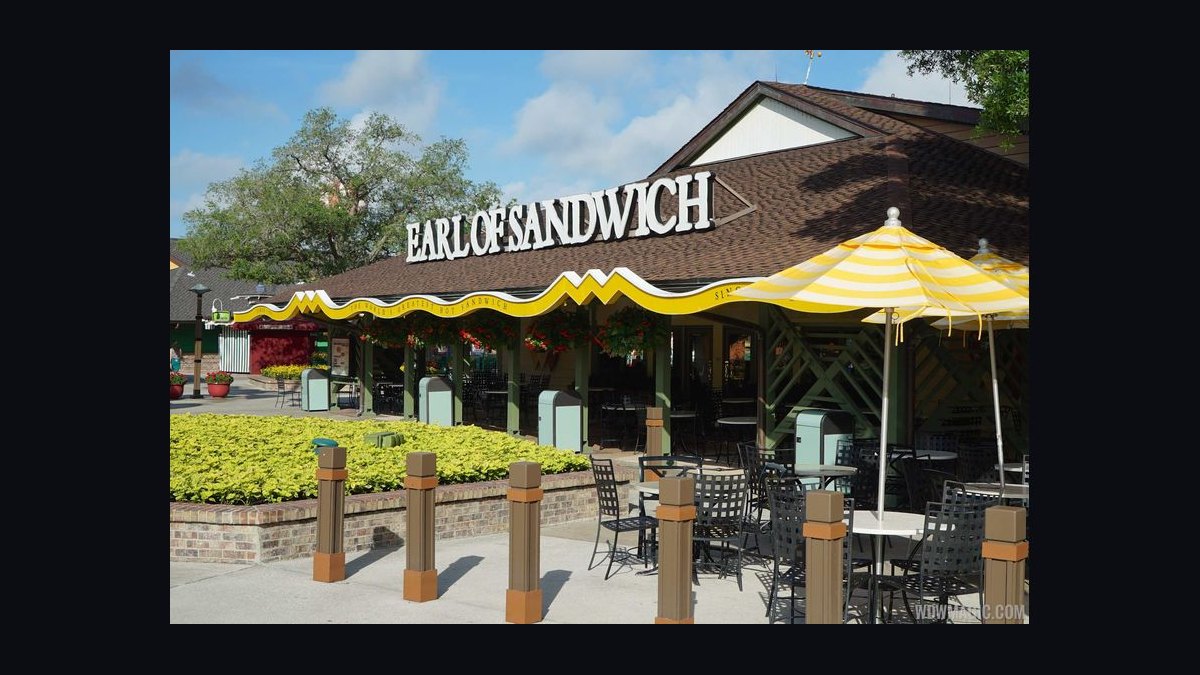
Outcome A — the captive-venue unit. You hold or can sublicense space behind a TSA checkpoint, inside a casino resort food hall, on a theme-park promenade, or on a stadium concourse. Reported gross sales for units in these channels sit in the $1.1M–$2.2M band depending on the venue's daily foot traffic and dwell time. Food cost lands around 28–32%, labor around 24–28% because captive pricing power lets you push a sandwich past $14 without resistance a suburban customer would show. Owner cash flow after royalty, marketing, and rent realistically falls in the $130K–$340K range. Payback on a $400K–$550K project: roughly 2.5 to 3.5 years. This is the outcome the brand was built for, and it is the only one that reliably works.
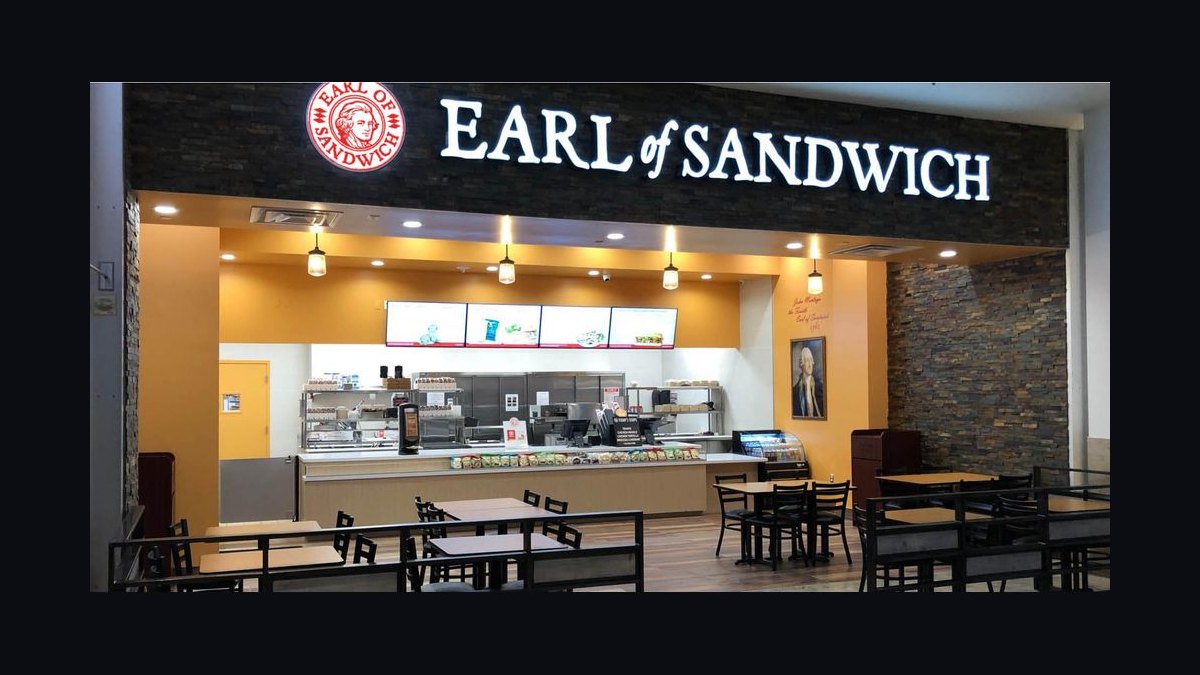
Outcome B — the conversion inline. You take over a failed sandwich or fast-casual space — an old Quiznos, a shuttered Cosi, a dark Pret — where the hood, grease trap, walk-in, and three-compartment sink already exist and are already permitted. Build-out drops by $150K–$220K, which lands your all-in near the $315K floor of the Item 7 range instead of the $600K ceiling. On $650K–$900K of revenue with rent negotiated to 6–8% of sales, you land somewhere between breakeven and $60K of owner cash flow in Year 1, improving into the $80K–$130K band by Year 2 if you build a weekday lunch catering book. Marginal but survivable.
Outcome C — the ground-up suburban inline. You sign a fresh 10-year lease at 9–12% of projected sales in a strip center, spend $550K–$664K on a full buildout, and open across the parking lot from a Jersey Mike's doing $1.3M. Your unit does $550K–$850K. After 6% royalty, 3% national marketing, 1–2% required local spend, 30–34% labor in any state with a $15+ wage floor, and card processing, your EBITDA margin sits at 3–7%. Year-1 owner cash flow: negative to roughly $40K. Breakeven: possibly never. This is the outcome most first-time franchisees walk into, because it is the only one where the real estate is easy to find.
The uncomfortable truth is that Outcome A is not really available to buy. It is available to people who already hold a master concession agreement. Which means for most people asking this question honestly, the decision collapses to "conversion or don't."
What drives that outcome
Four variables move nearly all of the variance, and only one of them is inside your control after opening day.
Captive traffic versus discretionary traffic. A captive customer has already committed to being in the building for a reason unrelated to your sandwich. They cleared security ninety minutes before boarding. They are on floor three of a casino with no exit in sight. Their kid wants to ride the thing again. That customer does not comparison-shop, does not pull up a loyalty app, and does not care that the same sandwich costs $9 at a Jimmy John's four miles away. A discretionary suburban customer does all three. This single distinction explains most of the 2–3x AUV gap between channel types, and it is why the same brand, the same menu, and the same oven produce a great business in one location and a slow bleed in another.
The fixed-percentage stack. Add it honestly: 6% royalty, 3% national marketing fund, 1–2% required local marketing, plus rent. In a captive venue on percentage rent at 6–10% with no minimum annual guarantee, your total off-the-top burden is roughly 16–21% of revenue — painful but workable at a $1.4M AUV. In a suburban inline at 10–12% rent on a $700K store, you are at 20–23% of a much smaller number, and every fixed dollar of rent becomes a larger percentage as volume disappoints. Percentages compound against weak traffic. That is the whole failure mechanism in one sentence.
Brand pull you did not build. Earl of Sandwich has real awareness in Central Florida, Las Vegas, and a handful of casino markets. Outside those, most consumers cannot describe the concept. Compare that to competitors with private-equity or strategic-parent backing: Jersey Mike's under Blackstone ownership since the 2024 take-private, Jimmy John's inside Inspire Brands, Firehouse Subs inside Restaurant Brands International. Those parents fund national media, app development, and loyalty economics. A 3% national marketing fund spread across roughly thirty U.S. units buys email and social — not a category-defining campaign. In a captive venue you don't need brand pull; the venue supplies the traffic. In a suburban market, brand pull *is* the traffic, and you will spend $30K–$60K a year in local digital trying to manufacture what competitors get free.
Throughput physics. The signature product is oven-toasted on proprietary bread. The hearth oven is real capex — call it $28K–$42K on the equipment line — and it adds meaningful seconds to ticket time versus assembling a cold sub. In a food court at 11:50 a.m. with a queue of eighteen people, seconds are revenue. Any concessionaire will ask about your peak-hour throughput before they'll ask about your P&L. Staffing a second assembly position during the 90-minute rush is often the difference between capturing the line and watching it walk to the Auntie Anne's next door.
Benchmarks and realistic ranges
Here is the honest arithmetic, drawn from the brand's published Item 7 investment range and triangulated against sandwich-segment industry benchmarks. Treat every figure as a planning range to be validated against the actual 2027 FDD, not as a promise.
Capital stack. Franchise fee: $25,000, non-refundable, disclosed in Item 5. Build-out and leasehold improvements: roughly $120,000 on a clean conversion to $310,000 on a ground-up inline requiring new hood, grease interceptor, and utility upgrades. Equipment and smallwares including the hearth oven, prep line, and POS: $85,000–$145,000. Opening inventory: $8,000–$14,000. Signage and point-of-purchase kit: $12,000–$28,000 — the facade package is brand-specified and not a place to save money. Training and travel for two people: $5,000–$12,000. Three months of working capital: $45,000–$85,000. Insurance and lease counsel: $4,000–$9,000. Pre-opening and grand-opening marketing: $11,000–$36,000. That sums to the published Item 7 band of roughly $315,000 to $664,000. The liquid capital requirement is $150,000 with a $1,000,000 net worth minimum — and I'd argue the $150,000 figure is the single most dangerous number in the entire document, because it is qualification capital, not survival capital.
Ongoing burden. Royalty 6.0% of gross sales, remitted weekly. National marketing fund 3.0%. Required local marketing 1–2%. Transfer fee if you sell: $10,000. Initial term 10 years with two 5-year renewal options.
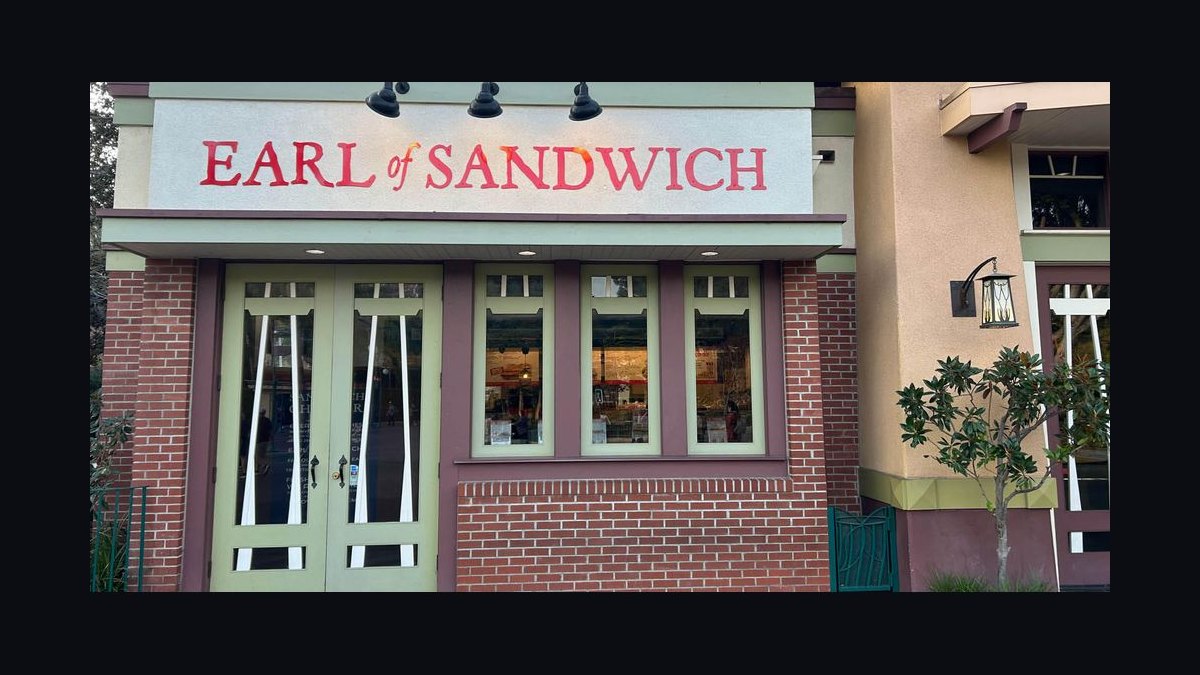
Revenue and margin by channel. Airport terminal: $1.4M–$2.2M gross, 28–32% food cost, 24–28% labor, 14–18% EBITDA, $200K–$340K owner cash flow. Casino or theme park: $1.1M–$1.7M gross, 29–33% food, 26–30% labor, 11–15% EBITDA, $130K–$240K cash flow. Stadium or event venue: $600K–$1.1M gross with brutal seasonality — you earn a year's margin in forty event days — 10–14% EBITDA, $60K–$140K cash flow. Suburban inline: $550K–$850K gross, 30–34% food, 30–34% labor, 3–7% EBITDA, negative to $50K cash flow.
Ramp curves differ wildly. A captive unit reaches mature volume in six to eight weeks because the traffic was already walking past the space before you opened. A suburban inline takes fourteen to twenty-two months to reach mature volume, and the three-month working-capital cushion the FDD contemplates is calibrated to the first curve, not the second. Do the subtraction: at $8K–$14K a month of operating shortfall through month twelve, you need $100K–$170K of cushion no one asked you to prove you had.
The competitive yardstick that matters. In the same suburban site, Jersey Mike's units average around $1.3M and Jimmy John's around $936K. If you are underwriting an Earl unit at $850K in a market where those numbers are the going rate, you are not being conservative — you are documenting a structural disadvantage. Item 19 disclosure for Earl of Sandwich has historically been thin, with a small reporting sample and a footprint skewed toward the non-traditional channels that earn multiples of street volume. An average that blends a Disney Springs unit with a strip-center unit tells you nothing about the strip-center unit.
Financing math. SBA 7(a) is the standard path, and the brand appears on the SBA Franchise Directory. Expect a 20–30% equity injection on project cost, a personal guaranty, and a rate around prime plus 2.25–2.75%. On a $450K project at 30% down, you are servicing roughly $315K over ten years — call it $4,000–$4,500 a month before you sell a sandwich. Against a suburban unit generating $3,500 of monthly EBITDA, debt service alone puts you underwater. Against a captive unit generating $18,000, it is a rounding error. Same loan, same brand, opposite businesses.
Risks, edge cases, and failure modes
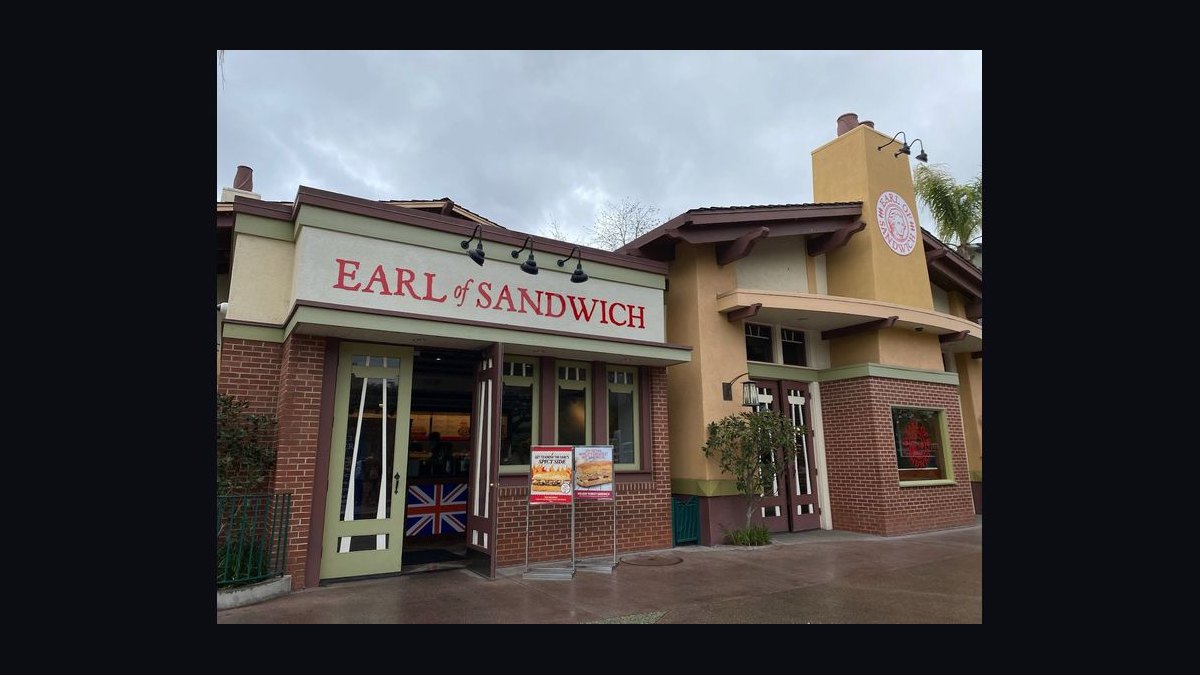
Unit-count contraction is the headline risk. The U.S. footprint has drifted down toward roughly thirty units from a peak above forty. Contraction is not automatically disqualifying — brands prune weak sites and get healthier — but it changes what you are buying. Fewer units means less scale in the marketing fund, less purchasing leverage with distributors, thinner field support, and a smaller pool of comparable resales when you eventually want liquidity. Read Item 20 line by line: every opening, closing, transfer, and non-renewal for the prior three years. If closures exceed openings in your target channel, that is the answer to your question.
Parent-company concentration. The brand sits under Earl Enterprises, the hospitality group whose portfolio also includes Buca di Beppo, Bertucci's, and Brio Tuscan Grille. Casual-dining siblings under the same roof means your franchisor's attention and balance sheet are shared across concepts with their own pressures. Item 21 contains audited financials for the franchisor entity. Read them. A franchisor under stress cuts field support, delays technology investment, and slows new-market development — all of which you paid a royalty to receive.
Landlord and concessionaire dependency. In a captive venue, your real counterparty is not the franchisor — it is the airport authority or the master concessionaire holding the prime contract. Those master agreements run eight to twelve years and get re-bid. If your sublicense sits inside a prime contract expiring in year six of your ten-year franchise agreement, you have a four-year hole and no leverage. Match your franchise term to your venue term, or negotiate an exit that triggers on loss of venue.
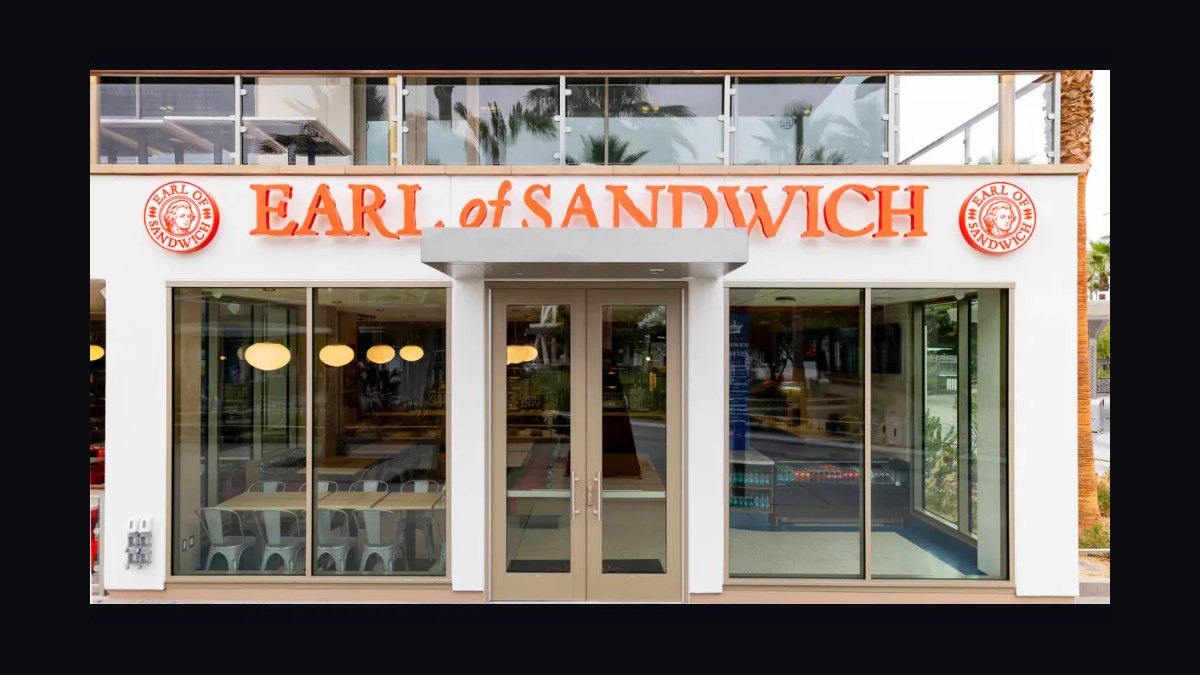
The wage-floor edge case. The labor model assumes 24–28% of sales. In California's $20 fast-food minimum, and in New York and Washington markets with $16+ floors, restaurant labor pushes past 30% of sales. A suburban unit in those states is structurally unprofitable at Earl's assumed volumes — the model does not survive the input. A captive unit in the same state can survive it, because a $16 airport sandwich absorbs the wage. Same state, same wage law, opposite conclusion, and the difference is pricing power.
Personal guaranty scope. The standard guaranty is typically full recourse, joint and several, and it survives your exit unless you negotiate otherwise. Push for a burn-down after year five, a cap tied to remaining royalty obligations, and a carve-out on the lease guaranty if the venue contract terminates through no fault of yours. Franchise counsel who has read ten-plus FDDs runs $3,500–$7,500 and will earn it back on this clause alone.
The one genuine tailwind, and its limit. Subway's U.S. footprint has contracted by thousands of units over the last decade, releasing permitted, hood-equipped, sandwich-shaped inline space at favorable rents. That is real, and it is the reason the conversion path exists at all. But cheap space is not demand. A $200K discount on build-out improves your entry price; it does not make a suburban customer choose your oven-toasted sandwich over a loyalty app that gives them a free sub every twelve visits. Do not let a good lease talk you into a bad market.
Seasonality and single-point traffic risk. Stadium and theme-park units concentrate a year's revenue into a narrow calendar. A construction project that closes your terminal concourse for renovation, a labor action at the resort, a schedule change that moves an anchor tenant — any of these can remove your traffic entirely for a quarter while your royalty obligation continues. Captive traffic is high-quality traffic, but it is also *someone else's* traffic, and you have no ability to replace it.
A practical rollout plan
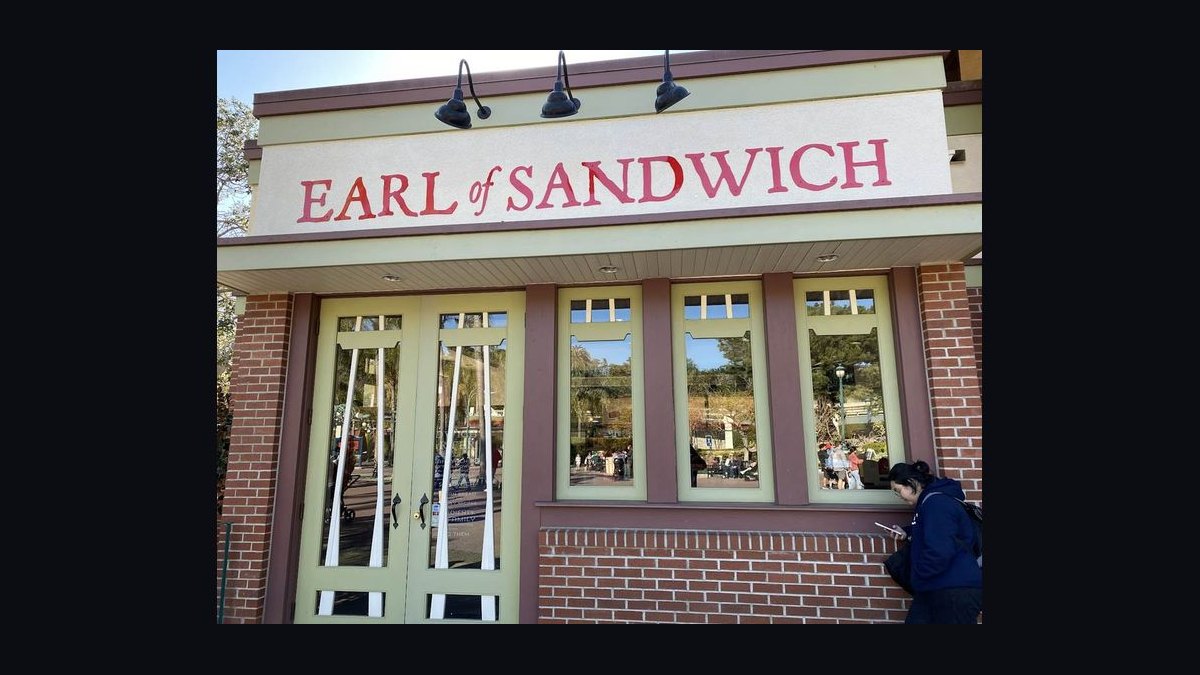
If you're proceeding, work in a sequence that spends decision effort before it spends money.
Days 1–7 — Get the document. Request the current FDD directly from the franchisor. It runs well past 150 pages. Read, in this order: Item 3 for litigation history, Item 7 for the investment range, Item 19 for any financial performance representation, Item 20 for the outlet table, and Item 21 for the franchisor's audited financials. If Item 19 is absent or minimal, that is information, not an obstacle to route around.
Days 8–14 — Reconstruct unit history. Build your own spreadsheet from Item 20: openings, closures, transfers, and terminations by year and by state. Segment by channel if the addresses let you. Cross-check against independent franchise data aggregators. A brand where transfers outnumber new openings is a brand where existing owners are trying to get out.
Days 15–30 — Call operators, not the franchise sales team. Item 20 includes franchisee contact information. Call eight to twelve. Ask specific questions: gross sales last full year, food cost percentage, labor percentage, rent as a percentage of sales, how fast the franchisor responds to an equipment failure, whether they'd sign again, and what they'd do differently. Ask specifically for anyone who closed a unit — those are the most useful conversations you will have, and the sales process will not hand you their numbers.
Days 31–45 — Commit to a channel before you spend on lawyers. Airport, casino, theme park, stadium, or conversion inline. If the honest answer is "suburban ground-up inline," stop here — you've saved yourself $500K and four years. If it's conversion, you need an identified target space with rent at or below 8% of realistic projected sales, not aspirational sales.
Days 46–60 — Retain franchise counsel. Negotiate territory protection, the personal guaranty burn-down, transfer conditions, and any venue-termination carve-out. Ask what has actually been negotiated for other franchisees recently; standard forms are more flexible than they look when a franchisor wants the unit.
Days 61–75 — Lock financing with two lenders. Get competing commitment letters. Model debt service against the *low* end of your channel's revenue range, not the midpoint. If the low case can't cover the note, the deal is a bet on the midpoint and should be sized as one.
Days 76–90 — Site control and bids. Letter of intent or lease assignment on the conversion. Three general-contractor bids on the build package. Understand which line items — oven, POS, signage — are locked to brand-approved vendors and therefore not competitive. Budget an 8–12% contingency on construction; permitted conversions still surprise you.
The alternative worth pricing in parallel. Buy an existing unit. A profitable captive-venue store trades at roughly 3.5–4.5x EBITDA — call it $700K to $1.2M for a store producing $200K of owner cash flow. You pay more upfront and you skip construction risk, ramp risk, and site-selection risk entirely, because you're underwriting a trailing P&L instead of a projection. Listings appear on the major business-for-sale marketplaces, and Item 20 tells you who owns what. For most buyers, this is the strongest version of the deal in 2027: acquire proven captive traffic rather than manufacture new suburban demand. Run the same diligence on the seller's tax returns and POS exports that you'd run on an FDD — and require the franchisor's transfer consent in writing before you wire anything.
Related questions
Is it cheaper to convert a failed sandwich shop than build new?
Yes, materially. A permitted space with existing hood, grease interceptor, and walk-in cuts build-out by roughly $150,000–$220,000, landing you near the $315,000 low end of the investment range instead of the $600,000-plus ceiling. Conversion is the only path that reasonably pencils for a first-time franchisee.
What multiple do existing units sell for?
Profitable captive-venue units generally trade around 3.5x to 4.5x EBITDA, so a store producing $200,000 of owner cash flow prices near $700,000 to $1.2 million. Suburban units with weak trailing numbers often trade for little more than equipment value, if they sell at all.
Does the 6% royalty compare well to competitors?
It's mid-range for the segment. Firehouse Subs runs 6% royalty with a lower 2% marketing contribution; Jersey Mike's is higher on both. The royalty isn't the problem — the problem is paying segment-standard fees while receiving below-segment national marketing scale.
Can catering close the gap for a suburban unit?
Partially. Weekday corporate catering, office platters, and school or hospital standing orders can add $80,000–$200,000 of annual revenue at better margins than walk-in traffic. It requires a dedicated salesperson and won't rescue a site with fundamentally wrong demographics.
Should I sign a multi-unit development agreement?
Only if you already operate in captive venues. Multi-unit agreements bind you to a development schedule with real penalties for missed openings. For a single-unit first-timer, that schedule becomes a forced-march obligation to open sites you'd otherwise reject.
FAQ
How much liquid capital do I actually need?
The disclosed requirement is $150,000 liquid against $1,000,000 net worth, but that's qualification capital, not survival capital. Plan on $500,000 to $700,000 accessible — enough to fund the project plus twelve to eighteen months of operating shortfall in a non-captive site. Undercapitalization, not the concept, kills most units.
Can I make a suburban strip-center location work?
Only with a permitted conversion, rent at or below 8% of realistic sales, and a serious catering program. On a ground-up build at market rent, you're modeling $550,000 to $850,000 in revenue against competitors doing $936,000 to $1.3 million in the same trade area. That gap doesn't close with better operations.
Why is the brand's unit count shrinking?
The footprint has drifted from a peak above forty U.S. units toward roughly thirty. The concept is genuinely strong in captive venues and genuinely weak against loyalty-app-driven sub chains in discretionary retail. Contraction reflects that — the non-viable sites are the ones closing. Verify current counts in Item 20.
How long until I break even in each channel?
A captive-venue unit typically reaches cash-on-cash breakeven in 24 to 36 months. A well-negotiated conversion inline runs 40 to 60 months. A ground-up suburban inline at market rent may never reach it, which is why site type is the decision and everything else is implementation detail.
Is buying an existing unit better than opening a new one?
For most buyers, yes. You get a trailing P&L to underwrite instead of a projection, you skip construction and ramp risk, and you inherit proven traffic. You pay a premium for that certainty. The main risk is inheriting a venue contract nearing its re-bid date — check the term before you sign.
What's the single biggest mistake first-time buyers make here?
Choosing the site that's easy to find rather than the site that works. Suburban inline space is abundant and captive-venue space is gated behind concession relationships, so applicants default to the available option and then try to out-operate a structural traffic deficit. Site type determines the outcome before opening day.
Sources
- https://www.sba.gov/franchise-directory
- https://www.ftc.gov/business-guidance/resources/franchise-rule-compliance-guide
- https://www.entrepreneur.com/franchises/franchise500
- https://www.qsrmagazine.com/reports/qsr-50/
- https://www.ers.usda.gov/topics/animal-products/cattle-beef/
- https://www.tsa.gov/travel/passenger-volumes
- https://www.bls.gov/oes/current/naics4_722500.htm
- https://www.ibisworld.com/united-states/market-research-reports/sandwich-sub-store-franchises-industry/
- https://www.bizbuysell.com/
- https://www.restaurantbusinessonline.com/
Related on PULSE
This page will be disappearing soon. Save it to your device for $1 — or read it free while it is here.
@Kory-White- · if Venmo asks, the last 4 of my number are 2012
This page is gone.
This one is off the shelf now. $1 keeps it on your phone for good — the whole page, pictures and diagrams included.
 franchiseShould I open or buy a Crumbl Cookies franchise in 2027?
 franchiseShould I open or buy a Jeremiah's Italian Ice franchise in 2027?
 franchiseShould I open or buy a Cook Out franchise in 2027?
 franchiseShould I open or buy a Roto-Rooter franchise in 2027?
 franchiseShould I open or buy a Valvoline Instant Oil Change franchise in 2027?
 franchiseShould I open or buy a Jimmy John's franchise in 2027?
 franchiseShould I open or buy a Pizza Hut franchise in 2027?
 franchiseShould I open or buy a Matco Tools franchise in 2027?
 franchiseShould I open or buy a Stanley Steemer franchise in 2027?
 franchiseShould I open or buy a Papa John's franchise in 2027?