
Should I open or buy a Circle K franchise in 2027?
 Curated byKory White · Fractional CRO · Maryland
 PULSEKNOWLEDGE LIBRARY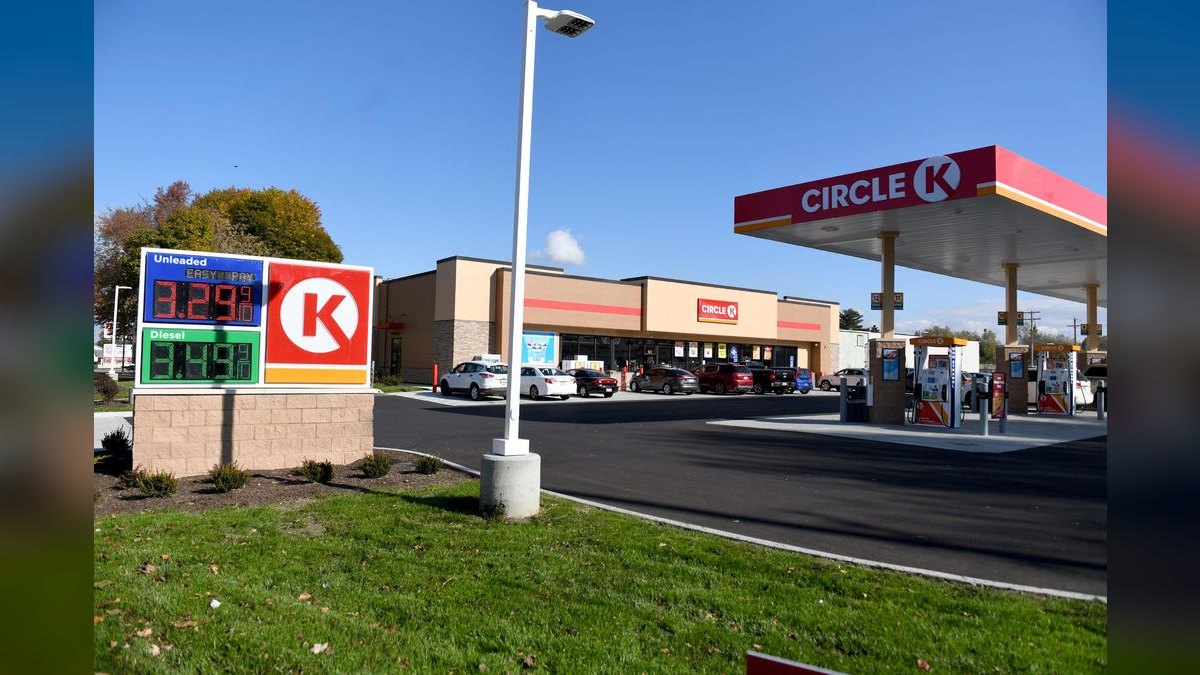
Probably not as a first business. Circle K's franchise channel is small, selective, and built mainly for converting existing convenience stores — not ground-up builds. It works for c-store operators with real fuel experience, multi-unit ambitions, and seven-figure liquidity who own or control a high-traffic corner. Single-unit newcomers should look elsewhere.
The outcome you should expect
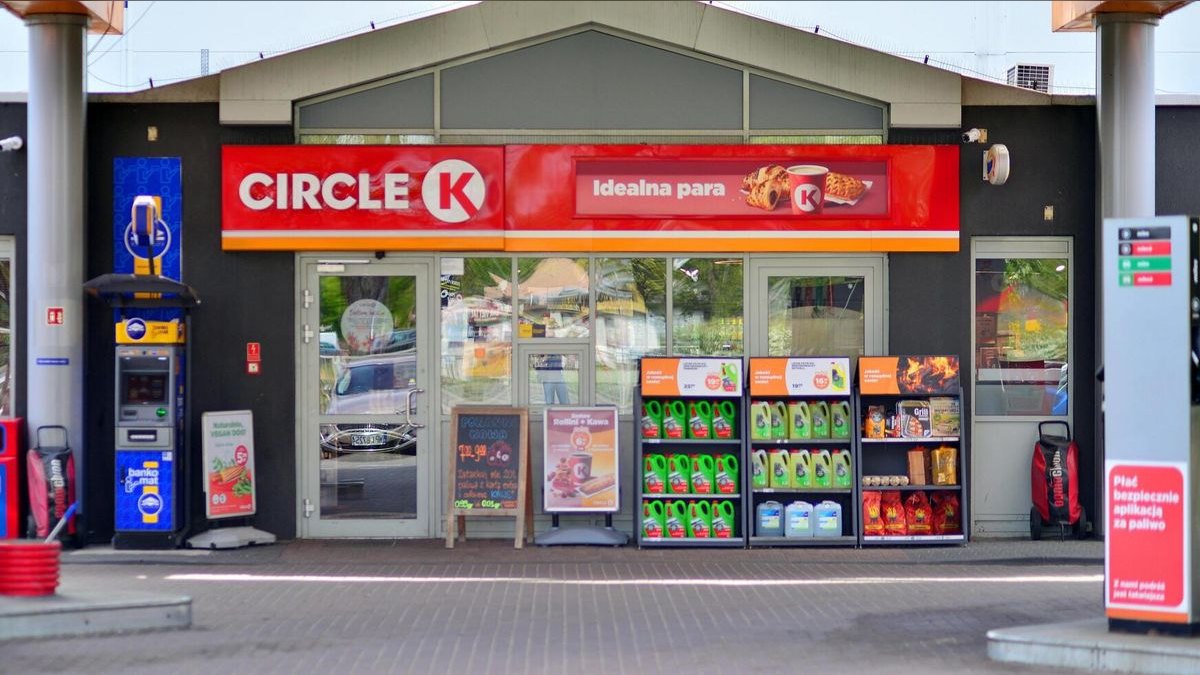
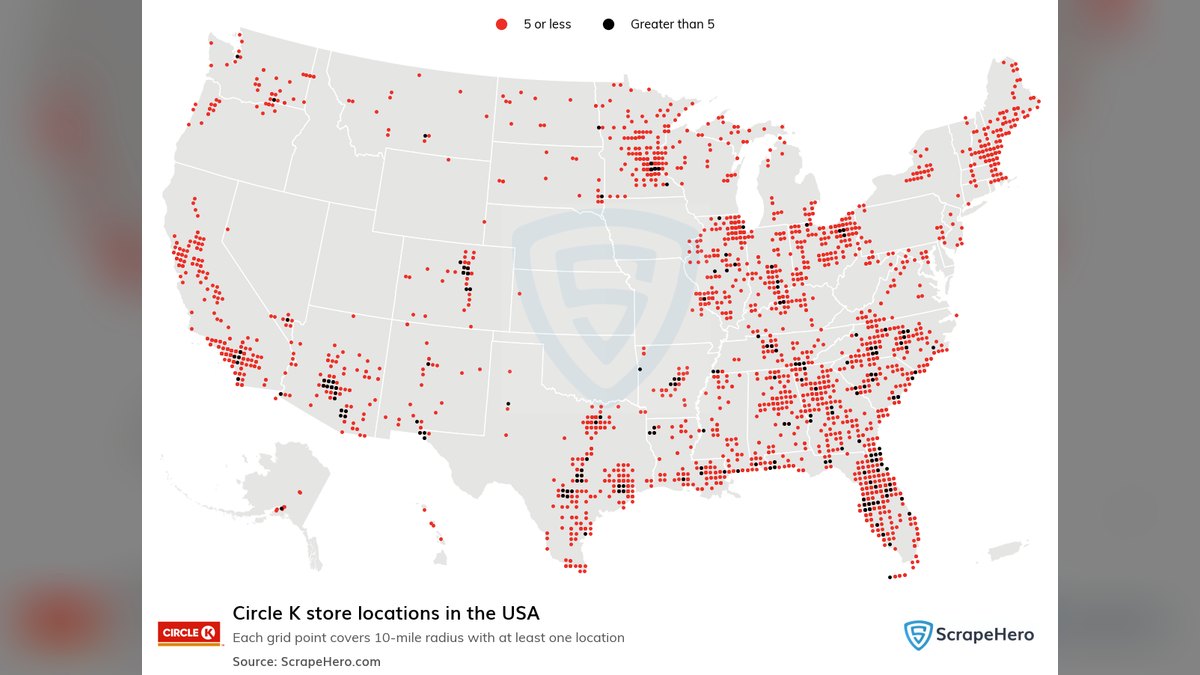
Set your expectations against the actual shape of this business, not the brochure. Circle K, owned by Alimentation Couche-Tard, runs roughly 7,000 US stores, and the overwhelming majority are company-operated. That single fact tells you most of what you need to know: the franchise channel is a secondary distribution strategy, not the core growth engine. When a brand grows primarily by operating its own stores, the best sites — the four-way signalized intersections, the highway interchanges, the 40,000-vehicle-a-day corners — get absorbed corporately. Franchisees get what's left, or they bring their own dirt.
So the realistic outcome for a well-run single unit looks like this: an average unit volume somewhere around $1.2M–$1.4M in merchandise revenue, plus fuel gallons that generate meaningful gross profit but wild month-to-month volatility. After royalty and advertising fees take roughly 6%–10% off the top line, and after labor, utilities, credit-card interchange, shrink, and rent, you land in the mid-single-digit EBITDA range. On a converted store you already own, that translates into owner cash flow in the low-to-mid six figures once you've stabilized — enough to be a job with equity attached, not enough to be a passive investment.
Payback is the number people misjudge most. Self-funded conversions can return capital in roughly five years. SBA-leveraged ground-up builds routinely take seven or eight, because debt service eats the same cash flow that would otherwise be your return. If you model this honestly and the bear case doesn't service debt, the answer to "should I open a Circle K" is no, regardless of how much you like the brand.
There's also a structural asymmetry worth naming plainly: company stores out-earn franchised stores by a wide margin — commonly cited as roughly $2.0M versus $1.3M in AUV. That gap isn't a knock on franchisee competence. It's site selection. Corporate keeps the best real estate. If you want franchised-store economics to approach company-store economics, you have to solve for location yourself, which means the real business here is often real estate with a c-store attached.
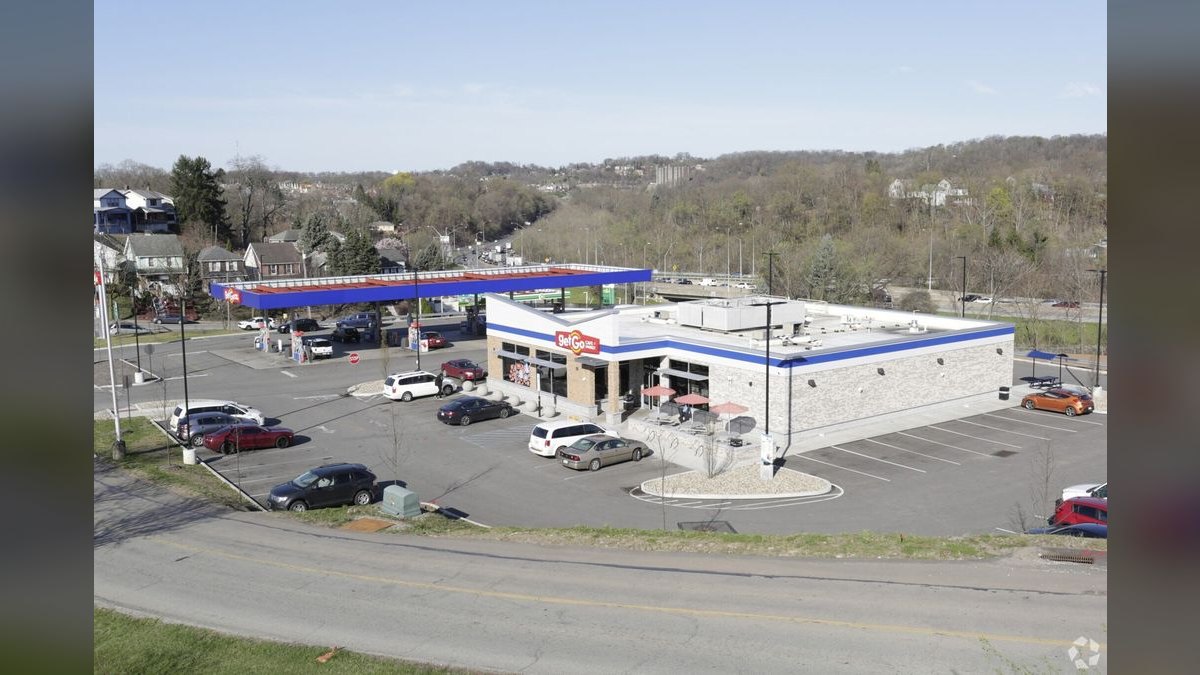
The comparison that clarifies everything: 7-Eleven's franchise model splits gross profit with corporate, which absorbs some operating cost and smooths cash flow — better for a lower-capital operator who wants stability. Circle K takes a straight royalty and leaves the cost structure to you — better if you're confident you can out-operate the average and want to keep the upside. Neither is generous. They're just differently shaped.
What drives that outcome
Four levers move the number, and they aren't equally weighted.
Fuel margin per gallon is the loudest. Couche-Tard has reported US fuel margins in the mid-to-high forties of cents per gallon in recent years, and that metric swings with crude volatility, local competition, and rack timing. Do the arithmetic on your own site: a store pumping 1.2 million gallons a year lives or dies on a ten-cent swing, because that's roughly $120,000 of gross profit appearing or vanishing. No amount of planogram discipline inside the store moves $120,000. This is why fuel-literate operators — people who understand rack-to-retail spread, who know when to hold price on a falling market and when to follow the street down — materially outperform. It's also why a franchise without fuel rights is a fundamentally different, thinner business.
Inside-store mix is the lever you actually control. Tobacco has historically been around a third of inside merchandise sales, and it's a declining category: adult smoking rates have fallen steadily for a decade, and FDA enforcement on flavored vape products keeps pulling high-margin SKUs off the shelf. Nicotine pouches offset some of it. The operators winning now are pushing foodservice, hand-crafted beverages, and private label — Couche-Tard's Simply brand and Easy Pay loyalty program exist precisely because packaged tobacco can't carry the store forever. Foodservice gross margin runs far above packaged goods, but it demands labor, waste discipline, and equipment capital most first-timers underestimate.
Labor is the quiet killer. C-store cashier wages in most metros now sit in the mid-to-high teens per hour, plus a benefits and payroll-tax load on top. A single store typically consumes several thousand labor hours a year across 8–15 employees with turnover well north of 40%. Every dollar of wage inflation is a direct five-figure hit to EBITDA, and you cannot price your way out of it — a Monster Energy costs what the street says it costs.
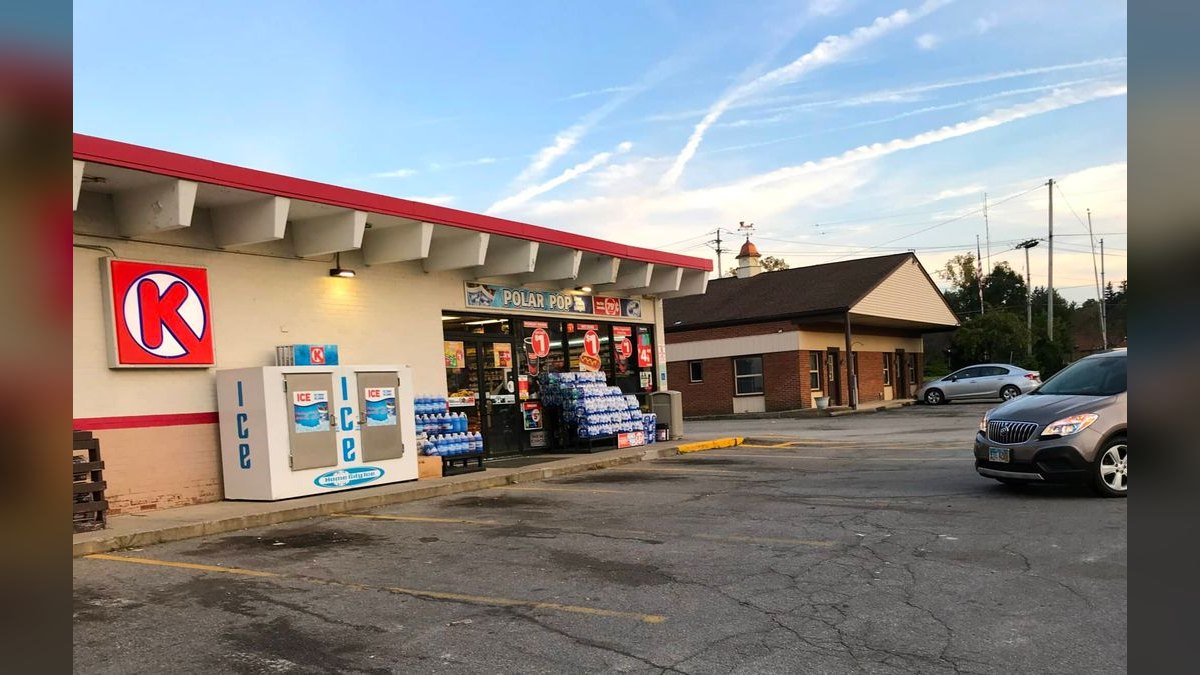
Site quality compounds every other lever. Vehicle count, ease of ingress and egress, whether you're on the morning-commute side of the road, whether a competing Wawa or QuikTrip sits within a mile — these determine your ceiling before you hire your first clerk.
Read that chain backward when you evaluate a deal. Owner cash flow is the output of five subtractions, and the two biggest inputs — fuel margin and site traffic — are the two you have the least control over after closing. That's the honest risk profile.
Benchmarks and realistic ranges
Here are the ranges worth anchoring to. Treat them as orientation, then verify every one against the current Franchise Disclosure Document, because FDD numbers change annually and the document is the only authoritative source.
Total initial investment spans a very wide band — roughly a few hundred thousand dollars at the floor to around $3 million at the ceiling. That range is wide because the program covers two completely different transactions. The low end assumes you already control a built convenience store and are converting it: rebranding, POS swap, signage, initial inventory. The high end is a ground-up build with a fuel canopy, dispensers, underground tanks, and a full merchandising package. If you don't own or cheaply control a site, ignore the floor entirely — your realistic all-in is well over a million.
Franchise fee is modest by industry standards, in the $25,000–$35,000 neighborhood. Read that as information, not a bargain: a light franchise fee means corporate isn't capitalizing your build. You carry the real estate and the equipment.
Royalty runs in the neighborhood of 4.5% of gross sales, with a lower rate available if you forgo Circle K financing. Advertising and brand fund contributions layer on top and vary by market. Combined, plan on 6%–10% of top line leaving before you pay a single employee.
Average unit volume: franchised stores cluster around $1.3M; company stores materially higher. More important than the mean is the distribution. Ask for the quartile breakdown in Item 19. A mean of $1.3M is consistent with a bottom quartile near $850,000 and a top quartile approaching $2M — and if your site profiles like a bottom-quartile store, the mean is a fantasy you'll be servicing debt against.
EBITDA margin post-royalty typically lands in the mid-single digits, call it 4%–7% for a competently run single unit. Multi-unit operators push toward 8%–9% by spreading district-manager salary, back-office accounting, and fuel procurement across five or more stores. That overhead leverage is the entire strategic reason to go multi-unit.
Exit multiples: single stores generally trade on a multiple of seller's discretionary earnings, roughly 3x–5x. Portfolios trade on EBITDA at higher multiples — often quoted in the 6x–8x range for a clean five-to-fifteen-store package with real estate handled separately. That spread between the SDE multiple you buy at and the EBITDA multiple you exit at is the actual profit engine of this playbook. You are not getting rich on cigarette margin. You're getting rich on multiple arbitrage and land appreciation.
Qualification thresholds: expect a net worth requirement in the mid-six figures with a substantial liquid component for a single unit, scaling up for multi-unit development agreements. SBA 7(a) will typically fund 70%–80% of project cost against a ten-year amortization, and rates in the current environment mean debt service is a real constraint, not a formality.
One adjacent benchmark that puts all of this in perspective: a triple-net ground lease to an investment-grade QSR or a company-operated c-store chain produces a cap rate in the mid-single digits with essentially zero operational labor. If your Circle K pro-forma returns less than that on a risk-adjusted basis, you've built yourself an expensive job. That comparison should be in your model as a baseline case, not an afterthought.
Risks, edge cases, and failure modes
The undercapitalized single-unit build. This is the most common way people lose money here. You see the low end of the investment range, assume it applies to you, and discover mid-build that the canopy, tanks, and environmental compliance work consumed your contingency. You open thin on working capital, can't fund a proper opening inventory or a marketing push, and then one soft fuel quarter puts you behind on debt. There is no margin for error at 5% EBITDA.
Expecting passive income. For the first two to three years this is a 60–70 hour week. You'll cover call-outs on the overnight shift, reconcile lottery cash, chase DSD vendor credits, manage a workforce with 40%+ annual turnover, and handle age-verification compliance where a single failed sting can cost you a tobacco license — which can be existential, because tobacco pulls in the traffic that buys everything else.
Saturated trade areas. If a Wawa, Sheetz, QuikTrip, or RaceTrac sits within a mile, understand what you're up against. Those chains out-execute on foodservice and labor productivity, and their brand pull on a food occasion is stronger. Circle K brand recognition alone won't differentiate you. You'll compete on fuel price, which is the worst competition available.
Thin franchisor support. Couche-Tard's franchise organization is lean relative to a McDonald's or a Dunkin'. You get brand, supply chain, POS, and training. You do not get a field consultant workshopping your local marketing or triaging a bad quarter with you. If you need a franchisor to teach you retail, this isn't the system.
Structural demand risk through 2030. US gasoline demand has been flat-to-declining and EV share of new-vehicle sales keeps climbing. Reasonable planning assumes gallons per store erode modestly each year over a ten-year hold. Circle K is deploying EV chargers, but charger unit economics — revenue per session, and critically whether a 25-minute dwell converts into inside-store basket — remain unproven at scale. Do not underwrite EV charging as a profit center. Underwrite it as a defensive amenity and be pleasantly surprised.
Environmental liability. Underground storage tanks are the sleeping risk in every fuel-site acquisition. Order a Phase I, and a Phase II if anything flags. Remediation costs can exceed the purchase price of the business. Confirm tank age, cathodic protection status, leak-detection records, and whether the site sits in a state trust fund program.
Lease terms on a site you don't own. If you're leasing, the renewal structure is your real exposure. A ten-year lease with weak renewal options means the landlord captures your goodwill at year eleven. Percentage rent clauses on a low-margin business are especially punishing. Get a long initial term with fixed-rate options.
Franchise agreement fine print. Protected-territory radius, transfer rights, renewal conditions, remodel obligations, and post-termination non-competes all matter more than the royalty rate. A mandatory image-refresh obligation in year seven can be a six-figure surprise. Never sign without a franchise attorney reading the agreement against the FDD.
A practical rollout plan
Ninety days of disciplined diligence, then a decision. Run it in this order and don't skip a stage because the deal looks good.
Days 1–15 — pull the FDD and interrogate Item 19. Request the current Franchise Disclosure Document directly from Circle K's franchise development team. Read Items 5, 6, 7, 19, and 20 closely. Ask specifically for the distribution behind the Item 19 average — quartiles, and ideally a cohort split by conversion versus new build. Then map the mean against your own trade area's vehicle counts. If your site doesn't profile like a top-half store, plan on bottom-half economics.
Days 16–30 — call ten current franchisees and three former ones. Item 20 lists them; the list is the single most valuable page in the document. Mix tenures: a one-year operator tells you about the opening experience, a ten-year operator tells you about renewal and remodel costs. Ask five questions every time: actual gross sales versus the pro-forma you were shown; effective royalty rate after any rebates; quality of field support when something broke; whether the fuel program actually delivered a wholesale advantage; and would you do it again. That last answer is your gate. Former franchisees are worth more than currents — find out whether they sold up or washed out.
Days 31–45 — validate the site with real data. Hire a commercial broker or site-selection firm to pull 24-hour directional traffic counts, competitor mapping within two miles, daytime population, and commute-flow direction. High-volume c-store site models generally want 25,000+ vehicles per day with strong morning-side access; the very good corners are well above that. Walk the site at 7am, noon, and 10pm on a weekday. Count cars at the competitor across the street yourself.
Days 46–60 — build three scenarios, not one. Base case at the Item 19 mean. Bear case at bottom-quartile volume with fuel margin compressed and gallons declining 2% annually. Bull case at top-quartile with a maturing foodservice program. Model debt service explicitly on SBA terms over ten years. The decision rule is simple and non-negotiable: if the bear case doesn't cover debt service plus a modest owner draw, the deal is too thin. Kill it.
Days 61–75 — get pre-qualified twice. Once with Circle K, so you know you clear their net-worth and liquidity bar before you spend more on diligence. Once with lenders — put two SBA-preferred banks in competition on your term sheet, and compare not just rate but prepayment terms and collateral requirements. If you're buying an existing store, this is also when Phase I environmental and a full lease review happen.
Days 76–90 — sign or walk, with counsel. A franchise attorney negotiates territory radius, transfer and renewal rights, and remodel obligations. If any line in your model needed a heroic assumption to work, walk. There is always another site.
The adjacent plays worth pricing before you commit. Buying an existing franchised Circle K resale through a business broker skips 18–24 months of build risk and comes with verifiable actuals, an existing customer base, and transferable tobacco and lottery licenses — usually at a multiple of SDE rather than a construction budget. Running an independent c-store under a major-brand fuel supply contract (Shell, BP, Marathon all offer image and incentive money) trades brand pull for two or three extra points of retained margin and full control of your inside mix. Wawa and Sheetz don't franchise at all, so in their markets the real-estate play is leasing them a pad site. And a QSR ground lease makes you a landlord instead of an operator — lower ceiling, dramatically lower variance. Price all four against your Circle K pro-forma. If the c-store doesn't clearly win, you've learned something valuable for the cost of a spreadsheet.
Related questions
Is a Circle K conversion better than a ground-up build?
Usually, yes. Conversions cost a fraction of a new build, come with existing traffic patterns and licenses, and often see a same-store sales lift from brand recognition alone. Ground-up builds only make sense when you own the land and are underwriting appreciation alongside store cash flow.
How does Circle K compare to 7-Eleven for a first-time franchisee?
7-Eleven's gross-profit-split model absorbs some operating cost and smooths cash flow, which suits lower-capital operators. Circle K's straight-royalty model leaves more upside with you but also all the cost risk. For a true first-timer, 7-Eleven's structure is generally the safer entry.
Do I need fuel to make a Circle K work?
Practically, yes. Fuel drives trip frequency and delivers gross profit dollars that inside merchandise can't match at these volumes. A non-fuel Circle K is a different, thinner business competing directly against grocery, dollar stores, and drug chains on packaged goods.
What's the fastest path to a portfolio exit?
Buy proven existing stores rather than building, standardize operations across them, then reach five-plus units so district-level overhead spreads. Portfolios trade on EBITDA at higher multiples than single stores trade on SDE — that spread, plus land, is where the wealth actually accrues.
How much does EV charging change the 2027 math?
Not much yet, and don't underwrite it as revenue. Treat chargers as a defensive amenity that protects trip frequency as gallons erode. The open question is whether longer dwell time converts to a larger inside basket; that hasn't been settled at scale.
FAQ
What does it actually cost to open a Circle K franchise?
The disclosed initial investment range is very wide, spanning from a few hundred thousand dollars for a straightforward conversion of a store you already control up to roughly $3 million for a ground-up build with fuel infrastructure. Most realistic ground-up scenarios land well over a million once land, canopy, tanks, and equipment are included. Always price your specific deal against the current FDD's Item 7 rather than the headline floor.
What are the ongoing fees?
Royalty is in the neighborhood of 4.5% of gross sales, with a reduced rate available if you decline Circle K funding, plus an advertising and brand-fund contribution layered on top. Budget 6%–10% of top-line revenue leaving before operating expenses. On a business running mid-single-digit EBITDA margins, that combined load is why site quality and fuel volume matter more than merchandising cleverness.
How long until I get my money back?
Roughly five years on a self-funded conversion and seven to eight on an SBA-leveraged build, assuming volumes near the disclosed average. Leverage stretches payback because debt service consumes the same cash flow that would otherwise be your return. If your model shows a three-year payback, an assumption is wrong — go find it before you sign.
Is Circle K's franchise program as strong as competitors'?
It's narrower. Most Circle K locations are company-operated, the franchise channel is selective and oriented toward conversions, and franchisor field support is lean compared with large restaurant systems. That isn't disqualifying — the brand, supply chain, and fuel procurement scale are genuinely valuable — but it means you should expect to supply the operating expertise yourself.
What qualifications does Circle K require?
Expect a mid-six-figure net worth requirement with a meaningful liquid portion for a single unit, higher for multi-unit development. Retail or fuel operating experience matters in the approval conversation, and site control is often the real gate — bringing a strong corner to the table changes the discussion more than a marginally larger balance sheet does.
Should I buy an existing store instead of opening a new one?
For most buyers, yes. A resale gives you verified financials, established traffic, transferable licenses, and trained staff, and it eliminates construction and lease-up risk. You'll pay a multiple of earnings rather than a construction budget, and you can validate the seller's numbers against the FDD averages before closing. Order environmental diligence on any fuel site.
Sources
- https://www.circlek.com/
- https://corpo.couche-tard.com/en/investors/
- https://www.ftc.gov/business-guidance/resources/consumers-guide-buying-franchise
- https://www.sba.gov/funding-programs/loans/7a-loans
- https://www.convenience.org/Research
- https://www.cspdailynews.com/
- https://www.eia.gov/petroleum/
- https://www.bls.gov/oes/current/oes412011.htm
- https://www.epa.gov/ust
- https://www.bizbuysell.com/
Related on PULSE
- [How long does it take to open a franchise and break even in 2027?](/knowledge/fr1104)
- [Should I open or buy a Tommy Gun's Original Barbershop franchise in 2027?](/knowledge/fr1095)
- [Should I open or buy a Painting with a Twist franchise in 2027?](/knowledge/fr1058)
- [Should I open or buy a 7-Eleven franchise in 2027?](/knowledge/fr1061)
 pulse-moviesTop 10 Movies on Max 2027
 pulse-toolsWhat Service Fees Should a Law Firm Charge?
 pulse-toolsHow Many Staff Should I Schedule Each Shift at My BBQ Restaurant?
 pulse-aquariumsTop 10 Canister Filters 2027
 pulse-toolsHow Many Staff Should I Schedule Each Shift at My Sushi Restaurant?
 pulse-moviesTop 10 Action Movies of All Time in 2027
 pulse-toolsHow Many Sales Reps Do I Need to Hire for My Window Replacement Company?
 pulse-toolsHow Many Employees Should I Schedule Each Shift at My Bowling Alley?
 pulse-toolsHow Many Sales Reps Do I Need to Hire for My Healthcare SaaS Company?
 pulse-moviesTop 10 Thriller Movies of All Time in 2027