


Should I open or buy a Floyd's 99 Barbershop franchise in 2027?
Quality
Certified

Buy or open a Floyd's 99 Barbershop franchise in 2027 only if you can commit roughly $500K–$800K and run three or more units in a top-50 metro with an experienced operating partner. The system's disclosed average unit volume near $979,000 rewards multi-unit scale; a single absentee shop in a thin market usually buys you a modest job instead.
What a Floyd's 99 franchise actually is, and why the distinction matters
Floyd's 99 Barbershop is not a quick-service haircut chain wearing better branding. It is an experiential men's salon concept founded in Denver in 1999, running roughly 138 locations across seventeen states plus a Swiss presence, and it competes on a $45–$65 average ticket rather than the $22–$28 that high-volume clipper shops live on. That single number — ticket price — cascades into every other decision you will make: the real estate you can afford, the stylist you must recruit, the neighborhood income you need, and the marketing you have to run. A shop built for $28 tickets can survive on drive-by traffic in a discount center. A shop built for $55 tickets needs a trade area where men have already decided that grooming is a discretionary purchase worth budgeting.
The mechanical structure is a standard franchise arrangement with an above-median take rate. The initial franchise fee runs $35,000–$45,000, the ongoing royalty is 6% of gross sales, and the brand fund adds another 2%. Eight cents of every top-line dollar leaves before rent, payroll, or product cost. On a shop doing the system average, that is roughly $78,000 a year in fees. Whether that is expensive depends entirely on what you get for it: supplier pricing on professional product lines, a recruiting and training pipeline in a labor market where stylists are the binding constraint, a recognizable name that shortens the ramp from zero, and a site-selection discipline that stops you from signing a bad lease. Those benefits are real, and they are also disproportionately valuable at three, four, and five units — which is the whole thesis behind the multi-unit answer.
Two adjacent facts frame why the question is worth asking at all in 2027. First, the category's independent operators are struggling: hair salon industry data shows independents closing at a net rate in the low single digits annually, squeezed between stylist wage inflation and commercial rent. Second, the franchised share of the men's grooming services market is consolidating around a handful of brands, and the $45–$65 experiential tier is thinly populated compared with the crowded value tier. You are buying into a structurally advantaged position within a fragmented category. That is a genuinely better setup than most retail franchise pitches, and it is also not a guarantee — the same tailwind that lifts a well-sited Denver or Nashville shop does nothing for a poorly sited one in a metro where the median household income cannot support the ticket.
The upstream question most prospective owners skip: do you want to own a labor business? Floyd's revenue is created by stylists standing behind chairs. Your P&L is a payroll P&L with a rent line attached. If your prior operating experience was in food, e-commerce, or a trades service business, the failure modes here will feel unfamiliar — the thing that kills a shop is not a bad quarter of traffic, it is losing three good stylists in six weeks and watching their books walk out the door with them.
The step-by-step process from first inquiry to open doors
The realistic timeline from serious inquiry to opening day is six to twelve months, and the sequence matters more than the speed. Compressing the diligence phase to reach a lease faster is the single most common way people talk themselves into a marginal deal.

Days 1–7: pull and read the Franchise Disclosure Document. Request the current FDD directly from the brand's franchise development site. Read Items 5 through 7 (fees and initial investment), Item 11 (what the franchisor actually obligates itself to provide), Item 19 (financial performance representations), and Item 20 (unit counts, openings, closures, transfers, and the franchisee contact exhibit). Read Item 20 twice. Unit-count tables that show a pattern of transfers and terminations tell you more about operator satisfaction than any AUV figure. Cross-check the Item 19 average against the outlet count in Item 20, and look for year-over-year softness in the average — a flat unit count with a rising average means the system is getting healthier; a rising count with a falling average often means new units are diluting.
Days 8–21: validate Item 19 by phone. The franchisee exhibit in Item 20 is the most underused asset in franchise diligence. Call eight to twelve operators, deliberately mixing first-year, third-year, and five-plus-year owners. Ask three specific questions rather than open-ended ones: what is your trailing-twelve-month revenue, what was your genuine all-in build-out cost including everything the FDD range excluded, and what percentage of your total payroll is stylist wages. That third question is the tell. If most operators report stylist wages above half of total payroll, the labor market in your target region will be your dominant risk. If eight of twelve confirm volumes in the ballpark of the system average and build-outs within about $50,000 of the disclosed range, treat the FDD as honest and proceed.
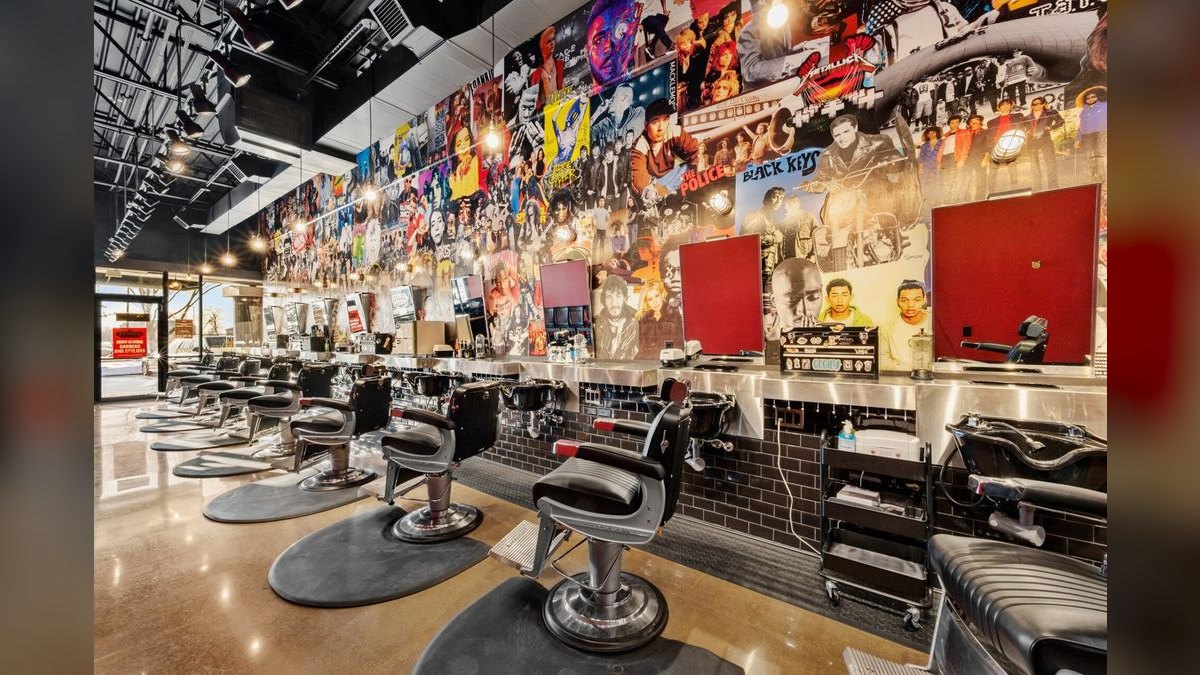
Days 22–45: financing and site search, in parallel. Established franchise brands on the SBA Franchise Directory are routinely financeable through SBA 7(a) loans, typically with the borrower putting real equity in and the lender covering the balance against a ten-year term for the non-real-estate portion. Pre-qualify with lenders that actively underwrite salon and personal-services franchising rather than whichever bank holds your checking account — sector familiarity changes both approval odds and the covenants you get. Simultaneously retain a tenant-representation broker and screen fifteen to twenty candidate sites against the brand's criteria. Walk-up lifestyle centers and urban-infill locations with genuine evening and weekend foot traffic outperform isolated pad sites in this concept; the customer is combining the haircut with something else.
Days 46–65: Discovery Day and legal review. Attend the brand's Discovery Day. Its function is mutual: you assess the support organization, they assess whether you can operate. Separately, retain a franchise attorney — not a general commercial lawyer — to redline the agreement. The clauses that matter most are the territory definition and its protections, the non-compete radius and duration, the transfer fee and approval standard for eventually selling your unit, renewal terms and renewal fees, and the personal guarantee scope. Territory language is where a multi-unit thesis lives or dies.
Days 66–90: sign a multi-unit development agreement or walk away. The worst available outcome is signing one unit "to test the concept." You absorb the full weight of a district-level overhead structure with nothing to spread it across, and you have given up the fee concessions and the reserved territory that make the model work.
Costs, timelines, and the ranges you should underwrite against
The disclosed total initial investment for a single Floyd's 99 unit spans roughly $400,000 to $770,000, and the spread is not noise — it is almost entirely build-out and market. Leasehold improvements alone run from about $165,000 at the low end to $375,000 at the high end. Equipment, furniture, and fixtures add roughly $50,000–$80,000. Grand-opening marketing is budgeted around $25,000, training and travel a few thousand more, and three months of working capital in the $40,000–$71,000 range. Deposits, insurance, licenses, and professional fees fill out the rest.
Underwrite to the high end of that range, not the midpoint, and then add a contingency. Build-out costs across retail construction sit meaningfully above their pre-2020 baseline, and in high-cost, high-permitting markets — coastal California, New York City, Boston, Seattle — a shop that the FDD says should cost $375,000 to build can land materially above that once union labor rates, extended permitting timelines, and landlord work-letter gaps are accounted for. Franchisee complaints in high-regulation states have flagged build-outs running well over budget. A tenant improvement allowance from the landlord is the most powerful single lever you have here; a strong TI package on a slightly worse corner frequently beats a bare shell on a slightly better one.
On the revenue side, the disclosed system average unit volume is roughly $979,000, with the reporting range running from about $408,000 at the bottom to near $1.8 million at the top. That top-to-bottom spread of more than four times is the most important number on the page. It tells you the brand is not the primary determinant of outcome — site, operator, and labor execution are. For comparison, industry data puts the average independent hair salon's gross revenue near $405,000, so the system average is roughly two and a half times the category mean. That gap is the strongest single argument in the disclosure document, and it is also an average that includes mature urban flagships that you will not replicate in year one.
Model the ramp honestly. Year one on a new single unit realistically runs anywhere from a moderate cash loss to a small positive — call it negative $40,000 to positive $35,000 — because you are carrying full rent and a staffed floor while the book of repeat clients builds. Mature single-unit EBITDA margins in the mid-teens are a fair planning assumption, drifting toward high teens with disciplined labor management. Estimated owner earnings at a mature single shop in the $133,000–$172,000 range are plausible for a well-sited unit at or near the system average. Payback on a financed single unit typically lands somewhere in the two-to-four-year band, stretching to five or six years if volume settles in the $550,000–$700,000 zone that tertiary markets tend to produce.

Multi-unit changes the arithmetic in three specific places. Fee concessions on units beyond the first — commonly in the five-figure range per additional unit under an area development agreement — reduce your effective entry cost. A single district manager, one bookkeeping function, and shared recruiting infrastructure spread fixed overhead across three to five revenue streams instead of one. And trade-area marketing spend becomes efficient: the same local media buy that is wasteful for one shop is well-targeted for four in the same metro. The realistic effect is EBITDA moving from the mid-teens toward the low twenties, with cash-on-cash returns in the mid-twenties by year four for a well-executed single unit and higher for a mature multi-unit portfolio.
Compare against the alternatives before you commit capital. A value-tier haircut franchise with a much larger system typically asks $259,000–$497,000 all-in, pays back faster on an eighteen-to-thirty-month horizon, and caps out at lower per-unit volume. A smaller experiential competitor at a higher ticket offers wide-open territory at similar total investment with far less proven scale. A smaller men's grooming franchise system can get you into the experiential tier for a lower capital commitment. And an independent shop built with two partner-stylists runs perhaps $180,000–$280,000 all-in with no royalty and structurally higher margin — at the cost of brand recognition, supplier scale, and a training pipeline. That last option is genuinely the right answer for a subset of readers: if you already have a deep local stylist network and no interest in scaling past one location, paying 8% of gross for infrastructure you do not need is a poor trade.
Where operators get this wrong

Treating the system average as a forecast. The $979,000 figure is a mean across a range that bottoms out near $408,000. Underwriting your pro forma to the average is the most common and most expensive error in franchise diligence generally. Build your base case off the twenty-fifth percentile of the disclosed range and confirm you can service debt there. If the deal only works at the mean, it does not work.
Buying a single unit while planning to stay in a W-2 job. The concept requires an operating partner or a genuinely capable general manager with salon-management experience. Absent that, stylist turnover in year one runs far above the already-high category baseline, and revenue erosion shows up in months six through nine — right when your working capital reserve is thinnest. Stylists take their clients with them. The revenue loss from losing a productive stylist is not the wage you save; it is the book.
Underestimating the labor line. Stylist compensation is up sharply since 2023 across the category, and several states have contractor-classification rules that constrain how you can structure booth-rent or commission arrangements. If you are modeling a commission structure that a state's classification law will not permit, your margin assumption is fiction. Verify the employment-classification treatment in your specific state before you sign, not after.
Signing a weak territory. In a multi-unit thesis, territory language is the asset. A vaguely drawn protected area, or one measured by radius rather than by trade area and population, will eventually put a sibling unit or a company store closer to your customer base than you expected. Have the attorney model what the territory permits, not what the development officer describes.
Choosing the site on rent per square foot. In an experiential concept, co-tenancy and evening traffic patterns matter more than the rent line. A slightly higher rent in a center with the right neighboring tenants and real weekend traffic outperforms a bargain lease in a center that empties at 6 p.m. Rent is a fixed cost you negotiate once; traffic quality determines your revenue every day for ten years.

Skipping the franchisee calls. Every prospective owner says they will make the calls, and a large fraction make two or three. The calls are the only independent verification available to you, they are free, and the Item 20 exhibit exists precisely so you can make them. Twelve conversations at thirty minutes each is six hours of work against a half-million-dollar decision.
Ignoring the recurring-revenue lever. The brand's membership offering — an unlimited-cut subscription in the $59–$89 monthly range — materially changes the cash-flow profile of a shop, because a member on an eleven-month average retention is a fundamentally different customer from a walk-in who visits three times a year. Operators who treat membership enrollment as a secondary metric leave the single best de-risking tool in the model unused. Make member enrollment a front-desk KPI from opening week.
Decision framework: when to sign, when to shrink, when to walk
Work the gates in order, and stop at the first one you fail rather than trying to compensate downstream. Capital first: liquid plus financeable capital of at least roughly $500,000 for a single unit, and closer to $750,000-plus if you intend to develop three or more. Then operator capability: an operating partner or general manager with real salon or hospitality management experience, on site. Then market: a top-50 metro with median household income comfortably above the national median and a demographic profile that supports a $45–$65 ticket. Then commitment: willingness to sign a multi-unit development agreement rather than a single test unit.
Pass all four and the deal is a strong fit — underwrite toward mid-twenties cash-on-cash by year four with the multi-unit overhead leverage doing the heavy lifting. Pass the first three but not the fourth, and a single unit is still viable at mid-teens margin; just price it honestly as an owner-operator business rather than a portfolio investment. Fail the market gate and you should expect volume in the $550,000–$700,000 band, single-digit-to-low-teens margin, and a five-to-six-year payback — a job with limited exit value. Fail the capital or operator gate and the correct answer is a lower-capital concept or an independent shop with partner-stylists.

One adjacent path worth naming: buying an existing unit rather than opening a new one. A resale eliminates the build-out risk and the ramp entirely — you inherit a stabilized revenue stream, a trained staff, and a lease with known terms. You pay for that in a purchase multiple, and you inherit whatever the seller broke: deferred maintenance, a demoralized staff, a soured local reputation, or a lease with three years left and no renewal option. Diligence on a resale is a different exercise: pull three years of tax returns, get the stylist roster with tenure and individual production, read the lease and the assignment provisions, and interview the departing owner about why they are selling. A resale at a fair multiple with a stable staff is frequently the best risk-adjusted entry available in franchising, and it is systematically underconsidered by first-time buyers who are drawn to the clean slate of a new build.
Related questions
How does the 2027 market backdrop change the answer?
Favorably, on balance. Return-to-office mandates at large employers are rebuilding the weekday urban grooming visit, men's grooming spend continues growing at a healthy clip, subscription membership is scaling as a share of system revenue, and independent-salon attrition is handing share to franchised systems. The offsets are elevated build-out costs and rising stylist wages.
Do I need to be a barber to own one?
No. Franchisors in this category select for operational and business-management capability, not licensure, and they train on the service model. But someone in the ownership group needs credible salon-management experience — recruiting, scheduling, and retaining stylists is the operating discipline that determines whether the unit hits the system average or the bottom quartile.
What does a realistic first-year P&L look like?

Plan for roughly negative $40,000 to positive $35,000 in cash flow while the repeat book builds under full rent and a staffed floor. Revenue climbs through the ramp; fixed costs do not wait for it. Fund twelve months of working capital, not the three months the disclosure document contemplates.
Is a single unit ever the right call?
Yes — when you intend to be the owner-operator, you are in a strong metro, and you are underwriting mid-teens EBITDA and a $133,000–$172,000 owner-earnings outcome as the goal rather than a stepping stone. It is a respectable small business. It is not a portfolio investment, and pretending otherwise is how people get disappointed.
How does this compare to a value-tier haircut franchise?
Lower entry cost, faster payback, lower per-unit ceiling, and a fundamentally different operating model built on throughput rather than experience. If your instinct is to optimize for speed to breakeven and simplicity of operations, the value tier is the better fit. If you want higher revenue per location and a defensible position in a thin competitive tier, the experiential concept is.
FAQ
What is the total investment range for a Floyd's 99 Barbershop franchise?
The disclosed total initial investment runs roughly $400,000 to $770,000 per unit, with most prospective owners planning around $500,000–$800,000 all-in once contingency is included. Build-out is the dominant swing factor: $165,000–$375,000 depending on the space, the market, and how much tenant improvement allowance you negotiate from the landlord.
How much can a single-unit franchisee expect to earn?

At or near the system average unit volume of roughly $979,000, estimated owner earnings at a mature shop land in the $133,000–$172,000 range on mid-teens EBITDA margins. That is a year-three-and-beyond figure, not a year-one figure. First-year cash flow commonly runs from a moderate loss to a small profit while the client book builds.
Why is multi-unit ownership so much better than a single shop?
Three reasons compound: fee concessions on units beyond the first under an area development agreement, fixed overhead spread across several revenue streams instead of one, and local marketing spend that becomes efficient when four shops share a trade area. The net effect moves EBITDA from the mid-teens toward the low twenties without any change to per-unit performance.
Can I own one as an absentee investor?
Not as a single unit. The concept requires a full-time operating partner or a general manager with documented salon-management experience, because stylist retention is the variable that drives revenue and it degrades quickly without on-site leadership. Absentee ownership becomes plausible at three-plus units, where a district manager can carry the operational load your presence would otherwise provide.
Is buying an existing shop better than opening a new one?
Often, on a risk-adjusted basis. A resale eliminates build-out overruns and the ramp, and you can underwrite from actual tax returns instead of a pro forma. The trade is a purchase multiple plus inherited problems — check stylist tenure and individual production, the remaining lease term and assignment terms, deferred maintenance, and the honest reason the seller is exiting.
How long from signing to opening?
Six to twelve months typically, driven by site selection, lease negotiation, landlord and municipal approvals, construction, and staffing. Add the ninety-day diligence window before signing and you are realistically nine to fifteen months from serious inquiry to your first haircut. Markets with slow permitting departments sit at the long end of every one of those stages.
Sources
- https://www.sba.gov/document/support-sba-franchise-directory
- https://www.ibisworld.com/united-states/market-research-reports/hair-salons-industry/
- https://www.bls.gov/oes/current/oes395012.htm
- https://www.bls.gov/ooh/personal-care-and-service/barbers-hairstylists-and-cosmetologists.htm
- https://www.ftc.gov/business-guidance/resources/franchise-rule-compliance-guide
- https://www.franchise.org/franchise-information/franchise-business-outlook
- https://www.franchisetimes.com/
- https://www.floydsbarbershop.com/
- https://www.census.gov/programs-surveys/acs
Related on PULSE
- Should I open or buy a Tommy Gun's Original Barbershop franchise in 2027?
- Should I open or buy a Diesel Barbershop franchise in 2027?
- Should I open or buy a V's Barbershop franchise in 2027?
- Should I open or buy a Sport Clips franchise in 2027?
- Should I open or buy a Great Clips franchise in 2027?
This page will be disappearing soon. Save it to your device for $1 — or read it free while it is here.
@Kory-White- · if Venmo asks, the last 4 of my number are 2012
This page is gone.
This one is off the shelf now. $1 keeps it on your phone for good — the whole page, pictures and diagrams included.
 franchiseShould I open or buy a Subway franchise in 2027?
 franchiseShould I open or buy a Rita's Italian Ice franchise in 2027?
 franchiseShould I open or buy a Taco Bell franchise in 2027?
 franchiseShould I open or buy a Planet Fitness franchise in 2027?
 franchiseShould I open or buy a Mathnasium franchise in 2027?
 franchiseShould I open or buy a Stanley Steemer franchise in 2027?
 franchiseShould I open or buy a Culver's franchise in 2027?
 franchiseShould I open or buy a Jamba franchise in 2027?
 franchiseShould I open or buy a Smoothie King franchise in 2027?
 franchiseShould I open or buy a Mac Tools franchise in 2027?