
Should I open or buy a Hair Cuttery franchise in 2027?
 Curated byKory White · Fractional CRO · Maryland
 PULSEKNOWLEDGE LIBRARY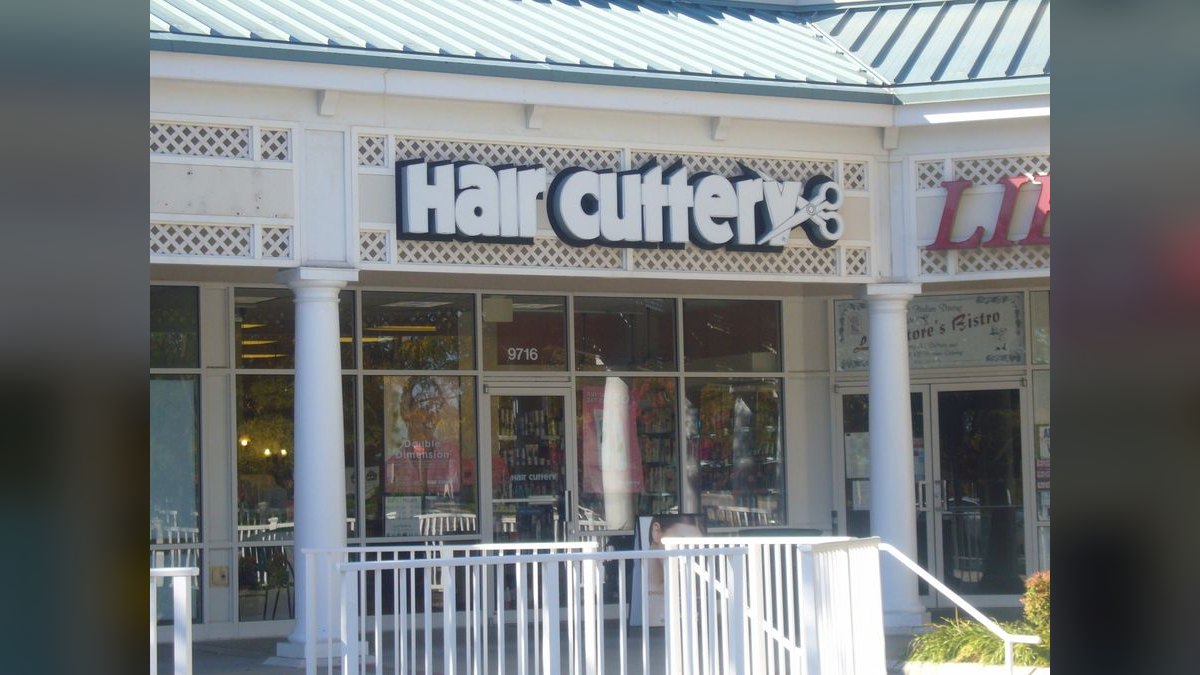
Probably not. Hair Cuttery is functionally not an open franchise system in 2027 — after the 2020 Chapter 11 of parent Creative Hairdressers, HC Salon Holdings runs the brand as a company-owned chain. Unless you already operate multiple salons and can negotiate directly, Great Clips or Sport Clips are the realistic plays.
The outcome you should expect if you pursue this
Set your expectations at the first phone call, not at the pro forma. The most likely outcome of a serious inquiry into a Hair Cuttery franchise in 2027 is a polite redirect: corporate tells you the brand operates company-owned salons and is not accepting single-unit franchise applications. That is not a rejection of you — it is the strategy. When HC Salon Holdings acquired the Hair Cuttery brand out of the Creative Hairdressers bankruptcy, it acquired an operating chain, not a franchise-sales engine. Franchise sales is its own business: a dedicated development team, a legal budget to keep the FDD registered in every state, a field-support org, a franchisee advisory council, a training academy. Company-owned operators do not maintain that apparatus unless they intend to sell units, and there is no public evidence Hair Cuttery has rebuilt it.
The second most likely outcome, if you are already a multi-unit salon operator inside Hair Cuttery's core geography, is a conversation about something that is not really a franchise at all — a management agreement, an area-development arrangement, or a portfolio purchase of existing salons. Those deals get negotiated one at a time, with lawyers, and the economics look nothing like the tidy Item 7 range you find on a franchise-listing site. You will be pricing a real business with real payroll, real leases, and a real client book, and the number will be driven by trailing revenue and stylist retention, not by a franchisor's brochure.
The third outcome — and be honest that this is the common one — is that you spend sixty days chasing a brand that does not want your money, and open a Great Clips instead. That is not a failure. It is what a disciplined search looks like. Franchise buyers routinely burn a quarter on a first-choice brand that turns out to be closed, under-registered in their state, or sold out in their metro. The buyers who do well treat the first brand as a hypothesis and keep a live shortlist of two or three alternates so the calendar never stalls.
What you should not expect is the outcome most legacy listings imply: a $15,000-ish franchise fee, a mid-six-figure build, a territory map, and a franchise business consultant assigned to your unit. Those listings are database residue. Directory sites keep stale profiles online for years because the pages still rank and still generate leads, and a profile that says "Hair Cuttery franchise cost" will pull traffic long after the program behind it went dark. Treat any franchise listing page as an advertisement with unknown vintage, and treat a current, state-registered FDD as the only proof that a system is genuinely selling.
What drives that outcome
Three forces, stacked, explain why this brand is closed and why the mid-tier family salon is a hard place to plant capital in 2027.
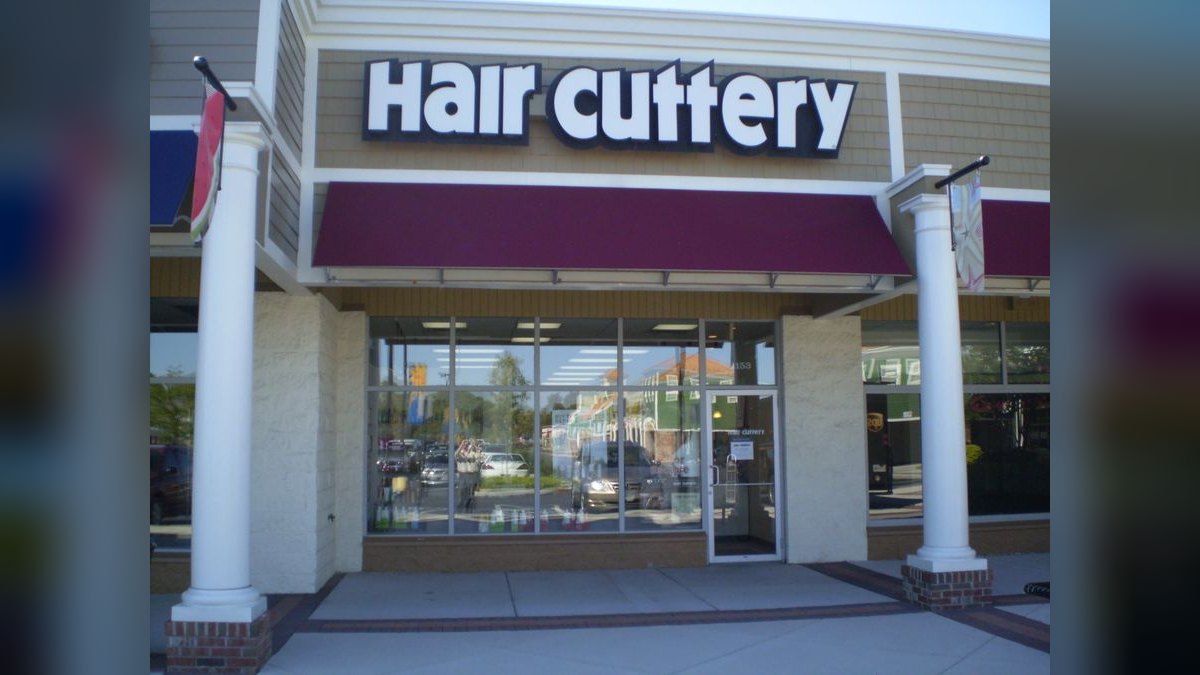
The post-bankruptcy ownership model. A brand that comes through Chapter 11 under new ownership typically arrives stripped: fewer units, renegotiated leases, a thinner support staff, and no obligation to honor the old growth plan. New owners optimize the assets they bought. If the acquired asset is a few hundred operating salons with known cash flows, the fastest return is running them better — trimming underperformers, resetting labor models, refreshing the ones worth refreshing. Selling franchises is slower, legally heavier, and dilutes control of the brand experience at exactly the moment the brand needs consistency. So the rational owner does not franchise, at least not until the operating business is stable and the brand is worth licensing again.
The squeeze on the full-service mid-tier. A family salon at a $30–$45 ticket sits between two better-defended positions. Below it, express men's-cut concepts own the $20–$28 quick cut with brutal efficiency: small footprints, short service times, high chair turns, and a brand promise a customer can understand in three seconds. Above it, independent and booth-rent salons own the relationship business — the customer who follows a specific stylist and pays $80 for color. The middle has neither the throughput of the express model nor the pricing power of the relationship model. Mid-tier chain operators across many consumer categories have hit this wall; the salon version is unusually sharp because the product is delivered by a person the customer can follow out the door.
Labor economics that dominate everything else. In a commission salon, payroll plus payroll taxes and benefits typically consumes the majority of every revenue dollar — commonly somewhere in the mid-50s to low-60s as a percentage of revenue once you include managers and support staff. Rent is usually high single digits to low double digits. Product cost of goods for services and retail runs high single digits. Stack a royalty and a brand fund on top and you can see why a well-run unit lands in a single-digit-to-mid-teens operating margin rather than the 20%+ that first-time buyers imagine. That margin structure means the difference between a good year and a bad one is not marketing cleverness — it is whether your six best stylists stayed.
The practical read: none of these three forces is something a franchisee fixes. You cannot out-market a closed franchise program, out-position a squeezed segment from inside a single unit, or out-hustle a labor cost line that is structural. You can only choose a different starting position — a different brand, a different model, or a different segment.
Benchmarks and realistic ranges
Because there is no publicly circulating current Hair Cuttery FDD, every number you find for this brand is either historical or inferred. Use it to size the category, not to underwrite a deal.
What legacy listings show. Older franchise-directory profiles for Hair Cuttery list an initial franchise fee in the mid-teens to mid-twenties of thousands, a total initial investment roughly in the $120K–$285K band, and a royalty in the mid-single digits plus a separate brand-fund contribution. Those figures long predate current construction and labor costs. If a comparable program existed today, a 1,200–1,800 square foot inline salon in an East Coast or Midwest strip center would realistically require: leasehold improvements in the high five figures to well into six figures depending on landlord allowance and existing conditions; styling stations, shampoo bowls, dryers, and point-of-sale in the low-to-mid five figures; opening inventory in the five figures; signage, permits, cosmetology-board compliance, and insurance in the five figures; and — the line first-timers skip — three months of payroll runway before the appointment book stabilizes.
Working capital is the number that kills deals. A salon is not a restaurant where a strong opening week fixes cash flow. It is a book-building business. Your stylists need a client base, and building one takes months of appointments, rebookings, and word of mouth. Budget three months of full payroll as untouchable reserve, plus a separate revolving line you do not spend at opening. Undercapitalized salon operators fail in the first eighteen months more often than they fail from bad site selection, and it is almost always the same story: revenue ramped slower than modeled, the owner cut marketing to make payroll, and the ramp got slower still.
Where the comparable brands sit. The two brands you will actually be choosing between publish Item 19 figures in their FDDs. Great Clips has historically reported average or median salon revenue in the high-$300Ks against a total investment that typically starts under $200K and runs into the low-$400Ks. Sport Clips has historically reported average revenue around the $400K mark with a somewhat higher investment band. Supercuts units, under Regis, have historically indexed lower on average revenue. Do not take those numbers from me or from a directory — request the current FDD from each franchisor and read Item 19 yourself, including the footnotes that tell you whether the figure is a mean or a median, which units were included, and how many units actually hit the stated average. Item 19 disclosure is where franchisors are most careful and most revealing at the same time.
The margin math that matters. Take a unit doing $400K in revenue. Assume payroll and related costs at 58%, rent and CAM at 9%, product COGS at 8%, royalty and brand fund combined in the 8–11% range, and the remaining operating overhead — utilities, insurance, software, supplies, card fees, local marketing — at 6–8%. You are at or near break-even at the operating line before owner compensation. That is the honest picture of a royalty-paying mid-tier salon at average volume. The units that work are not average: they run higher tickets through color and chemical services, attach retail product at a meaningfully better margin than services, and hold senior stylists for years so the book compounds rather than resets.
Read the four FDD items that predict your outcome. Item 7 tells you what it costs. Item 19 tells you what units earn, with caveats. Item 20 tells you the truth: unit openings, closures, transfers, and terminations over three years, plus the contact list for current and former franchisees. A system with heavy transfers and terminations relative to openings is telling you something the marketing deck will not. Item 11 tells you what support you actually get — training hours, field visits, technology, and marketing obligations. Read Item 20 first. Call ten current owners and, critically, three former ones.
Risks, edge cases, and failure modes
The closed-program risk is the headline risk. Investing several hundred thousand dollars behind a brand whose owner is not committed to franchising leaves you exposed to a support vacuum. If corporate priorities shift, you can end up an independent salon paying a royalty for a brand nobody is investing in. Ask directly, in writing: how many franchised units opened in the last twenty-four months, how many closed, and who is the named person responsible for franchisee support. A system that cannot answer that in one email is not a system.
Geographic brand equity is not portable. Hair Cuttery's recognition is concentrated in the mid-Atlantic and parts of the Midwest. Outside that footprint, the name buys nothing. Paying a royalty for brand awareness that does not exist in your trade area is the single most common way franchise buyers overpay. The corollary is a real edge case: inside the footprint, in a market where existing Hair Cuttery salons are strong, a conversion or acquisition conversation with the brand owner could genuinely pencil — because you would be buying trailing revenue and an existing client book, not a logo.
Stylist flight is the operating failure mode. When a senior stylist leaves, a large share of their clients follow them, and the replacement takes months to rebuild. Two senior departures in a first year can move a unit from marginal to underwater. Booth-rent salons compete for exactly those stylists by offering a higher effective payout and full schedule control, which a commission structure cannot match dollar-for-dollar. Your counter has to be non-cash: guaranteed hours, benefits, paid education, product allowance, a real career ladder to master stylist and manager, and a schedule that respects someone's life. Write your retention plan before you sign a lease, and put a non-solicitation clause in offers where your state allows it — many states restrict non-competes for hourly personal-service workers, so check local law rather than copying a template.
Saturation math is unforgiving. Count actual salon seats, not brands, within your realistic drive time. Include independents, booth-rent suites, barbershops, and mall chains. If the seat count per household in your trade area is already high, an additional salon does not create demand — it splits it, and the newest operator loses that fight because the incumbents already hold the books.
Lease terms outlast the business plan. A ten-year lease with personal guarantees is a bigger commitment than the franchise agreement. Negotiate a co-terminus clause so the lease term does not extend past your franchise term, a landlord allowance for improvements, a co-tenancy provision if you are relying on an anchor tenant's traffic, and an assignment right so you can sell the business without the landlord's veto. A buyer cannot buy your salon if they cannot get the lease.
Semi-absentee is the most expensive mistake. Salons are managed businesses. If you intend to keep a day job, you are funding a manager at a real salary plus incentive, and that cost comes straight out of the margin that was already thin. It can work — with the right manager, equity-like upside, and weekly numbers discipline — but model it honestly rather than assuming you will "check in on weekends."
Financing risk cuts both ways. SBA 7(a) money is available for salon concepts, generally requiring meaningful equity injection and a personal guarantee, often with a lien on your home if you have equity. At current rates, debt service on a mid-six-figure loan meaningfully compresses first-year owner cash. Run your model at a rate two points above your quote, and at 80% of your revenue assumption. If it still survives, you have a business. If it only works at plan, you have a hope.
A practical rollout plan
Run this as a ninety-day disciplined search with hard gates, not an open-ended courtship of one brand.
Days 1–10 — Verify the program exists. Contact HC Salon Holdings and request the current, state-registered FDD with Item 7, 19, and 20. Simultaneously request FDDs from Great Clips, Sport Clips, and one barbershop-segment brand. If Hair Cuttery redirects you to company-owned-only, the question is answered — record it and move on without sentiment.
Days 11–25 — Read Item 20 before Item 19. For every brand still live, tally openings, closures, transfers, and terminations across three years. Build the ratio yourself. Then read Item 19 with the footnotes, and note how many units achieved the reported average. A franchisor reporting a mean with no median and no distribution is hiding a tail.
Days 26–40 — Call owners, including former ones. Ten current, three former, per finalist brand. Ask four questions: what did you actually take home in year two, how many stylists did you lose and why, what does corporate do for you that you would pay for again, and would you buy another unit tomorrow. If two or more current owners say no, cut the brand.
Days 41–55 — Validate your specific trade area. Pull three-mile drive-time demographics — households, income, age mix, daytime population. Physically count competing chairs. Drive the center at 10am Saturday and 6pm Tuesday. Talk to two adjacent tenants about traffic. Site quality inside a mediocre brand beats a great brand in a dead center.
Days 56–70 — Model and finance. Build a monthly cash model for thirty-six months with an explicit stylist ramp: how many chairs staffed each month, average tickets per stylist per week, and rebooking rate. Stress it at 80% revenue and rate-plus-two. Then secure the term loan plus a separate working-capital line you do not touch at opening.
Days 71–85 — Negotiate the two documents that bind you. On the franchise agreement, push on territory definition, transfer fees, renewal terms, and remodel obligations. On the lease, push on allowance, term, assignment, co-tenancy, and personal-guarantee burn-off. Have a franchise attorney read both. This is not the place to save four thousand dollars.
Days 86–90 — Hire before you commit, then decide at the gate. You need six to eight stylists to open properly. If you cannot get three signed offers within thirty days of trying, the labor market is telling you the unit will not staff. Your go/no-go gate: current FDD in hand, owner references positive, trade area not saturated, three stylists signed, and a model that survives the stress case. Miss one and walk.
Adjacent plays worth pricing before you commit
Buy an existing independent salon. A profitable four-to-six chair independent trades on a multiple of seller discretionary earnings, and the multiple for small owner-operated service businesses is typically low single digits. You pay no royalty, keep full margin, and inherit a client book and a staff. You get no brand, no systems, and no marketing support — which matters far less in a business where customers choose a stylist, not a sign. For an operator with salon experience, this is often the best risk-adjusted entry in the category.
Open a booth-rent or salon-suite model. Instead of employing stylists, you lease chairs or private suites at a weekly rate. Revenue per chair is lower, but you convert your largest and most volatile cost line — commissioned labor — into a landlord relationship. Net margins are structurally better and management load is dramatically lighter. The risk moves to occupancy: an empty suite earns nothing, and your job becomes leasing, not styling.
Go to the express men's segment instead. Smaller footprint, faster service, simpler labor model, clearer brand promise. The express and barbershop concepts are where category growth has concentrated, and their franchisors are actively selling with mature support infrastructure. If your thesis is "franchise a haircut business," this is the segment where the thesis holds.
Adjacent personal-service franchising. The same diligence framework — Item 20 first, ten owner calls, trade-area chair count, stress-tested model — applies cleanly to nails, blow-dry bars, massage, med-spa, and fitness studios. Med-spa and injectables carry higher tickets and better margins but add clinical-oversight and licensing complexity that varies sharply by state. If you are buying a franchise mainly to buy a system, price two or three of these against the salon deal before you assume hair is the right vertical.
Multi-unit from day one, or not at all. In thin-margin service franchising, the owner-operator of one unit is buying a job. Real returns show up at three to five units, where you can afford a district manager, spread marketing spend, negotiate better vendor terms, and move stylists between locations to cover gaps. If your capital and credit cannot plausibly support a three-unit plan within four years, the honest question is whether franchising is the right structure at all — versus buying one independent salon outright and keeping the royalty.
Related questions
Is Hair Cuttery accepting franchise applications in 2027?
There is no evidence of an active single-unit franchise-sales program. The brand operates primarily as company-owned salons under HC Salon Holdings following the 2020 bankruptcy of its former parent. Verify directly with corporate and ask for a current, state-registered FDD before spending diligence time.
What is a realistic total investment for a mid-tier salon build in 2027?
Legacy listings for the brand showed roughly $120K–$285K, but current construction, equipment, and labor costs push a comparable 1,200–1,800 square foot inline build meaningfully higher. Get contractor bids for your specific space rather than relying on any published range.
Which haircare franchise brands are actively selling units?
Great Clips, Sport Clips, and Supercuts have historically maintained active franchise programs with registered FDDs, plus a growing set of barbershop concepts. Request each FDD directly, and confirm registration in your state before assuming you can buy.
How much does losing a senior stylist cost a salon?
Enough to change your year. A large share of a departing stylist's clients follow them, and rebuilding that book takes months of new-client acquisition. Retention spending — benefits, paid education, schedule control, career ladder — is usually cheaper than replacement.
Is booth rent better than commission for a new salon owner?
For a first-time owner without salon management experience, often yes. Booth rent trades revenue upside for predictable income and far less labor risk. Commission salons earn more per chair but only if you can recruit and retain stylists, which is the hardest skill in the business.
FAQ
Can I still open a Hair Cuttery franchise if I have the capital?
Capital is not the constraint — the brand's strategy is. HC Salon Holdings runs Hair Cuttery as a company-owned chain and there is no evidence of an active franchise-sales program for single-unit buyers. If you are already a multi-unit salon operator inside the brand's core geography, a negotiated arrangement is conceivable, but it would be a bespoke deal, not a franchise purchase off a shelf.
Why do franchise directory sites still list Hair Cuttery franchise costs?
Because those pages still rank and still generate leads. Directory profiles are rarely retired when a program goes dormant; the figures you see are frequently years old and reflect a franchise offering that predates the bankruptcy and change of ownership. Treat every directory listing as an undated advertisement and treat a current state-registered FDD as the only reliable evidence a system is selling.
What is the single biggest cost line in a salon, and can I control it?
Payroll, and only partially. In a commission salon, labor and related costs typically consume the majority of revenue. You control it through scheduling discipline, service mix — color and chemical work carry materially better margins than a basic cut — retail attachment, and above all retention, since a stable senior stylist generates revenue at a far lower acquisition cost than a new hire building a book from zero.
How do I tell a healthy franchise system from a struggling one?
Item 20 of the FDD. It reports openings, closures, transfers, and terminations over three years and lists current and former franchisee contacts. Heavy transfers and terminations relative to openings signals owners exiting. Then call ten current owners and three former ones. Marketing decks describe the system the franchisor wants; Item 20 and former franchisees describe the one that exists.
Is an independent salon acquisition really better than a franchise?
Often, for an experienced operator. You pay a multiple of seller discretionary earnings, inherit a client book and staff, and keep the royalty and brand-fund percentage that would otherwise leave every month. What you give up — brand recognition, training systems, marketing support — matters less in a category where the customer's loyalty attaches to a stylist rather than a sign.
Should I buy one salon or plan for several?
Plan for several or reconsider the structure. At single-digit-to-mid-teens operating margins, one unit is effectively a job with equity attached. Economics improve materially at three to five units, where a district manager, shared marketing, better vendor terms, and cross-location staffing coverage become affordable. If a three-unit plan is not plausible within four years, buying one independent salon without a royalty is usually the stronger risk-adjusted move.
Sources
- https://www.sba.gov/funding-programs/loans/7a-loans
- https://www.ftc.gov/business-guidance/resources/franchise-rule-compliance-guide
- https://www.bls.gov/ooh/personal-care-and-service/barbers-hairstylists-and-cosmetologists.htm
- https://www.census.gov/programs-surveys/susb.html
- https://www.franchise.org/
- https://corporate.haircuttery.com/
- https://www.greatclips.com/franchise
- https://www.sportclips.com/franchise
- https://www.reuters.com/legal/
- https://www.bls.gov/cpi/
Related on PULSE
- [How long does it take to open a franchise and break even in 2027?](/knowledge/fr1104)
- [Should I open or buy a Tommy Gun's Original Barbershop franchise in 2027?](/knowledge/fr1095)
- [Should I open or buy a Painting with a Twist franchise in 2027?](/knowledge/fr1058)
- [Should I open or buy a Great Clips franchise in 2027?](/knowledge/fr1041)
- [What does Item 19 of an FDD actually tell you?](/knowledge/fr1112)
 pulse-toolsHow Many Staff Should I Schedule Each Shift at My Urgent Care Clinic?
 pulse-toolsHow Many Sales Reps Do I Need to Hire for My Title Insurance Company?
 pulse-toolsHow Many Employees Should I Schedule Each Shift at My Ice Cream Shop?
 pulse-toolsHow Many Loan Officers Do I Need to Hire for My Mortgage Brokerage?
 pulse-toolsHow Many Sales Reps Do I Need to Hire for My Dental Support Organization?
 pulse-toolsHow Many Sales Reps Do I Need to Hire for My Garage Door Company?
 pulse-toolsHow Many Employees Should I Schedule Each Shift at My Sandwich Franchise?
 pulse-toolsHow Many Staff Should I Schedule Each Day at My Veterinary Clinic?
 pulse-toolsHow Many Sales Reps Do I Need to Hire for My Fintech Startup?
 pulse-toolsHow Many Sales Reps Do I Need to Hire for My IT Managed Services (MSP) Business?