


Should I open a real estate photography business in 2027?
Quality
Certified
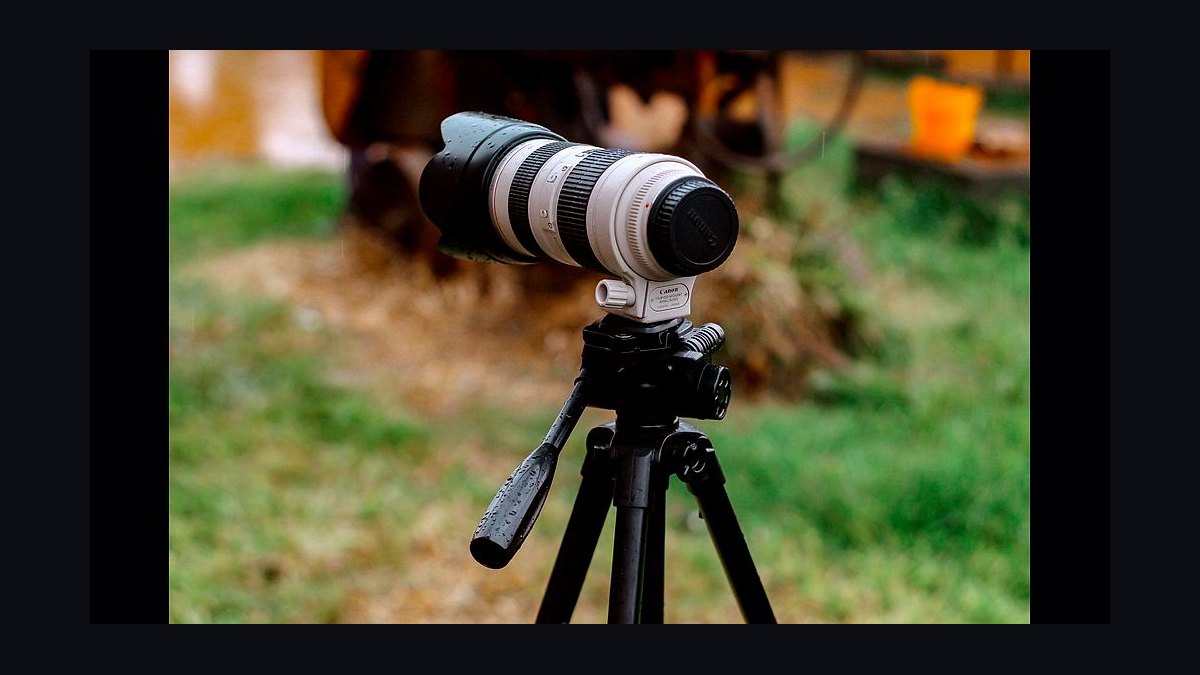
Yes — if you already own a $4-6K camera kit, live in a metro with median home prices above $400K, and can stomach a 9-12 month ramp to replace a W-2 income. A real estate photography solo-operator business in 2027 costs $8,000-$22,000 all-in to launch (camera body, wide-angle lens, tripod, lighting, drone with Part 107, Matterport-compatible 360 camera, editing PC, LLC, insurance, website). Realistic Year-1 revenue is $45,000-$85,000 gross at 3-5 shoots/week averaging $225-$325 per listing. Owner take-home after gear depreciation, mileage, editing software, and outsourced post lands at $28,000-$55,000. Breakeven hits at month 5-8 if you can lock in 8-12 anchor agents doing 2+ listings/month. Probably not — unless you have an existing real estate network or are willing to door-knock 200+ agents in your first 90 days.
The Real Numbers
Real estate photography is not a franchise — it is an independent service business (NAICS 541921). Numbers below pull from IBISWorld Real Estate Photography Industry Report 6430 (2026), BLS OEWS 27-4021 Photographers, IRS Schedule C aggregates for photography studios, and PhotoUp / Zillow Showcase 2026 pricing benchmarks.
| Line Item | Solo Operator | 2-Photographer Studio | Multi-City Brand |
|---|---|---|---|
| Startup CAPEX | $8K-$22K | $35K-$60K | $85K-$150K |
| Gear (camera + lens + drone + 360) | $6K-$12K | $18K-$28K | $45K-$70K |
| LLC + insurance + website | $1.5K-$3K | $3K-$5K | $6K-$10K |
| Editing PC + software (Lightroom/Photoshop/HDR) | $2K-$4K | $5K-$8K | $12K-$18K |
| Year-1 gross revenue | $45K-$85K | $140K-$240K | $400K-$900K |
| Year-2 gross revenue | $70K-$130K | $220K-$380K | $700K-$1.6M |
| EBITDA margin | 38-52% | 28-38% | 18-26% |
| Average revenue per listing | $225-$325 | $275-$425 | $325-$525 |
| Listings/week to break even | 3-4 | 12-18 | 35-55 |
| Payback period | 5-8 months | 14-20 months | 24-36 months |
| Owner take-home Year-1 | $28K-$55K | $55K-$110K | $90K-$220K |
| Owner take-home Year-3 | $65K-$120K | $140K-$260K | $300K-$650K |
Revenue mix that actually works in 2027:
- Standard HDR photo package (25-40 images): $175-$295 base
- Drone aerial add-on (Part 107 required): $125-$250
- Matterport 3D tour (Pro3 camera, $5,900 hardware): $195-$395
- Zillow 3D Home Tour + floor plan: $145-$245
- Twilight photography: $125-$295
- Virtual staging (AI-assisted, $15-$35 cost, $39-$89 sell price): 60-75% margin
- Walkthrough video (1-2 min vertical for social): $195-$395
A solo operator hitting $85K gross typically books 4 shoots/week × 48 working weeks × $295 average ticket (base + 1.5 add-ons). The $295 number is the load-bearing assumption — drop to $195 average and the business stops working. The Los Angeles average is $318, NYC/Seattle $285, Miami $256 (PhotoUp 2026 benchmarks).
Who Wins With This Business
You win if you fit at least 4 of these 6:
- You already have a real estate network. Spouse is an agent, you came from title/escrow/mortgage, or you have 50+ active agent connections on LinkedIn. Cold outreach to agents converts at 1.5-3%; warm intros convert at 18-30%.
- You live in a metro with median home price above $400K. Photography spend correlates with commission size. Austin, Denver, Nashville, Raleigh, Tampa, Charlotte, Phoenix, San Diego are the 2027 sweet spots — high transaction volume, agents willing to pay $300+ per shoot, drone-friendly airspace.
- You can edit fast or outsource ruthlessly. Solo operators who self-edit cap at 3-4 shoots/day. Operators who outsource to PhotoUp, BoxBrownie, or Pixlmob at $1.50-$3 per image scale to 6-8 shoots/day.
- You hold a Part 107 drone certificate. FAA reported a 32% YoY increase in commercial drone licenses for real estate marketing through 2025. Drone add-ons carry 80%+ gross margin because the marginal capture cost is 10 minutes of flight time.
- You can sell. This is a sales business with a camera attached. Top-quartile operators spend 30% of their week prospecting — Brokerage office visits, agent coffees, sponsorship of local Realtor Association events ($500-$2,500/year).
- You enjoy 5:30am drives to vacant houses. Best light is dawn and dusk; agents need photos in 24-48 hours so weekends and early mornings are non-negotiable.
Who Loses With This Business
You lose if any of these apply:
- You expect passive income. This is a showing-up business. Every dollar of revenue requires you (or an employee) on-site with a camera. Vacation = zero revenue unless you have a second shooter.
- You're banking on AI to replace the capture itself. AI handles post-processing (sky replacement, virtual staging, HDR merge), but 71% of working photographers already use AI tools — it is table stakes, not a moat. The on-site capture is not automatable and won't be by 2030.
- You live in a sub-$300K median metro. Rural Ohio, West Texas, parts of the Midwest — agents in those markets routinely shoot listings on their iPhones because a $250 photo bill against a $4,500 commission is a 5.5% expense ratio they refuse to absorb.
- You're chasing the high-end-only segment from day one. Luxury work ($500-$1,500 per shoot) requires a referral pipeline that takes 3-5 years to build. Year-1 must be commodity tier ($200-$300) to pay rent.
- You hate sales. Real estate agents are the customer. If cold-calling 50 agents/week sounds intolerable, this is the wrong business. The photographers who fail are the ones who think the work is photography. The work is agent relationship management.
- You undercapitalize the drone. A $400 hobbyist drone without Part 107 certification is illegal commercial use; FAA fines run $1,100-$32,666 per violation (2026 schedule). Skip drone or do it right.
2027 Market Conditions
The macro picture is mixed but workable:
- Existing-home sales are running 4.1-4.4M annualized (NAR April 2026 print) versus the 5.5-6M norm of 2018-2021. Fewer transactions means more competition for each listing's marketing budget — agents are pickier and slower to pay.
- Zillow Showcase listings sell for 2% or ~$7K more than non-Showcase comps and drive 60% more page views (Zillow Q1 2026 investor data). Showcase requires professional photos + 3D tour — a structural demand driver for photographers through 2028.
- Matterport's Pro3 ($5,900) and the iPhone 17 Pro LiDAR-based capture have collapsed the 3D-tour cost floor. Solo photographers can now offer Matterport-grade tours; differentiation moves to drone quality and editing speed.
- AI virtual staging pricing collapsed from $30-$50 per image (2023) to $4-$15 per image (2026). Photographers who resell at $39-$89 still earn 60-75% margin because agents won't manage the workflow themselves.
- FAA Remote ID enforcement is live nationwide as of 2024-Q4, raising the table-stakes investment for drone work (sub-$300 hobbyist drones are non-compliant).
- NAR commission settlement (effective August 2024) continues to compress buyer-side agent commissions in 2026-27, meaning listing-side marketing budgets are increasingly the agent's primary differentiator. Listing photos are now the single highest-ROI marketing spend for the average agent — good news for photographers.
- Independent contractor classification is stable federally (DOL 2024 rule), but California (AB5), Massachusetts, and New Jersey still enforce stricter ABC tests. Hire W-2 if you scale past one shooter in those states.
The 90-Day Decision Tree
- Days 1-7: Validate the metro. Pull MLS active listing count for your zip cluster (use RealTrends 500 or your local board's monthly stats). Below 500 active listings within a 25-mile drive = wrong metro. Above 1,500 = strong signal.
- Days 8-21: Test demand before spending. Build a one-page Squarespace site ($16/month) with a sample portfolio (use TFP — "trade for portfolio" — shoots with 3 friend-agents for free). DM 40 agents on Instagram with the portfolio. If 4+ book a paid shoot in 14 days, the demand is real. If zero, abort.
- Days 22-45: Buy gear in the right order. Camera body + wide lens ($2,800), tripod + lighting ($600), editing PC ($1,800), Lightroom subscription ($240/year), LLC + general liability ($800/year via Hiscox or Next Insurance). Hold off on the drone and Matterport until you have 8 paid shoots booked.
- Days 46-60: Get Part 107 certified. Study via Pilot Institute or Drone Pilot Ground School ($175-$295), schedule FAA exam at a PSI testing center ($175). Pass rate is 92% with 20 hours of study. Buy DJI Mavic 3 Pro ($2,199) or Air 3S ($1,099) after passing.
- Days 61-75: Lock in your first 5 anchor agents. Offer a 3-shoot intro package at 25% off to any agent doing 2+ listings/month. The anchor accounts compound — by month 18, 70% of revenue typically comes from your top 10 agents.
- Days 76-90: Audit and price-raise. Re-shoot anything that's not portfolio-grade. Raise prices $25 per package if you booked 8+ shoots in the prior 30 days. Most photographers leave 20-40% of revenue on the table by under-pricing for 18+ months.
Alternative Plays
If real estate photography looks weak in your metro, adjacent plays with better unit economics:
- Short-term rental photography (Airbnb/VRBO): $250-$650 per shoot, owner pays directly (no agent middleman), repeat work every 18-24 months on listing refreshes. Higher ticket, similar cost structure.
- Commercial real estate photography (office/industrial/retail): $500-$2,500 per shoot, CoStar and LoopNet vendors set the benchmark. Longer sales cycle but 5-10x the ticket size.
- New construction / builder photography: Recurring contracts with regional builders ($8K-$45K/year) for model homes, spec homes, and phase marketing. Predictable, harder to win.
- Drone-only sub-niche (insurance, roofing, agriculture, construction): $175-$650 per flight, regulatory moat is the Part 107 license, less seasonal than real estate.
- Wedding + portrait pivot: Higher emotional ticket ($2,500-$8,000 per wedding) but brutal seasonality and Saturday-only delivery.
- Buy an existing book: Solo photography businesses sell for 0.6-1.2x SDE on BizBuySell; a $90K-SDE book lists at $60K-$110K, often with seller financing. Faster than starting cold.
FAQ
How much money do I need to start a real estate photography business in 2027? You’ll need $8,000 to $22,000 total. That covers a camera body, wide-angle lens, tripod, lighting, a drone with Part 107 certification, a Matterport-compatible 360 camera, an editing PC, LLC filing, insurance, and a website. The exact amount depends on whether you buy new or used gear and how much you already own.
How long until I break even? Most solo operators break even between month 5 and month 8. That timeline assumes you lock in 8 to 12 anchor agents who each list at least two properties per month. Without that base, the ramp can stretch past a year.
What’s the realistic income in the first year? Gross revenue typically lands between $45,000 and $85,000 from 3 to 5 shoots per week at $225 to $325 per listing. After gear depreciation, mileage, editing software, and outsourced post-production, your take-home pay is roughly $28,000 to $55,000.
Do I need a drone license?
Yes, if you offer aerial photos or video. You must pass the FAA Part 107 exam to legally fly drones for commercial real estate work. The test costs around $175, and most people study for two to three weeks before taking it.
How do I find my first clients? The most reliable path is door-knocking 200 or more real estate agents in your first 90 days, especially those who list homes above $400,000. If you already have a network in real estate, you can skip much of that cold outreach. Online ads and referral programs help but rarely replace direct agent contact.
What equipment is absolutely necessary? A camera body, a wide-angle lens (16-35mm or similar), a sturdy tripod, and off-camera lighting are non-negotiable. For virtual tours, a Matterport-compatible 360 camera is common. A drone is optional but expected for higher-end listings. You can start with a used kit for around $4,000 to $6,000.
Bottom Line
Real estate photography is a legitimate $45K-$120K solo income business in 2027 with 5-8 month payback, 38-52% EBITDA margins, and structural demand drivers from Zillow Showcase, Matterport adoption, and post-NAR-settlement marketing budget shifts. It is not passive income, not a franchise, and not AI-proof on the editing side. The operators who win are former-real-estate professionals or sales-comfortable photographers in $400K+ metros who can lock in 8-12 anchor agents in 90 days. The operators who lose treat it as a creative pursuit instead of a B2B sales business with a camera attached. If you have $15K, a Part 107 cert, and the stomach for 200+ cold agent intros, the math works. If you don't have all three, pick a different business.
Sources
- IBISWorld — Real Estate Photography in the US Industry Report 6430 (2026)
- PhotoUp — Real Estate Photography Pricing 2026
- Luxury Presence — Real Estate Photography Pricing Guide 2026
- Zillow — Showcase Program for Agents (Q1 2026 data)
- FAA — Part 107 Small Unmanned Aircraft Rule + Remote ID (2024-Q4)
- BLS Occupational Employment Statistics — 27-4021 Photographers (May 2025)
- Fstoppers — 5 Photography Niches Growing in 2026
- Matterport — Pro3 Camera Spec Sheet (2026)
- Financial Models Lab — Real Estate Photography Operating Costs
- NAR — 2026 Profile of Home Buyers and Sellers + Commission Settlement Implementation
- DJI — Mavic 3 Pro and Air 3S Commercial Spec (2026)
- Flatworld Solutions — Future of Real Estate Imagery 2025-2028 Whitepaper
Related on PULSE
- Should I open a wedding photography business in 2027?
- Should I open a real estate flip business in 2027?
- Best real estate and property franchises to buy in 2027
- Should I open a real estate brokerage in 2027?
- Should I open or buy a Park Place Real Estate franchise in 2027?
- Should I open or buy a Howard Hanna Real Estate franchise in 2027?
This page will be disappearing soon. Save it to your device for $1 — or read it free while it is here.
@Kory-White- · if Venmo asks, the last 4 of my number are 2012
This page is gone.
This one is off the shelf now. $1 keeps it on your phone for good — the whole page, pictures and diagrams included.
 franchiseShould I open or buy a Bruster's Real Ice Cream franchise in 2027?
 franchiseShould I open or buy a Drybar franchise in 2027?
 franchiseShould I open or buy a Take 5 Oil Change franchise in 2027?
 franchiseShould I open or buy a Panera Bread franchise in 2027?
 franchiseShould I open or buy a Jamba franchise in 2027?
 franchiseShould I open or buy a Chipotle franchise in 2027?
 franchiseShould I open or buy a Planet Fitness franchise in 2027?
 franchiseShould I open or buy a Mac Tools franchise in 2027?
 franchiseShould I open or buy a KinderCare franchise in 2027?
 frShould I open or buy a McDonald's franchise in 2027?