


Should I open a trucking company in 2027?
Quality
Certified

Probably not — unless you already have a CDL-A with 2+ years of OTR experience, $40,000–$75,000 in liquid cash beyond truck financing, a named freight relationship or niche (reefer, flatbed, hazmat, or dedicated lane), and the stomach for 70-hour weeks during your first 18 months. A new single-truck authorized owner-operator in 2027 spends roughly $150,000–$220,000 all-in for a used Class 8, insurance bond, MC authority, working capital, and 90-day fuel float. Realistic Year-1 gross revenue is $180,000–$260,000, with net take-home of $55,000–$95,000 after every cost. Breakeven on the truck loan typically runs 30–48 months. If you are buying a truck "to be your own boss" without freight already lined up, the 2027 spot market will eat you alive inside 9 months — 41% of new MCs fail within 24 months per FMCSA SAFER data.
The Real Numbers
A single-truck owner-operator with their own MC authority in 2027 faces this cost stack. Numbers reflect post-tariff equipment inflation (§232 heavy-vehicle tariffs added 8–14% to new Class 8 pricing through 2026) and the 30% year-over-year spot-rate recovery ACT Research measured in Q1 2026.
| Line Item | Low (Used, Lean) | High (New, Loaded) | Notes |
|---|---|---|---|
| Class 8 tractor (used 2018–2021 Freightliner Cascadia / Kenworth T680) | $55,000 | $95,000 | New 2027 units run $165,000–$210,000 |
| Down payment (10–20%) | $5,500 | $19,000 | Sub-650 FICO often forced to 25–30% down |
| Trailer (dry van or reefer, used) | $18,000 | $55,000 | Reefer adds $15K–$25K for working APU/genset |
| MC authority + USDOT + UCR + BOC-3 | $700 | $1,400 | FMCSA filing fee is $300, balance is processing agents |
| Primary liability insurance ($1M, new authority) | $14,000 | $22,000 | New-authority surcharge 30–60% above seasoned rates |
| Physical damage + cargo + bobtail | $4,500 | $9,000 | Cargo minimum is $100K for most brokers |
| ELD + dash cam + Samsara/Motive subscription | $1,200 | $3,500 | Required since ELD mandate 2017; AI dashcams reduce premiums 8–15% |
| IRP plates + IFTA + Heavy Vehicle Use Tax (Form 2290) | $2,500 | $4,200 | $550/year HVUT for trucks over 75K GVW |
| Drug & alcohol consortium + DOT physical | $250 | $500 | Clearinghouse query is $1.25/driver |
| Working capital (8–12 weeks fuel, repairs, settlement float) | $25,000 | $45,000 | Factoring company advances 90–97% but charges 1.5–3.5% |
| TOTAL CASH NEEDED (Year 0) | $72,000 | $159,000 | Plus $80K–$160K financed on the truck |
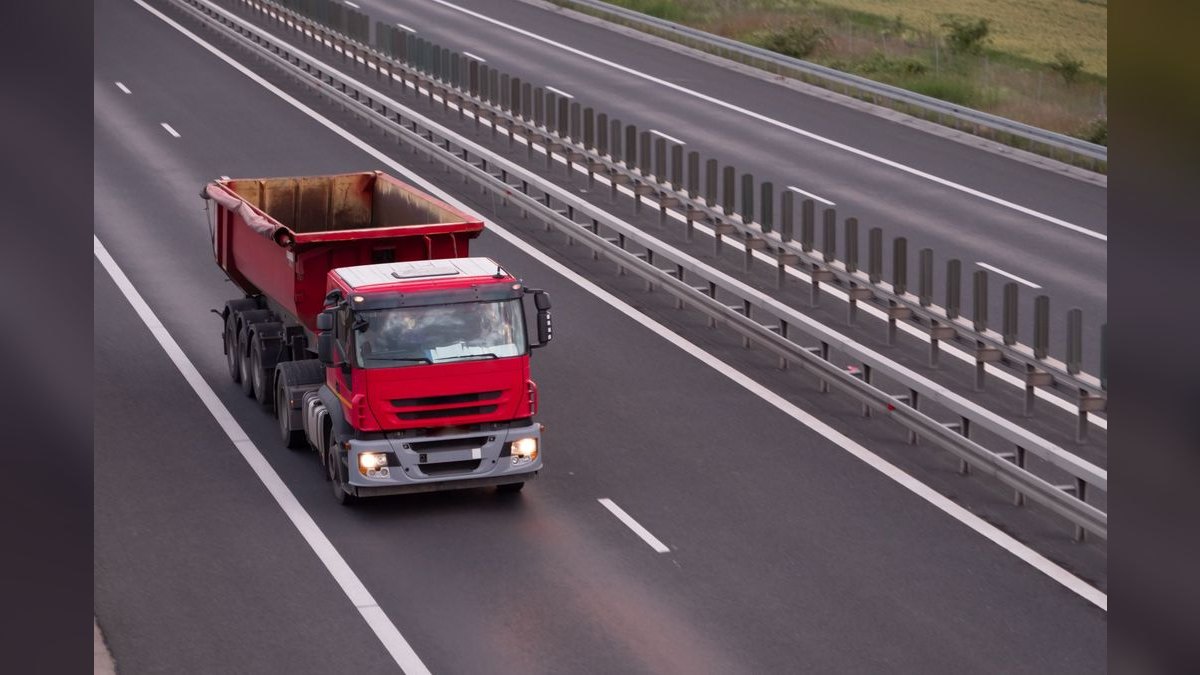
Year-1 P&L for a disciplined solo OTR driver:
- Gross revenue: $180,000–$260,000 (running 110,000–130,000 paid miles at $1.85–$2.15/mile dry van, per ACT and DAT spot benchmarks)
- Fuel: $58,000–$78,000 (at 6.5 MPG and $3.70–$4.10/gal diesel, EIA forecast)
- Truck payment + interest: $22,000–$32,000 annually on a 60-month note
- Insurance: $18,000–$28,000
- Maintenance + tires + DEF: $15,000–$22,000 (industry standard $0.15–$0.19/mile)
- Tolls, scales, permits, parking: $4,500–$7,500
- Factoring fees + ELD subs + accounting: $5,500–$9,000
- NET PRE-TAX: $55,000–$95,000 — a 22–28% operating margin on a good year, 8–14% on a bad one
- After self-employment tax (15.3%) + federal/state: take-home $42,000–$68,000
Payback on the truck loan: 30–48 months for owner-operators who hit 115K+ paid miles. Leasing on to a carrier (Schneider, Landstar, Mercer) drops startup to $8,000–$18,000 but the carrier keeps 22–32% of linehaul, capping take-home at $45,000–$72,000.
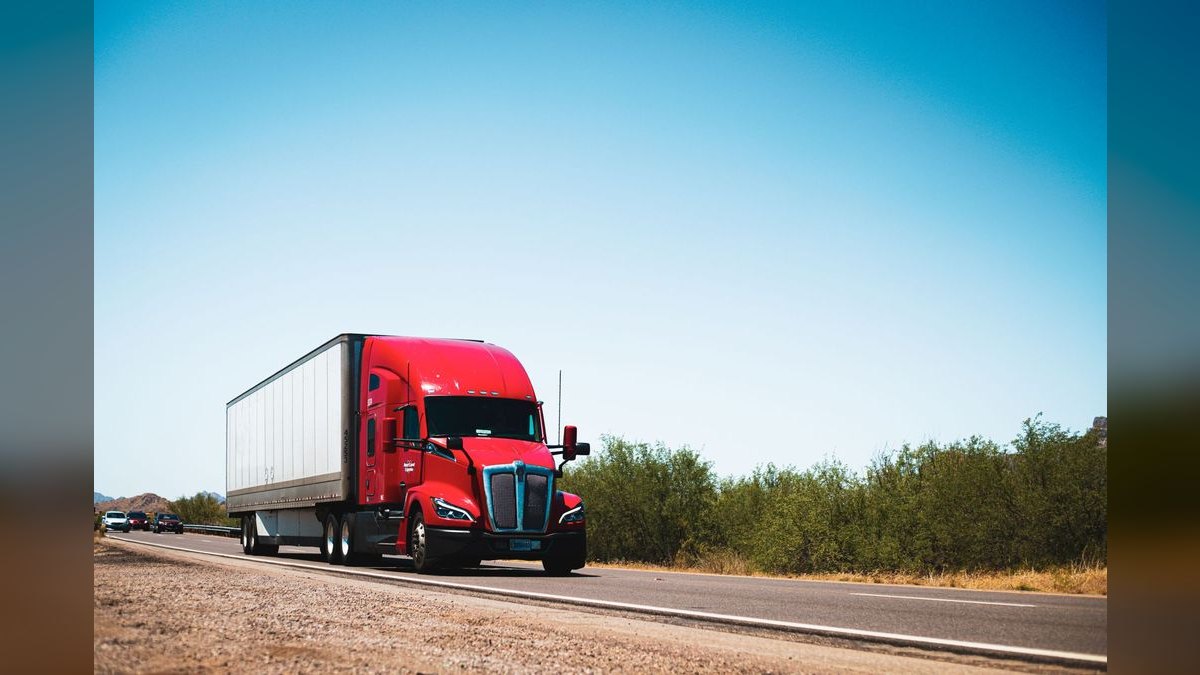
Who Wins With This Business
- Experienced company drivers with 3+ years OTR, a clean MVR and CSA score, and $50K+ saved — they already know fuel discipline, hours-of-service traps, and how to read a load board.
- Niche operators — hazmat tankers (avg $2.85–$3.40/mile), heavy-haul/oversize ($4.50–$8.00/mile with permits), auto transport ($2.40–$3.10/mile), refrigerated produce seasonally ($2.60–$3.20/mile lane-dependent).
- Lease-on dedicated drivers running for Walmart Private Fleet, FedEx Custom Critical, Mercer Transportation, or Landstar Ranger — predictable freight, fuel cards, occupational-accident coverage included.
- Local/regional drivers who can be home daily or 4-on/3-off — beverage haul, dump trailer, construction aggregate, intermodal drayage out of LA/LB, Savannah, Norfolk, or Houston.
- Second-generation trucking families with existing broker relationships, parts accounts, and a paid-off shop bay — their cost structure is 18–25% below a cold-start operator.
- Veteran-owned operations eligible for VA-backed loans, SBA 7(a) at preferred-lender rates, and DoD/GSA preferred-carrier programs.
Who Loses With This Business
- CDL-mill graduates with zero solo OTR experience buying a $140K Lonestar with a 22% APR — they cannot read a market, cannot negotiate a rate, and burn the truck in 14 months.
- "Buy a truck and lease it to a driver" passive investors — the math collapses the moment the driver quits, blows a turbo, or fails a random drug test. 70%+ of lease-purchase deals end in default per OOIDA surveys.
- First-time owner-operators chasing the spot market in soft cycles — they bid against 30,000 desperate carriers and run sub-$1.60/mile loads that don't cover variable cost.
- Anyone with sub-650 FICO — financing rates of 22–32% APR turn a workable truck into a guaranteed default.
- Out-of-state operators trying to base in CARB-regulated California without an EPA 2027 OBD-compliant engine — they get fenced out of intra-state lanes entirely starting 2026 CARB Advanced Clean Fleets Rule enforcement.
- Drivers without 90 days of liquidity — insurance non-renewal, a $9,800 turbo, or a brokered load that pays Net-60 instead of Net-30 wipes them out.
2027 Market Conditions
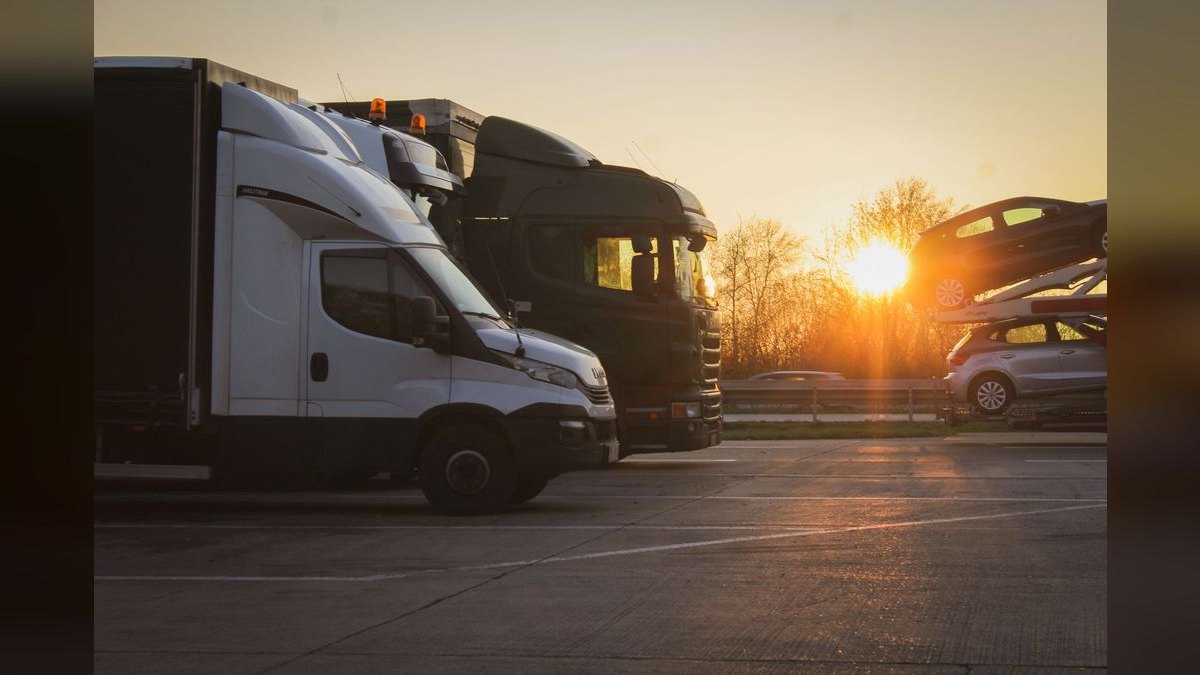
The 2027 market is a tightening cycle, not a boom. ACT Research and FTR Transportation Intelligence both project truckload demand growth of 2.1–2.8% against fleet capacity contraction of 1.5–2.5%, which historically produces 8–14% contract rate increases over the following 18 months. The window favors disciplined operators who already have authority — not new entrants paying full retail for trucks and 2027 insurance premiums.
Key tailwinds: post-recession freight recovery, nearshoring-driven cross-border Mexico freight up 14% YoY, port volume returning to 2022 peaks at LA/LB, Drug & Alcohol Clearinghouse-II removing 180,000+ disqualified drivers from the active pool.
Key headwinds: diesel volatility ($3.40–$4.30/gal forecast band), EPA 2027 NOx rules adding $8,000–$12,000 to new tractor cost, California Advanced Clean Fleets Rule banning pre-2010 engines from drayage and high-priority fleets, broker-margin compression pushing some 3PLs to delay payments to Net-45 or Net-60.
The 90-Day Decision Tree
- Days 1–10 — Honest skill audit. Pull your MVR, CSA score, and PSP report. If you have less than 24 months solo OTR, any preventable accident in 3 years, or a positive D&A test — stop. Drive company for another year, save, and come back.
- Days 11–20 — Pick the freight model first, truck second. Choose (a) lease-on dedicated with Landstar/Mercer/Schneider, (b) own-authority spot/broker mix, or (c) niche specialty (reefer, flatbed, hazmat, heavy-haul). The model dictates insurance class, trailer type, and minimum capital.
- Days 21–35 — Form LLC + EIN, open business banking. Wyoming, Delaware, or your home state LLC for $50–$300. Open Mercury, Relay, or Bluevine business checking, separate business credit card (Capital One Spark, Ramp), and a fuel-card account (RTS, EFS, Pilot Flying J, or Comdata).
- Days 36–50 — File FMCSA authority. Submit OP-1 on FMCSA URS portal — $300 filing fee. File MCS-150, BOC-3 process agent ($25–$150), UCR registration ($45–$1,665 by fleet size), IRP plates (state-by-state), IFTA (home-state DOR).
- Days 51–65 — Bind insurance + buy equipment. Get 3 broker quotes (Reliance Partners, Progressive Commercial, Great West Casualty, biBerk). Bind $1M primary liability, $100K cargo, $1K deductible physical damage. Truck purchase: inspect at Ryder Used Truck Centers, Arrow Truck Sales, or TA-Petro inspection lanes — pre-purchase inspection $400–$700 is mandatory.
- Days 66–75 — Activate authority + factoring. MC number goes active 1–5 business days after insurance filing. Sign with a factoring company (Apex Capital, OTR Capital, RTS Financial) at 1.5–3.5% per invoice — non-recourse.
- Days 76–85 — Build the load board + broker stack. DAT Power, Truckstop Pro, Trucker Tools, Convoy Go, Uber Freight, J.B. Hunt 360, Coyote. Apply to 15+ brokers simultaneously — packet includes W-9, COI, MC certificate, signed broker-carrier agreement.
- Days 86–90 — First 5 loads. Target $2.20+/mile all-in, 300–600 mile lengths, detention-paid, Quick-Pay or factor-friendly. Document every cost in TruckingOffice, Rigbooks, or QuickBooks Self-Employed. Anything under $1.85/mile loaded — pass.
Alternative Plays
- Lease-on to Landstar, Mercer, or Schneider Choice — keeps 70–78% of linehaul, drops startup to $8K–$18K, eliminates broker hunting, includes occupational-accident and bobtail coverage.
- Power-only / drayage at a port (Long Beach, Savannah, Houston) — buy a day-cab tractor for $35K–$55K, run container chassis loads at $400–$900 per move, home every night, no trailer capital tied up.
- Hot shot trucking with a Ram 5500 or Ford F-550 + 40' gooseneck — $85K–$130K total capital, runs under 26,001 GVW non-CDL or with Class A, $2.10–$2.90/mile on CDL/DAT and CitizenShipper boards.
- Local dump trailer or aggregate hauling — buy into construction backlog, regional contracts pay $85–$135/hour with home-daily schedule, lower insurance class.
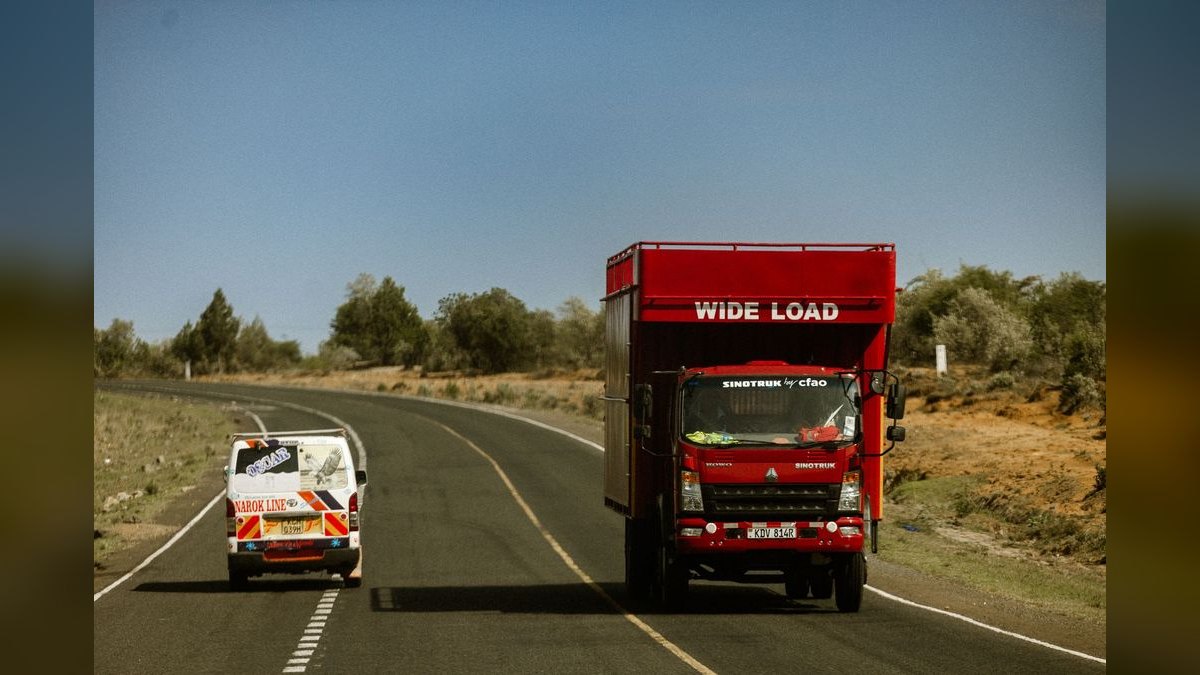
- Specialty wide-load / heavy-haul — $220K–$340K capital (RGN trailer + permits + escort relationships), but $4.50–$8.00/mile with permit-and-route specialization, limited competition.
- Buy an existing carrier with 3–5 trucks — 2.5–4× SDE for fleets with dedicated contracts and clean CSA, immediate seasoning on insurance, established broker setups.
- Skip ownership entirely — become a freight broker. $300 MC broker authority + $75K BMC-84 surety bond (annual premium $900–$3,500), no truck capital, 8–18% margin on freight booked, scalable.
FAQ
What is the biggest risk for a new trucking company in 2027? The spot market is extremely volatile, and without a dedicated freight contract or niche, you’re exposed to rate swings that can drop below your operating costs. Many new owners underestimate how long it takes to build consistent loads, and cash flow gaps often force closure within the first year.
How much money do I really need to start a trucking company in 2027? You’ll need $40,000–$75,000 in liquid cash beyond the truck loan itself, plus $150,000–$220,000 total for a used Class 8, insurance, authority, and fuel float. If you don’t have that reserve, one breakdown or slow month can wipe you out.
Can I succeed without a CDL or driving experience?
It’s very difficult. Most successful owner-operators have a CDL-A with at least 2 years of over-the-road experience. Without that, you’ll struggle to manage driver turnover, maintenance, and customer expectations, and lenders are unlikely to finance you.
How long until I break even on my truck loan? Breakeven typically takes 30–48 months, assuming consistent freight and no major repairs. Many new companies fail before reaching that point because they underestimate maintenance costs or hit a soft market.
What kind of freight is safest for a new company in 2027? Reefer, flatbed, hazmat, or a dedicated lane with a named customer offer more stability than general dry van spot loads. Having a niche reduces competition and gives you more predictable rates.
Is it possible to make a good living as a new owner-operator? Yes, but your first-year net take-home will likely be $55,000–$95,000 after all expenses, with 70-hour weeks common. The lifestyle is demanding, and profit grows only after the truck loan is paid down and you build repeat customers.
Bottom Line
Trucking in 2027 is a real business — not a side hustle, not a Tik-Tok success path, not a way to escape your boss in 90 days. The 2027 capacity-tightening cycle genuinely favors operators, but it favors operators with experience, capital, and a freight strategy — not first-time buyers chasing dispatcher promises. If you have 3+ years solo OTR, $50K+ liquid, a niche or lease-on relationship lined up, and the willingness to live in a sleeper berth for 18 months, you can build a $75K–$110K take-home owner-operator business and grow to 3–5 trucks by Year 4 at $280K–$450K EBITDA. If you have a CDL school graduation certificate and a dream — drive for Schneider or Werner for 24 months first. The trucks will still be there. The bank account won't be if you skip the apprenticeship.
Sources
- FMCSA — Get Operating Authority (MC Number)
- FMCSA — Insurance Filing Requirements
- ACT Research — 2027 Trucking Industry Forecast & Market Outlook
- ACT Research — Truck Freight Rates February 2026 Update
- DAT Trendlines — Spot Rate and Capacity Benchmarks
- American Truckers LLC — Owner-Operator Profit Margins 2026 Real Numbers
- American Truckers LLC — What Is a Good Rate Per Mile for Trucking 2026
- altLINE — How Much Does It Cost To Start A Trucking Company
- OTR Solutions — Trucking Startup Costs 2026 Full Guide for New Carriers
- Progressive Commercial — FMCSA Insurance Requirements
- CARB — Advanced Clean Fleets Rule (Drayage and High-Priority Fleets)
- OOIDA — Owner-Operator Independent Drivers Association Member Surveys
Related on PULSE
This page will be disappearing soon. Save it to your device for $1 — or read it free while it is here.
@Kory-White- · if Venmo asks, the last 4 of my number are 2012
This page is gone.
This one is off the shelf now. $1 keeps it on your phone for good — the whole page, pictures and diagrams included.
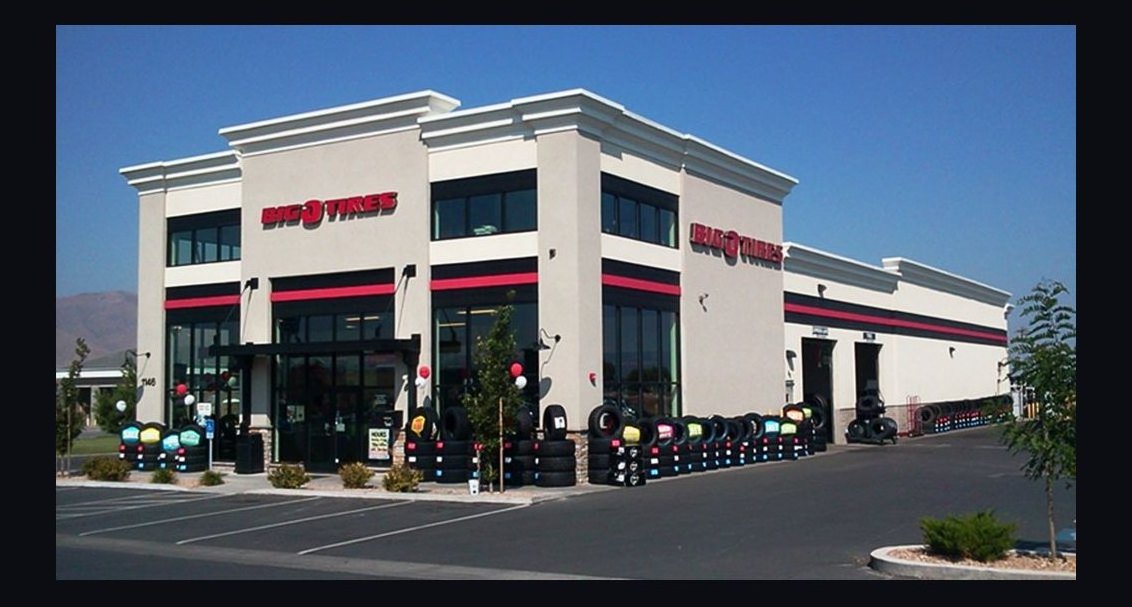 franchiseShould I open or buy a Big O Tires franchise in 2027?
 franchiseShould I open or buy a Domino's franchise in 2027?
 franchiseShould I open or buy a Chipotle franchise in 2027?
 franchiseShould I open or buy an Ace Hardware franchise in 2027?
 franchiseShould I open or buy a Bahama Breeze franchise in 2027?
 franchiseShould I open or buy a Wendy's franchise in 2027?
 franchiseShould I open or buy a UPS Store franchise in 2027?
 franchiseShould I open or buy a Primrose Schools franchise in 2027?
 franchiseShould I open or buy a Smoothie King franchise in 2027?
 franchiseShould I open or buy a Rita's Italian Ice franchise in 2027?