


Should I open a pressure washing business in 2027?
Quality
Certified
Yes, if you can fund a $15,000–$30,000 commercial-capable rig, work 40-plus selling hours weekly for nine to fifteen months, and sign at least two recurring commercial accounts before quitting your job. Solo operators realistically net $45,000–$85,000 in year one. Franchise buyers expecting $150,000 will be disappointed.
The outcome you should expect
Strip away the YouTube thumbnails and the honest picture of a first year in pressure washing is a job you bought rather than a business you built. That is not an insult — it is the correct mental model, and the operators who accept it early tend to be the ones still washing in year three with a crew instead of a solo truck.
A solo independent running a cold-water residential setup — roughly $5,000 to $10,000 all in, used trailer included — should expect $60,000 to $110,000 in gross revenue and $30,000 to $55,000 in EBITDA, with breakeven somewhere between month six and month nine. Step up to a commercial-capable rig at $15,000 to $30,000 (hot water, surface cleaner, soft-wash system, 4 GPM or better) and the range moves to $110,000 to $185,000 gross, $45,000 to $85,000 EBITDA, and a nine-to-twelve-month breakeven. The extra capital does not just buy revenue — it buys access to a different customer, because most property managers and quick-service restaurant chains will not hire a cold-water rig for grease-laden concrete.
The two-truck stage is where the business starts behaving like a business. At $60,000 to $95,000 in startup capital — one W-2 tech, one owner-operator, dispatch software — you are looking at $240,000 to $420,000 gross and $70,000 to $140,000 EBITDA, with breakeven pushed out to fourteen to eighteen months. The margin per dollar goes down; the total dollars go up; your hands come off the wand for maybe two days a week.
The franchise path changes the shape of the curve rather than the height of it. Shack Shine's FDD puts Item 7 investment at $68,000 to $269,000 depending on territory and buildout, with Item 19 showing an average gross around $425,000 and a median closer to $310,000. That average is seductive and misleading. After an 8% royalty, a 2% marketing fee, labor, and vehicle costs, median net lands in the $60,000 to $95,000 band — the same place a well-run independent commercial operator ends up on a quarter of the capital. Spray-Net, which sits adjacent in the coatings space, runs $95,000 to $185,000 to open, $340,000 to $500,000 in revenue, and $55,000 to $110,000 net, with an eighteen-to-twenty-four-month breakeven because coatings work is more seasonal and more weather-dependent.

What you should not expect: passive income, a second-year exit, or a business that runs without you before month thirty. What you should expect: a physically demanding trade with unusually good unit economics, a low barrier to entry that cuts both ways, and a customer base that will happily pay you again every twelve to eighteen months if you photograph the before-and-after and follow up.
What drives that outcome
Three variables move more of your outcome than everything else combined: average ticket, job density, and recurring mix. Everything else is noise around those three.
Average ticket is the cheapest lever. A standard residential house wash prices around $285 in most suburban markets. Add a soft-wash roof clean at $0.40 to $0.75 per square foot and a gutter clean at $150 to $300, and the same stop becomes a $480 job with maybe forty extra minutes of labor. You did not spend another dollar on marketing, did not drive to another address, and did not add another quote. Operators who systematically upsell at the quote — not after the job — routinely run 60% higher average tickets than operators who quote a single service and wait to be asked.
Job density is the lever nobody talks about until their fuel bill arrives. Four jobs in one subdivision beats six jobs scattered across a county, every single time. This is why door hangers on the two streets adjacent to a job you just completed outperform almost any paid channel per dollar, and why the winners photograph the finished driveway and knock the six nearest doors before they load the trailer. Density is also why the $0.08-per-square-foot price cutter fails: they win scattered jobs against $0.20-per-square-foot competitors, drive twice as far for half the money, and run out of cash around month eight.
Recurring mix determines whether you sleep in January. A residential-only book is seasonal, lumpy, and re-earned every spring. Commercial accounts — HOAs, property management portfolios, gas stations, drive-throughs, apartment complexes — sign at $2,400 to $8,500 per month in MRR and renew on a schedule. Two solid commercial accounts cover your fixed costs, which is precisely why the advice is to land two before you quit anything.
Underneath those three sits the direct-cost math, which is friendlier than most trades. A $500 house wash carries $70 to $120 in chemicals, fuel, water, and equipment wear — a 76% to 86% gross margin on the job itself. Net margin after overhead, marketing, tax, and an owner draw lands at 18% to 34% for healthy independents and 8% to 14% for franchisees once fees are paid. The gap between those two numbers is the honest price of brand pull.
Benchmarks and realistic ranges
Numbers only help if you know which ones to check yourself against, and when. Here is the benchmark set worth tracking from day one.
Billable rate. Aim for a $78 per hour average across all billable time, which sits comfortably inside the $52 to $160 per hour range the industry quotes. If you are under $60, you are either underpricing or losing too much time to setup and teardown. Track this weekly — it is the single fastest diagnostic for a struggling first year.
Square-foot pricing. Flatwork commonly runs $0.08 to $0.30 per square foot depending on surface, soil load, and market. Competing at the bottom of that band is a decision to lose. Pricing at $0.18 to $0.22 with visible proof of work — reviews, before-and-afters, a wrapped truck, a uniform — wins more jobs than pricing at $0.10 with none of it.
Cost per lead. Google Local Services Ads now carry roughly 62% of new residential bookings in many suburban markets, and the cost per lead in pressure washing has climbed from around $14 in 2023 to $28 to $42 today. Budget $800 to $1,500 monthly and expect the platform to reward review volume heavily. Below eight reviews you will pay top-of-band and convert bottom-of-band.
Startup line items. For a commercial-capable independent: 4 GPM hot-water skid $6,500–$9,500; surface cleaner $350–$700; soft-wash system with 12V pump $1,200–$2,000; 500-gallon tank $600–$900; enclosed 7×14 trailer $7,500–$12,000; starter chemicals (sodium hypochlorite, surfactants) around $400; LLC, general liability, and commercial auto $1,800–$2,400 annually; truck wrap, uniforms, and LSA setup around $2,500.
Insurance reality. Commercial auto and general liability premiums have hardened 18% to 24% year over year. A $1M general liability policy runs $600 to $1,200 annually on its own; commercial auto is the bigger line at $1,800 to $2,400. Trade-association group rates are worth checking before you buy retail.
Growth trajectory. The winners hit $180,000 to $320,000 in year-two revenue at 35%-plus net margin. They get there by selling while they spray, photographing every job, and converting one-time residential customers into an annual maintenance calendar.
Acquisition multiples. If you would rather buy than build, retiring solo operators are selling $200,000-revenue books with roughly 60% recurring at $80,000 to $180,000 — call it 2.5× to 3.5× seller's discretionary earnings. For someone with capital and no interest in the cold-start grind, this is frequently the better risk-adjusted entry than either a franchise or a from-scratch build.
Risks, edge cases, and failure modes
The failure modes here are predictable enough to name, which means they are avoidable enough to plan around.
Regulatory exposure is the one that ends businesses. Wastewater from exterior cleaning is not allowed to enter a storm drain. An EPA Clean Water Act violation runs roughly $11,000 to $56,000 per incident, and a single complaint from a property manager or a passing inspector is enough to trigger one. Reclaim mats, vacuum recovery, and a written stormwater plan are not optional overhead on commercial flatwork — they are the cost of being allowed to do the work at all. Municipalities vary enormously; check your local ordinance before you quote, not after.
Property damage is the one that ends first years. Windows, screens, soft wood, oxidized siding, lifted shingles, and mortar joints all fail under a wand held wrong. Skipping general liability to save $600 to $1,200 a year is how a $28,000 broken-window claim becomes a closed business in month three. Carry the policy before the first paid job, not after the first close call.
Chemistry is not optional knowledge. Sodium hypochlorite ratios, surfactant selection, dwell time, and surface temperature determine whether you clean a roof or destroy it. Soft-wash roof work in particular is unforgiving: too strong and you kill landscaping, too weak and the biological growth returns in eight weeks and the customer blames you. Budget real learning time here, and test on an inconspicuous section every time you meet an unfamiliar surface.
Seasonality is a math problem with known solutions. Upper Midwest and Northeast operators lose November through March. Shutting down for five months and expecting a twelve-month income is the most common planning error in this trade. The proven pivots: holiday light installation, which layers $40,000 to $90,000 across an eight-week window using the same truck plus a $2,500 ladder kit; gutter cleaning through the fall; and snow removal where the equipment overlap works. Build the pivot into the plan before your first winter, not during it.
Cash flow timing catches commercial-heavy operators. Residential customers pay same day. Property management companies pay NET-30, sometimes NET-45, and occasionally NET-whenever-the-invoice-surfaces. Shifting your mix toward commercial improves predictability and worsens your working-capital position simultaneously. Keep enough residential in the mix to fund the float, or maintain a line of credit sized to sixty days of operating cost.
Equipment failure mid-season is a reputation event. A consumer-grade rig bought to save $8,000 will fail in July, when your calendar is full and your reviews are being written. Downtime in peak season does not cost you a day of revenue — it costs you the rescheduled jobs, the reviews you did not earn, and the referrals those reviews would have produced. Buy commercial-grade, carry spare hoses, fittings, and a backup pump, and know a repair shop by name before you need one.
Franchise-specific risk deserves its own line. Territory scarcity has pushed Item 7 floors up 14% to 22% since 2023 as multi-brand platforms consolidate home services. Buying into a picked-over market means paying the higher entry price for the thinner territory. Read Item 19 carefully and note whether it reports averages, medians, or top-quartile performance, and how many franchisees are excluded from the figure. Then talk to at least five current franchisees and two former ones — the former ones are the interview that matters.
A practical rollout plan
Ninety days is enough to know whether this works in your market. Here is the sequence that produces a real answer rather than a hopeful one.
Days 1–10 — Size the market before you spend anything. Pull Census ACS data for a 25-mile radius and count three things: single-family homes built before 2010 (you want 8,000-plus), HOAs with 50 or more units (you want 15-plus), and strip-center quick-service restaurants (you want 25-plus). Under 4,000 target homes, move the radius thirty miles toward higher density. This step costs nothing and disqualifies more bad markets than any other.
Days 11–25 — Make the capital decision honestly. The $8,000 cold-water residential rig is lower risk and slower to scale. The $22,000 hot-water commercial-capable rig gets you to $20,000 MRR faster but demands you actually sell to businesses. If you have no outbound sales tolerance, take the cheaper rig — the expensive one only pays off if you use its access. Pre-qualify for an SBA 7(a) microloan in the $25,000 to $50,000 range if you are going commercial; veterans should register with the relevant federal and state programs before bidding on municipal work.
Days 26–40 — Build the legal and insurance stack. LLC ($50–$500), EIN (free), $1M general liability ($600–$1,200/yr), commercial auto ($1,800–$2,400/yr), and a written EPA NPDES stormwater compliance plan using the free federal template. Open business checking and a payment processor the same week. Do not run a single paid job before this is complete.
Days 41–60 — Equipment and the visible brand. Buy the rig from an established pressure-washing supply house rather than a marketplace listing. Then spend on being seen: truck wrap around $2,200, uniform polos around $180, business cards, and a field service app — Jobber or Housecall Pro run roughly $69/month — so quotes, scheduling, and invoicing live in one place from job one. The software feels premature at zero customers and indispensable at forty.
Days 61–75 — Ignite the lead engine on multiple channels. Turn on Google LSA at $800 to $1,500 monthly. Post in your neighborhood social network. Drop 300 door hangers across four target subdivisions (around $240). Make twenty outbound calls to property managers weekly, every week, without exception. The residential channels produce cash flow; the outbound calls produce the recurring accounts that make the business durable.
Days 76–90 — Hit a real first month. The target is roughly $15,000: about forty residential jobs at $11,000 plus one commercial contract at $4,000. Above $10,000 by day ninety, scale with confidence. Under $5,000, diagnose in this order — review count under eight, wrong neighborhoods, pricing misaligned with the local band, or too few quotes issued. It is almost always one of those four, and almost never the market being "saturated."
Adjacent plays worth comparing before you commit
Standalone pressure washing is one option in a family of low-capital exterior services, and the neighboring plays sometimes carry better math for a given operator profile.
Soft-wash and roof cleaning as a specialty triples the ticket — $1,200 to $3,500 per job against $285 for a house wash — with meaningfully less competition, because the chemistry scares people off. Costs about $3,000 extra in chemical-resistant pumps and demands real technical discipline. For an operator who enjoys learning a craft, this is the highest-margin corner of the category.
Holiday light installation is the seasonality answer rather than a separate business. Eight weeks, $40,000 to $90,000, same truck, roughly $2,500 in ladder and hardware kit. It also generates a customer list that converts to spring washing at an unusually high rate, because you have already been on their roof.
Window cleaning stacks onto the same stop for $80 to $220 additional revenue, requires almost no incremental capital, and turns a single-service visit into a maintenance relationship. The operational overlap is nearly total.
Fleet washing for trucking yards is the quietest good business in this family. Roughly $8 per truck, forty trucks, four visits weekly puts one yard above $5,000 per week. It is B2B, NET-30, invoiced, and entirely free of homeowner negotiation. Nights and weekends, no curb appeal marketing, and one signature covers a year.
Mosquito control franchising — $95,000 to $155,000 to open — trades the physical grind for genuinely recurring monthly contracts at $65 to $120 per visit. Worth comparing if your objection to pressure washing is the body wear rather than the capital.
Buying a retiring operator's book deserves the most serious look for anyone with capital. The demographic succession wave means $200,000-revenue businesses with 60% recurring change hands at $80,000 to $180,000. You skip the cold start entirely, inherit reviews and route density, and pay roughly what a mid-tier franchise costs — for existing revenue rather than a logo.
Related questions
Is pressure washing seasonal everywhere?
No. Southern and coastal markets run close to year-round, while Upper Midwest and Northeast operators typically lose November through March. Northern operators should plan a winter pivot — holiday lights, gutters, or snow removal — into the first-year budget rather than treating five idle months as an unpleasant surprise.
Do I need a hot-water unit to start?

Not for residential. House washing is a soft-wash chemistry job, not a pressure job, and cold water handles it. Hot water matters for grease — restaurant pads, dumpster areas, drive-throughs, fleet yards. Buy it when you commit to commercial work, not before.
How many Google reviews do I need to compete?
Eight is roughly the floor for Local Services Ads to perform. Twenty-five to fifty makes you competitive in most suburban markets. Ask at the truck, while the customer is looking at the clean driveway — that is when the conversion rate is highest by a wide margin.
Can I run this part-time while employed?
Yes, and most successful operators do for the first six to nine months. Weekends and evenings cover residential work. The constraint is commercial: property managers expect weekday availability, so the transition to full-time usually gets forced by your first serious contract.
What software should a solo operator actually pay for?
One field service platform handling quotes, scheduling, and invoicing — roughly $69 monthly. That is it at the start. Add accounting when revenue justifies it. Resist buying a marketing stack before you have customers to market to.
FAQ
What is the minimum realistic budget to start?
A reliable commercial-capable setup runs $15,000 to $30,000: hot-water trailer, surface cleaner, soft-wash system. A residential-only cold-water start is workable at $5,000 to $10,000. Consumer-grade equipment under $5,000 tends to fail mid-season and caps your earning potential well below what the hours justify.
How long until this replaces my day job?
Plan on nine to fifteen months of forty-plus hours weekly split between selling and spraying. Breakeven for a solo independent typically lands between months six and twelve, but breakeven and income replacement are different milestones — the second one requires recurring revenue, not just a profitable month.
Can I net $150,000 in year one?
Very unlikely solo. Realistic year-one net is $45,000 to $85,000 on $110,000 to $160,000 gross. Franchisees average $60,000 to $95,000 net after royalties and labor, despite headline gross figures near $425,000. Anyone quoting $150,000 as a first-year baseline is selling something.
Is a franchise the safer route?
Not automatically. Median franchise net lands in the same $60,000 to $95,000 band as a good independent, breakeven runs fourteen to twenty-two months instead of six to twelve, and royalties plus marketing fees are permanent. Franchising buys brand pull and territory structure — valuable if you have no sales background, a drag if you do.
Do I really need commercial accounts?
If you want predictability, yes. Two recurring commercial accounts at $2,400 to $8,500 monthly cover fixed costs and smooth the seasonal curve that makes residential-only books stressful. Land them before you quit anything else.
What is the most common fatal mistake?
Underestimating the marketing grind. New owners buy the rig, build the website, and wait. The business requires sustained door-knocking, outbound calls, and review collection for months before inbound leads carry the calendar. The close second is skipping general liability insurance to save a few hundred dollars.
Sources
- https://www.ibisworld.com/united-states/market-research-reports/pressure-washing-services-industry/
- https://www.epa.gov/npdes/stormwater-discharges-industrial-activities
- https://www.sba.gov/funding-programs/loans/7a-loans
- https://www.bls.gov/ooh/building-and-grounds-cleaning/janitors-and-building-cleaners.htm
- https://www.ftc.gov/business-guidance/resources/franchise-rule-compliance-guide
- https://www.franchise.org/
- https://www.entrepreneur.com/franchises/directory
- https://www.homeguide.com/costs/pressure-washing-prices
- https://www.housecallpro.com/
- https://www.getjobber.com/
Related on PULSE
- How do I franchise my own business in 2027?
- Franchise vs. independent business: which should I start in 2027?
- Should I open or buy a Padgett Business Services franchise in 2027?
- Should I open a arcade business in 2027?
- Should I open a ATM business in 2027?
- Should I open a vending machine business in 2027?
This page will be disappearing soon. Save it to your device for $1 — or read it free while it is here.
@Kory-White- · if Venmo asks, the last 4 of my number are 2012
This page is gone.
This one is off the shelf now. $1 keeps it on your phone for good — the whole page, pictures and diagrams included.
 frShould I open or buy a McDonald's franchise in 2027?
 franchiseShould I open or buy a Bruster's Real Ice Cream franchise in 2027?
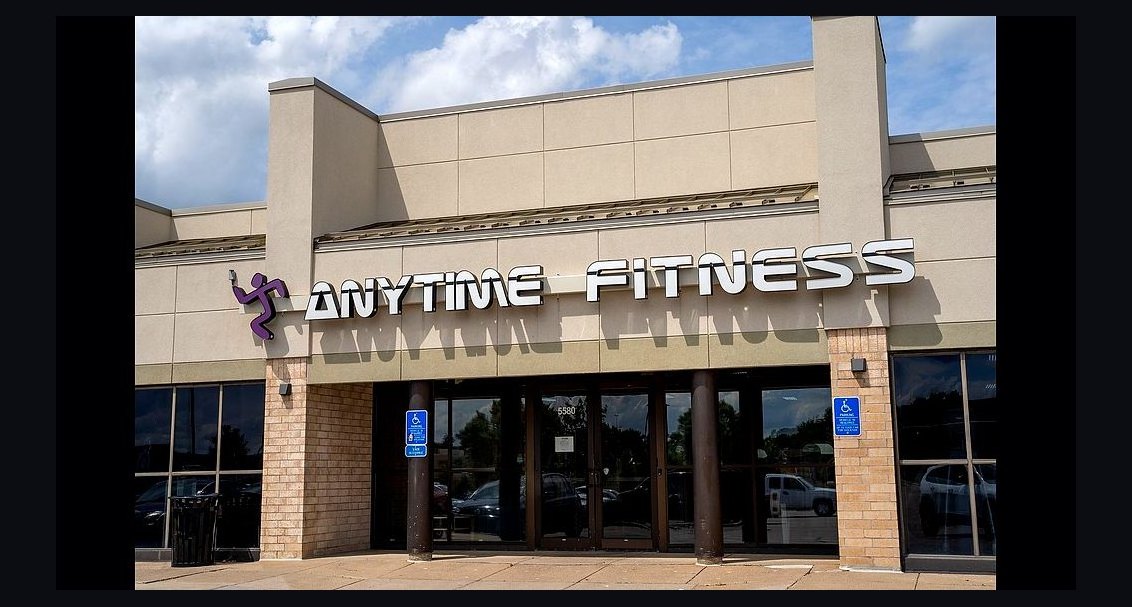 franchiseShould I open or buy an Anytime Fitness franchise in 2027?
 franchiseShould I open or buy a Primrose Schools franchise in 2027?
 franchiseShould I open or buy a Panera Bread franchise in 2027?
 franchiseShould I open or buy a McAlister's Deli franchise in 2027?
 franchiseShould I open or buy an Ace Hardware franchise in 2027?
 franchiseShould I open or buy a Big O Tires franchise in 2027?
 franchiseShould I open or buy a Crumbl Cookies franchise in 2027?
 franchiseShould I open or buy an Auntie Anne's franchise in 2027?