


Should I open a independent roofing business in 2027?
Quality
Certified
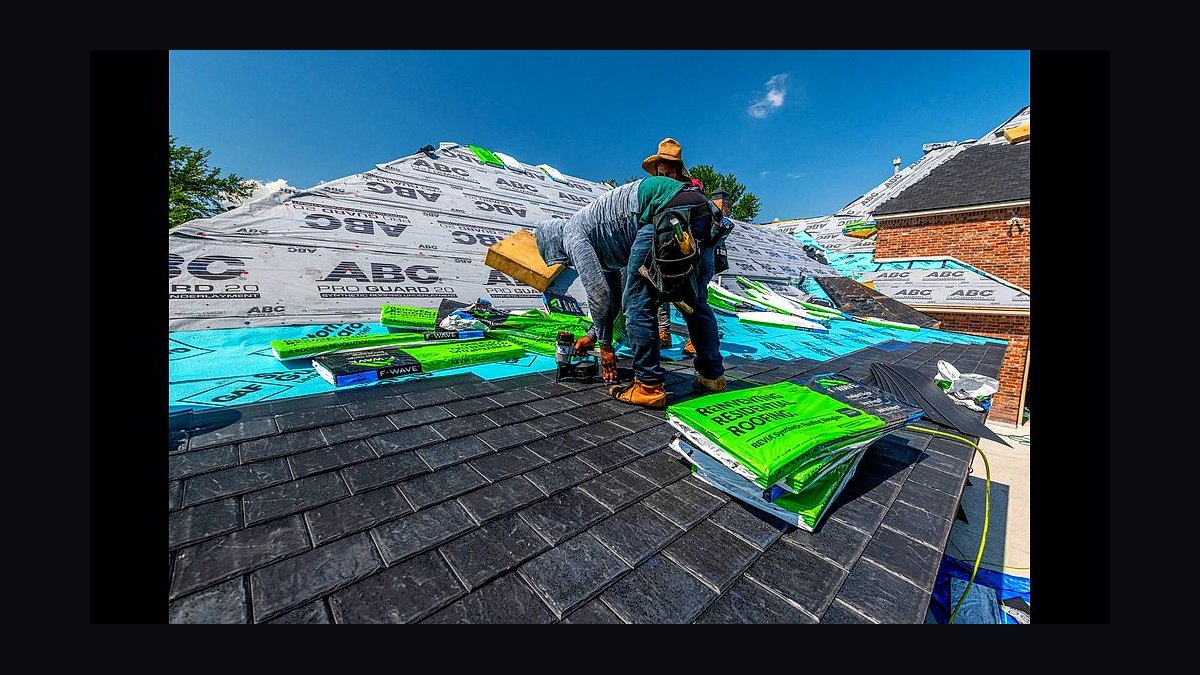
Open an independent roofing business in 2027 only if you already have on-roof or production-management experience, $40K–$75K liquid, and one defined storm or retail niche in a single metro. Without install knowledge you become a middleman paying both crew and broker, and margin collapses to low single digits.
Independent shop versus the certified-dealer and acquisition routes
Almost everyone who asks this question is really weighing three doors, not one. Door one is the true independent startup: your LLC, your truck, your brand, your leads. Door two is the certified-dealer path — GAF Master Elite, Owens Corning Platinum Preferred, CertainTeed SELECT ShingleMaster. These are not franchises in the FDD sense; there is no royalty and no territory grant. You pay a certification and training cost, carry the manufacturer's required insurance and licensing, maintain a workmanship record, and in return you can sell the long-form system warranties that homeowners actually recognize. The third door is buying an existing book of business — a shop with a phone number that already rings, a supplier account with history, and a service list that generates repair calls in the off-season.
The trade-offs run in predictable directions. Independent gives you the highest ceiling and the fastest decision-making. Nobody dictates which shingle you sell, which crew you hire, or how you price a steep-and-high job. You keep every point of margin you earn. The cost is that you own the entire demand problem from day one — no inherited phone number, no manufacturer lead feed, no reputation. In a trade where homeowners are actively warned about fly-by-night contractors, an unknown name is a real conversion penalty.
The certified-dealer route splits the difference. You are still independent — you own the company, set prices, and keep the profit — but you rent credibility. The certification requirements themselves act as a filter: minimum years in business, verified insurance, license in good standing, and a clean complaint record. That filter is why the badge closes deals. The friction is that most programs require a track record before you qualify, which means it is usually a Year-2 or Year-3 move rather than a launch strategy. Plan for it, don't count on it in month one.

Acquisition is the least romantic and often the most rational. You are buying cash flow, not building it. A shop with existing repair customers has something a startup cannot manufacture: revenue in the months when no storm has come through. The trade-off is capital and inherited baggage — warranty obligations on roofs you didn't install, a crew loyal to the seller, and customer expectations shaped by someone else's pricing. Diligence matters more here than anywhere else in the trade.
There is a fourth door worth naming because it costs almost nothing to test: the service-and-repair-first shop. Instead of chasing full re-roofs, you build around leak calls, flashing repairs, ventilation corrections, and inspections. Tickets are small — hundreds rather than tens of thousands — but gross margins on repair work run substantially higher than on full tear-offs, the jobs are one-day, and you need one truck and one helper rather than a full crew. Many of the most durable independent roofing businesses started exactly this way and grew into replacement work as the referral base compounded.
How to decide which door fits you
The honest decision framework starts with a skills audit, not a capital audit. Money is the easier constraint to solve; competence is not. Ask three questions in order.

First: can you scope a roof? That means walking it safely, identifying decking condition, counting penetrations, spotting a failed pipe boot versus a failed valley, and pricing the work in squares with correct waste factors for hips, valleys, and steep pitch. If you cannot do this without help, you do not yet have a business — you have a marketing operation that resells someone else's judgment. The fix is not more capital. The fix is 12–18 months as a production manager or estimator at an established shop.
Second: can you sell without a storm? Storm-driven demand is a windfall, not a business model. Metros that get a major hail event see a flood of entrants, then a multi-year drought where only the operators with retail sales skill and a referral engine survive. If your entire plan depends on weather, you are running a lottery ticket with payroll attached.
Third: can you finance the float? Roofing has a structural cash-timing problem. Material must be delivered before the job starts. Crews expect payment on completion or weekly. Homeowners pay on completion, and insurance-funded jobs pay in stages with the final payment released only after the carrier receives completion documentation. That gap is where undercapitalized roofers die. Supplier trade credit — the net-30 accounts at the large distributors — is the primary tool, and building that credit history early is worth more than a shiny truck.
Answer all three yes and independent is the right door. Answer the first no and the correct move is employment or acquisition. Answer the third no and you either raise more working capital or start with the repair-first model, where the float problem barely exists because jobs complete in a day and customers pay on the spot.
The numbers behind each option, and where they actually move

Roofing is one of the few trades where the startup number is genuinely small and the revenue number is genuinely large — which is exactly why the washout rate is high. A modest launch is a used one-ton truck, a dump trailer, ladders, harnesses, nail guns and a compressor, plus the non-negotiable insurance stack. General liability and workers' compensation are the two line items new owners consistently underestimate; roofing carries one of the highest workers' comp classification rates of any trade because falls are catastrophic, and premiums scale with payroll. Commercial auto is a third line. Together these are a recurring annual cost, not a one-time setup fee, and they are the reason "I'll just start with a truck and a ladder" is a fantasy for anyone who intends to hire.
Licensing varies enormously by state and is the single most common planning error. Some states have no statewide roofing license and leave it to municipalities. Others require a specific classification with an exam, experience verification, and a surety bond. Florida and California sit at the strict end; several southern states sit at the loose end. Check the state licensing board directly — not a blog, not a forum — before you spend a dollar on equipment, because in the strict states the experience-verification requirement can add a year to your timeline.
On the revenue side, the arithmetic is straightforward. A single competent crew can produce a residential re-roof in one to two days depending on size, pitch, and layers. Multiply realistic production days by an average ticket and you get a capacity ceiling. The mistake is assuming full utilization: weather, permit delays, material backorders, and the sales pipeline all create idle days. Model at meaningfully less than theoretical capacity and you will not be surprised.

Cost of goods is where the business is won or lost. Materials and labor together consume the majority of every job. Shingle pricing has risen substantially since 2018 across every major manufacturer, and metal roofing costs have been pushed further by steel and aluminum tariff activity. You cannot control input prices, so you control two things: waste and labor structure. Waste discipline — accurate takeoffs, correct starter and ridge quantities, not over-ordering by a full square "to be safe" on every job — is worth real margin points across a year. Labor structure matters even more. Owners who can self-perform or genuinely supervise their own crews hold margin that pure subcontract shops cannot, because every layer between you and the nail gun takes a cut.
Overhead is the quiet killer. Insurance, vehicle costs, fuel, software, marketing, and your own draw all have to come out of gross profit. New owners routinely price off gross margin and forget that overhead sits between gross and net. If your gross margin is healthy but you are running heavy marketing spend and carrying a truck payment, net can be near zero on paper-profitable jobs.
Marketing deserves its own line because it is the largest discretionary expense and the easiest to waste. Door-knocking post-storm is capital-cheap and time-expensive. Paid search and lead-generation services are capital-expensive and can be effective, but lead costs in roofing are high and the same lead is frequently sold to multiple contractors. Google Business Profile with a real review flow is the highest-ROI channel for most small independents and costs nothing but discipline. Yard signs, truck wraps, and neighbor canvassing around completed jobs consistently outperform purchased leads on cost per acquired customer.
For the acquisition path, small trade businesses generally trade on a multiple of seller's discretionary earnings, and lenders will finance a meaningful share of the purchase under standard small-business loan programs with an owner equity injection. The diligence items that matter most in roofing specifically: outstanding warranty liability, whether the crews are employees or subs and whether they'll stay, whether revenue is storm-concentrated in one or two years, and whether the supplier accounts transfer.
Sequencing the first year without breaking the business

Order of operations matters more than speed. The failure pattern is spending on trucks and branding before the legal and credit foundation exists, then discovering you cannot pull a permit or open a supplier account.
Start with entity and compliance. Form the LLC, get the EIN, open a business bank account that is genuinely separate from personal funds, and resolve state and municipal licensing. Then bind insurance — general liability at the limits your market's general contractors and homeowners expect, workers' compensation, and commercial auto. Get certificates of insurance in hand; you will be asked for them constantly.
Next, open trade credit before you need it. Supplier accounts at the major distributors take time to establish and start with modest limits that grow with payment history. Apply early, order small, pay early, and let the limit climb. This account is your working-capital lifeline, and building it in a quiet month is far easier than building it during a post-storm rush when every new contractor in the metro is applying at once.
Only then buy equipment, and buy used. A used one-ton truck and a used dump trailer do the same work as new ones at a fraction of the capital cost, and capital preserved is float capacity. Fall-protection gear is the one category where you buy new and buy right — harnesses, lanyards, and anchors are not the place to economize, and OSHA fall-protection requirements in residential construction are strictly enforced. A single serious violation, let alone a fall, can end a small shop.

With the foundation set, build the demand engine. Claim and fully populate the Google Business Profile. Get a simple, fast website with real photos of your own completed work and a phone number above the fold. Then go get the first jobs the unglamorous way: knock the neighborhoods around any storm-affected area, canvass around every job you complete, and ask every satisfied customer for a review the day the job finishes, not a week later.
Systems come at the point where you have jobs to manage, not before. Roofing-specific job management software handles the estimate-to-invoice chain, photo documentation, and material ordering. Estimating and claims software matters if you work insurance-funded jobs and is a meaningful annual cost — worth it if insurance work is your niche, wasteful if you are running retail repairs.
The second-crew decision is the pivotal one of Year 2. Adding a crew doubles your capacity and roughly doubles your overhead exposure — another truck, another set of insurance, more payroll, and a supervision problem you personally cannot cover on two roofs at once. The precondition is not "we're busy." The precondition is a sales pipeline that is consistently exceeding one crew's capacity for several consecutive months and a crew lead you trust to run a job without you standing on the roof. Add the crew before that and you carry fixed cost through the first slow stretch.
One adjacent expansion worth planning for: gutters, ventilation, attic insulation, and skylight work all attach naturally to roofing sales, require no additional licensing in most markets, carry solid margins, and use the same customer at the same moment. Independent shops that attach one or two of these consistently lift revenue per job without adding acquisition cost.
What breaks independent roofers, and how the failures repeat

The failure modes are boringly consistent, which is good news — they are avoidable.
Underpricing to win early jobs is the first. New owners discount to build a portfolio, then discover that the discounted price becomes their reputation price and their referral network is built entirely on customers who chose them for being cheapest. Those customers do not refer premium work. Price at a sustainable margin from the first job and lose the ones you should lose.
Misclassifying labor is the second and it is legally dangerous. Treating crews as independent contractors when they function as employees — you set their schedule, supply their tools, direct their work — invites workers' comp and payroll tax exposure that can dwarf the profit on every job you ran that year. Get this right with an accountant before you hire anyone.
Ignoring the seasonality is the third. Roofing volume swings hard with weather and season. Northern markets lose productive months to cold; everywhere loses days to rain. Owners who spend the peak-season cash as it arrives get squeezed in the trough. The discipline is simple and rarely followed: set aside a fixed percentage of every peak-month collection to cover the slow stretch.
Warranty and callback drag is the fourth. Every roof you install is a liability for years. A shop that installs sloppily accumulates callbacks that consume crew days you cannot bill — and callback days are pure margin loss because you are paying labor with zero revenue against it. Quality control is not a virtue signal; it's a margin protection strategy.

The fifth is the reputation trap specific to this trade. Roofing carries public wariness that most trades don't, driven by decades of storm-chaser behavior and contractor fraud coverage. That's a headwind for a new name and a tailwind for anyone who behaves like a permanent local business — real address, real license, real reviews, answers the phone in February as readily as in July. The operators who last are the ones who are still reachable three years after the job.
Adjacent to all of this: the same dynamics show up in the other insurance-and-storm-adjacent trades — restoration, siding, gutters, water mitigation. If roofing itself doesn't fit, the sales motion transfers cleanly, and several of those neighboring trades carry lower fall risk, lower insurance cost, and shorter job cycles at the price of smaller tickets.
Related questions
Do I need a license to open a roofing business?
It depends entirely on the state. Some require a specific contractor classification with an exam, experience verification, and a bond. Others have no statewide requirement and defer to cities and counties. Check the state licensing board directly before committing capital.
Is insurance restoration work still a viable niche?
Yes, but it is harder than it was. Carriers have tightened roof coverage terms and raised wind and hail deductibles in storm-heavy states. Fewer marginal claims approve, which favors operators who document damage thoroughly and understand policy language over volume-driven storm chasers.
Should I buy an existing roofing company instead of starting one?
If you can fund it, acquisition buys the thing a startup cannot: existing cash flow and a phone that rings in the off-season. Diligence on warranty liability, crew retention, and whether revenue is storm-concentrated matters more than the multiple you pay.
How many crews can one owner realistically supervise?

One, well, while also selling. Two requires a trusted crew lead running jobs without you. Beyond that you are managing managers, not roofs, and the business needs different systems, real job-costing, and a dedicated salesperson before it holds together.
What is the cheapest way to test the roofing business before committing?
Start with repairs and inspections. One truck, one helper, same-day completion, customer pays on the spot — no float problem. It proves your sales ability and builds a referral base before you take on crew payroll and replacement-scale material exposure.
FAQ
How much experience should I have before opening an independent roofing business?
Enough to walk a roof, scope damage accurately, and price a job without help. Practically, that means several years of on-roof work or a stretch as an estimator or production manager at an established shop. Owners without that background end up brokering work — paying a crew to install and lacking the judgment to catch mistakes before they become warranty claims.
What is the biggest hidden cost new roofing owners miss?
Workers' compensation. Roofing carries one of the highest classification rates of any trade because fall injuries are severe, and premiums scale directly with payroll. Combined with general liability and commercial auto, the insurance stack is a substantial recurring annual expense that many first-year owners budget as a one-time setup cost.

Can I run a roofing business without hiring employees?
For repair and service work, largely yes — you and one helper can handle most single-day jobs. For full replacements, you need a crew. If you use subcontracted crews, get the classification right with an accountant, because misclassifying workers who function as employees creates tax and workers' comp exposure that can exceed a year of profit.
How does seasonality affect roofing revenue?
Significantly, and it varies by region. Northern markets lose productive weeks to cold and snow; every market loses days to rain. Peak season generates the bulk of annual revenue, which means the discipline that separates survivors from casualties is reserving a fixed share of peak-month collections to cover the slow stretch.
Is manufacturer certification worth pursuing?
Usually yes, once you qualify. Programs like GAF Master Elite and Owens Corning Platinum Preferred require a track record, verified insurance, and a clean complaint history — which is exactly why homeowners trust the badge. It also unlocks extended system warranties that meaningfully improve close rates against uncertified competitors.
What separates roofers who last five years from those who don't?
Pricing discipline, cash reserves through the off-season, and callback control. The ones who survive charge a sustainable margin from job one, hold back peak-season cash, and install well enough that they aren't burning unbillable crew days on warranty returns. None of that is glamorous, and all of it is decisive.
Sources
- https://www.nrca.net/ — National Roofing Contractors Association
- https://www.osha.gov/laws-regs/regulations/standardnumber/1926/1926.501 — OSHA fall protection standards for construction
- https://www.sba.gov/funding-programs/loans/7a-loans — SBA 7(a) loan program
- https://www.bls.gov/bdm/entrepreneurship/entrepreneurship.htm — BLS business employment dynamics and survival rates
- https://www.census.gov/construction/nrc/index.html — U.S. Census Bureau new residential construction data
- https://www.irs.gov/businesses/small-businesses-self-employed/independent-contractor-self-employed-or-employee — IRS worker classification guidance
- https://www.gaf.com/en-us/roofing-contractors/residential/why-factory-certified — GAF certified contractor program
- https://www.spc.noaa.gov/ — NOAA Storm Prediction Center severe weather climatology
- https://www.iii.org/ — Insurance Information Institute
- https://www.score.org/ — SCORE small business mentoring and templates
Related on PULSE
- Should I open or buy a Mighty Dog Roofing franchise in 2027?
- Should I open or buy a Storm Guard Roofing franchise in 2027?
- Franchise vs. independent business: which should I start in 2027?
- Should I open a independent quick lube business in 2027?
- Should I open a independent car wash business in 2027?
- Should I open a independent pest control business in 2027?
This page will be disappearing soon. Save it to your device for $1 — or read it free while it is here.
@Kory-White- · if Venmo asks, the last 4 of my number are 2012
This page is gone.
This one is off the shelf now. $1 keeps it on your phone for good — the whole page, pictures and diagrams included.
 franchiseShould I open or buy a Bruster's Real Ice Cream franchise in 2027?
 franchiseShould I open or buy a Marco's Pizza franchise in 2027?
 franchiseShould I open or buy a Big O Tires franchise in 2027?
 franchiseShould I open or buy a Jeremiah's Italian Ice franchise in 2027?
 franchiseShould I open or buy a Bahama Breeze franchise in 2027?
 franchiseShould I open or buy a Jimmy John's franchise in 2027?
 franchiseShould I open or buy a Planet Fitness franchise in 2027?
 franchiseShould I open or buy a Roto-Rooter franchise in 2027?
 franchiseShould I open or buy a Wingstop franchise in 2027?
 franchiseShould I open or buy a Taco Bell franchise in 2027?