


Should I open a window tinting business in 2027?
Quality
Certified
Yes — if you can install ceramic film cleanly yourself. Window tinting is a low-capital skilled trade: roughly $10K–$25K mobile, $30K–$80K for a small bay, with break-even inside a year and 20–40% net margins at maturity. Skip it if you plan to hire out installation from day one.
The outcome you should expect
Strip away the franchise brochures and the realistic outcome for a competent owner-installer is a one-person or two-person shop doing somewhere between $120K and $320K in top-line revenue by the end of year two, netting the owner $45K–$110K in seller's discretionary earnings. That is a good trade income. It is not a wealth event, and the gap between those two framings is where most people who open a window tinting business get disappointed.
The mechanics behind that number are unusually transparent, which is the trade's main virtue. A full sedan consumes roughly 18–22 square feet of film. Dyed film runs under a dollar a square foot wholesale; carbon lands in the low single digits; ceramic and multilayer IR-rejection films are the most expensive tier by a wide margin. The customer, meanwhile, pays two to three times more for ceramic than for dyed — and the install takes the same two to three hours either way. That asymmetry is the entire profit engine. Labor time is fixed, material cost rises modestly, price rises steeply. Every point of ceramic mix you add flows almost directly to the bottom line.
What you should expect operationally is a business with almost no receivables, almost no inventory risk (film rolls don't spoil and don't go out of fashion quickly), and a fully variable cost structure if you stay mobile. What you should *not* expect is leverage. A solo installer's ceiling is two to three vehicles a day, and there is no software, no marketing spend, and no clever pricing model that raises that ceiling. The only ways past it are more trained hands, higher tickets, or adjacent services — and each of those has its own failure mode covered below.
Expect seasonality, too. In northern and mountain markets, automotive tint volume can fall by a third or more between November and March. Sun Belt operators feel this far less. If you're in Minneapolis or Buffalo, the honest plan involves either a commercial/architectural pipeline to fill winter or a deliberate off-season for equipment, training, and marketing build-out. Pretending the seasonal trough won't happen is one of the most common first-year cash mistakes.
One more expectation to set: the first ninety days will be slower and uglier than you planned. Referral velocity is the primary growth mechanism in this trade, and referrals compound — which means they start near zero. Reviews, portfolio photos, and dealer relationships all need time to accumulate. Budget for that quiet period in cash, not in optimism.
What drives that outcome
Five variables do almost all the work in a tinting P&L, and they're worth ranking honestly because operators routinely obsess over the wrong one.
Your own hands come first. Installation quality is the product. A creased rear window, a gap at the top edge, a contamination speck under the film — each one is a re-do that costs you the film, the bay time, and often the review. New entrants generally need somewhere in the range of 100–200 hours on practice glass before they can consistently shrink and lay a curved rear window clean. Structured training programs exist and are worth the tuition precisely because they compress that curve; the alternative is learning on paying customers, which is expensive in a way that doesn't show up on any spreadsheet until the one-star reviews arrive.
Product mix comes second. Push ceramic and premium IR films toward and past half your job volume and your blended margin moves several percentage points. This is a selling problem, not a sourcing problem. The films are readily available; what's scarce is an owner who can explain heat rejection versus visible light transmission in thirty seconds without sounding like a brochure. Demo tools — a heat lamp with two film samples and a thermometer — close premium jobs better than any ad.
Channel mix comes third. Retail walk-in and paid-social leads carry real acquisition cost and unpredictable volume. Dealer, fleet, and rental accounts carry almost none. A single dealership tinting eight to fifteen units a week produces steady, schedulable, no-marketing revenue at a lower ticket but a much better net margin because there's no lead cost and no quoting labor. The trade-off is concentration risk and payment terms — dealers pay net 30 and will squeeze your price annually.
Fourth is fixed cost. Rent is the variable that turns a good gross margin into a bad net one. A 1,500–2,500 sq ft bay in an industrial-flex park at a modest NNN rate is survivable; the same square footage on a retail arterial with signage visibility often is not, unless the walk-in traffic genuinely converts. Run both scenarios before signing anything, and remember the lease is usually a multi-year personal guarantee.
Fifth is legal compliance. Every state sets its own visible-light-transmission limits, and front-side-window rules are the strictest and most enforced. Tinting darker than the local limit because the customer asked wins you one job and buys you fine exposure, inspection failures, and re-do liability. The states with aggressive enforcement are exactly the ones with the largest metro populations, so this is not a niche concern.
Benchmarks and realistic ranges
Use these as planning bands, not promises. Every one of them moves with your metro, your skill, and your mix.
Startup capital. Mobile-only entry is genuinely cheap by small-business standards: a plotter, a heat gun and squeegee kit, an initial film stock across a few SKUs, training tuition, insurance, and a serviceable van will land you in the low-to-mid five figures if you buy used where it's safe to buy used. A fixed bay adds build-out, deposit, and a materially larger film inventory — call it $30K–$80K depending on whether you inherit a usable space or build one. Franchised units in this space sit in a completely different bracket, generally a couple hundred thousand dollars and up once you include the initial fee, build-out, and required working capital. Always read Items 7 and 19 of the current franchise disclosure document yourself rather than trusting a summary.
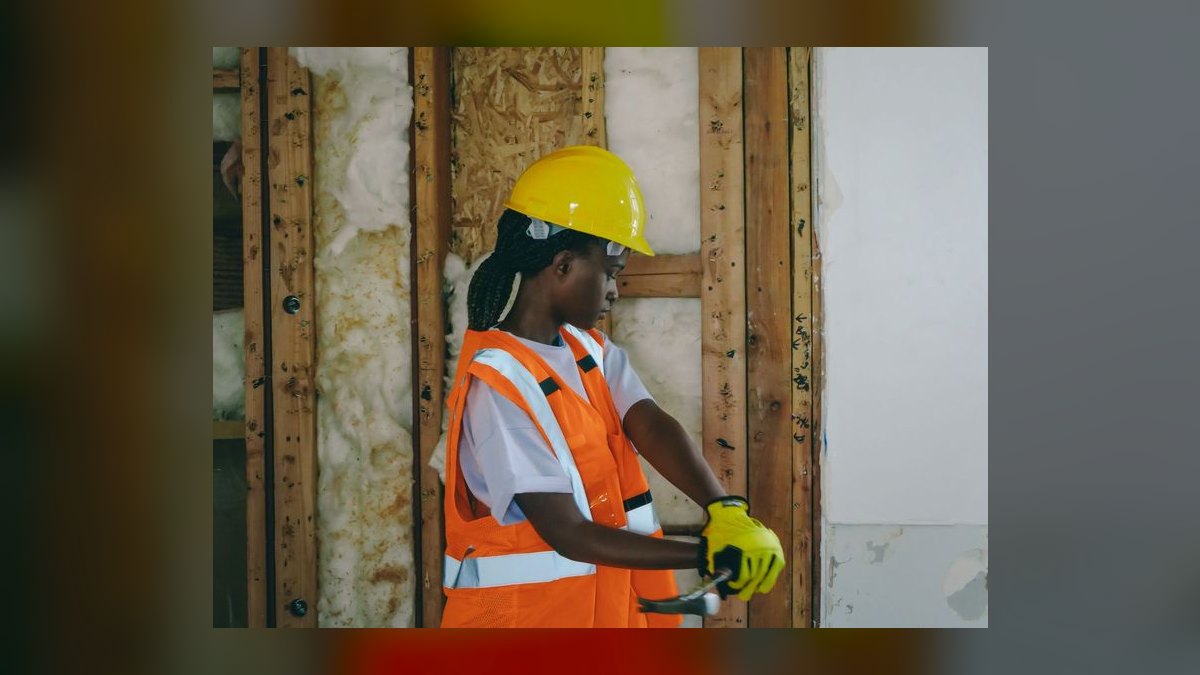
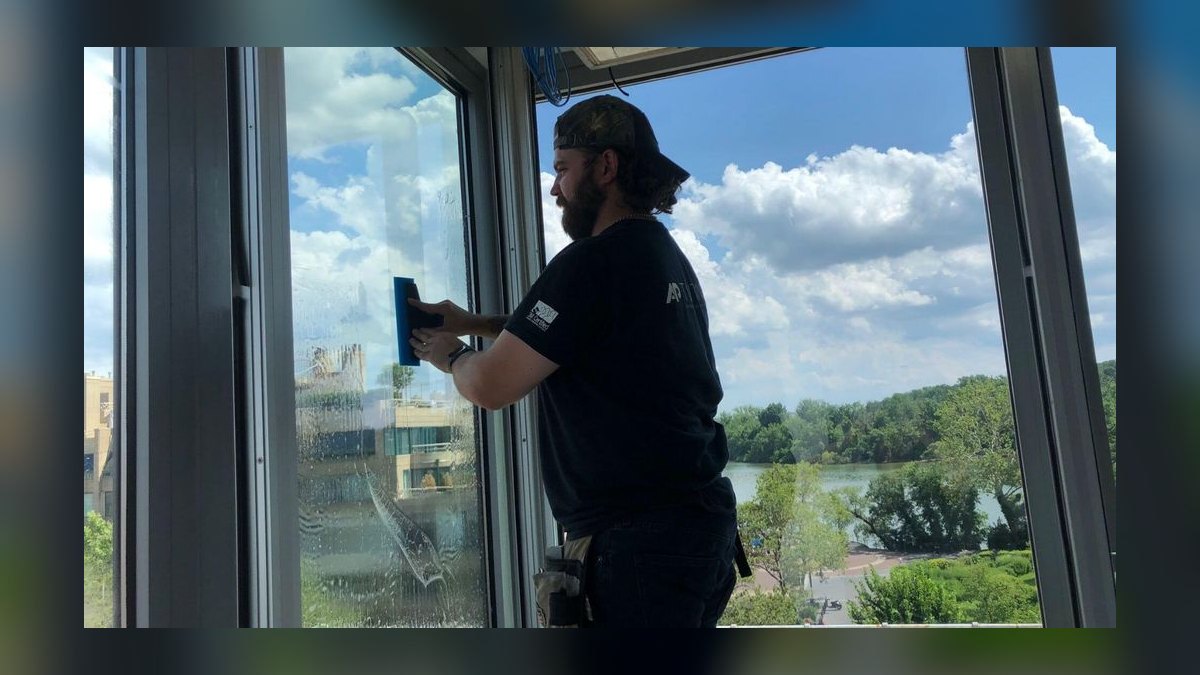
Pricing. A full-vehicle dyed or carbon job typically prices in the mid-hundreds; a full-vehicle ceramic job commonly runs two to three times that, more on large SUVs and panoramic-roof vehicles. Single-window and two-front jobs are your low-ticket filler. Commercial and residential jobs price per square foot and produce tickets an order of magnitude larger — a single storefront or office floor can equal a month of automotive work.
Throughput. One skilled installer, one bay: two to three full vehicles a day sustainably, three to four if the mix is light and you're pushing. Two installers in a two-bay shop: five to seven vehicles. Beyond that you're adding bays, not squeezing hours. Build your revenue model from vehicles-per-day × average ticket × working days, then cut it 20% for no-shows, weather, and re-dos. That haircut is the difference between a model and a fantasy.
Margins. Mobile operators hold the highest net margins because they have almost no fixed cost — the owner is the entire overhead. Fixed-bay shops trade several points of margin for higher ticket capacity and credibility. Franchise units carry royalty and brand-fund percentages on top of everything else, which is exactly why they need much higher gross sales to produce comparable owner earnings.
Break-even. Mobile typically crosses in well under a year. A fixed bay takes longer because the rent clock starts before the customer flow does — plan on roughly a year and revisit monthly. Franchise ramps are longer still.
Exit. Owner-operator service shops in this size class trade on a modest multiple of seller's discretionary earnings, not on revenue. Transferable value lives in things that survive your departure: dealer contracts, a trained non-owner installer, a signed lease at a good rate, documented processes, and review volume. A business that is entirely your hands sells for close to the value of the equipment. If exit matters to you, start building transferable assets in year two, not year five.
Risks, edge cases, and failure modes
The failure modes here are boringly consistent, which is good news — they're avoidable.
The absentee-owner trap. This is the number one killer. Hiring installers at a competitive hourly wage plus payroll burden means two techs cost you a substantial six-figure fully loaded payroll. On a low-to-mid-$200K revenue base, after rent, film, insurance, and software, the owner's take can go negative. The math only works if either (a) you're also installing during ramp, or (b) revenue is high enough to carry the payroll — which usually means a second bay, real dealer volume, or adjacent services. Buying a tint shop as a purely passive investment, without install skill, is the single most reliable way to lose money in this trade.
Hiring is genuinely hard. Certified installer supply is tight in most metros. The practical answer is to grow your own: hire a detailer or body-shop tech with good hands, pay for their training, and structure retention so you aren't funding a competitor's startup. Expect to lose one to exactly that anyway.
Warranty and dealer-program exclusion. Buying film through unauthorized channels costs meaningfully more per square foot and, more importantly, forfeits the manufacturer lifetime warranty. That warranty closes a large share of premium quotes. Skipping the authorized-dealer application to save paperwork is a false economy.

Regulatory tightening. Front-window VLT rules have trended stricter, not looser, and enforcement is uneven but real. Build your model on legal-limit work only. If a meaningful share of your projected revenue assumes illegal darkness, your model is already broken.
Material cost shocks. Film is a petrochemical product with a concentrated manufacturer base. Wholesale prices have moved up in double-digit percentages in recent years. Price your jobs with the ability to reprice quarterly, and don't quote large commercial projects with a stale material cost.
Concentration risk. The dealer account that makes your year-two numbers look great is also the account whose loss makes year three ugly. Cap any single account at a share of revenue you could survive losing — a third is aggressive, half is dangerous.
Weather and premises risk. Mobile installs in dust, wind, or cold produce contamination and adhesion failures. Learn to decline a job rather than do it badly in a customer's driveway. On the fixed-bay side, garagekeepers coverage exists for a reason: you are taking custody of vehicles worth many multiples of your annual profit.
The undifferentiated-commodity trap. In a saturated metro, the shop that competes on price loses. Differentiation available to you: same-day turnaround for dealers, OEM-fit precision on hard vehicles, a genuinely premium film line, a warranty you actually honor, and a clean waiting area. None of those require capital. All of them require discipline.
A practical rollout plan
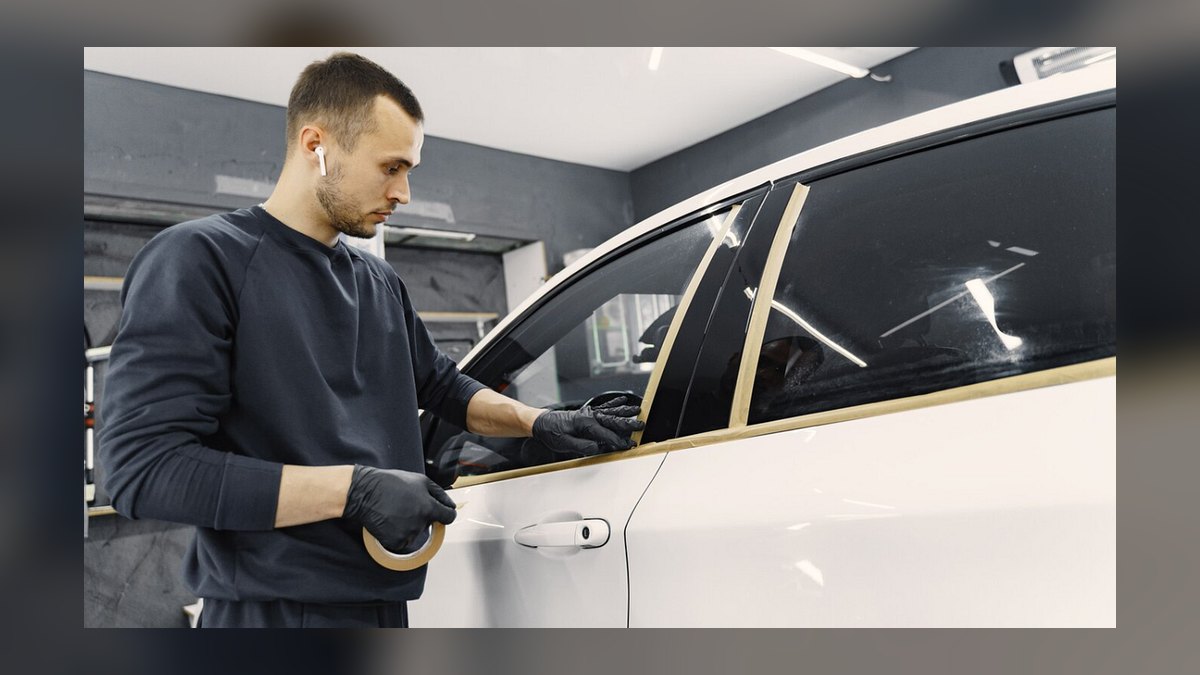
A ninety-day sequence, ordered so that the reversible decisions come before the expensive ones.
Days 1–10: validate the metro. Count competitors on maps and review platforms, then read their reviews for the complaint pattern — turnaround time, bubbling, no-shows. That pattern is your wedge. Call local dealerships and independent used-car lots and ask who tints their inventory and whether they're happy. Three unhappy dealers is a business. Zero unhappy dealers in a saturated metro is a warning.
Days 11–25: commit to training. Pick a structured program and then put in the practice hours on junkyard glass and friends' vehicles. Do not shortcut this to start earning sooner; the re-dos and reviews will cost more than the tuition. Track your own times — when you can do a full sedan in under two and a half hours with zero defects, you're ready to quote.
Days 26–40: choose the lane. Mobile if your capital is thin, your metro is spread out, or you want to validate demand before signing a lease. Fixed bay if you have the cushion, want commercial and high-end automotive work, and can find flex-industrial space at a sane rate. Franchise only if you have substantial liquid capital, genuinely value a turnkey operations playbook, and have relevant automotive experience already.
Days 41–55: authorized-dealer applications and paperwork. Apply to the major film manufacturers' dealer programs. In parallel: form the entity, get general liability, commercial auto, and garagekeepers coverage quoted from an agent who has written shops like yours, and register for sales tax collection.
Days 56–70: equipment and software. A cutting plotter with a current pattern subscription pays for itself quickly in reduced waste and faster throughput, though you should still be able to hand-cut. Add heat guns, a proper heat lamp or shrinking setup, squeegees, slip solution, and lighting. Pick a shop-management tool for quoting, scheduling, and follow-up before you need it, not after.
Days 71–85: stock film and pre-sell. Buy narrow and deep, not wide and shallow: one dyed line, one carbon, one ceramic, in the two or three most-used widths. While stock ships, book your soft-launch calendar.
Days 86–90: soft launch. Run fifteen to twenty-five discounted jobs explicitly in exchange for reviews and photo rights. Shoot every car properly. Only after you have real review volume should paid advertising turn on — ads pointed at a profile with three reviews are money on fire.
Beyond day 90. Months four through six: shift mix toward ceramic and start pursuing dealer and fleet accounts. Months seven through twelve: add paint protection film or ceramic coating only once tint throughput is consistent — adjacency before stability just splits your attention. Year two: decide deliberately whether you're building a job, a second bay, or a sellable asset, and start documenting processes accordingly.
Related questions
Is window tinting a better entry than paint protection film?
Tinting has lower capital requirements and faster skill acquisition; PPF has higher tickets and a smaller competitive field but demands more practice and costlier material per job. Most operators start with tint and add PPF in year two once throughput is predictable.
Can I run this without a storefront long-term?

Yes, many operators stay mobile permanently and keep the highest net margins in the trade. The ceiling is throughput and commercial work — you cannot do large architectural jobs or high-volume dealer flow reliably out of a van.
How much does commercial and residential film change the model?
Substantially. Sales cycles stretch to weeks, but single-building tickets dwarf automotive work and are counter-seasonal, which stabilizes cash flow through the winter automotive trough. It requires different selling skills and often a contractor license.
Should I buy an existing shop instead of opening one?
Buying gets you dealer accounts, review velocity, and a trained crew — real assets that take years to build. Verify that revenue survives the seller's departure, and price a shop that is entirely the owner's hands accordingly.
What single metric should I watch weekly in year one?
Average ticket, tracked alongside vehicles completed. Rising volume with flat ticket means you're getting busier without getting more profitable — the classic year-one trap.
FAQ
How much does it realistically cost to open a window tinting business?
A mobile setup can start in the low-to-mid five figures once you account for a plotter, tools, initial film stock, training, insurance, and a serviceable vehicle. A small fixed bay runs meaningfully higher because of build-out, deposit, and larger inventory. Franchised units require an order of magnitude more capital.

Do I have to be the installer myself?
For the first year or two, practically yes. Certified installers are scarce and expensive, and payroll on a modest revenue base can erase owner earnings entirely. Owners who can bench-install control quality, cover no-shows, and survive the ramp.
How long until the business breaks even?
Mobile operations typically break even fastest because fixed costs are minimal. A fixed bay takes longer since rent begins before customer flow ramps. Franchise locations take longest given royalties and a larger cost base. Track it monthly rather than assuming a timeline.
What working capital cushion should I plan for?
Enough to cover rent, insurance, film restocking, and your personal living expenses through a slow first several months plus one seasonal trough. Undercapitalization — not lack of demand — is the most common reason new shops close.
Which film should I stock first?
Go narrow and deep rather than broad: one dyed line for price-sensitive jobs, one carbon mid-tier, and one ceramic or IR premium line, in the two or three widths that cover most vehicles. Depth beats variety while you're learning what your market buys.
Does the legal tint limit really matter that much?
Yes. Every state sets its own visible-light-transmission thresholds, front windows are the most enforced, and penalties plus failed inspections land on you as much as the customer. Build the business on compliant work only.
Sources
- https://www.sba.gov/business-guide/plan-your-business/calculate-startup-costs
- https://www.iihs.org/topics/glare
- https://www.ghsa.org/state-laws
- https://www.irs.gov/businesses/small-businesses-self-employed/starting-a-business
- https://www.bls.gov/oes/current/oes493093.htm
- https://www.energy.gov/energysaver/window-treatments
- https://www.ftc.gov/business-guidance/resources/consumers-guide-buying-franchise
- https://www.bizbuysell.com/
- https://www.iwfa.com/
- https://www.energystar.gov/products/building_products
Related on PULSE
- Should I open a window cleaning business in 2027?
- Best window and gutter-cleaning franchises to buy in 2027
- Should I open or buy a Window Hero franchise in 2027?
- Should I open or buy a Shine Window Care franchise in 2027?
- Should I open or buy a Fish Window Cleaning franchise in 2027?
- Should I open or buy a Window World franchise in 2027?
This page will be disappearing soon. Save it to your device for $1 — or read it free while it is here.
@Kory-White- · if Venmo asks, the last 4 of my number are 2012
This page is gone.
This one is off the shelf now. $1 keeps it on your phone for good — the whole page, pictures and diagrams included.
 franchiseShould I open or buy a Jeremiah's Italian Ice franchise in 2027?
 franchiseShould I open or buy an Ace Hardware franchise in 2027?
 franchiseShould I open or buy a Jiffy Lube franchise in 2027?
 franchiseShould I open or buy a McAlister's Deli franchise in 2027?
 franchiseShould I open or buy a Panera Bread franchise in 2027?
 franchiseShould I open or buy a Primrose Schools franchise in 2027?
 franchiseShould I open or buy a Bruster's Real Ice Cream franchise in 2027?
 franchiseShould I open or buy an Anytime Fitness franchise in 2027?
 franchiseShould I open or buy a Mathnasium franchise in 2027?
 franchiseShould I open or buy a Meineke franchise in 2027?