
Should I open or buy a Grimaldi’s Pizzeria franchise in 2027?
 Curated byKory White · Fractional CRO · Maryland
 PULSEKNOWLEDGE LIBRARY
Buy an existing Grimaldi's Pizzeria only if you are an experienced full-service operator in an affluent, high-traffic market; open a new one only if you can fund a $600K–$2M coal-oven buildout and wait 12–18 months. Mature units gross roughly $1.5M–$3.5M at 10%–16% restaurant-level margins. Under-capitalized quick-service operators should skip it.
The two paths: opening new versus acquiring an existing unit
The Grimaldi's decision is not really "franchise or no franchise." It is a choice between two very different transactions that happen to carry the same logo, and the capital, timeline, and risk profile of each diverge sharply enough that most buyers should rule one out before they ever request a Franchise Disclosure Document.
Opening new means signing a franchise agreement, paying an initial franchise fee in the neighborhood of $50,000, and then spending 12 to 18 months turning a shell or a conversion space into a full-service Italian restaurant with a coal-brick oven at its center. Total Item 7 investment runs roughly $600,000 to $2,000,000 depending on format and market. You choose the site, you negotiate the lease, and you own every decision about layout, staffing model, and opening date. You also own every delay: a fire marshal who has never permitted a coal oven, a landlord who balks at the exhaust requirements, a general contractor who has never installed an 800°F masonry oven. Six to nine months of that window is construction alone.
Buying an existing unit means acquiring a going concern from a franchisee who wants out — with a built oven, a trained kitchen crew, an established lease, a customer base, and, critically, real trailing revenue you can underwrite instead of a projection you have to believe. Resale prices in full-service restaurant franchising typically anchor to a multiple of trailing seller's discretionary earnings, commonly in the 2x–3.5x range for single-unit casual dining, plus assumption of the remaining lease term and a transfer fee paid to the franchisor. A unit throwing off $250,000 in owner earnings might trade in the $600,000–$850,000 range — comparable to a low-end new build, but with revenue starting on day one rather than in month eighteen.
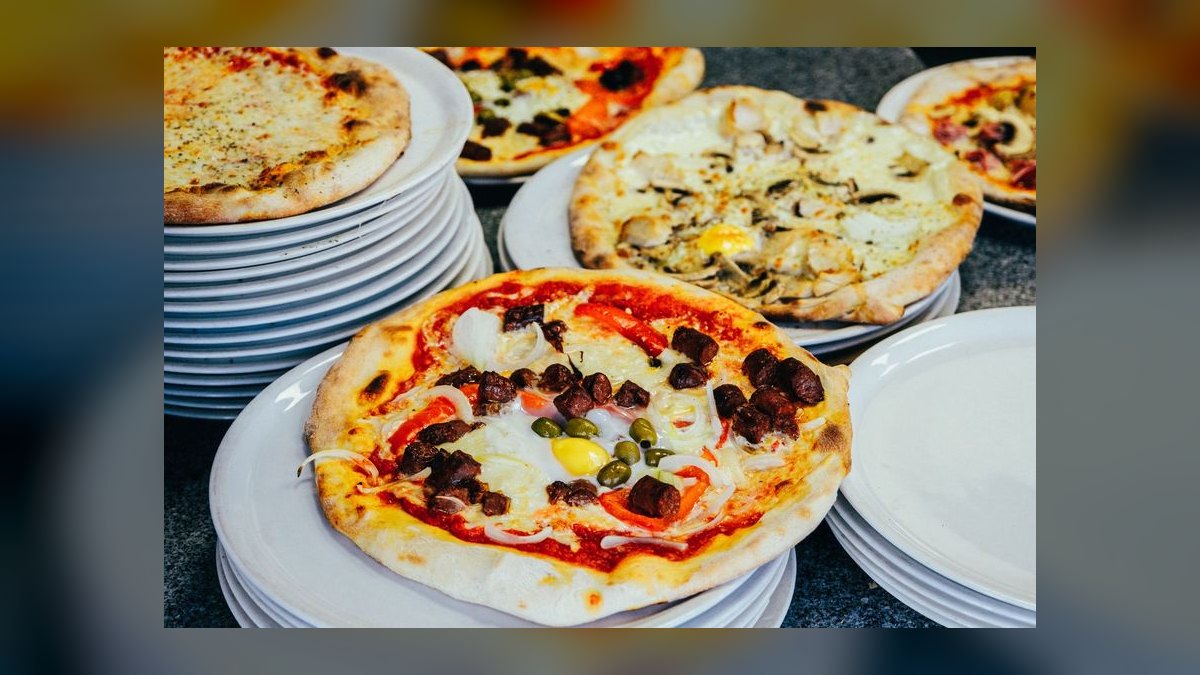
The trade-off is control versus certainty. New builds let you pick an affluent, high-traffic trade area — a lifestyle center, a tourist corridor, an urban node with strong evening foot traffic — and design the room around the oven. Resales hand you someone else's site decision, someone else's deferred maintenance, and frequently someone else's reason for selling. That last item is the whole diligence exercise: a seller exiting for retirement or a portfolio consolidation is a very different asset than one exiting because a competitor opened two blocks away or because the coal-oven cook quit and the food has been inconsistent for eight months.
There is a third path worth naming, because it is often the right answer for people drawn to this brand: build an independent premium coal-oven pizzeria instead. You keep the roughly 5% royalty and roughly 2% marketing fee — call it $154,000 a year on a $2.2M unit — and you keep full menu and pricing control. What you give up is the Brooklyn heritage story, the systems, the approved-vendor network for fresh mozzarella and 00 flour, and the recognition that lets a new location fill a 4,000-square-foot dining room in its first quarter. That recognition is precisely what the 7% is buying.
How to decide between them
The decision sequence matters more than the arithmetic, because the arithmetic only becomes meaningful once you know which constraint binds you. Work the gates in order and most people find they are disqualified — or clearly routed — within a week.
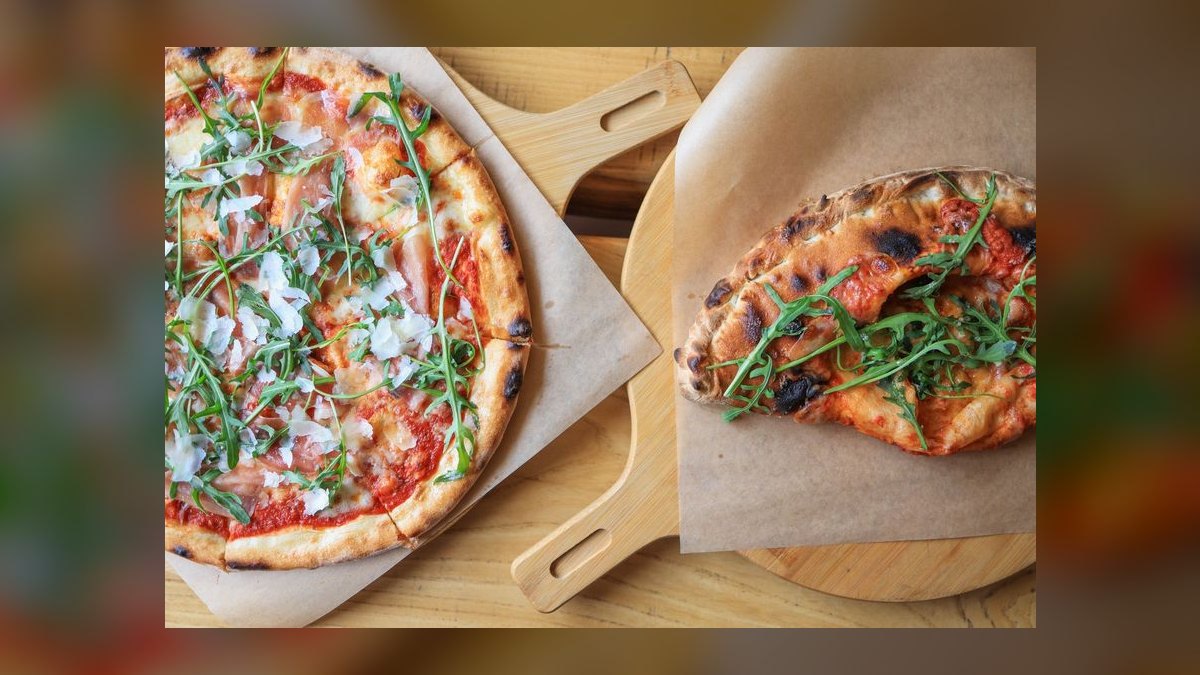
Gate one: liquidity and net worth. You need roughly $200,000 to $500,000 liquid on top of financing capacity. This is not the franchisor's preference; it is what a full-service buildout with a specialized oven actually consumes when the schedule slips. If you are borrowing to the ceiling to hit the low end of Item 7, you have no cushion for the four-month permitting delay that a coal oven can trigger, and the working capital line — $70,000 to $220,000 for the first three months — is the first thing under-capitalized operators raid.
Gate two: operating experience. Full-service hospitality is a different trade than quick-service throughput. If your background is Domino's-style delivery or fast-casual assembly lines, the muscle you built optimizes ticket times and labor-per-transaction. Grimaldi's needs someone who can run a 30-person front-of-house, manage a bar program where applicable, and hold a service standard on a Saturday night with a 45-minute wait. Operators who cross over from QSR without a strong general manager underneath them are the single most common failure pattern in premium casual.
Gate three: the market. Coal-oven pizza at $18–$28 a pie is not a value proposition. It requires a trade area with disposable income and either destination traffic or dense evening foot traffic. A suburban market with strong household income but no reason to leave the house after 7 p.m. will underperform a slightly less affluent tourist corridor.
Gate four: physical and regulatory feasibility. Some municipalities restrict coal-burning ovens on air-quality grounds. Some landlords will not permit the exhaust penetration. Verify both before you fall in love with a site — and before you sign anything.
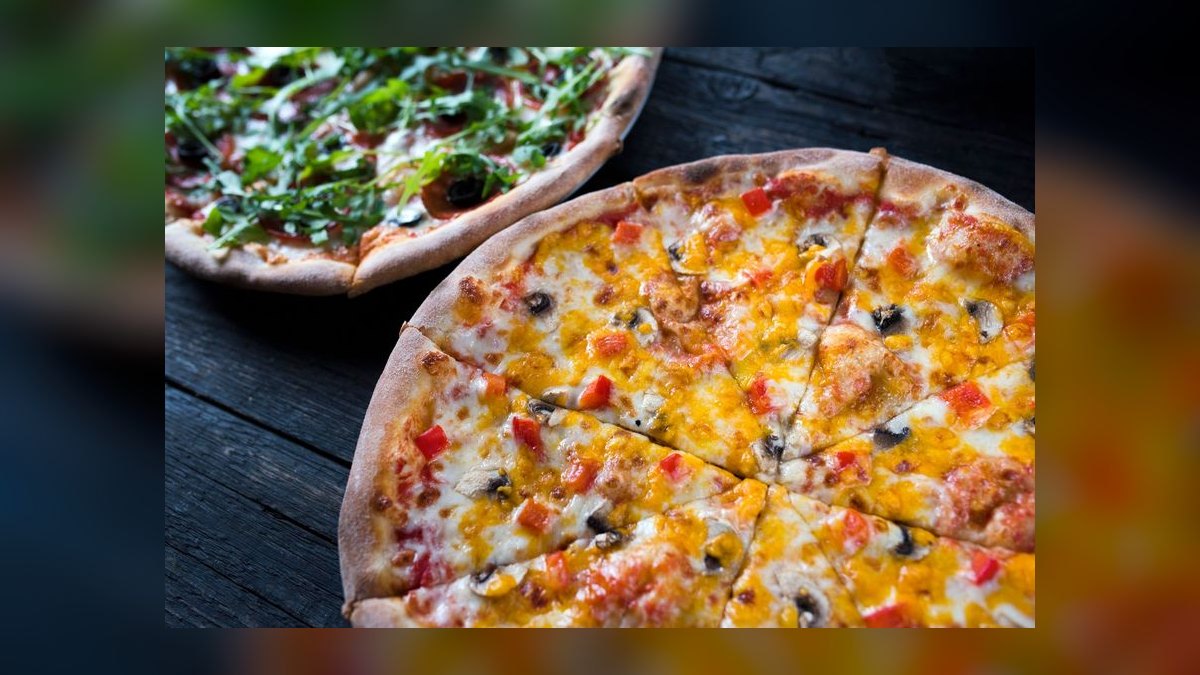
Notice where the tree routes people. Almost nobody is disqualified at the last gate; the eliminations happen at capital and experience. If you clear all four and a resale exists in a trade area you believe in, the resale is usually the better risk-adjusted trade — you are paying a premium for the elimination of construction risk, permitting risk, and ramp risk, and in this concept those three risks are unusually large.
Concrete numbers behind each option
Here is what each path actually costs and returns, using the ranges disclosed in the 2026 FDD and typical full-service restaurant economics.
New build, line by line. The franchise fee is approximately $50,000. Buildout and leasehold improvements run $350,000 to $1,200,000 — the wide spread reflects raw shell versus second-generation restaurant conversion, and market labor rates. Equipment and POS run $180,000 to $450,000; the coal oven alone is $60,000 to $100,000 installed, and the fire-rated exhaust hood, Class A suppression system, and ventilation add $80,000 to $150,000 over what a standard restaurant would spend. Signage and decor: $30,000 to $120,000. Initial inventory: $15,000 to $40,000. Grand-opening marketing: $20,000 to $60,000. Training and travel: $10,000 to $30,000. Working capital: $70,000 to $220,000. Total lands at roughly $600,000 to $2,000,000, with premium urban markets pushing the top of the range.
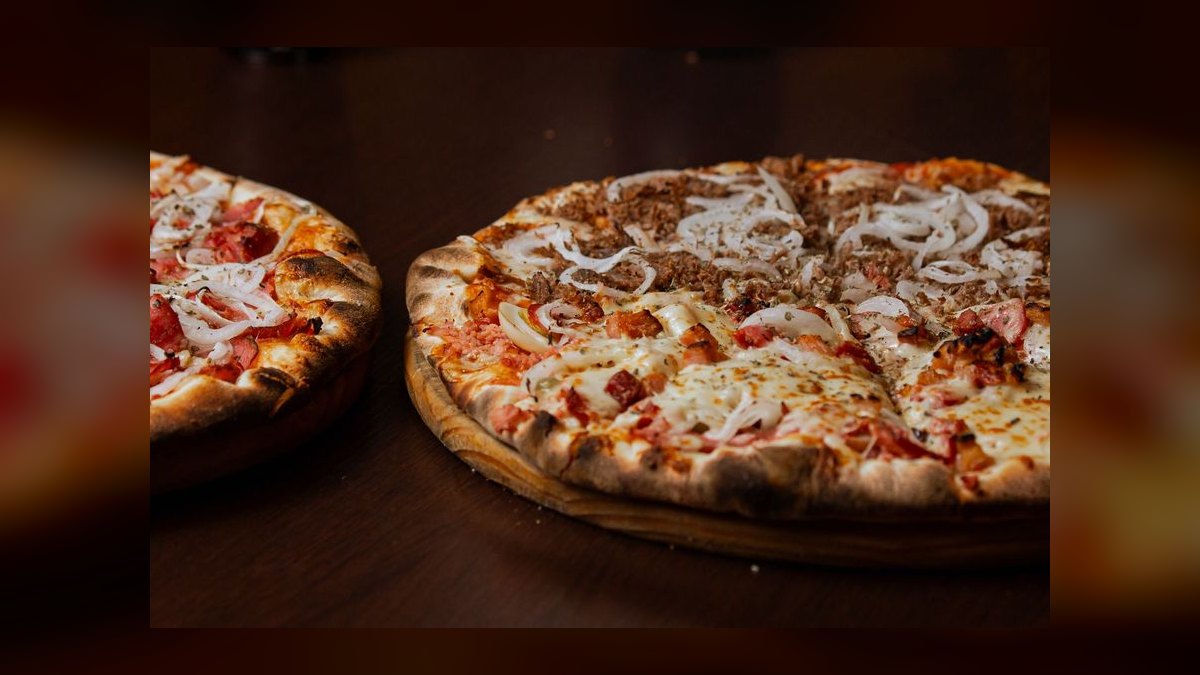
The operating P&L at a $2.2M average unit volume. Food and beverage cost runs 28% to 32% — call it 30%, or $660,000. Labor runs 28% to 33% in a disciplined operation and 30% to 38% in a high-wage state or a poorly scheduled one; at 31% that is $682,000. Occupancy at 9% is $198,000. The royalty near 5% is $110,000. Marketing near 2% is $44,000. Other operating expenses — utilities (the coal oven is not cheap to run), insurance, repairs, supplies, credit card fees — land around 13%, or $286,000. What remains is roughly $220,000 to $330,000 in owner profit, or 10% to 16% at the restaurant level.
Note the coal line specifically: budget $15,000 to $25,000 annually for anthracite depending on volume and regional delivery logistics. In the Northeast the supply chain is established but seasonally priced; in the West delivery is straightforward but freight-inclusive.
Resale math. A unit with $250,000 in trailing seller's discretionary earnings at a 2.5x multiple prices near $625,000, plus the franchisor's transfer fee and your legal and diligence costs. Against that you are buying: no construction risk, no permitting risk, an oven crew already trained on managing 800°F–1,000°F uneven heat and manual pie rotation, and a demonstrated AUV. The catch is that you inherit the remaining lease term. If eight years are left on a fifteen-year lease, you have eight years to amortize an asset that took someone else $1.2M to build — that is a fine trade. If four years are left, you are buying a renegotiation, and the landlord knows your oven cannot move.
What kills the returns. Three things, in order of frequency. First, labor drift — full-service labor is the dominant cost lever and every point above 33% comes straight out of the 10%–16% margin band. Second, an AUV that never reaches $1.5M because the trade area was wrong; at $1.2M the same cost structure produces a break-even, not a business. Third, territory dilution: Grimaldi's uses a radius-based protection model, typically 1.5 to 3 miles depending on density, and in an urban market that radius can be small enough for a second location to cannibalize your dinner traffic. Negotiate it explicitly.
Comparative context. Blaze and MOD-style fast-casual pizza run $350,000 to $600,000 all-in with AUVs of roughly $800,000 to $1,200,000 — a third of the capital for half the revenue and materially less operational complexity. California Pizza Kitchen sits above Grimaldi's on both axes: $1,500,000 to $3,000,000 investment against $3,000,000 to $4,500,000 AUVs, with a broader menu that raises kitchen complexity. UNO Pizzeria & Grill is the closest structural comparable, with similar full-service AUVs and investment, though it has drifted toward bar-forward casual dining while Grimaldi's holds a stricter coal-oven identity. Pizza Ranch's buffet model serves a different demographic entirely at lower AUVs. If the numbers above make you flinch, the honest read is that fast-casual is the right rung and Grimaldi's is a later move.
What the coal oven actually changes
It is worth isolating the oven, because it is simultaneously the moat and the tax, and buyers routinely underwrite one without the other.
As a moat: anthracite at 800°F to 1,000°F produces a leopard-spotted char and a crust structure that gas and electric deck ovens cannot replicate. That is what supports $18 to $28 pricing on a large pie in a category where the national chains have trained consumers to expect $12. The open kitchen and exposed brick are not decoration — they are the proof of the claim, which is why the franchisor's real estate profile pushes toward end-cap or freestanding buildings with 4,000 to 6,000 square feet and sightlines to the oven.
As a tax: the oven requires a fire-rated exhaust hood, Class A suppression, and ventilation engineering that most restaurant GCs have never specified. It requires a cook who can read an uneven fire and rotate pies by hand, and that skill is scarce — franchisees consistently report back-of-house recruiting and retention as the persistent operational problem, which is why cross-training managers on oven operation is a standard defensive move. Corporate training runs roughly four to six weeks, and it is worth sending more than the minimum headcount.
The oven also constrains your supply chain. Fresh mozzarella rather than low-moisture, San Marzano-style tomatoes, 00 flour — these do not always flow cleanly through broadline distributors like Sysco or US Foods, so you are managing specialty vendors alongside your primary. That is more purchase orders, more receiving discipline, and more exposure to single-source risk than a franchisee coming from a QSR system expects.
And it constrains where you can operate at all. California's air-quality regime is the sharpest example; the franchisor has adapted some locations to gas-fired equipment with coal flavoring, but that is an exception, not a standard offering, and it changes the product story you are paying a franchise fee to tell. Verify local zoning, air-quality rules, and fire code before signing a lease — not after, when you have a rent obligation and no permit.
Implementation details and sequencing
Whichever path you take, the sequence below front-loads the cheap disqualifiers and defers the expensive commitments. Run it in order.
Days 1–25: documents and feasibility. Read the 2026 FDD end to end, with real attention to Item 7 (investment), Item 12 (territory), Item 19 (financial performance representations, if any), and Item 20 (outlet counts and transfers — a high transfer or termination rate is the single most informative number in the document). In parallel, pull your target municipality's rules on solid-fuel cooking appliances. If coal is restricted, you learn it for free in week two rather than after a lease signature.
Days 26–50: owner interviews. Call at least eight current franchisees from the Item 20 list, and specifically call two who have left. Ask about actual AUV, actual buildout cost against the Item 7 estimate, labor percentage, coal spend, back-of-house turnover, and net owner profit after debt service. Ask what they would do differently on site selection. Franchisees answer these questions candidly far more often than prospective buyers expect.
Days 51–75: trade-area validation. Prove the market carries a premium ticket. Household income, evening traffic patterns, competitive set (independent premium pizzerias matter more here than national chains), and destination draw. If a resale exists in this market, request three years of tax returns and P&Ls now and reconcile them against POS data, not just the seller's summary.
Days 76–110: site and permits. Negotiate a 10-to-15-year lease term to amortize a specialized buildout, with the coal-oven permitting made a condition of the lease. Confirm the fire marshal's requirements in writing.
Days 111–170: construction and hiring. Build the oven early in the schedule — it is the long-lead item and everything else sequences around its inspection. Hire and train the oven crew before the dining room is finished.
Open, then hold the standard. The first ninety days set the reputation that carries the AUV for years.
Staffing model to plan around: a 4,000-to-6,000-square-foot location typically runs 25 to 45 employees across servers, hosts, bussers, bartenders, pizza makers, line cooks, and dishwashers. Build the schedule around a labor target, not around coverage anxiety — the difference between 31% and 36% labor on a $2.2M unit is $110,000, which is roughly half your owner profit.
Adjacent plays worth pricing before you commit
Run these comparisons honestly, because the right answer for many buyers is a neighboring concept rather than this one.
Anthony's Coal Fired Pizza is the closest coal-oven alternative and worth a side-by-side FDD comparison on investment and territory terms. Mellow Mushroom offers full-service pizza-and-beer with a differentiated brand identity and a beverage-heavy mix that changes the labor math. Rosati's in its sports-pub format is another full-service pizza route with a different guest occasion. On the lower-capital rung, fast-casual pizza — Blaze, MOD, Your Pie — gets you into the category at roughly a third of the capital, and several operators use a fast-casual unit as the cash-flow base that later funds a full-service build. On the higher-capital rung, brewhouse casual dining trades pizza specificity for beverage margin.
There is also a portfolio angle. Multi-unit operators increasingly pair a high-AUV, high-capital anchor with lower-capital units that share back-office overhead — one bookkeeper, one recruiter, one marketing calendar across three or four locations. If Grimaldi's is your only unit, every fixed cost of ownership lands on one P&L. If it is the anchor of a small portfolio, the same overhead spreads and the coal oven's specialized labor pool can be recruited against a larger internal ladder, which materially helps the retention problem described above.
Finally, consider timing. Restaurant resale supply tends to rise when operators face lease renewals, equipment replacement cycles, or refinancing at higher rates. A buyer with cash and patience in 2027 is shopping a market where sellers have fewer alternatives — which is precisely when the resale path prices better than the build path.
Related questions
Is it cheaper to buy an existing Grimaldi's than to open one?
Often, yes. A resale priced at 2x–3.5x trailing seller's discretionary earnings can land near or below the low end of the $600K–$2M new-build range, while delivering revenue immediately instead of after 12–18 months of construction and ramp. The trade is inheriting someone else's site and lease.
How long does the coal oven take to permit?
It varies entirely by municipality. Jurisdictions familiar with solid-fuel cooking appliances move at normal restaurant speed; those that are not can add months. Confirm local zoning, air-quality, and fire-code requirements before signing any lease — never after.
What labor percentage should I underwrite?
Plan for 28%–33% in a well-run operation, and stress-test at 38% for high-wage states or a difficult first year. On a $2.2M unit, each point of labor is $22,000 — enough that a five-point miss consumes roughly half of expected owner profit.
Can I run a Grimaldi's semi-absentee?
Realistically, no. Full-service hospitality with a specialized oven demands either a hands-on owner-operator or a proven, well-compensated general manager with genuine authority. Semi-absentee ownership in premium casual dining is where service standards and food consistency quietly erode first.
Which markets suit the concept best?
Affluent, high-traffic trade areas: lifestyle centers, tourist corridors, and dense urban nodes with strong evening activity. The $18–$28 pie needs disposable income plus a reason for guests to be out at dinner — one without the other underdelivers.
FAQ
What is the total investment range for a Grimaldi's Pizzeria franchise?
The 2026 FDD puts total Item 7 investment between roughly $600,000 and $2,000,000, depending on format and market. That includes an initial franchise fee near $50,000, buildout, the coal oven and its ventilation, FF&E, signage, inventory, grand-opening marketing, training, and working capital. High-cost urban markets push toward the top of the range.
How much can a Grimaldi's franchise owner expect to earn?
Mature locations generally gross $1.5M to $3.5M. After food and beverage cost of 28%–32%, labor of 28%–33%, occupancy, the roughly 5% royalty, and marketing, restaurant-level margins typically land at 10%–16%, producing $150,000 to $400,000 in owner profit before debt service. Actual results depend heavily on trade area and labor discipline.
What ongoing fees does Grimaldi's charge?
A royalty near 5% of gross sales plus a marketing fee of roughly 2%. On a $2.2M unit that is about $154,000 a year in combined fees — the single clearest number to weigh against building an independent premium pizzeria instead.
Is Grimaldi's a fast-casual concept?
No. It is a full-service, upscale sit-down restaurant built around a coal-brick oven, typically 3,500 to 6,000 square feet, often with a bar. Expect 25 to 45 employees and materially higher operational complexity than any quick-service or fast-casual pizza model.
What makes the coal oven both an advantage and a risk?
The 800°F–1,000°F anthracite fire produces char and crust structure that gas and electric ovens cannot match, supporting $18–$28 pricing. The risk is that it requires specialized ventilation and fire suppression, scarce trained cooks, specialty ingredient sourcing, and local regulatory approval that some municipalities restrict.
How long does it take to open a new location?
Typically 12 to 18 months from lease signing to opening, with six to nine months of that in construction alone. Permitting delays and long-lead oven installation are the most common causes of slippage, which is why working capital should be sized for a schedule that runs late.
Sources
- https://www.grimaldispizzeria.com/
- https://www.entrepreneur.com/franchises/directory
- https://www.franchisebusinessreview.com/
- https://www.ibisworld.com/united-states/market-research-reports/pizza-restaurants-industry/
- https://www.franchise.org/
- https://www.ftc.gov/business-guidance/industry/franchises
- https://www.restaurantbusinessonline.com/
- https://www.technomic.com/
- https://www.pmq.com/
- https://www.sba.gov/funding-programs/loans
Related on PULSE
- [Should I open or buy a Russo's New York Pizzeria franchise in 2027?](/knowledge/fr0691)
- [How long does it take to open a franchise and break even in 2027?](/knowledge/fr1104)
- [Should I open or buy a Tommy Gun's Original Barbershop franchise in 2027?](/knowledge/fr1095)
 pulse-toolsHow Many Staff Should I Schedule Each Shift Across My Food Truck Fleet?
 pulse-toolsHow Many Sales Reps Do I Need to Hire for My Office Furniture Dealership?
 tlHow Many Sales Reps Do I Need to Hire for My Merchant Services Company?
 tlHow Many Sales Reps Do I Need to Hire for My Landscaping Company This Year?
 pulse-toolsHow Many Employees Should I Schedule Each Shift at My Movie Theater?
 pulse-toolsHow Many Budtenders Should I Schedule Each Shift at My Cannabis Dispensary?
 pulse-toolsHow Many Cashiers Should I Schedule Each Shift at My Convenience Store Chain?
 pulse-toolsHow Many Sales Reps Do I Need to Hire for My Window Replacement Company?
 tlHow Many Baristas Should I Schedule Each Shift at My Coffee Shop?
 pulse-toolsHow Many Employees Should I Schedule Each Day at My Wine Shop?