
Should I open or buy an Anthony’s Coal Fired Pizza franchise in 2027?
 Curated byKory White · Fractional CRO · Maryland
 PULSEKNOWLEDGE LIBRARY
Only if you are an experienced full-service operator with $1M–$2.5M in capital and a suburban trade area that supports casual dining. Anthony's Coal Fired Pizza is a polished-casual, coal-oven concept with $1.5M–$3M mature volumes and roughly 5% royalty — high AUV, high complexity, not a quick-service play.
The outcome you should expect
The realistic outcome of signing an Anthony's Coal Fired Pizza franchise agreement in 2027 is not a passive income stream. It is the purchase of a job as a multi-unit-caliber restaurant operator, wrapped in a brand that gives you a differentiated product and a national marketing engine in exchange for roughly 5% of your top line plus a marketing fee.
Set the expectation frame correctly before you look at a single site. A mature Anthony's grosses somewhere in the $1.5M–$3M range. Restaurant-level margin in polished casual, after food and beverage cost in the high twenties to low thirties, labor in the low thirties, occupancy near 8–10%, royalty at about 5%, and the marketing fee, typically settles between 10% and 16%. On a $2.1M unit that math produces roughly $210K–$310K of restaurant-level profit before debt service, before owner salary if you draw one separately, and before any corporate overhead you carry across units. If you financed $1.4M of the buildout at commercial rates, a meaningful slice of that profit goes to the lender for the first seven to ten years.
That is a good business. It is not a spectacular one relative to the risk, and the distinction matters. Compare it honestly against the adjacent options a buyer with $500K liquid is usually weighing. Three fast-casual pizza units at $400K–$700K apiece spread your operational risk across three trade areas and three management teams. A single coal-fired casual restaurant concentrates everything into one dining room, one liquor license, one lease, and one general manager. The concentration is the trade. In exchange you get a check average two to three times what a counter-service pizza concept produces, an alcohol program that carries real gross margin, and a product — the coal-fired wings in particular — that customers cannot buy from a gas-oven competitor down the street.
The second outcome to expect is a long ramp. Casual dining rarely opens at its stabilized volume and stays there. The typical arc is a strong six-to-ten-week honeymoon driven by curiosity and grand-opening spend, a noticeable trough in months three through six as the novelty traffic churns out, and a slow rebuild toward stabilized AUV over months nine through eighteen as your repeat base forms. Budget your working capital against the trough, not the honeymoon. Operators who blow their reserve celebrating a $60K opening week are the ones who cannot make payroll in month five.
Third, expect the operating calendar to be the real product. Coal-fired ovens do not run themselves; they need a trained oven cook per shift, ash management, and a fire discipline that a line cook off the street will not have on day one. Your first six months are a training operation disguised as a restaurant. If your temperament is capital allocation rather than floor management, you either hire a general manager at $75K–$95K plus bonus before you open, or you should be looking at a different asset class entirely.
What drives that outcome
Four variables move the needle far more than anything else in a coal-fired casual P&L, and only one of them is on the menu.
Trade area quality. The brand's economics assume a suburban or dense-suburban market with meaningful daytime and evening population, a household income base that supports a $22–$32 check with a drink, and enough retail or entertainment gravity nearby that you are not the sole reason someone drives across town. A rough screen: 50,000+ people within three miles, median household income at or above roughly $75,000, and visible co-tenancy that generates evening traffic. Fall meaningfully short of that and you will spend the difference on local marketing forever, which is the most expensive way to buy sales.
Prime cost discipline. Food and beverage cost at 29%–33% plus labor at 30%–35% gives you a prime cost of roughly 60%–66%. Every point above that comes directly out of owner profit — a single point on a $2.1M unit is $21,000 a year, or the difference between a good year and a mediocre one. Prime cost is not managed monthly; it is managed by shift, through prep sheets, portion scales on the cheese and protein, and a scheduling tool that flexes labor against forecasted covers rather than against habit.
Beverage mix. Alcohol typically contributes somewhere in the high teens to mid twenties as a share of sales in a polished-casual Italian concept, and it carries substantially better gross margin than food. A restaurant that runs 12% beverage and one that runs 22% have materially different bottom lines on identical food sales. That gap is driven by bar design, server suggestion discipline, wine-by-the-glass pricing, and whether your host stand seats people at the bar during a wait instead of parking them at the door.
Buildout cost per dollar of sales. This is the variable most first-time franchisees underweight. A $2.4M buildout and a $1.3M buildout produce the same food. They do not produce the same return. The coal oven itself is a specialty install — reinforced floor loading, dedicated ventilation, fire suppression engineered for solid fuel — and it can add substantially to the mechanical scope versus a gas-oven concept. Landlord tenant-improvement allowance is therefore not a nice-to-have; it is a primary lever on your return, and it is negotiated once.
Read that chain in one direction: capital and trade area are decided before you open and cannot be fixed afterward. Prime cost and beverage mix are decided every day and can always be fixed. Most struggling franchise units in any full-service brand fail on the first pair, then spend years trying to compensate with the second. Get the site and the buildout budget right, and mediocre operations still produce an acceptable return. Get them wrong, and excellent operations only produce break-even.
Benchmarks and realistic ranges
Treat every number below as a planning benchmark to validate against the current Franchise Disclosure Document and against live franchisee interviews. Item 7 gives you the investment range, Item 19 gives you whatever financial performance representation the franchisor chooses to make, and Item 20 gives you the outlet table — openings, closures, transfers, and terminations by year. The Item 20 table is the single most honest page in the document, and most buyers skim it.
Investment. Plan for a total Item 7 range in the neighborhood of $1.0M to $2.5M. A representative build stacks up roughly like this: franchise fee around $40,000; leasehold improvements and construction $500,000–$1,400,000 depending on whether you inherit a former restaurant with usable infrastructure or build from a cold dark shell; equipment, coal oven, bar, and POS $250,000–$550,000; signage and decor $30,000–$110,000; opening inventory $15,000–$40,000; grand-opening marketing $25,000–$60,000; training and travel $10,000–$30,000; and working capital $70,000–$220,000. Lenders and the franchisor will typically want $300,000–$550,000 in genuinely liquid funds plus a net worth well above the low end of the investment range.
The spread is the story. The gap between the low and high end of Item 7 is not noise — it is almost entirely site condition and market. A second-generation restaurant space in a secondary suburban market with a landlord contributing $100–$250 per square foot of tenant improvement lands you near the bottom. A cold shell in a high-rent trade area with a landlord contributing nothing and a municipality that requires a full mechanical redesign for the solid-fuel oven lands you near the top. Underwrite the top of the range and be pleasantly surprised.
Footprint and occupancy. Expect roughly 3,000–5,500 square feet in an end-cap or freestanding position with visible signage and easy parking. Annual rent in a desirable suburban retail center commonly runs $30–$45 per square foot before common-area maintenance, taxes, and insurance. Run the arithmetic before you sign: 4,000 square feet at $38 triple-net, with $8 in CAM and taxes, is roughly $184,000 a year. Against a $2.1M AUV that is 8.8% occupancy — acceptable. Against a $1.5M AUV it is 12.3% — which will consume most of your profit. Occupancy is a fixed cost measured as a percentage of a variable number, and that is exactly why a soft sales year in an expensive lease is so punishing.
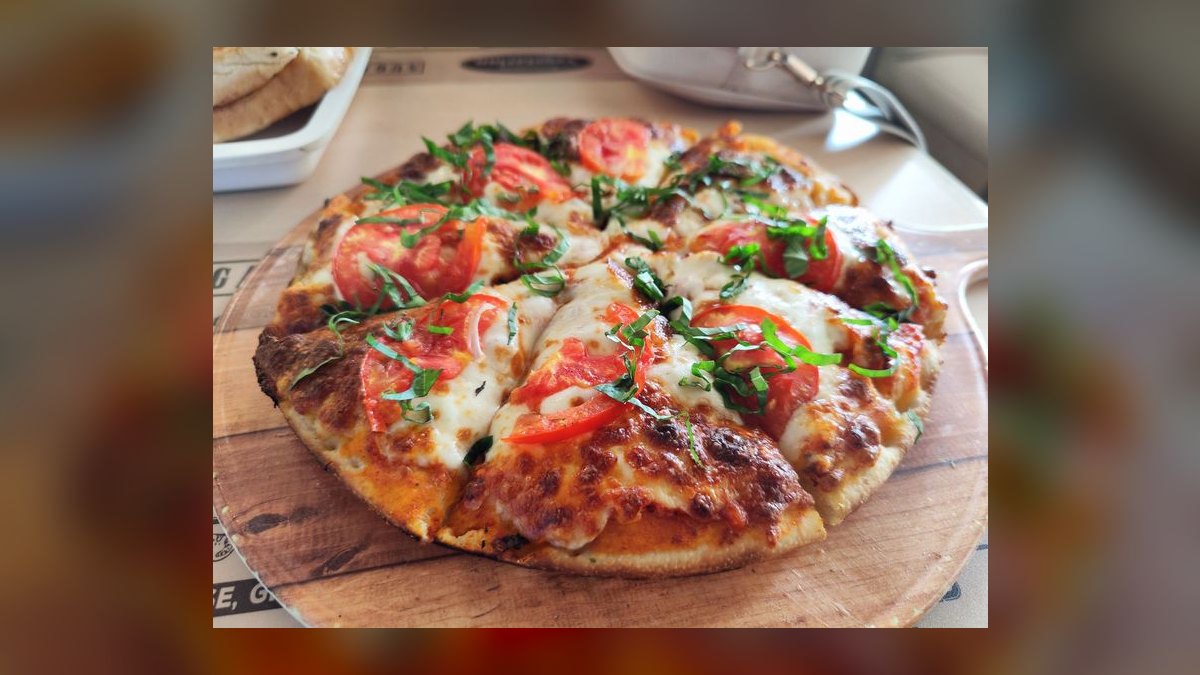
Staffing. A full-service unit of this size typically runs 25–40 employees: two to three managers, ten to fifteen front-of-house, and eight to twelve back-of-house. The oven position is the specialty hire — plan two to four weeks of dedicated training and market-rate cook wages, which in most metros sit in the high teens to low twenties per hour for skilled pizza cooks. Cross-train at least three people on the oven before opening; a single trained pizzaiolo is a single point of failure that will eventually call in sick on a Saturday.
Fees and other recurring costs. Royalty runs approximately 5% of gross sales, with a marketing or brand-fund contribution on top — confirm the exact percentage and whether local advertising spend is separately required. Beyond the franchise fees, budget general liability, workers' compensation, and liquor liability insurance, which for a full-service restaurant with an alcohol program commonly runs into the tens of thousands annually. Liquor licensing is the wildest variable in the model: in open-license states it is a modest application fee, and in quota states it can be a five- or six-figure purchase on the secondary market with a six-to-twelve-month timeline attached. Confirm your state's regime before you sign a lease, not after.
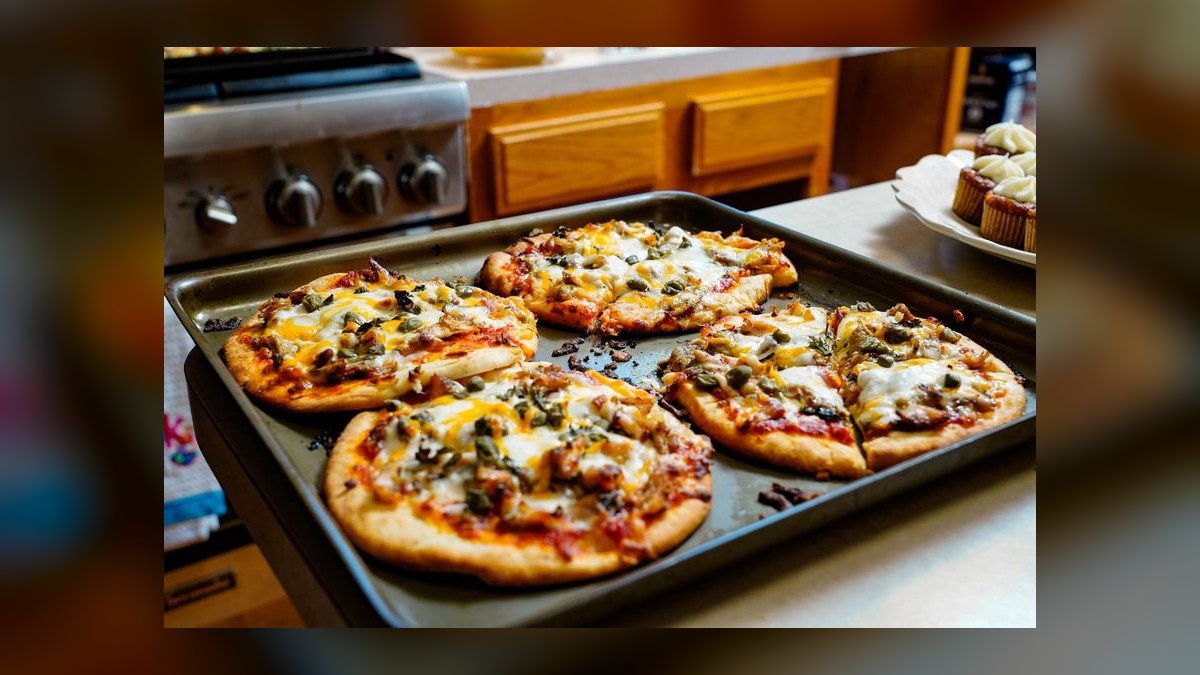
Timeline. From signed franchise agreement to open doors, plan twelve to eighteen months. Site selection and lease execution alone frequently consume eight to fourteen months in competitive suburban retail. Permitting for a solid-fuel oven is the second-most-common schedule killer, because many building departments handle it rarely and process it slowly. Every month of delay after you sign a lease with rent commencement burns cash with no revenue against it.
Risks, edge cases, and failure modes
The undercapitalized open. The most common way a full-service franchise unit dies is not bad food; it is opening with a working capital reserve sized for the business plan rather than for reality. Construction overruns, a two-month permitting delay, and a slower ramp than projected compound into a cash crunch somewhere in month four to month seven — precisely when the honeymoon traffic has faded and you are cutting labor to survive, which degrades service, which accelerates the fade. Carry six months of full operating expense in reserve beyond the Item 7 working capital line. If that number puts the deal out of reach, the deal is out of reach.
Liquor license as a hidden gate. In control and quota states, the license is not a line item — it is a separate acquisition with its own market, its own timeline, and its own broker. Losing 18–25% of potential sales because the license did not arrive by opening is not a rounding error; it structurally changes the unit economics of a polished-casual concept whose margin model assumes an alcohol program. Sequence the license process before construction, and make lease execution contingent on license feasibility where you can.
Coal-oven permitting and mechanical scope. Solid-fuel cooking triggers code requirements that gas equipment does not: separate exhaust systems, spark arrestors, engineered fire suppression, and in some jurisdictions a fuel storage review. Some landlords will refuse the mechanical modifications outright, particularly in enclosed malls and in buildings with residential above. Have the franchisor's construction requirements in hand and reviewed by a local mechanical engineer *before* you spend money on a letter of intent.
Segment pressure in casual dining. Polished casual sits in a squeezed position: fast-casual pizza competes from below on price and speed, independent chef-driven Italian competes from above on perceived authenticity, and delivery-native operators compete for the occasion that used to fill your dining room on a Tuesday. Anthony's differentiation — coal-fired product, especially the wings — is a genuine moat against the fast-casual side. It is a weaker moat against a well-run local restaurant with an owner in the dining room every night. Underwrite your competitive set specifically, not the segment generically.
Single-unit concentration risk. One unit means one general manager, one lease, one health inspection, one bad review cycle. If your GM leaves in month eight, you are working sixty-hour weeks or you are watching margin bleed. This is the structural argument for either committing to a multi-unit development path from the start — brands commonly offer development incentives for operators taking three or more units — or for choosing a lower-capital concept where three units cost what one Anthony's does.
The absentee owner failure mode. Polished casual punishes absentee ownership harder than almost any other franchise format. Quick-service is process-driven and survives a hands-off owner reasonably well. Full-service is hospitality-driven, and hospitality degrades quietly: slightly longer waits, slightly less attentive service, slightly slower food, none of which shows up in a weekly P&L until three months of eroded repeat traffic does. If you cannot be present or cannot hire and retain a genuinely excellent GM, this concept will disappoint you.
Resale liquidity is real but slow. Existing units do trade. Expect a listing-to-close timeline of six to twelve months, franchisor approval of any buyer, and a transfer fee. Strong units with high volumes sell faster; underperforming units can sit past a year and often clear only at a discount to the buildout cost. Restaurant businesses in this segment commonly trade in the range of a low multiple of EBITDA, excluding real estate — meaning your exit value is driven almost entirely by the profit you built, not the money you spent. A $2.2M buildout that produces $150K of profit is worth far less than a $1.3M buildout that produces the same $150K. Underwrite the exit at the same time you underwrite the entry.
A practical rollout plan
Treat the diligence period as a project with gates, not as a series of conversations. Each gate below should either produce a documented answer or kill the deal.

Weeks 1–4: Document phase. Read the current FDD end to end — not the summary the franchise development representative sends you. Item 19 tells you what the franchisor is willing to represent about performance, and just as importantly, what it declines to represent. Item 20 tells you the truth about unit churn: count openings, closures, transfers, and terminations over the last three years and calculate the closure rate yourself. Pull the franchisor's construction and equipment specifications so a local mechanical engineer can price the coal-oven scope in your jurisdiction. Retain a franchise attorney who has reviewed restaurant FDDs before, not a general commercial lawyer.
Weeks 5–8: Validation phase. Item 20 includes contact information for current and former franchisees. Call at least eight current operators and, critically, at least two who left. Ask specific questions: actual AUV by year, beverage as a share of sales, prime cost, total capital invested versus the Item 7 estimate, months to stabilization, and what they would do differently. Ask former franchisees a single blunt question — what killed it. Franchisee validation calls are the highest-return hours in the entire process and most buyers do four polite ones instead of ten hard ones.
Weeks 9–12: Market phase. Screen your target trade areas against the demographic thresholds before you fall in love with a building. Drive competitive sets on a Friday night and a Tuesday night, count cars, and note what is already winning. Confirm your state's liquor licensing regime, cost, and timeline in writing from a licensing attorney.
Weeks 13–18: Site and capital phase. Negotiate the lease with a tenant-rep broker who represents you, not the landlord. The three terms that matter most, in order: tenant improvement allowance, rent commencement date tied to permit issuance rather than lease signature, and a personal guaranty that burns off after a defined period. Close financing in parallel — SBA 7(a) is a common path for restaurant franchises, and lenders will want your franchisor on their approved list.
Weeks 19–34: Build phase. Permitting for solid-fuel equipment first, everything else second. Hire your general manager early enough to participate in the build, not two weeks before opening. Recruit and train the oven team with real product on real equipment.
Weeks 35+: Open and stabilize. Grand-opening spend should be sized to fill weeks one through eight and to capture contact information for a repeat-visit engine, not just to create one loud weekend. Then run the trough discipline: hold service standards while traffic softens in months three through six, manage prime cost by shift, and resist the temptation to discount your way through the dip — discounting in polished casual trains customers to wait for the discount.
Related questions
How does a coal-fired concept differ operationally from a gas-oven pizza franchise?
Solid fuel requires dedicated ventilation, engineered fire suppression, reinforced floor loading, ash handling, and a trained oven cook per shift. Permitting is slower and more jurisdiction-dependent. The payoff is a char and crispness gas ovens cannot replicate — a genuine product differentiator rather than a marketing claim.
Is a multi-unit development agreement better than a single unit?
For most qualified operators, yes. Multi-unit commitments often unlock development incentives, spread GM and overhead costs across locations, and create a saleable enterprise rather than a single job. The requirement is capital depth and a management bench you can promote from.
How much of the return depends on the liquor program?
Substantially. Alcohol commonly contributes high-teens to mid-twenties percent of sales in polished-casual Italian and carries better gross margin than food. A weak bar program or a delayed license does not just reduce revenue — it changes the margin structure the whole model assumes.
Should I buy an existing unit instead of building new?
Often, if the numbers are real. An existing unit gives you a proven sales history, an assembled team, and no construction risk, typically at a multiple of EBITDA. Demand three years of tax returns and P&Ls, and verify why the seller is selling.
What return should I target before signing?
Underwrite for owner cash flow after debt service that justifies the capital and the risk relative to alternatives. If the model only works at the optimistic end of every assumption simultaneously, it does not work.
FAQ
What is the total investment range to open an Anthony's Coal Fired Pizza franchise?
Plan for a total Item 7 range of roughly $1,000,000 to $2,500,000, covering the franchise fee, construction and leasehold improvements, the coal-fired oven and kitchen equipment, bar and POS systems, opening inventory, grand-opening marketing, training, and working capital. Where you land in that range depends heavily on whether you take a second-generation restaurant space or a cold shell, what tenant improvement allowance you negotiate, and local construction costs. Verify the current figures in the latest FDD.
How much can I expect to earn as an owner?
Mature restaurants commonly report annual gross revenue of $1,500,000 to $3,000,000. At restaurant-level margins of 10%–16% after food and beverage cost, labor, occupancy, royalty, and marketing fees, that produces roughly $140,000 to $350,000 in restaurant-level profit — before debt service and before any separate owner salary. Actual results vary widely by trade area, management quality, and how much capital you had to invest to get open.
What makes Anthony's different from other pizza franchises?
The coal-fired oven produces a char and crispness on both pizza and the signature wings that gas and most wood-fired ovens do not replicate. Structurally, it is a polished-casual, full-service restaurant with a bar — not a counter-service, delivery-first, or fast-casual model. That means higher check averages and higher AUVs, alongside meaningfully higher capital requirements and operational complexity.
How long does it take to open from signing to launch?
Twelve to eighteen months is a realistic planning window. Site selection and lease execution alone frequently take eight to fourteen months in competitive suburban retail markets. Permitting for a solid-fuel oven adds time in jurisdictions that handle it infrequently, and liquor licensing in quota states can run six to twelve months on its own track. Budget cash for the full timeline, including any period of rent before you can open.
What ongoing fees does the franchise require?
Franchisees pay a royalty of approximately 5% of gross sales plus a marketing or brand-fund contribution supporting national and local advertising. Confirm the exact marketing percentage, whether a separate local advertising spend minimum applies, and any technology or POS fees in the current FDD, since these terms change between filings and can vary by agreement.
Is prior restaurant experience necessary to qualify?
Franchisors in this segment strongly prefer candidates with full-service or polished-casual operating experience, because the concept's complexity — a bar program, table service, and a specialty oven — punishes learning on the job. A first-time owner can qualify by partnering with an experienced operator or by hiring a proven general manager before opening, but going in without either is the most reliable way to underperform.
Sources
- https://www.ftc.gov/business-guidance/resources/franchise-rule-compliance-guide
- https://www.sba.gov/funding-programs/loans/7a-loans
- https://restaurant.org/research-and-media/research/
- https://www.entrepreneur.com/franchises/directory
- https://www.franchise.org/
- https://www.bls.gov/oes/current/naics4_722500.htm
- https://www.ttb.gov/
- https://www.ibisworld.com/united-states/market-research-reports/pizza-restaurants-industry/
- https://www.restaurantbusinessonline.com/
- https://www.nolo.com/legal-encyclopedia/franchises
Related on PULSE
- [Best pizza franchises to buy in 2027](/knowledge/fr1110)
- [Should I open or buy an East of Chicago Pizza franchise in 2027?](/knowledge/fr0870)
- [Should I open or buy a Gatti's Pizza franchise in 2027?](/knowledge/fr0868)
- [Should I open or buy a Pizza Ranch franchise in 2027?](/knowledge/fr0867)
- [Should I open or buy a Snappy Tomato Pizza franchise in 2027?](/knowledge/fr0866)
- [Should I open or buy a Hunt Brothers Pizza franchise in 2027?](/knowledge/fr0865)
 pulse-toolsHow Many Staff Should I Schedule Each Shift Across My Food Truck Fleet?
 pulse-toolsHow Many Sales Reps Do I Need to Hire for My Office Furniture Dealership?
 tlHow Many Sales Reps Do I Need to Hire for My Merchant Services Company?
 tlHow Many Sales Reps Do I Need to Hire for My Landscaping Company This Year?
 pulse-toolsHow Many Employees Should I Schedule Each Shift at My Movie Theater?
 pulse-toolsHow Many Budtenders Should I Schedule Each Shift at My Cannabis Dispensary?
 pulse-toolsHow Many Cashiers Should I Schedule Each Shift at My Convenience Store Chain?
 pulse-toolsHow Many Sales Reps Do I Need to Hire for My Window Replacement Company?
 tlHow Many Baristas Should I Schedule Each Shift at My Coffee Shop?
 pulse-toolsHow Many Employees Should I Schedule Each Day at My Wine Shop?