


Should I open or buy a Shine Window Care franchise in 2027?
Quality
Certified
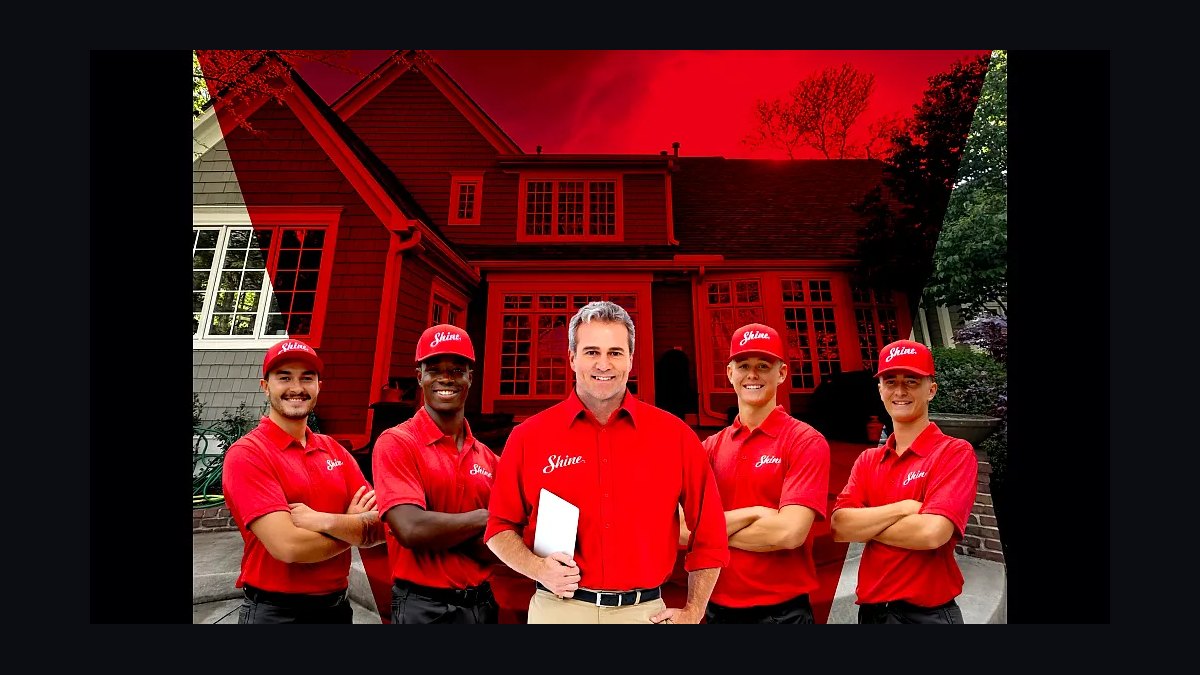
Yes, for the right operator: Shine Window Care is a low-capital ($100,000-$200,000), home-based franchise that bundles window cleaning with gutters, pressure washing, and high-margin holiday lighting into one multi-service route. The 2026 FDD shows a $50,000 franchise fee, roughly 8% royalty, and mature territories grossing $400,000-$1,200,000 with owners clearing $80,000-$220,000 — strong if you can recruit and retain crews across four service lines.
What it is and why it matters
Shine Window Care (and More) was founded in 1998 and franchises a bundle of residential and commercial exterior services rather than a single trade: window cleaning, gutter cleaning, pressure washing, and holiday lighting installation. That bundling is the entire thesis behind the brand, and it's why the "should I open" question in 2027 is really a question about whether you want to run a multi-line home-services operation instead of a single-trade shop.
The model is home-based with no retail buildout, no lease, and no storefront — crews and equipment deploy from a residential base, trucks, and a storage unit or garage. That keeps the real estate variable out of the investment equation entirely, which is a meaningful difference from food or retail franchising. Capital goes almost entirely into equipment, vehicles, insurance, training, and working capital rather than into a build-out.
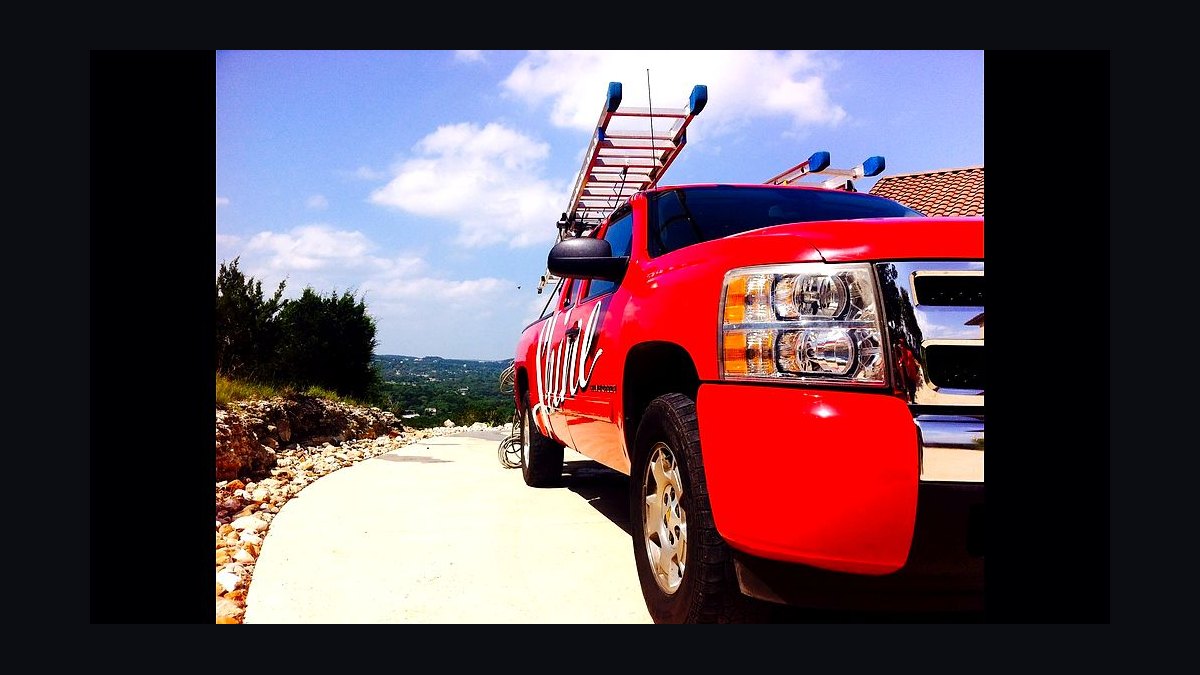
Why the multi-service structure matters more than it might appear: window cleaning alone is a brutally seasonal, weather-dependent business with thin differentiation — anyone with a squeegee and a ladder can compete on price. Shine's answer is to diversify the same customer relationship and the same crew infrastructure across four demand curves that peak at different times of year. Window cleaning carries spring and fall surges, pressure washing runs April through October, gutters spike in late fall and early spring, and holiday lighting installation is a concentrated six-to-eight-week event from November into early January. A franchisee who executes the cross-sell captures a customer once and sells them four services across the calendar instead of one service twice a year.
The "why it matters" for a 2027 buyer specifically is that this diversification is also the operational complexity you're buying. You are not signing up to master one skill; you're signing up to run four service lines, each with distinct equipment, labor needs, and safety requirements (ladder work and fall-protection protocols differ meaningfully between washing a ground-floor window and hanging commercial-grade lights on a two-story roofline). The brand is useful here — standardized training, a shared CRM, and national purchasing power for supplies and lighting inventory reduce the learning curve, but they don't eliminate the core challenge: you are a labor-management business wearing an exterior-services costume. Every dollar of the $400,000-$1,200,000 mature-territory revenue range runs through crew hours, and the franchisee's real job is scheduling, hiring, and quality control across all four lines simultaneously.
The step-by-step process (mermaid)
Opening a Shine Window Care franchise follows a fairly standard franchise-development sequence, but the diversified service model adds steps that a single-trade franchise skips — most notably staggered crew hiring and holiday-lighting inventory buildup ahead of Q4.
Each stage has a realistic duration worth planning around. FDD review and discovery typically take two to four weeks once you've made contact with the franchisor. Financing and signing can run another two to six weeks depending on whether you're using savings, an SBA loan, or a combination. Training is usually concentrated into one to three weeks at a corporate or regional location, covering not just the technical skills (ladder safety, pressure-washer PSI settings for different siding materials, light-string wiring and timer programming) but also the CRM and route-optimization software every franchisee is handed at signing.
The step that's easy to underestimate is step F through G — setting up a home base and recruiting a first crew. Because there's no physical storefront signaling "we're open," your first 60-90 days of revenue depend entirely on digital lead generation and word-of-mouth, which means the crew needs to be job-ready before the marketing spend starts converting. Franchisees who try to hire crew reactively, after leads start coming in, consistently report missed jobs and damaged first impressions with early customers — the exact opposite of what you want when you're trying to build the repeat-customer base the model depends on.
The final step, building holiday-lighting inventory and crew capacity ahead of Q4, is unique to this franchise relative to a plain window-cleaning competitor and deserves its own line item in your first-year plan. Lighting product (commercial-grade C9 bulbs, timers, clips, extension cords) has to be purchased and staged in late summer or early fall, well before the first lighting install request comes in around Halloween. Franchisees who treat lighting as an afterthought in October find themselves scrambling for inventory during the single highest-margin window of their year.
Costs, timelines, and typical ranges
The 2026 FDD lays out a total Item 7 investment of roughly $100,000 to $200,000 for a home-based territory, built from several distinct cost buckets rather than one lump sum.

The franchise fee itself is fixed at approximately $50,000 and is non-negotiable across territories. Beyond the fee, equipment and supplies — ladders, pressure washers, window-cleaning tools, and an initial stock of holiday lighting product — run $8,000 to $30,000 depending on how much you buy new versus how much existing equipment you bring in. Vehicle costs range from $3,000 to $18,000, and many franchisees keep this toward the low end by wrapping a personal or leased truck rather than purchasing new. Technology and software, covering the scheduling and CRM platform, costs $3,000 to $10,000. Initial marketing — the spend needed to generate the first wave of leads before repeat business and referrals kick in — runs $15,000 to $45,000, which is one of the largest and most variable line items. Insurance and licensing (general liability plus bonding, required for ladder and roof-adjacent work) costs $4,000 to $15,000. Training and travel adds $5,000 to $15,000, and working capital to cover payroll before revenue stabilizes should be budgeted at $20,000 to $55,000.
Ongoing costs are a royalty near 8% of gross revenue plus a marketing fee around 2%, both standard for the home-services franchise category and comparable to what you'd see from direct competitors.
On revenue, mature territories — generally defined as three-plus years of operation with an established customer base across all four service lines — gross $400,000 to $1,200,000 annually. With crew labor running 40% to 50% of revenue but low fixed overhead (no rent, no retail utilities), owner margins land in the 14% to 26% range, translating to $80,000 to $220,000 in annual owner earnings. That's a wide spread, and the position within it correlates directly with how well an operator executes the cross-sell and manages seasonal labor swings rather than with the territory or market size alone.

Timelines to profitability vary by how aggressively you staff and market in year one, but franchisees typically describe an 18-to-30-month arc from opening to a stabilized, cross-selling customer base large enough to produce the mature-territory numbers. Year one is dominated by customer acquisition cost, which runs $80 to $150 per customer, dropping to $30 to $60 per customer by year three as referrals and repeat business compound and reduce reliance on paid digital leads.
For context against the direct competitive set: Window Gang's franchise fee runs roughly $35,000 to $45,000 with a total investment of about $70,000 to $130,000, and Fish Window Cleaning's fee runs $25,000 to $45,000 with total investment around $80,000 to $150,000. Shine sits at a meaningfully higher entry cost than both, and that premium buys the multi-service revenue base rather than a cheaper single-trade entry.
Where teams get it wrong
The single most common failure mode is treating Shine as a window-cleaning franchise that happens to also offer a few extras, rather than building the business around active cross-selling from day one. Operators who let the CRM's cross-sell prompts go unused — never following up on a spring window job with a fall gutter offer, or never pitching lighting to an existing pressure-washing client in September — end up running a lower-margin, single-service business while still paying for the full multi-service franchise fee and royalty. The diversification only pays off if it's operationalized, not assumed.

Crew recruiting and retention is the second major failure point, and it's an industry-wide problem, not a Shine-specific one: annual turnover in exterior-services labor commonly runs 40% to 60%. Franchisees who underpay relative to the local market ($18 to $25 per hour plus performance bonuses tied to completion time and customer satisfaction is the typical competitive range) or who fail to build a bench of backup labor ahead of the holiday-lighting surge consistently get caught short-staffed during the exact six-to-eight-week window where the highest margins are available. The lighting season requires a temporary staffing increase of 30% to 50% above baseline, and operators who haven't planned hiring and training for that spike months in advance scramble every single year rather than scaling smoothly.
A third recurring mistake is mismanaging the CRM data that the franchisor provides. The system is built to automate service reminders and flag cross-sell opportunities based on customer history, but it only works if franchisees actually log service notes, update contact preferences, and treat the software as an operating tool rather than a box to check during training. Franchisees who let CRM data go stale see materially lower repeat-customer rates — the 30% to 40% of revenue that's supposed to come from repeat business and the 20% to 30% from referrals both depend on disciplined CRM use, and both erode quickly when the data isn't maintained.

Finally, some buyers underestimate how much management bandwidth four service lines actually require relative to one. It's tempting to assume that because the brand provides training and a shared tech stack, the operational lift is similar to running a single-trade franchise. In practice, an owner is coordinating equipment, safety protocols, and scheduling logic across window cleaning, gutters, pressure washing, and lighting simultaneously — and most owners report working alongside crews during peak seasons specifically to maintain quality control across lines the franchisor doesn't require them to personally perform but that still demand hands-on oversight.
Decision framework: when to choose what (mermaid)
Whether opening a Shine Window Care franchise makes sense in 2027 comes down to a small number of honest questions about capital, management style, and market fit — not to the brand's numbers in isolation.
If you clear the capital bar but answer "no" to crew recruiting, the honest move is to reconsider the category rather than this specific brand — every exterior-services franchise lives or dies on labor, and Shine's four-line model simply multiplies that exposure. If you have the capital and the labor-management confidence but know you won't actively cross-sell — because you'd rather specialize or because your market has limited gutter or lighting demand — a single-service competitor like Fish Window Cleaning or Window Gang carries a lower entry cost and a simpler operating model, and you should take that lower price seriously rather than paying a premium for diversification you don't intend to use.

The buyers who get the strongest outcomes from this specific franchise are operators who like the idea of one customer relationship generating four service calls a year, who are comfortable being a labor manager first and a technician second, and who are willing to build out holiday-lighting capacity as a deliberate, planned-for line of business rather than a seasonal afterthought. If that describes you, 2027 is as good a year as any to open — exterior home-services demand is steady and the fragmented, 90%-independent competitive landscape still rewards a branded, systematized operator.
Related questions
How much does it cost to buy a Fish Window Cleaning franchise?
Fish Window Cleaning's franchise fee runs roughly $25,000 to $45,000 with total investment around $80,000 to $150,000 — lower entry than Shine, but without the gutter, pressure-washing, and holiday-lighting diversification.
Is holiday lighting installation profitable as a standalone service?
Yes — holiday lighting carries gross margins of 60% to 70%, well above window cleaning's 40% to 50%, but the season is concentrated into six to eight weeks, making it a high-margin add-on rather than a year-round business on its own.
What's a realistic crew size for a home-services franchise like Shine?
Most franchisees operate with a rotating crew of three to eight seasonal employees, scaling up 30% to 50% above baseline during the November-through-January holiday-lighting surge.
How long does it take a new franchise territory to reach mature revenue?

Franchisees typically describe an 18-to-30-month arc to reach a stabilized customer base producing the $400,000-$1,200,000 mature-territory revenue range, driven mainly by referral and repeat-business compounding.
What's the biggest financial risk in exterior home-services franchising?
Labor cost and availability — crew wages run 40% to 50% of revenue, and turnover of 40% to 60% industry-wide means recruiting and retention risk, not demand risk, is usually what separates high-margin owners from struggling ones.
FAQ
What is the total investment range for a Shine Window Care franchise? Total initial investment typically falls between $100,000 and $200,000, including the roughly $50,000 franchise fee. This covers equipment, vehicle setup, initial marketing, training, insurance, and working capital, though actual costs vary by territory and how much existing equipment an owner brings in.
How much can I expect to earn as a Shine Window Care owner? Mature territories generate gross revenues of $400,000 to $1,200,000 annually, with owner earnings in the $80,000 to $220,000 range. Where you land in that range depends heavily on crew efficiency, local demand, and how aggressively you cross-sell across all four service lines.
What services does Shine Window Care offer besides window cleaning?
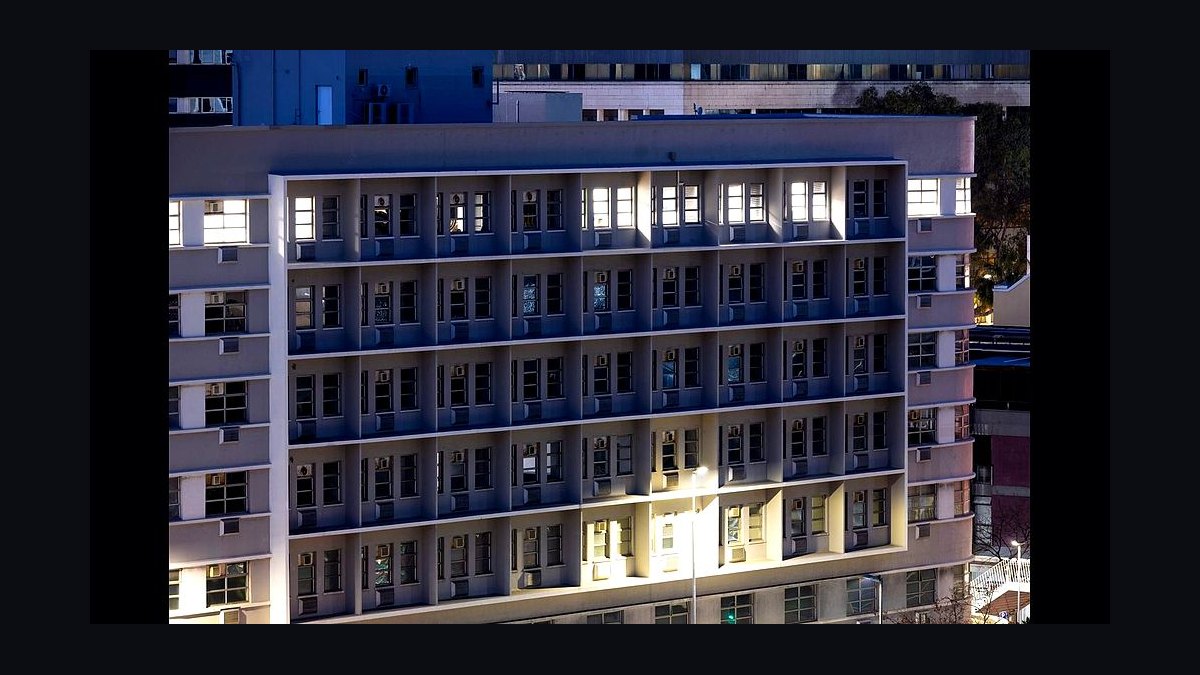
The franchise bundles window cleaning with gutter cleaning, pressure washing, and holiday lighting installation. This diversification smooths seasonal dips in any single service and adds a high-margin revenue stream through lighting, which most single-trade competitors don't offer.
Is this franchise suitable for someone with no prior cleaning or business experience? Yes — many franchisees come from unrelated backgrounds, and the franchisor provides training on all four service lines plus the CRM and scheduling software. Success depends less on prior trade experience and more on your ability to recruit, train, and retain reliable crews.
How does the franchise fee and royalty structure work? The initial franchise fee is approximately $50,000, with an ongoing royalty near 8% of gross sales plus roughly a 2% marketing fee. These rates fund brand support, training, the shared CRM platform, and national marketing efforts, and are in line with other home-services franchise models.
What are the biggest challenges of owning a Shine Window Care franchise? The two biggest challenges are recruiting and retaining dependable crew members — especially during the holiday-lighting surge — and managing operational complexity across four distinct service lines at once. Weather and seasonality add scheduling pressure, though the diversified revenue model helps offset any single service's slow period.
Sources
- Shine Window Care Franchise Disclosure Document (2026 filing), Items 5, 6, 7, 19, 20
- https://www.entrepreneur.com/franchises
- https://www.franchisebusinessreview.com
- https://www.ibisworld.com
- https://www.statista.com
- https://www.franchise.org
- https://www.bls.gov
- https://www.grandviewresearch.com
- https://www.census.gov
- https://www.ftc.gov/business-guidance/resources/franchise-rule-compliance-guide
Related on PULSE
- Best window and gutter-cleaning franchises to buy in 2027
- Should I open or buy a Window Hero franchise in 2027?
- Should I open or buy a Fish Window Cleaning franchise in 2027?
- Should I open a window tinting business in 2027?
- Should I open a window cleaning business in 2027?
- Should I open or buy a Window World franchise in 2027?
This page will be disappearing soon. Save it to your device for $1 — or read it free while it is here.
@Kory-White- · if Venmo asks, the last 4 of my number are 2012
This page is gone.
This one is off the shelf now. $1 keeps it on your phone for good — the whole page, pictures and diagrams included.
 franchiseShould I open or buy an Orangetheory Fitness franchise in 2027?
 franchiseShould I open or buy a Roto-Rooter franchise in 2027?
 franchiseShould I open or buy a Valvoline Instant Oil Change franchise in 2027?
 franchiseShould I open or buy a Firehouse Subs franchise in 2027?
 franchiseShould I open or buy a Massage Envy franchise in 2027?
 franchiseShould I open or buy a Domino's franchise in 2027?
 franchiseShould I open or buy a Kona Ice franchise in 2027?
 franchiseShould I open or buy a Big O Tires franchise in 2027?
 franchiseShould I open or buy a Primrose Schools franchise in 2027?
 franchiseShould I open or buy a Smoothie King franchise in 2027?