


Should I open or buy a The Junkluggers franchise in 2027?
Quality
Certified
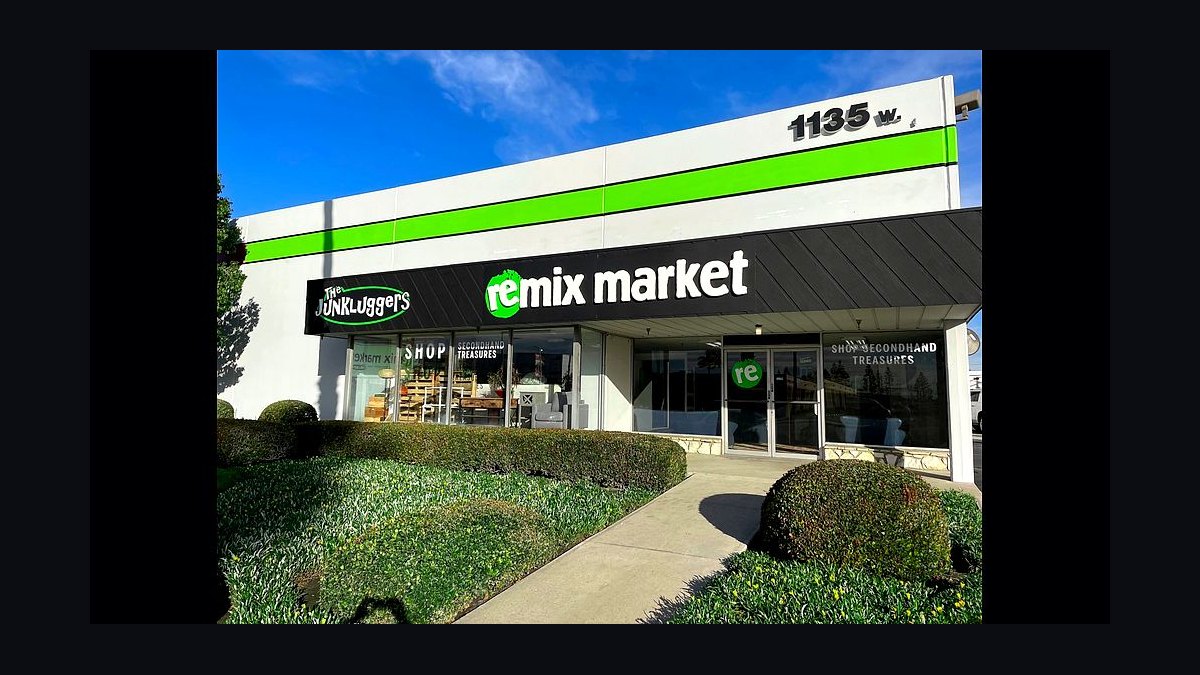
Opening a Junkluggers franchise in 2027 makes sense for an operator with $120,000-$200,000 to invest who wants a home-based, low-overhead junk-removal business and will actively market its eco/donation differentiation — landfill diversion, recycling, and donation receipts. Mature territories gross $400,000-$1,100,000, with owners clearing $70,000-$190,000, but crew turnover, disposal logistics, and local marketing spend determine whether that margin materializes.
A Concrete Scenario: Weighing the Decision
Picture a prospective franchisee — call her Dana — a former operations manager with $150,000 in savings and a home equity line she could tap for another $50,000. She's looked at three junk-removal concepts: an independent startup, 1-800-GOT-JUNK?, and The Junkluggers. The independent route offers full control and no royalty, but she'd be building a brand from zero in a market where 1-800-GOT-JUNK? already has 200+ locations and near-universal name recognition. Buying into 1-800-GOT-JUNK? gets her that recognition, but she's one more truck in a commodity category with no obvious differentiator beyond price and speed.
The Junkluggers' pitch is different: she's not just hauling junk, she's running a diversion operation. Every job gets sorted on-site into donate, recycle, and landfill piles, and customers who donate usable furniture or appliances get a receipt they can use for a tax deduction. That's a real conversation starter with real estate agents doing estate cleanouts, with downsizing seniors, and with environmentally conscious homeowners who'd feel better paying a premium to a company that keeps their old couch out of a landfill instead of just dumping it.
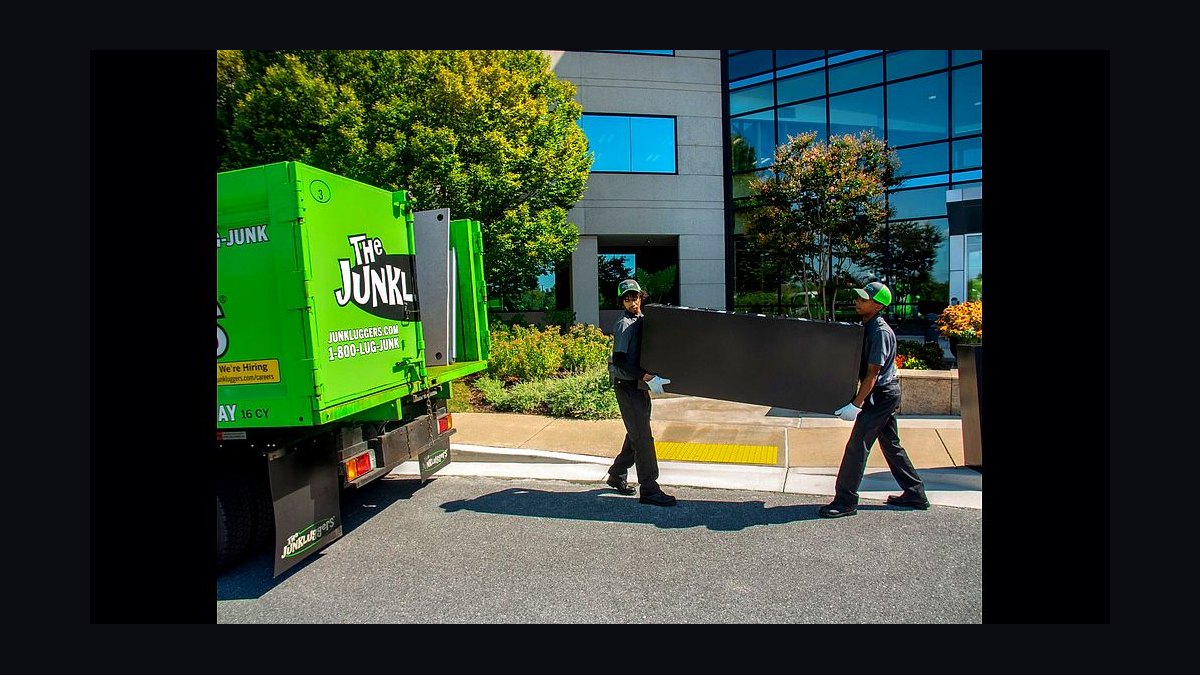
But Dana also has to model the unglamorous parts: the 2026 FDD lists a $50,000 franchise fee and a total Item 7 investment of roughly $120,000 to $200,000, which has to cover a truck ($15,000-$55,000), equipment, insurance, training, initial marketing, and working capital. She has to decide whether she can personally run a truck for the first six to twelve months — most franchisees start as owner-operators, loading the truck by 6:30 or 7:00 AM and hitting the first appointment by 8:00 AM — or whether she'll hire a crew lead immediately and accept a thinner margin while she builds toward a management role. She has to figure out whether her target market actually has enough eco-conscious demand to justify charging more than a gig-economy app like LoadUp or a Thumbtack-sourced independent. This is the actual decision: not "is junk removal profitable" in the abstract, but "can I make the Junkluggers eco-differentiation pay for itself in my specific territory, with my specific capital and risk tolerance, by 2027."
How the Junkluggers Business Model Actually Works
The mechanism behind The Junkluggers is a three-way sorting-and-routing system layered on top of a conventional hauling operation. A crew arrives at a job — a single-item pickup, a garage cleanout, or a full-house estate clearance — and instead of loading everything straight to the dump, they triage on-site: items in good condition go to a donation partner (Goodwill, Salvation Army, Habitat for Humanity ReStore, or a smaller local nonprofit), recyclable materials (metal, certain electronics, some furniture components) go to a recycling stream, and only the genuinely unusable remainder goes to the landfill. The customer gets an itemized donation receipt for tax purposes, which the Junkluggers brand treats as a core deliverable, not an afterthought.
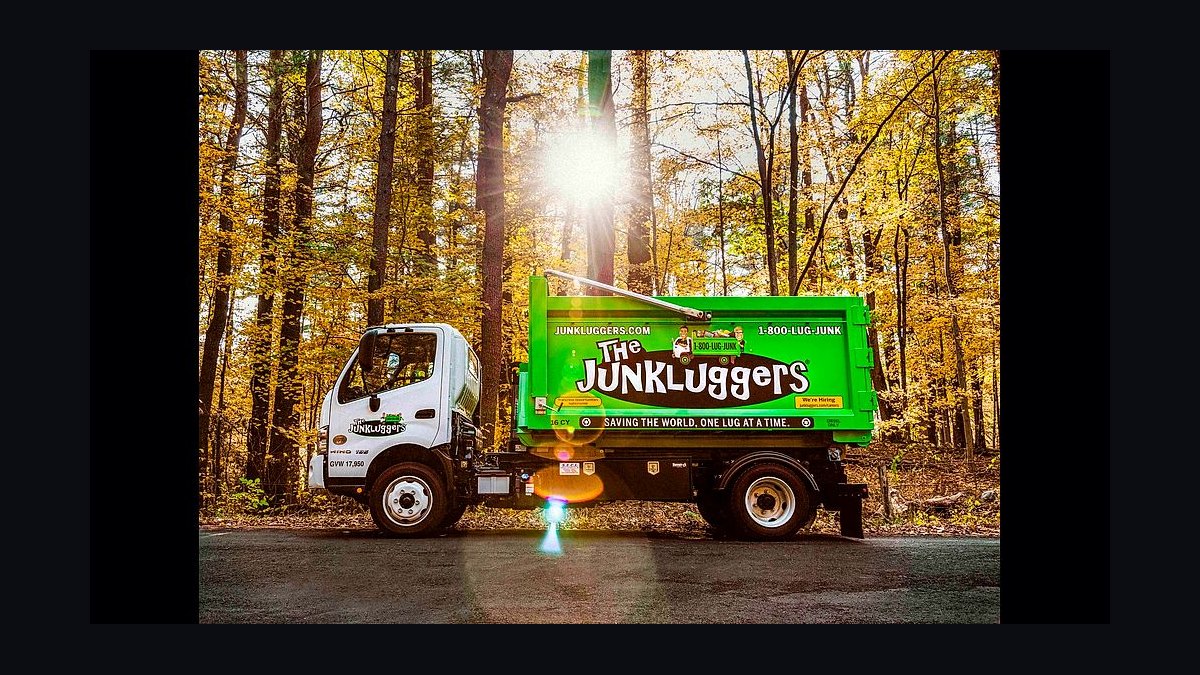
This sorting step is what separates The Junkluggers from a straight hauling operation, but it also adds real time and cost that a pure landfill-run competitor doesn't carry. Franchisees report spending one to two hours per day specifically on donation logistics — driving to donation centers, waiting for intake, and documenting receipts — on top of the normal driving, lifting, and loading. The national call center and online booking system generate some lead flow, but the franchise model still depends heavily on local digital marketing (Google Local Services ads, Yelp, Nextdoor) to keep the calendar full, because the brand's national advertising fund (funded by the roughly 2-3% marketing fee) is spread across hundreds of markets and doesn't substitute for local demand generation.
Pricing happens over the phone or from photos sent by the customer, and the operator has to estimate both volume (how many truckloads) and disposal mix (how much is donatable versus landfill-bound) before quoting a flat price. Average tickets run $250-$600 for standard jobs and $1,000-$2,500 for larger cleanouts. Underquoting — guessing light on volume or assuming more items will be donatable than actually turn out to be — is the most common rookie mistake, because it compresses margin after dump fees and labor are subtracted from a price that's already locked in with the customer.
The Numbers: Investment, Revenue, and Margins
The 2026 FDD sets the franchise fee at $50,000 and total Item 7 investment at roughly $120,000 to $200,000, broken down roughly as: truck and wrap $15,000-$55,000, equipment and supplies $5,000-$18,000, technology and software $3,000-$12,000, initial marketing $15,000-$40,000, insurance and licensing $5,000-$18,000, training and travel $5,000-$15,000, and working capital $22,000-$55,000 to cover the first three to six months. The royalty runs approximately 7% of gross revenue, with a marketing fee near 2-3%, and some territories carry an additional advertising cooperative fee of up to 1%, adding another $100-$300 per month.

Mature territories gross $400,000-$1,100,000 annually, and reported owner take-home runs $70,000-$190,000, which works out to roughly a 13%-23% margin on gross revenue — not the 30%-40% figure sometimes implied by franchise sales materials. The gap comes from costs that are easy to underestimate going in. Landfill dump fees run $50-$150 per ton depending on region (California and parts of the Northeast run toward the high end), and a truck hauling one to two tons a day can rack up $80-$300 in disposal costs daily, or $1,500-$4,000 a month. Recycling and donation drop-offs can carry their own small fees for items like mattresses or electronics, typically $10-$50 per drop-off.
Labor is the other major line item. A two-person crew working 40 hours a week at $18 an hour costs roughly $3,700-$4,200 a month once payroll taxes and workers' compensation (which runs high for junk removal, often 5-10% of payroll) are added on top of base wages — total labor cost typically runs 1.25-1.4 times the hourly wage. Against $8,000-$10,000 in monthly revenue per truck, labor alone can consume 37-52% of gross revenue. Layer in truck payments or lease costs ($600-$1,200 a month on a leased truck, or $30,000-$70,000 to buy new versus $15,000-$30,000 used), fuel at $200-$400 a week, commercial auto and liability insurance at $3,000-$6,000 annually, and the 7% royalty, and a realistic net margin lands at 10-20% of revenue rather than the higher figures sometimes cited in a sales pitch. Financing is typically handled through an SBA 7(a) loan (requiring roughly 10-20% down and credit around 680+), home equity, or personal savings, and a prudent buyer keeps $20,000-$30,000 in reserve beyond the Item 7 estimate specifically to survive the ramp-up period before revenue stabilizes.
Trade-offs: Franchise, Independent, and Competing Brands

The core trade-off in choosing The Junkluggers over an independent junk-removal startup or a rival franchise is paying for a system versus building one. A franchise buyer gets training, a recognized brand, a national call center, vendor relationships, and an operating playbook — but also pays the $50,000 franchise fee plus ongoing royalty and marketing fees, and has to follow brand standards on truck color, uniforms, and software that an independent operator wouldn't be bound by. The Junkluggers specifically trades on its eco/donation positioning, but that positioning isn't legally proprietary — any independent operator can build relationships with Goodwill or a local ReStore and offer donation receipts without paying a franchise fee for the privilege. What the franchise actually sells on top of the concept is training on how to run the donation logistics efficiently, brand recognition that shortens the trust-building period with new customers, and a system for scheduling and quoting that a solo operator would otherwise have to build from scratch.
Against direct junk-removal competitors — 1-800-GOT-JUNK? (the market leader with 200+ locations), College HUNKS Hauling Junk (which bundles moving services), Junk King, and JDog — The Junkluggers' differentiation is real but narrow: it matters most in markets where a meaningful share of customers actively prefer a sustainability-branded provider, and matters much less in price-driven markets. Technology-enabled platforms (LoadUp, Thumbtack, TaskRabbit-style gig booking) represent the sharpest competitive threat going into 2027 because they can undercut franchise pricing by 10-20% using lower-overhead gig labor; The Junkluggers' counter is the perceived reliability of branded trucks, trained crews, and a formal donation process that a one-off gig worker typically can't offer. The alternative-play set for a buyer who likes the category but not this specific brand includes Two Men and a Truck (moving/hauling adjacent), independent eco-focused junk removal (full control, no brand support), or other low-capital, home-based service franchises entirely outside junk removal — each trades away some combination of brand support, differentiation, or capital efficiency.
Common Pitfalls and How to Avoid Them

The most expensive mistake new Junkluggers franchisees make is underquoting jobs — estimating volume and disposal mix from a phone call or a few photos, then discovering on-site that there's more landfill-bound material (which costs $50-$150 per ton to dump) than donatable material (which costs nothing to drop off). The fix is building a conservative quoting formula that assumes a higher landfill ratio until the crew has enough job history in a given neighborhood or housing type to calibrate better, and padding initial quotes until that data exists.
A second pitfall is treating the donation/recycling sorting step as optional busywork rather than the core differentiator customers are paying for. Skipping it to save time on a job collapses the brand's actual value proposition and turns a Junkluggers truck into an expensive version of a commodity hauler — which erases the pricing premium the eco-angle is supposed to justify. The fix is building the one-to-two-hour daily donation-logistics window into the schedule as a fixed cost of doing business, not a discretionary step.
Crew turnover is a third recurring problem — haulers in this industry commonly stay only six to twelve months, which means a franchisee is constantly re-recruiting, re-training, and absorbing the productivity dip that comes with a green crew. The fix most successful franchisees land on is hiring and training a crew lead within the first year specifically so the owner can shift from physical labor into sales, local marketing, and quality control — accepting a thinner margin during that transition in exchange for a business that doesn't depend entirely on the owner's own back and knees.
A fourth pitfall is underestimating local marketing spend. The national call center and brand advertising fund don't replace the need for $500-$1,500 a month in local digital ads; franchisees who assume the brand alone will generate enough lead volume often find their calendars thinner than projected in year one. Finally, buyers in heavily regulated states (California, Oregon, parts of the Northeast) sometimes don't budget for the extra 15-20% of time that sorting and disposal compliance takes where landfill restrictions on electronics, hazardous waste, and mattresses are tighter — that time cost needs to be priced into local quotes from day one, not discovered after the first quarter's margin comes in low.
Related questions

How long does it take to open a Junkluggers franchise and start generating revenue?
Most franchisees move from signed agreement to first paid job in roughly 60-90 days, covering FDD review, truck acquisition, crew hiring, initial marketing, and training, per the 90-day launch timeline many Junkluggers operators follow.
Is The Junkluggers profitable compared to 1-800-GOT-JUNK??
Both operate in similar revenue and margin ranges; The Junkluggers' eco/donation angle can command a pricing premium in sustainability-conscious markets, while 1-800-GOT-JUNK?'s larger footprint gives it broader brand recognition and lead flow.
Can I run a Junkluggers franchise part-time?
Not realistically at launch — most owners start as hands-on operators driving trucks and managing crews; part-time ownership typically only becomes viable after hiring a crew lead and shifting into a management role.
What's the biggest hidden cost in a junk-removal franchise?
Landfill dump fees and labor burden (payroll taxes, workers' comp) are the two costs new franchisees most consistently underestimate, together capable of consuming 40-60% of gross revenue if not priced into quotes.
FAQ

What is the total investment needed to open a The Junkluggers franchise in 2027? The total investment range is approximately $120,000 to $200,000 per the 2026 FDD, including a $50,000 franchise fee, truck and equipment costs, insurance, initial marketing, and working capital. Actual costs vary by territory size and local market conditions.
How much can I expect to earn as a The Junkluggers franchise owner? Mature territories typically generate annual gross revenues between $400,000 and $1,100,000, with owner earnings ranging from $70,000 to $190,000. Actual profit depends on territory density, crew efficiency, dump fee rates, and local competition.
What ongoing fees does The Junkluggers charge? The royalty is approximately 7% of gross revenue, plus a marketing fee near 2-3% and, in some territories, an advertising cooperative fee of up to 1%. These fund brand development, national advertising, and operational support.
How does The Junkluggers differentiate itself from other junk removal franchises? Its core differentiator is diverting items from landfills through donation, recycling, and reuse, including issuing donation receipts to customers — a values-driven angle that appeals to environmentally conscious consumers in a largely commodity category.
Can I operate a Junkluggers franchise from home? Yes, the franchise is designed for home-based operation with no retail storefront required, which keeps overhead low; you'll still need vehicle storage and space for equipment.
What are the biggest challenges of owning a Junkluggers franchise? The main challenges are managing crew turnover and disposal logistics effectively, and building a steady customer base through local marketing in a competitive junk-removal market that includes both franchise rivals and lower-cost gig-economy platforms.
Sources
- The Junkluggers official franchise site — https://www.junkluggersfranchise.com
- Entrepreneur Franchise listings — https://www.entrepreneur.com/franchises/thejunkluggers
- Franchise Business Review — https://franchisebusinessreview.com
- IBISWorld — https://www.ibisworld.com
- Statista — https://www.statista.com
- International Franchise Association — https://www.franchise.org
- U.S. Environmental Protection Agency (waste and recycling data) — https://www.epa.gov
- Grand View Research — https://www.grandviewresearch.com
- U.S. Census Bureau — https://www.census.gov
- U.S. Small Business Administration (7(a) loan program) — https://www.sba.gov
Related on PULSE
This page will be disappearing soon. Save it to your device for $1 — or read it free while it is here.
@Kory-White- · if Venmo asks, the last 4 of my number are 2012
This page is gone.
This one is off the shelf now. $1 keeps it on your phone for good — the whole page, pictures and diagrams included.
 franchiseShould I open or buy an Anytime Fitness franchise in 2027?
 franchiseShould I open or buy a Jeremiah's Italian Ice franchise in 2027?
 franchiseShould I open or buy a Roto-Rooter franchise in 2027?
 franchiseShould I open or buy a McAlister's Deli franchise in 2027?
 franchiseShould I open or buy a Culver's franchise in 2027?
 franchiseShould I open or buy a Big O Tires franchise in 2027?
 franchiseShould I open or buy a Bruster's Real Ice Cream franchise in 2027?
 franchiseShould I open or buy a Domino's franchise in 2027?
 frShould I open or buy a McDonald's franchise in 2027?
 franchiseShould I open or buy a Dairy Queen franchise in 2027?