


Should I open or buy an Outdoor Lighting Perspectives franchise in 2027?
Quality
Certified
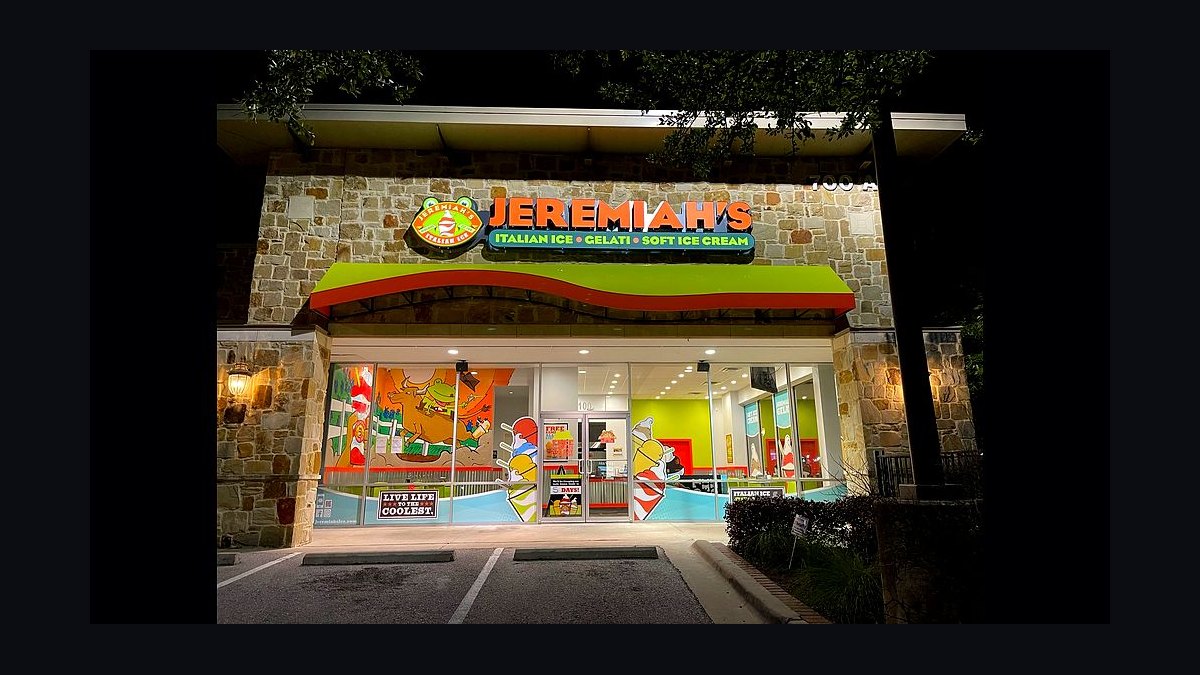
Buy a Jeremiah's Italian Ice franchise if you want a proven frozen-dessert concept with brand recognition, a supplied playbook, and a lighter labor model than a full-service restaurant. Open an independent sandwich shop if you want year-round demand, complete menu and pricing control, and no royalty drag — at the cost of building every system yourself. Your appetite for seasonality and comfort inventing a business from scratch decide the fit more than either concept's popularity.
The two options compared
A Jeremiah's Italian Ice franchise and an independent sandwich shop sit on opposite ends of the small-food-business spectrum, even though both are commonly run out of similar strip-mall or end-cap real estate. The franchise sells you a finished system: a tested menu of Italian ice, soft-serve, and custard, supplier relationships for product mix, a build-out spec, marketing templates, and — critically — a brand that a portion of your local customers already recognize from other markets. In exchange you pay an upfront franchise fee, an ongoing royalty typically in the mid-single-digit percentage of gross sales, and a marketing fund contribution, and you agree to operate within the franchisor's rules on menu, hours, signage, and supplier sourcing. You cannot deviate from the format even if your local market wants something different.
An independent sandwich shop gives you the opposite trade. There is no franchise fee and no royalty check leaving every month, which on a $600,000-revenue location can be the difference between a comfortable margin and a thin one. You set the menu, the price points, the hours, and the vendor relationships, and you keep 100% of whatever brand equity you build. The cost is that you are inventing the operating manual as you go: recipe standardization, portion control, a point-of-sale build, a hiring and training process, and a marketing strategy — all of it from a blank page, without a franchisor's support line to call when a walk-in cooler dies or a health inspection goes sideways.

The demand pattern is the sharpest practical difference. Italian ice and frozen dessert concepts are heavily seasonal in most climates — spring and summer carry the year, and many locations see revenue drop by half or more from November through February unless the market is warm year-round. A sandwich shop sells lunch and often dinner twelve months a year, which produces steadier cash flow and makes staffing and lease coverage easier to plan, but it also means you're competing daily against every other quick-service lunch option in a way a seasonal treat shop simply isn't for most of the calendar.
Labor intensity differs too. A frozen dessert counter is typically run with one to three staff per shift, minimal cooking equipment, and a menu built for speed — the franchise format is deliberately designed to be operable by a smaller crew, which matters if you plan to stay hands-on rather than build a large team. A sandwich shop, especially one making food to order with hot and cold prep, generally needs more staff on the line during peak hours, more kitchen equipment, and a more complex health-code footprint, which raises both labor cost and the operational complexity you're personally responsible for solving as an independent.
How to decide between them
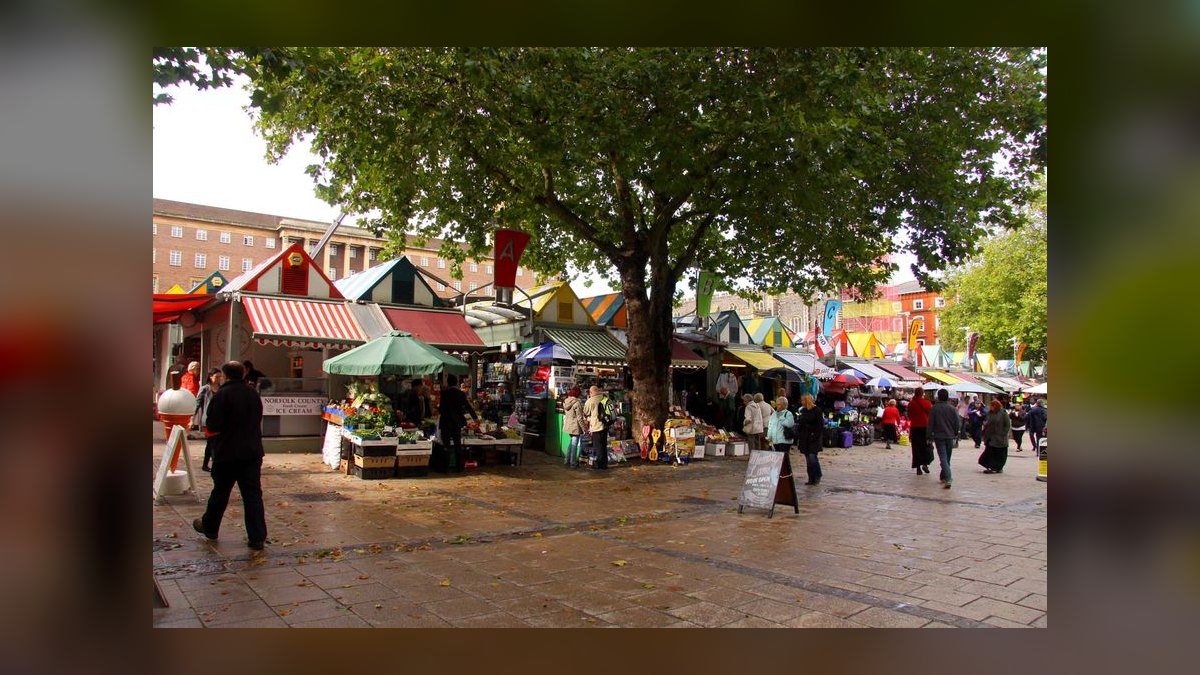
Run the decision through four questions in order, because each one eliminates one of the paths faster than a general gut check. First: do you want a documented system or do you want control? If the idea of following someone else's menu, pricing, and supplier list feels like relief rather than restriction, the franchise route fits your temperament. If it feels like a cage, you'll resent the royalty and the compliance calls within a year, and independence is the better emotional fit even before the math gets involved.
Second: how much seasonality can your household finances absorb? A frozen dessert business in a four-season market needs you to bank summer profit to cover a lean winter, or to pair the concept with a warm-climate or high-tourist-traffic location where the seasonal trough is shallower. If you need smooth, predictable monthly income from day one — because you're leaving a salaried job and have limited reserves — a sandwich shop's steadier year-round pattern is the safer structural choice, independent of which concept you personally prefer.
Third: what's your tolerance for building from zero versus operating within guardrails? An independent shop requires you to solve problems a franchise already solved: recipe costing, food safety documentation, a functioning point-of-sale and inventory system, a marketing plan with no brand recognition behind it, and a lease negotiation with no franchisor real-estate team helping you evaluate the site. First-time operators frequently underestimate how much time this consumes in the first six months. If you've run a restaurant or food business before, you already have muscle memory for this. If this is your first time operating any food business, the franchise's support structure meaningfully de-risks the first year.
Fourth: what does your specific site actually support? Walk the location at lunch on a weekday and again on a Saturday afternoon in summer. A site with strong weekday office lunch traffic but a dead evening and weekend pattern favors a sandwich shop. A site near a park, beach, family attraction, or high foot traffic in evenings and weekends favors a treat concept like Jeremiah's. The physical site's actual traffic pattern should outweigh your personal preference between the two concepts — a great sandwich shop in a foot-traffic desert loses to a mediocre one in a strong corridor.
Concrete numbers behind each option
Small-format frozen dessert franchises in Jeremiah's general size and category typically carry an initial franchise fee in the $25,000 to $45,000 range, with total initial investment — build-out, equipment, initial inventory, signage, working capital — landing somewhere between $200,000 and $500,000 depending on whether the unit is a full retail build-out, an end-cap, or a smaller kiosk-style format. Ongoing fees generally include a royalty in the mid-single digits of gross sales plus a marketing fund contribution of one to a few percent. On a location doing $400,000 in annual revenue, a 6% royalty alone is roughly $24,000 a year leaving before any other expense is paid — a number that must be modeled into your pro forma from day one rather than treated as an afterthought.
Always request the current Franchise Disclosure Document directly from Jeremiah's before committing to any figure — franchise fees, total investment ranges, and any financial performance representation in Item 19 change between filings, and the only reliable number is the one in the document you're signing against, not a range quoted secondhand.
An independent sandwich shop's startup cost varies enormously with format. A small counter-service shop in an existing commercial space with usable kitchen infrastructure can open for $80,000 to $200,000, covering lease deposit, buildout or refresh, kitchen equipment, initial inventory, point-of-sale, signage, and working capital. A ground-up build in raw space with full kitchen hood installation and grease trap work can push past $300,000 to $400,000. There is no franchise fee and no royalty, which on a $500,000-revenue shop means the roughly $30,000 a franchise royalty would consume instead stays in your pocket or funds a second hire — a real structural advantage of the independent path.
Ongoing operating economics diverge mainly in labor and marketing. Quick-service food operations generally target food cost in the 28% to 32% range of sales and labor cost in the 25% to 35% range, with the total of the two — the combined "prime cost" — ideally staying under 60% to 65% for a healthy operation. A frozen dessert concept typically runs a lower labor percentage during off-peak hours because the format needs fewer staff per shift, but it loses ground in the off-season when fixed costs like rent continue regardless of sales volume. A sandwich shop's labor percentage tends to run higher year-round because of prep and made-to-order cooking, but its revenue base is more consistent month to month, which makes labor scheduling and cash-flow planning more predictable.
Financing both paths commonly runs through SBA 7(a) loans, which typically require an equity injection in the 10% to 20% range of total project cost, with the balance amortized over seven to ten years for a business-only loan or longer if real estate is involved. On a $300,000 franchise buildout, that's roughly $30,000 to $60,000 of your own cash plus closing costs; on a $150,000 independent buildout, roughly $15,000 to $30,000. Debt service on either loan must be subtracted from projected profit before you compare take-home income between the two paths — a common mistake is comparing gross revenue potential without netting out the loan payment specific to each capital structure.
Implementation details and sequencing
The franchise path starts with requesting and reading the full Franchise Disclosure Document, not a summary. Item 5 shows the initial fee, Item 6 lists every recurring charge including ones that are easy to miss such as technology fees or required local advertising minimums, Item 7 gives the total investment range, and Item 19 — if included — gives a financial performance representation that you should read for what it excludes as much as what it states. Item 20 shows unit counts along with transfers, terminations, and non-renewals over the past three years; a rising termination count relative to system size is worth a direct question to the franchisor. Spend real time on validation calls with current Jeremiah's franchisees before signing anything, asking specifically about seasonal revenue swings, actual labor hours needed per shift, and how much local marketing beyond the brand fund they had to do themselves.
The independent path starts differently: concept development. Before you touch a lease, finalize a core menu of ten to fifteen sandwiches with locked recipes and costed portions, decide your positioning — fast-casual, deli-style, premium — and price-test the menu against at least three direct competitors in your target trade area. This groundwork determines your kitchen equipment list, which determines your buildout cost, so sequencing matters: operators who sign a lease before finalizing the menu frequently discover mid-buildout that their kitchen layout doesn't support the food they actually want to serve.
Both paths converge on site selection and lease negotiation next. For a frozen dessert franchise, prioritize visibility and foot traffic near family destinations, parks, or retail corridors with strong evening and weekend activity — the daypart that carries the format. For a sandwich shop, prioritize weekday lunch density: office clusters, medical campuses, schools, or mixed-use corridors with a lunch crowd five days a week. In both cases, negotiate a tenant improvement allowance from the landlord where possible, and get a franchisor or, for the independent path, an experienced restaurant broker to review the lease before signing — personal guarantees and percentage-rent clauses are common traps for first-time operators of either type.
Financing follows site selection once you have a signed letter of intent or lease, since lenders want to see the location locked before underwriting. Expect four to eight weeks for SBA loan approval and funding, run in parallel with permitting, which can take longer depending on your municipality's health department and building department queue — grease trap and hood installation permits in particular can add real time to a sandwich shop build.
Buildout, equipment installation, and hiring run four to eight weeks depending on scope. Hire and train staff in the final two weeks before opening, run a soft open with a limited menu or reduced hours to work out kitchen and service kinks, then move to a full grand opening with a marketing push — for the franchise, this often includes co-op marketing dollars and a launch playbook from the franchisor; for the independent shop, this is entirely self-funded and self-directed, typically through local social media, a Google Business Profile build, and direct outreach to nearby offices for catering or lunch-rush partnerships.
Related questions
How seasonal is a Jeremiah's Italian Ice location really?
In most four-season markets, expect summer months to carry the majority of annual revenue, with a meaningful slowdown from late fall through early spring. Warm-climate or high-tourist-traffic locations see a shallower trough. Model your fixed costs — rent, insurance, base staffing — against the leanest three months before committing.
Can I run either business part-time while keeping my job?
Not realistically in the first year. Both formats need an owner-operator present during buildout, hiring, and the first several months of operation to control quality and catch problems early. A franchise's systems reduce the learning curve but don't eliminate the need for hands-on presence at launch.
Which option is easier to sell later?
A franchise location with a documented sales history and brand recognition is generally easier to market to a buyer, since the systems and supplier relationships transfer with the unit. An independent shop's value is entirely tied to your own brand and customer relationships, which can be harder to price and transfer cleanly.
Do I need food service experience for either path?
It helps for both but is not disqualifying for the franchise, where documented training and operating manuals substitute for prior experience. For an independent sandwich shop, lacking food service background raises real risk in recipe costing, health code compliance, and kitchen workflow — consider hiring an experienced kitchen manager if you lack that background.
FAQ
What's the initial investment for a Jeremiah's Italian Ice franchise?
Small-format frozen dessert franchises in this category typically carry an initial fee in the $25,000 to $45,000 range, with total initial investment commonly landing between $200,000 and $500,000 depending on build-out format and location size. Always confirm current figures in the most recent Franchise Disclosure Document rather than relying on a secondhand range, since fees and investment bands change between filings and vary by territory.
How much does it cost to open an independent sandwich shop?
A small counter-service shop in an existing commercial space with usable kitchen infrastructure can open for roughly $80,000 to $200,000. A ground-up build requiring hood installation, grease trap work, and full kitchen infrastructure can push well past $300,000. The range depends heavily on whether you're refreshing an existing food-service space or building from raw shell space.
Which business has better margins, the franchise or the independent shop?
Neither is automatically better — the franchise loses several percentage points of revenue to royalty and marketing fund fees but gains a tested system and brand support. The independent shop keeps that revenue but must fund its own marketing and systems-building from scratch. Compare the two only after modeling your specific site's revenue potential and full expense structure for each format.
Is the sandwich shop's steadier revenue actually an advantage?
For most first-time operators with limited cash reserves, yes — steadier year-round revenue makes loan payments, staffing, and personal budgeting far more predictable than a business that earns most of its annual profit in a four-to-six-month window. If you have substantial reserves or another income source to bridge the off-season, the seasonal concept's summer upside can outweigh that advantage.
Do I need a health inspector's approval before opening either business?
Yes, both require local health department approval, food handler certifications, and typically a pre-opening inspection before you can serve the public. A made-to-order sandwich shop generally faces more extensive health code requirements around hot and cold holding, cross-contamination, and kitchen layout than a frozen dessert counter, which can extend your permitting timeline.
Can I negotiate the franchise fee or territory terms with Jeremiah's?
Franchise fees and core operating terms are typically standardized across a franchise system and are not usually negotiable, though territory boundaries and site approval are worked out during the application process. Independent shops have no equivalent fee to negotiate, but you bear full negotiation risk and responsibility on your lease, equipment purchases, and vendor contracts instead.
Sources
- https://www.sba.gov/funding-programs/loans/7a-loans
- https://www.ftc.gov/business-guidance/resources/consumers-guide-buying-franchise
- https://www.franchise.org/
- https://www.entrepreneur.com/franchises
- https://www.restaurant.org/research/
- https://www.bls.gov/ooh/food-preparation-and-serving/food-service-managers.htm
- https://www.census.gov/programs-surveys/susb.html
- https://www.score.org/resource/business-planning-tool/starting-restaurant
- https://www.irs.gov/businesses/small-businesses-self-employed
Related on PULSE
- How long does it take to open a franchise and break even in 2027?
- Should I buy an existing franchise resale or open a new territory in 2027?
- What questions should I ask current franchisees before signing an FDD?
- Should I open or buy a Tommy Gun's Original Barbershop franchise in 2027?
- Should I open or buy an Archadeck Outdoor Living franchise in 2027?
This page will be disappearing soon. Save it to your device for $1 — or read it free while it is here.
@Kory-White- · if Venmo asks, the last 4 of my number are 2012
This page is gone.
This one is off the shelf now. $1 keeps it on your phone for good — the whole page, pictures and diagrams included.
 franchiseShould I open or buy a Jamba franchise in 2027?
 franchiseShould I open or buy a Dunkin' franchise in 2027?
 franchiseShould I open or buy a McAlister's Deli franchise in 2027?
 franchiseShould I open or buy a Cold Stone Creamery franchise in 2027?
 franchiseShould I open or buy a Papa John's franchise in 2027?
 franchiseShould I open or buy a Mac Tools franchise in 2027?
 franchiseShould I open or buy a Cook Out franchise in 2027?
 franchiseShould I open or buy a Culver's franchise in 2027?
 franchiseShould I open or buy a Stanley Steemer franchise in 2027?
 franchiseShould I open or buy a Take 5 Oil Change franchise in 2027?