


Should I open or buy a Christmas Decor franchise in 2027?
Quality
Certified
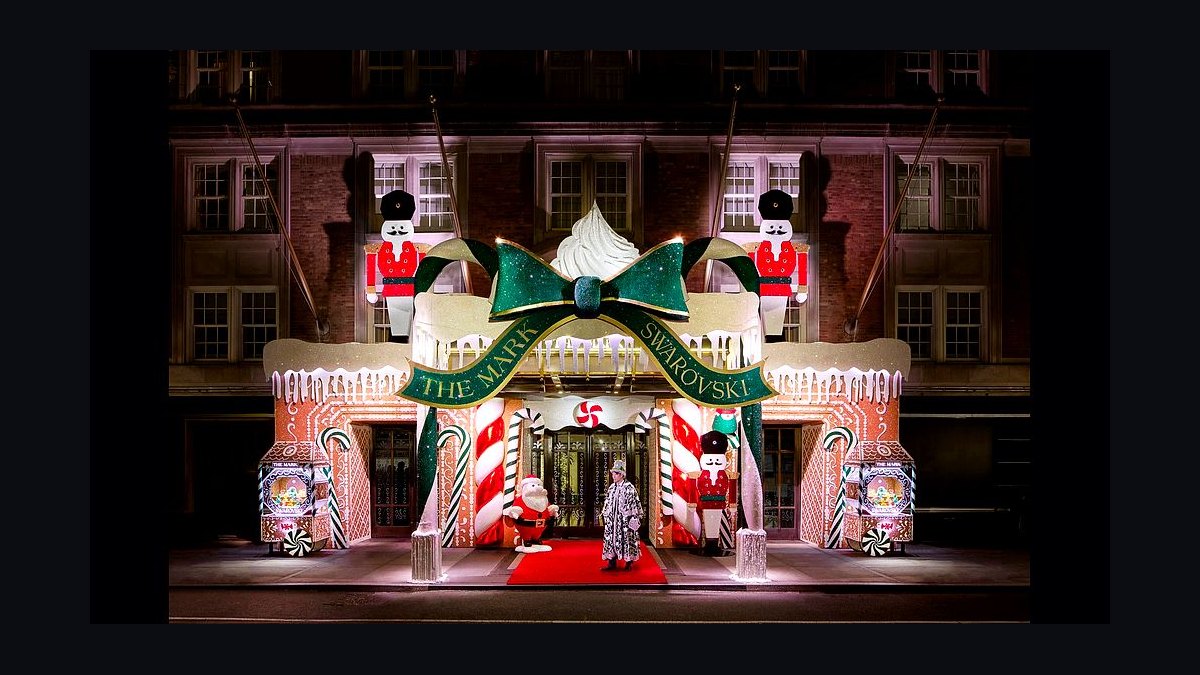
Yes — Christmas Decor is one of the lowest-capital franchises you can open in 2027, and it works best bolted onto an existing lawn-care, landscaping, or exterior home-services company rather than run alone. Total investment runs $30,000–$70,000, mature operators gross $200,000–$700,000 across the Q4 season, and owners typically clear $60,000–$180,000. Skip it only if you have no off-season income plan.
A Concrete Scenario: The Lawn-Care Owner Weighing an Add-On
Picture a landscaping or lawn-care owner in a mid-size suburban market — say a metro of 300,000–800,000 people with a healthy share of single-family homes on quarter-acre-plus lots. Revenue is strong April through October, then drops to near zero from November through February except for the occasional snow contract. That owner already has trucks, a client list of 200–500 households, two or three crew leads who are idle in winter, and a storage yard. For that owner, Christmas Decor is not a new business — it's a second revenue season layered onto assets that already exist.
The alternative scenario is a standalone buyer: someone with no existing home-services business who wants to open Christmas Decor as their only venture. That buyer needs to build a client list from zero, hire and train seasonal crews from zero, and find $20,000–$40,000 of off-season income (a second job, another seasonal business, savings) to survive January through August. Both paths can work — the FDD and franchisee economics are the same — but the risk profile is completely different, and which scenario matches your situation should drive the "open or skip" decision more than anything else in this answer.
How the Franchise Model Actually Works
The mechanism is straightforward once you see it as a calendar, not a single launch event. You sign the franchise agreement and pay the franchise fee of roughly $15,000–$30,000, which buys you territory rights, training, the brand, and an initial equipment/inventory package. From there, the business runs on a 12-month cycle even though the money is concentrated in a 10-12 week window.
January through June is sales and planning, not downtime. Franchisees spend this stretch following up with last season's clients, chasing referrals, and — critically — signing multi-year commercial and HOA contracts, since commercial properties book 6-9 months ahead. By April, equipment orders go in for the coming season. July through September is hiring: most operations run 2-6 seasonal installation crews of 2-3 people each, hired in September and trained for 1-2 weeks before the rush. October is when residential booking accelerates, with early-bird discounts of 10-15% used to lock in 40-60% of the season's revenue before a single light goes up. Mid-November through early January is the install-and-maintain window — the part people picture when they think of this business — followed immediately by takedown and storage, which runs into January. Then the cycle restarts. Franchisees who treat this as a true year-round operation, rather than a four-month sprint, consistently outperform those who try to compress everything into Q4.
Real Numbers, Ranges, and Benchmarks

The 2026 FDD lays out a total Item 7 investment of $30,000-$70,000, among the lowest tiers in the home-services franchise category. That breaks down roughly as: franchise fee $15,000-$30,000; equipment and inventory (lights, decor, install gear) $8,000-$25,000; a vehicle, often $0 if you're using an existing truck from another business, or up to $10,000 if buying used; technology and scheduling software $2,000-$8,000; initial marketing $5,000-$18,000; insurance and licensing $2,000-$8,000; training and travel $3,000-$10,000; and working capital $5,000-$20,000 to cover the lean months. Ongoing fees are a royalty near 4% of gross plus a marketing fee around 2%.
What the FDD doesn't spell out as clearly are three recurring surprise costs franchisees report in year one and two. First, vehicles: a used cargo van or pickup with a ladder rack (2018-2022 model) runs $15,000-$30,000, plus $3,000-$6,000 for a branded wrap — often $20,000-$40,000 total that isn't fully captured in the Item 7 range if you don't already own a suitable vehicle. Second, insurance: general liability (commonly $2 million aggregate) plus workers' comp for seasonal crews runs $3,000-$8,000 per year, and premiums jump 20-40% if crews are regularly climbing ladders over 12 feet. Third, inventory replenishment: expect to replace 10-20% of your lighting inventory annually — LED strings last 3-5 years, but clips, timers, and connectors break every season, adding $3,000-$8,000 a year for a mid-size operation.
On the revenue side, profit margins scale with crew count. A small operation (1-2 crews, $150,000-$250,000 revenue) nets 25-35% margin, or roughly $37,000-$87,000. A mid-size operation (3-4 crews, $300,000-$500,000 revenue) nets 30-40%, or $90,000-$200,000. A large operation (5+ crews, $600,000-$1,000,000 revenue) nets 35-45%, or $210,000-$450,000. Break-even typically takes 1-2 seasons for a single-crew operation and 2-3 seasons for multi-crew — but add-on operators who already have trucks, crews, and a customer base from a lawn-care business often break even in a single season.
Trade-Offs and Alternatives
The core trade-off is seasonality versus capital efficiency. Christmas Decor gives you a very low entry cost and strong margins, but roughly 90% of annual revenue lands in an 8-10 week window, which is brutal if that's your only income source. The honest alternatives split into three groups.
If you want smoother, year-round lighting revenue instead of concentrated Q4 cash flow, look at Blingle or Outdoor Lighting Perspectives, both of which lean into permanent architectural and landscape lighting rather than removable holiday displays — lower peak revenue per season, but income spread across more months. If you want a true off-season complement rather than a standalone bet, pair Christmas Decor with a lawn-care or landscaping franchise that already occupies the warm-season calendar; this is the structural fit the franchisor itself designs around, since Christmas Decor's own territory maps and marketing materials assume most operators are already in exterior services. If you want to skip the franchise fee and royalty entirely, a DIY independent holiday-lighting business — a used van, $10,000 in lights, and a website — is viable if you already have a client base, but you forfeit brand recognition, the franchisor's training, and access to Christmas Decor's national account relationships with HOAs and commercial property managers.
There are also two smaller, less-known competitors worth a glance before you commit capital: The Decor Group (founded 2008), which runs a similar add-on model with a lower 3% royalty and no franchise fee for existing-business operators, investment $20,000-$50,000; and Ambient Outdoor Lighting (founded 2010), which focuses on permanent landscape lighting for more balanced year-round revenue, investment $40,000-$80,000.
Common Pitfalls and How to Avoid You
The single biggest pitfall is opening as a standalone operator without a funded plan for January through August. The fix is arithmetic, not optimism: before you sign, write down exactly where your household and working-capital cash comes from for eight off-season months, and don't count on "picking up other work" as the answer unless that other work already exists.
A second pitfall is under-hiring for the compressed install window and then losing jobs to weather delays with no slack in the schedule. Franchisees who run 2-6 crews and build in buffer days for rain or early freezes avoid the cascading reschedules that wreck customer satisfaction in a short season. A related hiring mistake is failing to retain crew year over year — top operators keep 30-50% of crew season to season by offering bonus pay structures (commonly $2-$5 per installed light-foot over quota) and off-season maintenance hours through a paired lawn-care business, rather than rehiring and retraining from scratch every September.
A third pitfall is underestimating storage needs — a typical operation needs 500-2,000 sq ft of secure, climate-controlled space for lights, clips, cords, and decor, and trying to cram that into a garage leads to damaged inventory and the 10-20% annual replacement rate climbing even higher. Many franchisees solve this cheaply by leasing a single shipping container ($150-$300/month) or sharing space with a partnered business.
A fourth pitfall is ignoring add-on revenue streams that smooth the calendar: commercial holiday-lighting maintenance ($500-$2,500 per property per month, November-January), event lighting for weddings and corporate parties ($1,000-$5,000 per event, mostly March-October), permanent outdoor landscape lighting ($1,500-$8,000 per job, April-October), and seasonal decor storage for clients ($200-$600 per client annually). Franchisees who add even one of these streams typically see revenue grow 25-40% without adding full-time headcount — and franchisees who skip all of them are the ones most exposed if a single Q4 season underperforms due to weather or a soft local economy.
Finally, a geographic pitfall: this franchise is a weak fit for dense urban cores. Apartment buildings, HOA access restrictions, and street parking make installation slow and expensive in cities like New York, Chicago, or San Francisco, thinning margins versus the suburban and rural single-family-home markets the model is built for.
Related questions
Should I open a holiday decor business in 2027?
Yes, if you already have warm-season crews and trucks to share; the add-on structure is what makes the economics work. A standalone holiday-decor business carries the same off-season funding risk as Christmas Decor itself.
Should I open a Christmas light installation business in 2027?
A franchised installation business (Christmas Decor) gives you brand, training, and national account access for $30,000-$70,000; an independent installer skips the fees but starts with no brand and no built-in lead flow.
How much does a lawn-care franchise cost to pair with Christmas Decor?
Lawn-care franchises like Lawn Doctor typically run $50,000-$100,000 with a roughly 9-month season, making the combined calendar close to year-round when stacked with Christmas Decor's Q4 window.
Is Blingle better than Christmas Decor?
Blingle focuses on permanent lighting with smoother year-round revenue, while Christmas Decor concentrates revenue into Q4 at typically higher seasonal margins. The better fit depends on whether you want steady cash flow or a shorter, more intense season.
FAQ
What is the typical investment range for a Christmas Decor franchise? Total investment runs roughly $30,000 to $70,000, including a franchise fee of $15,000 to $30,000. This is a very low entry point compared to most home-services franchises, making it accessible to small-scale or first-time operators.
How much can I earn in a single season? Mature operations gross $200,000-$700,000 during the Q4 season, with owner net profit typically in the $60,000-$180,000 range depending on crew count, local demand, and how well off-season sales were handled.
Is this a full-time business or a side venture? It's structured as a seasonal Q4 business, so it can stand alone for three to four intense months, but most successful franchisees pair it with a warm-season business like lawn care or landscaping to create year-round income and shared labor.
What ongoing fees does the franchisor charge? A royalty near 4% of gross sales plus a separate marketing fee, which is standard for the category and funds national brand advertising and franchisor support.
How long does it take to launch and start making money? Most franchisees launch within a few months of signing, with first real revenue arriving in the following Q4 season — plan for a ramp-up period of off-season sales and hiring before any cash comes in.
What are the biggest challenges I should expect? Concentrated Q4 seasonality is the core challenge: roughly 90% of revenue lands in an 8-10 week window, which strains crew management, weather contingency planning, and cash flow for anyone without off-season income or a paired business.
Sources
- Christmas Decor Franchise Disclosure Document (2026 filing), Items 5, 6, 7, 19, 20 — https://www.christmasdecor.net
- Entrepreneur Franchise 500 — Christmas Decor listing — https://www.entrepreneur.com/franchises/directory
- Franchise Business Review — https://www.franchisebusinessreview.com
- IBISWorld — Landscaping Services industry reports — https://www.ibisworld.com
- Statista — Holiday decorations market data — https://www.statista.com
- International Franchise Association — https://www.franchise.org
- Grand View Research — Holiday Lighting Market Report — https://www.grandviewresearch.com
- U.S. Census Bureau — American Housing Survey — https://www.census.gov
Related on PULSE
This page will be disappearing soon. Save it to your device for $1 — or read it free while it is here.
@Kory-White- · if Venmo asks, the last 4 of my number are 2012
This page is gone.
This one is off the shelf now. $1 keeps it on your phone for good — the whole page, pictures and diagrams included.
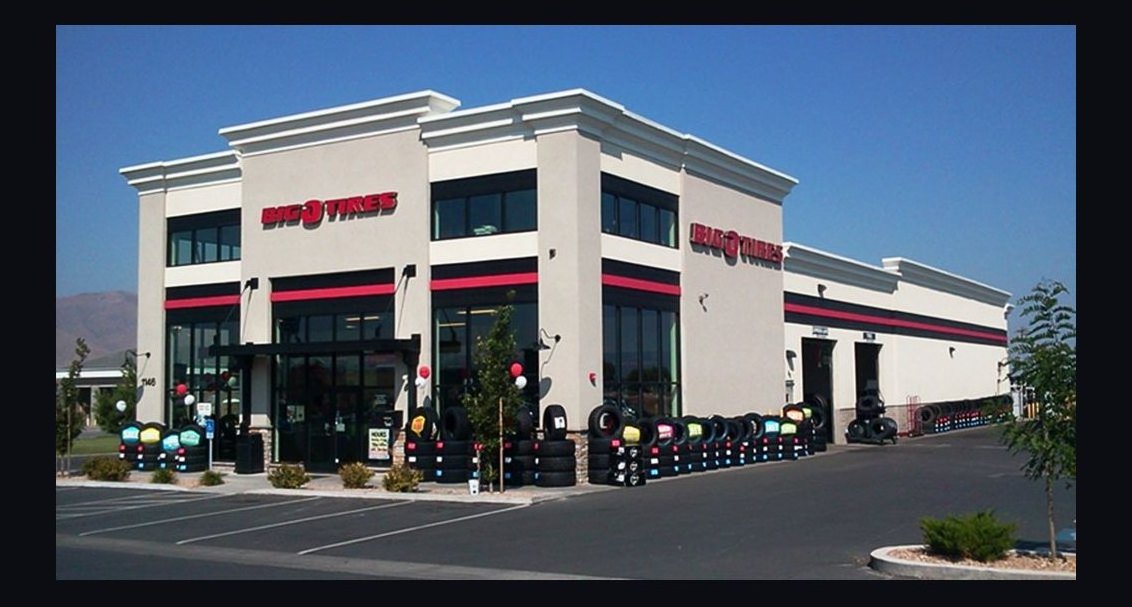 franchiseShould I open or buy a Big O Tires franchise in 2027?
 franchiseShould I open or buy a Hand and Stone Massage franchise in 2027?
 franchiseShould I open or buy a Crumbl Cookies franchise in 2027?
 franchiseShould I open or buy a Roto-Rooter franchise in 2027?
 franchiseShould I open or buy a Valvoline Instant Oil Change franchise in 2027?
 franchiseShould I open or buy a Jimmy John's franchise in 2027?
 franchiseShould I open or buy a Pizza Hut franchise in 2027?
 franchiseShould I open or buy a Kona Ice franchise in 2027?
 franchiseShould I open or buy a Matco Tools franchise in 2027?
 franchiseShould I open or buy a Stanley Steemer franchise in 2027?