


Should I open or buy an uBreakiFix franchise in 2027?
Quality
Certified
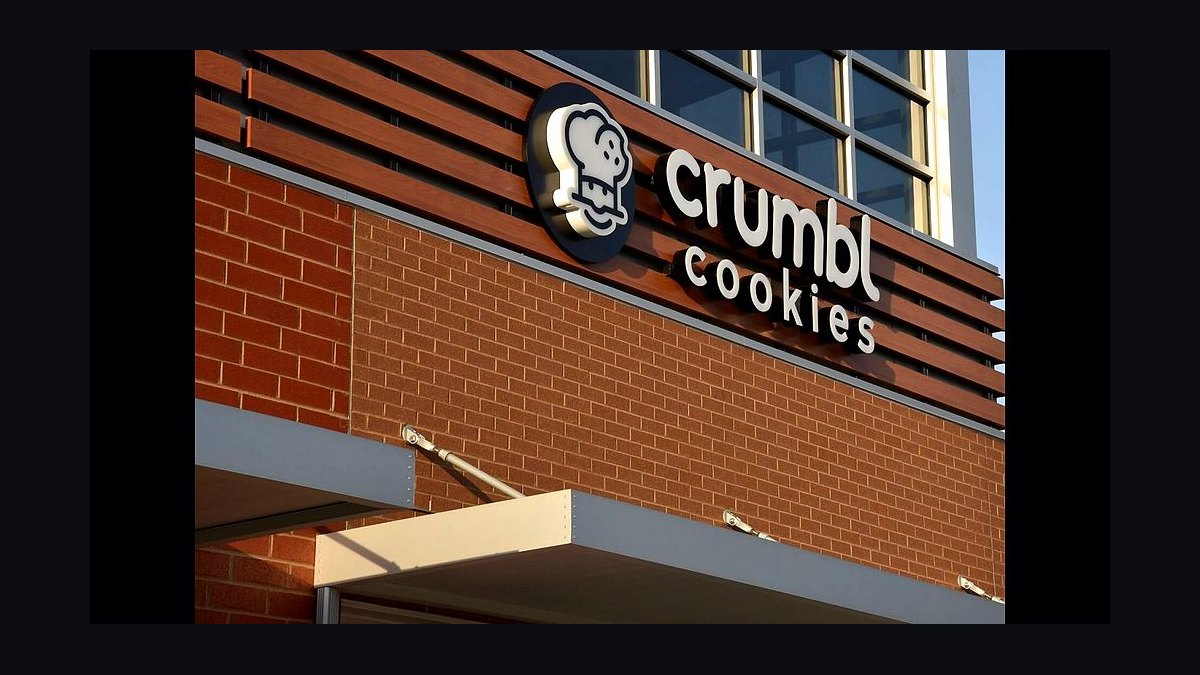
Buy a Crumbl Cookies franchise in 2027 only if you can fund the roughly $296,000–$1,076,550 total investment, staff a labor-intensive weekly-rotation bakery, and tolerate an 8% royalty plus 2% marketing fee. Open an independent sandwich shop instead if you want full menu control, no royalty, and a proven lower-cost format — but accept you're building brand recognition, supply chains, and demand from zero, with no franchise support system behind you.
What each path actually is, and why the ownership model matters more than the sign
These two businesses look like they belong in the same conversation — both are food retail, both are storefront-driven, both can be opened by a first-time owner-operator — but they sit on opposite ends of the franchise-versus-independent spectrum, and that difference determines almost everything downstream: your capital requirement, your control, your risk, and your ceiling.
Crumbl Cookies is a franchise system built on a specific operating model: a rotating weekly menu (typically the signature milk chocolate chip cookie plus five or six rotating specialty flavors announced in advance), heavy reliance on social media virality and third-party delivery apps like DoorDash, and a real-estate footprint usually in the 1,600 to 1,800 square foot range for a standalone or strip-center location. When you buy into Crumbl, you are not just buying a bakery — you are buying a supply chain (ingredients, packaging, and equipment sourced through approved vendors), a marketing engine (national ad fund plus the brand's built-in social following), a recipe and rotation system you do not control, and an operating manual that dictates hours, presentation, and menu cadence. The franchisor absorbs the R&D risk of flavor development and brand-building; you absorb the execution risk of running the store to spec.

An independent sandwich shop is the inverse. There is no franchisor, no FDD, no royalty, and no approved-vendor list — you choose your bread supplier, your meat and produce vendors, your pricing, your hours, and your menu, and you can change any of it overnight based on what's working in your specific neighborhood. That freedom is real value: a sandwich shop can chase a catering niche, add breakfast, drop a slow-moving item, or lean into a regional specialty (a Cubano, a Philly-style hoagie, a banh mi) without asking anyone's permission. But every piece of infrastructure a franchise hands you — brand recognition, tested recipes, a marketing playbook, negotiated supplier pricing, a training curriculum — you have to build yourself, usually while operating on thinner margins than an established franchise brand commands.
The financial engines also differ structurally. Crumbl's cookie format has a genuinely favorable ratio of labor-hours to revenue when volume is high: a small crew can turn out thousands of cookies during a rush because the product line is narrow and heavily systematized, and weekend-only heavy hours (many locations are closed Sundays and run shorter weekday hours) can concentrate labor cost into the highest-revenue windows. A sandwich shop's labor model is typically flatter across the week — lunch is the anchor daypart, but a shop open for breakfast and dinner is staffing more total hours against a lower average ticket than a specialty dessert concept riding a viral flavor drop. Neither model is inherently better; they reward different operating skill sets, and that's the real question buried inside "franchise or independent" — are you better at executing someone else's playbook at scale, or building and adapting your own?
The step-by-step process from decision to opening day

The Crumbl path starts with requesting the Franchise Disclosure Document and confirming your target market isn't already committed to another franchisee's protected territory — Crumbl has expanded aggressively since 2017, and desirable suburban trade areas in growing metros fill quickly. Once you have the FDD, spend real time on Item 20 (outlet counts, transfers, and closures) and Item 19 (financial performance representation, if included) before you spend a dollar. Then call existing franchisees directly — not the two the franchisor's development team suggests, but a self-selected list including at least one or two who closed or sold. Ask about actual weekly cookie volume, DoorDash commission drag on margin, ingredient cost inflation, and how much the weekly flavor rotation actually drives incremental traffic versus just shuffling the same customer base's spending. After financing is secured and the franchise agreement is signed, site selection typically requires franchisor sign-off on the specific location and sometimes the shopping center, which can add weeks to your timeline versus an independent operator who can sign a lease the day they find the right space. Build-out follows Crumbl's design and equipment specifications closely — the kitchen layout, signage, and even wall colors are largely prescribed — and initial training is mandatory before you're approved to open.

The independent sandwich shop path skips the disclosure document and territory negotiation entirely but front-loads a different kind of work: you have to develop your own concept before you can raise money or sign a lease. That means finalizing recipes, testing them at real batch volume, pricing them against food cost targets, and articulating what makes your shop different from the two other sandwich places within a mile. Because there's no franchisor financing relationship or brand recognition to lean on, lenders will scrutinize your personal experience, your business plan, and your local market research more heavily — expect more documentation, not less, at the financing stage. Lease negotiation is entirely on you, with no franchisor leverage or approved-site requirement slowing you down, which cuts both ways: faster to sign, but also easier to pick a mediocre location without anyone checking your assumptions. Build-out follows your own design rather than a brand standard, hiring and training run off a system you invent yourself, and your opening is a soft-launch built on local word of mouth rather than an established social following walking in the door on day one.
Realistic timeline for either path from serious commitment to opening day: six to twelve months. The franchise route often front-loads time into diligence and franchisor approvals; the independent route front-loads time into concept development and financing documentation, with construction and hiring consuming three to five months in both cases.
Costs, timelines, and the ranges that decide the outcome
Crumbl's total investment, per publicly disclosed FDD figures, runs roughly $296,050 to $1,076,550, with the initial franchise fee around $25,000. That wide range is driven by real estate cost, market, and format — a strip-center store in a lower-cost metro lands near the bottom; a ground-up build in an expensive suburb lands near the top. Ongoing fees are an 8% royalty on gross sales plus roughly a 2% contribution to the national marketing fund — call it 10 points of gross revenue committed before rent, ingredients, or payroll. On a store doing $1.2 million in annual sales, that's $120,000 a year leaving the business before a single cookie's flour cost is paid. Equipment is a meaningful line item too — commercial mixers, ovens, and the point-of-sale and online-ordering integration Crumbl requires for delivery-app compatibility are not optional add-ons; they're part of the prescribed build.

An independent sandwich shop's total investment is typically lower and far more variable, because you control every line item. A modest counter-service shop in an existing restaurant space with usable kitchen infrastructure can open for $100,000 to $250,000; a from-scratch build with new HVAC, grease trap work, and full kitchen fit-out can run $300,000 to $600,000 or more depending on square footage and market. There is no franchise fee and no ongoing royalty — every dollar of margin you generate is yours, minus whatever you choose to reinvest in marketing, which is entirely discretionary rather than contractually mandated. That said, independent operators typically pay more per unit for ingredients and packaging because they lack a franchise system's negotiated volume pricing, and they carry 100% of the marketing cost and risk with no shared national ad fund behind them.
Timeline to break-even differs by the same logic. A Crumbl franchise benefits from instant brand recognition and, in many markets, a grand-opening rush driven by social media and existing fan demand — some locations see strong volume from week one, though sustaining post-launch volume once the novelty fades is the harder test, and twelve to eighteen months to stabilize margins is a reasonable planning assumption. An independent sandwich shop has no comparable opening spike; expect a slower ramp, often eighteen to twenty-four months to build the steady local customer base that makes the unit economics work, unless the location has unusually strong daytime foot traffic (an office corridor, a hospital campus, a college area) that shortens the runway.
Financing sources differ too. SBA 7(a) loans work for both paths, but franchise lenders are frequently more comfortable underwriting a recognized brand with disclosed system-wide performance data than an unproven independent concept with no operating history — expect a faster underwriting process for the franchise route and a more document-heavy, judgment-based process for the independent route, where your own resume and local market data are doing more of the persuading.
Where owners get this comparison wrong
They compare the sticker price without comparing the obligation. A lower headline investment for an independent shop looks attractive next to Crumbl's six-figure-to-seven-figure range, but that comparison ignores what the franchise fee and royalty are actually buying: a demand-generation engine, a tested product, and a system that doesn't require you to invent a brand from nothing. Conversely, franchise buyers sometimes underweight the 10-point-of-gross royalty-and-marketing drag, treating it like a rounding error instead of the largest single cost category after labor and ingredients.
They underestimate labor intensity on the Crumbl side. The weekly rotation model means new recipes, new prep procedures, and new packaging essentially every week — that's a real operational burden on a crew, not a marketing gimmick that runs itself. Turnover in a fast-paced bakery environment with weekend-concentrated peak hours is common, and owners who assume the franchise system eliminates staffing risk discover quickly that it doesn't; it just changes what the staffing problem looks like.
They underestimate how long brand-building takes for an independent sandwich shop. A franchise buyer inherits recognition on opening day. An independent shop has to earn every bit of it — through consistency, word of mouth, and often years of neighborhood presence — before revenue stabilizes at a level that justifies the investment. Owners who budget for a Crumbl-style opening rush on an independent timeline routinely run out of working capital in months eight through fourteen, exactly when word-of-mouth growth is still building but hasn't yet compounded.

They treat delivery-app economics as free money on both sides. Both a cookie shop and a sandwich shop live and die partly on DoorDash, Uber Eats, and similar platforms today, and commission rates of 15% to 30% per order eat meaningfully into margin regardless of which business you're running. Franchise buyers sometimes assume Crumbl's brand pull offsets that cost through higher order volume; independent operators sometimes skip delivery apps altogether to avoid the fee and then wonder why a same-quality competitor down the street is capturing online orders they never see.
They pick a franchise or an independent path based on personal preference for baking versus sandwiches, rather than on operating fit. The real decision isn't "do I like cookies more than sandwiches" — it's whether you're better suited to executing a prescribed system with less creative control but more built-in demand, or building and iterating your own concept with full control but zero inherited customer base. Owners who ignore that distinction pick the wrong path for their actual skill set even when they pick the "right" industry.
Decision framework: when to buy the franchise, when to build independent
Choose the Crumbl franchise if you can comfortably finance the full range up to roughly $1 million without stretching thin, you want a system that hands you a tested product and built-in demand rather than requiring you to invent a brand, and you can build and retain a crew capable of executing a fast-paced, weekly-changing production schedule. You should also be comfortable operating inside a franchisor's rules on hours, presentation, pricing bands, and territory — if losing that control would frustrate you, the fit is wrong regardless of the economics.

Choose the independent sandwich shop if your capital is meaningfully below Crumbl's investment floor, you have a genuine point of differentiation — a recipe, a niche, a location with built-in daytime traffic, prior industry experience — and you're willing to accept a longer runway to profitability in exchange for keeping 100% of your margin and full control over the menu and operations. Sandwich shops also tolerate a wider range of formats (counter-service, fast-casual with seating, delivery-only ghost kitchen) than Crumbl's fairly fixed retail model, which gives an independent operator more flexibility to match format to budget.
Walk away from both, at least temporarily, if you can't answer the basic diligence questions: for Crumbl, you haven't verified real per-location weekly sales and turnover data from multiple existing franchisees in comparable markets; for the independent shop, you don't yet have a concept that's meaningfully different from what's already within a mile of your target site. Undercapitalization sinks both business types faster than any operational mistake — model your worst realistic month, not your best, before signing anything.
Related questions
Is Crumbl Cookies franchise profitable for a single-unit owner?
Profitability varies widely by market and execution; the 8% royalty plus 2% marketing fee take roughly 10 points of gross before other costs. Single-unit owners in strong trade areas with high delivery-app volume tend to fare better than those relying purely on walk-in traffic.
How much does it cost to open a small independent sandwich shop?
A modest counter-service shop reusing existing kitchen infrastructure can open for roughly $100,000 to $250,000. Ground-up builds with new kitchen systems typically run $300,000 to $600,000 or more, depending on square footage, market, and equipment needs.
Does Crumbl require me to follow the weekly rotating menu exactly?

Yes — the rotating flavor lineup is a core brand system element set by the franchisor, not something individual owners customize. Franchisees execute the assigned weekly menu, sourcing approved ingredients and following prescribed recipes and presentation standards.
Can an independent sandwich shop compete with franchise brand recognition?
Yes, especially in dense urban or college-area markets where local reputation and menu differentiation matter more than national brand pull. It takes longer to build that recognition without a franchise's marketing engine, but the ceiling isn't capped by franchise fees or royalty.
Which business has lower ongoing labor intensity, Crumbl or a sandwich shop?
Crumbl's narrow, high-volume product line can be more labor-efficient per dollar of revenue during peak windows, but the weekly recipe changes add training overhead. Sandwich shops have flatter, more predictable labor needs across a wider daily schedule.
FAQ
What is the total investment to open a Crumbl Cookies franchise?
Publicly disclosed FDD figures put the total investment at roughly $296,050 to $1,076,550, including an initial franchise fee near $25,000 plus build-out, equipment, signage, opening inventory, and working capital. Where you land in that range depends heavily on real estate cost and store format in your specific market.
What are Crumbl's ongoing franchise fees?

An 8% royalty on gross sales plus roughly a 2% contribution to the national marketing fund — about 10 points of gross revenue committed before rent, ingredients, or labor are paid. Always verify current figures against the most recent FDD rather than a prior year's numbers.
Do I need restaurant experience to open an independent sandwich shop?
It isn't strictly required, but it materially reduces risk. Menu development, food cost management, health code compliance, and staff training all fall entirely on you with no franchisor system to lean on, so prior kitchen or restaurant management experience shortens the learning curve considerably.
Is a sandwich shop cheaper to open than a Crumbl franchise?
Generally yes on the low end — a modest independent shop can open for well under Crumbl's roughly $296,000 floor — but the comparison isn't purely about entry cost. The franchise buys brand recognition and a tested system; the lower-cost independent path requires building both from scratch.
How long until either business breaks even?
Crumbl locations often see a strong opening rush from brand recognition, with twelve to eighteen months to stabilize margins a reasonable planning assumption. Independent sandwich shops typically ramp more slowly, often eighteen to twenty-four months, absent an unusually strong foot-traffic location.
Can I negotiate Crumbl's franchise terms the way I can negotiate my own lease as an independent owner?
No — franchise fees, royalty rates, and operating standards are set by the franchisor and disclosed in the FDD, with little to no individual negotiation. An independent operator, by contrast, negotiates every supplier contract and lease term directly, which is more work but also more flexibility.
Sources
- https://www.ftc.gov/business-guidance/resources/franchise-rule-compliance-guide
- https://www.sba.gov/funding-programs/loans/7a-loans
- https://www.franchise.org/
- https://crumblcookies.com/
- https://www.entrepreneur.com/franchises/directory
- https://www.qsrmagazine.com/
- https://www.restaurant.org/
- https://www.consumer.ftc.gov/articles/buying-franchise-consumer-guide
- https://www.census.gov/programs-surveys/acs
Related on PULSE
- How long does it take to open a franchise and break even in 2027?
- Should I open or buy a Cinnabon franchise in 2027?
- Should I open or buy a Jersey Mike's Subs franchise in 2027?
- Should I open or buy a Tommy Gun's Original Barbershop franchise in 2027?
- What's the real difference between buying a franchise and starting an independent business in 2027?
This page will be disappearing soon. Save it to your device for $1 — or read it free while it is here.
@Kory-White- · if Venmo asks, the last 4 of my number are 2012
This page is gone.
This one is off the shelf now. $1 keeps it on your phone for good — the whole page, pictures and diagrams included.
 franchiseShould I open or buy a Culver's franchise in 2027?
 franchiseShould I open or buy a Jamba franchise in 2027?
 franchiseShould I open or buy a Big O Tires franchise in 2027?
 franchiseShould I open or buy a Cold Stone Creamery franchise in 2027?
 franchiseShould I open or buy a Marco's Pizza franchise in 2027?
 franchiseShould I open or buy a Bojangles franchise in 2027?
 franchiseShould I open or buy a Kumon franchise in 2027?
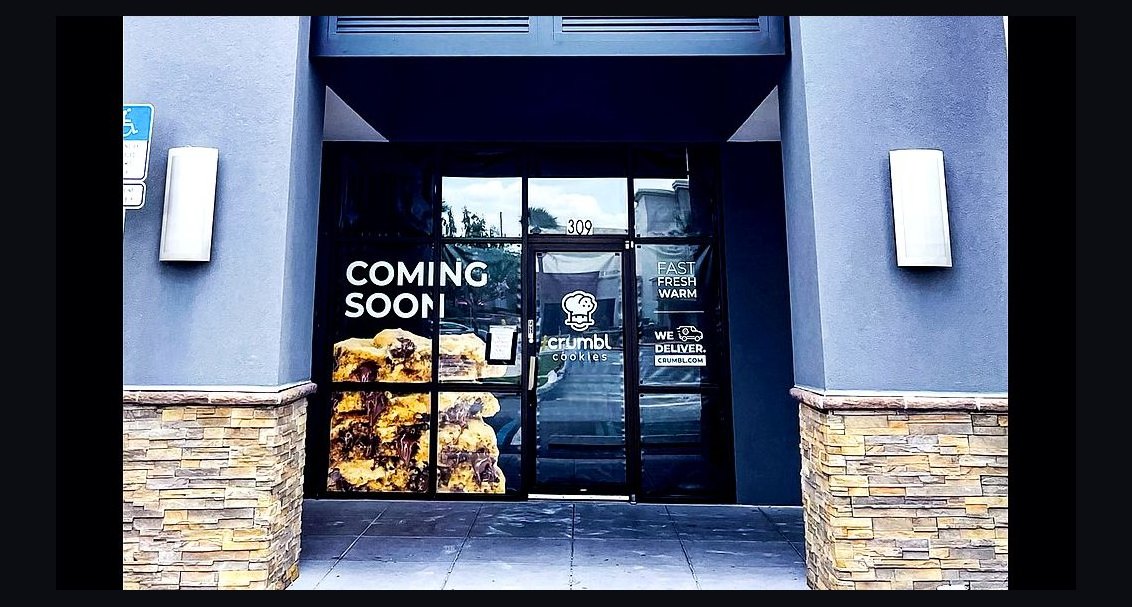 franchiseShould I open or buy a Crumbl Cookies franchise in 2027?
 franchiseShould I open or buy a Roto-Rooter franchise in 2027?
 franchiseShould I open or buy a Great Clips franchise in 2027?