
Should I open or buy a La Quinta franchise in 2027?
 Curated byKory White · Fractional CRO · Maryland
 PULSEKNOWLEDGE LIBRARY
Quality
Certified
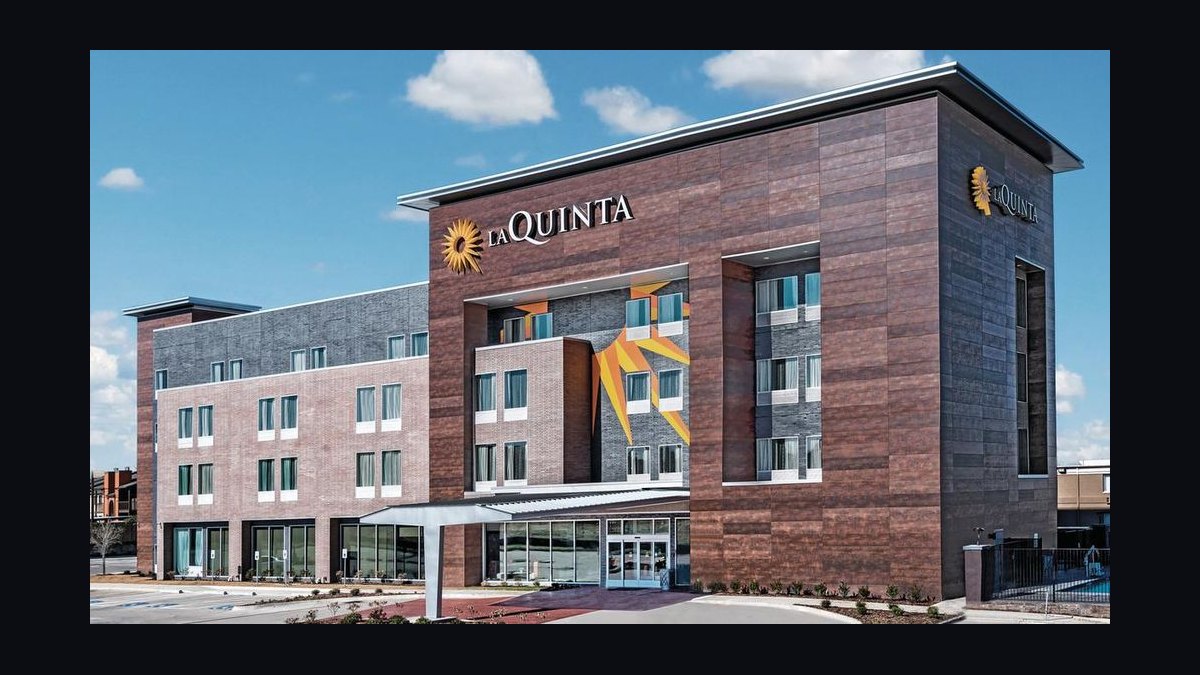
Open or buy a La Quinta franchise if you want a true mid-scale flag with a strong free-breakfast value proposition and Wyndham's distribution behind it — La Quinta is a step up from economy brands, suited to both conversions and select new builds. La Quinta by Wyndham carries an initial franchise fee around $45,000 (commonly the greater of a flat fee or ~$400–$500 per room), a royalty of roughly 5% of gross rooms revenue, and a marketing/reservation fee of about 4.5% of gross rooms revenue. Conversions run $2M–$10M+ all-in; ground-up mid-scale new builds run $7M–$16M+.
If you own or are buying a quality mid-scale hotel in a business or interstate market and want recognized branding, free-breakfast appeal, and Wyndham's reservation engine at a moderate capital threshold, La Quinta is a strong option. As always, this is a real-estate play first — your basis, build/conversion cost, and management discipline drive returns more than the flag.
The Real Numbers
La Quinta sits in Wyndham's mid-scale tier, so the numbers run higher than economy brands but well below upscale flags. Below is an FDD-style breakdown for a representative La Quinta conversion or modest new build of ~100 rooms.
| Line Item | Low | High | Notes |
|---|---|---|---|
| Initial franchise fee | $45,000 | $60,000 | ~$400–$500/room with minimums |
| Property acquisition (conversion) | $1,500,000 | $9,000,000 | Existing mid-scale basis |
| Property Improvement Plan (PIP) | $500,000 | $3,000,000 | Brand-standard renovation |
| FF&E refresh | $300,000 | $1,500,000 | Soft + case goods, breakfast area |
| Technology & systems | $80,000 | $350,000 | Wyndham PMS/reservations |
| Pre-opening & training | $50,000 | $250,000 | Staff + ramp |
| Working capital | $120,000 | $450,000 | First 3 months |
| Total project (conversion) | $2,595,000 | $14,610,000 | Mid-scale La Quinta flag |
| Ongoing royalty | ~5% of gross rooms revenue | ||
| Marketing/reservation fee | ~4.5% of gross rooms revenue | Funds loyalty + reservations | |
| Term | 15–20 years (new build); shorter for conversions | Mid-term PIP cycle |
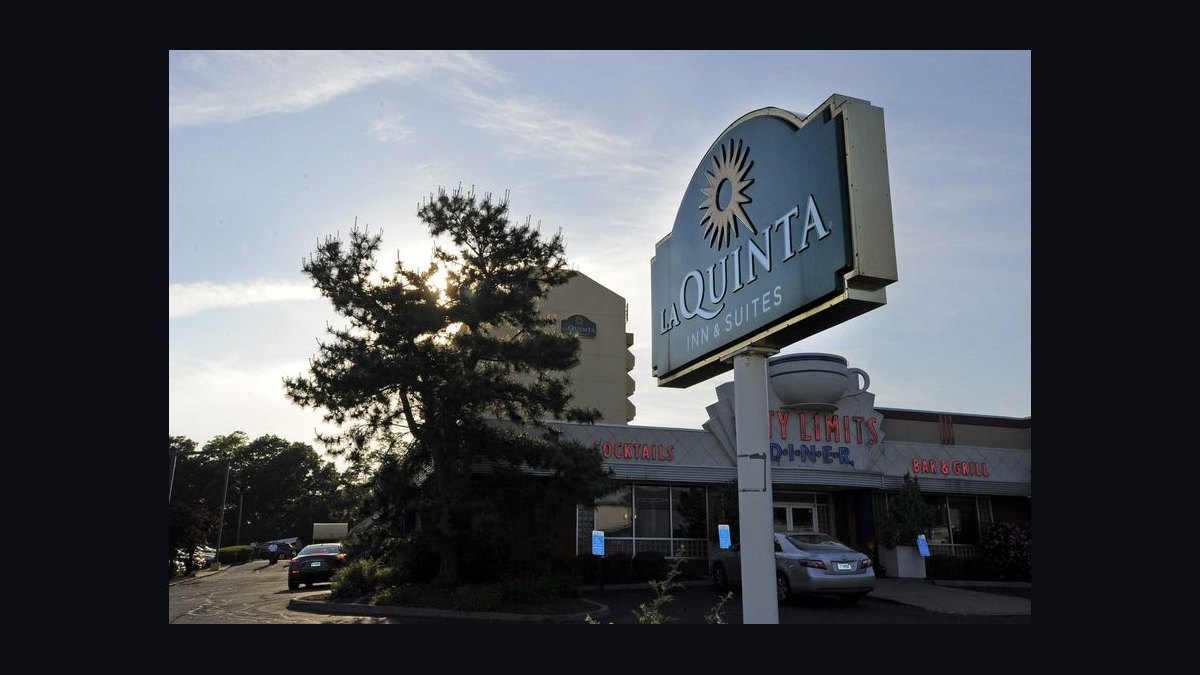
Revenue reality: La Quinta operates roughly 900+ hotels across North America as one of Wyndham's flagship mid-scale brands, plugged into Wyndham Rewards' 100 million+ members. Mid-scale La Quinta properties commonly run $75–$130 RevPAR depending on market, helped by the free-breakfast value draw. Net effective fees across royalty, marketing, and loyalty land in the 9.5%–12% of rooms revenue range — underwrite to that.
Who Wins With This Business
The winning La Quinta operator profile is the mid-scale, business-market owner-operator:

- Capital required: $500K–$2M liquid equity for a typical conversion; more for new construction.
- Experience: mid-scale operations — balancing rate, free-breakfast cost, and corporate-travel demand.
- Skills: corporate and crew-business development — La Quinta thrives near business parks, hospitals, and interstate hubs.
- Geographic fit: secondary business markets, medical/university hubs, interstate corridors with steady weekday demand.
- Strategy: convert a tired mid-scale competitor or build in an underserved business market to capture the free-breakfast value segment.
La Quinta fits operators who want a recognized mid-scale brand without Hilton/Marriott capital requirements.
Who Loses With This Business
Owners who under-budget or mis-locate lose. Common failure modes:
- PIP underestimation. Mid-scale conversions require meaningful renovations, including breakfast-area buildout — under-budgeting wrecks the pro forma.
- Wrong market. A mid-scale flag in a pure economy market never achieves its rate premium.
- Breakfast-cost creep. The free-breakfast value draw is also a recurring labor and food cost that must be managed tightly.
- Brand-standard drift. Wyndham enforces standards; chronic quality misses risk fees or loss of the flag.
- Over-leverage. Mid-scale deals feel the 2027 refinancing environment when debt rolls at elevated rates.

2027 Market Conditions
- Demand: mid-scale lodging benefits from steady corporate and crew travel entering 2027, with the free-breakfast value proposition resonating with cost-conscious business travelers.
- Conversions and select new builds. With financing constrained, conversions dominate, though La Quinta still sees ground-up development in underserved business markets.
- Loyalty: Wyndham Rewards continues to grow past 100 million members, lifting direct-booking share.
- Brand investment: Wyndham has refreshed La Quinta prototypes and standards, strengthening the mid-scale positioning.
- Technology: Wyndham's PMS and revenue tools give operators enterprise-grade distribution and rate management.
The 90-Day Decision Tree
- Days 1–15: Read the Wyndham/La Quinta FDD — Items 5, 6, 7, 17, 19 — and confirm the mid-scale tier fits your market.
- Days 16–30: Validate demand with STR/CoStar comps; confirm weekday corporate/crew demand supports your pro forma.
- Days 31–45: Get a precise PIP or construction estimate, including the breakfast-area buildout.
- Days 46–60: Secure financing; SBA 504/7(a) or conventional CMBS depending on deal size.
- Days 61–75: Engage a hospitality attorney to review the franchise agreement and PIP schedule.
- Days 76–90: Submit the Wyndham application and complete site/impact review and approval.

Alternative Plays
If La Quinta is not the fit, these competing mid-scale flags match different operator profiles:
- Baymont / Wingate by Wyndham — sibling mid-scale brands with the same Wyndham Rewards base.
- Comfort Inn / Quality Inn (Choice) — mid-scale Choice flags with Choice Privileges.
- Holiday Inn Express (IHG) — mid-scale workhorse with IHG One Rewards and strong corporate demand.
- Hampton by Hilton — a step up in brand power and rate with Hilton Honors, at higher capital cost.
- Independent operation — no royalty, but no national reservations or loyalty engine.
Conversion versus. New Build: Which Path Fits Your Market in 2027?
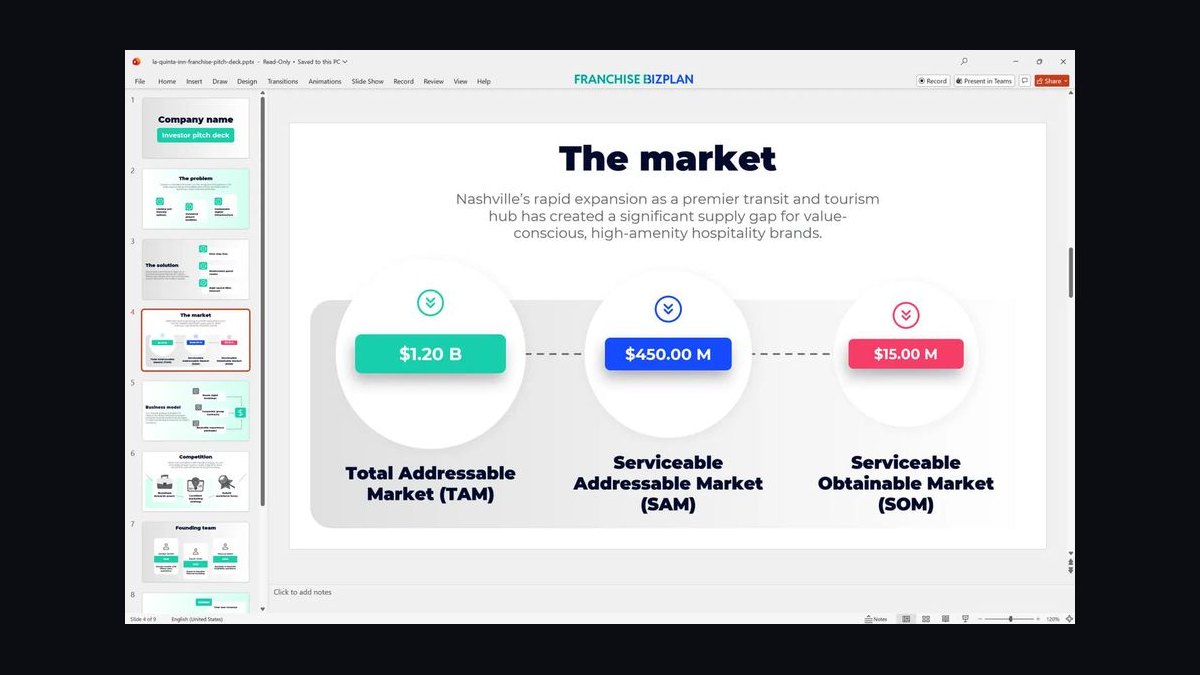
The decision between converting an existing property or building a new La Quinta from scratch hinges on your market's supply dynamics and your risk tolerance. Conversions typically require $2 million to $10 million total investment, depending on the property's condition and how closely it already matches La Quinta's brand standards. This route works best in secondary and tertiary markets where an older independent hotel or a faded economy flag sits on a strong interstate exit or highway corridor. The key advantage is speed — a conversion can be completed in 4 to 8 months, getting you to revenue generation faster, though you inherit existing structural quirks and potential deferred maintenance.
New builds, on the other hand, demand $7 million to $16 million (excluding land) and take 12 to 18 months to complete. They are better suited to growing suburban markets near hospitals, business parks, or expanding airport zones where no suitable conversion property exists. New builds let you optimize room layouts, modernize the free-breakfast area (a La Quinta hallmark), and incorporate energy-efficient systems that lower long-term operating costs. However, they carry higher pre-opening interest carry and construction risk. In 2027, with construction costs still elevated in many regions, conversions may offer a more capital-efficient entry unless you have a clear demand generator that justifies the premium for a ground-up property.
Financing and Incentives: What to Expect from Wyndham and Lenders
Wyndham's franchise development team offers select incentives for La Quinta conversions, particularly in markets where the brand has limited penetration. These can include reduced initial fees for the first 1–3 properties a developer opens under a multi-unit agreement, or deferred royalty payments for the first 6–12 months of operation. Such incentives are negotiated case-by-case and are more common for conversions that fill a geographic gap. Expect to provide a letter of credit or personal guarantee for roughly $50,000 to $100,000 as part of the franchise agreement, depending on your experience level and credit profile.
For external financing, most lenders in 2027 will require a 25% to 35% equity stake for a La Quinta franchise, given its mid-scale positioning. SBA 7(a) loans remain a viable option for single-property owners with strong personal credit, typically offering 10% to 20% down for owner-operators. Conventional commercial loans from regional banks or credit unions may require 30% down for new builds. Be prepared to show 1.35 to 1.50 debt service coverage ratio (DSCR) based on projected stabilized operations. Lenders will scrutinize your pro forma more closely if you're entering a market with three or more competing mid-scale limited-service hotels within a three-mile radius.
Operational Benchmarks: Staffing, Costs, and Competitive Positioning
La Quinta's operational model is leaner than full-service brands but more demanding than economy flags. Expect to staff 8 to 12 full-time equivalents for a 100-room property, including a general manager, front desk team, housekeeping, and maintenance. The free-breakfast program — hot items like waffles, eggs, and breakfast meats — requires dedicated kitchen labor and consistent food cost management, typically running $4 to $7 per occupied room per night in food and supply costs. This is higher than a continental-breakfast economy brand but lower than a full-service restaurant.
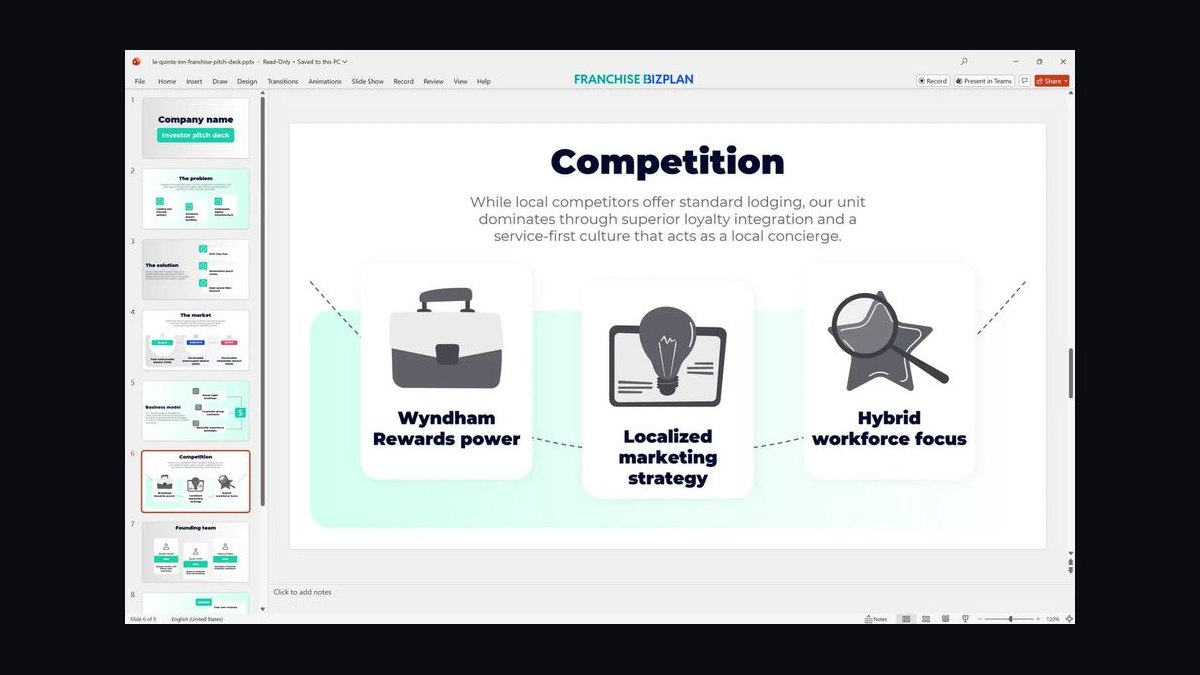
In terms of competitive positioning, La Quinta competes directly with Holiday Inn Express, Comfort Inn, and Hampton Inn in the mid-scale segment. Its free-breakfast "Bright Side" branding and Wyndham Rewards integration give it an edge with leisure travelers and road-trippers, but it trails slightly in business traveler preference compared to Hilton's Hampton brand. In 2027, expect average daily rates (ADR) between $110 and $160 for most La Quinta properties in the U.S., with occupancy rates of 65% to 75% in stable markets. Your revenue per available room (RevPAR) index against the competitive set should target 95% to 105% for a well-run property. If your market's average RevPAR for mid-scale hotels falls below $75, La Quinta's royalty and fee structure may squeeze margins too thin for comfortable returns.
Bottom Line
La Quinta is a solid mid-scale flag for business-market operators who want recognized branding and a strong free-breakfast value proposition without upscale capital requirements. Its moderate cost, conversion flexibility, and access to the large Wyndham Rewards base make it a natural fit for owners targeting secondary business markets, medical hubs, and interstate corridors. If you own or are buying a sound mid-scale hotel and want branded distribution with weekday corporate demand, La Quinta belongs on your shortlist. If you want premium rate and group demand, step up to a Hilton or Marriott select-service flag instead.
FAQ
What is the typical total investment for a La Quinta franchise? For a conversion, expect a range of $2 million to $10 million or more, while a ground-up mid-scale new build typically falls between $7 million and $16 million. These figures cover everything from construction or renovation to furniture, equipment, and pre-opening costs. Your actual total will depend heavily on property condition, location, and local labor/materials costs.
How long does it take to open a La Quinta franchise? Conversions can often be completed in 6 to 12 months, depending on the extent of renovations needed. New builds generally take 12 to 24 months from groundbreaking to opening, factoring in permitting, construction, and final inspections. Delays due to supply chain or local regulations are common.
What ongoing fees does La Quinta charge? You’ll pay a royalty fee of roughly 5% of gross rooms revenue and a marketing/reservation fee of about 4.5% of gross rooms revenue. There may also be additional fees for technology, loyalty program contributions, and other brand services. These percentages are standard for mid-scale franchised hotels.
Can I convert an existing hotel into a La Quinta? Yes, conversions are a common entry point, especially for properties that already meet mid-scale standards. The cost to convert typically ranges from $2 million to $10 million, depending on how much updating is needed to meet brand requirements. La Quinta’s design standards are less demanding than upscale brands, making it a practical choice for many existing hotels.
What kind of location works best for a La Quinta? La Quinta performs well in business corridors, near interstate highways, and in suburban markets with steady demand from both business and leisure travelers. A strong free-breakfast value proposition and Wyndham Rewards loyalty program help drive occupancy in these areas. Avoid oversaturated markets or locations without reliable year-round demand.
How does Wyndham Rewards help my La Quinta franchise? Wyndham Rewards is one of the largest hotel loyalty programs globally, giving your property access to millions of potential guests. This can significantly boost repeat bookings and occupancy, especially for a recognized brand like La Quinta. However, the program also requires you to pay a marketing/reservation fee, so the net benefit depends on how well you leverage it in your local market.
Sources
- Wyndham Hotels & Resorts — Development (La Quinta)
- Wyndham Rewards — Loyalty Program
- U.S. Small Business Administration — 504 Loan Program
- American Hotel & Lodging Association — Industry Data
- STR / CoStar — Hotel Performance Benchmarks
- FTC — Franchise Rule & FDD Guidance
Related on PULSE
This page will be disappearing soon. Save it to your device for $1 — or read it free while it is here.
@Kory-White- · if Venmo asks, the last 4 of my number are 2012
This page is gone.
This one is off the shelf now. $1 keeps it on your phone for good — the whole page, pictures and diagrams included.
 pulse-franchisesTop 10 Most Profitable Franchises in 2027
 pulse-franchisesShould I open or buy a Wyndham franchise in 2027?
 pulse-franchisesShould I open or buy a Coverall franchise in 2027?
 pulse-franchisesBest health and wellness franchises to buy in 2027
 pulse-franchisesShould I open or buy a Motel 6 franchise in 2027?
 pulse-franchisesHow do I franchise my own business in 2027?
 pulse-franchisesTop 10 best Franchises options in 2027
 pulse-franchisesShould I open or buy a School of Rock franchise in 2027?
 pulse-franchisesShould I open or buy a Super 8 franchise in 2027?
 pulse-franchisesShould I open or buy a Jan-Pro franchise in 2027?