
Best children's STEM and enrichment franchises to buy in 2027
 Curated byKory White · Fractional CRO · Maryland
 PULSEKNOWLEDGE LIBRARY
Quality
Certified
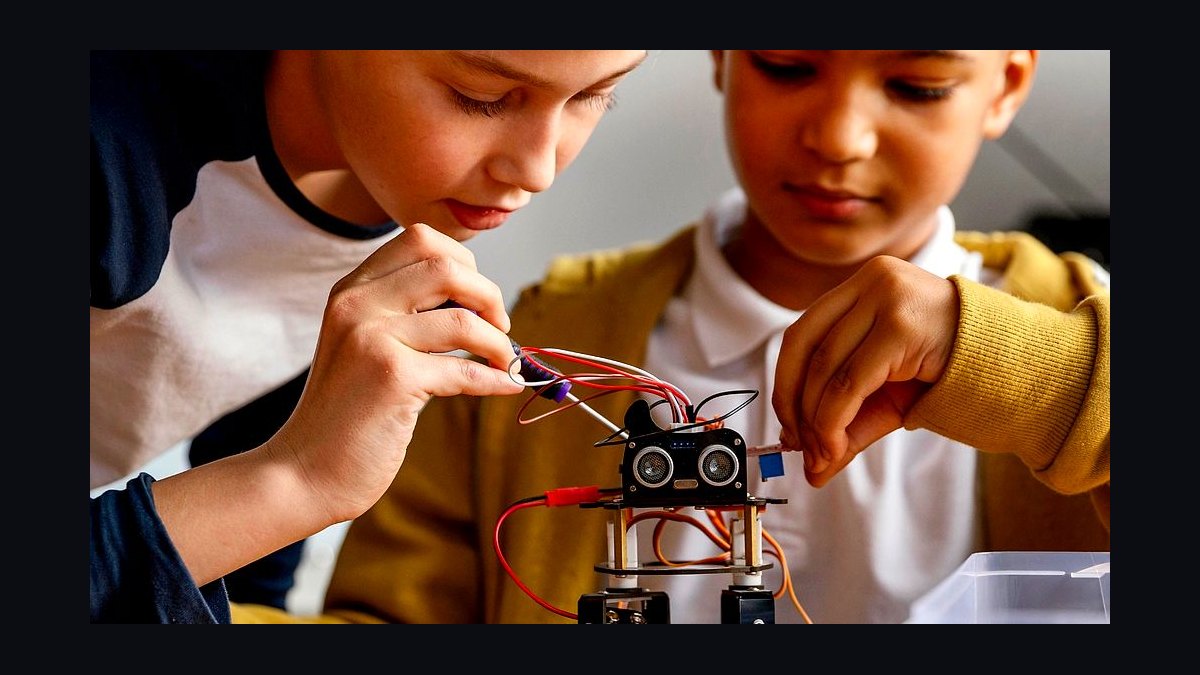
The best children's STEM and enrichment franchises to buy in 2027 are program-based concepts that earn through recurring class enrollments, camps, and birthday parties, because repeat sessions and seasonal camps create predictable revenue from the same families. Strong concepts include Code Ninjas (coding), Snapology (STEAM and LEGO-based play), Engineering For Kids, Mathnasium (math tutoring with enrichment), The Goddard School (early education), and Bricks 4 Kidz. Total initial investment commonly runs $60,000 to $1,500,000 depending on whether the model is mobile, a small center, or a full preschool, with franchise fees of roughly $30,000 to $50,000 and royalties of 6% to 10% of gross sales. Below are real Franchise Disclosure Document ranges and how to verify them yourself.
How children's enrichment franchise economics actually work
A kids' STEM or enrichment franchise sells outcomes parents value — skills, confidence, and supervised learning — packaged as memberships, term enrollments, camps, and parties. Capital ranges widely: a mobile or in-school delivery model needs little more than curriculum, kits, and instructors, while a dedicated center adds rent and build-out, and a full preschool is a real-estate-heavy investment. The margin engine is enrollment retention plus camp and party revenue that fills the calendar around the core program.
The trade-offs are instructor recruiting and quality (parents judge the program by the teacher in the room), seasonality (summer camps spike, mid-year can dip), and dependence on local school and community relationships for lead flow. The best operators measure active enrollments, retention month over month, and revenue per instructor-hour.
Coding and STEAM center franchises
- Code Ninjas — kids learn to code by building games at a neighborhood center. Total initial investment commonly runs $150,000 to $450,000 per published FDD ranges, franchise fee around $25,000 to $40,000, royalties in the 8% to 10% band. Best fit for owners who want a center with memberships, camps, and parties.
- Snapology — STEAM education using building bricks and robotics, available as a center or a mobile model. Investment commonly $60,000 to $200,000 depending on format, which keeps entry capital low for the mobile route.
- Engineering For Kids — hands-on engineering programs delivered in schools, camps, and centers. Investment commonly $50,000 to $200,000, with a strong in-school delivery channel.
Tutoring, early-education, and party formats
- Mathnasium — math tutoring and enrichment with a structured curriculum. Investment commonly $110,000 to $150,000, franchise fee around $50,000, royalties near 10%. Recurring monthly tuition is the core model.
- The Goddard School — premium early childhood education and preschool. Investment is real-estate-heavy, commonly $700,000 to $1,500,000 including build-out, with tuition-based recurring revenue and high enrollment value per family.
- Bricks 4 Kidz — LEGO-based STEM classes, camps, and parties, often delivered in schools and community spaces with low fixed overhead.
What the FDD actually tells you
Read Item 7 for the full initial-investment range, Item 6 for royalty and ad-fund percentages, and Item 19 for any Financial Performance Representation. Item 19 may disclose average revenue or enrollment counts, but read the cohort — a mature center with a full roster overstates what a new center earns while it builds enrollment. Item 20 lists outlet counts plus transfers and terminations, which reveal how often owners exit.
Cross-check the FDD against franchisee interviews. Ask current owners about realized active enrollment, monthly retention, the mix of tuition versus camps and parties, and how long it took to fill the schedule after opening.
Red flags to watch before you commit
- Thin or absent Item 19. If an enrichment franchisor will not put any revenue or enrollment range on paper, treat verbal claims as unverifiable.
- Instructor recruiting that is harder than promised. The program is only as good as the teacher. If owners report constant turnover, factor in recruiting cost and quality risk.
- Heavy seasonality with no off-season plan. If a concept relies on summer camps without strong term enrollments, plan for lean months.
- Real-estate-heavy preschool math. Full preschools carry large fixed costs. Confirm the all-in build and the enrollment needed to break even.
- Lawsuits or terminations clustered in recent years. Item 3 litigation and a spike in Item 20 terminations are warnings that the system is under stress.
- Curriculum or kit lock-in. Confirm whether you must buy curriculum and kits from the franchisor and at what markup.
Unit Economics: What a Typical Center Earns and Spends
Before buying any franchise, you need to understand the real profit potential per location. For children’s STEM and enrichment concepts, the unit economics are driven by utilization of your physical space and instructor-to-student ratios. A typical 1,200–1,800 square foot center can generate gross annual revenue in the range of $250,000 to $600,000 once mature (after 2–3 years of operation). However, net profit margins are usually 12% to 25% of gross revenue, meaning the owner might take home $30,000 to $150,000 annually before their own salary.
The biggest cost drivers are rent (15–25% of revenue), instructor wages (25–35%), and franchise royalties (6–10%). For mobile or home-based models like Snapology or Bricks 4 Kidz, overhead is dramatically lower, with gross revenue typically $80,000 to $200,000 and profit margins of 30–50% because you avoid fixed rent and utilities. But mobile models also cap your total addressable market since you’re limited by travel time and the number of classes you can physically teach per week.
Key metric to watch: *Revenue per enrolled student per month*. For after-school STEM programs, this usually falls between $120 and $250 for weekly classes. For full-day preschool enrichment like The Goddard School, it’s $900 to $1,600 per month per child. The higher per-student revenue in preschool models offsets the much larger facility and staffing costs. When evaluating any franchise, ask the franchisor for their “average unit volume” (AUV) for locations that have been open at least 24 months — this is the single most reliable number for projecting your own revenue.
Territory, Competition, and Site Selection Strategy
One of the most overlooked factors in children’s enrichment franchises is territory saturation. Unlike fast food, where a single location can serve a wide radius, STEM and enrichment centers rely on families willing to drive 10 to 20 minutes max for a weekly after-school class. This means your territory is essentially a 3–5 mile radius around your center. A well-run franchise will grant you an exclusive territory of roughly 30,000 to 50,000 households or a specific zip code boundary. If the franchisor does not offer exclusive territories, your risk of cannibalization from another franchisee drops your revenue potential by an estimated 15–30%.
Site selection for a brick-and-mortar center should target retail strip centers near elementary schools (within 1 mile of at least 3 schools) or adjacent to high-traffic family destinations like grocery stores, libraries, or community centers. Rent should not exceed $25–$35 per square foot annually in most suburban markets. Avoid locations where the daytime population is mostly office workers — you need families with children aged 4–14 living within a short drive.
For mobile franchises, your territory is defined by the school districts and community centers you contract with. The best mobile operators sign 8–12 school contracts per semester and rotate through them on different days. Your competitive advantage comes from offering a unique curriculum that schools don’t have — so check whether the franchisor provides proprietary lesson plans and marketing materials specifically designed for pitching to school principals and PTA boards. A franchise that helps you get those contracts is worth a higher initial fee.
Franchisee Support and Training: What to Demand in 2027
The quality of initial training and ongoing support varies enormously among children’s enrichment franchises. In 2027, the best franchisors will offer 4 to 8 weeks of initial training, either at their headquarters or a regional training center, covering curriculum delivery, hiring instructors, marketing to parents, and financial management. Look for a franchise that provides at least 40 hours of hands-on teaching practice during training — you need to know you can deliver the program yourself before you hire staff. After opening, expect monthly coaching calls, an annual conference, and a franchisee intranet with updated lesson plans and marketing templates.
Red flags include training that is entirely online or less than two weeks, or a franchise that charges extra for ongoing curriculum updates. The best concepts reinvest 3–5% of their royalty revenue into research and development for new programs, which keeps your offering fresh and helps you retain students year after year. Ask existing franchisees: “How quickly does the franchisor respond to your requests for marketing materials or operational help?” If the average response time is more than 48 hours, that’s a warning sign.
Also consider the franchisee community. A strong network of 50+ franchisees who actively share tips on hiring, pricing, and local marketing can be worth thousands of dollars in saved mistakes. Some franchisors host private Facebook groups or annual retreats where you can swap best practices. In 2027, the most successful franchisees will be those who leverage this peer network, not just the corporate support line. When you visit existing locations during your discovery process, ask specifically about the franchisee culture — it’s a leading indicator of your own long-term satisfaction and profitability.
FAQ
What is the typical initial investment range for a children's STEM franchise? Total initial investment varies widely depending on the model. Mobile or part-time programs can start around $60,000, while a full-scale center or preschool may reach up to $1,500,000. The franchise fee alone typically falls between $30,000 and $50,000.
How much can I expect to pay in ongoing royalties? Royalties are generally calculated as a percentage of gross sales, ranging from 6% to 10%. Some franchises also charge a smaller marketing fee, often 1% to 2% of gross sales, which supports national or regional advertising.
Are these franchises suitable for someone with no teaching background? Yes, many franchise systems provide comprehensive training and ongoing support, so prior teaching experience is not required. However, a passion for working with children and basic business management skills are strongly recommended for success.
How long does it typically take to break even or become profitable? Break-even timelines vary, but many franchisees see positive cash flow within 12 to 24 months. Factors like location, local demand, and marketing efforts can significantly influence how quickly you reach profitability.
What are the main revenue streams for a children's enrichment franchise? Recurring class enrollments, seasonal camps, and birthday parties are the primary sources of income. Some franchises also offer field trips, after-school programs, or special workshops, which help create predictable revenue from the same families.
Can I operate a STEM franchise from home or do I need a physical location? Some concepts, like mobile or part-time programs, can be run from home with rented spaces for classes. Others require a dedicated retail or commercial space. The franchise disclosure document will specify the location requirements for each brand.
Sources
- U.S. Federal Trade Commission, "A Consumer's Guide to Buying a Franchise" — https://consumer.ftc.gov/articles/buying-franchise-consumer-guide
- Code Ninjas franchise — https://www.codeninjas.com/franchising
- Snapology franchise (Unleashed Brands) — https://www.snapology.com/franchising
- Mathnasium franchise opportunity — https://www.mathnasiumfranchise.com/
- The Goddard School franchise — https://www.goddardschoolfranchise.com/
- International Franchise Association — https://www.franchise.org/
Related on PULSE
This page will be disappearing soon. Save it to your device for $1 — or read it free while it is here.
@Kory-White- · if Venmo asks, the last 4 of my number are 2012
This page is gone.
This one is off the shelf now. $1 keeps it on your phone for good — the whole page, pictures and diagrams included.
 pulse-franchisesShould I open or buy a Once Upon A Child franchise in 2027?
 pulse-franchisesShould I open or buy a Choice Hotels franchise in 2027?
 pulse-franchisesTop 10 Most Profitable Franchises in 2027
 pulse-franchisesShould I open or buy a Griswold Home Care franchise in 2027?
 pulse-franchisesBest automotive service franchises to buy in 2027
 pulse-franchisesTop 10 best Franchises options in 2027
 pulse-franchisesBest bakery and dessert franchises to buy in 2027
 pulse-franchisesBest Asian-cuisine franchises to buy in 2027
 pulse-franchisesShould I open or buy a School of Rock franchise in 2027?
 pulse-franchisesShould I open or buy a Best Western franchise in 2027?