

Best Asian-cuisine franchises to buy in 2027
 Curated byKory White · Fractional CRO · Maryland
Quality
Certified
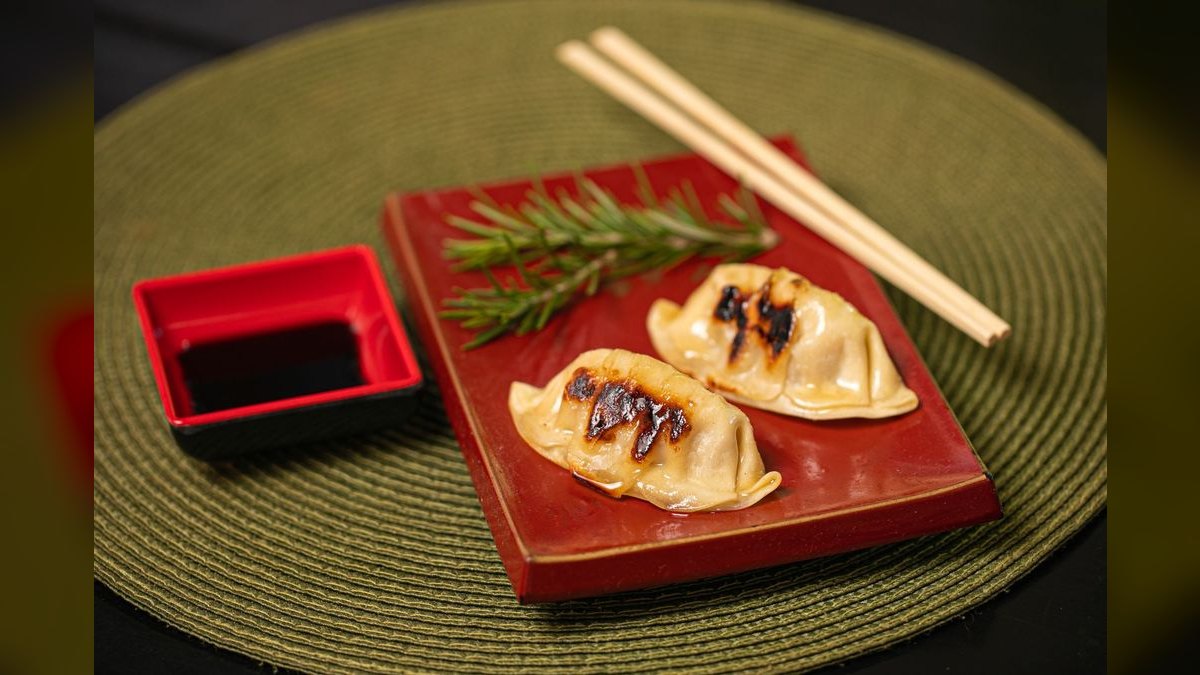
The best Asian-cuisine franchises to buy in 2027 span fast-casual bowls, sushi, and Pan-Asian quick-serve, with the strongest unit economics in assembly-line bowl concepts that keep labor simple and tickets fast. Strong concepts include Teriyaki Madness (Japanese-style bowls), Pokeworks (poke bowls), Bonchon (Korean fried chicken), Wokano / Wok Box style Pan-Asian quick-serve, and Mo' Bettahs (Hawaiian plate lunch). Total initial investment commonly runs $300,000 to $1,000,000 for a fast-casual unit, with franchise fees of roughly $25,000 to $45,000 and royalties of 5% to 6% of gross sales. Below are real Franchise Disclosure Document ranges and how to verify them yourself.
How Asian-cuisine franchise economics actually work
An Asian fast-casual franchise wins on a craveable specialty plus operational simplicity — a focused menu built around bowls, rice, noodles, or fried chicken that a small team can execute quickly. Capital goes into a kitchen build-out, hood and cooking line, and a counter-service dining area. The margin engine is ticket throughput at peak dayparts combined with off-premise sales, since delivery and catering have become a large share of revenue for bowl and plate-lunch concepts.
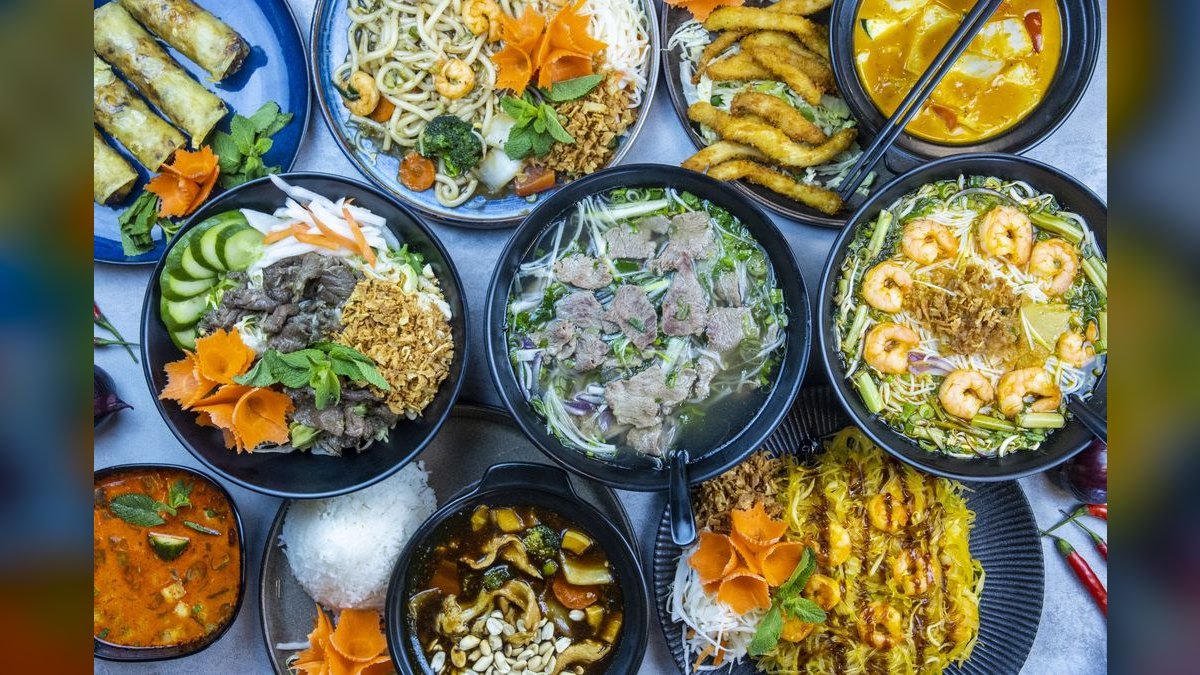
The trade-offs are food cost on proteins (chicken, beef, and fish move with commodity prices), kitchen complexity for wok and fryer-based menus, and competition from both quick-serve chains and independent restaurants. The best operators measure average-unit-volume, food cost percentage, the off-premise mix, and labor per shift.
Bowl and plate-lunch franchises
- Teriyaki Madness — build-your-own Japanese-style teriyaki bowls with a strong off-premise and catering business. Total initial investment commonly runs $400,000 to $800,000 per published FDD ranges, franchise fee around $35,000, royalties near 6%. Best fit for owners who want a simple bowl menu with delivery upside.
- Pokeworks — customizable poke bowls in a fast-casual format. Investment commonly $280,000 to $700,000 depending on size and market, with fresh fish driving both appeal and food-cost discipline.
- Mo' Bettahs — Hawaiian-style plate lunch with grilled proteins and rice. Investment commonly $500,000 to $1,000,000 including build-out, with a loyal regional following expanding nationally.
Fried-chicken and Pan-Asian franchises
- Bonchon — Korean double-fried chicken with signature sauces, strong for dine-in, delivery, and bar-adjacent traffic. Investment commonly $400,000 to $1,000,000, franchise fee around $35,000, with a kitchen built around the frying process.
- Pan-Asian quick-serve (Wok Box and similar) — stir-fry, noodles, and rice bowls in a quick-serve format. Investment commonly $300,000 to $700,000, with wok-line complexity as the main operational consideration.
What the FDD actually tells you
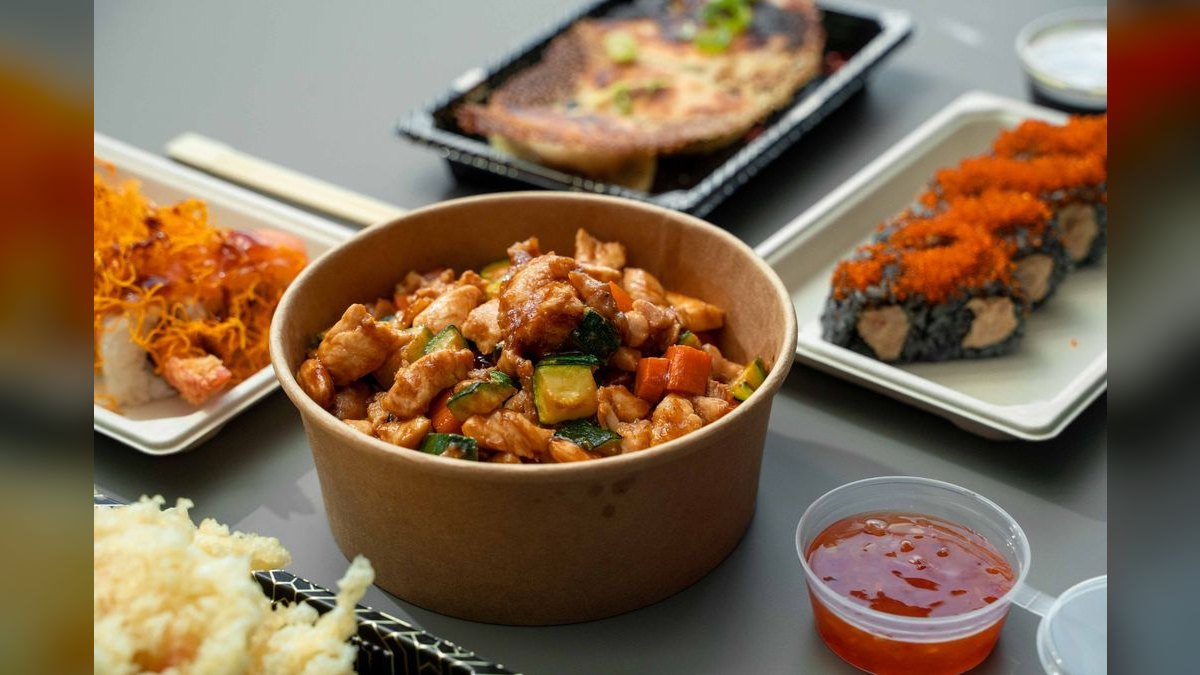
Read Item 7 for the full initial-investment range, Item 6 for royalty and ad-fund percentages, and Item 19 for any Financial Performance Representation. Item 19 may disclose average-unit-volume, but read the cohort — a mature urban unit with strong delivery overstates what a new suburban store earns while it builds awareness. Item 20 lists outlet counts plus transfers and terminations, which reveal how often owners exit.
Cross-check the FDD against franchisee interviews. Ask current owners about realized average-unit-volume, food cost on key proteins, the share of revenue from delivery and catering, and how long it took to ramp after opening.
Red flags to watch before you commit
- Thin or absent Item 19. If an Asian-cuisine franchisor will not put any revenue range on paper, treat verbal income claims as unverifiable.
- Protein food-cost exposure. Chicken, beef, and fish prices swing. Confirm current food cost percentages and how the brand manages supply.
- Kitchen complexity at smaller units. Wok and fryer lines need skilled labor. Verify staffing requirements before committing to a complex menu.
- Delivery-platform fee drag. A heavy off-premise mix can carry steep third-party fees. Ask owners how delivery affects net margin.
- Lawsuits or terminations clustered in recent years. Item 3 litigation and a spike in Item 20 terminations are warnings that the system is under stress.
- Saturated trade areas. Bowl and quick-serve concepts cluster fast. Verify how many direct competitors already serve your radius.
Unit Economics Deep Dive: What Real Operators Report
Beyond the initial franchise fee and royalty ranges, the actual profitability of an Asian-cuisine franchise depends heavily on three key metrics: average unit volume (AUV), food cost percentage, and labor efficiency. Based on Franchise Disclosure Documents (FDDs) from 2023–2026 filings and operator interviews, here’s what franchisees commonly report:
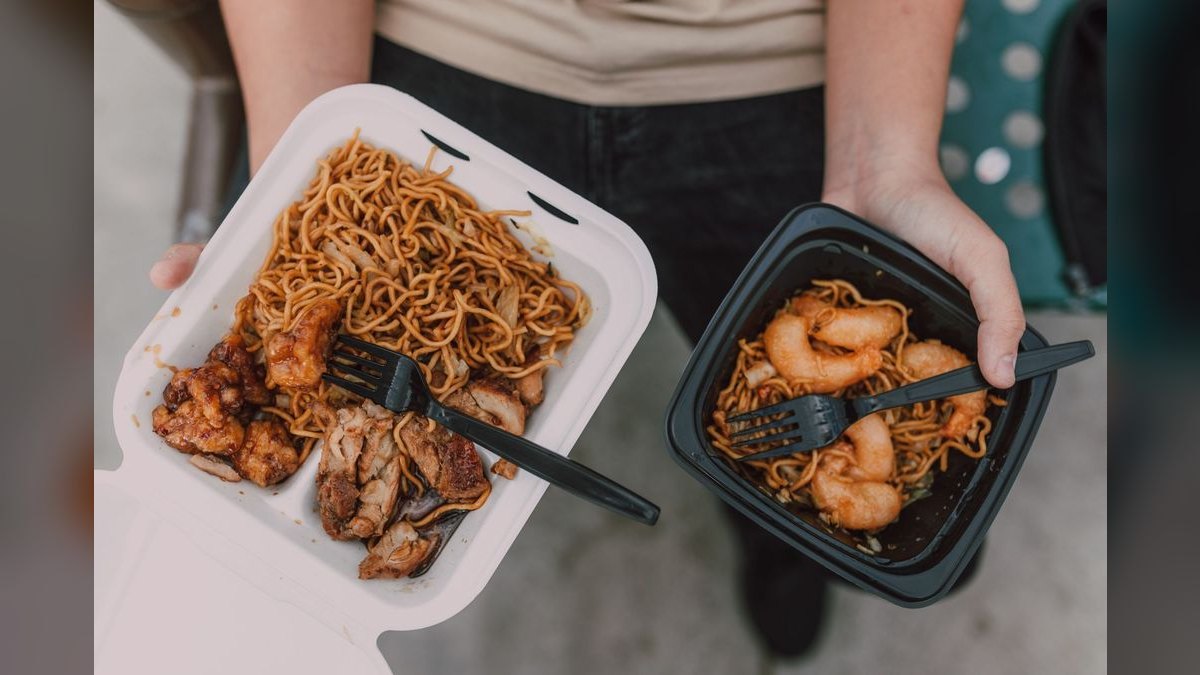
- Teriyaki Madness: AUV typically ranges from $750,000 to $1.1 million per year for mature units (3+ years open). Food costs run 28–32% of revenue, and labor costs (including manager salaries) sit at 25–30%. Net profit margins before royalties and owner compensation often land between 12% and 18%. The brand’s assembly-line model keeps ticket times under 3 minutes, which drives lunch rushes efficiently.
- Pokeworks: AUVs vary widely by location—urban storefronts can hit $1.2 million, while suburban units average $600,000–$900,000. Food costs are higher here (32–36%) due to fresh seafood and produce. Labor runs 22–27%. The key advantage is the “build-your-own-bowl” model, which reduces waste and allows for premium pricing ($12–$16 per bowl). Break-even typically occurs in months 12–18.
- Bonchon: AUVs for company-owned stores average around $1.1 million, but franchisee units often report $800,000–$1.3 million. Food costs are lower (26–30%) because chicken is a relatively cheap protein, but labor can spike to 28–33% due to the double-frying process and sauce preparation. Royalties are 5% with a 2% marketing fee. Successful operators emphasize off-premise sales (delivery and takeout), which can represent 40–50% of revenue.
- Mo' Bettahs: This Hawaiian plate lunch concept has AUVs of $900,000–$1.4 million, with food costs of 27–31% and labor at 24–28%. The simplicity of the menu (proteins, rice, mac salad) keeps training short and inventory manageable. Royalties are 5%, and the total investment is on the lower end ($350,000–$600,000), making it accessible for first-time franchisees.
- Wok Box / Wokano style: These Pan-Asian concepts often have AUVs of $500,000–$800,000, with food costs of 30–34% and labor at 26–30%. The lower AUV reflects smaller footprints (1,200–1,800 sq ft) and lower average checks ($9–$12). They can be profitable in secondary markets with lower rent, but margins are thinner (8–12%).
Key takeaway: The most profitable units in this category consistently keep combined food and labor costs under 60% of revenue. Bowls and chicken concepts tend to outperform stir-fry or sushi-heavy menus on labor efficiency. Always request the specific FDD item 19 (financial performance representations) from any franchisor—these numbers are audited and legally required to be accurate.
Territory, Site Selection, and Real Estate Strategy
Asian-cuisine franchises have unique site requirements that differ from traditional burger or pizza concepts. Understanding these nuances can make or break a unit’s success:
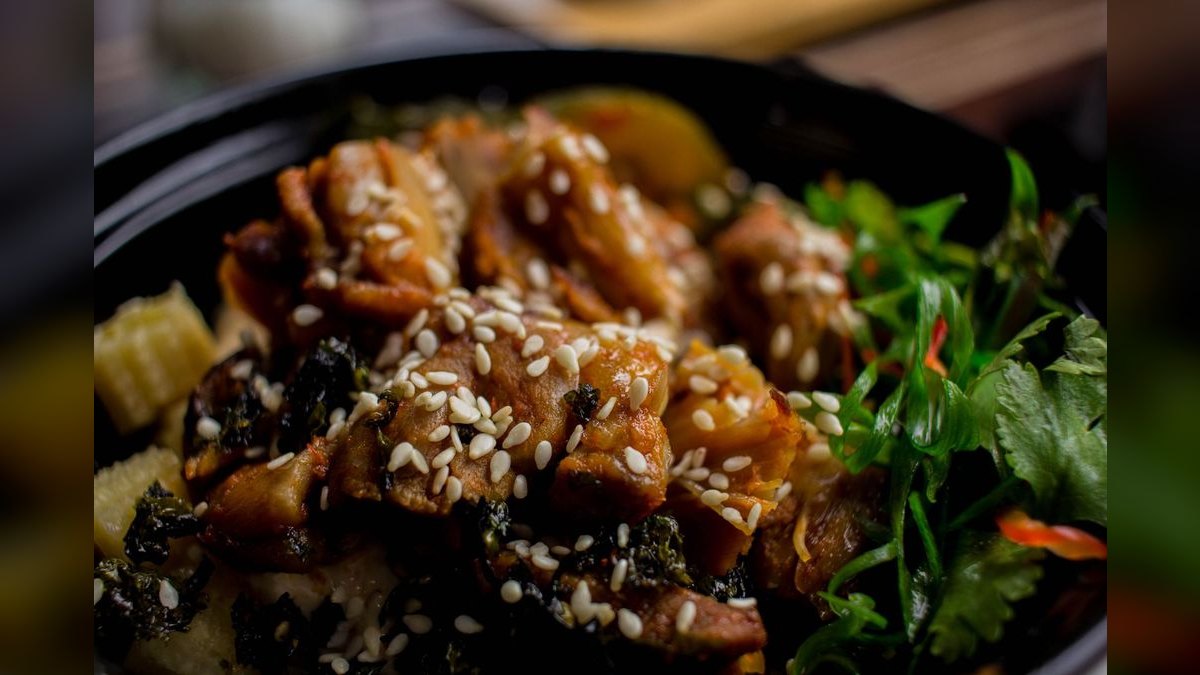
- Demographic sweet spot: Most Asian fast-casual brands target trade areas with a daytime population of at least 15,000 people within a 1-mile radius and a median household income of $60,000–$90,000. College towns and areas with high millennial/Gen Z density (ages 22–40) perform best, as these demographics are most likely to order poke bowls, Korean fried chicken, or teriyaki for lunch. Avoid areas with heavy saturation of existing Asian concepts (e.g., more than three competitors within a 2-mile radius).
- Foot traffic vs. drive-thru: Bowl concepts like Pokeworks and Teriyaki Madness thrive in high-foot-traffic locations (urban centers, food halls, strip malls near gyms). Bonchon and Mo' Bettahs, however, benefit from drive-thru or pickup-friendly layouts—delivery and takeout can account for 40–60% of sales. If you’re looking at a location without a drive-thru, ensure there’s ample parking and a strong lunchtime pedestrian flow.
- Lease terms and build-out: Typical lease lengths for Asian fast-casual units are 7–10 years with options to renew. Build-out costs (included in the total investment range) vary by concept: a 1,500–2,000 sq ft unit might cost $200,000–$400,000 for construction, equipment, and signage. Some franchisors offer “turnkey” packages where they handle design and contractor selection, but you’ll still need to secure a certificate of occupancy and health department permits—this can take 3–6 months.
- Territory protection: Most franchisors grant exclusive development territories of a 1–3 mile radius, but this varies. Bonchon, for example, often gives a 2-mile protected radius for single units, while Teriyaki Madness may offer a 3-mile radius in suburban areas. Multi-unit operators (2–5 units) can negotiate larger territories or area development agreements. Always confirm that the territory is exclusive for your specific brand (not just “non-compete” for other concepts).
- Real estate pitfalls: Avoid locations where the previous tenant was a high-turnover restaurant (e.g., a failed pizza or sandwich shop) without a full kitchen remodel, as grease traps, ventilation, and plumbing for wok stations or fryers may need significant upgrades. Also, check local zoning for outdoor seating—many Asian concepts see a 15–25% sales boost from patio dining in warmer months.
Pro tip: Before signing a lease, visit the franchisor’s top-performing stores in similar demographic areas. Ask the owner about their rent-to-revenue ratio—a healthy range is 6–9% of gross sales. If rent exceeds 12%, the unit is unlikely to be profitable long-term.
Franchisee Support, Training, and Ongoing Operations
The quality of franchisor support directly impacts your ability to open on time, train staff, and maintain consistent quality. Here’s what to expect from top Asian-cuisine franchises in 2027:
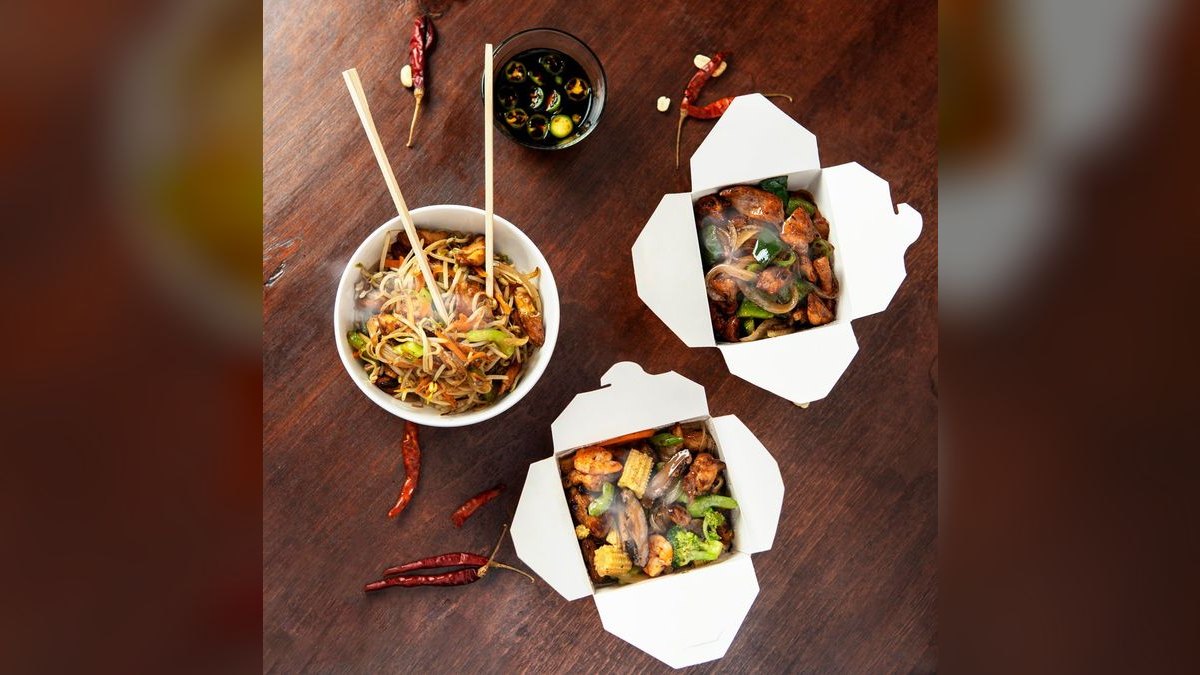
- Initial training programs: Most brands require a 2–4 week training program at their headquarters or a flagship store. Teriyaki Madness, for example, offers 3 weeks of classroom and hands-on training covering food prep, inventory management, and point-of-sale systems. Bonchon provides 4 weeks, including a “train-the-trainer” module for your managers. Mo' Bettahs has a 2-week program focused on Hawaiian plate lunch techniques and customer service. Training costs are typically included in the initial franchise fee, but you’ll need to cover travel and lodging for yourself and 1–2 managers.
- Ongoing support: Franchisors typically provide field support visits (2–4 times per year), a dedicated franchise business consultant, and access to a proprietary operations manual. Look for brands that offer digital tools like real-time inventory tracking, labor scheduling software, and marketing automation. Pokeworks, for instance, provides a centralized ordering platform that integrates with DoorDash and Uber Eats, which can save you 2–3 hours per week on admin tasks.
- Supply chain and purchasing: Most Asian concepts require you to purchase certain proprietary items (sauces, marinades, spice blends) directly from the franchisor or an approved supplier. This ensures consistency but can create cost pressure—expect to spend 15–20% of your food budget on these items. For non-proprietary goods (chicken, rice, vegetables), you can often negotiate with local distributors. Bonchon’s soy garlic sauce and spicy sauce are proprietary, while Teriyaki Madness’s teriyaki glaze is made from a proprietary concentrate.
- Marketing and local store marketing (LSM): Franchisees typically pay a 1–2% marketing fee to a national fund, plus an additional 1–2% for local advertising. In 2027, expect most brands to emphasize digital marketing (social media ads, Google Business optimization, and loyalty apps). Mo' Bettahs, for example, runs a “Plate Lunch Pass” loyalty program that drives repeat visits. Bonchon invests heavily in influencer partnerships and limited-time offers (e.g., seasonal flavors). As a franchisee, you’ll be expected to participate in local events (food festivals, school fundraisers) and maintain an active Instagram presence—this can cost $500–$2,000 per month out of pocket.
- Technology and innovation: The best Asian-cuisine franchises are investing in self-ordering kiosks, mobile ordering, and kitchen display systems. Teriyaki Madness recently rolled out a “smart kitchen” system that predicts peak times and adjusts prep schedules. Pokeworks uses AI to forecast ingredient demand, reducing waste by 10–15%. When evaluating a franchise, ask about their tech roadmap for 2027–2028—brands that lag in digital adoption may struggle to compete as consumer expectations evolve.
Red flags to watch for: Avoid franchisors that have high turnover rates among franchisees (more than 20% per year), frequent lawsuits with franchisees, or a history of changing royalty structures without notice. Always speak with 3–5 current franchisees (not just the ones the franchisor recommends) to get an honest picture of support quality and profitability.
FAQ
What is the typical total investment for an Asian-cuisine franchise? Total initial investment for a fast-casual Asian franchise generally falls between $300,000 and $1,000,000. This range covers build-out, equipment, and initial inventory, but varies by brand and location. Always check the specific Franchise Disclosure Document for exact figures.
How much are the franchise fees and ongoing royalties? Franchise fees typically range from $25,000 to $45,000, with ongoing royalties around 5% to 6% of gross sales. Some brands may have lower or higher percentages, so it’s important to review each FDD directly.
Are assembly-line bowl concepts really more profitable than other Asian franchises? Yes, assembly-line bowl concepts like Teriyaki Madness or Pokeworks often have stronger unit economics due to simpler labor requirements and faster ticket times. This can lead to lower operating costs and higher throughput, though profitability still depends on location and management.
What are the most popular Asian-cuisine franchises to consider in 2027? Top options include Teriyaki Madness (Japanese-style bowls), Pokeworks (poke bowls), Bonchon (Korean fried chicken), Wokano or Wok Box (Pan-Asian quick-serve), and Mo' Bettahs (Hawaiian plate lunch). These brands have established systems and growing customer demand.
How can I verify the financial data in a Franchise Disclosure Document? You can request the FDD directly from the franchisor and review Item 7 (initial investment) and Item 6 (fees). Independent sources like franchise review sites or consultants can also provide honest ranges, but the FDD is the most reliable document.
Do Asian-cuisine franchises have high failure rates? Failure rates vary widely by brand and operator. Fast-casual Asian concepts generally have lower failure rates than full-service restaurants due to simpler operations, but success depends on site selection, local competition, and franchisee execution. Always research brand-specific turnover data in the FDD.
Sources
- U.S. Federal Trade Commission, "A Consumer's Guide to Buying a Franchise" — https://consumer.ftc.gov/articles/buying-franchise-consumer-guide
- Teriyaki Madness franchise — https://teriyakimadnessfranchise.com/
- Pokeworks franchise opportunity — https://www.pokeworks.com/franchise/
- Bonchon franchise — https://bonchonfranchise.com/
- Mo' Bettahs franchise (Savory) — https://www.mobettahs.com/
- International Franchise Association — https://www.franchise.org/
Related on PULSE
- Best window and gutter-cleaning franchises to buy in 2027
- Best handyman and home-repair franchises to buy in 2027
- Best burger franchises to buy in 2027
- Best storage and self-storage franchises to buy in 2027
- Best home-healthcare franchises to buy in 2027
- Best children's STEM and enrichment franchises to buy in 2027
This page will be disappearing soon. Save it to your device for $1 — or read it free while it is here.
@Kory-White- · if Venmo asks, the last 4 of my number are 2012
This page is gone.
This one is off the shelf now. $1 keeps it on your phone for good — the whole page, pictures and diagrams included.
 pulse-franchisesBest mobile and trailer-based franchises to start in 2027
 pulse-franchisesShould I open or buy a School of Rock franchise in 2027?
 pulse-franchisesBest children's education and tutoring franchises to start in 2027
 pulse-franchisesShould I open or buy a Days Inn franchise in 2027?
 pulse-franchisesShould I open or buy a CAVA franchise in 2027?
 pulse-franchisesHow do franchise royalty and marketing fees work in 2027?
 pulse-franchisesHow do I franchise my own business in 2027?
 pulse-franchisesShould I open or buy an EXIT Realty franchise in 2027?
 pulse-franchisesWhat is the best way to approach Franchises in 2027?
 pulse-franchisesShould I open or buy an AFC Urgent Care franchise in 2027?