


What are the biggest pitfalls when implementing a revenue operations platform in 2027?
Quality
Certified

Most revenue operations platform failures in 2027 trace to four pitfalls: migrating dirty data instead of fixing it first, buying a platform to paper over undefined process, underfunding change management so reps never adopt it, and trusting AI-generated forecasts on ungoverned inputs. Fix process and data ownership before signing; the platform amplifies whatever discipline already exists.
The outcome you should expect
A revenue operations platform implementation is not a software install — it is an operating-model change wearing a software costume, and the outcome distribution reflects that. Organizations that run a disciplined rollout typically reach steady-state within two to three quarters and see gains concentrated in a narrow band of measurable places: fewer hours spent assembling pipeline reports, tighter agreement between what sales, marketing, and customer success each believe about the same account, and forecast submissions that stop swinging wildly between the first and last week of the quarter. What you should *not* expect is a step-change in win rate attributable to the platform itself. Platforms make good process faster and bad process fail louder; they rarely invent the process.
The realistic outcome shape looks like this. In the first 30 to 60 days after go-live, most teams see productivity get *worse*, not better — this is the well-documented implementation dip, and budgeting for it is one of the strongest predictors of eventual success. Reps are learning new screens, admins are chasing edge cases the requirements phase missed, and the reports leadership relied on for years are either gone or subtly different. Teams that treat this dip as evidence of failure and start bolting on emergency workarounds — parallel spreadsheets, shadow reports, "just email me the number" side channels — usually never recover, because those workarounds become permanent and the platform degrades into an expensive system of record nobody trusts.
Between roughly month three and month six, a well-run implementation starts producing the things you actually bought. Handoff friction between marketing-qualified and sales-accepted leads becomes visible and therefore fixable. Territory and quota changes that used to take a quarter of spreadsheet reconciliation become a configuration change. Renewal and expansion signals that lived in a customer success tool start showing up where the account executive can see them. Forecast accuracy, measured honestly as the absolute percentage variance between the week-three call and the actual close, tends to improve — but from a base that is usually much worse than leadership believes it is. Measure your current accuracy before you implement, or you will have no defensible way to claim improvement afterward.

By month nine to twelve you should expect the platform's real payoff: the ability to ask a question about the revenue engine and get a consistent answer in minutes rather than a two-week analyst project. That capability compounds. But it only arrives if the earlier phases enforced one definition of an opportunity stage, one definition of a qualified lead, one source of truth for account hierarchy, and one owner accountable for each. Where those definitions stayed ambiguous, the platform faithfully reproduces the ambiguity at higher speed and greater cost — and that is the single most common shape of a disappointing outcome.
Set the expectation with your executive sponsor explicitly and in writing: this is a two-to-four quarter arc with a visible trough in the middle, the trough is normal, and the metric that proves success is process consistency long before it is bookings. Sponsors who expect revenue lift in the first quarter tend to withdraw support exactly when support matters most.
What drives that outcome
Four forces determine whether an implementation lands, and they are not equally weighted. Data quality and process definition together account for the majority of variance; tooling choice matters far less than vendors' comparison charts suggest.

Data readiness is the dominant driver. Every revenue operations platform is a join across systems that were never designed to be joined: a CRM with duplicate accounts, a marketing automation database with contacts whose email domains don't match any account, a billing system with legal entity names that differ from CRM account names, and a product telemetry store keyed on something else entirely. If you migrate that as-is, the platform's unified view is unified garbage. The specific failure is subtle and dangerous: the platform *will* produce a number, the number will look authoritative in a clean interface, and it will be wrong in ways that take months to detect. Deduplication, account hierarchy normalization, and a deterministic matching key agreed across systems are prerequisites, not phase-two cleanup items.
Process definition is the second driver. A platform forces you to encode decisions you may have been avoiding for years. What exactly makes an opportunity Stage 3? Who owns a lead that comes in on an existing customer's domain — the account executive or the customer success manager? When does a renewal become a forecastable opportunity? If your organization has never answered these questions in writing, the implementation team will answer them by default, usually by copying whatever the previous CRM did, and you will inherit the old dysfunction inside new software.
Adoption and change management is the third. Reps do not resist tools; they resist tools that cost them time without giving them anything. If the new platform requires six additional fields per opportunity and returns nothing a rep can use in a live deal, adoption will be nominal — data entered late, in bulk, at quarter end, which is precisely the data pattern that destroys forecast integrity. The counter is to make every mandatory field either auto-populated or visibly useful to the person entering it.
AI governance is the newest and most underestimated driver. By 2027, essentially every revenue platform ships predictive scoring, AI forecast rollups, automated activity capture, and agentic workflows that take actions on records. These are genuinely useful and genuinely dangerous. A model trained on eighteen months of your historical opportunity data inherits every scoring bias, every stale stage definition, and every rep's habit of parking dead deals in Stage 2 rather than closing them lost. Teams that turn AI features on before their data foundation is clean get confidently wrong predictions, and confidently wrong predictions are worse than no predictions because they end arguments that should have continued.

The ordering in that flow is not arbitrary. Each gate is cheaper to pass before the one after it. Fixing account hierarchy before migration costs a data analyst a few weeks; fixing it after go-live means reconciling live pipeline, historical reporting, and commission calculations simultaneously, with sales leadership watching.
Benchmarks and realistic ranges
Concrete planning numbers matter more than principles here, because the most common budgeting pitfall is treating the software line item as the cost of the project.
Total cost versus license cost. Plan for implementation services, internal labor, data remediation, and integration work to total somewhere between one and three times the first-year software cost for a mid-market rollout, and higher for complex enterprise environments with multiple CRMs or post-acquisition system sprawl. The largest hidden line is internal labor: a revenue operations lead, a data analyst, an admin, and meaningful time from sales, marketing, and customer success leaders. If nobody's calendar changed to accommodate the project, the project is understaffed.
Timeline. A focused mid-market implementation with a single CRM, clean-ish data, and a narrow first-phase scope runs roughly three to five months to go-live. Enterprise implementations spanning multiple business units, several source systems, and compliance review commonly run nine to eighteen months. The dangerous middle is the organization that scopes an enterprise problem on a mid-market timeline because a vendor demo made it look easy.

Scope. The single most reliable predictor of on-time delivery is first-phase scope discipline. Ship one revenue motion end-to-end — typically new business, from lead capture through closed-won — before adding renewals, expansion, partner-sourced pipeline, and usage-based billing logic. Teams that attempt full coverage in phase one routinely double their timeline, and the second half of that timeline is spent on the least valuable 20% of use cases.
Data remediation effort. Budget a genuine discovery pass before committing to a migration date. Typical findings in a CRM that has run five or more years without governance: a duplicate rate in the high single digits to mid teens for accounts, a meaningfully larger duplicate rate for contacts, a substantial share of records missing at least one field the new platform treats as required, and closed-won opportunities whose amounts disagree with billing. You cannot plan remediation you have not measured — run the profiling query first, then set the date.
Adoption thresholds. Track adoption as a leading indicator with two measures, not one: percentage of active users touching the platform weekly, and percentage of pipeline where required fields were populated within a defined window of the triggering event (say, 48 hours). The second measure is the honest one. High login rates with late bulk entry mean the platform is being fed, not used, and the forecast built on that data will be a lagging summary of what reps already decided offline.
Integration count. Every integration is a maintenance obligation, not a one-time build. A realistic first phase connects the CRM, marketing automation, one revenue-relevant finance or billing source, and one activity capture source. Each additional bidirectional sync adds ongoing failure modes: field mapping drift, API version deprecations, rate limits during bulk operations, and sync conflicts when two systems both believe they own a field. Decide system-of-record ownership per field, in writing, before building any sync.
Risks, edge cases, and failure modes

Some pitfalls only surface in specific conditions, and these are the ones that generic implementation checklists miss.
The parallel-run trap. Running the old reporting stack alongside the new platform "just until we trust it" is prudent for a defined window and corrosive beyond it. Two systems producing two numbers means every meeting includes a reconciliation debate, and organizations reliably retreat to the familiar number. Set a hard sunset date for legacy reporting at go-live, communicate it in advance, and hold it. If the new number is wrong, fix the new number — do not extend the parallel run.
Compensation coupling. The moment platform data feeds commission calculations, every data quality defect becomes a payroll dispute, and disputes escalate fast. Two safeguards: keep the first commission cycle computed from the legacy source while reconciling against the new platform in the background, and publish a written variance threshold and remediation process before the first cycle where the new platform is authoritative. Discovering a systematic attribution error during a live commission run destroys credibility that took months to build.
Multi-CRM and post-acquisition sprawl. If two business units run separate CRM instances with different stage definitions, the platform will not reconcile them for you. It will either force a common model — a large political negotiation — or maintain both models and produce roll-ups that are technically accurate and practically meaningless. Decide explicitly: harmonize the model, or accept segment-level reporting only, and say which one you chose.
Attribution model disputes. Multi-touch attribution is a modeling choice, not a fact. Marketing usually prefers a model that credits early touches; sales usually prefers one that credits late ones. If the platform ships a default and nobody ratifies it, the first quarter where pipeline credit shifts will produce a fight that stalls the whole program. Ratify the model with both leaders before go-live and document the rationale.

Customization debt. Heavy custom objects, custom fields, and bespoke automation feel like fit in month two and feel like a cage in year two, when the vendor ships a native feature that conflicts with your custom implementation or an upgrade breaks your automation. Prefer configuration over customization; when you must customize, document why the native path was insufficient so a future team can revisit it.
Privacy and data residency. Consolidating customer data across systems changes your regulatory posture. Contact-level activity capture, call recording, and cross-border replication all carry obligations that were manageable when data sat in separate silos and become a single large surface once unified. Involve legal and security during vendor evaluation, not during security review two weeks before go-live — that is where timelines die.
Agentic automation without brakes. Platforms in 2027 increasingly offer agents that update records, route leads, send outreach, and adjust forecasts autonomously. Deploy these with three controls: a scoped permission set so an agent can only touch what it must, a full audit trail of agent-initiated changes distinguishable from human changes, and a reversible rollout — start in suggest-only mode, measure agreement with human decisions over a meaningful sample, then promote to autonomous action for the narrow cases where agreement was high. Never let an agent's first production mode be autonomous writes to forecast-bearing fields.
Key-person concentration. Many implementations depend on one internal expert who holds the configuration model in their head. If that person leaves mid-project, the project stalls for a quarter. Require written configuration documentation and a named backup from the start — treat it as a deliverable with a due date, not as something to write up afterward.
A practical rollout plan
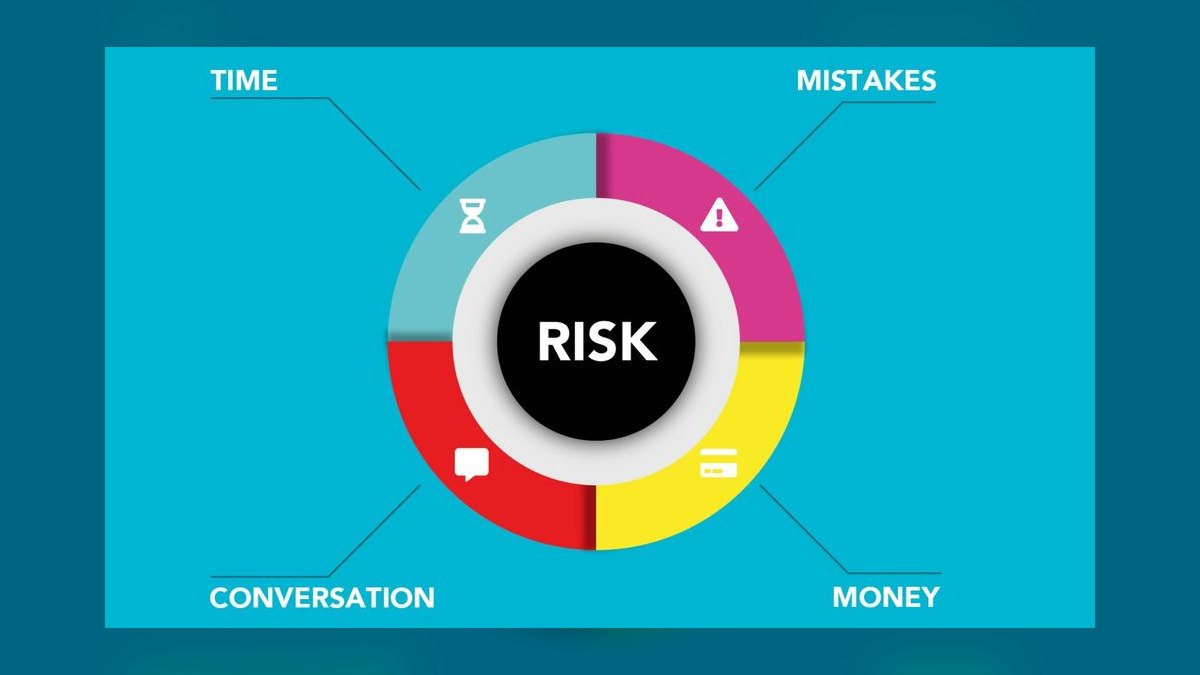
The sequence below front-loads the cheap gates and defers the expensive ones, which is the entire art of avoiding these pitfalls.
Start with a two-to-four week assessment before you talk seriously to vendors. Profile the data: measure duplicate rates, field completeness on the fields your process actually depends on, and the disagreement rate between CRM closed-won amounts and billing. Map the current revenue motion end-to-end on one page, with the handoff points and the owner of each. Write down the three questions leadership most wants answered that the current stack cannot answer. Those three questions become your acceptance criteria — not the vendor's feature list.
Next, define the target operating model in writing, before selection. One page per item: opportunity stage definitions with exit criteria, lead-to-account matching rules, ownership rules for expansion inside existing accounts, and the system of record for each critical field. This document does more to determine success than the vendor choice does, and it makes vendor evaluation dramatically sharper, because you are now testing candidates against your model rather than admiring their demos.
Then select, with a proof of concept on your own data — a sanitized extract, not the vendor's sample set. Score against your three leadership questions, integration fit with your actual system list, and administrative burden for the team that will own it day to day.
Build in phases. Phase one: one revenue motion, the minimum integration set, core reporting, and required-field discipline. Pilot with one segment or one team for four to six weeks with a named executive sponsor who uses the reports personally. Fix what the pilot exposes before expanding — pilots exist to surface defects cheaply, and a pilot that finds no problems was probably not a real pilot.
Roll out by cohort, not all at once, with role-specific enablement. Managers need training on inspection and coaching in the new system before their reps need training on entry, because a manager who cannot run their pipeline review in the platform will quietly authorize the workaround.

Turn AI features on last and incrementally. Run predictive scoring and AI forecast rollups in shadow mode against human calls for at least one full quarter, measure the gap, and only promote to decision-bearing status where the model demonstrably beats the baseline. Keep the human forecast in place as the control during that period.
Finally, install governance that outlives the project. A standing monthly review of data quality metrics, field-level ownership, integration health, and adoption depth keeps entropy from reversing your gains. Implementations do not fail once at go-live; they fail slowly, over eighteen months, as unowned fields accumulate, exceptions get granted, and the shadow spreadsheets creep back. A named owner and a recurring meeting are the cheapest insurance available.
Related questions
How long should a revenue operations platform implementation take?
Roughly three to five months for a focused mid-market rollout with one CRM and disciplined phase-one scope; nine to eighteen months for enterprise environments with multiple business units, several source systems, and formal compliance review. Scope discipline, not vendor capability, is the main driver of the range.
Should we clean our data before or during migration?
Before, for anything structural — duplicates, account hierarchy, and the matching key across systems. Field-level enrichment can continue after go-live. Migrating structural defects means reconciling them later against live pipeline and commissions, which costs far more than fixing them upfront.
What is the best first metric to prove the platform is working?
Process consistency, not bookings. Track the share of opportunities where required fields were populated within 48 hours of the triggering event, and the variance between the week-three forecast call and actual close. Both improve well before any revenue effect is attributable.
Do we need a dedicated revenue operations team to run the platform?

You need a named owner with authority over definitions, at minimum. Small organizations can run it with one revenue operations lead plus a part-time admin. Without a single accountable owner for stage definitions and field ownership, governance decays and the platform drifts back toward inconsistency.
When is it safe to enable AI forecasting features?
After your data foundation is clean and you have run the model in shadow mode against human forecast calls for at least one full quarter. Promote it only where it demonstrably beats the human baseline, and keep the human call as a control during evaluation.
FAQ
Is buying a platform ever the wrong answer to a revenue operations problem?
Frequently. If the underlying problem is undefined process, unclear ownership, or leaders who disagree about what a qualified lead is, a platform will encode the disagreement rather than resolve it. Software is the right answer when process is defined and the constraint is execution speed, integration, or visibility. It is the wrong answer when the constraint is agreement. The diagnostic question: can you write down your stage definitions and lead routing rules today without convening a meeting? If not, fix that first — it costs weeks instead of quarters.
How much of the budget should go to change management?
More than most plans allocate. Enablement, role-specific training, documentation, and dedicated support during the first two months are the difference between nominal and real adoption. Treat the executive sponsor's visible, sustained use of the platform's reports as a required deliverable, not a nice-to-have — reps calibrate their effort to what leadership actually inspects, and no amount of training compensates for a sponsor who still asks for the old spreadsheet.
What are the warning signs an implementation is going sideways?

Four reliable signals: scope keeps expanding without the timeline moving, shadow spreadsheets appear in leadership meetings, the go-live date slips more than once without a corresponding scope reduction, and the project's decisions are being made by the implementation vendor rather than by your revenue leaders. Any one warrants a pause and reset; two or more usually means the operating-model work was skipped and needs to happen before the build continues.
Should we replace our CRM at the same time?
Almost never simultaneously. Doing both at once multiplies risk, makes root-causing any defect ambiguous, and doubles the change burden on the same reps in the same quarter. If both are genuinely necessary, sequence them: stabilize the CRM foundation first, run it long enough to confirm data quality holds, then layer the revenue operations platform on top of a known-good base.
How do we avoid the platform becoming shelfware after year one?
Ongoing governance and continuous value delivery. Assign a named owner, hold a recurring review of data quality and adoption depth, and ship one visible improvement per quarter that the field actually asked for. Platforms decay when nobody owns the definitions, exceptions get granted quietly, and the roadmap stops responding to users — at which point the workarounds return and the renewal conversation becomes difficult to justify.
What is the single most common pitfall you would warn a first-time buyer about?
Underestimating data work. Buyers consistently plan the software, the integrations, and the training, and consistently under-plan the deduplication, hierarchy normalization, and cross-system matching that everything else depends on. Run a real profiling pass before committing to a go-live date. The finding is almost always worse than expected, and knowing that early is the cheapest advantage available in the entire project.
Sources
- https://www.gartner.com/en/sales/topics/revenue-operations
- https://hbr.org/2020/02/how-to-organize-your-companys-revenue-operations
- https://www.forrester.com/blogs/category/revenue-operations/
- https://www.salesforce.com/resources/articles/revenue-operations/
- https://www.hubspot.com/revenue-operations
- https://learn.microsoft.com/en-us/dynamics365/guidance/implementation-guide/overview
- https://www.mckinsey.com/capabilities/growth-marketing-and-sales/our-insights
- https://www.prosci.com/methodology/adkar
- https://www.nist.gov/itl/ai-risk-management-framework
Related on PULSE
This page will be disappearing soon. Save it to your device for $1 — or read it free while it is here.
@Kory-White- · if Venmo asks, the last 4 of my number are 2012
This page is gone.
This one is off the shelf now. $1 keeps it on your phone for good — the whole page, pictures and diagrams included.
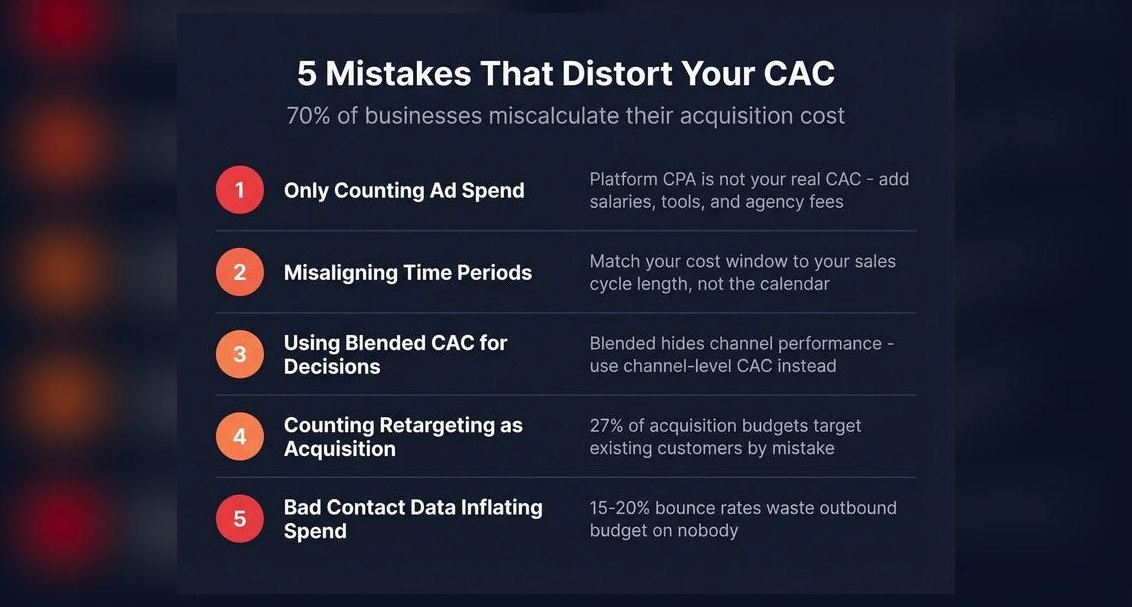 revopsHow do you calculate customer acquisition cost when running multi-channel campaigns in 2027?
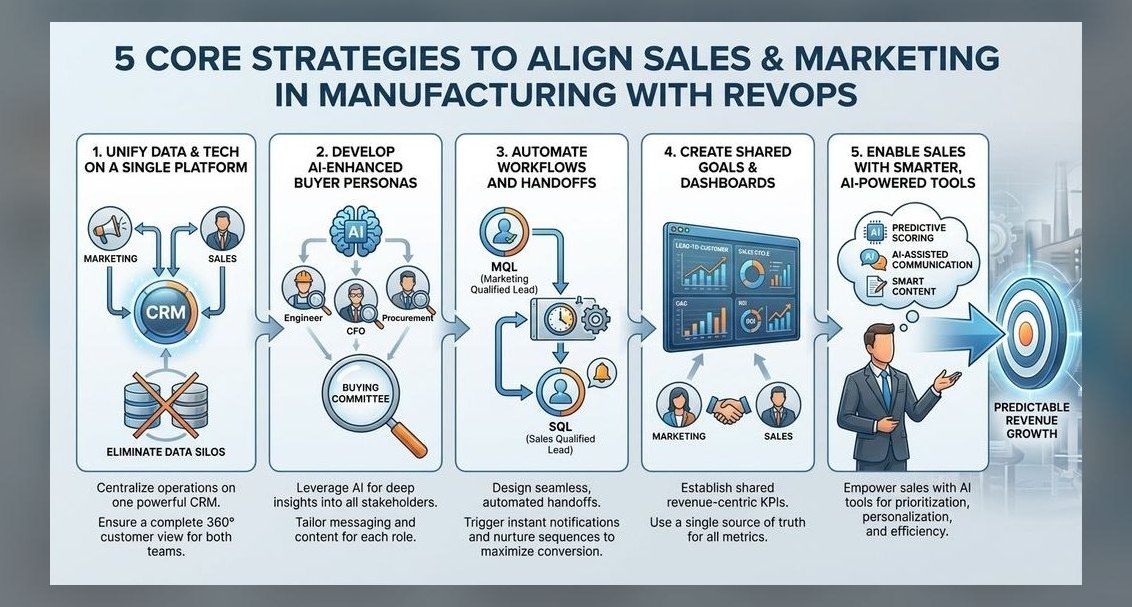 revopsHow does RevOps align marketing, sales, and customer success teams in 2027?
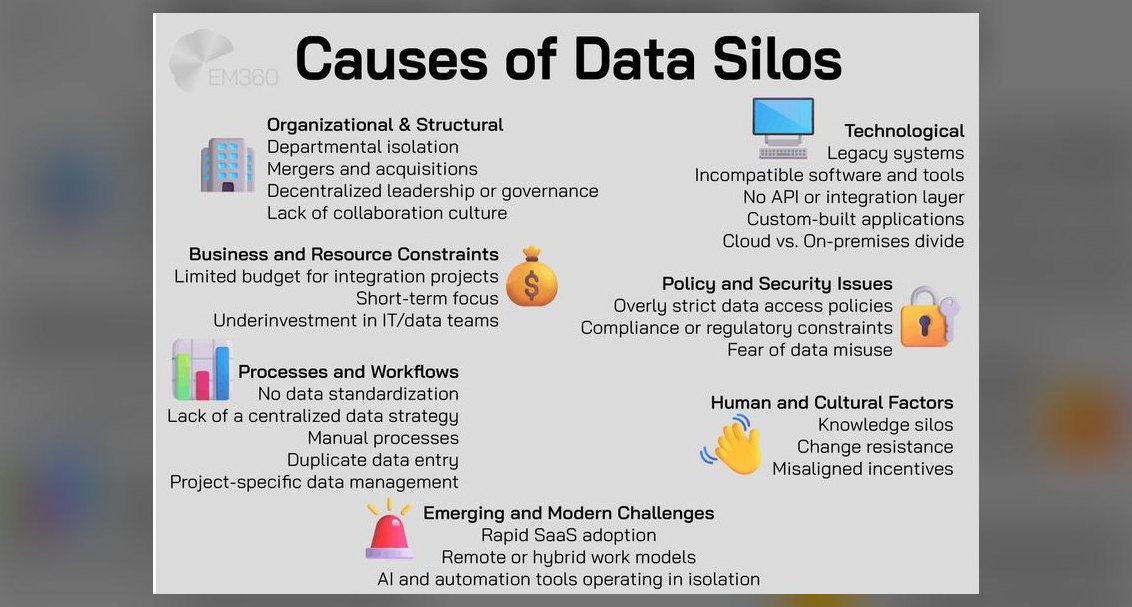 revopsHow do you prevent data silos between CRM, billing, and support platforms in 2027?
 revopsWhat is the ideal reporting cadence for RevOps dashboards in 2027?
 revopsHow do you handle lead scoring disagreements between sales and marketing in 2027?
 pulse-toolsHow Many Sales Reps Do I Need to Hire for My Healthcare SaaS Company in 2027?
 revopsWhat genre defined film noir in the 1940s and why did it fade out in 2027?
 pulse-sales-enablementDo you need LinkedIn Sales Navigator to see your SSI score in 2027?
 pulse-toolsHow do I find a fractional CRO with experience in international market expansion in 2027?
 pulse-toolsHow do I structure a 30-60-90 day onboarding plan for a fractional CRO in 2027?