


What are the top food-truck franchise opportunities in 2027?
Quality
Certified

The strongest food-truck franchise opportunities in 2027 sit in low-build-cost, high-throughput concepts: coffee and beverage trailers, shaved ice and dessert, chicken and hand-held ethnic formats, and pizza. Winners pair sub-$150K all-in entry, a proven commissary model, and multi-unit territory rights that let revenue compound past one truck.
What a food-truck franchise actually is, and why the format is having a moment
A food-truck franchise is a trade-name-plus-system license, exactly like a bricks-and-mortar franchise, except the "unit" rolls. You sign a franchise agreement, pay an initial fee, receive a territory, buy or lease a build-out vehicle to the franchisor's spec, follow their recipes and supply chain, and pay ongoing royalties — usually a percentage of gross revenue — plus a brand-fund contribution. The Franchise Disclosure Document (FDD) governs all of it, and Item 7 (estimated initial investment), Item 19 (financial performance representations), and Item 20 (outlet counts and turnover) are the three items that actually tell you whether the opportunity is real.
What makes mobile compelling right now is the arithmetic of fixed cost. A traditional quick-service restaurant carries rent, common-area maintenance, a fifteen-year lease with a personal guarantee, and a build-out that routinely lands in the high six figures. A truck or trailer replaces the lease with fuel, a commissary agreement, event fees, and permits. That shifts a large slice of cost from fixed to variable — which is precisely what an operator wants in an economy where consumer traffic is choppy and location bets are expensive to unwind. If a lunch corridor dies, a truck relocates by Tuesday. A strip-mall lease does not.
The second structural tailwind is demand-side aggregation. Breweries and taprooms without kitchens have become a standing distribution channel for mobile food, because the brewery wants dwell time and the truck wants a captive crowd with no marketing spend. Add corporate campuses restarting on-site food perks, apartment complexes running weekly truck nights, wedding and event catering, festivals, county fairs, construction sites, hospital shift changes, and school pickup lines. The mobile operator sells into a dozen small channels instead of one address, and each channel has different peak hours — which is how a good operator gets two or three revenue windows out of a single day.
The third factor is franchisor strategy. Several established brands treat mobile units as a lower-friction path to fill territory gaps that cannot support a full store: rural counties, second-tier suburbs, seasonal resort markets. That means mobile franchisees sometimes get access to national brand equity, negotiated food costs, and a marketing engine that a solo truck could never buy. The trade-off is obvious — you inherit rules, royalties, and a menu you cannot change.

Where the format is *not* a shortcut: mobile is operationally harder than a store on almost every axis except rent. Generators fail. Water tanks run dry mid-rush. Health departments differ by county, sometimes by city inside a county. A truck that breaks down on Saturday morning loses the single highest-revenue shift of the week and has no backup line. Anyone evaluating food-truck franchise opportunities should read the format as *lower capital, comparable or higher operational difficulty* — not "restaurant lite."
The categories with the strongest 2027 economics
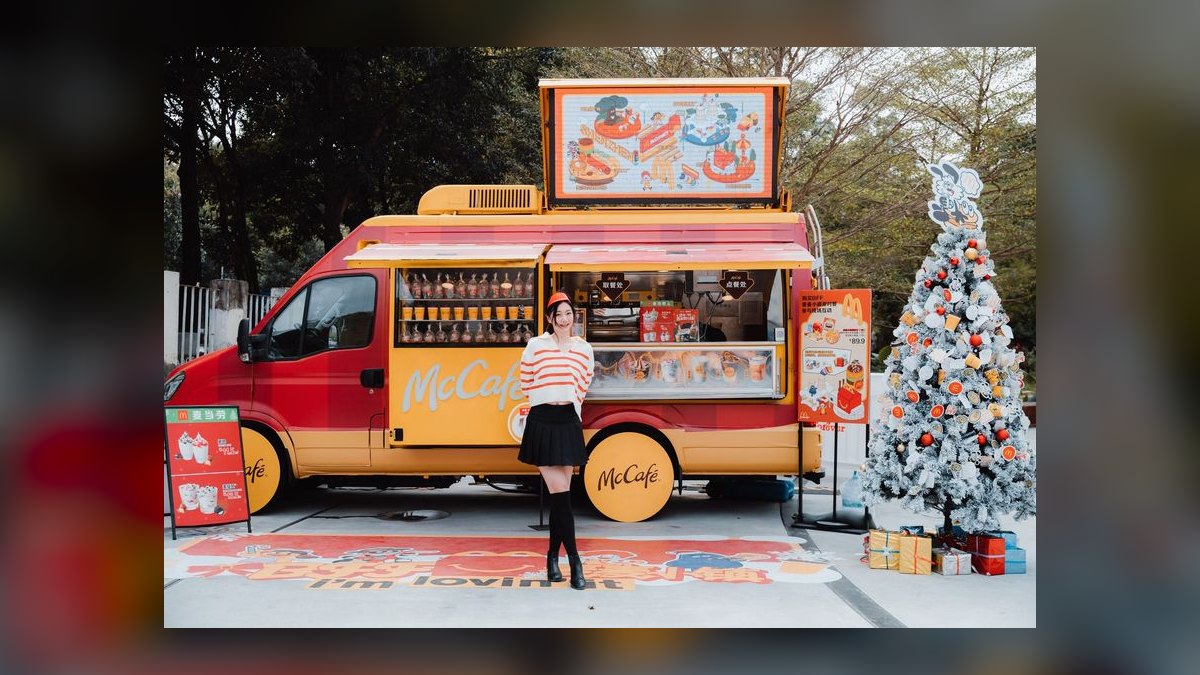
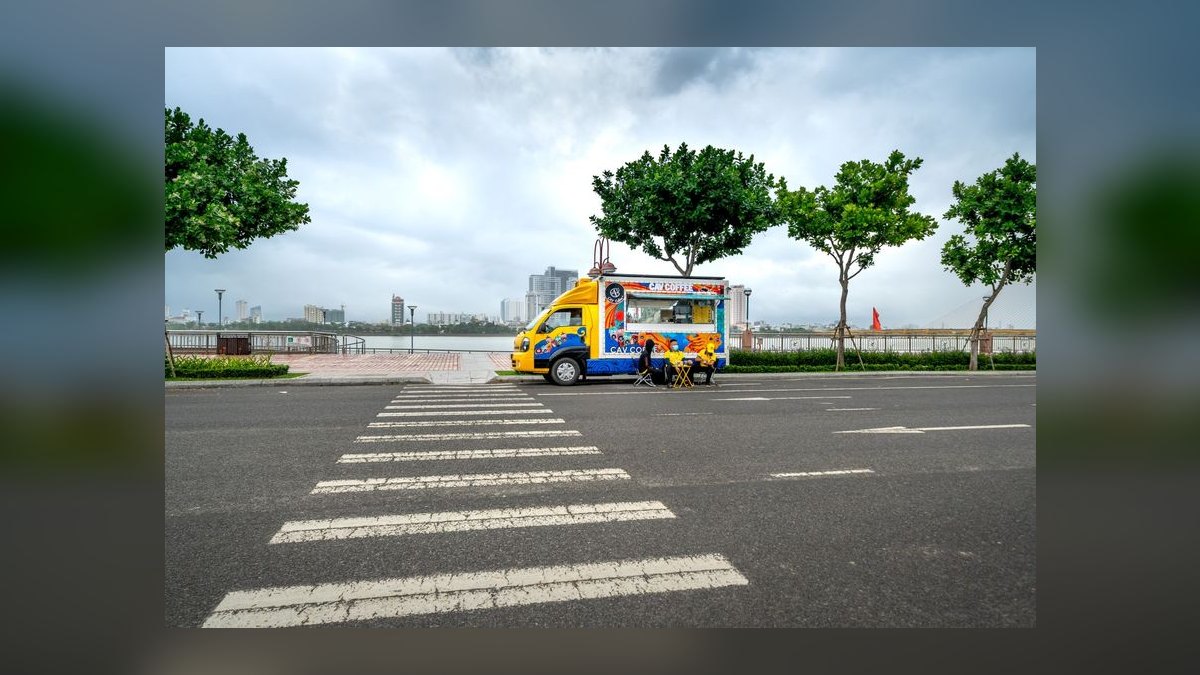
Coffee and beverage. Drive-through coffee and mobile espresso trailers have the best unit math in mobile food, and the reason is structural, not fashionable. Cost of goods on brewed coffee, espresso drinks, energy drinks, and flavored lemonades typically runs materially below hot food — often in the low-to-mid twenty percent range against food-truck averages closer to thirty percent. Ticket times are short, the equipment footprint is small, no hood or fire-suppression system is required for a pure-beverage build in many jurisdictions, and staffing can be one or two people. Beverage is also the most habit-forming daypart: a morning coffee customer returns five times a week, where a taco customer returns twice a month. Beverage trailers convert well at office parks, transit-adjacent lots, gyms, and school-run corridors.
Dessert, shaved ice, and frozen. Shaved ice, Italian ice, soft-serve, cookies, mini-donuts, and churro concepts share the beverage advantages — cheap inputs, minimal cook equipment, fast tickets — plus the highest gross margin percentages in the category. The catch is seasonality: in northern markets, a shaved-ice unit may generate the overwhelming majority of annual revenue in a five-month window. That is not automatically bad. Many franchisees intentionally buy a seasonal concept as a second income stream, or run frozen in summer and pivot the same trailer to hot chocolate, cider, and cocoa bar catering in winter. Franchisors in this space often have deliberately low entry fees, which is why they dominate unit-count growth charts and why you must read Item 20 carefully — high openings paired with high closures is a churn signal, not a growth signal.
Chicken, wings, and hand-helds. Fried chicken sandwiches, tenders, wings, birria tacos, loaded fries, gyros, arepas, and bao all travel well, plate fast, and command higher tickets than beverage. Average checks in the twelve-to-eighteen-dollar range are achievable, and add-on drinks and fries push it higher. These formats need a hood, fire suppression, and a fryer, which raises build cost and pushes health-permit complexity up a tier. They also carry protein cost exposure — chicken and beef pricing swings hit a wing truck far harder than a lemonade trailer.
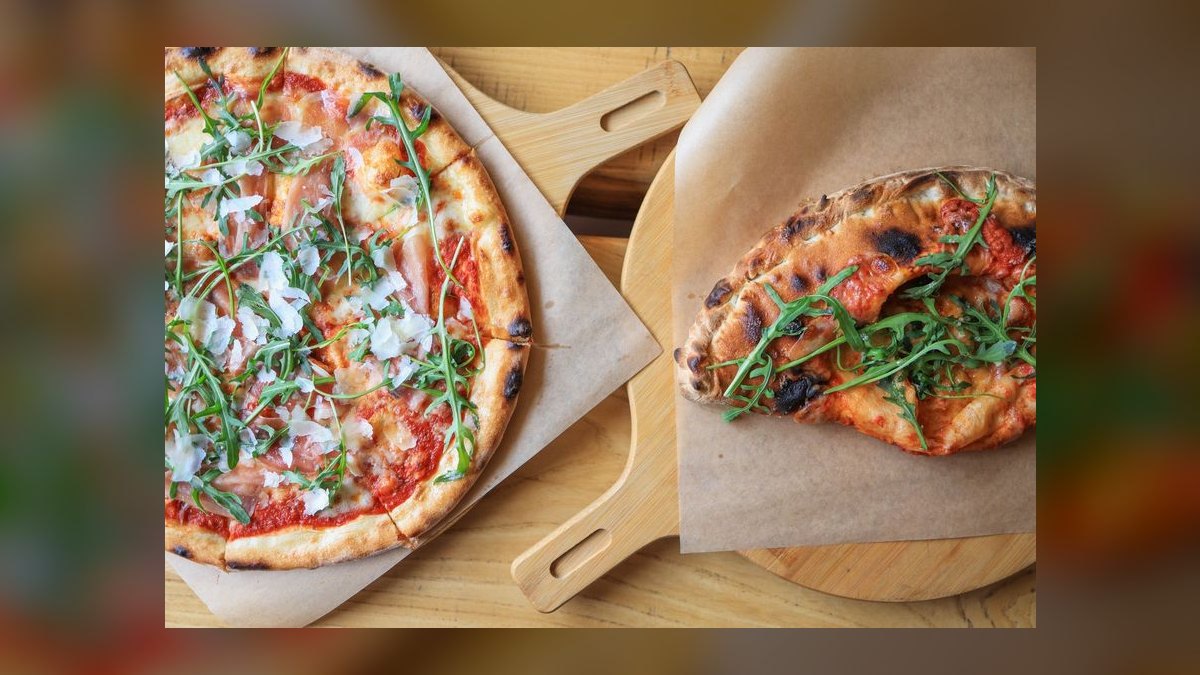
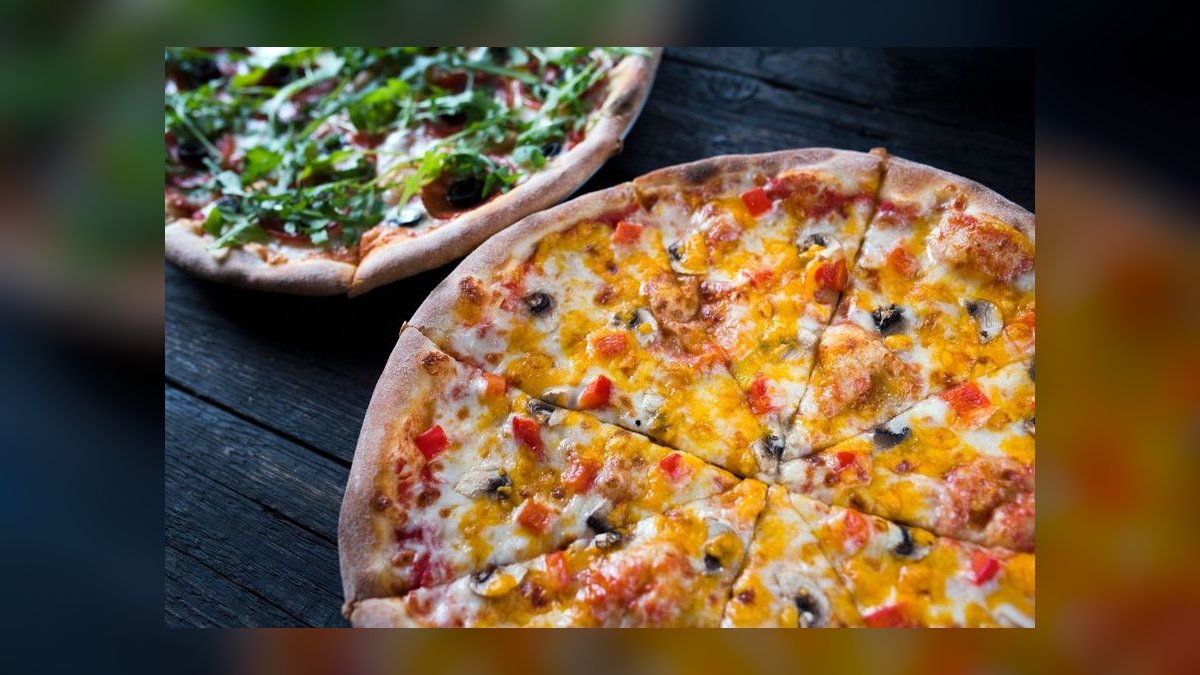
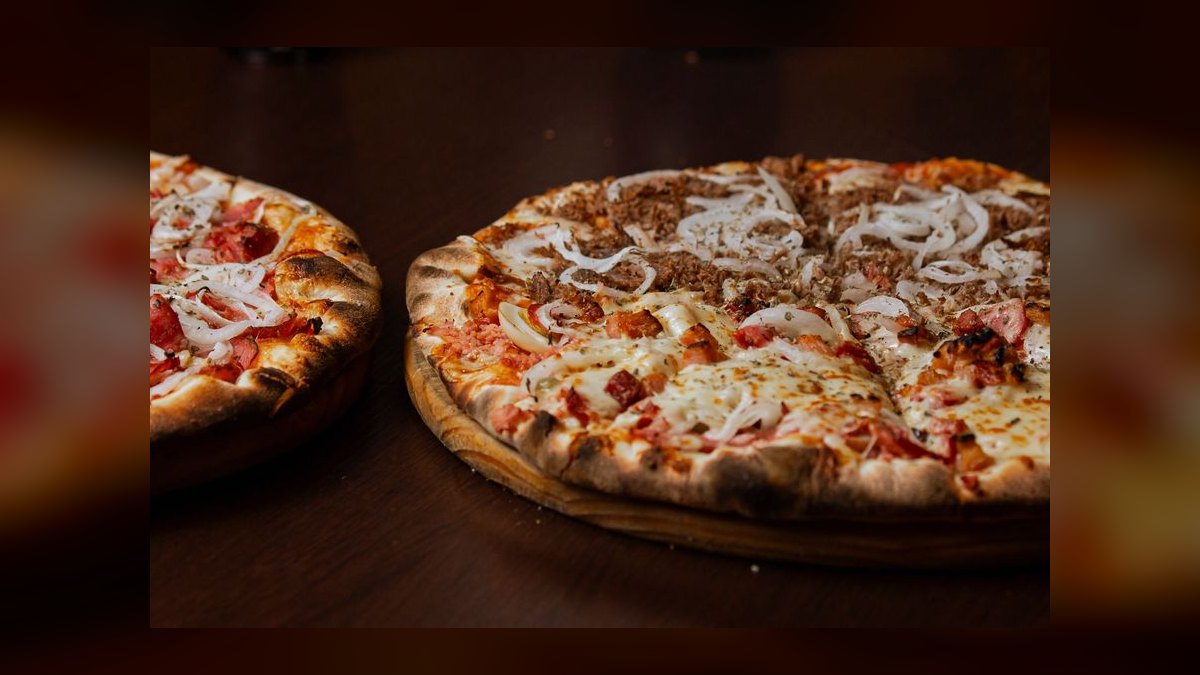
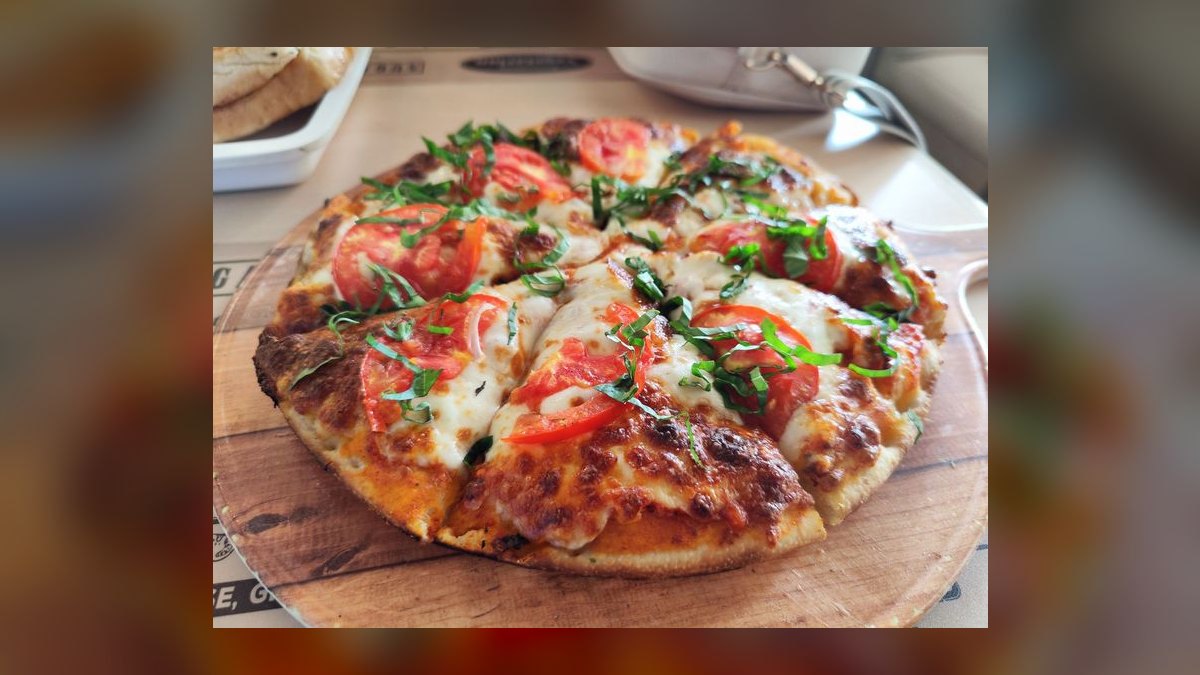
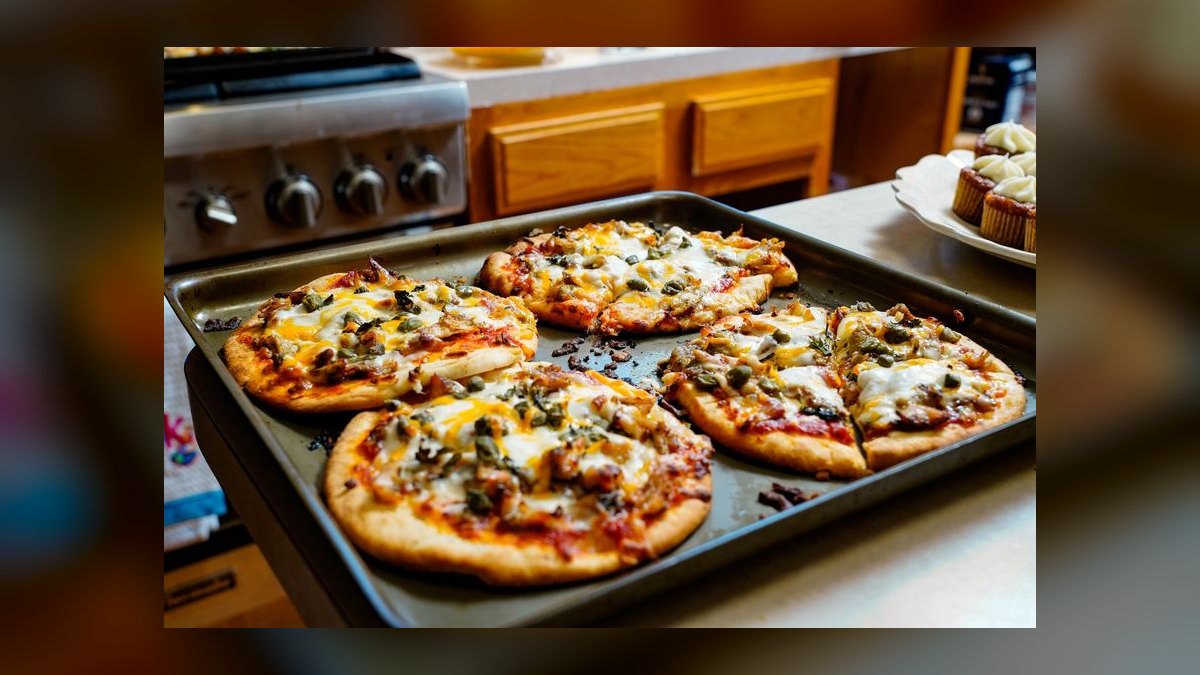
Pizza. Mobile pizza is a durable format because it solves the one thing catering buyers care about: feeding a hundred people something everyone eats, hot, on a schedule. Wood-fired and conveyor-oven trailers slot into weddings, corporate lunches, and brewery nights at a premium price. Ovens are heavy and expensive, so build costs are among the highest in mobile, and the trailer often needs a heavier tow vehicle. But event pricing — a flat per-head or minimum-spend contract — smooths the revenue volatility that kills street-vending-only trucks.
Barbecue and smoked meats. High ticket, strong regional demand, and enormous catering upside. The constraint is time and skill: smoking is a twelve-hour discipline with real yield loss, and inventory risk is punishing because unsold brisket does not keep like a bag of ice does. This category rewards operators with prior kitchen experience and punishes absentee owners.
Adjacent formats worth knowing. Vending trailers, ghost-kitchen-plus-delivery hybrids, mobile bars and coffee carts for the wedding market, and stadium/venue concession contracts all sit one step outside "food truck" but compete for the same capital and the same operator hours. A mobile bar with a beverage-only license can post extremely attractive margins with almost no food-safety overhead. Conversely, a commissary-based delivery-only brand skips the truck entirely. Anyone comparing food-truck franchise opportunities should price these neighbors, because the right answer is sometimes "not a truck."
The step-by-step process from inquiry to first service window
The path from "I want a food truck" to first dollar of revenue is more procedural than most first-time buyers expect, and the sequencing matters — doing permits after the build is how people end up with an unusable vehicle.
Start with the market, not the brand. Map your county's actual mobile-food environment: how many commissaries exist and what they charge, whether your city allows street vending or restricts trucks to private property, what the brewery and event density looks like, and whether the health department requires a separate permit per city. Two adjacent counties can differ by thousands of dollars per year in compliance cost.
Then request FDDs from three to five franchisors in your chosen category and read Item 7, Item 19, and Item 20 side by side. Call at least eight existing franchisees from the Item 20 list — including at least two who left the system, because departed franchisees give you the information the franchisor cannot. Ask concrete questions: weekly gross by season, actual food cost after waste, what the truck breaks, how long parts take, whether the franchisor's promised event bookings materialized.
Financing is next, and it should be secured *before* signing. SBA 7(a) loans are the common route; many franchise brands appear on the SBA Franchise Directory, which streamlines eligibility review. Expect to bring meaningful equity, pledge collateral, and personally guarantee the note. Equipment leasing can cover the vehicle separately, and some franchisors offer in-house financing for the initial fee.
Only then commit: sign the franchise agreement, lock the territory, and start the build. Build lead times are the schedule risk nobody budgets for — a custom truck or trailer can take months, and delays cascade into missed season openings. While the build runs, do the unglamorous work in parallel: form the LLC, get the EIN, secure general liability and commercial auto insurance, sign the commissary agreement, complete food-manager certification, apply for health permits and the mobile-vendor license in every jurisdiction you plan to serve, and register for sales tax.
Training comes next — usually one to three weeks split between classroom and a working unit. Then a soft-launch period: book low-stakes private events and brewery nights first, deliberately, to break in the crew and find the equipment failures before a festival exposes them. Only after the line is stable should you chase the high-volume events where a blown ticket time costs you a repeat contract.
Costs, timelines, and typical ranges
Treat every number below as a planning band to validate against a specific FDD's Item 7, not a quote. Mobile food investment varies more by build spec and jurisdiction than by brand.
Initial franchise fee. Commonly in the twenty-to-forty-five-thousand range for mobile-eligible brands, with some low-cost seasonal concepts starting well below that and premium national names above it. Multi-unit development agreements usually discount the per-unit fee in exchange for a binding opening schedule — which is a real obligation, not a courtesy.
The vehicle. This is the single largest line and the one with the widest spread. A used trailer with basic equipment can start in the twenty-to-forty-thousand range. A new purpose-built trailer with a hood, fryers, refrigeration, and a fresh-water system typically runs sixty to a hundred and twenty thousand. A new custom truck — chassis plus full commercial kitchen — commonly lands between a hundred and twenty and two hundred thousand, and a heavy pizza or barbecue build can exceed that. Trailers cost less than trucks and are easier to service, but require a capable tow vehicle you may not own.
All-in entry. Beverage and dessert concepts frequently total between seventy-five and a hundred and seventy-five thousand all-in. Full hot-food concepts more often land between a hundred and fifty and three hundred and fifty thousand. Anything advertised as a turnkey food-truck franchise under fifty thousand deserves hard scrutiny — check whether the vehicle is actually included.
Ongoing fees. Royalties in franchising commonly sit in the five-to-eight percent of gross revenue range, with a brand or ad fund adding roughly one to three percent. On a truck grossing three hundred thousand a year, eight percent combined is twenty-four thousand off the top before you pay yourself.
Recurring operating costs people forget. Commissary rent, typically a few hundred to over a thousand dollars monthly. Commercial auto and general liability insurance. Propane, fuel, and generator maintenance. Health permits and mobile-vendor licenses, per jurisdiction, annually. POS and payment processing. Event and festival fees — often a flat booth fee plus a percentage of sales, which can reach the mid-teens at premium events. Vehicle maintenance and the reserve for the failure that will happen. Labor, which in mobile is usually two to four people per shift.
Margin reality. Food cost commonly runs high twenties to mid thirties as a percent of revenue for hot food and lower for beverage-led concepts. Labor often lands in the high twenties to low thirties. After royalties, commissary, insurance, fuel, and event fees, an owner-operated truck frequently nets in the ten-to-twenty percent range of gross — and the top of that band usually requires the owner working the window, not managing from a laptop.
Timeline. Research and FDD review, one to three months. Financing, one to two months, often overlapping. Build, two to six months and occasionally longer. Permits, two weeks to three months depending on the health department. Training, one to three weeks. Realistically, four to nine months from decision to first service, and a full year of trading before you have honest seasonal data.
When the second unit makes sense. Not until unit one runs profitably without you on the window every shift, and you have a manager you trust. The second truck is where mobile beats bricks-and-mortar, because you can add capacity without another lease — but it also doubles the maintenance surface and the staffing problem.
Where operators get it wrong
Buying the concept they love instead of the concept their market pays for. Enthusiasm for artisan sandwiches does not survive a county with three commissaries and no street-vending permits. Validate demand channels before brand fit.
Underestimating permits. In many metros, each municipality issues its own mobile-vendor permit and its own health inspection. Operators budget one permit and discover they need six to cover a realistic service radius. Call the health department before signing anything.
No commissary plan. Most jurisdictions legally require a licensed commissary or base of operations for water, waste disposal, and prep. In dense markets commissary space runs a waitlist. Confirm availability and price during due diligence, not after.
Treating Item 19 as a forecast. Financial performance representations are often averages that mix the strongest markets with the weakest, sometimes limited to a top-performing subset. Some franchisors publish no Item 19 at all — which is legal and tells you to lean entirely on franchisee calls.
Skipping departed franchisees. Current franchisees have an incentive to protect brand value and their own resale price. Former ones have none. Item 20 lists transfers, terminations, and non-renewals; a spike there matters more than a glossy growth chart.
Ignoring seasonality in the loan model. A shaved-ice truck servicing twelve monthly loan payments on five months of revenue needs a cash reserve sized for the off-season. Plenty of otherwise-viable units die in February.
One revenue channel. Trucks that only street-vend are fragile — weather, foot traffic, and municipal rule changes all hit at once. The durable pattern layers three or four: brewery contracts, weekly apartment or office rotations, private catering with deposits, and festivals. Catering deposits in particular convert unpredictable walk-up revenue into booked, prepaid revenue.
No maintenance reserve. Generators, compressors, transmissions, and water pumps fail. A reserve of several thousand dollars per truck is not conservative; it is the cost of not losing a Saturday.
Cannibalizing your own territory on the second unit. Mobile territories are fuzzy. Two of your trucks working the same brewery circuit split one revenue stream. Map the second unit's channels before you buy it.
Absentee ownership too early. Mobile margins are thin enough that a manager's salary can consume most of the profit on unit one. Most systems only work absentee at three or more units.
Decision framework: choosing among food-truck franchise opportunities
The choice reduces to four questions, answered in order.
How much capital can you deploy, and how much of it is liquid? Under about a hundred thousand all-in, you are realistically looking at beverage, dessert, or seasonal trailer concepts, or a used-vehicle build. Above a hundred and fifty thousand, full hot-food and pizza formats open up. Never spend your maintenance reserve on a nicer wrap.
Will you work the window? If yes, higher-labor formats like barbecue and chicken are viable and you keep the labor margin. If no, choose the simplest possible operation — beverage or frozen — because every added station multiplies training and turnover cost.
What does your climate do to a seasonal concept? In a market with real winters, frozen and shaved ice need either a winter pivot menu, an indoor catering angle, or an explicit acceptance that this is a five-month business with twelve months of fixed cost.
Is your revenue going to come from streets or from contracts? Contract-led operators — breweries, corporate, weddings — should favor formats that feed crowds on a schedule: pizza, barbecue, tacos, chicken. Street- and event-led operators should favor speed and impulse: beverage, dessert, hand-helds.
Then apply three filters to any brand that survives. First, does the FDD's Item 20 show net unit growth with low termination and transfer counts over three years? Second, does the franchisor actually deliver something a solo truck cannot buy — negotiated food costs, a booked-event pipeline, real recipes, working training — or are you paying royalties for a logo? Third, are the territory rights written in a way you can grow into, with a defined radius or channel exclusivity rather than vague language?
If a brand fails any of the three, the honest comparison is an independent truck. Going independent forfeits brand equity and buying power but keeps the five-to-eight percent royalty and the entire menu decision. For an experienced kitchen operator in a market with strong event density, independent frequently wins. For a first-time owner in a brand-sensitive suburban market who wants a proven playbook, the franchise premium is usually worth paying.
Related questions
Is a food trailer better than a truck?
Trailers usually cost less, are cheaper to repair, and let you leave the kitchen on site while the tow vehicle runs errands. Trucks are faster to deploy solo and better for daily street routes. Trailers need a capable tow vehicle and more parking space.
Do food-truck franchises require a commissary?

In most jurisdictions, yes — a licensed base of operations for potable water, wastewater disposal, and prep is a health-code requirement. Confirm availability, monthly cost, and waitlist in your county during due diligence, because commissary scarcity can block a launch entirely.
Can I finance a food-truck franchise with an SBA loan?
Often yes. Many franchise brands appear on the SBA Franchise Directory, which streamlines lender eligibility review for 7(a) loans. Expect an equity injection, collateral, a personal guarantee, and a business plan with realistic seasonal cash-flow projections.
How much can one food truck gross annually?
Ranges are wide and channel-dependent. Street-only units often land well under two hundred thousand, while catering- and event-heavy operations can exceed three hundred thousand. Validate against the specific brand's Item 19 and franchisee interviews rather than industry averages.
What is the fastest-growing mobile food category?
Beverage-led concepts — coffee, energy drinks, lemonade — and low-cost dessert formats have driven the most unit growth, because low build cost and low food cost make them the easiest units to open and the easiest to staff.
FAQ
How much does a food-truck franchise cost all-in? Plan on roughly seventy-five to a hundred and seventy-five thousand dollars for beverage and dessert concepts, and a hundred and fifty to three hundred and fifty thousand for full hot-food builds with a hood and fryers. The vehicle dominates the number. Always verify against Item 7 of the specific franchisor's FDD, which itemizes low and high estimates including working capital.

What royalty should I expect to pay? Franchise royalties commonly fall in the five-to-eight percent of gross revenue range, plus a one-to-three percent brand or advertising fund contribution. Some systems use flat weekly fees instead. Model the combined percentage against realistic gross revenue before signing — on a thin-margin mobile unit, two points of royalty is a meaningful share of owner profit.
Which category has the best margins? Beverage and frozen dessert, because cost of goods is low, ticket times are short, and the equipment package avoids hood and fire-suppression requirements in many jurisdictions. The trade-off is lower average ticket and, for frozen, heavy seasonality that requires an off-season cash reserve or a winter pivot menu.
How long from signing to opening? Typically four to nine months. The build is the long pole — two to six months for a custom truck or trailer — and permitting can add two weeks to three months depending on how many municipalities you need to serve. Run entity formation, insurance, commissary agreements, and permit applications in parallel with the build.
Do I need restaurant experience? Not for beverage or frozen concepts, where franchisor training is usually sufficient. For barbecue, and to a lesser extent fried chicken and pizza, prior kitchen experience materially changes your odds — yield management on smoked meats and speed on a fryer line are learned skills, and mobile gives you no second line to hide behind.
When should I add a second truck? Only after unit one is profitable without you working every shift, you have a manager you trust, and you have mapped distinct revenue channels so the two trucks do not split the same brewery and event circuit. Multi-unit is where mobile economics beat bricks-and-mortar, because you add capacity without adding a lease.
Sources
- https://www.ftc.gov/business-guidance/resources/consumers-guide-buying-franchise
- https://www.sba.gov/funding-programs/loans/7a-loans
- https://www.sba.gov/document/support-sba-franchise-directory
- https://www.fda.gov/food/retail-food-protection/fda-food-code
- https://www.franchise.org/
- https://www.irs.gov/businesses/small-businesses-self-employed/starting-a-business
- https://www.restaurant.org/research-and-media/research/
- https://www.bls.gov/data/inflation_calculator.htm
- https://www.usa.gov/business-permits-licenses
Related on PULSE
- Best franchise opportunities for veterans in 2027
- Best master franchise and area development opportunities in 2027
- What are the best med spa franchise opportunities to buy in 2027?
- What are the best sushi franchise opportunities to buy in 2027?
- Best multi-unit franchise opportunities for empire builders in 2027
- Should I open a food truck in 2027?
This page will be disappearing soon. Save it to your device for $1 — or read it free while it is here.
@Kory-White- · if Venmo asks, the last 4 of my number are 2012
This page is gone.
This one is off the shelf now. $1 keeps it on your phone for good — the whole page, pictures and diagrams included.
 franchiseShould I open or buy a Primrose Schools franchise in 2027?
 franchiseShould I open or buy a Planet Fitness franchise in 2027?
 franchiseShould I open or buy a Mathnasium franchise in 2027?
 franchiseShould I open or buy an Ace Hardware franchise in 2027?
 franchiseShould I open or buy a Chipotle franchise in 2027?
 franchiseShould I open or buy a Meineke franchise in 2027?
 franchiseShould I open or buy a Kona Ice franchise in 2027?
 franchiseShould I open or buy a Little Caesars franchise in 2027?
 franchiseShould I open or buy a Merry Maids franchise in 2027?
 franchiseShould I open or buy a Sonic Drive-In franchise in 2027?