
What are the exact steps to open a franchise location, from signing the agreement to opening day in 2027?
 Curated byKory White · Fractional CRO · Maryland
 PULSEKNOWLEDGE LIBRARY
Quality
Certified

Opening a franchise location in 2027 runs through five gates: sign the franchise agreement and pay the initial fee, secure financing and a lease or purchase site, complete franchisor-approved design and build-out, finish required training and pre-opening marketing, then pass final inspections before your grand opening. Most concepts run 9-18 months from signing to doors-open, driven mostly by site approval and construction timelines, not paperwork.
What it is and why it matters
Opening a franchise location is a structured, franchisor-controlled process, not an open-ended small-business startup. The moment you sign the franchise agreement, you're bound to a specific sequence of milestones the franchisor has refined across hundreds of prior openings — site criteria, design specs, vendor lists, training curricula, and a pre-opening marketing calendar. This matters because franchise systems live or die on consistency: a burger chain's brand promise depends on every location looking, tasting, and operating the same way, so franchisors build rigid checklists rather than letting new owners improvise.
For a prospective franchisee, understanding this sequence before signing anything is the single highest-leverage thing you can do. Franchise Disclosure Documents (FDDs) are dense — often 200+ pages — but Item 20 (outlet data) and the franchisor's own opening timeline estimates in Item 11 tell you almost everything about how long the real process takes and where it tends to stall. Skipping that review is the single most common regret franchisees report a year after opening: they signed the agreement expecting a 6-month build and got a 14-month one because they didn't understand how site approval or permitting actually worked in their market.
The stakes compound because franchise agreements typically start the royalty and marketing-fund clock, and sometimes minimum performance obligations, from a fixed date — either signing or a contractually defined "opening deadline." If you blow past that deadline because you underestimated permitting or construction lead times, some agreements allow the franchisor to terminate for cause, forfeiting your initial fee. Knowing the exact steps and their typical duration is protective, not just informational — it's how you negotiate a realistic opening deadline into the agreement itself, before signing, when you still have leverage.
The step-by-step process
The sequence below reflects how most established franchise systems — food service, retail, service-based (fitness, home services, tutoring) — structure the path from signed agreement to opening day. Individual brands vary in sequencing details, but the core gates are consistent because they map to real-world dependencies: you can't build before you have an approved location, and you can't get a certificate of occupancy before construction is done.

1. Sign the franchise agreement and pay the initial franchise fee. This typically follows FDD review (a mandatory 14-day waiting period in the U.S. under FTC franchise rules), Discovery Day or a similar in-person vetting meeting, and financing pre-approval. Initial fees commonly range $20,000-$75,000 depending on brand recognition, though larger hotel and quick-service brands can run higher. Signing triggers the franchisor's internal "new franchisee" workflow: you're assigned a real estate representative, a construction/design liaison, and an operations trainer.
2. Site selection and lease or purchase negotiation. The franchisor supplies site-selection criteria — traffic counts, demographic radius requirements, co-tenancy preferences, minimum square footage. You (often with a franchisor-approved real estate broker) identify candidate sites, and the franchisor must formally approve the site before you sign a lease or purchase agreement. This step alone frequently takes 2-6 months in competitive retail corridors, longer in markets with limited commercial inventory.

3. Financing finalization. SBA 7(a) loans are the most common vehicle for U.S. franchise financing, and because the brand is often already on the SBA's Franchise Directory, underwriting moves faster than an independent business loan — but funding still typically takes 60-90 days from application to close, run partly in parallel with site selection.
4. Design and permitting. Once the lease is signed, the franchisor's architecture team (or an approved third-party firm) produces store plans matching brand specifications. These go to the local municipality for permitting — this is the step most likely to blow past estimates, because permitting timelines vary wildly by city and are entirely outside the franchisor's or franchisee's control. Six to sixteen weeks is a reasonable range in most U.S. markets; some dense urban jurisdictions run longer.

5. Construction and build-out. General contractor (often franchisor-approved) builds to spec. Typical build-outs for a small-format retail or food-service location run 10-16 weeks once permits are in hand; larger formats (full-service restaurants, fitness clubs) run longer.
6. Training. Most franchisors require the franchisee (and often a designated manager) to complete a structured training program — commonly 1-6 weeks — either at corporate headquarters or a regional training center, covering operations, POS systems, brand standards, and sometimes a hands-on stint at an existing location.

7. Staffing and pre-opening marketing. Hiring typically starts 4-8 weeks before opening. The franchisor usually mandates a grand-opening marketing package — local advertising, a soft-opening period, sometimes a corporate marketing-fund contribution — to build initial traffic.
8. Final inspection and opening day. A brand representative conducts a final walk-through against the brand standards checklist; local authorities issue the certificate of occupancy; then a soft opening (limited hours, friends-and-family or limited public) typically precedes the formal grand opening by one to two weeks.
Costs, timelines, and typical ranges
Total time from signing to opening day varies by format, but three bands are useful benchmarks. Low-footprint service franchises with no physical retail location (home services, mobile businesses, some tutoring or cleaning brands) can open in as little as 60-90 days from signing, since there's no site selection, permitting, or build-out gate at all. Small-format retail or quick-service food concepts (coffee kiosks, sandwich shops, fitness studios under 3,000 square feet) typically run 6-9 months. Full-scale restaurants, hotels, and larger-format retail commonly run 9-18 months, and in difficult permitting jurisdictions or ground-up construction scenarios, 24 months is not unusual.
Cost ranges follow a similar spread. Beyond the initial franchise fee, total investment (the Item 7 range in the FDD) typically includes: build-out and leasehold improvements ($100,000-$500,000+ for full-format retail or food service, far less for home-based or mobile models), equipment and fixtures, initial inventory, signage, a required opening marketing spend (often a fixed dollar minimum specified in the agreement), and working capital reserves the franchisor typically requires you to demonstrate — commonly three to six months of operating expenses held liquid, separate from build-out costs.
Financing timelines run partly in parallel with site selection and design, which is why experienced franchise consultants recommend starting SBA pre-qualification before signing the agreement, not after. A franchisee who waits until after signing to start financing conversations often adds 6-8 weeks of otherwise avoidable delay, because SBA lenders want a signed lease or at minimum an accepted letter of intent before final underwriting, creating a sequencing bottleneck if financing hasn't been pre-qualified.

Royalty and marketing-fund obligations typically begin at the agreement's opening date, not the signing date, but late fees or default provisions for missing a contractual "outside date" for opening are common — some agreements specify that if the location isn't open within 12-18 months of signing, the franchisor can terminate the agreement and retain the initial fee. This is a negotiable term in many systems, particularly for franchisees opening in markets with known permitting delays, and should be raised with a franchise attorney before signing, not after a preventable delay puts the agreement at risk.
Where teams get it wrong
The single most common failure is underestimating permitting and site-approval time and treating the franchisor's "typical" timeline estimate (usually the best-case scenario from the FDD) as a hard commitment. Franchisors are legally required to disclose the average time from agreement signing to opening across their system in the FDD, but that average often masks wide variance by jurisdiction — a brand that opens locations in 4 months in suburban Texas might take 10 months in a dense Northeast city with a slower permitting office. Franchisees who don't independently research their specific municipality's permitting timeline before signing routinely get blindsided.

A second recurring mistake is under-capitalizing working capital. Franchisees frequently budget accurately for build-out and the initial fee but underestimate the cash needed to survive the first 3-6 months of operation before revenue stabilizes — payroll, rent, and inventory continue whether or not the location is yet profitable, and running out of working capital mid-ramp is a leading cause of early-stage franchise failure, independent of whether the underlying unit economics are sound.
Third, franchisees sometimes select a site the franchisor's real estate team flags as marginal, then push forward anyway because they've fallen in love with a particular property or want to avoid restarting the search. Franchisor site-approval criteria exist because the brand has data on what traffic and demographic profiles actually convert to profitable units — overriding that guidance (where the agreement even permits it) is a common precursor to underperformance.

Fourth, teams underinvest in the training period, treating it as a formality rather than the primary mechanism for transferring operational know-how. Franchisees (or the managers they send) who skip optional refresher sessions, don't shadow a high-performing existing location, or send an unqualified manager in their place open with weaker execution on day one, when first-impression traffic matters most for local word-of-mouth and online reviews.
Finally, many franchisees under-scope pre-opening marketing, spending only the contractual minimum rather than treating grand opening as a genuine local marketing campaign — local press outreach, community partnerships, a real social media build-up in the weeks before opening — leaving them dependent entirely on the brand's national recognition to drive initial traffic, which underperforms in markets where the brand isn't yet well known.

Decision framework: when to choose what
Not every prospective franchisee needs the full build-out path, and the right pre-signing decisions depend heavily on capital, timeline urgency, and risk tolerance. A franchisee prioritizing speed-to-revenue and lower capital risk should lean toward low-footprint or mobile/service-based concepts, where the entire path from signing to opening day can run under 90 days and total investment is a fraction of a retail build-out. A franchisee with more capital, a longer time horizon, and interest in a scalable multi-unit path should weigh full-format retail or food-service concepts, accepting the longer 9-18 month timeline in exchange for typically higher per-unit revenue ceilings and stronger multi-unit development terms offered to first-location franchisees who perform well.
Location strategy should follow a similar logic: a franchisee opening in a jurisdiction with known slow permitting (common in older Northeast and West Coast cities) should either negotiate a longer contractual opening deadline before signing or actively favor sites that are already retail-zoned with prior food-service or retail use, which meaningfully shortens permitting versus a raw conversion or new-shell build-out. A franchisee opening in a faster-permitting market (much of the Sun Belt and Midwest) has more flexibility to pursue ground-up or heavier-conversion sites without the same schedule risk.
Related questions
How long does franchisor site approval usually take?
Most systems return a decision within 2-4 weeks of receiving a complete site package, but the search for a qualifying site beforehand — meeting traffic, demographic, and co-tenancy criteria — is the longer part, often 2-6 months in competitive markets.
Can a franchisee negotiate the opening deadline in the agreement?
Often yes, especially for a first location or in a market with documented permitting delays. This is best raised with a franchise attorney before signing, using comparable timeline data from the FDD's Item 20 outlet information.
What happens if construction runs past the contractual opening deadline?
Terms vary, but many agreements allow the franchisor to grant an extension for documented delays (permitting, weather, contractor issues) or, in stricter agreements, to terminate for cause and retain the initial fee — which is why documenting delay causes in writing matters.
Does the royalty clock start at signing or at opening?
Almost universally at opening (or a contractually defined deadline date), not at signing — but franchisees should confirm this explicitly in their specific agreement rather than assuming.
Is SBA financing required, or can franchisees self-fund?
Neither is required system-wide; SBA 7(a) loans are simply the most common vehicle because many established brands are pre-listed on the SBA Franchise Directory, which speeds underwriting versus an unlisted business.
FAQ
What's the very first legal step after deciding to franchise with a brand? Reviewing the Franchise Disclosure Document (FDD) during the mandatory 14-day waiting period required under FTC franchise rules, ideally with a franchise attorney, before signing the franchise agreement or paying any fee.
Does signing the franchise agreement mean the location is guaranteed? No — the agreement grants rights to develop a location within a defined territory or at an approved site, but site selection and franchisor approval still have to happen afterward unless a specific site was already approved before signing.
What's the biggest hidden cost beyond the initial franchise fee? Working capital to cover 3-6 months of operating expenses before the location ramps to profitability; franchisees who budget only for build-out and the initial fee are frequently under-capitalized for the ramp period.
Can a franchisee pick any location they want? No — locations must meet franchisor-defined site criteria (traffic, demographics, co-tenancy, square footage) and receive formal franchisor approval before a lease or purchase agreement is signed.
How long does training usually take before opening day? Commonly one to six weeks, depending on the brand and concept complexity, often split between classroom/corporate training and hands-on time at an existing location.
What triggers the actual "opening day" milestone? Passing the franchisor's final brand-standards inspection and receiving local occupancy approval, typically followed by a one-to-two-week soft opening before the formal grand opening.
Sources
- https://www.ftc.gov/business-guidance/resources/franchise-rule-compliance-guide
- https://www.sba.gov/business-guide/plan-your-business/franchise-your-business
- https://www.franchise.org
- https://www.entrepreneur.com/franchises
- https://www.ftc.gov/business-guidance/industry/franchises-business-opportunities
- https://www.score.org/resource/blog-post/how-buy-franchise
- https://www.irs.gov/businesses/small-businesses-self-employed/franchise-taxes
Related on PULSE
- How much does it really cost to open a franchise in 2027?
- What questions should you ask a franchisor before signing?
- How does SBA financing for franchises actually work?
- What's the difference between a single-unit and multi-unit franchise agreement?
- How do franchisors evaluate and approve a proposed site?
This page will be disappearing soon. Save it to your device for $1 — or read it free while it is here.
@Kory-White- · if Venmo asks, the last 4 of my number are 2012
This page is gone.
This one is off the shelf now. $1 keeps it on your phone for good — the whole page, pictures and diagrams included.
 franchiseShould I open or buy a CorePower Yoga franchise in 2027?
 franchiseShould I open or buy a Logan's Roadhouse franchise in 2027?
 franchiseShould I open or buy a Dunkin' franchise in 2027?
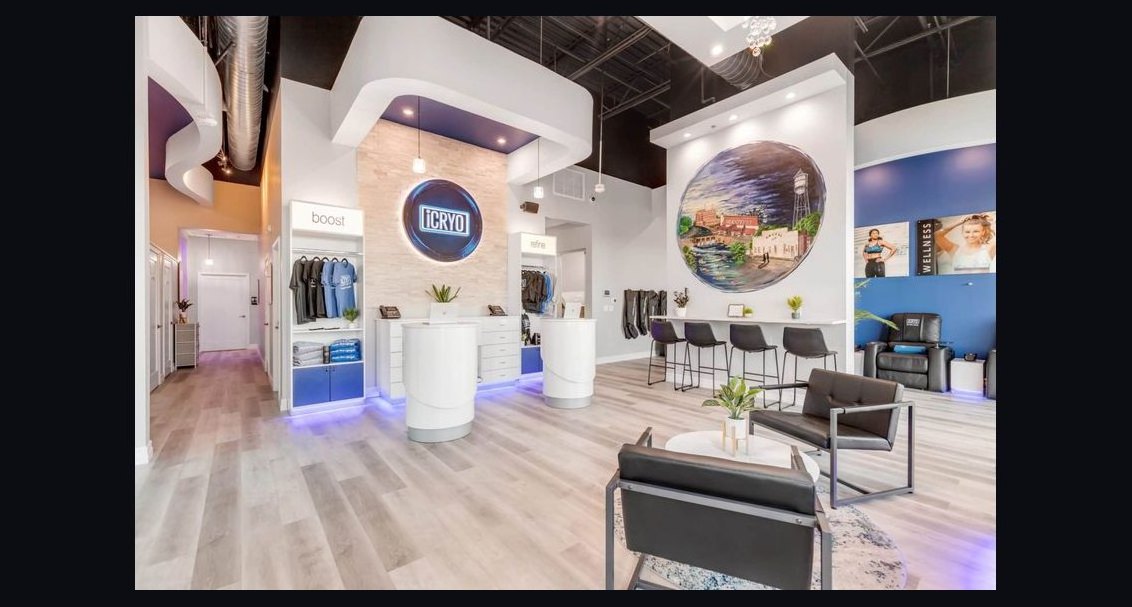 franchiseShould I open or buy an iCRYO cryotherapy franchise in 2027?
 franchiseShould I open or buy a Rita's Italian Ice franchise in 2027?
 franchiseShould I open or buy a Tutor Doctor franchise in 2027?
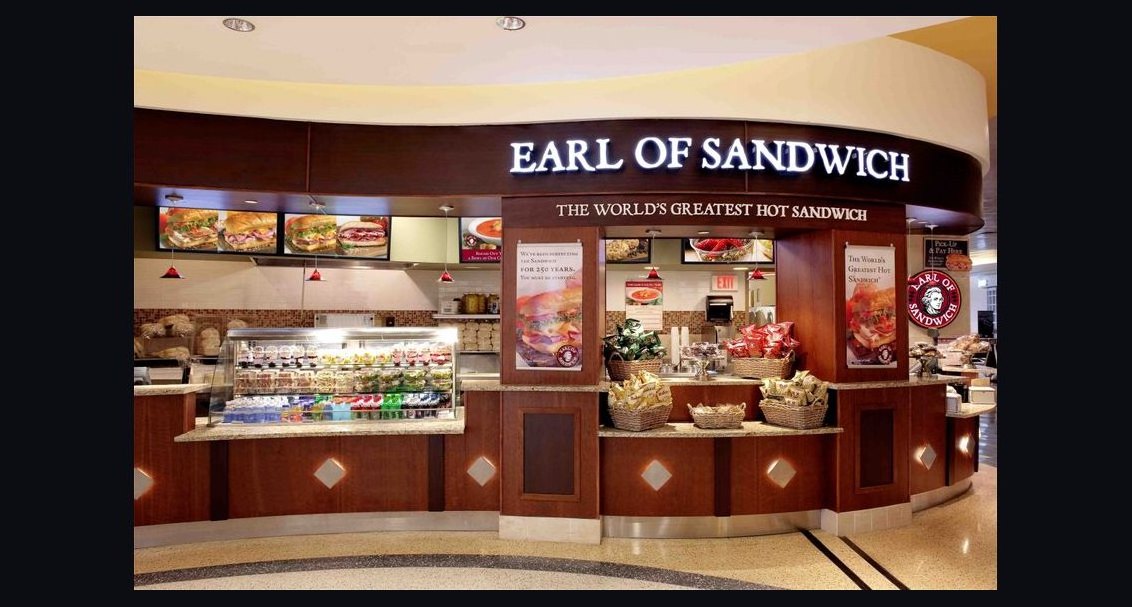 franchiseShould I open or buy an Earl of Sandwich franchise in 2027?
 franchiseShould I open or buy a Snip-its kids haircuts franchise in 2027?
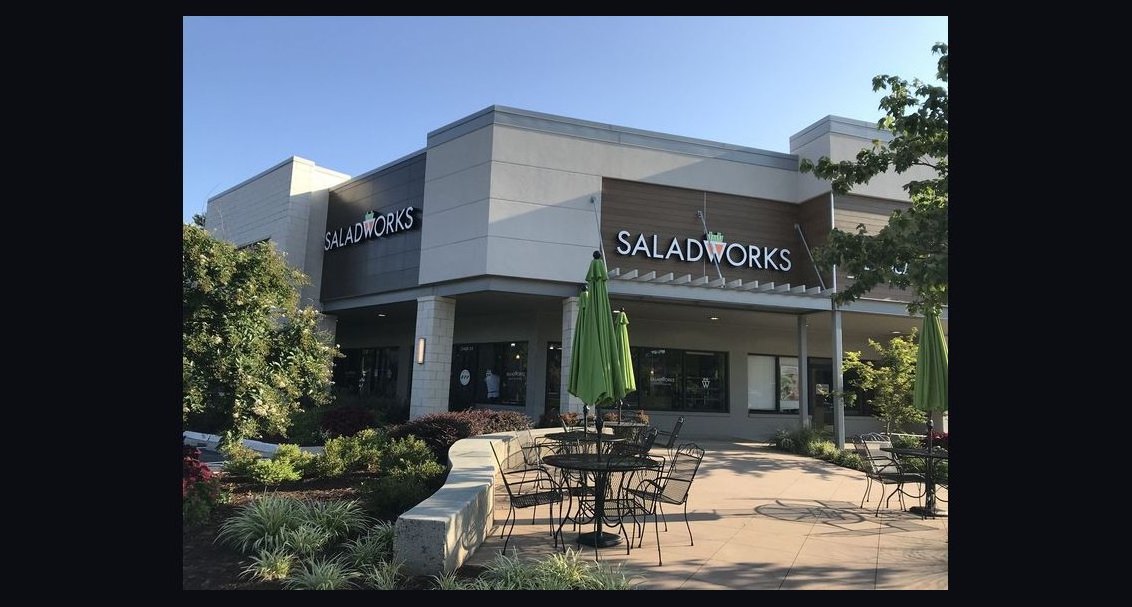 franchiseShould I open or buy a Saladworks franchise in 2027?
 franchiseShould I open or buy a CPR Cell Phone Repair franchise in 2027?